Cape Verde Travel Guide — Where Africa meets the Atlantic in sun-drenched serenity
⏱ 11 min read📅 Updated 2026💶 €€ Mid-Range✈️ Best: Jan–Apr
€50–120/day
Daily budget
Jan–Apr
Best time
10–14 days
Ideal stay
CVE (Escudo)
Currency
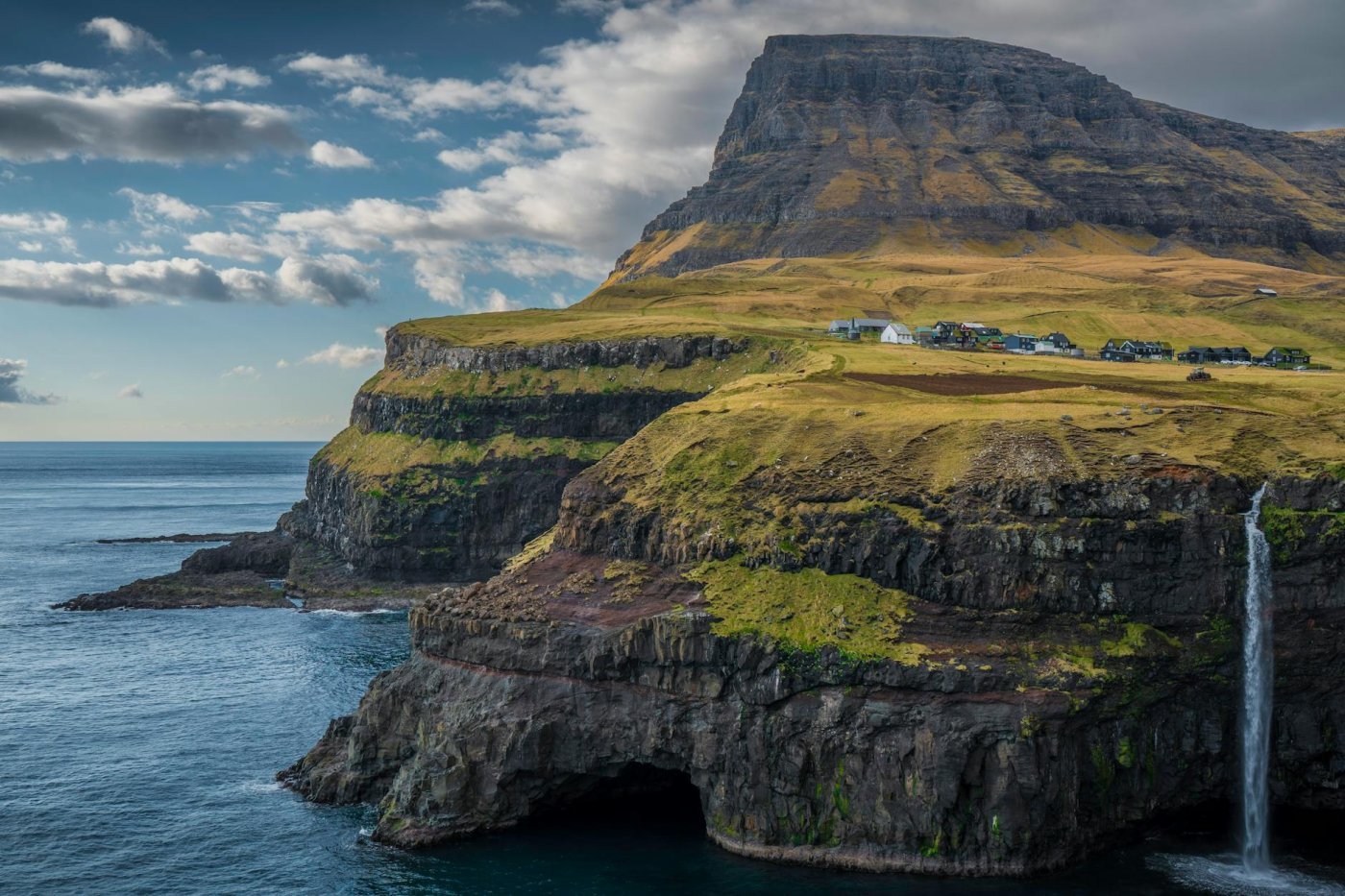
Cape Verde hits you before you even land — aquamarine water so vivid it looks painted, ridgelines of volcanic rock raking the sky, and the faint pulse of morna drifting through an open bar door. This West African archipelago sits some 570 kilometres off the coast of Senegal, scattered across a deep Atlantic blue in ten distinct islands, each with its own personality. Cape Verde is where the Sahara's edge and the ocean floor decide to meet above water, and the collision is spectacular. Salt flats shimmer alongside colonial squares, and fishermen drag brightly painted boats across shores that wouldn't look out of place in a fantasy novel. The light here is almost obscenely generous, gold from dawn to dusk.
What separates Cape Verde from the Caribbean or the Canary Islands is texture: this is an archipelago with living, breathing Creole culture, a mournful musical tradition called morna that Cesaria Évora carried to the world, and landscapes that range from Saharan dunes to lush green valleys in the same afternoon. Things to do in Cape Verde run from world-class kitesurfing off Santa Maria beach on Sal to multi-day ridge hikes through Santo Antão's ribeiras. Visiting Cape Verde means choosing your own adventure — sun-lounger bliss on Boa Vista, frontier surf culture on Santiago, or dramatic mountain solitude on Fogo. Prices remain genuinely reasonable for Europeans, and flight connections from Lisbon, London, Amsterdam and Paris make it one of the Atlantic's most accessible island escapes.
✦ Find your perfect destination
Is Cape Verde really your perfect match?
Answer 12 quick questions about your travel style, budget and dates — we match you with the destinations that fit you best, from 600+ worldwide.
Cape Verde earns its place on your list because it delivers multiple trips inside one. Sal and Boa Vista offer Caribbean-calibre beaches without Caribbean prices; the annual kitesurfing world cup makes Santa Maria a magnet for wind sports enthusiasts from across Europe. Santo Antão's cobblestone paths wind through banana plantations and past waterfalls, offering some of the Atlantic's best trekking. Fogo's perfectly coned volcano can be climbed in a day and has its own wine. And throughout the archipelago, Cape Verdean hospitality — warm, unhurried and accompanied by grogue (sugarcane spirit) — makes every encounter feel genuine.
The case for going now: Cape Verde is benefiting from improved inter-island ferry services and a new terminal upgrade at Sal's Amílcar Cabral International Airport, making island-hopping more practical than ever for a 2026 itinerary. The escudo's peg to the euro keeps costs predictable for European travellers, and the country's tourism infrastructure is maturing rapidly without yet losing its rough-edged charm. Go before the big resort chains fully colonise Boa Vista's northern beaches.
🏄
Kitesurfing Santa Maria
Santa Maria on Sal is one of the world's premier kitesurfing spots — flat-water lagoons, consistent 20-knot trade winds, and a village packed with schools catering to complete beginners through pros.
🥾
Santo Antão Trekking
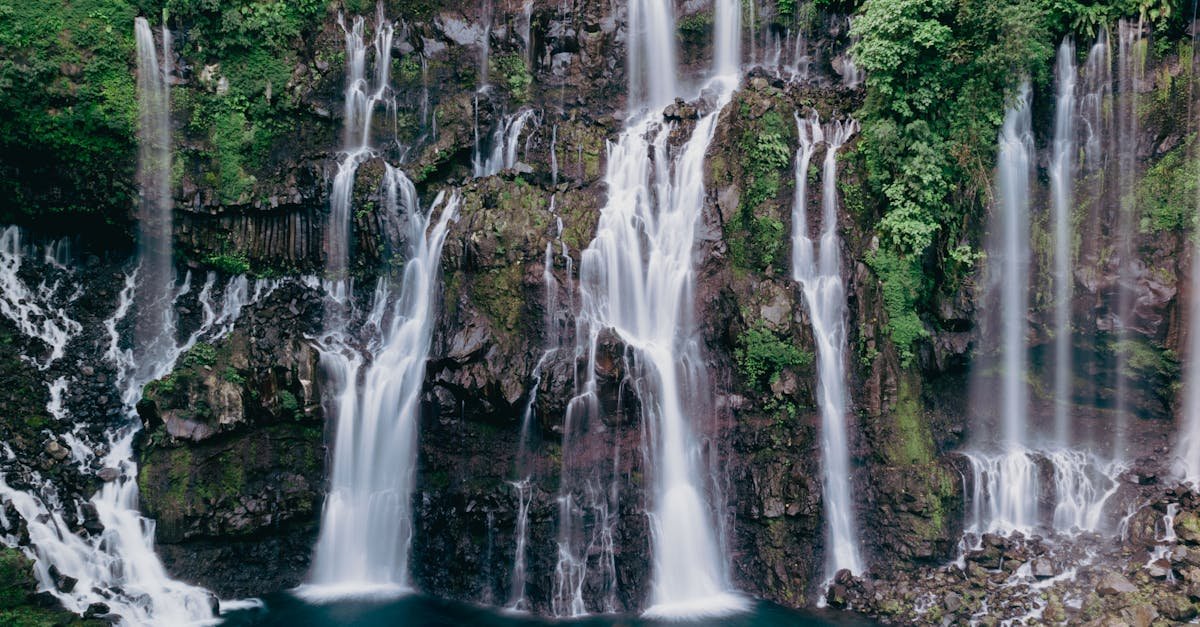
The ribeiras of Santo Antão are carved so dramatically they look artificial — cobbled mule paths drop into valley floors lush with sugar cane, papaya and coffee grown by families who have farmed here for centuries.
🌋
Fogo Volcano Summit
Pico do Fogo rises 2,829 metres and rewards the four-hour climb with a lunar crater rim view and the peculiar sight of a village rebuilt inside caldera walls after the 2014 eruption destroyed and re-sprouted it.
🎵
Morna Music Nights
Morna — Cape Verde's UNESCO-listed music of longing — is best heard live in Mindelo's small bars, where a single guitarist and vocalist can silence a room of strangers with collective, unexplained emotion.
Cape Verde's neighbourhoods — where to focus
Beach & Kite Hub
Santa Maria, Sal
The island of Sal's most visited town is a pedestrianised strip of pastel buildings, fish restaurants and kite schools leading straight to a two-kilometre beach. It feels like a low-key Portuguese beach town transported to the tropics, and the consistent trade winds make it an unmissable stop on any Cape Verde itinerary.
Cultural Capital
Mindelo, São Vicente
Widely regarded as Cape Verde's cultural capital, Mindelo is a colonial port city of faded grandeur — the wide Avenida 5 de Julho lined with jacaranda, a bustling market, and bars where morna and coladeira are played every evening. It's the most European-feeling city in the archipelago, and the most intellectually alive.
Untouched Dunes
Sal Rei, Boa Vista
Boa Vista's principal town remains small and pleasantly underdeveloped, a short drive from sweeping desert dunes that roll directly into the Atlantic. Sal Rei is where to base yourself for quad-bike excursions to the Viana Desert and long empty beach walks, all within a genuinely local Cape Verdean town atmosphere.
Hikers' Base
Ribeira Grande, Santo Antão
The main town on Santo Antão sits at the mouth of a grand valley, surrounded by terraced fields and colonial architecture. Ribeira Grande is the logical starting point for the island's legendary hiking trails, and its market sells grogue, local cheeses and fresh vegetables grown in the ribeira — earthy, authentic, far from tourist resort life.
Top things to do in Cape Verde
1. #1 Kitesurf the Sal Lagoon
The shallow, waist-deep lagoon at Santa Maria on Sal is Cape Verde's signature experience and one of the best kitesurfing locations anywhere in the Atlantic. Trade winds blow reliably at 18–25 knots from November through June, the water temperature hovers around 23°C year-round, and the sandy bottom means crashes are forgiving. Reputable schools like Kite Beach Club and Funride offer IKO-certified tuition from beginner to advanced. Even if you've never touched a kite, a three-day course will have you riding; experienced riders can hire equipment by the hour. The same stretch of coast offers windsurfing and wing-foiling, and the sunset sessions here — orange sky, spray, dozens of kites overhead — are visually arresting enough to watch even if you choose to stay on shore.
2. #2 Hike the Santo Antão Ribeiras
Santo Antão is a walker's island and the most visually dramatic in the Cape Verde archipelago. The classic hike runs from Cova crater down through Ribeira do Paul — a four-hour descent through an impossibly green valley of banana trees, sugar-cane presses and stone farmhouses where locals still distil grogue in courtyards. The less-travelled Ribeira Grande to Fontainhas trail clings to cliff edges above the sea, passing through villages accessible by no road. Trailheads are easily reached by shared aluguer taxi, and basic guesthouses along routes allow multi-day self-supported treks. Guides are not mandatory but add significant context — local operators in Ribeira Grande can pair you with mountain-knowledgeable guides for €25–40 per day. This is some of the best hiking in the Atlantic islands, and Santo Antão remains far less crowded than comparable Canary Island trails.
3. #3 Climb Pico do Fogo
Fogo island is defined entirely by its active stratovolcano, and climbing Pico do Fogo is the singular must-do activity for adventure travellers visiting Cape Verde. The ascent begins in Chã das Caldeiras, a village inside the caldera that was buried under lava in 2014 and has since been painstakingly rebuilt by its stubborn residents. From there, the four-to-five-hour climb to the 2,829-metre summit crosses fields of black volcanic scree — the landscape is alien, silent and utterly unlike anywhere else in the Atlantic. Views from the rim extend across the archipelago on clear days, with neighbouring Brava visible to the southwest. Hiring a local guide from the caldera community is both advisable for navigation and a meaningful way to support families rebuilding after the eruption. The descent, running directly down the loose-scree slope in minutes, is half the fun.
4. #4 Explore Mindelo's Market & Music Scene
São Vicente's capital Mindelo is the cultural nerve centre of Cape Verde and demands at least two or three days on any extended Cape Verde itinerary. Start at the Mercado Municipal, a covered market where vendors sell dried fish, papaya, sugarcane and local cheeses from pre-dawn until early afternoon — the sensory density is high, and the photography opportunities even higher. The city's colonial Portuguese architecture along the waterfront gives way to vivid street murals in the backstreets, a reminder that Mindelo has long been a city of artists and intellectuals. By evening, the small bars around Rua de Lisboa fill with morna music played live — not for tourists but because this is simply how Mindelo nights work. The February Carnival here is the biggest in Cape Verde and rivals any street party in the wider Atlantic world, drawing travellers from across Europe specifically for the spectacle.
What to eat in the Cape Verde Archipelago — the essential list
Cachupa
Cape Verde's national dish is a slow-cooked hominy and bean stew enriched with whatever is to hand — tuna, pork, sausage, or chicken. Rich, smoky and deeply satisfying, cachupa rica (the meat-heavy version) is eaten at lunch counters across every island.
Grilled Lobster
Spiny lobster pulled from Cape Verdean waters and grilled over charcoal with garlic butter is one of the archipelago's great pleasures. Portions are generous, prices are a fraction of European equivalents, and the quality — particularly on Santiago and Santo Antão — is exceptional.
Buzio
Buzio is conch, traditionally prepared in a spiced tomato and onion sauce and served with cornmeal or rice. It's a working-class dish eaten in the islands' smallest restaurants, intensely flavoured and best accompanied by cold Strela beer.
Atum Grelhado
Fresh yellowfin tuna, grilled simply and served with modjê — a Cape Verdean tomato and pepper sauce — is a staple across the islands. The tuna is caught daily, the flavour is clean and oceanic, and it appears on even the most basic restaurant menus for under €8.
Pastéis de Milho
Cornmeal pastries stuffed with spiced fish or cheese and fried until golden, these are the archipelago's answer to a street snack. Eaten hot from a vendor in Mindelo or Praia, they are cheap, filling and genuinely addictive.
Grogue
Cape Verde's raw sugarcane spirit is central to island life, particularly on Santo Antão where dozens of small family distilleries operate in the ribeiras. Sipped straight or mixed into a ponche (with honey and lime), grogue tastes of place in a way that imported spirits never can.
Where to eat in Cape Verde — our top 4 picks
Fine Dining
Mana Beach Restaurant
📍 Santa Maria, Sal, Cape Verde
Mana Beach sits directly on Santa Maria's main beach and elevates Cape Verdean seafood into composed, beautifully plated dishes. The lobster thermidor and fresh tuna carpaccio draw a loyal following among repeat visitors. Service is attentive and the wine list covers Portuguese and international labels well.
Fancy & Photogenic
Café Mindelo
📍 Rua de Lisboa, Mindelo, São Vicente
Set in a beautifully restored colonial building on Mindelo's most atmospheric street, Café Mindelo serves elevated Cape Verdean cuisine in a room of high ceilings, tiled floors and potted ferns. The cachupa here comes refined — slow-cooked and finished with quality chouriço — and the desserts lean toward Portuguese pastry tradition.
Good & Authentic
Restaurante Chez Loutcha
📍 Rua de Lisboa 35, Mindelo, São Vicente
Chez Loutcha is Mindelo's most beloved local restaurant, a family-run institution where cachupa, grilled fish and buzio have been served for decades to a mixed crowd of fishermen, civil servants and knowing travellers. Portions are enormous, prices are low and the bachata playlist is always turned just a little too loud.
The Unexpected
Sodade Restaurant, Chã das Caldeiras
📍 Chã das Caldeiras, Fogo Island, Cape Verde
Inside the Fogo volcano caldera, Sodade serves meals using vegetables grown in volcanic soil — arguably the most minerally rich growing medium on the planet. The wine poured alongside is Fogo's own Chã label, produced from vines that survived the 2014 lava flow. Dining here, beneath the crater rim, is an entirely singular experience.
Cape Verde's Café Culture — top 3 cafés
The Institution
Pastelaria Morabeza
📍 Avenida 5 de Julho, Mindelo, São Vicente
Mindelo's most iconic café has been serving pastéis de nata, bica coffee and freshly squeezed papaya juice since the 1980s. The terrace on the main boulevard is prime people-watching territory from early morning until the midday heat clears the streets — a non-negotiable stop on any Mindelo visit.
The Aesthetic Hub
Café Porto Grande
📍 Praça Amílcar Cabral, Mindelo, São Vicente
Set in a converted colonial customs building overlooking Mindelo's central square, Café Porto Grande has the best interior design in the archipelago — whitewashed arches, rattan furniture and walls hung with archival Cape Verde photography. The espresso is properly made and the passionfruit caipirinha is worth returning for.
The Local Hangout
Snack Bar Tropical
📍 Santa Maria, Sal, Cape Verde
After a morning kitesurfing session, Snack Bar Tropical is where local instructors and long-term expats take their lunch. Simple plastic chairs, cold Strela beer, freshly grilled fish and a jukebox that cycles between zouk and old-school morna. No pretension, no tourist markup, just proper Cape Verdean daily life.
Best time to visit Cape Verde
Jan
Feb
Mar
Apr
May
Jun
Jul
Aug
Sep
Oct
Nov
Dec
Peak Season (Jan–Apr & Dec) — minimal rain, trade winds perfect for kitesurfing, seas calm and visibility excellentShoulder Season (Nov) — heat easing, sporadic showers possible, good value and quieter beachesOff-Season (May–Oct) — Saharan haze common, some islands receive brief rains, humidity higher; Sal and Boa Vista remain largely dry but less ideal
Cape Verde events & festivals 2026
Whether you're planning around a specific celebration or simply want to know what's happening, this guide covers the best events and festivals in Cape Verde — from major annual traditions to cultural highlights worth timing your trip around.
February 2026culture
Mindelo Carnival
Mindelo's Carnival is the largest in Cape Verde and one of the most spectacular street festivals in the entire Atlantic region. Elaborate samba-influenced floats, costumed groups and live music fill the city for four days, making it one of the Book accommodation months ahead.
August 2026music
Festival Baía das Gatas
Held on the beach at Baía das Gatas on São Vicente, this open-air music festival has been running since 1984 and draws Cape Verdean artists from the diaspora alongside international acts. It is one of the most important cultural events in Cape Verde, timed around the August full moon for a magical beachside atmosphere.
June 2026culture
Dia de São João, Santiago
The feast of São João on Santiago island is a night of bonfires, traditional batuku drumming and neighbourhood parties that take over Praia and smaller towns simultaneously. It is a deeply local celebration and one of the most authentic cultural experiences available to visitors on a Santiago itinerary.
September 2026music
Kriol Jazz Festival
Praia's Kriol Jazz Festival blends Cape Verdean morna and funaná rhythms with international jazz influences, drawing musicians from Africa, Brazil and Portugal. Evening concerts are held at Praça Alexandre Albuquerque, and the festival has steadily grown into one of the most important music events in West Africa.
January 2026culture
Kite World Cup, Sal
The PWA Kite World Cup in Santa Maria brings elite international kitesurfers to Cape Verde's best-known beach for competitive freestyle and racing events.
November 2026religious
Dia de Todos os Santos
All Saints' Day across Cape Verde is observed with processions, church services and communal cemetery visits that blend Catholic tradition with West African ancestral respect. On Santiago and Fogo the ceremonies are particularly moving, drawing families from across the islands back to their home communities.
May 2026culture
Cape Verde Day, Praia
Celebrated on 5 May, Cape Verde Day marks the anniversary of national discovery with parades, cultural performances and free outdoor concerts in Praia and Mindelo. Flags are hung from every balcony and the evening festivities continue late into the night across the main islands.
December 2026market
Mindelo Christmas Market
Mindelo's Praça Amílcar Cabral transforms into a festive market through December, with stalls selling Cape Verdean crafts, grogue-based liqueurs, local honey and live music performances each evening. It is a charming introduction to the archipelago for visitors arriving during the peak December holiday travel season.
July 2026culture
Gamboa Festival, Praia
The Gamboa Music Festival on Santiago island celebrates Cape Verde's African roots through batuku, funaná and tabanka performances. It is a deliberately community-focused event held in working-class Praia neighbourhoods, providing an unfiltered window into Cape Verdean culture that no resort hotel can replicate.
March 2026culture
Morna Festival, São Vicente
A dedicated celebration of morna — Cape Verde's UNESCO-listed music of longing and seafaring nostalgia — the Morna Festival on São Vicente brings together the archipelago's finest traditional performers for concerts across Mindelo's historic venues. It is essential listening for any visitor serious about Cape Verdean culture.
Guesthouses, local lunch counters, aluguers for transport, self-catering; comfortable and immersive on modest spend.
€€ Mid-range
€50–120/day
Boutique hotels, seafood restaurants, guided hikes and kite lessons; the sweet spot for most European travellers.
€€€ Luxury
€150+/day
Resort hotels on Sal and Boa Vista, private boat charters, volcano guide packages and fly-and-dive itineraries.
Getting to and around Cape Verde (Transport Tips)
By air: Cape Verde's main international gateway is Amílcar Cabral International Airport (SID) on Sal, with direct flights from Lisbon, London Gatwick, Amsterdam, Paris and several German airports. Praia's Nelson Mandela Airport (RAI) on Santiago also receives international services. Flight time from London is approximately six hours, from Lisbon under three.
From the airport: Sal's Santa Maria town is 18 kilometres from the airport. Licensed taxis cover the route in about 20 minutes for a fixed fare of roughly €15–20. Several resorts offer shuttle transfers pre-booked online. In Praia, taxis to the city centre cost €10–15. Shared aluguers (minibuses) run along main roads and cost under €2 but require patience and local knowledge to navigate on arrival.
Getting around the city: Within islands, shared aluguers (minibus taxis) are the backbone of local transport — cheap, frequent on main routes and occasionally chaotic. On Sal, hiring a quad bike or bicycle is popular for reaching beaches beyond Santa Maria. Inter-island travel runs on TACV domestic flights and Agência Nacional de Transportes Aéreos ferries; the ferry between São Vicente and Santo Antão takes one hour and costs around €5, while flights between islands average €40–80 each way.
Transport Safety & Scam Prevention:
Fix taxi fares before departure: Taxis in Cape Verde rarely use meters. Always agree the fare before entering the vehicle — at airports especially, unlicensed drivers may quote double the standard rate. Ask your hotel for current benchmark prices before your first journey.
Book ferries in advance in peak season: The Santo Antão–São Vicente ferry and inter-island flights sell out during January–April peak season. Purchase tickets online or at the port office at least 48 hours ahead, particularly for weekend sailings and public holiday travel.
Carry small escudo notes always: Card payment infrastructure outside large hotels and tourist restaurants remains unreliable across the archipelago. Local aluguers, market stalls and small guesthouses operate cash-only. Withdraw escudos at airport ATMs on arrival — machines in smaller towns sometimes run out over weekends.
Do I need a visa for Cape Verde?
Visa requirements for Cape Verde depend on your nationality. Select your passport below for an instant answer — based on the Passport Index dataset for entry into Cape Verde.
ℹ️ Indicative only. Always verify with the official consulate before booking. Data: Passport Index, April 2026.
For detailed requirements, documentation checklists and processing times by nationality: TravelDoc →
Search & Book your trip to Cape Verde
Find the best flight routes and hotel combinations using our partner Kiwi.com.
Frequently Asked Questions
Is Cape Verde safe for tourists?
Cape Verde is one of the safest destinations in Africa and ranks among the most politically stable small island nations globally. Petty theft around busy beach areas and markets in Praia and Mindelo does occur, so standard precautions apply — avoid displaying expensive cameras or jewellery in crowded areas. The islands of Sal, Boa Vista and São Vicente see heavy tourist traffic and are particularly well-policed. Violent crime targeting tourists is rare. Solo female travellers report feeling comfortable across the archipelago, particularly on the smaller islands.
Can I drink the tap water in Cape Verde?
Tap water in Cape Verde is generally not recommended for drinking. Most water is desalinated and while it is technically treated, travellers frequently report stomach sensitivity from tap consumption. Bottled water is inexpensive and widely available across all islands — budget roughly €0.50–1 per 1.5 litre bottle. Higher-end hotels and restaurants use filtered water for cooking. Brushing teeth with tap water is generally fine for most visitors, but if you have a sensitive stomach, use bottled throughout your stay.
What is the best time to visit Cape Verde?
The best time to visit Cape Verde is between January and April, when trade winds are consistent, rainfall is minimal across all ten islands, and sea temperatures hover around 23°C — ideal for kitesurfing, snorkelling and hiking. December is also excellent, with slightly lower accommodation prices before the January surge. The months of July through September bring higher humidity, Saharan dust haze (calima) and reduced visibility for water sports, though Sal and Boa Vista remain largely dry year-round. Carnival in February makes Mindelo particularly vibrant, combining optimal weather with the archipelago's greatest cultural event.
How many days do you need in Cape Verde?
To experience Cape Verde properly, plan for at least ten to fourteen days. A long weekend on Sal allows for kitesurfing and beach time but misses the island diversity that makes Cape Verde genuinely special. A one-week Cape Verde itinerary works well if focused on two islands — pairing Sal or Boa Vista with São Vicente gives a solid mix of beach, culture and music. Two weeks opens the full archipelago: Fogo's volcano, Santo Antão's hiking, Santiago's colonial history and Mindelo's legendary music scene can each receive proper attention. Inter-island flights and ferries are reliable but require planning time between connections.
Cape Verde vs Canary Islands — which should you choose?
Choose Cape Verde if you want genuine cultural immersion, uncrowded beaches and an experience that feels more like a discovery than a package holiday. Cape Verde's morna music tradition, Creole cuisine, volcanic landscapes and world-class kitesurfing conditions offer something qualitatively different from the Canaries' more developed resort infrastructure. The Canary Islands win on ease — more flight options, better roads, more restaurant variety and no need for inter-island logistics. But Cape Verde wins on authenticity and adventure. If you have two weeks and tolerance for occasional infrastructure quirks, Cape Verde delivers memories the Canaries rarely can.
Do people speak English in Cape Verde?
English is spoken at a basic level in tourist-oriented businesses across Sal, Boa Vista and Mindelo — hotels, kite schools, tour operators and many restaurants will have English-speaking staff. The official language is Portuguese, and the widely spoken mother tongue is Cape Verdean Creole (Kriolu), which blends Portuguese with West African linguistic elements. Outside tourist areas — in markets, on aluguers, in villages on Santo Antão and Fogo — Portuguese or Kriolu is essential. Learning a handful of Portuguese phrases makes a significant difference to interactions with locals and is warmly appreciated across all islands.
★ Hidden Gems Weekly
Like this? One place per week, in your inbox.
No spam, no fluff — just one underrated destination, every Tuesday.
Hand-picked and verified by Max, who founded Vacanexus from Luxembourg in 2026. No sponsorships, no paid placements. Every recommendation — restaurants, neighbourhoods, things to do — is selected for authenticity over popularity.