Durban Travel Guide — Durban: Africa's warmest coast, most electrifying
⏱ 12 min read📅 Updated 2026💶 €€ Mid-Range✈️ Best: Year-Round
€50–120/day
Daily budget
Year-round
Best time
5–7 days
Ideal stay
ZAR
Currency
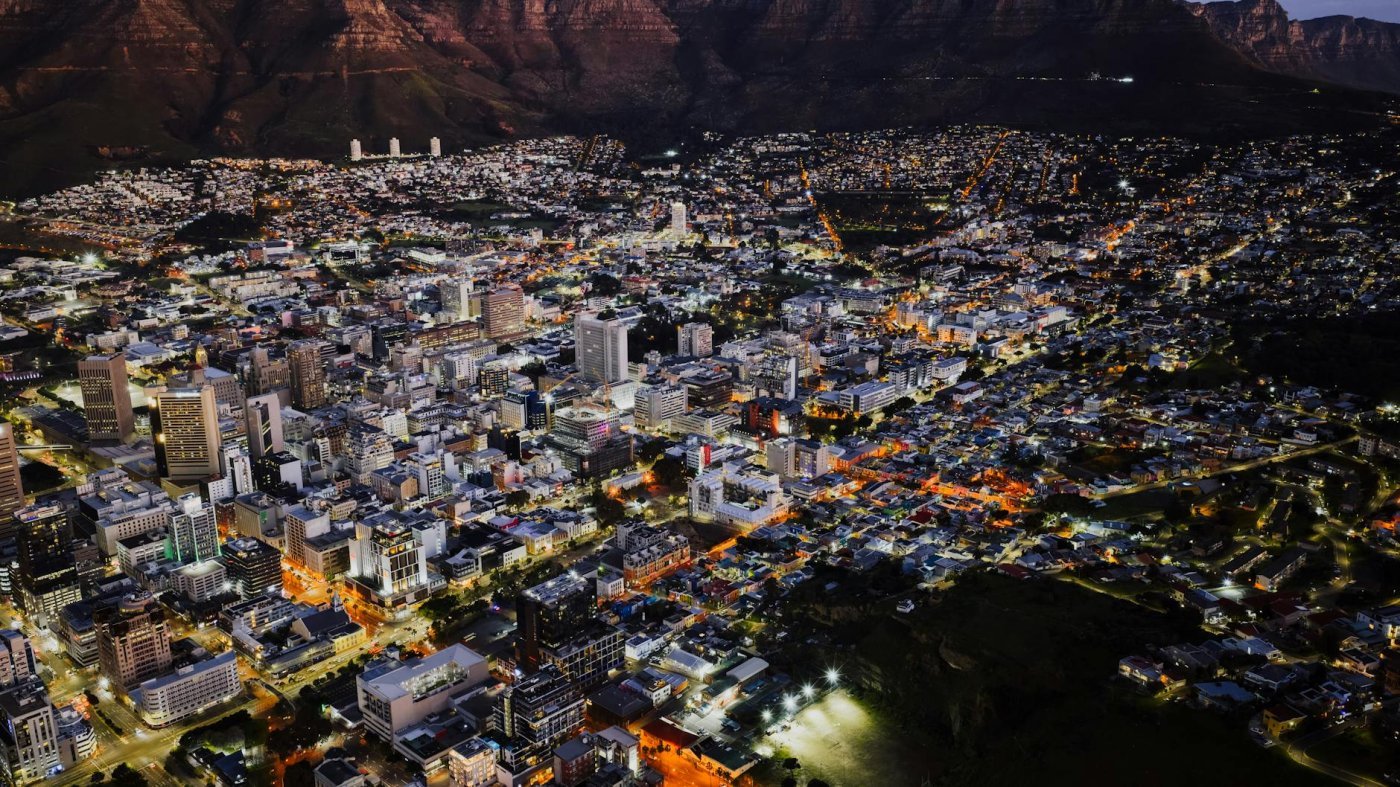
Durban hits you with heat the moment you step off the plane — a thick, salty warmth that carries the scent of frangipani, frying spices, and Indian Ocean brine. South Africa's third-largest city stretches along a broad curve of subtropical coastline where the Berea Ridge tumbles down to golden beaches that stay warm every single month of the year. Surfboards lean against beachfront vendors selling bunny chow, the thundering waves of the Golden Mile draw competitors from across the globe, and in the markets of Grey Street the air trembles with chilli heat. Durban is genuinely unlike anywhere else on the continent.
Visiting Durban rewards travellers who appreciate layered, unpredictable cities rather than neatly packaged resort experiences. Unlike Cape Town, which leans heavily on its European colonial aesthetic, Durban's identity is forged from Zulu, Indian, British, and Afrikaner threads woven together in ways that produce extraordinary food, music, and street culture. Things to do in Durban range from surfing world-class point breaks and exploring the Valley of a Thousand Hills to following a vegetarian curry trail through the CBD and watching humpback whales breach offshore between June and November. The Drakensberg mountains sit just three hours inland, making Durban an ideal base for ambitious itineraries.
✦ Find your perfect destination
Is Durban really your perfect match?
Answer 12 quick questions about your travel style, budget and dates — we match you with the destinations that fit you best, from 600+ worldwide.
Durban belongs on your travel list for the simple reason that it offers everything a great beach city should — year-round warmth, powerful surf, and brilliant seafood — while adding a culinary culture so singular that food writers make special trips purely to eat here. The city's Indian community, descended from indentured labourers brought over in the 1860s, has spent 160 years fusing subcontinent spicing with local ingredients, producing dishes that exist nowhere else on earth. Durban also sits at the gateway to some of southern Africa's most dramatic wilderness, from iSimangaliso Wetland Park to the soaring Drakensberg escarpment.
The case for going now: Durban is currently investing heavily in its waterfront precinct and the Point development, opening new hotels, restaurants, and leisure facilities that are steadily raising the city's international profile without yet inflating its prices. The South African rand remains favourable for European travellers, meaning luxury experiences can be had at mid-range cost. With direct charter routes from Europe expanding and Durban's King Shaka International Airport growing its connectivity, 2026 is genuinely the smartest moment to visit before the crowds follow.
🏄
Golden Mile Surf
Durban's six-kilometre Golden Mile serves up consistent beach-break waves year-round. North Beach and Bay of Plenty host international surf competitions, while gentler sections suit first-timers renting boards from beachfront shacks.
🍛
Bunny Chow Trail
A hollowed-out loaf of white bread packed with fragrant curry — bunny chow is Durban's most iconic dish. Follow the trail from Grey Street's vegetarian spots to the township originals in Morningside and Overport.
🐋
Whale Watching
Between June and November, humpback whales migrate along KwaZulu-Natal's coastline in spectacular numbers. Boat operators launch from the Point and Wilson's Wharf, and sightings are virtually guaranteed during peak season.
🌿
Valley of a Thousand Hills
Just forty minutes from the city centre, this dramatic valley of rolling green ridges dotted with Zulu homesteads offers craft markets, traditional dancing performances, and guided walks that provide genuine cultural context.
Durban's neighbourhoods — where to focus
Beachfront Energy
Golden Mile & Berea
The beachfront promenade is Durban's social spine — a buzzing strip of surf schools, outdoor gyms, food vendors, and the uShaka Marine World complex. The Berea Ridge rising immediately behind it holds leafy residential streets with excellent restaurants and guesthouses that catch the ocean breeze perfectly.
Cultural Heart
Grey Street & Victoria Street
This dense, aromatic precinct is the historic hub of Durban's Indian community. The Victoria Street Market overflows with spices, fabric, and fresh produce. The Juma Masjid Mosque — one of the largest in the southern hemisphere — anchors the neighbourhood spiritually, and curry restaurants line every block.
Bohemian & Caffeinated
Florida Road, Morningside
Florida Road is Durban's eat-and-drink street, stretching through the leafy suburb of Morningside with an appealing jumble of craft beer bars, independent coffee roasters, boutique fashion, and restaurants ranging from wood-fired pizza to refined Indian tasting menus. Weekend brunches here are a Durban institution.
Creative & Waterfront
The Point & Wilson's Wharf
The Point development is Durban's newest precinct, where a regenerated port headland now hosts restaurants, dive operators, and a growing hotel strip. Wilson's Wharf nearby offers floating restaurants, boat charter departures, and excellent sundowner spots facing the harbour entrance and container ships heading out to sea.
Top things to do in Durban
1. #1 — Surf the Golden Mile
Durban's Golden Mile is arguably the most consistent beach break on the African continent, producing rideable waves on the majority of days throughout the year. North Beach is the epicentre of Durban's surf culture — the site of the Mr Price Pro Surfing Championship, one of the most prestigious events on the WSL calendar. Lessons run daily from several accredited schools directly on the sand, and beginners can expect to stand up within a single two-hour session thanks to the forgiving beach-break conditions. Even if you have no intention of paddling out, watching local surfers cut through the warm Indian Ocean at sunrise from the promenade is a genuinely memorable Durban experience. Hire a bicycle from one of the beachfront operators and ride the full length of the promenade to understand the city's relationship with the sea.
2. #2 — Eat Your Way Through the Indian Quarter
No Durban itinerary is complete without a deep dive into the city's extraordinary Indian food culture. Start at the Victoria Street Market, where vendors sell hand-blended masala mixes and dried chillies by the kilogram, then duck into one of the surrounding streets for your first bunny chow — traditionally a quarter or half loaf of bread hollowed out and filled with bean, mutton, or chicken curry. Vegetarian options in this area are outstanding, as the community's largely Hindu population has developed meatless dishes of remarkable complexity over several generations. The Juma Masjid Mosque is worth visiting for architectural interest between eating stops — its white dome and minarets stand in striking contrast to the street market chaos below. Plan at least half a day for this neighbourhood and come hungry.
3. #3 — Day Trip to iSimangaliso Wetland Park
Listed as a UNESCO World Heritage Site, iSimangaliso Wetland Park lies approximately two and a half hours north of Durban and ranks among Africa's most biodiverse coastal ecosystems. The park encompasses 220 kilometres of pristine coastline, five interlinking ecosystems, and populations of hippo, crocodile, elephant, and rhino alongside vast nesting colonies of loggerhead and leatherhead sea turtles. Between November and February, guided night walks to watch female turtles emerge from the surf to lay eggs on the beach are among the most extraordinary wildlife encounters available anywhere on the continent. Lake St Lucia within the park offers boat safaris where hippos surface just metres from the vessel. Most Durban guesthouses can arrange day-trip transfers or self-drive rentals, and the park makes for an exceptional addition to any Durban travel guide itinerary.
4. #4 — Explore the Drakensberg Foothills
The uKhahlamba-Drakensberg Park — another UNESCO World Heritage Site — sits roughly three hours west of Durban, making it entirely feasible as either a long day trip or an overnight excursion. The northern Drakensberg around the Cathedral Peak and Champagne Valley areas offers dramatic basalt escarpments, San Bushmen rock paintings dating back thousands of years, and hiking trails ranging from gentle valley walks to serious multi-day ridge traverses. Temperatures in the mountains are noticeably cooler than coastal Durban year-round, providing welcome relief during the subtropical summer. Boutique mountain lodges in the Central Berg area are excellent value compared to European equivalents, and the sight of the amphitheatre wall rising 1,000 metres from the valley floor at sunrise is among southern Africa's most arresting natural spectacles.
What to eat in KwaZulu-Natal — the essential list
Bunny Chow
The undisputed king of Durban street food — a hollowed bread loaf filled with spiced curry. Originated in the Indian community of Grey Street in the 1940s. Mutton, bean, and chicken are classic fillings. Eat it with your hands.
Durban Curry
Hotter and more aromatic than most Indian curries, Durban curry uses a distinctive local masala blend heavy on dried chillies and whole spices. Lamb on the bone is traditional; the gravy is deeply complex and demands white rice to temper the heat.
Grilled Crayfish
KwaZulu-Natal rock lobster, grilled over hardwood coals and finished with garlic butter, is the beachfront restaurant staple Durban does best. Fresh off the boat catches from the Point fishing fleet arrive daily; pairing with a cold local lager is non-negotiable.
Puri Samoosa
Durban's Indian snack culture is unmatched on the continent. Deep-fried samoosas (samosas) stuffed with spiced mince or lentils are sold from Victoria Street vendors and eaten standing up — crisp, fiery, and impossibly addictive as a mid-morning market snack.
Gatsby (Durban-style)
A massive submarine roll crammed with chips, masala steak or polony, and sauce — the Gatsby is the blue-collar cousin of the bunny chow. Durban's township version leans harder on the masala spicing than the Cape Town original and is substantially more satisfying.
Milk Tart (Melktert)
This Afrikaner dessert of silky custard in a short pastry shell dusted with cinnamon is found in Durban's bakeries alongside Indian mithai sweets — a happy illustration of the city's cultural layering. Best eaten fresh and slightly warm from a local café.
Where to eat in Durban — our top 4 picks
Fine Dining
9th Avenue Bistro
📍 9th Avenue, Morningside, Durban
Durban's most celebrated fine-dining address occupies a converted house in Morningside where an inventive menu bridges South African produce with French technique. The wine list champions KwaZulu-Natal and Cape producers, and the tasting menu changes seasonally. Booking weeks ahead is strongly advised.
Fancy & Photogenic
Havana Grill & Wine Bar
📍 Wilson's Wharf, Durban
Perched at the edge of Wilson's Wharf with unobstructed harbour views, Havana Grill serves premium South African steaks, fresh-caught line fish, and a formidable sundowner cocktail list. The harbour-lit terrace at dusk is one of Durban's most photogenic dining settings for any Instagram-minded traveller.
Good & Authentic
Spiga d'Oro
📍 Florida Road, Morningside, Durban
A Florida Road institution that has been feeding Durbanites for over two decades, Spiga d'Oro delivers honest Italian cooking — hand-stretched pizza, house-made pasta, and grilled line fish — at prices that make European visitors feel pleasantly disoriented. The terrace fills quickly on weekend evenings so arrive early.
The Unexpected
Capsicum Restaurant & Wine Bar
📍 Florida Road, Morningside, Durban
A contemporary South African bistro that uses local KwaZulu-Natal ingredients — Midlands trout, Valley of a Thousand Hills honey, and Zululand game meats — in dishes that deliberately avoid tourist-menu conservatism. The short, seasonal menu rotates weekly; the natural wine list is the best on Florida Road.
Durban's Café Culture — top 3 cafés
The Institution
Bean Green Coffee
📍 Florida Road, Morningside, Durban
Durban's most storied independent café has been the morning ritual of Morningside residents for years, serving single-origin espresso from locally roasted beans alongside homemade baked goods. The narrow front terrace fills by eight in the morning; regulars claim the flat white here outperforms anything in Johannesburg.
The Aesthetic Hub
Lupa Osteria
📍 Windermere Road, Morningside, Durban
More than a café but beloved for its daytime espresso and pastry culture, Lupa Osteria occupies a sun-drenched corner space with high ceilings, exposed brick, and a terrace that manages to feel Mediterranean in a subtropical South African suburb. The almond croissants and ricotta-filled pastries are remarkable.
The Local Hangout
Vintage Coffee & Gifts
📍 Musgrave Centre, Berea, Durban
A no-frills neighbourhood café in the Berea suburb that attracts a loyal cross-cultural crowd of students, retirees, and market vendors for strong filter coffee and toasted sandwiches. Prices are among the lowest of any decent café in central Durban, and the overheard conversations are endlessly illuminating.
Best time to visit Durban
Jan
Feb
Mar
Apr
May
Jun
Jul
Aug
Sep
Oct
Nov
Dec
Peak Season (Jan–Mar, Nov–Dec) — warm dry days, best surf, clear ocean visibility for divingShoulder Season (Apr–May, Sep–Oct) — whale watching begins, lower humidity, excellent hiking temperaturesWinter Season (Jun–Aug) — coolest and driest months, prime whale migration, fewer tourists, cheapest rates
Durban events & festivals 2026
Whether you're planning around a specific celebration or simply want to know what's happening, this guide covers the best events and festivals in Durban — from major annual traditions to cultural highlights worth timing your trip around.
January 2026culture
Durban Surf Pro (Mr Price Pro)
One of the flagship events on the WSL Challenger Series, the Mr Price Pro draws the world's top surfers to North Beach for a week of competitive surfing. Things to do in Durban in January simply don't get more dramatic than watching elite athletes on six-foot Indian Ocean beach breaks.
March 2026culture
Durban International Film Festival
Hosted annually by the Centre for Creative Arts at UKZN, this festival screens over two hundred films from Africa and beyond across multiple Durban venues. South African premieres, international documentaries, and filmmaker Q&A sessions make it an essential date for culturally curious visitors to Durban.
April 2026religious
Easter Shembe Festival
The Nazareth Baptist Church — a uniquely African Christian denomination founded in KwaZulu-Natal — holds its Easter gathering near Durban, drawing hundreds of thousands of followers in white robes and beaded regalia. The singing, dancing, and spiritual energy create one of the most extraordinary cultural spectacles in South Africa.
May 2026culture
Comrades Marathon
The world's oldest and largest ultra-marathon runs 90 kilometres between Durban and Pietermaritzburg annually, attracting 25,000 runners from across the globe. Whether you're running or spectating, the atmosphere at the Durban finish line on the down-run year is genuinely electric and deeply South African.
July 2026music
Oppikoppi Festival (KZN Edition)
South Africa's beloved rock and alternative music festival extends its programme to KwaZulu-Natal in mid-winter, when Durban's mild dry season makes outdoor concerts genuinely comfortable. Local and international acts perform across multiple stages, and the best Durban festivals in July draw a young, passionate crowd.
July 2026culture
Durban July Horse Race
Sub-Saharan Africa's most glamorous horse racing event, the Durban July at Greyville Racecourse is as much a fashion parade as a sporting event. Spectacular hats, designer outfits, and elaborate picnics fill the stands as the country's top thoroughbreds compete for one of South Africa's richest purses.
August 2026culture
Awesome Africa Music Festival
A celebration of African roots music and contemporary fusion held in Durban, Awesome Africa brings together Zulu maskandi guitarists, Afrobeats acts, jazz musicians, and traditional drummers onto stages across the city. It is among the most authentic music events available to visitors exploring Durban's cultural scene.
September 2026market
Decorex Durban
South Africa's premier design and decor trade fair comes to the Durban Exhibition Centre, showcasing furniture, art, homeware, and architectural innovation from across the continent. Open to the public for part of its run, Decorex provides a fascinating window into contemporary South African creative industries.
October 2026culture
Diwali Festival of Lights
Durban's large Indian community celebrates Diwali with a spectacular public Festival of Lights, particularly vibrant around the Grey Street and Overport areas. Community temples are illuminated, fireworks reflect off the harbour, and sweet shops produce limited-edition mithai that sell out within hours across the city.
November 2026culture
Taste of Durban Food Festival
KwaZulu-Natal's biggest culinary showcase gathers the city's top chefs, street food vendors, and craft brewers in a multi-day outdoor festival format.
Backpacker dorms, bunny chow lunches, public minibus taxis, free beach days — Durban is extremely affordable at this level.
€€ Mid-range
€50–120/day
Comfortable guesthouses in Morningside or Berea, restaurant dinners on Florida Road, day trips with hired transfers — the sweet spot for most European visitors.
€€€ Luxury
€120+/day
Five-star beachfront hotels like the Oyster Box Umhlanga, private whale-watch charters, fine-dining tasting menus, and helicopter transfers to the Drakensberg.
Getting to and around Durban (Transport Tips)
By air: Durban is served by King Shaka International Airport (DUR), located 35 kilometres north of the city centre in La Mercy. Direct flights connect Durban to Johannesburg (1 hour), Cape Town (2 hours), and regional African hubs. European travellers typically connect via Johannesburg O.R. Tambo on South African Airways, Ethiopian Airlines, or Lufthansa.
From the airport: The fastest option from King Shaka to central Durban is the Aerobus shuttle service running directly to the beachfront, costing around R200 (€10) per person. Metered taxis are available at a fixed rate of approximately R450 (€22). Uber operates reliably from the airport and costs slightly less than metered taxis. The journey takes 35–50 minutes depending on N2 highway traffic.
Getting around the city: Within Durban, Uber is the safest and most practical transport option for visitors, with fares considerably cheaper than European equivalents. The beachfront Promenade is entirely walkable. Dedicated bicycle lanes run along the Golden Mile. Minibus taxis (kombis) are the local standard but require local knowledge to navigate routes confidently. Metered taxis can be pre-booked through guesthouses for day trips.
Transport Safety & Scam Prevention:
Avoid Unlicensed Taxis: Always use Uber or a hotel-booked metered taxi rather than accepting rides from unmarked vehicles at the beachfront or airport. Unlicensed operators targeting tourists are present at King Shaka and the Golden Mile, and pricing is entirely unregulated.
Beach Bag Security: Opportunistic theft from unattended beach towels occurs along the Golden Mile, particularly at busier sections near North Beach. Use your hotel safe for valuables and carry only what you need — a waterproof pouch worn in the water is strongly recommended for keys and cash.
CBD After Dark Caution: Durban's central business district empties quickly after office hours and is best avoided on foot after dark. The Berea, Morningside, Florida Road, and beachfront areas are considerably more animated and safer in the evenings — plan your post-dinner movements to remain within these precincts.
Do I need a visa for Durban?
Visa requirements for Durban depend on your nationality. Select your passport below for an instant answer — based on the Passport Index dataset for entry into South Africa.
ℹ️ Indicative only. Always verify with the official consulate before booking. Data: Passport Index, April 2026.
For detailed requirements, documentation checklists and processing times by nationality: TravelDoc →
Search & Book your trip to Durban
Find the best flight routes and hotel combinations using our partner Kiwi.com.
Frequently Asked Questions
Is Durban safe for tourists?
Durban is a city that rewards sensible precautions rather than paranoia. The beachfront Golden Mile, Florida Road in Morningside, the Berea suburb, and Wilson's Wharf are all relatively safe for tourists during daylight and into the evening. Petty theft from unattended beach bags is the most common issue visitors encounter. The CBD and township areas should be explored with a reputable guide rather than independently. Uber is strongly preferred over walking for any journey covering multiple neighbourhoods after dark. With reasonable awareness, the vast majority of visitors to Durban have entirely incident-free trips.
Can I drink the tap water in Durban?
Durban's municipal tap water is treated and technically meets WHO safety standards, though the taste is heavily chlorinated and can be off-putting. Most visitors and locals alike drink bottled or filtered water as a matter of habit. Upmarket restaurants and hotels universally serve filtered water. In townships or rural areas outside the city, always use bottled water. Brushing teeth with tap water in central Durban hotel accommodation is generally considered fine by most experienced travellers to South Africa.
What is the best time to visit Durban?
Durban's subtropical climate means there is genuinely no bad time to visit, but each season offers a different experience. January to March brings peak warmth, the best surf conditions, and the Mr Price Pro competition — ideal for beach lovers. June to August is cool, bone-dry, and perfectly timed for the humpback whale migration along the KwaZulu-Natal coast, which is arguably the city's most spectacular natural event. April, May, September, and October offer a pleasant shoulder season with fewer tourists, lower accommodation rates, and excellent temperatures for hiking in the Drakensberg foothills.
How many days do you need in Durban?
A minimum of five days is needed to cover Durban's essentials without feeling rushed — two days on the beachfront and in the Indian quarter, one day trip to the Valley of a Thousand Hills, one day for iSimangaliso or a whale-watch cruise, and a final morning for Florida Road café culture. Seven days is the sweet spot for most visitors and allows the addition of either a Drakensberg overnight or a scuba dive at Aliwal Shoal. Ten days or more transforms Durban into a base for a proper KwaZulu-Natal regional itinerary encompassing both UNESCO World Heritage Sites — iSimangaliso Wetland Park and the Drakensberg — in satisfying depth.
Durban vs Cape Town — which should you choose?
Durban and Cape Town are both exceptional South African cities but cater to genuinely different travel personalities. Cape Town is a world-class tourist destination with polished infrastructure, internationally famous wines, and a European aesthetic that makes it immediately comfortable for first-time visitors to the continent. Durban is rawer, spicier, and more authentically African in its daily street life — the food is arguably more interesting, the beaches warmer, and the prices significantly lower. If you want Instagram perfection and Table Mountain, choose Cape Town. If you want a city that challenges and rewards in equal measure — with extraordinary curry, powerful surf, and wildlife day trips in every direction — Durban is the more memorable choice.
Do people speak English in Durban?
English is widely spoken throughout Durban and functions as the primary language of commerce, hospitality, and education in the city. KwaZulu-Natal has eleven official languages — with Zulu and English the most widely used — but in practice any European visitor will encounter no language barriers in hotels, restaurants, tourist attractions, or shops. Market vendors in Grey Street and Victoria Street are similarly comfortable in English. Learning a handful of Zulu greetings such as 'Sawubona' (hello) and 'Ngiyabonga' (thank you) will earn enormous goodwill from local residents and is always appreciated.
★ Hidden Gems Weekly
Like this? One place per week, in your inbox.
No spam, no fluff — just one underrated destination, every Tuesday.
Hand-picked and verified by Max, who founded Vacanexus from Luxembourg in 2026. No sponsorships, no paid placements. Every recommendation — restaurants, neighbourhoods, things to do — is selected for authenticity over popularity.