⏱ 12 min read📅 Updated 2026💶 €€ Mid-Range✈️ Best: Year-Round
€50–120/day
Daily budget
May–Sep (dry season)
Best time
4–7 nights
Ideal stay
ZAR (Rand)
Currency
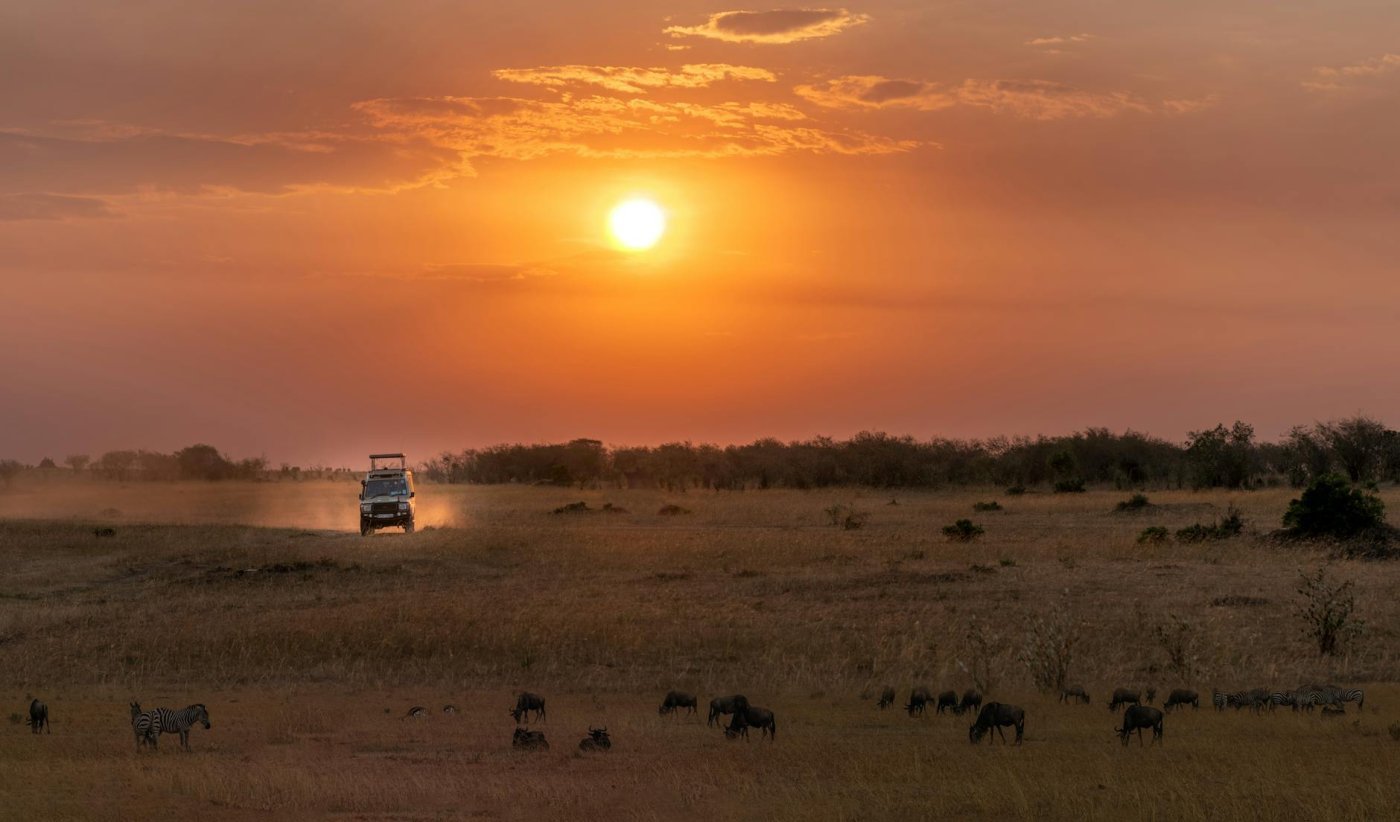
The moment you pass through Kruger National Park's entrance gate, something ancient takes hold. Dust rises from the gravel road, a giraffe tilts its long neck above the thorn trees, and the radio falls silent because no signal, no podcast, no distraction can compete with what lies ahead. Kruger is one of Africa's largest game reserves — nearly 20,000 square kilometres of bushveld, riverine forest and open savanna stretching across Mpumalanga and Limpopo. It is raw, unhurried and completely on its own terms, a place where lions sleep across the tarmac and leopards vanish into the riverbed before you can raise your camera.
What makes visiting Kruger National Park so remarkable is not just the wildlife density — though few places on earth offer comparable Big Five sightings per kilometre driven — but the democratic, self-drive format that puts you in control of every game drive. Unlike private East African concessions where a guided safari can cost €600 a day, Kruger lets you rent a standard hatchback, book a rest camp chalet for around €50 a night and spend a full week doing things to do in Kruger that rival any luxury lodge experience. It is adventure travel stripped to its essentials: a road map, a dawn alarm, and the possibility that the very next bend hides a pride of lions.
✦ Find your perfect destination
Is Kruger Park really your perfect match?
Answer 12 quick questions about your travel style, budget and dates — we match you with the destinations that fit you best, from 600+ worldwide.
Kruger National Park belongs on your travel list because it democratises the African safari dream. SANParks' network of rest camps — from Skukuza to Satara to Letaba — makes self-catering accommodation genuinely affordable without sacrificing proximity to extraordinary wildlife. Kruger consistently delivers Big Five sightings: elephant herds at every waterhole, white rhino grazing roadside, buffalo blocking the road with cheerful indifference. Beyond the famous five, over 500 bird species and 100 reptile species fill every corner of the park. And because Kruger is accessible directly from Johannesburg or the Panorama Route, it slots perfectly into a broader South Africa itinerary.
The case for going now: Visit Kruger in 2026 before infrastructure investment and rising global demand push prices higher. SANParks has been expanding its online booking platform, making camp reservations easier for international travellers than ever before. The South African rand remains historically weak against the euro and pound, meaning European visitors enjoy exceptional value right now. Several private concession lodges inside the park have recently opened eco-friendly camps that blend luxury and conservation at mid-range price points previously unheard of inside Kruger's borders.
🦁
Self-Drive Game Drives
Cruise Kruger's 3,000 km of roads at your own pace, windows down, scanning for the Big Five. Dawn and dusk drives yield lion, leopard and rhino sightings with remarkable regularity.
🌅
Sunrise Bush Walks
Guided wilderness walks led by armed rangers take you off-road into the bush at first light, reading animal tracks and understanding the ecosystem at ground level, an unmatched sensory encounter.
🐘
Waterhole Watching
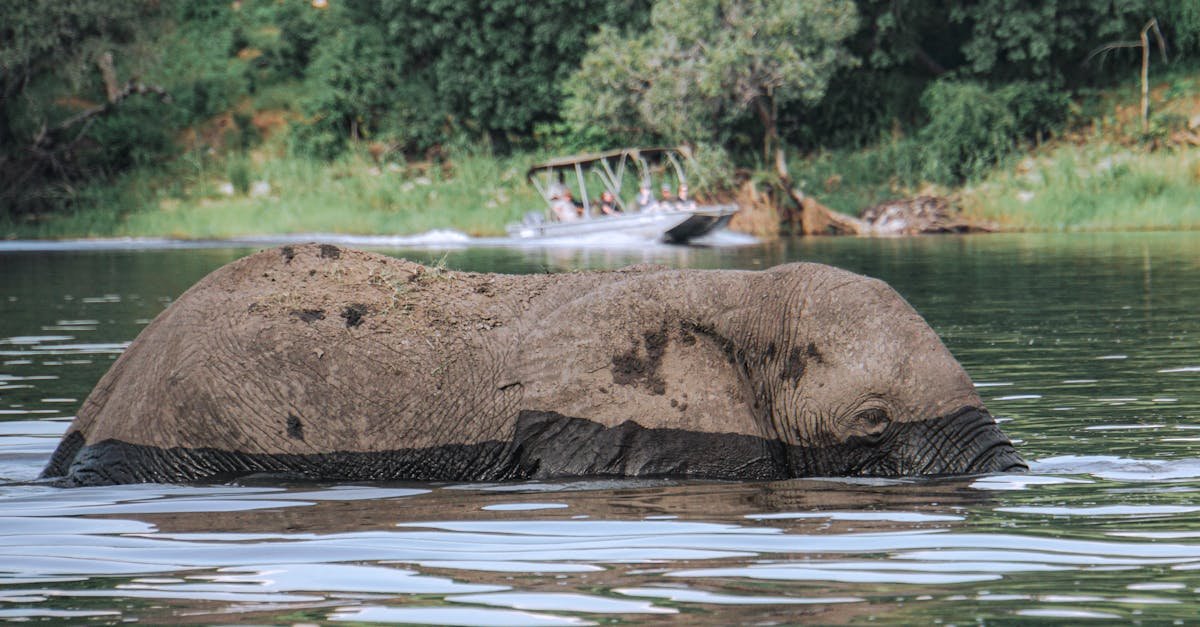
Park at any of Kruger's scenic waterholes — Sunset Dam, Shingwedzi, Nkumbe — and watch elephant, hippo and impala cycle through in an ever-changing natural theatre requiring zero effort.
🎭
Night Drives & Stars
SANParks-operated night drives from rest camps reveal aardvark, civets and hyenas. Away from all light pollution, Kruger's night sky is among the most extraordinary you will ever witness.
Kruger Park's neighbourhoods — where to focus
Safari Hub
Skukuza
Kruger's largest rest camp and administrative heart, Skukuza sits on the Sabie River in the park's prime southern section. Elephant herds drink from the riverbank at dawn. Facilities include a shop, restaurant, airstrip and a consistently excellent concentration of game in all directions.
Big Cat Territory
Satara
Positioned in the open thornveld of central Kruger, Satara is the park's undisputed lion capital. Flat plains with short grass make for superb visibility, and lion prides are spotted with extraordinary frequency. The camp itself is spacious, well-equipped and popular with self-drive families.
Remote & Wild
Punda Maria
Tucked into Kruger's remote far north, Punda Maria feels like a different park entirely — quieter roads, mopane woodland, and Limpopo-border wilderness rarely visited by casual tourists. Nyala, roan antelope and Pels fishing owl reward those willing to make the long drive northward.
River & Birding
Letaba
Letaba rests on the Letaba River in the park's central-north zone, offering some of Kruger's finest birding and regular elephant sightings along the waterway. The famous Elephant Hall museum on-site chronicles the park's giant tuskers. Sunsets from the elevated restaurant deck are genuinely spectacular.
Top things to do in Kruger Park
1. #1 — The Big Five Self-Drive
The self-drive safari is the defining Kruger National Park experience and the reason most travellers fly to Johannesburg, rent a car and head east. All of the park's tar and gravel roads are open to standard 2WD vehicles, meaning you need no special equipment and no guide — just an early wake-up, the SANParks app loaded with offline maps and a thermos of coffee. The southern section between Skukuza and Lower Sabie is statistically the best area for lion, leopard and rhino sightings, while the Crocodile Bridge entrance gives you immediate access to outstanding game-viewing from the moment you enter. Build your Kruger itinerary around being on the road at gate-opening time — typically 5:30 am in summer — and you'll share the tarmac with wildlife rather than tourist traffic.
2. #2 — Guided Wilderness Walks
Kruger's network of guided wilderness trails represents one of Africa's most authentic wildlife encounters, taking guests completely off the vehicle and into the bush on foot. The Wolhuter, Metsi-Metsi, Olifants and Nyalaland trails each run over three nights and two full days, sleeping in rustic trail camps with no electricity. Armed and highly trained field rangers lead small groups of eight, focusing on tracking, ecology and the genuine unpredictability of wild Africa. Day walks are also bookable from most rest camps, lasting two to three hours and including river crossings and animal-track identification. For anyone serious about Kruger travel, a morning on foot changes your relationship with the bush permanently and delivers stories no game drive can replicate.
3. #3 — Panorama Route Day Trip
Position your Kruger base camp near Phalaborwa or use the Orpen Gate, and the Panorama Route becomes a natural day-trip addition to your Kruger itinerary. The route sweeps along the Drakensberg escarpment just west of the park, taking in Blyde River Canyon — one of the world's largest green canyons — the God's Window viewpoint, the Bourke's Luck Potholes and the Three Rondavels rock formation. The entire circuit covers roughly 160 kilometres and can be driven in a half-day, leaving you back at your rest camp in time for the afternoon game drive. It provides a genuinely dramatic contrast to the flat bushveld of Kruger and adds significant visual variety to a week-long South Africa trip.
4. #4 — Private Concession Upgrades
For travellers who want to experience something elevated inside Kruger National Park without abandoning the park entirely, the private concessions scattered along the western and northern boundaries offer guided game drives, off-road access and night-drive capability that SANParks rest camps cannot match. Lodges like Singita Lebombo, andBeyond Ngala and Sabi Sands (technically adjacent to Kruger but sharing an unfenced border) operate open safari vehicles with expert guides who communicate sighting positions over radio, dramatically increasing your chances of leopard and wild dog encounters. Booking a two-night concession stay within a longer Kruger self-drive itinerary gives you the best of both worlds — independent exploration by day and expert-guided experiences by night.
What to eat in the South African Bushveld — the essential list
Braai
South Africa's sacred barbecue ritual, the braai is central to any Kruger rest-camp evening. Boerewors coils and lamb chops over hardwood coals, with rooikrans wood smoke drifting across the boma under a canopy of stars.
Boerewors Roll
A thick, spiral sausage of beef and coriander grilled over coals and stuffed into a fresh white roll with caramelised onions and chakalaka relish. Find them at camp shops and petrol stations throughout the Mpumalanga region.
Biltong
Air-dried, spiced beef or game meat — kudu, springbok, ostrich — sold vacuum-packed in every Kruger camp shop. Dense, intensely flavoured and genuinely sustaining, biltong is the park's unofficial traveller snack and a must-buy before your first game drive.
Pap en Sous
A staple of South African communal eating, pap is a stiff maize porridge similar to polenta, typically served with a rich tomato and beef gravy. Order it at Kruger rest-camp restaurants to eat authentically and inexpensively alongside local staff and rangers.
Chakalaka
A vibrantly spiced relish of tomatoes, beans, peppers and onions cooked down into a thick, tangy condiment. Served alongside braai meat, pap or on bread, chakalaka brings bold flavour to the simple camp cooking that defines the Kruger experience.
Malva Pudding
A sticky, sweet apricot sponge pudding soaked in hot cream and served warm, malva pudding is the non-negotiable dessert of South African camp restaurants. It is deeply comforting after a cold winter dawn drive through the Kruger bushveld.
Where to eat in Kruger Park — our top 4 picks
Fine Dining
Cattle Baron Graskop
📍 Louis Trichardt St, Graskop, 1270, Mpumalanga
A well-regarded steakhouse in the Panorama Route village of Graskop, Cattle Baron serves prime South African beef cuts alongside game dishes like kudu fillet. Ideal for a special evening meal before or after a Kruger day. Reliably excellent and worth the 45-minute drive from Hazyview.
Fancy & Photogenic
Tinga Lodge Restaurant
📍 Tinga Private Game Lodge, Sabi Sand Reserve, Mpumalanga
Overlooking a waterhole on the Sabi Sand boundary with Kruger, Tinga's open-deck restaurant combines candlelit tables, a seasonal menu of locally sourced produce and the very real possibility of hippo splashing 20 metres below. A genuinely theatrical dining experience in the South African bush.
Good & Authentic
Skukuza Camp Restaurant
📍 Skukuza Rest Camp, Kruger National Park, Mpumalanga
The largest sit-down restaurant inside Kruger National Park proper, Skukuza's camp restaurant serves hearty South African breakfasts, game platters and regional specialities overlooking the Sabie River. It is unpretentious, affordable and extremely convenient. Watching hippos from your table between courses is a perfectly normal occurrence here.
The Unexpected
Hazyview Mugg & Bean
📍 Panorama Lifestyle Centre, R40, Hazyview, 1242
Hazyview's gateway-town Mugg & Bean is an unexpected delight after days in the bush — generous portion sizes, excellent filter coffee, reliable WiFi and a menu that handles everything from eggs Benedict to bunny chow. Perfect for downloading photos and replanning your Kruger itinerary over a slow Sunday brunch.
Kruger Park's Café Culture — top 3 cafés
The Institution
Wimpy Nelspruit
📍 Crossing Shopping Centre, Nelspruit (Mbombela), 1200
South Africa's beloved Wimpy chain is something of a national institution, and the Nelspruit branch is every Kruger traveller's last-stop breakfast on the way into the park. Strong filter coffee, toasted sandwiches and a full breakfast plate make it the unofficial gateway ritual for self-drive safari beginners.
The Aesthetic Hub
Café Reel
📍 22 Pilgrim St, Pilgrim's Rest, 1290, Mpumalanga
Set inside the beautifully preserved Victorian gold-rush village of Pilgrim's Rest on the Panorama Route, Café Reel brews specialty coffee in a heritage building with pressed-tin ceilings and mismatched antique furniture. A charming mid-drive stop that balances nostalgia with genuinely good espresso.
The Local Hangout
Jackalberry Café, Berg-en-Dal
📍 Berg-en-Dal Rest Camp, Kruger National Park, 1350
The café at Berg-en-Dal rest camp in southern Kruger is a relaxed, shaded spot popular with rangers, camp staff and self-drive guests comparing morning sightings over instant coffee and rusks. A genuinely local-feeling stop that feels miles from the tourist circuit despite being inside one of Africa's most visited parks.
Best time to visit Kruger Park
Jan
Feb
Mar
Apr
May
Jun
Jul
Aug
Sep
Oct
Nov
Dec
Peak dry season (May–Sep) — vegetation thinned, animals cluster at waterholes, optimal Big Five visibilityShoulder season — warm to hot, some rain, lush scenery, fewer crowds and good birdingN/A — Kruger is a year-round destination with no truly poor months
Kruger Park events & festivals 2026
Whether you're planning around a specific celebration or simply want to know what's happening, this guide covers the best events and festivals in Kruger Park — from major annual traditions to cultural highlights worth timing your trip around.
May 2026culture
Kruger Park Dry Season Opening Festival
Each May marks the beginning of Kruger's peak dry season, with SANParks running special guided events, ranger talks and wildlife photography workshops across the park's major rest camps. One of the
September 2026culture
World Rhino Day Events, Kruger
Held annually on 22 September, World Rhino Day prompts SANParks to run special ranger-guided rhino-tracking experiences and conservation talks throughout Kruger National Park. Visiting Kruger in September aligns perfectly with both peak game-viewing conditions and these educational conservation events, which offer rare behind-the-scenes access.
July 2026culture
Lowveld Birding Festival, Nelspruit
The Lowveld Birding Festival draws ornithologists and casual bird-watchers from across Europe and Southern Africa to the Mpumalanga region each July. Guided birding drives into Kruger National Park form the core programme, targeting species including the rare Pel's fishing owl, ground hornbill and the Narina trogon in the park's riverine forests.
March 2026culture
Panorama Route Photography Festival
Based in the Graskop and Pilgrim's Rest area adjacent to Kruger, this annual photography festival brings landscape and wildlife photographers together for guided dawn shoots at Blyde River Canyon and the Three Rondavels. Workshops run across a long weekend, with Kruger morning game drives included in the premium package.
August 2026music
Bushveld Music & Arts Festival, Hoedspruit
Held in Hoedspruit, the gateway town to the Orpen Gate, this annual outdoor music and arts weekend celebrates South African musicians in an open-air bush setting. Food vendors serve traditional braai and biltong alongside craft beer. It is a wonderful complement to a Kruger itinerary for travellers passing through the central Limpopo corridor.
December 2026religious
Reconciliation Day & Year-End Rest Camp Events
South Africa's Reconciliation Day on 16 December is marked across Kruger rest camps with community cultural performances and ranger-led talks. The summer holiday season brings dramatic afternoon thunderstorms, lush green vegetation and exceptional birding as migratory species arrive from Europe and Central Africa for the Southern Hemisphere summer.
June 2026culture
Youth Day Nature Programmes, SANParks
South Africa's Youth Day on 16 June prompts SANParks to offer subsidised access and educational programmes across Kruger for school groups and young travellers. International visitors can join public ranger talks and conservation presentations at Skukuza and Letaba that are typically among the most informative events of the dry-season calendar.
October 2026market
Hazyview Craft Market Month
October sees Hazyview's craft markets at their most active, with artisans from across Mpumalanga selling hand-carved wildlife sculptures, Shangaan beadwork and local honey directly outside the main gateway village. A relaxed browse through the stalls makes an ideal half-day activity between Kruger morning and afternoon game drives.
April 2026culture
Freedom Day Heritage Trail, Mpumalanga
South Africa's Freedom Day on 27 April is celebrated with heritage trail events across Mpumalanga linking Kruger-area communities with their pre-colonial and post-apartheid histories. Cultural village visits near White River and guided community walks provide meaningful context for travellers seeking depth beyond the game drives.
November 2026culture
Elephant Research Month, Skukuza
November is elephant research season in Kruger, with the Scientific Services division at Skukuza occasionally opening public lectures on elephant ecology, movement corridors and the park's famous trans-frontier KAZA conservation project linking Kruger to Botswana and Zimbabwe. A niche but rewarding event for wildlife-focused travellers visiting Kruger in spring.
SANParks rest camp dormitory or basic chalet, self-catering, pack your own food, standard 2WD hire car shared between two.
€€ Mid-range
€70–120/day
Private rest camp chalet, restaurant dinners, guided walks, standard car hire and one night-drive add-on per stay.
€€€ Luxury
€250+/day
Private concession lodge inside Kruger, all-inclusive guided game drives, gourmet meals, pool and spa between drives.
Getting to and around Kruger Park (Transport Tips)
By air: Kruger Mpumalanga International Airport (MQP) near Nelspruit receives direct flights from Johannesburg (OR Tambo) in under an hour. Most European travellers fly into Johannesburg and connect domestically. Cape Town also connects via Johannesburg for travellers combining a Western Cape and Kruger itinerary.
From the airport: From Kruger Mpumalanga International Airport, the main entrance gates — Paul Kruger, Numbi and Malelane — are between 90 minutes and two hours by car. Car hire is essential and available at the airport from all major providers. Collect your vehicle at the airport and drive directly into the park, arriving at your chosen rest camp before the gates close at dusk. Do not underestimate dusk gate-closing times — late arrivals forfeit entry.
Getting around the city: Inside Kruger National Park, personal vehicle or hired car is the only practical transport option. The park has no internal bus, shuttle or public system. Roads are a mix of sealed tar routes and well-maintained gravel tracks, all navigable by standard 2WD vehicles. Speed limits of 50 km/h on tar and 40 km/h on gravel apply strictly — they exist for wildlife safety, not bureaucracy. A good offline GPS app loaded before entering is strongly recommended, as signal disappears entirely in large sections of the park.
Transport Safety & Scam Prevention:
Unofficial 'Gate Fee' Collectors: Individuals sometimes approach vehicles near gate areas claiming to collect supplementary fees or offer 'fast-track' entry. All Kruger National Park fees are paid online through SANParks or at the official boom gate — never to individuals on foot near the entrance road.
Fuel Planning Is Critical: Fuel stations inside Kruger are limited to a handful of rest camps including Skukuza, Letaba and Shingwedzi. Running low on a remote gravel road is a genuine safety risk. Always refuel at every available opportunity and never enter a long loop with less than half a tank.
Roadside Animal Feeding Pressure: Near busy areas like Skukuza, local vendors outside the park occasionally sell food to tourists, encouraging the illegal practice of feeding wildlife from vehicles. Feeding any animal inside Kruger carries heavy fines and endangers both the animal and future visitors — decline firmly and drive on.
Do I need a visa for Kruger Park?
Visa requirements for Kruger Park depend on your nationality. Select your passport below for an instant answer — based on the Passport Index dataset for entry into South Africa.
ℹ️ Indicative only. Always verify with the official consulate before booking. Data: Passport Index, April 2026.
For detailed requirements, documentation checklists and processing times by nationality: TravelDoc →
Search & Book your trip to Kruger Park
Find the best flight routes and hotel combinations using our partner Kiwi.com.
Frequently Asked Questions
Is Kruger National Park safe for tourists?
Kruger National Park itself is considered safe for self-drive tourists who follow the park rules — remain in your vehicle at all times except in designated areas, observe gate-closing times, and never approach animals on foot outside guided walks. The park perimeter is fenced and security-patrolled. The surrounding Mpumalanga and Limpopo road network is generally safe during daylight hours, though travellers should exercise standard caution at night, avoid roadside stops in unfamiliar areas and secure valuables in the vehicle boot when out of sight.
Can I drink the tap water in Kruger National Park?
Tap water at Kruger's main rest camps — Skukuza, Satara, Letaba and others — is treated and generally safe to drink, though the taste varies by location and some camps draw from borehole supplies that benefit from filtration. Most travellers use reusable bottles filled at camp taps without issue. In remote or private trail camps, water may be delivered by tank and should be boiled or filtered before drinking. Bottled water is available at all camp shops and is inexpensive in South African rand terms.
What is the best time to visit Kruger National Park?
The best time to visit Kruger National Park for game viewing is the dry season, running from May to September. As surface water dries up across the bushveld, animals concentrate around the remaining waterholes and rivers, making sightings of lion, elephant, rhino and leopard dramatically more reliable. Vegetation thins considerably, improving sight lines. June and July are coolest and most comfortable for day-long game drives. The wet season from November to March brings lush green scenery, newborn animals and outstanding birding as migratory species arrive — but thicker bush reduces visibility and malaria risk increases slightly.
How many days do you need in Kruger National Park?
A minimum of four nights is recommended to experience Kruger National Park meaningfully — enough for several dawn drives, at least one dusk drive and time to adjust to the slower rhythms of bush life without feeling rushed. Five to seven nights is the sweet spot for most self-drive travellers, allowing exploration of both the productive southern section around Lower Sabie and the quieter central zone around Satara or Olifants. Ten or more days lets you push into the remote north, join a multi-day wilderness trail and add the Panorama Route as a standalone day trip without compressing the overall Kruger itinerary.
Kruger National Park vs Serengeti — which should you choose?
Kruger National Park and the Serengeti in Tanzania both deliver extraordinary African wildlife, but they serve fundamentally different traveller types. Kruger is the self-drive champion — you control the pace, the roads are accessible by standard car, and rest camps make it genuinely affordable at €50–120 per day. The Serengeti requires guided vehicles and lodge accommodation, pushing daily costs to €300–600 per person. The Serengeti's Great Migration is a singular spectacle with no Kruger equivalent, but Kruger's consistency of Big Five sightings year-round rivals anything in East Africa. For budget-conscious European travellers experiencing Africa for the first time, Kruger is the smarter and more flexible choice.
Do people speak English in Kruger National Park?
English is the primary working language throughout Kruger National Park and across the broader Mpumalanga and Limpopo tourism infrastructure. SANParks staff, game rangers, camp reception teams and restaurant workers all speak English fluently. Road signage, camp information boards and the SANParks booking system are entirely in English. In surrounding towns like Hazyview, Hoedspruit and Nelspruit, English is universally understood in any tourist-facing context. South Africa has eleven official languages, so you may encounter local conversations in Zulu, Shangaan or Afrikaans, but no traveller to Kruger will ever face a language barrier.
★ Hidden Gems Weekly
Like this? One place per week, in your inbox.
No spam, no fluff — just one underrated destination, every Tuesday.
Hand-picked and verified by Max, who founded Vacanexus from Luxembourg in 2026. No sponsorships, no paid placements. Every recommendation — restaurants, neighbourhoods, things to do — is selected for authenticity over popularity.