Fernando de Noronha Travel Guide — Volcanic reefs, spinner dolphins, and Brazil's most protected paradise
⏱ 12 min read📅 Updated 2026💶 €€€€ Luxury✈️ Best: Jan–Apr
€250–450/day
Daily budget
Jan–Apr
Best time
5–7 days
Ideal stay
BRL
Currency
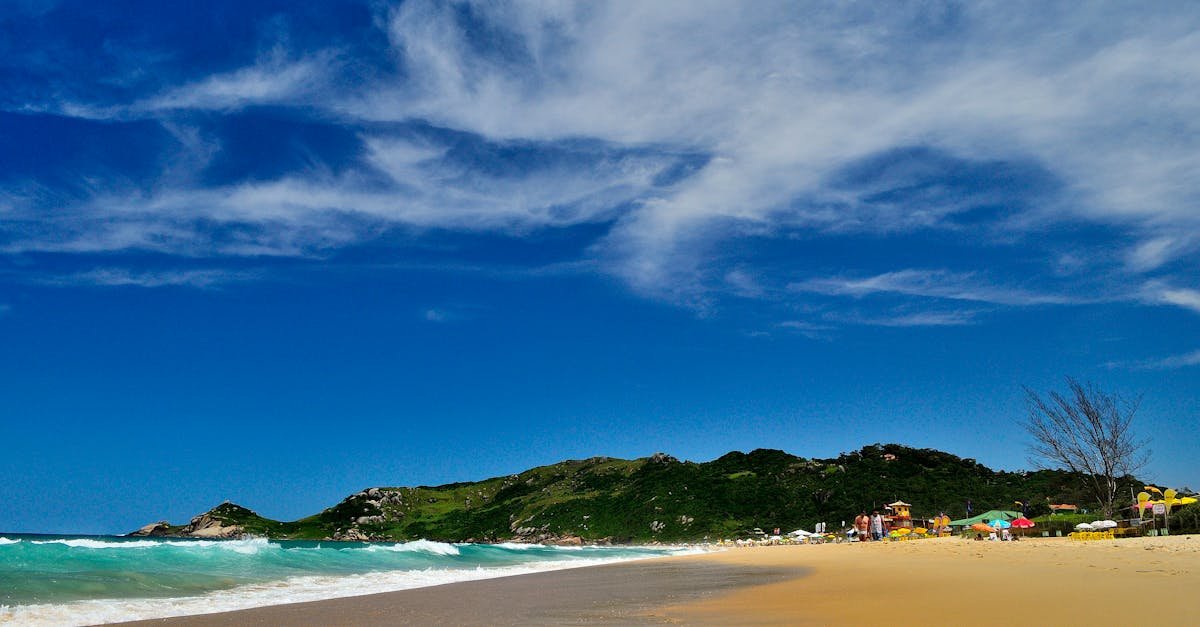
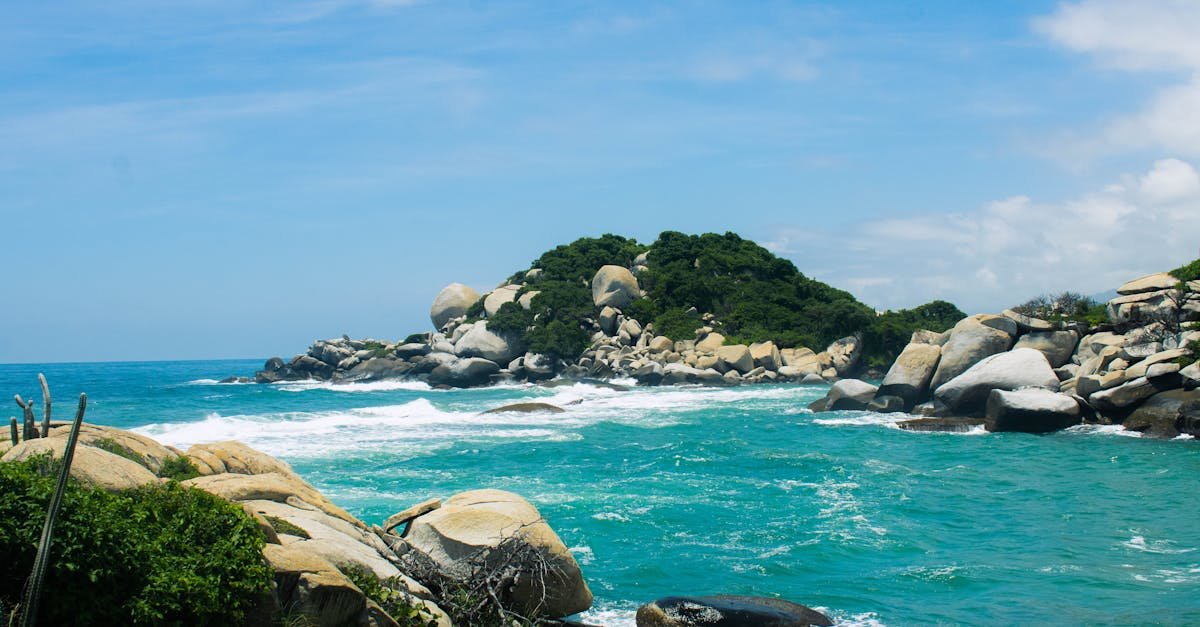
Fernando de Noronha rises from the Atlantic like a fever dream — jagged black basalt pinnacles framing bays of water so impossibly clear you can watch sea turtles feeding ten metres below from the clifftop. The air smells of salt and frangipani, and the only sounds at daybreak are breaking waves and the unmistakable whistle of spinner dolphins threading through Baía dos Golfinhos in formation. Fernando de Noronha is a UNESCO World Heritage Site and Brazil's most tightly controlled natural sanctuary, an oceanic archipelago of 21 islands sitting 350 kilometres off the northeastern coast of Pernambuco. Only around 420 tourists are permitted on the main island at any given time, giving it a stillness and ecological integrity that is genuinely rare in the twenty-first century.
Visiting Fernando de Noronha demands planning, commitment, and a reasonable budget — but it repays every euro with the kind of marine encounters most divers spend a lifetime chasing. Unlike the Maldives, which floats on flat atolls, Noronha is emphatically volcanic: its dramatic ridgeline, crowned by the Pico hill, creates a wild interior of cerrado vegetation that descends to beaches ranked among the world's finest. Things to do in Fernando de Noronha range from world-class drift diving on the Laje Dois Irmãos wall to kayaking through sea caves at low tide, snorkelling with resident reef sharks, and watching the sun go down behind the twin rock spires of Morro Dois Irmãos — an image that has appeared on more Brazilian postcards than almost any other. This Fernando de Noronha travel guide covers everything you need to plan the trip properly.
✦ Find your perfect destination
Is Fernando de Noronha really your perfect match?
Answer 12 quick questions about your travel style, budget and dates — we match you with the destinations that fit you best, from 600+ worldwide.
Your Fernando de Noronha itinerary — choose your style
🗓 Weekend Break — 2 days
🧭 City Explorer — 5 days
🌍 Deep Dive — 10 days
Your pace:
Why Fernando de Noronha belongs on your travel list
Fernando de Noronha belongs on your travel list because it offers something the modern world has almost stopped producing: genuine wildness paired with comfort. The Brazilian government caps visitor numbers so strictly that the reefs here are among the healthiest in the entire South Atlantic, with hawksbill turtles nesting undisturbed and spinner dolphins schooling every single morning without fail. Fernando de Noronha also delivers an astonishing diversity of experience within a small footprint — you can dive a wreck at nine in the morning, ride a buggy to a cliff-top viewpoint by noon, and eat freshly caught lobster as the sun drops into the sea by evening. Very few island destinations on earth deliver all three.
The case for going now: The TAM and LATAM flight connections from Recife and Natal have improved significantly in recent years, cutting travel friction for international visitors transiting through São Paulo. The Brazilian real remains favourable against the euro, softening the famously high preservation tax (TAXA). Boutique pousadas are investing in elevated eco-design precisely now — the island has never looked better, and its coral gardens, still recovering strongly post-El Niño, are rewarding divers with exceptional visibility in 2025 and 2026.
🐬
Dolphin Watching
Every morning at Baía dos Golfinhos, hundreds of spinner dolphins circle the bay in tight pods — a daily spectacle visible from the clifftop viewpoint without disturbing the animals. Arrive before sunrise for the full show.
🤿
Drift Diving
The underwater walls around Laje Dois Irmãos and Cabeço das Cordas drop into crystal blue water alongside reef sharks, sea turtles, and enormous schools of jacks. Visibility regularly exceeds twenty-five metres in the calm season.
🌅
Dois Irmãos Sunset
Standing at Praia do Boldró as the sun sinks behind the twin basalt spires of Morro Dois Irmãos is Fernando de Noronha's defining image — a silhouette that stops conversations mid-sentence and keeps photographers rooted to the sand.
🐢
Turtle Snorkelling
Praia do Sancho and Baía do Sueste are home to resident hawksbill and green turtles that approach snorkellers with remarkable calm. The TAMAR research station runs guided sessions explaining conservation efforts on the island.
Fernando de Noronha's neighbourhoods — where to focus
Main Hub
Vila dos Remédios
The island's only village clusters around a colonial-era church and a handful of colourful streets lined with pousadas, restaurants, and rental buggy offices. It is the social and logistical centre of Fernando de Noronha — lively in the evening yet quiet enough that you can hear the cockerels at dawn.
Beach Escape
Praia do Boldró Area
The stretch of coast around Boldró beach faces due west, making it the prime sunset-watching zone. A loose cluster of pousadas and snack bars operates in the low dunes behind the beach, and the rocky headlands on either side provide excellent snorkelling at high tide with almost no crowds.
Wild & Remote
Baía dos Porcos Area
Accessible only on foot or by guided buggy tour, the terrain around Baía dos Porcos and the adjacent Morro Dois Irmãos trail is the island's most dramatically scenic. A single lookout point here frames the two rock pinnacles over a turquoise bay and is widely considered the best viewpoint in all of Brazil.
Marine Research
Baía do Sueste
Baía do Sueste is the headquarters of the TAMAR sea turtle project and the calmest, most sheltered swimming bay on the island. The protected inlet sees almost no wave action, making it ideal for families and for underwater photography of the turtles that feed on the seagrass beds in the shallows.
Top things to do in Fernando de Noronha
1. #1 Dawn at Baía dos Golfinhos
No other activity in Fernando de Noronha carries the same emotional weight as positioning yourself on the cliff above Baía dos Golfinhos before sunrise and watching spinner dolphins return from their night feeding in the open ocean. The bay is classified as a biological sanctuary — entering the water is strictly forbidden — which means the dolphins are entirely undisturbed and behave naturally, spinning, leaping, and socialising directly below you in groups of several hundred individuals. The light at dawn turns the water from charcoal to jade to electric blue within about forty minutes, making this one of the most photogenic wildlife experiences in South America. Rangers enforce a respectful silence and distance, so the atmosphere on the cliff is genuinely reverential. Arrive thirty minutes before official sunrise for the best position and the most dramatic colour gradient.
2. #2 Diving the Atlantic Walls
Fernando de Noronha sits on a volcanic seamount that rises steeply from the ocean floor, creating underwater topography of walls, archways, and cathedral-like caverns that rival anything in the Indo-Pacific. The dive site at Laje Dois Irmãos drops from five metres to well beyond recreational depth and is frequented by Caribbean reef sharks, nurse sharks, eagle rays, and enormous hawksbill turtles that accept divers with impressive nonchalance. Visibility between January and April routinely reaches thirty metres, driven by the South Equatorial Current delivering warm, clear water from the open Atlantic. The PADI-certified dive operators in Vila dos Remédios run two-tank morning dives that return by midday, leaving afternoons free. Night dives around the submerged rock formations reveal sleeping turtles, octopus, and bioluminescent plankton that transform the black water into a living light display.
3. #3 Buggy Tour of the Interior
Renting an open-top electric buggy is the standard way to explore Fernando de Noronha's interior and reach beaches that are not accessible on foot. The single main road loops the island in under an hour, but the real experience is in stopping at every lookout point — Mirante da Atalaia, Mirante dos Golfinhos, the clifftop above Praia do Leão — where the scale of the Atlantic becomes genuinely vertiginous. A guided buggy tour adds geological and ecological commentary, explaining how the volcanic plugs formed, why the water changes colour at different depths, and how the conservation zones are managed. The Atalaia natural pools, accessible only with an official guide and limited to a small number of visitors per tidal cycle, are a highlight: a series of rock-edged pools alive with octopus, reef fish, and sea urchins, all in water of astonishing clarity.
4. #4 Praia do Sancho at Low Tide
Consistently voted one of the world's best beaches in international surveys, Praia do Sancho delivers on its reputation through a combination of factors that are almost impossible to replicate artificially: a narrow canyon descent with iron ladders cut through the rock, powder-white sand with zero infrastructure, and water that gradates from turquoise to cobalt within twenty metres of shore. Arriving at low tide reveals a secondary beach beyond the headland, where the rock pools are busy with small sharks, rays, and the curious reef fish that have grown accustomed to snorkellers. Access is controlled — you must register your visit with the national park authority and numbers per session are capped — so the beach never feels overcrowded. The Fernando de Noronha national park entry fee covers Sancho access as part of the mandatory preservation tax paid on arrival.
What to eat in Fernando de Noronha and the northeastern Pernambuco coast — the essential list
Lagosta Grelhada
Grilled spiny lobster, caught daily by the island's small fishing cooperative, is Fernando de Noronha's signature dish. Served simply with butter, garlic, and lime, the flavour is cleaner and sweeter than farmed equivalents. Expect to pay a premium — it is absolutely worth it.
Moqueca de Peixe
The northeastern take on Brazil's famous fish stew uses locally caught wahoo or tuna simmered in coconut milk, tomatoes, coriander, and dendê palm oil. The result is fragrant and deeply savoury, served with white rice and pirão, a thick fish-stock porridge that soaks up the sauce.
Ceviche Noronhense
Several pousada restaurants now serve their own interpretation of ceviche using the island's fresh tuna and wahoo, cured in lime juice with chilli and red onion. The local twist is the addition of fresh coconut water to the leche de tigre, softening the acidity beautifully.
Tapioca com Queijo
A staple breakfast snack across northeastern Brazil, tapioca crepes filled with coalho cheese and drizzled with honey appear on almost every café menu on the island. Light, naturally gluten-free, and eaten folded like a taco, they are the perfect fuel before a morning dive.
Açaí Bowl
Fernando de Noronha's beach kiosks serve thick frozen açaí bowls topped with banana, granola, and honey — a ritual post-swim snack that became inseparable from the island's beach culture. The version here uses pure Pará açaí, noticeably less sweet and more intense than mainland commercial blends.
Caipirinha de Caju
The classic Brazilian caipirinha gets an island upgrade with fresh cashew fruit juice replacing lime — a seasonal variation available January through March when cajueiros are fruiting across the island. The flavour is tropical and faintly tannic, with the cachaça riding underneath rather than dominating.
Where to eat in Fernando de Noronha — our top 4 picks
Fine Dining
Ecologika
📍 Estrada do Sueste, Fernando de Noronha, PE, Brazil
Ecologika is the island's most accomplished restaurant, with a menu that sources every protein from the island's artisan fishing cooperative and composes plates with genuine culinary ambition. The tasting menus change with the daily catch, and the vine-covered terrace overlooking the southern coast creates an atmosphere that feels earned rather than manufactured.
Fancy & Photogenic
Mergulhão
📍 BR-363, Vila dos Remédios, Fernando de Noronha, PE, Brazil
Mergulhão's covered wooden deck juts toward the ocean and catches the last light of every sunset in its entirety. The menu leans heavily on seafood with a contemporary northeastern Brazilian accent — grilled fish tacos, lobster risotto, chilled coconut soups — and the cocktail list is the island's most inventive.
Good & Authentic
Mirante da Atalaia
📍 Mirante da Atalaia, Fernando de Noronha, PE, Brazil
A casual hilltop restaurant that serves large plates of moqueca, grilled fish, and feijão tropeiro alongside cold Brahma at prices that feel almost reasonable by island standards. The view from the terrace across the Atlantic to the western beaches justifies the slight uphill walk from the village.
The Unexpected
O Peixe Que Te Pariu
📍 Rua Nice Cordeiro, Vila dos Remédios, Fernando de Noronha, PE, Brazil
The name translates unprintably but the food is excellent: a tiny, loud, canteen-style spot behind the village church serving fish tacos and tuna ceviche on mismatched crockery to dive instructors and marine biologists. No reservations, cash only, closes when the food runs out — arrive early.
Fernando de Noronha's Café Culture — top 3 cafés
The Institution
Café Noronha
📍 Vila dos Remédios, Fernando de Noronha, PE, Brazil
Café Noronha has been the island's morning gathering point for over a decade, serving strong north-eastern Brazilian espresso alongside homemade tapioca crepes and fresh fruit plates. The wooden veranda fills with dive instructors comparing notes by seven in the morning, and the atmosphere is warm and completely without pretension.
The Aesthetic Hub
Pousada Maravilha Café
📍 Pousada Maravilha, BR-363, Fernando de Noronha, PE, Brazil
The café terrace at Pousada Maravilha is the island's most photographed breakfast setting — white linen, fresh papaya, artisan granola bowls, and a clear-water view that extends to the horizon. Non-guests can reserve a breakfast table but must call ahead as seating is deliberately limited to maintain the calm.
The Local Hangout
Lanchonete do Alceu
📍 Av. Coronel Guilherme Guinle, Vila dos Remédios, Fernando de Noronha, PE, Brazil
A no-frills snack bar and juice counter that the island's permanent population has been using for breakfast and mid-morning café com leite for years. Cold coconut water straight from the shell, freshly pressed caju juice, and cheese-filled tapiocas cost a fraction of pousada equivalents and taste just as good.
Best time to visit Fernando de Noronha
Jan
Feb
Mar
Apr
May
Jun
Jul
Aug
Sep
Oct
Nov
Dec
Peak season (Jan–Apr & Dec) — calmest seas, best visibility, spinner dolphins at maximum numbersShoulder season (Oct–Nov) — fewer visitors, acceptable diving, some swellOff-season (May–Sep) — rougher Atlantic swells, stronger winds, limited diving; island remains beautiful but conditions are variable
Fernando de Noronha events & festivals 2026
Whether you're planning around a specific celebration or simply want to know what's happening, this guide covers the best events and festivals in Fernando de Noronha — from major annual traditions to cultural highlights worth timing your trip around.
January 2026culture
Réveillon de Noronha
Fernando de Noronha welcomes the new year with a beach celebration at Praia do Porto — one of the The event is capped in line with visitor limits, creating an intimate atmosphere with live northeastern music, fireworks over the Atlantic, and cold caipirinhas until midnight.
February 2026culture
Carnaval de Noronha
The island's own version of Carnaval is smaller and far more relaxed than Salvador or Rio, with blocos parading through Vila dos Remédios and samba sessions on the village square. The limited visitor numbers mean it never becomes overwhelming — a genuinely joyful community celebration open to all visitors.
March 2026culture
Festival do Mar
An annual ocean awareness festival combining free talks from the TAMAR sea turtle project, guided snorkel sessions in Baía do Sueste, and photography exhibitions in Vila dos Remédios. It is one of the best events for eco-conscious visitors planning a Fernando de Noronha itinerary in the early year.
April 2026religious
Semana Santa
Holy Week is observed with processions through the village streets of Vila dos Remédios, with the colonial Igreja de Nossa Senhora dos Remédios as the focal point. The atmosphere is solemn but beautiful, and the reduced tourist activity in the days before Easter makes accommodations marginally easier to find.
June 2026music
Festa de São Pedro
The feast of Saint Peter — patron of fishermen — is celebrated with a blessing of the boats at the main jetty, followed by music, dancing, and a communal feast of fresh fish and seafood. A deeply local event that offers visiting travellers a rare window into island community life.
July 2026culture
Noronha Ocean Film Festival
An intimate film festival held annually in the outdoor amphitheatre near Vila dos Remédios, screening documentaries focused on ocean conservation, marine biology, and island cultures worldwide. Screenings are free to park visitors and often followed by panel discussions with scientists from the TAMAR programme.
August 2026culture
Ciclo de Palestras Ambientais
A series of public environmental lectures organised by ICMBio, the national park authority, bringing marine biologists and climate researchers to Fernando de Noronha for week-long talks. Attendance is open to all visitors and provides remarkable depth of context for anyone interested in the island's extraordinary ecology.
September 2026market
Feira de Artesanato de Noronha
The island's artisan market expands in September to fill the village square with hand-painted ceramics, silk-screened botanical prints, woven hammocks, and locally produced cachaca infusions. A relaxed way to spend a morning and support the small community of permanent island residents who make up Noronha's creative economy.
November 2026culture
Noronha Dive Week
A week dedicated to diving in Fernando de Noronha, organised by the island's certified dive operators, with guided special-access dives to restricted sites, underwater photography workshops, and nightly slide show presentations on South Atlantic marine biodiversity. One of the best Noronha events for serious divers planning a shoulder-season trip.
December 2026culture
Natal de Noronha
Christmas on the island is celebrated with decoration of the colonial church square, a community dinner open to visitors, and a nativity procession through Vila dos Remédios. The peak season crowds begin to arrive in late December, so booking accommodation weeks ahead for a Fernando de Noronha December visit is essential.
Mid-tier pousada, two meals, snorkelling trip, park entry tax, and a rental buggy half-day included.
€€€€ Boutique Comfort
€260–420/day
Boutique eco-pousada with ocean view, guided dive packages, fine dining, and private guided tours.
€€€€€ Luxury
€420+/day
Pousada Maravilha or equivalent, private boat charters, exclusive PADI courses, and bespoke island itineraries.
Getting to and around Fernando de Noronha (Transport Tips)
By air: Fernando de Noronha is served by Aeroporto Fernando de Noronha (FEN), with regular flights operated by LATAM and Azul from Recife (REC) and Natal (NAT). Flight time from Recife is approximately forty-five minutes. International visitors must connect through Recife, São Paulo (GRU), or Rio de Janeiro (GIG).
From the airport: The island's airport sits within five minutes of Vila dos Remédios by road. Most pousadas offer complimentary transfers on request. Taxis and buggy rentals are available immediately outside arrivals. There is no public bus service. The journey to any accommodation on the island takes between five and fifteen minutes regardless of location.
Getting around the city: Fernando de Noronha has one paved road looping the island. Electric buggies are the primary transport mode and can be rented from operators in Vila dos Remédios for approximately BRL 300–500 per day. A limited number of bicycles are available for hire. Walking between the village and the nearest beaches takes under twenty minutes, but reaching the southern coast beaches requires motorised transport.
Transport Safety & Scam Prevention:
TAXA Environmental Tax: The mandatory environmental preservation tax is calculated per night and charged officially at the airport or online before arrival. Unofficial touts offering to 'help' you register at a discount are attempting to pocket the difference — always pay directly through the official ICMBio portal or airport desk.
Unofficial Guides at Atalaia: Access to the Atalaia natural pools is strictly controlled and requires an officially licensed guide assigned by the park authority. Individuals offering cheaper, unregistered access at the trailhead have no insurance, no liability, and are operating illegally — decline politely and book through your pousada instead.
Buggy Rental Agreements: Always inspect a rental buggy thoroughly before signing and document any pre-existing scratches or damage with dated photographs. Some rental operations have been known to charge arriving visitors for damage that occurred on previous rentals. Request a written inspection report before driving away.
Do I need a visa for Fernando de Noronha?
Visa requirements for Fernando de Noronha depend on your nationality. Select your passport below for an instant answer — based on the Passport Index dataset for entry into Brazil.
ℹ️ Indicative only. Always verify with the official consulate before booking. Data: Passport Index, April 2026.
For detailed requirements, documentation checklists and processing times by nationality: TravelDoc →
Search & Book your trip to Fernando de Noronha
Find the best flight routes and hotel combinations using our partner Kiwi.com.
Frequently Asked Questions
Is Fernando de Noronha safe for tourists?
Fernando de Noronha is one of the safest destinations in Brazil for international tourists. The island's tiny permanent population of around three thousand residents, strict visitor cap, and active national park management create an environment almost entirely free of the petty crime that affects larger Brazilian cities. The main risks are environmental rather than human — sea currents at some beaches can be strong, and the tropical sun is intense. Follow the national park safety guidelines at each beach, use a high-factor sunscreen, and you will have an entirely trouble-free visit.
Can I drink the tap water in Fernando de Noronha?
The tap water in Fernando de Noronha is technically treated but the island's desalination and water treatment infrastructure is under constant strain given the remoteness and the tourism load. Most pousadas recommend against drinking tap water directly and provide filtered water. Bottled and filtered water are widely available throughout Vila dos Remédios and at all restaurants. Staying well hydrated is important given the tropical heat, so budgeting for bottled water or requesting filtered water from your accommodation is advisable.
What is the best time to visit Fernando de Noronha?
The best time to visit Fernando de Noronha is between January and April, when the seas are at their calmest, underwater visibility reaches up to thirty metres, and spinner dolphin numbers at Baía dos Golfinhos are at their peak. December is also excellent for diving and beach conditions. The shoulder months of October and November offer fewer visitors and lower accommodation prices with acceptable conditions. May through September brings rougher Atlantic swells driven by southern trade winds, limiting diving opportunities on the southern coast, though the island remains beautiful and far less crowded during this period.
How many days do you need in Fernando de Noronha?
A minimum Fernando de Noronha itinerary of five to seven days is strongly recommended to justify the significant travel cost and mandatory TAXA tax, which increases with each additional night. With five days you can comfortably cover the major beaches, complete two or three dives, watch the dolphins twice, hike to the Dois Irmãos viewpoint, and visit the Atalaia pools. Seven days allows a genuinely relaxed pace with time for a night dive, the Pico hill hike, a sea cave kayak, and an evening of forró in the village. Ten days suits dedicated divers who want to work through all the major sites and explore the remote eastern coast beaches at leisure.
Fernando de Noronha vs Maldives — which should you choose?
Fernando de Noronha and the Maldives serve different types of traveller despite both sitting at the luxury end of the beach destination spectrum. The Maldives delivers overwater bungalow seclusion, flat coral atolls, and exceptional reef diving in a setting engineered for pure relaxation — but it lacks topography, history, and cultural texture. Fernando de Noronha offers dramatic volcanic scenery, wild hiking, spinner dolphins, sea turtle conservation experiences, and a genuine Brazilian community feel alongside its world-class diving. Noronha is also significantly less commercially developed than the Maldives and feels more authentically wild. Choose the Maldives for maximum luxury and stillness; choose Fernando de Noronha if you want a remote paradise with landscape drama, ecological depth, and the energy of Brazil humming quietly beneath it all.
Do people speak English in Fernando de Noronha?
English is spoken at a basic level in Fernando de Noronha, primarily among dive instructors, pousada owners catering to international guests, and some restaurant staff in Vila dos Remédios. The island receives significant numbers of Brazilian domestic tourists and is run predominantly by the local community, so Portuguese is the working language of daily life. Learning a handful of Portuguese phrases — bom dia, obrigado, quanto custa — will smooth interactions considerably and is appreciated warmly by residents. Most dive operators have at least one English-speaking instructor, and upmarket pousadas typically have staff capable of handling guest queries in English.
★ Hidden Gems Weekly
Like this? One place per week, in your inbox.
No spam, no fluff — just one underrated destination, every Tuesday.
Hand-picked and verified by Max, who founded Vacanexus from Luxembourg in 2026. No sponsorships, no paid placements. Every recommendation — restaurants, neighbourhoods, things to do — is selected for authenticity over popularity.