Florianopolis Travel Guide — 42 beaches, legendary surf and fresh oysters on Brazil's most irresistible island
⏱ 11 min read📅 Updated 2026💶 €€ Mid-Range✈️ Best: Jan–Apr
€50–120/day
Daily budget
Jan–Apr
Best time
5–10 days
Ideal stay
BRL (R$)
Currency
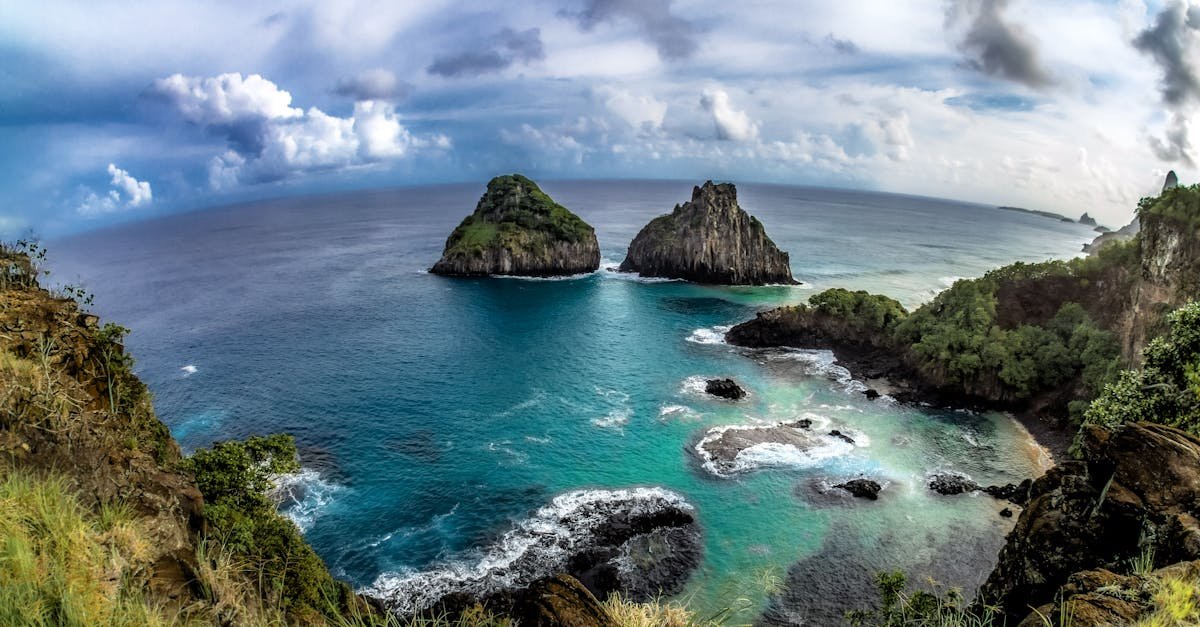
Florianópolis rises from the Atlantic like a fever dream of white sand, turquoise coves and dense Atlantic rainforest — a single island stitched to the Santa Catarina coast by two thin bridges and held together by an almost irrational sense of natural abundance. The air smells of salt and woodsmoke from beach-side churrascos; the sound is equal parts crashing surf and the whip of a kite sail snapping taut over a jade-green lagoon. This is Florianópolis, a Brazilian city that somehow packs forty-two distinct beaches into one island without ever feeling crowded to its core. Locals call it Floripa, a nickname carrying the same warm familiarity as a favourite beach towel.
Visiting Florianópolis is different from the Rio de Janeiro cliché most Europeans picture when they think of Brazil. There are no favela tours, no carnival samba schools rehearsing in football stadiums — instead there is Joaquina's hollow right-hander drawing international surfers, the calm northern bay where oyster farmers pole wooden rafts between cultivation ropes, and Lagoa da Conceição's steady south wind turning the water into a kitesurf highway. Things to do in Florianópolis range from dawn hikes through Mata Atlântica to sunset caipirinhas on a sandbar that appears only at low tide. Compared to Búzios or Balneário Camboriú, Floripa offers a more complete island rhythm — sophisticated enough for long dinners of fresh frutos do mar, wild enough to keep an adventure itinerary full for two weeks.
✦ Find your perfect destination
Is Florianópolis really your perfect match?
Answer 12 quick questions about your travel style, budget and dates — we match you with the destinations that fit you best, from 600+ worldwide.
Florianópolis earns its place on a serious traveller's list because it refuses to be just one thing. The island's geography alone — Atlantic Ocean beaches on the east, protected bays on the west, a huge saltwater lagoon in the middle — creates three entirely different holiday moods within a single taxi ride. Florianópolis delivers world-class surf at Joaquina and Praia Mole, freshwater dune trekking at Joaquina's sandbanks, and the quietly addictive ritual of eating oysters grilled with lemon and parmesan at a rustic shack in Ribeirão da Ilha. The city is also Brazil's safest large beach capital, drawing a growing stream of digital nomads from Argentina, Portugal and the Netherlands.
The case for going now: Florianópolis is in a genuine value sweet spot for European travellers right now — the Brazilian real remains favourable against the euro, and several new boutique pousadas opened across the Lagoa da Conceição strip in 2024–2025 without inflating prices. The island's newly improved SC-401 highway dramatically cuts drive times between the northern oyster villages and the surf beaches of the east coast. Go before the infrastructure catches up with the reputation.
🏄
Surf Joaquina
Joaquina Beach hosts Brazil's most consistent right-hand beach break, drawing professional surfers and determined intermediates alike. Rent a board at the car park and paddle out past the dune field.
🪁
Kitesurf the Lagoon
Lagoa da Conceição funnels reliable south wind across flat water, creating ideal kitesurf conditions from November through April. Schools at Canto da Lagoa offer beginner courses in under three days.
🦪
Oyster Trail North
The calm Baía Norte around Sambaqui and Ribeirão da Ilha hosts Brazil's most productive oyster farms. Join a boat tour, watch farmers harvest from rope lines, then eat them grilled at a waterside shack.
🌅
Dunas at Sunset
The Dunas da Joaquina — a protected field of Atlantic sand dunes — glow amber at golden hour. Hike to the top for panoramic views of the island's eastern coast, then sandboard down.
Florianopolis's neighbourhoods — where to focus
City Hub
Centro
Florianópolis's colonial downtown sits on the narrow western strip facing the mainland, anchored by Mercado Público, a 19th-century covered market still buzzing with fish stalls and boteco bars. Centro is the transport hub — buses to every beach depart from here — and the place to explore Azorean architecture before the beaches pull you east.
Surf & Nightlife
Lagoa da Conceição
The lakeside village of Lagoa da Conceição is Floripa's beating social heart — a strip of restaurants, kitesurf schools, artisan boutiques and open-air bars clustered around the bridge. Evenings here have an infectious energy: Argentinian tourists mingle with local surfers, and the seafood restaurants fill with families well past midnight.
Upscale Beach
Jurerê Internacional
Jurerê Internacional on the northern tip is Florianópolis at its most glamorous — a planned beach neighbourhood of gated mansions, celebrity-frequented beach clubs and flat, palm-fringed shores with calm water. It's the closest Floripa gets to Miami Beach and draws a well-heeled Brazilian and Argentine crowd every summer season.
Laid-back Village
Ribeirão da Ilha
Tucked on the island's deep south, Ribeirão da Ilha is a preserved Azorean fishing village where time appears to have stopped around 1850. Whitewashed churches, painted wooden fishing boats and a string of family-run oyster restaurants define the waterfront. It is the best place in Florianópolis to understand the island's Portuguese immigrant heritage.
Top things to do in Florianopolis
1. #1 Surf Praia Mole & Joaquina
The back-to-back eastern beaches of Praia Mole and Joaquina represent the soul of Florianópolis's surf culture. Praia Mole is a short, powerful beach break favoured by locals — the sand is dark and volcanic, the crowd fashionable and notably gay-friendly, making it one of Brazil's most welcoming surf beaches. Joaquina, just a headland south, is longer and more exposed, picking up clean south-southwest swells that produce hollow, punchy waves from December through April. The Brazilian national surf championship has been held at Joaquina multiple times, and watching professionals train at dawn is itself a spectacle worth the early alarm. Surf schools along both beaches offer lessons for beginners, and board rentals are inexpensive by European standards. Even non-surfers find Joaquina's landscape extraordinary — the beach backs directly onto a vast field of Atlantic dunes perfect for sandboarding.
2. #2 Kitesurf Lagoa da Conceição
Lagoa da Conceição is a saltwater lagoon roughly 30 kilometres long, separated from the Atlantic by a thin strip of dune forest and connected to it by a narrow channel. Its defining feature for travellers is a remarkably reliable thermal wind that funnels through the surrounding hills every afternoon between November and April, creating textbook flat-water kitesurf conditions. The village of Canto da Lagoa on the lagoon's eastern shore has become a genuine kitesurf destination of international standing — certified schools here offer IKO-accredited courses ranging from two-hour discovery sessions to five-day full certification programmes. Even if kiting is not your thing, the lagoon rewards a kayak, stand-up paddleboard session or simply an afternoon at one of the waterside restaurants watching riders cut across the green-blue surface. Sunset on the lagoon, with kite silhouettes against an orange sky, is among the most photogenic moments Florianópolis offers.
3. #3 Oyster Farm Experience in Baia Norte
Brazil is not a country most Europeans associate with oyster farming, yet Florianópolis produces more than 90 percent of Brazil's cultivated oysters and has been doing so since Japanese aquaculture techniques were introduced to the island's Azorean fishing communities in the 1990s. The calm, cool waters of Baía Norte — sheltered from Atlantic swells by the island's own bulk — turn out to be nearly perfect for Pacific oyster cultivation. Visiting a working farm is straightforward: several operators in the villages of Sambaqui and Santo Antônio de Lisboa run guided boat tours that take guests out to the cultivation ropes, explain the harvesting process and culminate in an on-water tasting of freshly shucked oysters with lemon. More leisurely is simply sitting down at one of Ribeirão da Ilha's outdoor restaurants and ordering a dozen oysters grilled with garlic butter and parmesan — a preparation so local and specific that ordering them any other way draws gentle disapproval from the cook.
4. #4 Hike Costão do Santinho
Costão do Santinho on Florianópolis's northeastern tip is the island's most complete natural site and an easy half-day trip from any base on the north or east coast. The coastline here is dramatic — a rocky headland draped in Atlantic rainforest drops to a sequence of small crescents of pale sand battered by open-ocean swell. The headland contains pre-Columbian rock art attributed to the Sambaqui people, painted figures and geometric forms on cliff faces that predate European contact by at least a thousand years. A series of trails threads through the Mata Atlântica above the coast, offering panoramic views that on clear days stretch north toward the Serra Geral mountains. The beach at Santinho is one of Florianópolis's wildest and least developed — water is transparent, crowds sparse outside peak December and January weeks, and the only soundtrack is surf and howler monkeys in the canopy above.
What to eat in Santa Catarina & the Azorean Coast — the essential list
Ostras Gratinadas
Florianópolis's signature dish — locally farmed Pacific oysters grilled in the half-shell with garlic butter, parmesan and a squeeze of lime. Eaten at waterside shacks in Ribeirão da Ilha, they are among the best five reais you will spend in Brazil.
Tainha Assada
The grey mullet (tainha) migrates past Florianópolis in June and July, and catching it by hand net from the cliffs is a local ritual. Whole-roasted over charcoal with cassava flour farofa, it is humble, smoky and deeply local.
Sequência de Camarão
A feast-format procession of shrimp dishes — grilled, fried in batter, bobbing in moqueca broth and stuffed into pastéis — served at beachside restaurants on the Lagoa. One sequência easily feeds two hungry surfers.
Pastel de Berbigão
Berbigão are tiny local clams harvested from the island's tidal flats. Deep-fried inside crisp pastry with onion, coriander and chilli, they are the street food of Florianópolis — bought from market stalls and eaten standing up.
Moqueca Catarinense
Santa Catarina's version of Brazil's famous fish stew deliberately omits palm oil and coconut milk, instead relying on local white fish, ripe tomatoes, onion and a generous pour of cachaca for depth. Lighter and more acidic than the Bahian original.
Caju e Cachaça Sour
More cocktail than dish, but in Florianópolis the cashew-fruit caipifruta is inseparable from the beach experience. Bars along Lagoa da Conceição muddle fresh caju with quality Santa Catarina cachaça, sugar and ice to electric effect.
Where to eat in Florianopolis — our top 4 picks
Fine Dining
Ostradamus
📍 Rod. Baldicero Filomeno 7640, Ribeirão da Ilha
Florianópolis's most celebrated oyster restaurant sits on stilts above the bay in Ribeirão da Ilha, with the cultivation ropes visible from the dining room. The tasting menu moves from freshly shucked ostras to grilled versions with truffle butter, anchored by a wine list heavy on cool-climate Santa Catarina labels. Book a week ahead in January.
Fancy & Photogenic
Canto dos Araçás
📍 Rua Henrique Bruggemann 640, Santo Antônio de Lisboa
Perched on a hillside above the Baía Norte, this beloved restaurant pairs a colonial Azorean house with a panoramic terrace and a menu focused on local fish prepared with French finesse. The grilled tainha with herb butter and the view of the bay at sunset make it the most photographed dining moment in Florianópolis.
Good & Authentic
Bar do Arante
📍 Rua Abelardo Otacílio Gomes 254, Pântano do Sul
A Florianópolis institution operating since 1958, Bar do Arante sits at the far southern tip of the island in the village of Pântano do Sul. The walls are literally plastered with handwritten dedications from decades of visitors. Order the camarão na moranga — shrimp simmered in a whole roasted pumpkin — and cold Antarctica beer.
The Unexpected
Toco Restaurante
📍 Avenida das Rendeiras 1090, Lagoa da Conceição
Toco breaks the Florianópolis seafood monoculture with an inventive, produce-first menu drawing from Santa Catarina's German and Italian immigrant hinterland as much as its coast. Smoked pork with local pequi, heritage tomato salads with artisan cheese, and natural wines from Vale dos Vinhedos make it the most interesting dinner on the lagoon strip.
Florianopolis's Café Culture — top 3 cafés
The Institution
Café das Rendeiras
📍 Avenida das Rendeiras 382, Lagoa da Conceição
Named for the traditional Azorean lacemakers (rendeiras) who still practise their craft nearby, this is the lagoonside café Florianopolitanos have been coming to for morning coffee and pão de mel for three decades. The espresso is reliable, the view of the lagoon across the road is free, and the bolo de mel is worth the walk.
The Aesthetic Hub
Café Cultura
📍 Rua Vitor Meireles 68, Centro
A design-forward specialty coffee shop in a restored colonial building in Centro, Café Cultura roasts single-origin beans from Brazil's Cerrado and Sul de Minas regions and has built a serious reputation among the island's growing digital nomad community. The library corner, exposed brick and natural light make it the most Instagrammable café in Florianópolis.
The Local Hangout
Birosca da Lagoa
📍 Servidão do Retiro 12, Lagoa da Conceição
Half café, half surf shack, Birosca da Lagoa is where kitesurf instructors, stand-up paddle guides and lagoon-bleached backpackers convene for açaí bowls, freshly pressed cane juice and strong coffee served in paper cups. No WiFi, no Instagram-friendly latte art — just the best post-kite debrief spot on the lagoon.
Best time to visit Florianopolis
Jan
Feb
Mar
Apr
May
Jun
Jul
Aug
Sep
Oct
Nov
Dec
Peak season (Jan–Apr & Dec) — warmest water, best surf, busiest beachesShoulder season (Oct–Nov) — warm, quieter, good valueOff-season (May–Sep) — cooler, occasional rain, very low prices
Florianopolis events & festivals 2026
Whether you're planning around a specific celebration or simply want to know what's happening, this guide covers the best events and festivals in Florianopolis — from major annual traditions to cultural highlights worth timing your trip around.
January 2026culture
Festa de Nossa Senhora dos Navegantes
One of the most moving things to do in Florianópolis in January, this Azorean-rooted religious procession sees hundreds of fishing boats escorting the statue of the patron of sailors across the bay. The waterfront fills with candles, samba de roda and food stalls serving fresh oysters and tainha.
February 2026music
Carnabike Floripa
A cycling carnival that transforms Centro into a rolling street party during Brazil's Carnaval week, Carnabike draws thousands of costumed cyclists through the city's historic streets.
March 2026culture
Festival Ilha das Letras
Santa Catarina's premier literary festival takes over bookshops, theatres and public squares across Florianópolis in March. Brazilian and international authors hold readings, debates and workshops in venues from the Mercado Público to open-air stages at Lagoa da Conceição.
April 2026culture
Fenaostra — Festival Nacional da Ostra
The National Oyster Festival at Ribeirão da Ilha celebrates Florianópolis's aquaculture heritage with four days of farm visits, chef cook-offs and competitive oyster shucking. Paired cachaça and wine tastings, live forró bands and the sight of 200,000 oysters consumed in a weekend make this a sensory highlight.
June 2026religious
Festa Junina de Florianópolis
The June festival season brings quadrilha folk dancing, forró music, corn-based street food and mock rural wedding theatrics to squares across the island. The Festa Junina celebrations in the traditional neighborhoods of Ribeirão da Ilha and Santo Antônio de Lisboa are the most authentic on the island.
July 2026culture
Festival Cultura e Arte na Lagoa
A winter arts festival staged around the shores of Lagoa da Conceição, with open-air theatre, artisan craft fair and acoustic music performances. July is off-peak for beaches but this festival makes visiting Florianópolis in winter worthwhile for culture-focused travellers.
August 2026music
Festival Internacional de Música de Florianópolis
A classical and jazz music festival drawing regional and international ensembles to venues across the city, from the Teatro Álvaro de Carvalho to outdoor amphitheatres on the Beira-Mar. Ticket prices are notably low by European festival standards.
October 2026market
Oktoberfest Itajaí (Day Trip)
While not in Florianópolis proper, the Oktoberfest in nearby Itajaí — just 75 kilometres north — is the third-largest German beer festival in the world after Blumenau and Munich. The Santa Catarina coast's German immigrant heritage makes this an extraordinary day-trip addition to any Floripa itinerary in October.
November 2026culture
Kite Festival Lagoa da Conceição
As the kitesurf season reopens with strengthening south winds in November, the Lagoa da Conceição hosts demonstration events, kite-flying competitions and IKO discovery days making it one of the
December 2026culture
Réveillon na Beira-Mar
Florianópolis's New Year's Eve celebration on the Beira-Mar Norte waterfront rivals Rio's Copacabana for sheer spectacle relative to city size — fireworks over the bridge, live music stages, and a white-clad crowd of half a million making it the island's most electric night of the year.
Jurerê Internacional resort or design hotel, tasting menus, private boat tours, beach clubs.
Getting to and around Florianopolis (Transport Tips)
By air: Hercílio Luz International Airport (FLN) handles direct flights from São Paulo (GRU/CGH, 1.5 hrs), Rio de Janeiro (1.5 hrs), Buenos Aires (3 hrs) and a growing number of seasonal European charter connections via LATAM and GOL. Most European travellers connect through São Paulo Guarulhos, with total journey times of 14–18 hours from Western Europe.
From the airport: Florianópolis airport sits on the island's eastern side, roughly 12 kilometres from Centro. The Corredor Sudoeste executive bus service connects the airport to the downtown bus terminal (Terminal TICEN) for under R$10. Taxis to Centro cost approximately R$60–80 and take 20–30 minutes; app-based rides via 99 or Uber are reliable and slightly cheaper. Car hire at the airport is straightforward and recommended if you plan to explore multiple beach areas independently.
Getting around the city: Florianópolis's public bus network (operated by Canasvieiras and partner lines) is comprehensive and connects Centro's TICEN terminal to almost every beach and village on the island for flat fares under R$5. Journey times are long — 45–60 minutes to the east coast beaches — but the buses are air-conditioned and reliable. App-based ride services (Uber, 99) are widely available and reasonably priced. Hiring a car or scooter significantly improves flexibility for reaching remote southern beaches like Lagoinha do Leste or Pântano do Sul.
Transport Safety & Scam Prevention:
Agree taxi fares upfront: Unlicensed taxis at the airport sometimes quote fixed rates far above metered price. Always use the official taxi rank, verify the meter is running, or pre-book via Uber and 99 apps before leaving arrivals.
Avoid unofficial tour operators: Beach tours to Ilha do Campeche or oyster farms are sometimes sold by unlicensed touts at Lagoa da Conceição. Book directly with operators at the official boat dock or through your pousada to ensure proper safety equipment is provided.
Keep valuables off the beach: Opportunistic theft from unattended towels occurs on busy beaches like Praia Mole and Joaquina during peak January and February. Use your accommodation locker and bring only what you need — phone, sunscreen and enough cash for the day.
Do I need a visa for Florianopolis?
Visa requirements for Florianopolis depend on your nationality. Select your passport below for an instant answer — based on the Passport Index dataset for entry into Brazil.
ℹ️ Indicative only. Always verify with the official consulate before booking. Data: Passport Index, April 2026.
For detailed requirements, documentation checklists and processing times by nationality: TravelDoc →
Search & Book your trip to Florianopolis
Find the best flight routes and hotel combinations using our partner Kiwi.com.
Frequently Asked Questions
Is Florianópolis safe for tourists?
Florianópolis is considered one of Brazil's safest large cities and has a significantly lower violent crime rate than Rio de Janeiro or São Paulo. The island's beach areas and tourist neighbourhoods are generally relaxed during the day. Standard precautions apply: avoid displaying expensive cameras or jewellery on crowded beaches, don't walk alone in unfamiliar areas after midnight, and keep a photocopy of your passport rather than the original when sightseeing. The neighbourhoods of Lagoa da Conceição, Jurerê and Centro are considered very safe for tourists.
Can I drink the tap water in Florianópolis?
Tap water in Florianópolis is technically treated and meets Brazilian safety standards, but most locals and experienced travellers prefer to drink bottled or filtered water, particularly in rental properties and older pousadas where pipes may be aging. Supermarkets sell large 5-litre bottles cheaply. At restaurants, always ask for água filtrada or bottled water. Brushing teeth with tap water is generally fine for most visitors with healthy immune systems.
What is the best time to visit Florianópolis?
The best time to visit Florianópolis is between January and April, when sea temperatures peak at 26–28°C, surf conditions at Joaquina are most consistent, and the kitesurf season at Lagoa da Conceição is in full swing. December is also excellent but extremely busy with Brazilian holidaymakers, pushing accommodation prices to their highest. Shoulder season in October and November offers warm weather, lighter crowds and noticeably better value. European summer (July–August) coincides with Brazilian winter — beaches are quieter but cooler, around 18–20°C, and some beach restaurants close weekdays.
How many days do you need in Florianópolis?
A minimum Florianópolis itinerary of five days allows you to cover the essentials — one day each for the east coast surf beaches, Lagoa da Conceição, the northern oyster villages, the southern Azorean villages and Centro. Seven to ten days is the sweet spot for most travellers: it allows a full kitesurf course (3 days), a lazy overnight at a beach pousada and time to explore lesser-known spots like Lagoinha do Leste and Praia do Campeche without feeling rushed. Two weeks lets you genuinely slow down and live the island rhythm that makes Florianópolis so addictive for repeat visitors.
Florianópolis vs Búzios — which should you choose?
Both are Brazilian beach escapes beloved by South American and European visitors, but they offer different characters. Búzios near Rio is smaller, more chic and boutique-focused, with calmer water and a stronger French and Argentinian tourist infrastructure. Florianópolis is larger, wilder and more activity-oriented — if kitesurfing, surfing and oyster-farm adventures matter to you, Floripa wins decisively. Búzios suits those who want to combine their beach trip with Rio de Janeiro. Florianópolis suits those who want the beach to be the whole holiday, with the bonus of a cooler climate, German-immigrant food culture in the hinterland and some of Brazil's most pristine Mata Atlântica.
Do people speak English in Florianópolis?
English is spoken at a basic level in Florianópolis compared to Rio or São Paulo. Staff at larger hotels, surf schools and some restaurants in Lagoa da Conceição and Jurerê Internacional often manage basic tourist English, and the large Argentine tourist community means many locals speak some Spanish. In smaller villages like Ribeirão da Ilha or Sambaqui and at local market stalls, Portuguese is essential. Download a Portuguese phrasebook app before arrival — locals respond warmly to any attempt at the language, even broken. Google Translate's camera function is invaluable for menus.
★ Hidden Gems Weekly
Like this? One place per week, in your inbox.
No spam, no fluff — just one underrated destination, every Tuesday.
Hand-picked and verified by Max, who founded Vacanexus from Luxembourg in 2026. No sponsorships, no paid placements. Every recommendation — restaurants, neighbourhoods, things to do — is selected for authenticity over popularity.