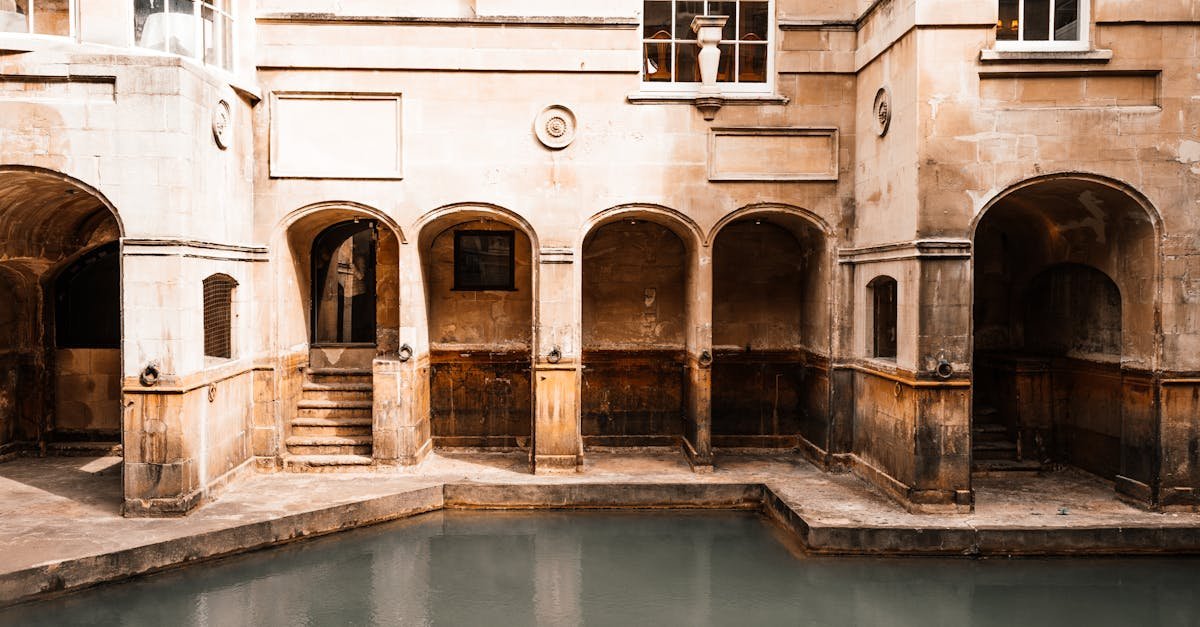
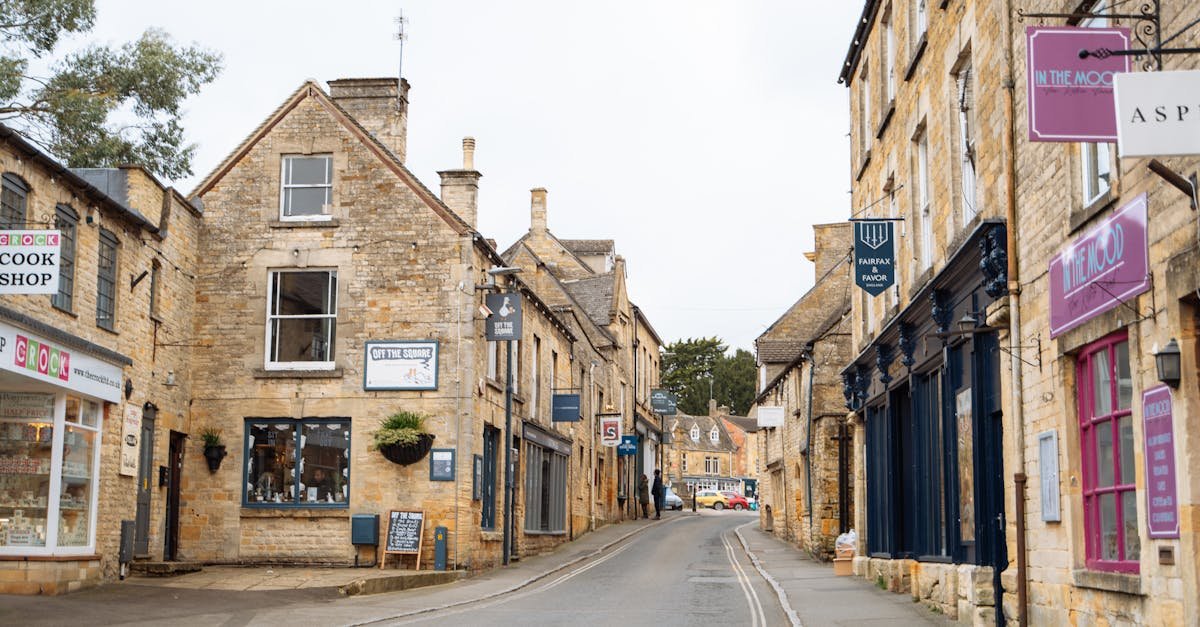
Galway Travel Guide — Where Every Pub Plays Fiddles and the Atlantic Feels Untamed
⏱ 11 min read📅 Updated 2026💶 €€ Mid-Range✈️ Best: Apr–Aug
€55–120/day
Daily budget
Apr–Aug
Best time
3–5 days
Ideal stay
EUR (€)
Currency
Galway is the kind of city that grabs you by the collar and refuses to let go. The smell of turf smoke drifts from pub doorways, fiddle reels spill onto cobblestone streets, and the Atlantic light shifts from pewter grey to blazing gold within minutes. Situated on the wild western edge of Ireland, Galway is a compact, walkable city that punches far above its size in personality, music, and culinary character. The medieval Latin Quarter hums with energy day and night, and the Spanish Arch frames a sky that changes every hour. Galway feels simultaneously ancient and urgently alive.
Visiting Galway is a fundamentally different experience from touring Dublin or Cork. Where Dublin is a confident capital with big-city energy, Galway retains the warmth and eccentricity of a university town that happens to sit beside one of Europe's most dramatic coastlines. Things to do in Galway range from hopping a ferry to the Aran Islands to exploring the lunar limestone landscape of the Burren just across the county border. The city is also the gateway to Connemara, a patchwork of bog, mountain, and sea that will recalibrate your sense of scale. For travellers seeking culture, raw nature, and music in equal measure, Galway consistently delivers.
✦ Find your perfect destination
Is Galway really your perfect match?
Answer 12 quick questions about your travel style, budget and dates — we match you with the destinations that fit you best, from 600+ worldwide.
Galway earns its place on any serious European travel list because it offers an authenticity that is increasingly rare. The trad music sessions in Galway's pubs are not performances staged for tourists — they are community rituals that have continued uninterrupted for generations, and visitors are genuinely welcome to pull up a stool. The city's compact medieval core, its proximity to the Aran Islands by a 40-minute ferry, and the immediate access to Connemara's wilderness make Galway one of the most rewarding three-to-five-day destinations in the British Isles. Add a food scene that has matured dramatically in recent years, and Galway belongs firmly on the European cultural travel map.
The case for going now: Galway's food and hospitality scene has seen a remarkable surge since 2022, with a wave of chef-led restaurants and craft producers transforming what was once a pub-and-chipper city into a genuine culinary destination. Transatlantic and European flight connections have improved, making Galway easier to reach independently. The weak euro against sterling and the dollar extends real value for non-eurozone visitors, and post-pandemic festival rosters have returned in full force, making 2026 an ideal year to experience Galway at its most vibrant.
🎻
Trad Music Sessions
Galway's pub sessions are living folklore — musicians gather nightly in snug bars, playing reels and jigs passed down for centuries. No cover charge, just a pint and an open ear.
⛴️
Aran Islands Ferry
A 40-minute ferry from Rossaveal drops you onto Inis Mór, where Iron Age forts perch above sheer Atlantic cliffs and cyclists outnumber cars by a considerable margin.
🏔️
Connemara Wilderness
West of Galway, Connemara unfolds as a vast tapestry of bog, quartzite peaks, and mirror lakes. Twelve Bens mountain range and Kylemore Abbey reward day-trippers richly.
🛍️
Latin Quarter Markets
The Saturday Galway Market beneath the cathedral canopy brings local cheese, sourdough, smoked fish, and craft jewellery together in one buzzing outdoor hub.
Galway's neighbourhoods — where to focus
Historic Core
Latin Quarter
The Latin Quarter is Galway's medieval heart — a tight grid of pedestrianised lanes lined with brightly painted shopfronts, independent boutiques, and pubs that date back three hundred years. Shop Street and Quay Street are the main arteries, busy from noon until well past midnight, particularly during festival season.
Artsy Village
Salthill
Salthill is Galway's seaside suburb, stretching along Galway Bay with a long prom walk that locals insist ends with the ritual of kicking the wall at the diving boards. It has a village-within-a-city feel, with independent cafés, amusement arcades from another era, and excellent seafood restaurants overlooking Clare and the Burren.
Student Energy
Westside
Galway's Westside district, anchored by NUI Galway's gothic stone campus, pulses with student café culture, second-hand bookshops, and casual restaurants serving everything from ramen to wraps. The canal walk connecting the university to the city centre is one of Galway's most pleasant and underrated strolls.
Quiet Heritage
Claddagh
The Claddagh, immediately west of the Spanish Arch, was once an independent Irish-speaking fishing village with its own king. Today it is a quiet residential area of whitewashed houses beside the tidal Corrib river mouth, famous as the birthplace of the Claddagh ring and offering genuinely peaceful waterside walks.
Top things to do in Galway
1. #1 — Spanish Arch & City Museum
The Spanish Arch is the most evocative remnant of Galway's medieval walls and the natural gathering point for locals on sunny afternoons, when students and buskers spread across the riverside stones with cans and guitars. Built in 1584 to protect the quays where Spanish trading ships unloaded their wine and textiles, the arch now frames a view across the Corrib to the Claddagh that feels almost cinematic. Immediately beside it, the Galway City Museum tells the story of this compact city with real depth — from its medieval merchant families to its role in the Irish language revival. Admission is free, the collection is well-curated, and the top-floor café offers one of the best views of the river. Plan for at least ninety minutes in this pocket of history.
2. #2 — Day Trip to Inis Mór
Of all the things to do in Galway, taking the ferry to Inis Mór (the largest Aran Island) ranks as the single most unforgettable excursion. Ferries depart from Rossaveal, roughly 45 minutes west of Galway by shuttle bus, and the crossing takes around 40 minutes across Galway Bay. On the island, rent a bicycle at the pier and cycle the handful of roads that criss-cross the limestone plateau, stopping at Dún Aonghasa — a prehistoric stone fort perched on a 100-metre vertical cliff above the Atlantic, with no safety railing and a view that induces genuine vertigo. The island has a handful of pubs where you can order chowder and brown bread before the afternoon ferry back. Book tickets in advance during July and August, as this excursion sells out regularly on fine days.
3. #3 — Connemara National Park
The drive from Galway into Connemara takes less than an hour but transports you into a completely different register of landscape. Connemara National Park, centred on the village of Letterfrack, protects a stretch of blanket bog, heath, and mountain that includes four of the Twelve Bens peaks. The visitor centre is excellent for orienting yourself before choosing a walking route — the Diamond Hill loop is the most popular, a 7-kilometre circuit with panoramic views of the coast and mountains that most walkers can complete in under three hours. On the return journey, detour south through Clifden — Connemara's unofficial capital — and stop at the gothic revival Kylemore Abbey, reflected in its own lake. A Galway itinerary without at least one Connemara day is genuinely incomplete.
4. #4 — Pub Crawl on Quay Street
Galway's trad music scene is one of the last places in Europe where you can hear genuinely un-staged, spontaneous traditional Irish music on any given evening of the week. The circuit begins on Quay Street, where Tig Coili and The Crane Bar — a Galway institution on Sea Road — are the most reliable sessions. Arrive before 9 pm to secure a seat; these rooms fill fast and the atmosphere peaks between 9 and 11 pm. The music is played by a rotating cast of semi-professional and amateur musicians who gather out of love for the tradition, not tourism. There is no entry charge, though buying a round is good etiquette. A Galway pub crawl is less about quantity of venues and more about depth of immersion — find a session you love, stay for the full set, and let the music do what it has always done in this city.
What to eat in Connacht & the Wild Atlantic Way — the essential list
Galway Bay Oysters
Native flat oysters from Galway Bay are among the most celebrated in Europe, farmed in the cold, mineral-rich waters of the bay. Eaten raw with stout and brown soda bread at the Galway Oyster Festival or year-round in seafood bars along the docks.
Seafood Chowder
A thick, cream-based soup loaded with smoked haddock, salmon, mussels, and potatoes is the definitive Galway comfort dish. Nearly every café along the Salthill promenade serves a version, and brown bread for dipping is non-negotiable.
Soda Bread
Brown soda bread in Galway is baked fresh daily in most kitchens and bears no resemblance to the pre-sliced version sold elsewhere. Look for the dense, slightly tangy loaves from artisan bakeries near the Saturday market — best eaten warm with Irish butter.
Connemara Lamb
Connemara mountain lamb, raised on wild bog grasses and heather, produces meat with a distinctive gamey sweetness. It appears on menus across Galway's better restaurants roasted, slow-braised, or as a chop with colcannon and mint jus.
Boxty
This traditional Irish potato pancake — half mashed, half grated raw potato fried until golden — turns up in Galway kitchens as a side dish or a breakfast staple. Rich, starchy, and deeply satisfying, it pairs beautifully with smoked salmon and crème fraîche.
Craft Stout
While Guinness is ubiquitous, Galway's own craft brewery scene produces excellent dry stouts and red ales available on tap across the Latin Quarter. Galway Bay Brewery's seasonal releases are particularly well-regarded among Irish beer enthusiasts.
Where to eat in Galway — our top 4 picks
Fine Dining
Aniar
📍 53 Lower Dominick Street, Galway
Aniar holds a Michelin star and is Galway's most intellectually rigorous dining experience, built entirely around the terroir of Connacht. Chef JP McMahon sources almost everything from the immediate region — seaweed from Connemara shores, lamb from local hill farms, wild herbs foraged to order. Tasting menus run to eight courses and celebrate Irish ingredients without sentimentality.
Fancy & Photogenic
Loam
📍 Fairgreen Road, Galway
Loam is the more relaxed sibling to Aniar, with a natural wine list that has earned it a devoted following among wine-curious travellers. The interior is stripped-back and beautiful — bare wood, soft lighting, and a menu that changes daily based on market availability. Booking at least a week ahead is strongly advised for weekend visits.
Good & Authentic
Ard Bia at Nimmos
📍 Spanish Arch, Long Walk, Galway
Ard Bia occupies a 17th-century stone building beside the Spanish Arch and is the closest Galway gets to a neighbourhood institution with genuine culinary ambition. The menu mixes Irish produce with North African and Middle Eastern influences, the coffee is excellent, and brunch on a Saturday after the market is a Galway ritual worth adopting.
The Unexpected
Kai Restaurant
📍 20 Sea Road, Galway
Kai is a tiny, warmly lit restaurant on Sea Road that has built an outsized reputation through rigorous sourcing, a deeply personal menu, and an almost aggressive commitment to sustainability. Chef Jess Murphy's New Zealand background adds unexpected flavour angles to classic Irish ingredients. The lunch service is exceptional value and easier to book than the much-coveted dinner seats.
Galway's Café Culture — top 3 cafés
The Institution
Java's
📍 17 Upper Abbeygate Street, Galway
Java's is the café Galway students and artists have relied on for decades — a no-frills, high-character room with mismatched chairs, strong coffee, and a slightly chaotic warmth that no interior designer could manufacture. It opens early, closes late, and serves a rotating cast of toasties and soups. The kind of place that defines a city's daily rhythm.
The Aesthetic Hub
McCambridge's Café
📍 38 Shop Street, Galway
Upstairs from Galway's most beloved deli-grocery, McCambridge's café is a quietly beautiful room with timber floors, good light, and a menu built around the exceptional produce sold downstairs. The smoked salmon on soda bread is mandatory, and the coffee programme has been seriously upgraded in recent years. Ideal for a mid-morning pause during a walking tour of the city.
The Local Hangout
Coffeewerk + Press
📍 5 Quay Street, Galway
Coffeewerk sits on busy Quay Street but manages to feel like a discovery — a narrow, book-lined space serving some of Galway's most technically accomplished espresso alongside a small gallery of local print and art. The baristas take their craft seriously without being precious, and the corner seats are fiercely contested on wet Galway mornings.
Best time to visit Galway
Jan
Feb
Mar
Apr
May
Jun
Jul
Aug
Sep
Oct
Nov
Dec
Peak Season (May–Aug) — Long bright days, festivals in full swing, warmest Atlantic temperaturesShoulder Season (Apr & Sep) — Quieter crowds, lower prices, still very pleasant for walking and day tripsOff-Season (Oct–Mar) — Raw Atlantic weather but cosy pubs, cheaper accommodation, authentic local atmosphere
Galway events & festivals 2026
Whether you're planning around a specific celebration or simply want to know what's happening, this guide covers the best events and festivals in Galway — from major annual traditions to cultural highlights worth timing your trip around.
July 2026culture
Galway International Arts Festival
The Galway International Arts Festival is the biggest and most prestigious arts event in Ireland, running for two weeks each July. Theatre, visual art, street spectacle, and music fill the city's venues and public spaces. For travellers planning a Galway itinerary in summer, this fortnight represents the cultural high point of the year — book accommodation months in advance.
July 2026culture
Galway Film Fleadh
One of Europe's longest-running film festivals, the Galway Film Fleadh screens international and Irish independent films across city venues each July.
August 2026culture
Galway Race Week
Galway Race Week at Ballybrit Racecourse is arguably the most socially significant week in the Irish calendar — a combination of world-class horse racing, extravagant fashion, and every pub in Galway running at full capacity. The atmosphere is unique and genuinely unforgettable even for visitors with no interest in horse racing.
September 2026culture
Galway International Oyster & Seafood Festival
Running since 1954, the Galway Oyster Festival celebrates the opening of the Galway Bay native oyster season each September. The World Oyster Opening Championship draws competitors from across Europe, and the city's seafood bars serve fresh Galway oysters with stout at their finest. One of the oldest food festivals in the world.
May 2026music
Cúirt International Festival of Literature
Cúirt brings some of the world's most celebrated authors to Galway each April and May for readings, conversations, and late-night literary events in pubs across the city. The festival has a long-standing reputation for championing Irish-language writing alongside international voices and is among the most welcoming literary festivals in Europe.
June 2026music
Fleadh Nua — Traditional Music Festival
Though centred in Ennis in nearby Clare, Fleadh Nua's spillover trad sessions reach Galway's pubs each June, creating some of the most musically intense evenings of the year. For visitors specifically seeking authentic traditional Irish music, the Galway region in June offers sessions at a level of quality that is genuinely exceptional.
February 2026religious
St Brigid's Festival
St Brigid's Day on 1 February marks the beginning of the Celtic spring and is celebrated across Connacht with storytelling events, craft workshops, and community gatherings. Galway's arts organisations use the occasion to programme outdoor and indoor events that draw on pre-Christian Irish tradition in thoughtful, unsentimental ways.
December 2026market
Galway Christmas Market
Galway's Christmas Market occupies Eyre Square each December with Austrian-style wooden chalets selling mulled wine, artisan gifts, and hot food. The market is considerably more authentic and locally sourced than its equivalents in larger Irish cities, and the backdrop of the medieval city walls lit at dusk is genuinely magical.
October 2026culture
Baboró International Arts Festival for Children
Baboró is one of Ireland's most respected children's arts festivals, held in Galway each October with theatre, puppetry, dance, and interactive visual art for families. It transforms the city's venues into wonderfully imaginative spaces and makes visiting Galway in October with children a particularly rewarding experience.
April 2026culture
Galway Comedy Festival
Galway Comedy Festival brings Irish and international stand-up comedians to the city's pubs and theatres each April, tapping into the city's deep tradition of wit and storytelling. The Róisín Dubh venue hosts the headline acts, and late-night shows in the Latin Quarter pubs often feature unannounced guests working out new material.
Hostel dorms, self-catering breakfasts, pub lunches, trad sessions as free evening entertainment
€€ Mid-range
€70–120/day
Guesthouse or boutique B&B, lunch at Ard Bia, restaurant dinners, Aran Islands day trip included
€€€ Luxury
€180+/day
Hotel Meyrick or g Hotel, Aniar or Loam tasting menus, private Connemara driving tours
Getting to and around Galway (Transport Tips)
By air: The nearest international airport to Galway is Ireland West Airport Knock (NOC), roughly 90 minutes north by road. Dublin Airport (DUB) is 2.5 hours east by Bus Éireann coach and receives far more international routes, including direct connections from Paris, Amsterdam, Frankfurt, and most major European hubs. Shannon Airport (SNN) in County Clare is 90 minutes south of Galway and handles transatlantic and European services.
From the airport: From Dublin Airport, the Citylink coach service runs directly to Galway's Ceannt Station roughly every hour, with a journey time of approximately 2.5 to 3 hours depending on traffic — tickets cost around €15–20 and should be booked online in advance. From Ireland West Knock, local taxi or a pre-booked transfer is the most practical option. From Shannon Airport, Bus Éireann runs connections to Galway via Ennis, though journey times can stretch to two hours.
Getting around the city: Galway city centre is compact enough to walk entirely, and most visitors cover the Latin Quarter, Spanish Arch, Claddagh, and Salthill on foot without difficulty. The Salthill promenade is a 25-minute walk from Eyre Square along the coast. Local Bus Éireann services connect the city centre to Salthill and the university campus. Cycling is a genuine option — the city is largely flat and bike hire is available near the tourist office. For Connemara and Aran Islands day trips, organised tours or car hire from Galway's centre provide the most flexibility.
Transport Safety & Scam Prevention:
Metered Taxis Only: Galway taxis are generally reliable and honest, but always confirm the meter is running at the start of any journey. The city is small enough that most fares within the centre should not exceed €12–15. Apps like Free Now are widely used and recommended for transparent pricing.
Book Aran Islands Ferries Early: During July and August, Aran Islands ferry tickets sell out on fine weather days — sometimes within hours of opening. Book directly with Aran Island Ferries or Doolin Ferry at least 24–48 hours ahead to avoid disappointment and inflated walk-up prices from unofficial ticket sellers on the quayside.
Connemara Tour Operators Vary Widely: Several bus tour operators run day trips to Connemara from Galway, but quality varies considerably. Look for operators with small group sizes (under 16 passengers) who stop at genuine local producers rather than souvenir shops. Reviews on travel forums consistently separate the authentic experiences from the coach-park-and-photo-stop variety.
Do I need a visa for Galway?
Visa requirements for Galway depend on your nationality. Select your passport below for an instant answer — based on the Passport Index dataset for entry into Ireland.
ℹ️ Indicative only. Always verify with the official consulate before booking. Data: Passport Index, April 2026.
For detailed requirements, documentation checklists and processing times by nationality: TravelDoc →
Search & Book your trip to Galway
Find the best flight routes and hotel combinations using our partner Kiwi.com.
Frequently Asked Questions
Is Galway safe for tourists?
Galway is one of the safest cities in Europe for tourists. Violent crime is extremely rare, and the city's compact, well-lit centre is active and sociable well into the night. The main caution for visitors is standard urban common sense: watch your belongings in crowded pub environments, particularly during Race Week in August when pickpocketing increases. Solo female travellers consistently rate Galway as an easy and comfortable destination, and the general atmosphere is notably warm and welcoming even by Irish standards.
Can I drink the tap water in Galway?
Yes, tap water in Galway is safe to drink and meets all EU quality standards. The water supply draws from Lough Corrib, one of Ireland's largest and cleanest lakes, and the municipal treatment system is modern and well-maintained. Buying bottled water in Galway is entirely unnecessary and environmentally wasteful — carry a reusable bottle and refill freely at taps throughout the city.
What is the best time to visit Galway?
The best time to visit Galway is between May and August, when daylight extends past 10 pm, the Atlantic is at its most manageable for island ferries, and the city's festival calendar is at full intensity — the Galway International Arts Festival in July and Race Week in August being the twin peaks. April and September offer a genuine shoulder season with smaller crowds, lower accommodation prices, and weather that is usually still pleasant for walking. Winter visits have their own appeal — cosy trad sessions in half-empty pubs with local regulars are an experience festival season rarely provides.
How many days do you need in Galway?
Three days in Galway covers the essential city experiences — the Latin Quarter, the Spanish Arch, a trad session, and one day trip to either the Aran Islands or Connemara. Five days is the ideal Galway itinerary for most travellers, allowing time for both island and Connemara excursions alongside a leisurely exploration of the city's food and music scene. Ten days opens the possibility of crossing into County Clare for the Burren and Cliffs of Moher, spending a night on the Aran Islands, and exploring the northern Connemara coastline as far as Westport. Galway rewards slower travel — the city has a quality of daily life that is best absorbed without a rushed checklist.
Galway vs Dublin — which should you choose?
Galway and Dublin serve different travel needs, and the choice depends entirely on what you want from Ireland. Dublin is a confident, cosmopolitan capital with world-class museums, a broader international restaurant scene, and excellent transport connections for onward travel. Galway is smaller, more bohemian, more authentically Irish in language and music culture, and sits at the gateway to the country's most dramatic landscapes. If you want a city to explore deeply for a few days before venturing into wild Atlantic scenery, Galway wins decisively. If you want cultural institutions, major historical sites, and the full range of big-city amenities, Dublin is the stronger choice. Many visitors wisely do both — three days in Dublin, then a bus west to Galway.
Do people speak English in Galway?
English is the primary language across all of Galway city, and communication for visitors is completely effortless. Galway is notable, however, for being the gateway to the Gaeltacht — the Irish-speaking regions of Connemara and the Aran Islands — where Irish is still used as the everyday community language. In these areas you may encounter Irish-language signage and overhear conversations in Irish, which adds a fascinating cultural texture rather than any practical difficulty for English-speaking visitors. Learning a few phrases — 'Go raibh maith agat' (thank you) and 'Slán' (goodbye) — is appreciated and usually draws a warm smile.
★ Hidden Gems Weekly
Like this? One place per week, in your inbox.
No spam, no fluff — just one underrated destination, every Tuesday.
Hand-picked and verified by Max, who founded Vacanexus from Luxembourg in 2026. No sponsorships, no paid placements. Every recommendation — restaurants, neighbourhoods, things to do — is selected for authenticity over popularity.