Great Ocean Road Travel Guide — 243 km of cliff-top drama, wild koalas, and unforgettable limestone
⏱ 11 min read📅 Updated 2026💶 €€ Mid-Range✈️ Best: Apr–Sep
A$80–180/day (€50–120)
Daily budget
April–September
Best time
3–5 days
Ideal stay
AUD (A$)
Currency
There are road trips, and then there is the Great Ocean Road — a 243-kilometre ribbon of asphalt carved by returned soldiers after World War I, hugging the wild Southern Ocean coast of Victoria, Australia, in a way that makes every bend feel like a revelation. Salt spray drifts across the windscreen as you round headlands above churning green water, dense eucalyptus forest pressing in from one side while sheer limestone cliffs plunge into the surf on the other. The Great Ocean Road does not reveal itself all at once; it unfurls in chapters, each one more cinematic than the last, from the surf-worn planks of Torquay to the ghost-town rain forest of the Otway hinterland.
Visiting the Great Ocean Road is fundamentally different from any other Australian coastal experience. Unlike Queensland's manicured reef tours or Sydney's urban harbour, this is raw, temperate wilderness — crashing seas, mist-wrapped gorges, and townships where fishermen still outnumber tourists. Things to do in Great Ocean Road range from surfing legendary Bells Beach and hiking the Great Ocean Walk to spotting wild koalas clinging to manna gums above Kennett River at dusk. For European travellers accustomed to Mediterranean coasts, the scale here is humbling: the cliffs are bigger, the distances longer, and the silence deeper than almost anywhere else on earth.
✦ Find your perfect destination
Is Great Ocean Road really your perfect match?
Answer 12 quick questions about your travel style, budget and dates — we match you with the destinations that fit you best, from 600+ worldwide.
Your Great Ocean Road itinerary — choose your style
🗓 Weekend Break — 2 days
🧭 City Explorer — 5 days
🌍 Deep Dive — 10 days
Your pace:
Why Great Ocean Road belongs on your travel list
The Great Ocean Road earns its place on any serious traveller's list because it delivers genuine wilderness at a European-friendly standard of comfort and safety. The Twelve Apostles limestone stacks — rising up to 45 metres from the Southern Ocean — are among the most photographed landforms on earth, yet at dawn on a winter morning you can stand at the viewing platform with almost no one beside you. Beyond the headline attraction, the Great Ocean Road corridor contains ancient rainforest, world-class surf breaks, uncrowded white-sand beaches, and some of the most reliable wild koala sightings on the continent. It rewards slow, curious travel.
The case for going now: Australia's Victoria state tourism board has invested heavily in the Great Ocean Road since 2023, expanding the Great Ocean Walk trail network and improving overnight hiker huts along the coast. The Australian dollar remains relatively weak against the euro, making 2026 an excellent value moment for European visitors. Visitor caps introduced at the Twelve Apostles lookout in 2025 mean better, less crowded experiences for those who book ahead — but those slots are filling fast.
🌊
Twelve Apostles Dawn
Arrive at the limestone stacks before sunrise to watch orange light ignite their 45-metre faces. Only eight of the original twelve remain, making each visit feel quietly urgent.
🐨
Kennett River Koalas
Pull over at Kennett River's Grey River Road and look straight up — koalas drape every fork of the manna gums in one of Australia's most reliable free wildlife encounters.
🏄
Bells Beach Surf
Watch professionals tear apart one of the Southern Hemisphere's most famous right-hand point breaks, or take a beginner lesson in calmer Torquay — surfing anchors Great Ocean Road culture.
🌿
Otway Rainforest Walks
Step beneath 300-year-old myrtle beeches and ancient tree ferns in Otway National Park, where the forest canopy is so dense it drips even on sunny days.
Great Ocean Road's neighbourhoods — where to focus
Surf & Start
Torquay & Bells Beach
Torquay is the official eastern gateway to the Great Ocean Road and Australia's undisputed surf capital. The Surf World museum, excellent cafés, and proximity to Bells Beach make it the natural first night stop for anyone beginning this journey from Melbourne. The vibe is relaxed, salty, and unhurried.
Lively Hub
Lorne
Lorne is the most cosmopolitan town along the Great Ocean Road, packed with independent restaurants, weekend markets, and a lively esplanade lined with Norfolk pines. Erskine Falls, just fifteen minutes inland, offers a dramatic waterfall plunge into a fern-draped gorge that few visitors expect to find so close to the coast.
Hinterland Retreat
Apollo Bay & Otways
Apollo Bay is the last proper township before the Great Ocean Road turns inland toward the Otway Ranges. A working fishing harbour, Saturday morning farmers market, and immediate access to Cape Otway Lightstation and ancient rainforest make this the most atmospheric base for multi-day stays exploring the hinterland on foot.
Dramatic West
Port Campbell & Princetown
Port Campbell is the tiny coastal village that serves as base camp for the Twelve Apostles, Loch Ard Gorge, and the full Port Campbell National Park. The town itself is quiet and functional rather than pretty, but the landscape surrounding it — wild, cliff-edged, and geologically raw — is unlike anything else in Australia.
Top things to do in Great Ocean Road
1. #1 – Walk to the Twelve Apostles
No Great Ocean Road itinerary is complete without standing at the Twelve Apostles Marine National Park viewing platform, but the experience you get depends almost entirely on when you arrive. Dawn in autumn or winter — roughly May through July — rewards visitors with low golden light, mist rolling off the Southern Ocean, and crowds so thin you can hear the swell pound the sea stacks below. The free boardwalk connects two separate viewing platforms, and a tunnel under the highway gives access to both eastern and western aspects. Loch Ard Gorge, just three kilometres west, is equally spectacular: a narrow inlet where the iron-hulled clipper Loch Ard foundered in 1878, leaving two teenage survivors to swim to safety through the surge channel. Allow at least half a day for this stretch.
2. #2 – Hike the Great Ocean Walk
The Great Ocean Walk is a 104-kilometre trail that traces the clifftops and beaches from Apollo Bay west toward the Twelve Apostles, and it ranks among Australia's finest multi-day hiking experiences. You can walk the entire route over six to eight days, camping or staying in basic hiker huts, or join it for a single dramatic day section — the Milanesia Beach day walk is widely considered the highlight, delivering a boulder-strewn cove completely inaccessible by road. Parks Victoria manages the trail and provides detailed maps and hut-booking systems online. Autumn and spring are ideal for hiking the Great Ocean Walk: temperatures sit in the comfortable 12–18°C range, wildflowers bloom above the cliffs, and afternoon light turns the ocean an extraordinary deep teal. Good trail shoes and a waterproof layer are essential year-round.
3. #3 – Wildlife Spotting at Dusk
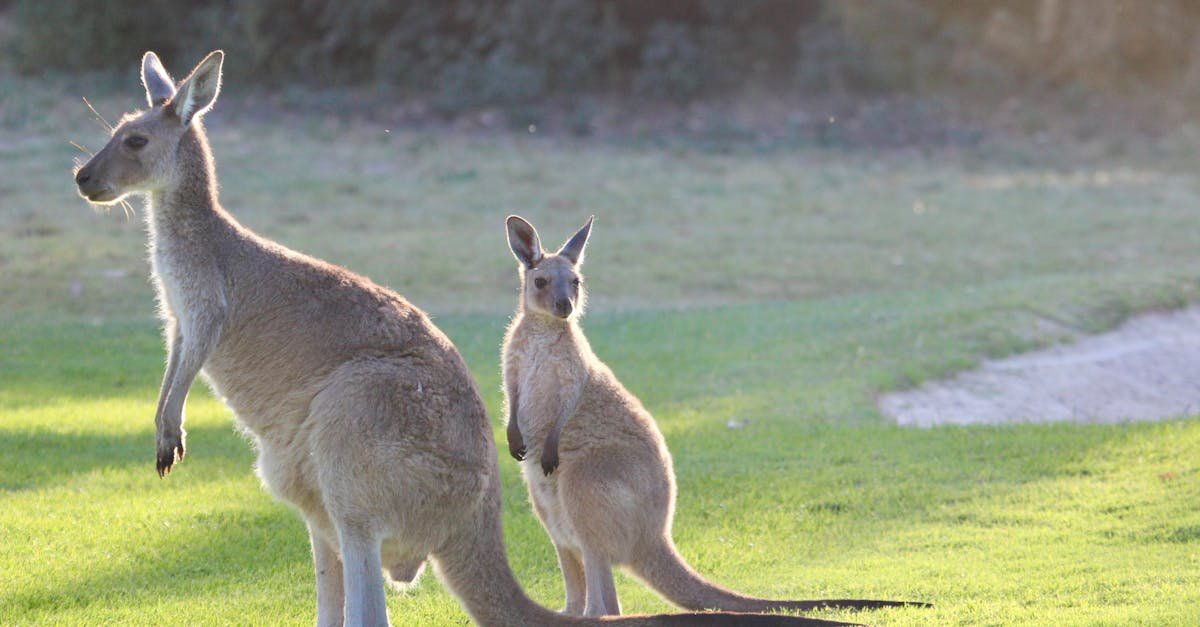
The Great Ocean Road corridor is one of the most accessible places in Australia to observe native wildlife without a guided tour. Kennett River, roughly midway along the route, is the most reliable free koala spot on the road — simply park and walk slowly along Grey River Road at dawn or dusk, scanning the forks and hollows of the manna gums. Most mornings you will count a dozen animals without trying. Cape Otway Lightstation grounds are also famous for koalas, and rangers often spot them on the lighthouse lawn. At dusk near Anglesea Golf Club, a large mob of eastern grey kangaroos grazes openly beside the fairways — a genuinely surreal spectacle a short detour from the main highway. Platypus can occasionally be seen in the Erskine River near Lorne at first light, though sightings are never guaranteed.
4. #4 – Drive the Inland Otway Loop
Most travellers rush the Great Ocean Road's famous coastal strip and miss one of its best secrets: the Otway hinterland loop that peels off at Apollo Bay and climbs into temperate rainforest via the Beech Forest and Lavers Hill road. The Maits Rest Rainforest Walk is a forty-minute loop trail beneath myrtle beeches and king ferns so large they block the sky entirely, while the Turtons Track gravel road delivers complete solitude through 300-year-old forest. Melba Gully State Park contains some of the wettest conditions in Victoria and hosts a population of glow-worms visible after dark in the gully's fern banks. Rejoining the Great Ocean Road near Princetown after this inland detour makes the dramatic reappearance of the coast — cliffs and sea stacks suddenly visible across open farmland — feel like a genuinely theatrical reveal.
What to eat in the Great Ocean Road coast — the essential list
Freshly Shucked Oysters
Local Pacific oysters from the cool Southern Ocean waters appear on menus throughout Apollo Bay and Lorne. Eaten raw with a squeeze of lemon, they carry the clean brine of the Southern Ocean and pair perfectly with crisp Victorian white wine.
Fish & Chips on the Pier
Apollo Bay's working harbour supplies some of the freshest flathead and barramundi along the road. Wrapped in paper and eaten on the pier wall while pelicans circle overhead is the quintessential Great Ocean Road lunch experience.
Otway Lamb
Farms in the Otway Ranges supply restaurants along the route with exceptionally tender, grass-fed lamb. Look for slow-roasted shoulder dishes on winter menus in Lorne and Apollo Bay — rich, herbaceous, and deeply local.
Smashed Avo on Sourdough
An Australian staple elevated to an art form in the Great Ocean Road's better cafés. Kennett River General Store and Apollo Bay's café strip serve versions piled high with local produce, poached eggs, and sometimes cured salmon.
Abalone
Victoria's coastline is one of the few places in the world where wild abalone is still harvested commercially. Look for it on fine-dining menus in Lorne — pan-seared with butter and coastal herbs, it has a delicate, oceanic richness.
Otway Farmhouse Cheese
The green, wet paddocks behind Apollo Bay support outstanding dairy farming. Otway Estate and nearby producers make washed-rind and blue cheeses sold at Apollo Bay's Saturday market — ideal picnic provisions for a clifftop lunch.
Where to eat in Great Ocean Road — our top 4 picks
Fine Dining
Ipsos Restaurant
📍 48 Mountjoy Parade, Lorne VIC 3232
Lorne's most celebrated dining room has occupied its clifftop perch above the Lorne foreshore for decades. The menu leans into Victorian seafood — Coffin Bay oysters, seared scallops, and wild-caught barramundi — with a wine list dominated by cool-climate Mornington Peninsula and Yarra Valley producers. Book ahead for weekends.
Fancy & Photogenic
Iggy's by the Sea
📍 67 Great Ocean Road, Aireys Inlet VIC 3231
Positioned directly above the sea at Aireys Inlet, this light-filled restaurant pairs its dramatic glass-and-timber interior with a menu of share plates built around wood-fired cooking. The charcuterie and wood-roasted vegetable dishes photograph beautifully, and the Split Point Lighthouse is visible from the terrace tables.
Good & Authentic
Bay Leaf Café
📍 131 Great Ocean Road, Apollo Bay VIC 3233
Apollo Bay's most reliable all-day café produces honest, well-sourced food without pretension: eggs from local farms, bread baked in-house, and rotating specials built on whatever the fishing boats brought in that morning. Arrive early on weekends — the locals fill it fast and the fish special disappears by noon.
The Unexpected
Chris's Beacon Point Restaurant
📍 280 Skenes Creek Road, Apollo Bay VIC 3233
Perched high in the Otway Ranges above Apollo Bay, Chris's delivers Mediterranean-influenced Greek-Australian cooking — whole baked snapper, slow-cooked lamb, spanakopita — alongside a panoramic view of the bay and Southern Ocean that travellers remember long after they've forgotten the food. Sunset dinner here is genuinely special.
Great Ocean Road's Café Culture — top 3 cafés
The Institution
Torquay Bowls Club Café
📍 35 Surf Beach Road, Torquay VIC 3228
A beloved Torquay institution where surfers, retirees, and road-trippers share tables overlooking the bowling greens. The flat whites are consistently excellent, the toasted sandwiches are enormous, and the laid-back atmosphere perfectly sets the tone for the drive ahead. Opens early for the pre-surf crowd every morning.
The Aesthetic Hub
Lorne Beach Pavilion
📍 8 Mountjoy Parade, Lorne VIC 3232
This beautifully restored 1930s beachfront pavilion houses a café that doubles as Lorne's social centre. The pressed-tin ceilings, wide timber floors, and views across the beach create an effortlessly photogenic setting for morning coffee and house-made pastries. Cold-brew espresso and açaí bowls dominate the summer menu.
The Local Hangout
Kennett River General Store
📍 2 Grey River Road, Kennett River VIC 3234
More a community hub than a café, this tiny weatherboard store is where koala-spotters refuel before their Grey River Road wildlife walk. The pies are made daily, the coffee is no-nonsense, and the owner will cheerfully tell you exactly which trees the koalas are sleeping in that morning.
Best time to visit Great Ocean Road
Jan
Feb
Mar
Apr
May
Jun
Jul
Aug
Sep
Oct
Nov
Dec
Best Season (May–Aug) — cool, clear days, dramatic surf, dawn light at the Twelve Apostles, minimal crowdsShoulder Season (Mar–Apr, Sep–Oct) — mild temperatures, wildflowers, manageable visitor numbersOff-Season (Nov–Feb) — hot, crowded, peak school-holiday traffic; Southern Ocean can be hazy and windy
Great Ocean Road events & festivals 2026
Whether you're planning around a specific celebration or simply want to know what's happening, this guide covers the best events and festivals in Great Ocean Road — from major annual traditions to cultural highlights worth timing your trip around.
March 2026culture
Rip Curl Pro Bells Beach
The world's longest-running professional surfing contest draws the WSL Championship Tour elite to Bells Beach each Easter. Things to do in Great Ocean Road in March don't get more electric than watching the world's best surfers battle the famous right-hander before an enormous cliff-top crowd.
January 2026culture
Lorne Pier to Pub Swim
Over 4,000 swimmers plunge from the Lorne pier and race 1.2 kilometres to the pub — the world's largest open-water swimming event by entries. A spectacularly festive Great Ocean Road event that transforms Lorne's beach for an entire weekend.
December 2025–January 2026music
Falls Festival Lorne
One of Australia's premier boutique music festivals occupies a bushland amphitheatre above Lorne over New Year. International and Australian headline acts perform across multiple stages while attendees camp in the eucalyptus forest with the ocean audible from the tents.
July 2026culture
Apollo Bay Music Festival
Held annually in June or July, this intimate community festival fills Apollo Bay's pubs, halls, and outdoor stages with folk, roots, and blues acts. Best Great Ocean Road festivals for atmosphere — locals and visitors share tables under the stars in the harbour precinct.
June–September 2026culture
Southern Right Whale Season
Each southern winter, southern right whales migrate to Logan's Beach in Warrnambool to nurse their calves in the sheltered bay. A free dedicated viewing platform makes this one of the world's most accessible land-based whale-watching experiences for visiting Great Ocean Road in winter.
October 2026culture
Great Ocean Road Running Festival
Thousands of runners take on half-marathon and marathon distances along the actual Great Ocean Road, running past cliff-top viewpoints and through seaside townships. The event attracts international participants and coincides with peak wildflower season in the Otways.
April 2026market
Apollo Bay Seafood Festival
The Apollo Bay harbour comes alive each autumn with this celebration of the local fishing industry. Fresh abalone, flathead, crayfish, and oysters are served dockside while fishing trawlers open their decks for tours and local bands play on the foreshore.
August 2026culture
Otway Harvest Festival
A celebration of the Otway hinterland's exceptional food producers, held across Apollo Bay and surrounding farms. Farm gate openings, long table dinners in the paddocks, cheese tastings, and cellar door events draw food lovers off the coastal strip and into the ranges.
February 2026music
Torquay Festival of the Sea
Torquay's annual summer celebration combines live music on the foreshore with boat races, surf competitions, and market stalls. A genuinely local event that reveals the community spirit behind the Great Ocean Road's surf-town gateway before the Easter crowds arrive.
November 2026religious
Lorne Sculpture Festival
Large-scale sculptures are installed along Lorne's foreshore, beach, and surrounding bushland for a month-long outdoor exhibition. Artists from across Australia and internationally contribute site-specific works that interact with the coastal landscape in unexpected and often striking ways.
Hostel dorms in Torquay or Apollo Bay, self-catered meals from supermarkets, free koala walks and beach days, national park entry free.
€€ Mid-range
A$130–200/day (€80–120)
Motel or Airbnb in Lorne or Apollo Bay, lunch at cafés, dinner at local restaurants, one guided walk or lighthouse entry included.
€€€ Luxury
A$300+/day (€180+)
Boutique lodge or Otways eco-retreat, Chris's Beacon Point dinners, private helicopter flight over the Twelve Apostles, guided Great Ocean Walk packages.
Getting to and around Great Ocean Road (Transport Tips)
By air: The Great Ocean Road is accessed via Melbourne. Tullamarine Airport (MEL) receives direct flights from London Heathrow, Singapore, Dubai, Frankfurt, and most major Asian hubs. From other Australian cities, Jetstar and Qantas operate frequent domestic connections. The journey from the airport to Torquay, the road's eastern gateway, takes approximately 90 minutes by car.
From the airport: Renting a car at Melbourne Airport is by far the most practical approach for the Great Ocean Road — the drive requires your own transport. All major international rental companies operate desks in the arrivals hall. Driving is on the left in Australia. Alternatively, V/Line coaches run from Melbourne's Southern Cross Station to Lorne, Apollo Bay, and Warrnambool, making it possible to base yourself in one town and explore on foot or via local shuttles.
Getting around the city: The Great Ocean Road has no meaningful public transport along its length, so a rental car is essentially mandatory for the full experience. The route runs 243 kilometres from Torquay to Allansford near Warrnambool, taking a minimum of four hours to drive without stops — though two to three days is the realistic minimum to see anything properly. Petrol stations exist in Torquay, Lorne, Apollo Bay, and Port Campbell; fill up before heading into the Otways, where stations are sparse. Most roads are sealed; the Turtons Track and a few hinterland routes are gravel and manageable in a standard sedan.
Transport Safety & Scam Prevention:
Rental Car Fine Print: Check whether your rental agreement covers gravel roads — some standard policies exclude damage on unsealed surfaces. Turtons Track and several Cape Otway routes are gravel, so confirm coverage before venturing inland or consider upgrading to a full-coverage policy.
Roadside Wildlife at Night: Kangaroos, wombats, and koalas cross the Great Ocean Road after dark, and collisions are common and costly. Avoid driving this route between dusk and dawn, particularly in the Otways section between Apollo Bay and Lavers Hill. Insurance rarely covers animal strikes fully.
Cliff Walk Safety: Fencing along cliff edges is minimal at many Great Ocean Road viewpoints, and the limestone edges are genuinely unstable. Stay behind marked barriers at the Twelve Apostles and Loch Ard Gorge — several serious accidents have occurred when visitors climbed beyond the boardwalk for photos.
Do I need a visa for Great Ocean Road?
Visa requirements for Great Ocean Road depend on your nationality. Select your passport below for an instant answer — based on the Passport Index dataset for entry into Australia.
ℹ️ Indicative only. Always verify with the official consulate before booking. Data: Passport Index, April 2026.
For detailed requirements, documentation checklists and processing times by nationality: TravelDoc →
Search & Book your trip to Great Ocean Road
Find the best flight routes and hotel combinations using our partner Kiwi.com.
Frequently Asked Questions
Is the Great Ocean Road safe for tourists?
The Great Ocean Road is very safe for tourists by any international standard. The primary risks are road-related rather than crime-related: wildlife on the road after dark, narrow cliff-edge sections requiring concentration, and sudden weather changes that can make roads slippery. Bushfire risk exists in summer (November–February) in the Otways, and Parks Victoria issues alerts that travellers should monitor. Swimming at unpatrolled beaches carries rip risks — stick to patrolled sections at Lorne, Torquay, and Apollo Bay. Crime against tourists is extremely rare.
Can I drink the tap water along the Great Ocean Road?
Yes, tap water is safe to drink in all towns along the Great Ocean Road, including Torquay, Lorne, Apollo Bay, and Port Campbell. The water supply is treated to the same standard as Melbourne's. If you are hiking multi-day sections of the Great Ocean Walk and relying on creek or rainwater tank sources at remote hiker huts, treat or filter any water before drinking — Parks Victoria recommends this even at maintained hut sites.
What is the best time to visit the Great Ocean Road?
The best time to visit the Great Ocean Road is April through August — the Southern Hemisphere autumn and winter. Crowds thin dramatically after Easter, accommodation prices drop, and the low-angle winter light is extraordinary for photography at the Twelve Apostles. Temperatures sit between 8°C and 16°C, making hiking the Great Ocean Walk comfortable. June and July also bring southern right whale sightings at Warrnambool. Summer (December–February) is peak season with Australian school holiday crowds, higher prices, bushfire risk, and hazy light — beautiful but crowded and expensive.
How many days do you need for the Great Ocean Road?
A minimum of three days is needed to drive the Great Ocean Road properly and stop at the main sights without feeling rushed. Two days is technically possible from Melbourne and back in a long loop, but you'll spend most of the time in the car. Five days allows a comfortable pace: a day on the surf coast around Torquay and Lorne, a day exploring the Otway Ranges and wildlife, and two days in the Twelve Apostles and Port Campbell region. Ten days opens up the full Great Ocean Walk, Warrnambool whale-watching, and the hinterland. Most independent European travellers find four to five days the sweet spot for a satisfying Great Ocean Road itinerary.
Great Ocean Road vs Queensland's Coral Coast — which should you choose?
These two Australian road trips suit entirely different travel personalities. The Great Ocean Road is temperate, moody, and wild — dramatic limestone cliffs, ancient rainforest, powerful surf, and wildlife encountered on foot without a tour guide. Queensland's Coral Coast, anchored by the Great Barrier Reef, is tropical, warm, and water-focused — snorkelling, sailing, and island-hopping. If you want raw scenery, hiking, wildlife encounters, and an itinerary that feels genuinely remote, the Great Ocean Road is the better choice. If you want warm water, coral diving, and beach resort comfort, Queensland wins. They are also very different weather windows: the Great Ocean Road peaks April–September, Queensland's reef coast peaks June–October.
Do people speak English along the Great Ocean Road?
English is the only language spoken along the Great Ocean Road — Australia is an English-speaking country and the region has no significant linguistic minority. European visitors will find communication completely effortless in every restaurant, café, accommodation, and national park facility along the route. Australian English uses some local terminology worth knowing: 'arvo' means afternoon, 'servo' means petrol station, and 'bottle shop' means off-licence. Menus, road signs, park information, and visitor centre materials are exclusively in English, and staff in tourism roles along the Great Ocean Road are exceptionally accustomed to international visitors.
★ Hidden Gems Weekly
Like this? One place per week, in your inbox.
No spam, no fluff — just one underrated destination, every Tuesday.
Hand-picked and verified by Max, who founded Vacanexus from Luxembourg in 2026. No sponsorships, no paid placements. Every recommendation — restaurants, neighbourhoods, things to do — is selected for authenticity over popularity.