Guadeloupe Travel Guide — Where French Caribbean elegance meets volcanic wilderness
⏱ 11 min read📅 Updated 2026💶 €€€ Comfort✈️ Best: Jan–Apr
€120–250/day
Daily budget
January–April
Best time
7–10 days
Ideal stay
EUR (€)
Currency
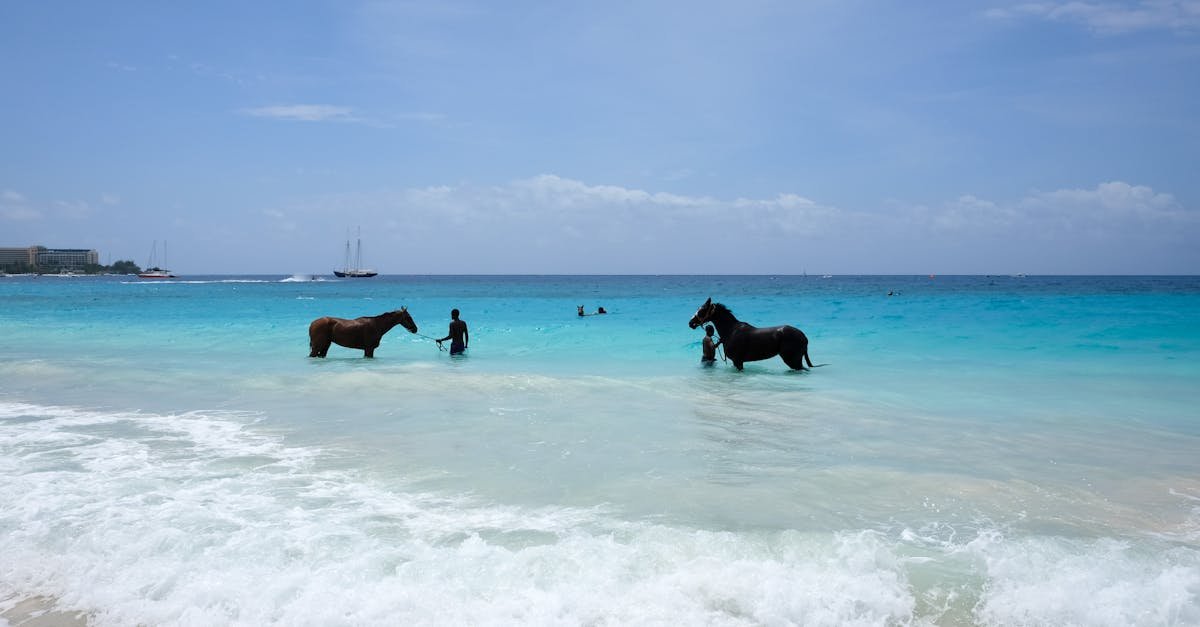
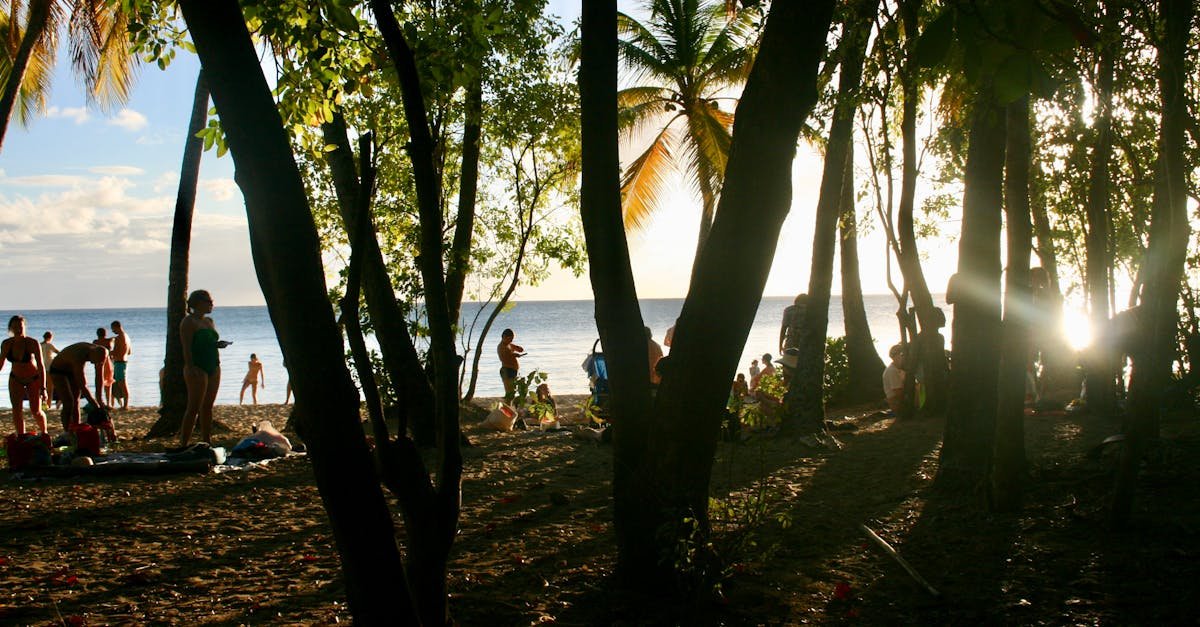
Guadeloupe arrives like a fever dream — hibiscus-scented air rolling off a still-smoking volcano, fishermen hauling bright blue pirogues onto lace-white sand while boulangeries open their shutters two streets back. This butterfly-shaped archipelago in the Lesser Antilles is technically France, yet it pulses with a Creole heartbeat that no mainland postcard could prepare you for. The twin wings — Grande-Terre and Basse-Terre — sit pressed together like a secret held by the Caribbean Sea, each one offering a wildly different version of Guadeloupe. Lush rainforest meets coral lagoon, rum distilleries neighbour micro-pastry shops, and the silence of La Soufrière's summit competes only with the bass-heavy zouk drifting from a beach bar at dusk.
Visiting Guadeloupe rewards travellers who want more than a sunlounger holiday but aren't prepared to sacrifice a good bottle of Côtes du Rhône with their grilled langouste. Unlike Martinique, which leans more emphatically urban and cosmopolitan, or Barbados with its polished resort strip, Guadeloupe keeps its rougher, greener edges deliberately intact. Things to do in Guadeloupe range from snorkelling the crystalline waters around the Îles des Saintes to hiking slot canyons and chasing waterfalls inside Parc National de Guadeloupe. The island rewards slow explorers who hire a car, get lost on mountain roads smelling of vanilla and vetiver, and stumble into a carbet serving the best accras de morue they have ever tasted. This is the Caribbean for travellers who know the difference.
✦ Find your perfect destination
Is Guadeloupe really your perfect match?
Answer 12 quick questions about your travel style, budget and dates — we match you with the destinations that fit you best, from 600+ worldwide.
Guadeloupe is the only place in the Caribbean where you can summit an active volcano in the morning, lunch on freshly caught chatrou in a rum shack, and sip a perfectly aged rhum agricole beside a Michelin-calibre chef's table by evening — all without changing currencies or time zones from Paris. The archipelago's dual personality makes it genuinely hard to exhaust: Grande-Terre delivers powder-soft beaches and marinas bright with catamarans, while Basse-Terre piles on cloud forest, waterfalls, and one of the most biodiverse national parks in French territory. Guadeloupe also punches well above its weight on food, culture, and authentic daily life.
The case for going now: Guadeloupe is having a quiet moment of international rediscovery as travellers fatigued by over-touristed Caribbean hotspots pivot toward French Antilles authenticity. Air Caraïbes and Corsair have both expanded their European routes into Pointe-à-Pitre for 2025–2026, making fares more competitive than they have been in a decade. New eco-lodges on Basse-Terre are raising the accommodation standard without inflating prices, and the island's marine reserves — recently extended — are producing some of the clearest water in the eastern Caribbean right now.
🌋
La Soufrière Trek
Hike to the steaming summit of Guadeloupe's active volcano through cloud forest draped in ferns. The otherworldly sulfur vents and panoramic Caribbean views justify every muddy step.
⛵
Les Saintes Day Sail
Take a ferry or catamaran to the achingly pretty Îles des Saintes — a clutch of hillside villages, calm bays, and napoleonic forts that feel lifted from a Provençal fishing village.
🤿
Cousteau Reserve Snorkel
Jacques Cousteau once called these waters among the world's finest. The Réserve Cousteau off Bouillante bursts with sea turtles, parrotfish, and coral gardens in gin-clear conditions.
🥃
Rum Distillery Trail
Guadeloupe's rhum agricole tradition is a UNESCO-listed candidate. Touring distilleries like Damoiseau and Bologne reveals cane-to-glass craft and tasting rooms pouring rare aged expressions.
Guadeloupe's neighbourhoods — where to focus
City Pulse
Pointe-à-Pitre
Guadeloupe's commercial capital hums with market energy — the Marché Saint-Antoine overflows with spices, dasheen, and chilli peppers every morning. The waterfront Place de la Victoire is ringed by colonial arcades and café terraces where locals debate politics over espresso. It is gritty, genuine, and utterly alive.
Beach & Luxury
Saint-François
Perched on Grande-Terre's eastern tip, Saint-François balances a working fishing port against a marina packed with luxury catamarans. The lagoon beach here is flat-calm and sheltered, backed by a golf course and a clutch of upscale restaurants where grilled langouste arrives with butter and lime.
Rainforest Gateway
Basse-Terre Town
The administrative capital of Guadeloupe sits beneath jungle mountains, its 17th-century fort and cathedral lending unexpected grandeur to a small, languid town. It is the launch pad for La Soufrière treks and Chutes du Carbet waterfall hikes, yet rewards an evening stroll through its grid of pastel colonial streets.
Surfer & Creole Soul
Sainte-Anne
Sainte-Anne on Grande-Terre's southern coast draws a younger, more relaxed crowd to its arc of white sand and reef-sheltered surf break. The weekly night market floods the square with smoke from grilled fish and sweet plantain, and the Sunday morning boulangerie queue tells you everything about the town's unhurried rhythms.
Top things to do in Guadeloupe
1. 1. Hike La Soufrière Volcano
Standing at 1,467 metres, La Soufrière is the highest peak in the Lesser Antilles and the unmistakable centrepiece of any serious Guadeloupe itinerary. The standard ascent from the Saint-Claude car park takes around four hours return, climbing through increasingly dramatic cloud forest — tree ferns, orchids, bromeliads — before breaking into the alien scape of the summit plateau, where fumaroles hiss and the smell of sulphur thickens the air. On clear mornings the views sweep across to Dominica, Montserrat, and the full arc of Basse-Terre's national park canopy below. A guide is strongly recommended as paths can be slippery year-round and weather shifts fast; several outfitters in Basse-Terre town offer half-day departures. Check current volcanic activity ratings with the OVSG observatory before heading up.
2. 2. Explore the Îles des Saintes
The Îles des Saintes — a satellite archipelago south of Basse-Terre — may be the most quietly perfect place in all of Guadeloupe. The two main islands, Terre-de-Haut and Terre-de-Bas, have no traffic lights, one main road each, and a collective population measured in the hundreds. Terre-de-Haut is the visitor's island: ferry from Trois-Rivières or Pointe-à-Pitre takes 20–45 minutes and deposits you beside brightly painted fishing boats in a horseshoe bay so blue it looks digitally enhanced. Rent a scooter to circle the island and stop at Fort Napoléon for extraordinary views before descending to Pain de Sucre beach, whose calm waters and soft sand represent Guadeloupe at its most purely idyllic. Stay overnight if you can — the islands empty after the last ferry and a different, magical calm descends.
3. 3. Swim the Chutes du Carbet
Deep inside the Parc National de Guadeloupe on Basse-Terre, the Chutes du Carbet cascade in three tiers down volcanic rock faces fringed by tropical vegetation. The second waterfall — the most accessible at around 110 metres tall — can be reached via a well-marked trail through dense rainforest that passes murmuring streams and clouds of blue morpho butterflies. The swimming hole at its base is cold, clear, and enormously refreshing after the humid jungle walk. The first and highest waterfall requires a more challenging scramble and good footwear, rewarding those who make it with genuine solitude. Early morning visits before tour groups arrive deliver a primally quiet experience that ranks among the best things to do in Guadeloupe for nature lovers.
4. 4. Drive the Route de la Traversée
The Route de la Traversée is Guadeloupe's most spectacular scenic road, cutting west to east across Basse-Terre through the dense heart of the national park. The two-lane road climbs through mahogany and mapou forest, past viewpoints where mist collects in valley bowls and the sound of the jungle replaces all urban noise entirely. Halfway along, the Maison de la Forêt visitor centre offers short nature trails and the excellent Cascade aux Écrevisses — a short waterfall walk through crayfish-filled streams that is perfect for families. The full crossing to the eastern coast takes around an hour without stops, but build in three hours for detours, coffee in Mahaut, and a detour down to the coral coast near Bouillante where the Réserve Cousteau begins. This drive encapsulates why Guadeloupe is so much more than a beach destination.
What to eat in the French Antilles — the essential list
Accras de Morue
Guadeloupe's most beloved street snack — crispy salt-cod fritters flecked with chilli and parsley, served piping hot in paper cones. Every cook has a family recipe and the debate over who makes the best is taken very seriously.
Colombo de Porc
A slow-cooked pork curry seasoned with the island's signature colombo spice blend — a legacy of the Indian indentured workers who arrived after emancipation. Rich, fragrant, and served over rice and red beans with a side of fried plantain.
Langouste Grillée
Freshly caught Caribbean rock lobster split and grilled over charcoal with garlic butter, lime, and piment végétarien. Eaten overlooking the sea at a carbet beach restaurant, it is one of Guadeloupe's great simple pleasures.
Chatrou
Octopus braised slowly in Creole spices and rhum until tender — chatrou is Guadeloupe's most distinctive seafood dish, found at fishermen's eateries and elevated restaurants alike. The sauce, dark and unctuous, demands good bread.
Bokit
Guadeloupe's answer to fast food: a deep-fried dough bread split open and stuffed with grilled chicken, salt fish, or cheese with hot sauce and avocado. Sold from roadside vans and tiny shops, bokits are filling, cheap, and wildly delicious.
Rhum Punch Ti' Punch
The national drink of the French Antilles — rhum agricole blanc, cane syrup, and a squeeze of lime consumed in a single small glass. Ti' punch is not merely a cocktail in Guadeloupe; it is a ritual, a greeting, and a philosophy.
Where to eat in Guadeloupe — our top 4 picks
Fine Dining
La Toubana Restaurant
📍 97180 Sainte-Anne, Guadeloupe
Set on a clifftop above Sainte-Anne with panoramic views across the lagoon, La Toubana blends refined French technique with Creole ingredients — local langouste, passion fruit reductions, and rhum-spiked desserts. The wine list is substantial and service is genuinely attentive for the Caribbean.
Fancy & Photogenic
Le Rocher de Malendure
📍 Plage de Malendure, Bouillante, Guadeloupe
Perched directly on the rocks above the Réserve Cousteau, this coral-and-blue terrace restaurant serves the freshest seafood in Basse-Terre. Grilled red snapper, sea urchin bisque, and cold local Lorraine beer make for an impossibly scenic lunch after a morning snorkelling the reserve.
Good & Authentic
Restaurant La Louisiane
📍 Rue Frébault, Pointe-à-Pitre, Guadeloupe
A downtown Pointe-à-Pitre institution frequented by market traders and office workers alike. The daily plat du jour rotates through proper Creole classics — colombo, blaff de poissons, and grilled conch — at prices that make the tourist restaurants look embarrassing. Arrive early; it sells out.
The Unexpected
Le Karacoli
📍 Grande Anse, Deshaies, Guadeloupe
A legendary carbet restaurant on the black-sand beach at Grande Anse — open-sided, feet in the sand, hummingbirds at eye level. The menu is short and changes daily based on what arrived off the boats: whole grilled fish, accras, and fresh coconut sorbet. Cash only, no reservations, entirely unmissable.
Guadeloupe's Café Culture — top 3 cafés
The Institution
Café de la Gare
📍 Place de la Victoire, Pointe-à-Pitre, Guadeloupe
The grand old lady of Pointe-à-Pitre's café scene, opening onto the colonial square with terrace tables shaded by old sandbox trees. Strong Antillean coffee, fresh guava pastries, and the morning paper define the ritual here. Locals have been starting their day at Café de la Gare for generations.
The Aesthetic Hub
La Case à Chocolat
📍 Saint-François, Grande-Terre, Guadeloupe
A jewel-box artisan chocolate and coffee shop in Saint-François using single-origin cacao from Caribbean growers. The iced cacao drink is revelatory on a hot afternoon and the truffles infused with local vanilla and piment make exceptional gifts. The interior — exposed stone, hand-painted tiles — is as lovely as what it serves.
The Local Hangout
Boulangerie des Îles
📍 Terre-de-Haut, Îles des Saintes, Guadeloupe
A tiny bakery on Les Saintes' main street famous for its tourments d'amour — the island's signature coconut-filled pastry tart. The morning line out the door includes ferry workers, dive instructors, and savvy travellers who know this is the best reason to catch the first boat over from Guadeloupe.
Best time to visit Guadeloupe
Jan
Feb
Mar
Apr
May
Jun
Jul
Aug
Sep
Oct
Nov
Dec
Peak Season (Jan–Apr) — dry, sunny, and breezy with little humidity; ideal for hiking and beach daysShoulder Season (Nov–Dec) — warm with occasional showers but far fewer crowds and lower pricesWet & Hurricane Season (May–Oct) — hot and humid with heavy rainfall risk; some attractions limited
Guadeloupe events & festivals 2026
Whether you're planning around a specific celebration or simply want to know what's happening, this guide covers the best events and festivals in Guadeloupe — from major annual traditions to cultural highlights worth timing your trip around.
February 2026culture
Carnaval de Guadeloupe
One of the grandest carnivals in the French Caribbean, Guadeloupe's Carnaval erupts across Pointe-à-Pitre and Basse-Terre from Epiphany through Mardi Gras. Sequined floats, traditional mas costumes, and relentless gwoka drumming make this one of the
April 2026music
Festival Gwo Ka de Sainte-Anne
A celebration of gwoka — Guadeloupe's UNESCO-listed ancestral drum music born from the fields of slavery. Evening concerts in Sainte-Anne's village square draw both serious world-music lovers and curious tourists discovering this powerful Afro-Caribbean tradition for the first time.
May 2026culture
Fête des Cuisinières
Pointe-à-Pitre's most beloved culinary procession sees Guadeloupe's female cooks — the cuisinières — parade in traditional Creole dress carrying elaborate platters of local dishes to the cathedral, followed by a legendary communal feast open to visitors.
June 2026religious
Fête de Saint-Jean
Midsummer celebrations honour Saint John the Baptist across Guadeloupe's villages with beach bonfires, traditional music, and communal fish feasts lasting through the night. The festivities on the beaches of Sainte-Anne and Deshaies are particularly atmospheric and welcoming to visitors.
July 2026music
Festival International de Jazz Guadeloupe
Jazz musicians from across the Caribbean, North America, and Europe converge on Pointe-à-Pitre for outdoor concerts blending jazz with biguine, zouk, and gwo ka. Free open-air stages in Place de la Victoire make this one of the most accessible music festivals in the Lesser Antilles.
August 2026culture
Tour Cycliste de Guadeloupe
Guadeloupe's legendary eight-day cycling race — one of the Caribbean's oldest — sees professional and semi-professional riders tackle the island's volcanic climbs and coastal sprints. Roadside crowds, particularly on the La Soufrière mountain stage, create a genuinely festive atmosphere.
October 2026culture
Semaine Créole
Creole Heritage Week celebrates the language, traditions, and living culture of Guadeloupe's Creole identity through concerts, readings, dance performances, and cooking demonstrations across the island. Schools and cultural centres throw their doors open to local and international visitors alike.
November 2026market
Salon du Rhum Agricole de Guadeloupe
Distillers from across the French Antilles gather to present aged and vintage rhums agricoles to collectors and enthusiasts. Held near Pointe-à-Pitre, this is a must-attend event for serious rum lovers visiting Guadeloupe in the shoulder season when prices dip and beaches are peaceful.
December 2026culture
Fête des Lumières de Deshaies
Deshaies village — the filming location for the TV series Death in Paradise — decorates its botanical garden and harbour with thousands of lights through December, drawing evening visitors from across Guadeloupe for open-air concerts, artisan stalls, and festive Creole food.
January 2026culture
Les Saintes Epiphany Regatta
Terre-de-Haut kicks off the new year with a traditional wooden-boat regatta in the bay, a ritual deeply rooted in the island's seafaring identity. The harbour fills with spectators, beach barbecues appear along the shore, and the winning crew's boat is decorated with palm fronds.
By air: Guadeloupe's Pointe-à-Pitre International Airport (PTP) — officially Pôle Caraïbes — receives direct flights from Paris Orly (8.5 hours) operated by Air France, Corsair, and Air Caraïbes, with seasonal routes from other French and European cities. Connections from North America route typically through Miami, Fort-de-France, or San Juan.
From the airport: The airport sits just outside Pointe-à-Pitre in Les Abymes, roughly 4 kilometres from the city centre. Official taxis wait outside Arrivals and charge fixed fares to major destinations — expect around €20 to central Pointe-à-Pitre and €40–60 to the beach resorts of Sainte-Anne or Saint-François. Car hire desks are in the arrivals hall; booking in advance is strongly recommended during peak season as local supply runs short.
Getting around the city: Guadeloupe is best explored by hire car — the road network is good, signage is clear, and freedom to stop at waterfalls and rum distilleries is invaluable. Buses (local name: Karujet for the sea service) connect main towns but run infrequently on weekends. Inter-island ferries link Pointe-à-Pitre with Les Saintes, Marie-Galante, and La Désirade multiple times daily. Taxis are available island-wide but expensive for longer journeys; agree fares before departing.
Transport Safety & Scam Prevention:
Unlicensed Airport Taxis: Only use clearly marked official taxis from the regulated rank outside Arrivals at Pôle Caraïbes. Unofficial drivers approach inside the terminal with lower quotes but no fare accountability — the licensed fixed-rate system protects you.
Ferry Ticket Touts at Trois-Rivières: The ferry dock to Les Saintes at Trois-Rivières attracts informal agents selling tickets at inflated prices. Buy directly from the official CTM Deher or Jeans for Freedom windows — prices are regulated and well-displayed on the quay.
Petrol Station Shortages on Basse-Terre: Fuel stations are sparse in the national park's interior. Fill up in Basse-Terre town or Bouillante before tackling mountain routes — running dry on a remote volcanic road is not a romantic experience and roadside assistance is slow.
Do I need a visa for Guadeloupe?
Visa requirements for Guadeloupe depend on your nationality. Select your passport below for an instant answer — based on the Passport Index dataset for entry into France.
ℹ️ Indicative only. Always verify with the official consulate before booking. Data: Passport Index, April 2026.
For detailed requirements, documentation checklists and processing times by nationality: TravelDoc →
Search & Book your trip to Guadeloupe
Find the best flight routes and hotel combinations using our partner Kiwi.com.
Frequently Asked Questions
Is Guadeloupe safe for tourists?
Guadeloupe is generally safe for tourists, particularly in resort areas like Sainte-Anne, Saint-François, and Les Saintes, where petty crime is rare and locals are welcoming. Pointe-à-Pitre has a few neighbourhoods where visitors should exercise standard urban caution after dark, particularly around the port and certain market streets. Common-sense precautions — not leaving valuables in hire cars, avoiding unlit areas at night — apply as anywhere in the Caribbean. The island has a permanent French gendarmerie and police presence, and medical facilities in Pointe-à-Pitre are to French metropolitan standards.
Can I drink the tap water in Guadeloupe?
Tap water in Guadeloupe is treated and technically potable in most urban areas including Pointe-à-Pitre, Basse-Terre town, and the main resort towns of Grande-Terre. That said, the water can taste heavily chlorinated or minerally different depending on the area, and some travellers with sensitive stomachs prefer to drink bottled water as a precaution. In rural or mountain areas of Basse-Terre, water supply infrastructure is older and bottled water is universally recommended. Supermarkets stock affordable large bottles of Eau de Source Caraïbe and other local brands.
What is the best time to visit Guadeloupe?
The best time to visit Guadeloupe is from January to April, which forms the dry season — trade winds keep temperatures around a comfortable 26–28°C, humidity is manageable, and rainfall is minimal. This period also coincides with Carnaval in February, one of the most spectacular cultural events in the French Caribbean. May begins the transition to the wet season, with heavy showers becoming frequent by July through October, which also falls within the Atlantic hurricane season. November and December offer a pleasant shoulder-season window with fewer tourists, lower prices, and only occasional rain squalls.
How many days do you need in Guadeloupe?
A minimum of seven days is needed to do Guadeloupe any real justice — anything shorter forces you to choose between the island's two dramatically different personalities. A week allows two or three days on Grande-Terre's beaches and markets, two days exploring Basse-Terre's rainforest and La Soufrière, and at least one overnight on Les Saintes. Ten days is the ideal Guadeloupe itinerary length: it lets you add Marie-Galante, follow the rum distillery trail properly, and spend unhurried time at the Réserve Cousteau. Rushed long-weekend visits to Guadeloupe tend to yield little more than one beach and one market, missing the volcanic, culinary, and island-hopping richness entirely.
Guadeloupe vs Martinique — which should you choose?
Guadeloupe and Martinique are the two pillars of the French Antilles and attract similar European travellers, but they deliver noticeably different experiences. Martinique leans more urban and cosmopolitan — Fort-de-France has a genuine city energy, the rum heritage is older and more storied, and the beaches on the south coast are polished and well-serviced. Guadeloupe feels wilder and more varied: a 1,467-metre active volcano, a UNESCO-recognised national park, the magical satellite islands of Les Saintes, and a rawer, less tourist-processed Creole culture. For nature and island-hopping, Guadeloupe wins clearly. For refined French Caribbean city culture and historically important rum, Martinique has the edge. Many seasoned travellers do both on the same trip — the ferry between them takes around three hours.
Do people speak English in Guadeloupe?
English is not widely spoken in Guadeloupe, which is an overseas department of France where French and Guadeloupean Creole are the languages of daily life. In tourist-facing contexts — resort hotels, dive centres, car hire desks at the airport, and restaurants in Sainte-Anne or Saint-François — you will encounter staff with functional English. Beyond those settings, particularly in market towns, local restaurants, petrol stations, and Basse-Terre, French is essentially essential. Visitors who speak even basic French will find the experience significantly richer and warmer. Having a translation app is sensible backup for menus, road signs, and ferry timetables.
★ Hidden Gems Weekly
Like this? One place per week, in your inbox.
No spam, no fluff — just one underrated destination, every Tuesday.
Hand-picked and verified by Max, who founded Vacanexus from Luxembourg in 2026. No sponsorships, no paid placements. Every recommendation — restaurants, neighbourhoods, things to do — is selected for authenticity over popularity.