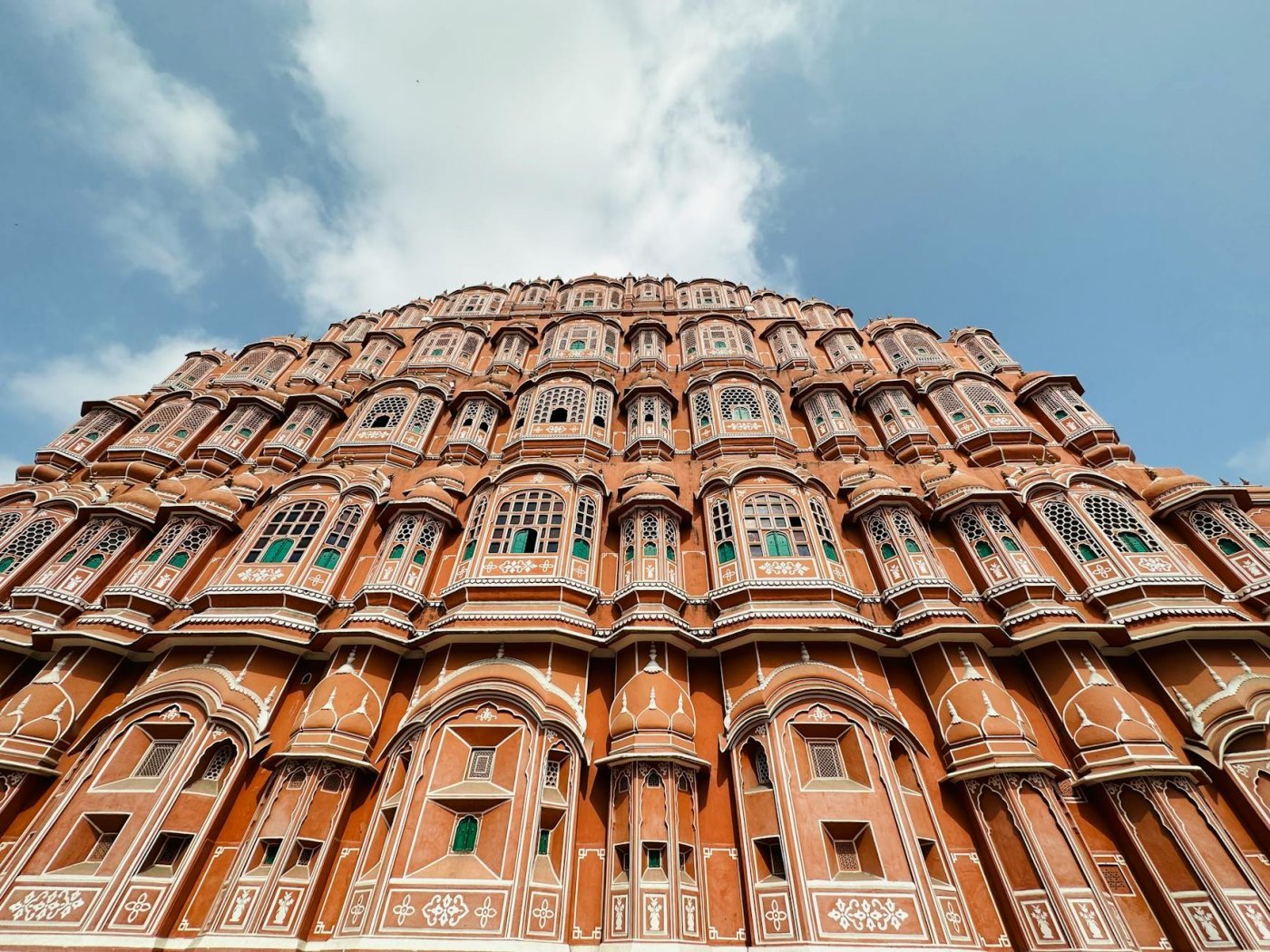
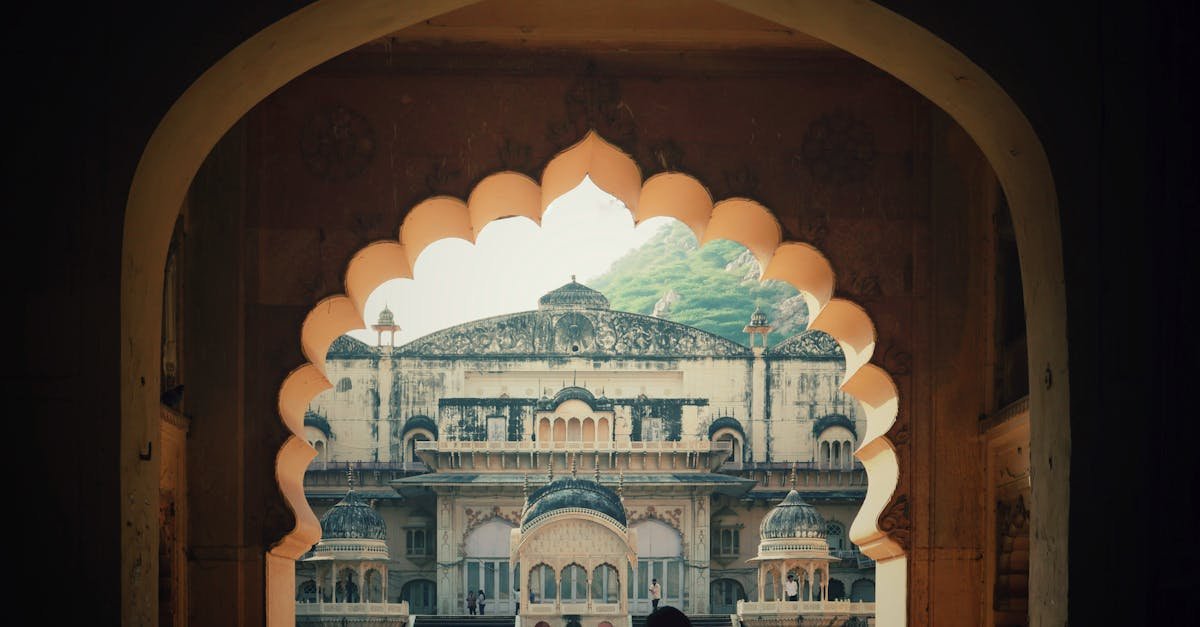
Hampi Travel Guide — Vijayanagara's Lost Capital Across a Boulder Moonscape
⏱ 11 min read📅 Updated 2026💶 € Budget✈️ Best: Jan–Mar
€15–45/day
Daily budget
Jan–Mar
Best time
3–5 days
Ideal stay
INR
Currency
Hampi rises from the red earth of Karnataka like a civilization frozen mid-collapse — granite boulders the size of houses stacked improbably against temple towers, the Tungabhadra River glinting silver through groves of banana and coconut palms. This UNESCO World Heritage Site once stood at the heart of the Vijayanagara Empire, a city of 500,000 souls and unimaginable wealth, the largest in the medieval world by some estimates. Walking through Hampi today, you pass elephant stables, royal bathhouses, music pavilions with columns that ring like bells when struck, and market streets still lined with pillar stumps that once sheltered gem traders. The scale is humbling, the silence even more so — most mornings you'll have entire temple complexes almost entirely to yourself.
Visiting Hampi is nothing like visiting the polished monuments of Agra or the crowded ghats of Varanasi. This is a living archaeological zone spread across 26 square kilometres, where farmers till fields between ruined pavilions and priests ring temple bells inside sanctuaries that have stood since the 14th century. Compared to better-known Indian heritage destinations, Hampi rewards slow, curious travel — renting a bicycle and getting deliberately lost among boulders is genuinely one of the best things to do in Hampi. The destination also attracts a thoughtful mix of backpackers, history enthusiasts, rock climbers scaling the ancient granite formations, and photographers chasing the extraordinary golden light that floods the landscape at dawn and dusk.
✦ Find your perfect destination
Is Hampi really your perfect match?
Answer 12 quick questions about your travel style, budget and dates — we match you with the destinations that fit you best, from 600+ worldwide.
Hampi belongs on your travel list because nowhere else on earth assembles this particular combination: a staggering density of ancient architecture, a surreal geological landscape of rounded granite boulders, and an atmosphere of quiet discovery that feels increasingly rare. Hampi's ruins are neither roped off nor over-explained — you wander freely through royal enclosures and sacred precincts, touching stones that witnessed one of history's greatest empires. The costs are minimal, the scenery is otherworldly, and the sunrise from Matanga Hill remains one of the most breathtaking panoramas in South Asia.
The case for going now: Hampi is experiencing a carefully managed tourism revival, with Karnataka's government investing in improved site interpretation and new pathways around key monuments. Budget airlines now connect Hubli airport (the nearest with regular services) to Bengaluru, Mumbai and Goa year-round, dramatically cutting travel times. Visit now, before the wider world fully discovers that this boulder-strewn empire can be explored on a shoestring while still feeling genuinely off the beaten path.
🏛️
Temple Exploration
Hampi's Virupaksha Temple has been in continuous worship since the 7th century. Wander its towering gopuram, inner sanctums and the resident elephant Lakshmi, who blesses visitors each morning.
🚴
Bicycle Ruins Tour
Renting a cycle and pedalling between the Royal Enclosure, Lotus Mahal and Elephant Stables is the classic Hampi experience — open roads, few vehicles and monuments at every turn.
🌅
Matanga Hill Sunrise
The 30-minute climb up Matanga Hill before dawn rewards with a 360-degree panorama of temple towers, the Tungabhadra River and an endless sea of boulders flushed orange by first light.
🧗
Boulder Scrambling
Hampi's granite outcrops attract climbers from across India and Europe. Even beginners can scramble to hidden viewpoints, finding carved shrines and monkey temples in unexpected crevices.
Hampi's neighbourhoods — where to focus
Sacred Heart
Hampi Bazaar
The original medieval market street stretches from the Virupaksha Temple gopuram eastward, now lined with guesthouses, chai stalls and bicycle rental shops. This is Hampi's social core — pilgrims, backpackers and local families share the same narrow lanes, and the temple bells begin before sunrise every morning.
Hippie Island
Virupapur Gaddi
Across the Tungabhadra River by a short coracle ride, Virupapur Gaddi — universally called Hippie Island — offers a dramatically different pace. Guesthouses spill into banana plantations, rooftop cafés serve filter coffee and banana pancakes, and the fields make for magical sunset cycling. It's quieter, greener and a world apart from the main ruins.
Royal Quarter
Royal Enclosure Area
The southern cluster around the Royal Enclosure, Lotus Mahal and Elephant Stables holds Hampi's most architecturally refined monuments. The roads here are quieter, the boulders more dramatic and the sense of walking through an imperial capital strongest. Ideal for morning exploration when the light is soft and crowds non-existent.
Riverside Calm
Anegundi
The village of Anegundi, across the river to the north, predates even Hampi as a settlement and moves at an entirely rural Indian pace. Sugarcane fields, crumbling fortifications and the hilltop Hanuman temple (believed to be the birthplace of Hanuman) make it a compelling half-day excursion that most visitors skip entirely.
Top things to do in Hampi
1. #1 — Virupaksha Temple Complex
The Virupaksha Temple is Hampi's living soul — an active place of worship that has never ceased to function even as the empire around it crumbled five centuries ago. Its main gopuram towers 52 metres above the bazaar and can be spotted from almost every high point in the archaeological zone. Inside, you'll find a warren of mandapas, smaller shrines, a sacred tank where locals bathe at dawn, and the temple elephant Lakshmi, who offers blessings to anyone who holds out a coin. Arrive by 7am to watch priests perform the morning puja in candlelit sanctums fragrant with camphor and marigold. The adjacent Manmatha Tank reflects the tower at certain times of day in a perfect mirror image that photographers adore. Entry is free for the outer precincts; a small fee applies for inner sanctum access.
2. #2 — Vittala Temple & Stone Chariot
The Vittala Temple complex, roughly four kilometres east of Hampi Bazaar, contains what many historians consider the finest examples of Vijayanagara architecture anywhere. The famous Stone Chariot — a shrine carved to resemble a wheeled temple chariot pulled by stone elephants — appears on the Indian 50-rupee note and represents the peak of the empire's artistic ambition. Equally remarkable are the Musical Pillars inside the main hall: hollow granite columns that produce distinctly different musical tones when tapped. Indian archaeologists have long debated exactly how craftsmen achieved this effect. The road to Vittala passes through a colonnaded market street with hundreds of intact pillars, ideal for early morning walking. Go before 9am to avoid tour groups and to photograph the chariot in clean golden light. The site is ticketed as part of the main ASI complex.
3. #3 — Royal Enclosure & Lotus Mahal
The Royal Enclosure was the administrative and ceremonial heart of the Vijayanagara Empire, covering an enormous area south of the main bazaar. Within its walls you'll find the Great Platform — a raised ceremonial stage where the king watched the Mahanavami festival — as well as stepped tanks, an underground chamber with elaborate water channels, and audience halls whose stone foundations suggest columns of extraordinary height. A short walk east brings you to the Zenana Enclosure, home to the Lotus Mahal, an exquisitely proportioned pavilion that blends Hindu and Islamic architectural styles in a way that speaks to the empire's cosmopolitan character. The adjacent Elephant Stables — eleven domed chambers in a row, once housing the royal war elephants — are among Hampi's most photogenic structures. The whole area rewards a leisurely half-day circuit.
The Tungabhadra River is as central to Hampi's identity as any temple, and a coracle ride — in a small, round wicker-and-tar boat — across to Virupapur Gaddi or up to the Vitthala ghat is a quintessential part of visiting Hampi. Local boatmen have navigated these currents for generations and charge just a few rupees for the crossing. Along the northern riverbank, a series of riverside temples and carved shrines emerge from the rocks — many half-submerged at certain water levels — creating an atmospheric scene that feels genuinely ancient. The evening light on the boulders from the coracle is extraordinary. If you have a full day, combine the river crossing with a visit to Anegundi village and the Pampa Sarovar lake, a small sacred tank nestled in a hollow among hills that sees very few foreign tourists despite its mythological significance.
What to eat in Karnataka — the essential list
Bisi Bele Bath
A deeply comforting Karnataka staple of rice, lentils and vegetables cooked together with tamarind and a distinct spice mix, topped with ghee. Every small restaurant in Hampi serves their own version; the best are eaten piping hot at breakfast.
Ragi Mudde
Dense balls of finger-millet dough served with sambar or spiced lentil curry, ragi mudde is Karnataka's traditional working-class staple — filling, nutritious and almost never found outside the region. A true local eating experience in Hampi's roadside restaurants.
Masala Dosa
South India's great breakfast export is best eaten here in its true homeland. Hampi's small 'military hotels' serve thin, crisp dosas with a perfect potato filling, coconut chutney and a fiery tomato sambar that bears no resemblance to tourist versions abroad.
Thali
Lunch thalis in Hampi's local restaurants offer extraordinary value — a steel tray loaded with rice, two or three vegetable curries, dal, rasam, curd, papad and pickle, refilled until you surrender. Budget around ₹80–120 for a full meal.
Banana Pancakes
A legacy of the backpacker trail, Hippie Island cafés have refined banana pancakes into something genuinely worth eating — thick, golden, served with honey and curd alongside strong South Indian filter coffee. The perfect slow morning after a hard day of ruins.
Fresh Sugarcane Juice
Roadside vendors press sugarcane juice with ginger and lime throughout the day, and in Hampi's heat this becomes an essential rather than a luxury. At ₹20 a glass it's also one of the most refreshing and affordable drinks on the Indian subcontinent.
Where to eat in Hampi — our top 4 picks
Fine Dining
Mango Tree Restaurant
📍 Riverside road, near Hampi Bazaar, Hampi 583239
Mango Tree has been Hampi's most atmospheric dining spot for decades — tables spread across a terraced riverside garden beneath actual mango trees, with the Tungabhadra visible below. The menu covers South Indian classics, fresh juices and traveller-friendly options. Go for lunch as the midday light through the trees is magical.
Fancy & Photogenic
Laughing Buddha
📍 Virupapur Gaddi (Hippie Island), Hampi 583239
Perched on the rooftop of a Hippie Island guesthouse, Laughing Buddha captures sweeping views over paddy fields and boulders at sunset. The menu mixes Israeli, European and Indian dishes — hummus, shakshuka, thali — all reasonably authentic and served at unhurried island pace. Sunsets here are genuinely spectacular.
Good & Authentic
Suresh Restaurant
📍 Hampi Bazaar main road, near Virupaksha Temple, Hampi 583239
A no-frills local favourite serving some of the best home-style Karnataka cooking in the bazaar area. The morning idli-sambar is exceptionally good, and the lunch thali changes daily based on what arrived at market. Plastic chairs, metal plates, rock-bottom prices — exactly as it should be.
The Unexpected
Gopi Rooftop
📍 Hampi Bazaar guesthouse strip, Hampi 583239
Gopi's rooftop terrace is the town's best sunset-watching spot within the bazaar itself — simple cushioned seating, fairy lights at dusk and a menu that somehow manages a decent wood-fired pizza alongside reliable South Indian curries. The social hub for solo travellers comparing cycling routes over beer.
Hampi's Café Culture — top 3 cafés
The Institution
Hampi's Friend's Cool Drinks
📍 Hampi Bazaar, opposite Virupaksha Temple, Hampi 583239
A decades-old juice and snack stall that has served virtually every traveller who has ever passed through Hampi Bazaar. Freshly pressed pomegranate, sugarcane and lime sodas at rupee prices, run by a family who have watched the ruins draw visitors from every corner of the planet.
The Aesthetic Hub
Moonrise Café
📍 Virupapur Gaddi, Hippie Island, Hampi 583239
Moonrise is Hippie Island's most photogenic café — hammocks slung between banana palms, hand-painted signs and a genuinely good espresso machine imported for travellers who need real coffee. The smoothie bowls and filter coffee combination makes it the most-photographed breakfast spot in the area.
The Local Hangout
Ravi's Rose Restaurant & Chai Shop
📍 Near Sule Bazaar, central Hampi ruins area, Hampi 583239
A beloved little chai point run out of a converted stone pavilion not far from the ruins themselves. Thick sweet masala chai served in clay cups, alongside simple South Indian snacks at all hours. The kind of place you return to twice a day without realising it has become a habit.
Best time to visit Hampi
Jan
Feb
Mar
Apr
May
Jun
Jul
Aug
Sep
Oct
Nov
Dec
Peak Season (Jan–Mar) — cool, dry weather perfect for ruins exploration and long cycling daysShoulder Season (Oct–Dec) — post-monsoon greenery and lower crowds, mildly warmAvoid (Apr–Sep) — scorching heat April–May, heavy monsoon rains June–September close some sites
Hampi events & festivals 2026
Whether you're planning around a specific celebration or simply want to know what's happening, this guide covers the best events and festivals in Hampi — from major annual traditions to cultural highlights worth timing your trip around.
February 2026religious
Hampi Utsav (Vijaya Utsav)
Hampi's flagship annual festival, held across the ruins over three days in late January or early February, transforms the archaeological zone with classical dance performances, puppet shows, fireworks and illuminated temples. One of the
January 2026religious
Virupaksha Car Festival
The Virupaksha Temple's chariot festival draws tens of thousands of pilgrims who haul an enormous wooden temple chariot through the bazaar street, recreating a medieval tradition that has continued virtually unbroken for centuries. Visiting Hampi during this festival offers a window into living religious practice.
March 2026culture
Holi at Hampi Bazaar
The festival of colours is celebrated across India but Hampi's version — played out against the backdrop of ancient temple walls and the Tungabhadra River — is particularly atmospheric. Local communities and travellers join together in the bazaar with coloured powder and water pistols.
November 2026culture
Karnataka Rajyotsava Celebrations
Karnataka's formation day on November 1st sees local schools, cultural groups and government bodies organise folk dance performances, traditional music and exhibitions in Hosapete and around Hampi. A genuine local celebration with very few tourists, ideal for travellers visiting Hampi in the shoulder season.
October 2026religious
Navratri & Dussehra at Virupaksha
The nine-night festival of Navratri culminates in Dussehra, celebrated with particular devotion at the Virupaksha Temple. Decorated processions, classical music recitals and continuous puja ceremonies fill the temple complex. The post-monsoon landscape is at its greenest, making this a photogenic time to visit Hampi.
January 2026music
Classical Music Recitals at Vittala Temple
The Karnataka government and local cultural bodies periodically organise classical Carnatic music recitals within the Vittala Temple complex during the peak season. Performances take place as the sun sets behind the Stone Chariot — an experience that is difficult to overstate for lovers of Indian classical music.
August 2026religious
Krishna Janmashtami
The birthday of Lord Krishna is celebrated at temples throughout the Hampi area with overnight prayers, bhajan singing and devotional processions. The Virupaksha Temple is particularly active; despite the monsoon heat, local devotion makes this one of the more moving religious spectacles at the site.
December 2026market
Hosapete Heritage Craft Market
Hosapete, the nearest town to Hampi, hosts an annual crafts market in December showcasing Karnataka's textile, basket-weaving and stone-carving traditions. Vendors travel from across the state; it's an excellent opportunity to buy genuine local crafts at fair prices before visiting Hampi's ruins.
April 2026religious
Ugadi — Karnataka New Year
Ugadi marks the Telugu and Kannada New Year and is one of the most important festivals in Karnataka. Hampi's temples see special puja ceremonies and the bazaar fills with marigold garlands, new clothing and the distinctive bitter-sweet flavour of pachadi, the traditional Ugadi dish eaten to represent life's mixed fortunes.
February 2026culture
Tungabhadra Pushkaram
Every twelve years, the Tungabhadra River hosts a grand Pushkaram bathing festival drawing millions of pilgrims to its banks. During regular years, smaller annual observances still see devoted bathers arriving at the Hampi ghats at dawn — a moving, authentic spectacle for culturally curious travellers with a Hampi itinerary.
By air: The most practical air gateway to Hampi is Hubli Airport (HBX), around 160 kilometres away, served by IndiGo and Air India with connections to Bengaluru, Mumbai and Goa. Alternatively, fly into Bengaluru Kempegowda International Airport (BLR) for the broadest choice of international and domestic connections, then travel onward overland.
From the airport: From Hubli Airport, a pre-booked taxi to Hampi costs approximately ₹2,500–3,500 and takes around three hours. From Bengaluru, the overnight train to Hosapete Junction (the railhead for Hampi) is the most comfortable option — the journey takes roughly nine hours and drops you ten kilometres from the ruins. Regular state buses connect Hosapete to Hampi in 30 minutes for under ₹20.
Getting around the city: Within Hampi, bicycles are the definitive mode of transport — rentals cost ₹80–150 per day from shops throughout the bazaar. Auto-rickshaws cover the main monument clusters and are easily hired for half-day circuits at negotiated flat rates, typically ₹500–800. The coracle ferry across the Tungabhadra to Hippie Island runs throughout daylight hours for a few rupees per crossing. Avoid hiring unofficial guides at the monuments; the ASI-licensed guides at the ticket offices are far better informed.
Transport Safety & Scam Prevention:
Negotiate Auto Fares Before Boarding: Auto-rickshaw drivers near the bus stand routinely quote two or three times the fair rate to new arrivals. Ask your guesthouse for the current standard fare to your destination and agree the price firmly before getting in — Hampi is small enough that most fares should not exceed ₹150–200 for short trips.
Book Trains Well in Advance: The overnight trains between Bengaluru and Hosapete fill quickly, particularly during the January–March peak season and festival periods. Book on the IRCTC website at least two to three weeks ahead, choosing Sleeper or 3AC class for the best value-to-comfort ratio on this nine-hour journey.
Beware 'Monument Closed' Claims: Touts near Hampi Bazaar occasionally tell arriving travellers that certain temples or the Vittala complex are closed for the day, then offer to take them to an 'alternative' site or shop instead. The main ASI monuments have consistent opening hours; verify directly at the ticket office rather than with strangers.
Do I need a visa for Hampi?
Visa requirements for Hampi depend on your nationality. Select your passport below for an instant answer — based on the Passport Index dataset for entry into India.
ℹ️ Indicative only. Always verify with the official consulate before booking. Data: Passport Index, April 2026.
For detailed requirements, documentation checklists and processing times by nationality: TravelDoc →
Search & Book your trip to Hampi
Find the best flight routes and hotel combinations using our partner Kiwi.com.
Frequently Asked Questions
Is Hampi safe for tourists?
Hampi is considered one of India's safer tourist destinations, with a generally relaxed and welcoming atmosphere. The main archaeological zone is well-monitored by ASI guards, and the small scale of the village means faces become familiar quickly. Solo female travellers should exercise standard precautions — dressing modestly near temples, avoiding isolated boulder areas after dark and using reputable guesthouses. The biggest practical risks are sunstroke during midday heat and uneven terrain around the ruins, so sturdy footwear and sun protection are essential.
Can I drink the tap water in Hampi?
Tap water in Hampi is not safe to drink directly. All guesthouses and restaurants use filtered or bottled water for cooking and drinking, and travellers should purchase sealed bottled water or use a quality filter bottle to reduce plastic waste. The Tungabhadra River water is similarly unsafe to drink untreated. Most cafés on Hippie Island offer filtered water refills cheaply, which is both more economical and more environmentally responsible than buying single-use bottles throughout your stay.
What is the best time to visit Hampi?
The best time to visit Hampi is between November and March, with January, February and March representing the absolute peak of ideal conditions. Temperatures are pleasantly cool for cycling and walking — highs of 25–30°C rather than the brutal 40°C+ of April and May. The famous Hampi Utsav festival in late January or early February adds an extraordinary cultural dimension to a visit in that window. October and November are good shoulder months with post-monsoon greenery still lush and crowds beginning to thin. Avoid June through September when heavy monsoon rains make many paths impassable and some archaeological areas temporarily inaccessible.
How many days do you need in Hampi?
Most travellers find three to four days sufficient to cover Hampi's major monuments comfortably, including the Virupaksha Temple, Vittala complex, Royal Enclosure and a day across the river at Hippie Island or Anegundi. Five days allows you to go deeper — hidden temples, boulder scrambling, the Kamalapura museum and the quiet southern ruins that most visitors skip entirely. Hampi rewards slow travel, and those who rush through in a single day leave with a fraction of the experience. Seven to ten days is ideal for travellers interested in history, photography or rock climbing, allowing the archaeological zone to reveal itself at its own unhurried pace.
Hampi vs Ajanta & Ellora — which should you choose?
Hampi and Ajanta & Ellora are India's two most significant UNESCO archaeological experiences, but they offer fundamentally different encounters with the past. Ajanta and Ellora are cave-monument complexes — extraordinarily refined Buddhist, Hindu and Jain rock-cut architecture visited in focused day trips from Aurangabad, typically seen in two to three days. Hampi is an entire ruined city spread across a vast surreal landscape that you inhabit rather than merely visit — cycling between monuments, sleeping inside the archaeological zone and watching the sunrise from temple hills. Choose Hampi if you want immersion, landscape and the feeling of discovery; choose Ajanta and Ellora if cave painting and sculptural detail are your primary interests. Many serious travellers to India eventually do both.
Do people speak English in Hampi?
English is spoken to a functional level in most guesthouses, restaurants and tourist-facing businesses throughout Hampi Bazaar and Hippie Island, where the international backpacker presence has created a working bilingualism over decades. At the main ASI ticketed monuments, official guides speak serviceable English. Away from the tourist core — in local village areas, the Hosapete bus stand and small roadside stalls — English becomes considerably more limited. Learning a handful of Kannada greetings (the local language) is genuinely appreciated and often prompts warm responses from local residents who are pleasantly surprised by any effort.
★ Hidden Gems Weekly
Like this? One place per week, in your inbox.
No spam, no fluff — just one underrated destination, every Tuesday.
Hand-picked and verified by Max, who founded Vacanexus from Luxembourg in 2026. No sponsorships, no paid placements. Every recommendation — restaurants, neighbourhoods, things to do — is selected for authenticity over popularity.