Innsbruck Travel Guide — Where the Alps begin at the end of every street
⏱ 11 min read📅 Updated 2026💶 €€€ Comfort✈️ Best: Jun–Sep
€120–250/day
Daily budget
Jun–Sep
Best time
3–5 days
Ideal stay
EUR
Currency
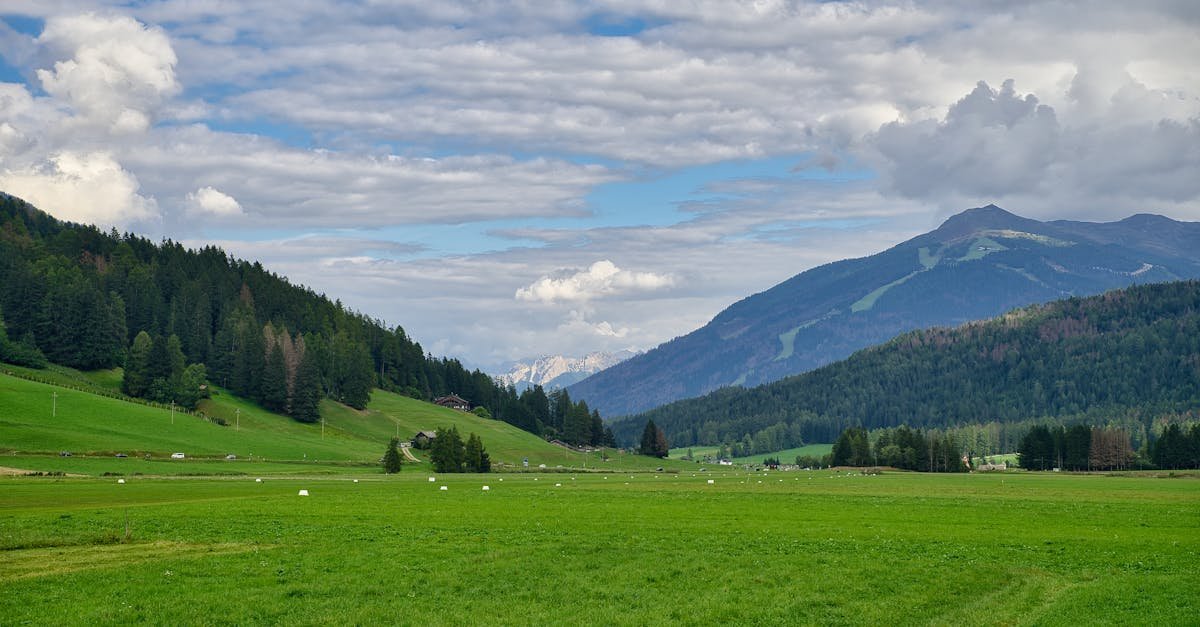
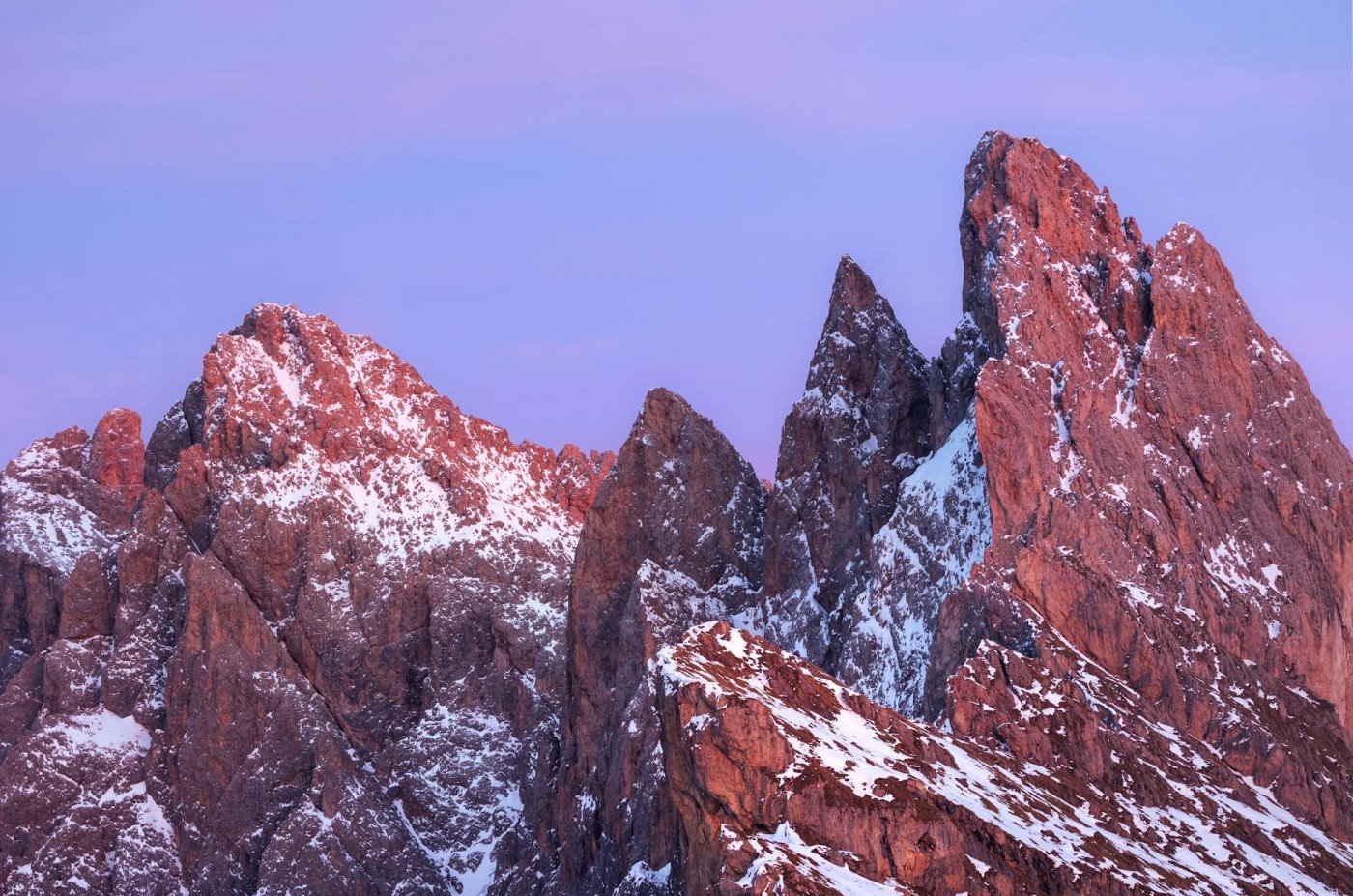
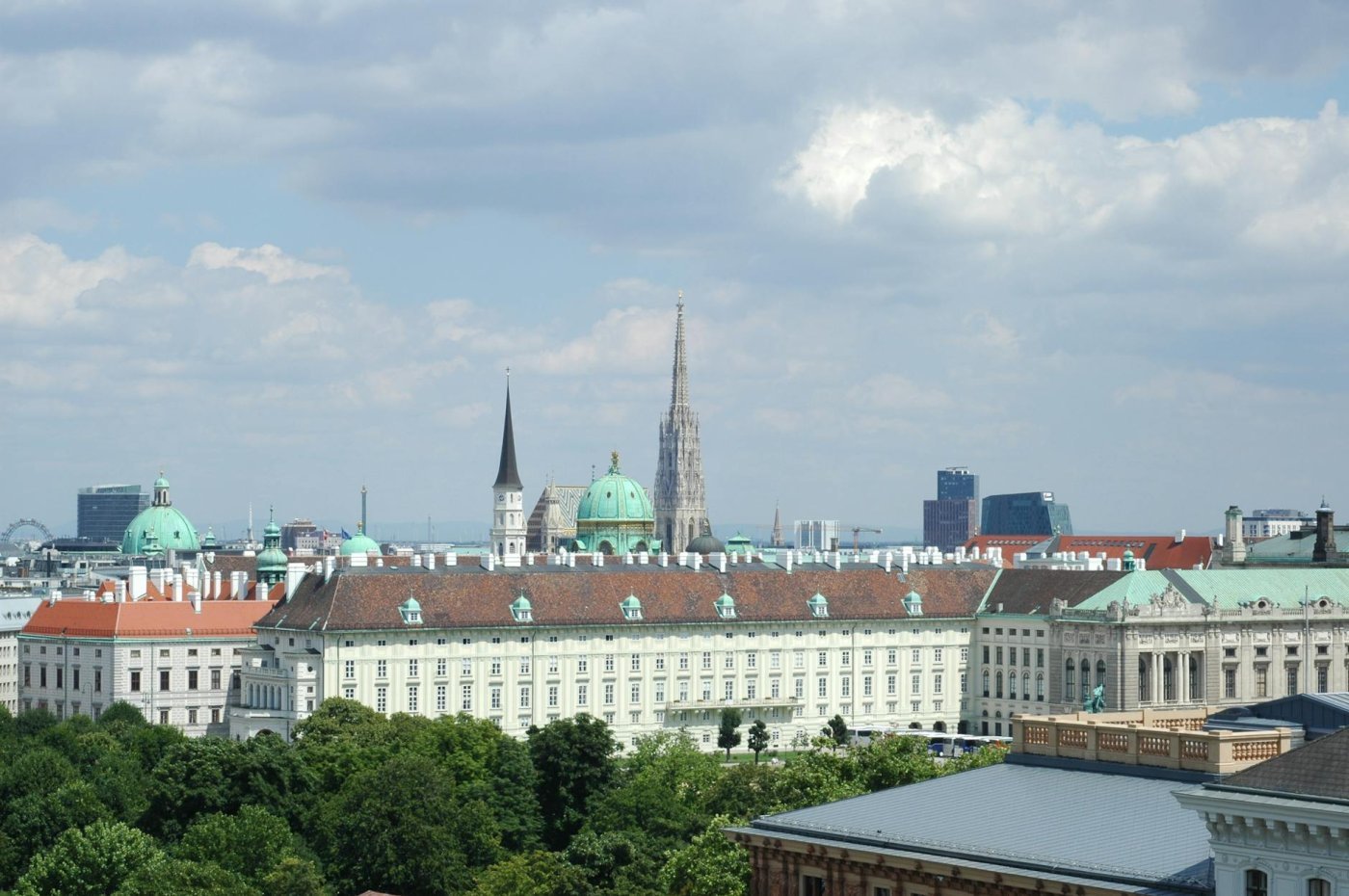
Innsbruck is one of Europe's most dramatically positioned cities, cradled inside a narrow Inn Valley with the jagged Nordkette mountain range looming so close you can trace individual ridgelines from the breakfast table. The medieval Altstadt glows golden each morning as light floods down from snowcapped peaks, casting long shadows across cobblestone lanes that have changed little since Emperor Maximilian I made this his Imperial residence in the fifteenth century. Church bells compete with the distant clatter of cable-car machinery, the scent of fresh Tyrolean bread drifts from bakeries tucked below arcaded passageways, and every second doorway frames a postcard view of the mountains. Innsbruck is simultaneously a working university town, a serious ski capital, and a UNESCO-recognized old city — a combination almost nowhere else in the Alps can match.
Compared with better-known Austrian rivals like Salzburg or Vienna, visiting Innsbruck feels refreshingly unscripted. The crowds are thinner, the scenery more immediately present, and the city's dual personality — ancient Imperial grandeur by day, buzzing student bars by night — keeps energy levels high year-round. Things to do in Innsbruck range from riding the Nordkettenbahn cable car to 2,256 metres for sunrise hikes, to exploring two Imperial palaces, attending world-class ski jumping events, and grazing through market stalls overflowing with Tyrolean speck and schnapps. Whether you're plotting a winter ski break or a summer alpine itinerary, Innsbruck consistently delivers more depth per square kilometre than almost any other city in the eastern Alps.
✦ Find your perfect destination
Is Innsbruck really your perfect match?
Answer 12 quick questions about your travel style, budget and dates — we match you with the destinations that fit you best, from 600+ worldwide.
Innsbruck earns its place on every serious traveller's shortlist because it refuses to be just one thing. It is the only major European city where you can step off a tram, board a cable car, and be scrambling along an Alpine ridge above 2,000 metres within thirty minutes of leaving your hotel. The Imperial Hofburg palace and the glittering Golden Roof sit in the very centre of an Altstadt so intact it doubles as an open-air museum, yet Innsbruck's 30,000-strong student population ensures the café culture and nightlife remain genuinely alive. Winter brings world-class ski slopes and legendary Hahnenkamm-adjacent events; summer transforms the surrounding mountains into a hiker's paradise laced with via ferratas, paragliding launch pads, and wildflower meadows.
The case for going now: Innsbruck is enjoying a quiet renaissance as a year-round destination after the completion of expanded Nordkette hiking trails and the renovation of the Hofburg's Imperial apartments, both unveiled in the past two years. Rail connections from Munich (1h 50min) and Verona (3h) have never been faster, making Innsbruck an easy addition to any Central European circuit. Currency parity and stable Austrian pricing mean the city still offers genuine value compared with Swiss alpine rivals — a strong argument for adding Innsbruck to your 2026 travel list before word spreads further.
🏔️
Cable Car to Nordkette
Ride the Nordkettenbahn from the city centre to 2,256 metres in under 20 minutes. The panorama of the Inn Valley and 500 Alpine peaks is staggering at any season.
🏛️
Imperial Altstadt
Wander beneath the Golden Roof's 2,738 fire-gilded copper tiles, then duck into the Hofburg Palace where Habsburg state rooms have been meticulously restored to their 18th-century splendour.
⛷️
Ski the Nordpark
Innsbruck's city ski area offers legitimate off-piste terrain and groomed runs directly above the Altstadt rooftops — an experience no other Alpine city can replicate at this scale.
🍺
Tyrolean Food Culture
From Knödel dumplings and slow-braised venison goulash to crisp Tyrolean wines and single-grain schnapps aged in mountain huts, Innsbruck's food scene is rooted, seasonal, and deeply satisfying.
Innsbruck's neighbourhoods — where to focus
Historic Core
Altstadt
The medieval heart of Innsbruck clusters around Herzog-Friedrich-Straße, where the Golden Roof, the Stadtturm city tower, and the broad arcaded walkways known as Lauben shelter shoppers and street musicians. Every building carries four or five centuries of Habsburg history in its façade, making a simple stroll here feel like wandering through a living museum. Restaurants and wine bars fill former merchant houses, and the scale remains refreshingly human — no street feels wider than it should be.
Student Quarter
Innere Stadt / Innrain
Stretching west from the Altstadt along the Inn riverbank, Innrain is the beating heart of Innsbruck's university life. Bookshops, independent coffee roasters, and casual lunch spots serve the 30,000 students enrolled at the University of Innsbruck, whose neo-Gothic main building anchors the district. Evening energy picks up in the lanes behind Innrain, where bars stay animated well past midnight without ever feeling rowdy.
Residential & Green
Hötting
Clinging to the lower slopes of the Nordkette above the city centre, Hötting rewards those willing to climb its steep residential lanes with extraordinary views back across the Inn Valley and the Altstadt rooftops. This is where Innsbruck locals live — allotment gardens, parish churches, and traditional Tyrolean farmhouses pressed up against the modern city. The Hötting hiking trails connect directly to the Nordkette cable-car network for effortless ascents.
Modern & Lively
Saggen
Laid out in the late nineteenth century as a prosperous bourgeois expansion of the city, Saggen is now Innsbruck's most pleasant residential district for boutique hotels and relaxed dining. Broad tree-lined streets run between handsome Gründerzeit apartment buildings, and the Rapoldipark offers a shaded retreat in summer. The neighbourhood lies within easy walking distance of the Altstadt and the main train station, making it a practical base for an Innsbruck itinerary.
Top things to do in Innsbruck
1. #1 Ride the Nordkettenbahn
No single experience defines visiting Innsbruck more completely than the Nordkettenbahn cable car. Zaha Hadid designed the valley and mountain stations in sweeping white biomorphic concrete — they look like glacial formations themselves — and the ride from Congress station to Seegrube at 1,905 metres, then on to Hafelekar at 2,256 metres, takes under twenty minutes. From the summit terrace the entire Inn Valley unfolds below you, with over 500 Alpine peaks visible on a clear day stretching from the Zugspitze in Germany to the Dolomites in northern Italy. In summer the Nordkette becomes the launch pad for serious hikes, including the demanding Nordkette Panoramaweg ridge trail. In winter the Nordpark ski area offers legitimate steep terrain right above the city rooftops. The Innsbruck Card covers unlimited cable-car rides, making this one of the best value inclusions in any Austrian city pass.
2. #2 Explore the Imperial Hofburg
The Imperial Hofburg Palace in the very centre of Innsbruck is one of the Habsburg dynasty's most significant residences outside Vienna, and it remains considerably less visited than its famous Viennese counterpart despite being arguably more intimate and personal. Emperor Maximilian I began construction in the late fifteenth century, but it was Empress Maria Theresa who gave the palace its current baroque face in the 1770s, decorating the state rooms with giant portraits of her sixteen children — including the young Marie Antoinette who would later become Queen of France. The Giant's Hall, painted entirely in fresco with trompe l'oeil architectural details, is among the most beautiful rococo interiors in the Alps. Audio guides are available in English, German, and French, and the adjacent Hofburg Chapel hosts regular chamber music concerts that pair perfectly with an evening Innsbruck itinerary.
3. #3 Discover the Bergisel Ski Jump
Perched dramatically on the Bergisel hill at the southern edge of Innsbruck, the Olympic ski jump stadium is another Zaha Hadid landmark and one of the most architecturally striking sports venues in Europe. The jump has hosted four Winter Olympics — 1964, 1976, 1984, and 2012 — and continues to stage the prestigious Four Hills Tournament each January, one of ski jumping's most celebrated annual events. A glass-and-steel tower lifts visitors to the 47-metre jumping platform, where the view down the steep ramp toward the Inn Valley is dizzyingly impressive even for those with no interest in winter sports. The rooftop café at the top of the tower serves coffee and Tyrolean pastries with what might be the most dramatic urban panorama in Austria. Bergisel also incorporates the Tyrolean Panorama museum, home to a vast 19th-century circular painting depicting the Battle of Bergisel — an essential piece of Tyrolean identity.
4. #4 Hike the Alpine Zoo & Patscherkofel
Innsbruck's Alpenzoo is the highest-altitude zoo in Europe, sitting at 727 metres on the slopes above the city and housing exclusively Alpine and sub-Alpine wildlife species — ibex, brown bears, golden eagles, lynx, and bearded vultures in naturalistic habitats rather than cramped cages. It is an extraordinary place to understand the ecological richness of the mountains that surround Innsbruck on all sides, and the walk up through forest from the city centre takes about forty minutes as a pleasant warm-up. For something more ambitious, the Patscherkofel mountain to the south — Innsbruck's second major ski mountain — offers a magnificent summit trail at 2,246 metres that rewards hikers with 360-degree panoramas without the crowds of the Nordkette. The Patscherkofel was the Olympic downhill mountain in 1964 and 1976, and its breezy summit hut serves classic Tyrolean Brettljause sharing platters that taste better after a long uphill walk.
What to eat in Tyrol — the essential list
Tiroler Gröstl
The definitive Tyrolean hangover cure and mountain workers' lunch — a sizzling cast-iron skillet of sliced boiled potatoes, cured pork, caramelised onion, and caraway, topped with a fried egg and scattered with fresh chives. Rich, smoky, and unapologetically filling.
Tiroler Knödel
Bread dumplings the size of a fist, studded with speck ham and fresh chives, served in a clear golden beef broth or alongside braised mountain cabbage. Every Gasthaus in Innsbruck has its own recipe, and comparing them becomes an obsession within hours of arriving.
Speck vom Fass
Tyrolean dry-cured speck is air-dried for a minimum of twenty-two weeks in mountain cold, producing a ham with a deeper, more complex smoke profile than Italian prosciutto. Served paper-thin with rye bread and sharp mountain cheese at every bar in Innsbruck's Altstadt.
Kaiserschmarrn
A dessert that originated in the Imperial court and now appears on virtually every Innsbruck café menu — a torn, fluffy caramelised pancake dusted with powdered sugar and served with warm plum compote. The name translates loosely as 'the Emperor's mess', which tells you everything about its rustic charm.
Tiroler Schlutzkrapfen
Half-moon pasta parcels filled with spinach and ricotta, dressed simply in brown butter and scattered with Parmesan — a dish that betrays Tyrol's centuries-long cultural overlap with northern Italy. They appear in every mountain hut from June to October as the ideal post-hike meal.
Kirchtagskrapfen
Deep-fried pastry pockets filled with a sweet mixture of poppy seeds, lingonberry jam, or curd cheese, traditionally prepared for Tyrolean village festivals but now available year-round in Innsbruck's bakeries and market stalls. Best consumed warm with a glass of cold cider from a local producer.
Where to eat in Innsbruck — our top 4 picks
Fine Dining
Schwarzer Adler Restaurant
📍 Kaiserjägerstraße 2, 6020 Innsbruck
Housed inside the historic Hotel Schwarzer Adler, this refined dining room has been serving serious Tyrolean-Austrian cuisine since 1576, making it one of the oldest restaurants in Innsbruck. The menu focuses on elevated local ingredients — locally sourced venison, Zillertal beef, and hand-rolled Schlutzkrapfen — presented with modern precision and served by staff who clearly understand every detail on the plate. The wine cellar leans heavily on Austrian and South Tyrolean labels, chosen with genuine expertise.
Fancy & Photogenic
Café Sacher Innsbruck
📍 Rennweg 1, 6020 Innsbruck
The Innsbruck outpost of the legendary Vienna institution occupies a beautifully vaulted heritage room directly opposite the Hofburg Palace, making it one of the most atmospheric café-restaurants in the city. Original Sachertorte — chocolate cake with apricot jam, served with unsweetened whipped cream — is the signature order, but the full lunch and dinner menus of Wiener Schnitzel and Austrian classics are reliably excellent. The terrace overlooking the Hofburg garden is among the best lunch spots in Innsbruck.
Good & Authentic
Gasthof Weisses Rössl
📍 Kiebachgasse 8, 6020 Innsbruck
Tucked into a quiet lane just off the main Altstadt pedestrian zone, this traditional Gasthaus has been feeding locals and well-informed visitors for over three centuries. The interior — painted ceilings, dark wood panelling, ceramic tiled stoves — is exactly what Innsbruck dining should look like, and the cooking matches the setting: honest Tiroler Gröstl, liver dumplings in broth, and venison goulash at prices that feel like a throwback. Book ahead for weekend dinner service.
The Unexpected
MAST Weinbistro
📍 Bürgerstraße 5, 6020 Innsbruck
This intimate natural-wine bistro brings a thoroughly contemporary approach to Tyrolean ingredients, pairing biodynamic Austrian and Italian bottles with small sharing plates that change weekly according to what the kitchen sourced that morning. The room is minimal and candlelit, the playlist is excellent, and the staff have encyclopaedic knowledge of the Austrian wine regions without being remotely intimidating about it. A genuinely surprising find for visitors who assumed Innsbruck's restaurant scene was purely traditional.
Innsbruck's Café Culture — top 3 cafés
The Institution
Café Central Innsbruck
📍 Gilmstraße 5, 6020 Innsbruck
Innsbruck's grandest coffee house has been operating since the late 19th century in a vaulted hall of marble columns, mirrored walls, and leather banquettes that have barely changed since the Habsburg era. The menu runs to a dozen different coffee preparations, from a simple Verlängerter to a Fiaker topped with rum, accompanied by house-made Apfelstrudel and the newspaper of your choosing. Morning regulars include everyone from retired professors to city council officials — a genuine cross-section of Innsbruck life.
The Aesthetic Hub
Kaffee Mundus
📍 Museumstraße 18, 6020 Innsbruck
A specialty coffee roaster and café that takes both the beans and the presentation exceptionally seriously, Kaffee Mundus has become the preferred morning stop for Innsbruck's design and architecture community. Single-origin espressos from Ethiopia and Colombia are pulled with visible care, and the minimal Scandinavian-influenced interior provides a calm contrast to the Baroque surroundings of the nearby Altstadt. Their house-roasted beans are available to take home, making it one of the best edible souvenirs from Innsbruck.
The Local Hangout
Bierstindl
📍 Klostergasse 6, 6020 Innsbruck
Less café and more beloved neighbourhood Wirtshaus, the Bierstindl occupies a low-ceilinged medieval space below street level near the Altstadt and fills every evening with a mixed crowd of students, tradespeople, and curious visitors who stumbled in off the street and decided to stay. Local Tyrolean beer on tap, uncomplicated food, and a complete absence of tourist-trap pricing make it the most authentic drinking experience in central Innsbruck. The outdoor terrace in summer is a city secret worth keeping.
Best time to visit Innsbruck
Jan
Feb
Mar
Apr
May
Jun
Jul
Aug
Sep
Oct
Nov
Dec
Peak Season (Jun–Sep) — long daylight hours, full hiking network open, festivals and outdoor events at full swing, warmest temperaturesShoulder Season (Apr–May, Oct) — spring wildflowers or autumn colour, fewer crowds, good hotel rates, some mountain trails accessibleOff-Season (Nov–Mar) — ski season active, Christmas markets in Dec, but some attractions limited and mountain access weather-dependent
Innsbruck events & festivals 2026
Whether you're planning around a specific celebration or simply want to know what's happening, this guide covers the best events and festivals in Innsbruck — from major annual traditions to cultural highlights worth timing your trip around.
January 2026culture
Four Hills Tournament — Bergisel
One of ski jumping's most prestigious annual events, the Innsbruck Bergisel stop of the Four Hills Tournament draws massive crowds to the Olympic stadium each January.
February 2026culture
Tyrolean Fasching Carnival
Innsbruck's Fasching season peaks in February with elaborate masked processions through the Altstadt, traditional costumes representing centuries-old Tyrolean folk characters, and street parties that spill from the Golden Roof square into the Lauben arcades. It is one of the most colourful and locally authentic festivals in the Austrian Alps, worth timing a visit around.
April 2026religious
Easter Markets Innsbruck
Innsbruck's Easter market in the Altstadt is among the most atmospheric in Austria, with hand-painted eggs, artisan honey products, Tyrolean embroidery, and warm Osterlamm pastry filling the stalls around the Golden Roof. The backdrop of snowcapped peaks framing the medieval square makes it one of the most photogenic spring markets in Central Europe.
June 2026music
Innsbruck Festival of Early Music
The Innsbruck Festival of Early Music is one of Europe's leading celebrations of Baroque and Renaissance repertoire, held annually each summer in the city's historic venues including the Hofburg's Baroque hall and the Hofkirche. International period-instrument ensembles and countertenor soloists perform works that directly connect to Innsbruck's Imperial musical heritage, making it a cultural highlight of any summer Innsbruck itinerary.
July 2026culture
Nordkette Charity Alpine Run
Each July hundreds of trail runners race from the city centre to the Nordkette summit and back in one of Europe's most dramatic urban trail races. Spectators line the cable-car trail above Innsbruck to cheer competitors, and the festival atmosphere in the Altstadt start zone extends through the afternoon with live music and food stalls.
August 2026music
Brass Wiesn Innsbruck
A distinctly Tyrolean take on open-air music festivals, Brass Wiesn fills the Innsbruck meadows with traditional brass bands, Alpine folk ensembles, and modern crossover acts performing on multiple stages over several August weekends. It is one of the best festivals in Innsbruck for experiencing authentic Tyrolean musical culture alongside an enthusiastic local crowd.
September 2026culture
Almabtrieb Cattle Drive
Every September the decorated cattle descend from the Alpine pastures through the Inn Valley villages surrounding Innsbruck, with cowbells, flower headdresses, and Tyrolean costume processions turning the event into a genuine folk spectacle. The village celebrations in Mutters and Götzens near Innsbruck include local food markets and schnapps tastings.
October 2026market
Innsbruck Wine & Gourmet Fair
Austrian and South Tyrolean wine producers gather at the Innsbruck Congress Centre each October for a multi-day tasting fair that also showcases regional artisan food producers. Grüner Veltliner, Blaufränkisch, and Tyrolean Vernatsch grape varieties feature prominently alongside mountain cheeses and cured meats — a must for anyone interested in visiting Innsbruck in autumn.
November 2026culture
Tyrolean Autumn Cultural Weeks
The Tiroler Volksschauspiele and Innsbruck's theatre ensembles present a concentrated programme of drama, folk performance, and classical concerts throughout November, filling the city's stages as the hiking season closes and the ski season prepares to open. It is one of the quietest and most affordable times to visit Innsbruck, with full cultural programming and minimal crowds.
December 2026market
Innsbruck Christmas Markets
Innsbruck runs not one but six simultaneous Christmas markets from late November through December, including the atmospheric Altstadt market beneath the Golden Roof, a Baroque market in the Hofburg courtyard, and a craft market at Hungerburg above the city. The combination of illuminated medieval architecture and snowcapped peaks makes this one of the most beautiful Christmas market settings in Europe.
Hostel dorms, self-catering, Innsbruck Card for transport, Gasthof lunches and supermarket dinners keep costs manageable.
€€ Mid-range
€120–180/day
Three-star hotel or boutique guesthouse, daily restaurant dining, cable-car excursions, and museum entries covered comfortably.
€€€ Luxury
€220–350+/day
Design hotels or historic properties, fine dining at Schwarzer Adler, private guided Alpine hikes, and Hofburg concert tickets.
Getting to and around Innsbruck (Transport Tips)
By air: Innsbruck Airport (INN) is just 4 kilometres from the city centre and receives direct flights from London, Amsterdam, Frankfurt, Zürich, and Vienna, plus numerous seasonal ski-season routes from across northern Europe. Munich Airport (MUC), roughly 160 kilometres north, serves as an alternative hub with far greater intercontinental connectivity and is reachable by direct train in under two hours.
From the airport: From Innsbruck Airport the F Bus runs directly to the main train station (Hauptbahnhof) in around twelve minutes, operating every twenty minutes throughout the day for just €2.50 with an Innsbruck Card or a single standard fare. Taxis take eight minutes and cost €12–18. If arriving at Munich Airport instead, the Bayerische Oberlandbahn and ÖBB trains connect via Rosenheim to Innsbruck in approximately two hours, with tickets bookable cheaply in advance through ÖBB's website.
Getting around the city: Innsbruck has an excellent integrated public transport network of trams, buses, and the O-Bus trolleybus system, all covered by a single €24-hour ticket or included with the Innsbruck Card. Tram Line 1 runs the main east-west spine from the Hauptbahnhof through the Altstadt to Igls and is the most useful route for visitors. The city is also very walkable — the Altstadt core, Hofburg, and Nordkettenbahn valley station are all within fifteen minutes on foot from the central Marktplatz.
Transport Safety & Scam Prevention:
Buy the Innsbruck Card: The 24h, 48h, or 72h Innsbruck Card covers unlimited Nordkettenbahn cable-car rides, all city buses and trams, the Alpenzoo, Bergisel tower, and most major museum entries. At €38 for 24 hours it pays for itself with just two cable-car trips and a museum, and eliminates the temptation of individual tourist pricing at every attraction.
Validate Your Ticket: Austrian public transport operates on an honesty system with random inspector checks that carry a €100 on-the-spot fine for unvalidated tickets. Always stamp your bus or tram ticket in the orange validation machines when boarding — even if the vehicle appears unmonitored and the platform empty.
Taxi Apps Beat Street Cabs: While Innsbruck is generally honest, unlicensed taxis occasionally operate around the Hauptbahnhof during peak ski season. Use the official Taxi Innsbruck app or ask your hotel to book, and always confirm the price is metered before departing to avoid inflated flat-rate demands on arrival.
Do I need a visa for Innsbruck?
Visa requirements for Innsbruck depend on your nationality. Select your passport below for an instant answer — based on the Passport Index dataset for entry into Austria.
ℹ️ Indicative only. Always verify with the official consulate before booking. Data: Passport Index, April 2026.
For detailed requirements, documentation checklists and processing times by nationality: TravelDoc →
Search & Book your trip to Innsbruck
Find the best flight routes and hotel combinations using our partner Kiwi.com.
Frequently Asked Questions
Is Innsbruck safe for tourists?
Innsbruck is one of the safest cities in Central Europe, consistently ranking among Austria's lowest-crime urban areas. Violent crime is extremely rare, and the Altstadt and tourist areas are well-lit and patrolled. The main minor risks are opportunistic bag theft in the main train station during peak ski season, and occasional pickpocketing at crowded Christmas markets in December. Standard European travel precautions — keeping bags zipped, avoiding flashy displays of valuables — are entirely sufficient. Solo female travellers report feeling very comfortable throughout the city at all hours.
Can I drink the tap water in Innsbruck?
Innsbruck tap water is not just safe but genuinely exceptional — it flows directly from Alpine spring sources high in the Nordkette mountain range above the city and is consistently ranked among the purest urban tap water supplies in Europe. Locals drink it exclusively, and restaurants will always bring a jug if requested rather than pushing bottled alternatives. Carry a reusable bottle and fill it freely at any tap or the public fountains scattered through the Altstadt — it tastes better than most bottled mineral water sold in Austrian supermarkets.
What is the best time to visit Innsbruck?
The best time to visit Innsbruck depends on what experience you're seeking. June through September is the classic peak season, when all Nordkette hiking trails are fully open, temperatures reach a comfortable 22–27°C in the valley, and the long daylight hours allow full days of Alpine exploration. July and August are the warmest and busiest months. December through March is the choice for skiing, with the Nordpark and nearby Stubaier Gletscher fully operational and the Christmas markets creating magical atmosphere in November and December. April, May, and October are pleasant shoulder months with fewer visitors, lower hotel rates, and beautiful spring or autumn colour — though some high-altitude trails may still be snowbound.
How many days do you need in Innsbruck?
Three days is the comfortable minimum for an Innsbruck itinerary covering the essential highlights — the Nordkettenbahn summit, the Hofburg, Bergisel, the Altstadt, and at least one proper Tyrolean dinner. Four to five days allows you to add a day trip to Hall in Tirol or Swarovski Crystal Worlds, a hike on the Patscherkofel, and genuine leisure time in the café culture. If you're combining Innsbruck with skiing at Stubai Glacier or multi-day hiking in the surrounding mountains, a full week to ten days is easily filled. The city also works very well as a two-night base within a broader Austria or Bavaria circuit, since rail connections to Salzburg (two hours) and Munich (two hours) are fast and frequent.
Innsbruck vs Salzburg — which should you choose?
Innsbruck and Salzburg attract similar travellers but deliver fundamentally different experiences. Salzburg is more culturally polished — Mozart's birthplace, the Baroque Dom, the Mirabellgarten, and the Sound of Music trail draw enormous international crowds year-round, and the city's music festival is world-famous. Innsbruck is more physically dramatic, sitting inside a narrower valley with mountains that feel genuinely immediate rather than scenic backdrop. If you prioritize outdoor adventure — skiing, hiking, via ferrata, glacier visits — Innsbruck wins convincingly. If you want a more concentrated cultural and culinary programme with easier logistics, Salzburg edges ahead. Many travellers wisely do both: they're just two hours apart by express train, and the contrast between them makes each city feel richer by comparison.
Do people speak English in Innsbruck?
English is widely spoken across Innsbruck, particularly in hotels, restaurants, cable-car stations, museums, and all tourist-facing services. The city's international student population and long history as a ski destination for British, Dutch, and Scandinavian visitors means frontline hospitality staff almost universally communicate comfortably in English. In traditional Gasthäuser in residential neighbourhoods you may encounter older staff who prefer German, but menus are almost always bilingual and a few basic German phrases — Guten Morgen, Danke, Ein Bier bitte — are warmly received as a gesture of respect rather than a practical necessity.
★ Hotel guide
Where to stay in Innsbruck
7+ hand-picked hotels across luxury, mid-range and budget — verified by Max.
Hand-picked and verified by Max, who founded Vacanexus from Luxembourg in 2026. No sponsorships, no paid placements. Every recommendation — restaurants, neighbourhoods, things to do — is selected for authenticity over popularity.