Tyrol Travel Guide — Where the Austrian Alps become a way of life
⏱ 12 min read📅 Updated 2026💶 €€€ Comfort✈️ Best: Jun–Sep
€120–250/day
Daily budget
Jun–Sep
Best time
7–10 days
Ideal stay
EUR
Currency
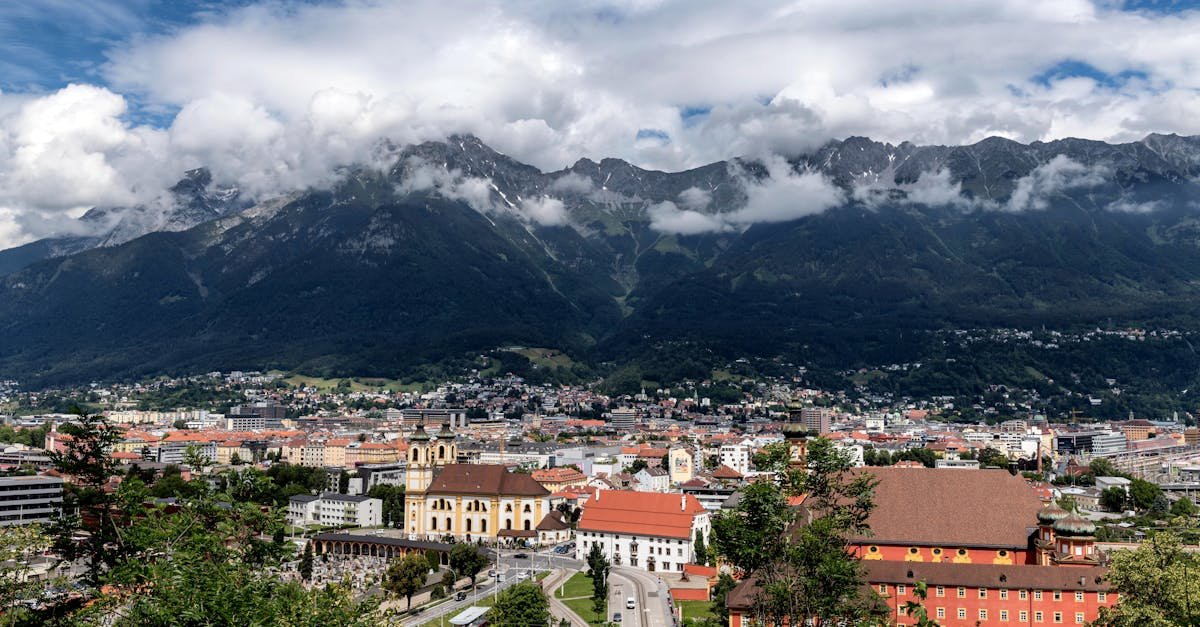
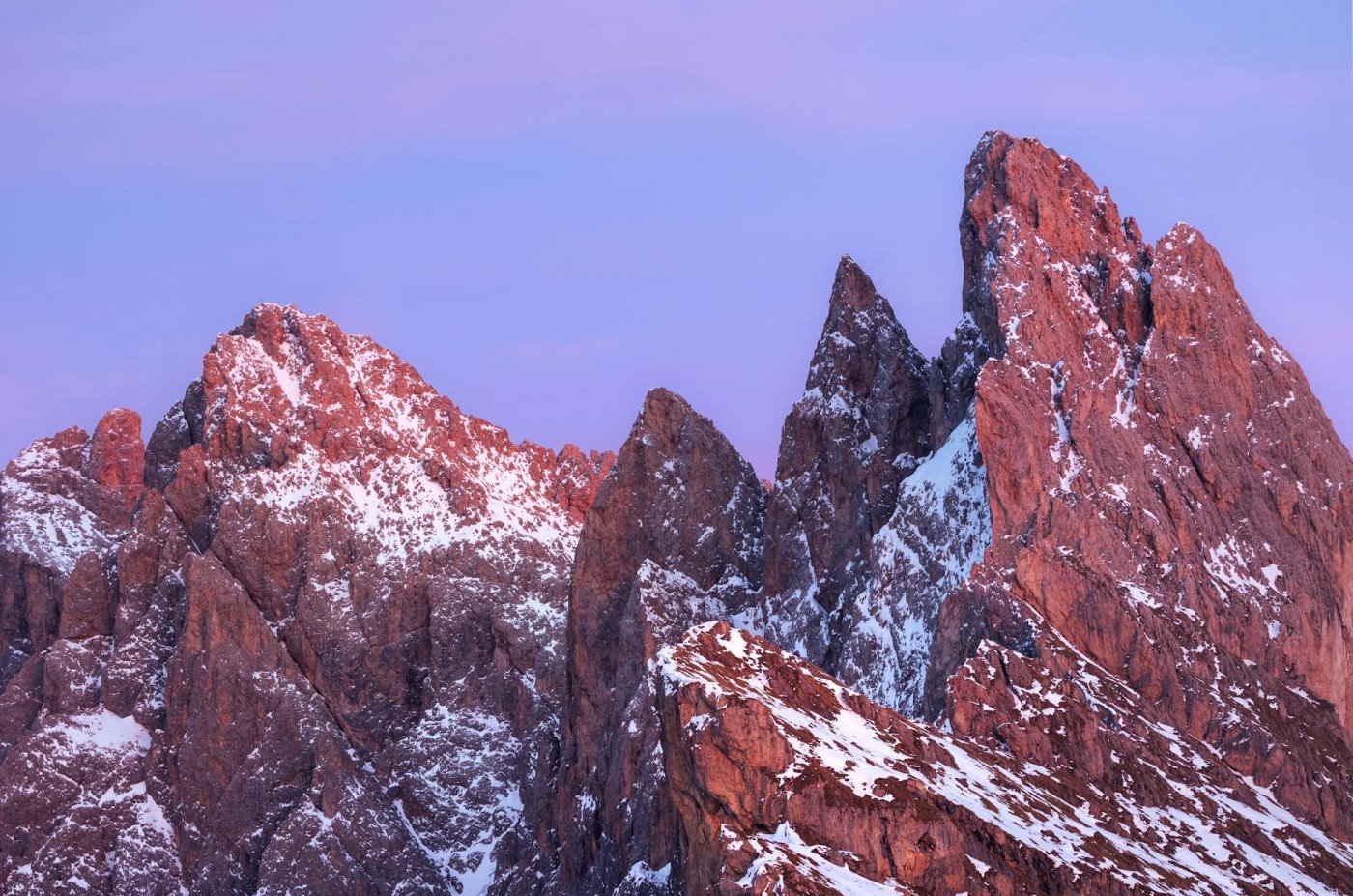
Stand in a high Tyrolean meadow in July and the air itself tells you something has changed — cool, pine-sharp, threaded with cowbell and the distant creak of a cable car. Tyrol, Austria's western crown jewel, stretches across more than 12,000 square kilometres of genuinely dramatic Alpine terrain, from the eternal ice of the Stubai Glacier to the sun-baked Ötztal Valley floor. Village churches with onion domes punctuate ridgelines. Farmhouses dripping with geraniums line ancient trade routes. Tyrol is not a theme park version of the Alps — it is the Alps at full volume, with centuries of mountain culture still humming quietly underneath.
What separates visiting Tyrol from a generic ski holiday or a quick Swiss detour is the sheer layering of experience available within a compact region. Things to do in Tyrol range from glacier skiing in August and via ferrata in the Wilder Kaiser to Michelin-starred dining in Kitzbühel and folk festivals where yodeling is practiced without a trace of irony. Switzerland feels grander but more expensive; Bavaria is charming but flatter. Tyrol occupies a rare middle ground — authentically Austrian, geographically spectacular, and still accessible enough that a week here genuinely changes the way you think about mountain life.
✦ Find your perfect destination
Is Tyrol really your perfect match?
Answer 12 quick questions about your travel style, budget and dates — we match you with the destinations that fit you best, from 600+ worldwide.
Tyrol earns its place on your travel list because it delivers a density of world-class natural experiences that few alpine regions can match. The Stubai Glacier allows year-round skiing above 3,200 metres. The Ötztal Valley presents a staggering 1,800 kilometres of marked hiking trails. Kitzbühel's medieval centre offers one of Central Europe's most photogenic village squares. And behind all of it runs an unbroken thread of Tyrolean folk culture — regional costumes worn with pride, traditional Stuben-style restaurants, and a hospitality culture rooted in genuine mountain warmth rather than tourist-industry performance.
The case for going now: Tyrol is experiencing a quiet renaissance in slow-travel and wellness tourism, with several new mountain refuges and thermal spa facilities opening across Innsbruck's surrounding valleys since 2023. The Ötztal's Aqua Dome spa recently expanded its outdoor pool complex, and Innsbruck's tram and bus network now connects more trailheads than ever. Visiting Tyrol now means catching this infrastructure upgrade before prices fully reflect it — particularly in shoulder months like June and September.
⛷️
Stubai Glacier Skiing
Ski or snowboard on Austria's largest glacier year-round at over 3,200 metres elevation. The Stubai Glacier offers 35 kilometres of runs with postcard-perfect panoramic views.
🥾
Ötztal Valley Hiking
Explore 1,800 kilometres of marked trails through the Ötztal, from gentle valley floor walks to multi-day ridge crossings that include glacier crossings and dramatic suspension bridges.
🏰
Kitzbühel Village
Stroll Kitzbühel's medieval walled centre, a perfectly preserved Tyrolean town where the pastel facades, cobblestoned Vorderstadt and Hahnenkamm cable car coexist in effortless style.
🎶
Tyrolean Folk Culture
Catch authentic yodeling, zither music and Schuhplattler dancing at village festivals across Tyrol — a living cultural tradition performed with the same seriousness as any concert hall.
Tyrol's neighbourhoods — where to focus
Capital & Gateway
Innsbruck
Tyrol's capital punches well above its size, threading a golden-roofed medieval Altstadt between two mountain ranges that are reachable by tram within minutes. The Nordkette cable car rises from the city centre to 2,334 metres, making Innsbruck unique among European capitals for combining genuine urban culture with immediate alpine access. Café-lined Maria-Theresien-Strasse sets the daily rhythm.
Glamour & Sport
Kitzbühel
Kitzbühel is Tyrol's most polished address — a medieval market town that has evolved into Austria's answer to Verbier without losing its Tyrolean soul. The walled old town shelters fine-dining restaurants, independent boutiques and centuries-old painted facades. The Hahnenkamm downhill race each January draws global attention, but summer hiking transforms the valley into something more quietly spectacular.
Glacier & Wilderness
Stubaital
The Stubai Valley unfolds south of Innsbruck as a 35-kilometre corridor of increasing wildness, culminating at the Stubai Glacier. Villages like Neustift im Stubaital retain deeply traditional character — onion-domed churches, working farms, hay meadows — while the valley's upper reaches open into serious mountaineering territory that draws alpinists from across Europe.
Adventure & Spa
Ötztal
The Ötztal is Tyrol's longest side valley and arguably its most dramatic, stretching 65 kilometres from the Inn River to the glaciated peaks of the Ötztal Alps. Sölden serves as the hub, with world-class skiing, the legendary Aqua Dome thermal spa and the Ötzi the Iceman discovery site nearby. The valley rewards both adrenaline-seekers and those chasing thermal-pool serenity equally.
Top things to do in Tyrol
1. Hike the Eagle Walk
The Adlerweg — Tyrol's 413-kilometre Eagle Walk — is one of the finest long-distance mountain trails in the Alps, traversing the full breadth of Tyrol from St. Johann in Tirol to the Arlberg. You don't need to walk the whole route: individual stages can be completed as single-day loops, with mountain refuge huts (Hütten) providing overnight stops, hearty meals and the kind of unpretentious gemütlichkeit that defines Tyrolean hospitality. Stage 5 through the Wilder Kaiser is particularly stunning, crossing limestone karst ridges with views that stretch on clear days into Bavaria. The trail is well-marked and hut infrastructure is excellent — a serious but highly accessible multi-day alpine experience for fit walkers.
2. Ski the Stubai Glacier Year-Round
The Stubai Glacier, accessible from Neustift im Stubaital, is one of only a handful of places in the Alps where you can ski every month of the year. At peak elevation the runs exceed 3,200 metres, with 35 kilometres of pistes served by modern lifts and a snowpark that attracts freestyle skiers throughout summer. The drive up from Innsbruck takes roughly 45 minutes, making a glacier ski day entirely feasible as a day trip. Summer glacier skiing in Tyrol has a distinctly relaxed atmosphere compared to the winter season — fewer crowds, lower prices, and the surreal experience of descending a groomed piste while the valley below bakes in summer sun. Book glacier ski rental in Neustift to save significantly compared to on-mountain prices.
3. Explore Innsbruck's Golden Roof & Altstadt
Innsbruck's Altstadt is one of the most walkable historic centres in the eastern Alps, compact enough to cover on foot in a morning but rich enough to absorb a full day. The Goldenes Dachl — the Golden Roof — is Tyrol's most recognised symbol, a Habsburg loggia covered in 2,657 fire-gilded copper tiles commissioned by Emperor Maximilian I around 1500. The Imperial Palace (Hofburg), Court Church (Hofkirche) with its monumental bronze statues, and the Tyrolean State Museum are all within a five-minute walk. The adjacent Maria-Theresien-Strasse offers a perfect combination of baroque architecture and pavement café culture. Evening aperitivo culture has taken hold across Innsbruck's Altstadt, making a late-afternoon Spritz here feel genuinely European.
4. Take the Nordkette Cable Car
Few mountain experiences in the Alps match the drama-to-effort ratio of Innsbruck's Nordkette cable car, which rises from the city centre in three stages to the Hafelekar peak at 2,334 metres — and you can see the entire journey from your hotel window before you board. At the top, the contrast between Innsbruck's rooftops far below and the immediate alpine wilderness is genuinely vertiginous. In summer, hiking routes from the upper stations range from a gentle panorama walk along the Nordkette ridge to a demanding descent via the Goetheweg. In winter, the Nordpark ski area offers steep off-piste terrain that locals ride hard. The Zaha Hadid-designed lower stations are architectural landmarks in their own right, making this a cultural and physical experience simultaneously.
What to eat in Tyrol — the essential list
Tiroler Gröstl
Tyrol's definitive comfort dish — a pan-fried hash of leftover boiled potatoes, pork or beef, onions and caraway seed, finished with fried eggs and served in a cast-iron pan. Every mountain hut in Tyrol has its own version.
Kasnocken
Soft egg-pasta dumplings tossed with melted Tyrolean mountain cheese and topped with caramelised onions — rich, deeply satisfying and completely unique to this Alpine region. Eaten as a main course in every traditional Stube.
Speckknödel
Bread dumplings studded with cubes of Tiroler Speck (smoked, cured mountain ham) and served in a clear beef broth or as a side. The knödel here are lighter and more aromatic than their Bavarian equivalents across the border.
Schlutzkrapfen
Half-moon pasta parcels filled with spinach and ricotta, similar to ravioli but with a distinctly Alpine-Italian influence that reflects Tyrol's position on the historic trade route between Venice and Innsbruck.
Tiroler Speck
The region's most famous charcuterie product — a dry-cured, lightly smoked ham that must be produced in Tyrol to carry the IGP designation. Served thinly sliced with dark rye bread and Tyrolean mountain cheese at virtually every meal.
Apfelstrudel
Tyrol's version of the classic Austrian pastry is made with paper-thin dough wrapped around spiced apple, raisins and breadcrumbs, served warm with vanilla sauce or whipped cream at every café and mountain refuge in the region.
Where to eat in Tyrol — our top 4 picks
Fine Dining
Restaurant Orso
📍 Kiebachgasse 2, 6020 Innsbruck
A refined address in Innsbruck's Altstadt that elevates Tyrolean ingredients into sophisticated seasonal tasting menus. Expect aged mountain cheese courses, local river trout, and a wine list leaning heavily into Austrian natural producers. The intimate dining room, with exposed stone walls and candlelit tables, sets the right tone for a serious evening.
Fancy & Photogenic
Hotel Restaurant Tennerhof
📍 Griesenauweg 26, 6370 Kitzbühel
The Tennerhof's terrace restaurant in Kitzbühel is the kind of place travel photographers dream about: mountain panorama, Tyrolean farmhouse architecture, immaculate table settings. The menu is rooted in Austrian bourgeois cooking — Wiener Schnitzel done perfectly, venison from local hunts, desserts of considerable ambition. A splurge that fully justifies its price point.
Good & Authentic
Stiftskeller
📍 Stiftsgasse 1, 6020 Innsbruck
A genuine Tyrolean Gasthaus tucked behind Innsbruck's Hofkirche, where locals and university staff eat Gröstl and Knödel at communal wooden tables under low vaulted ceilings. Portions are enormous, prices are honest, and the house Grüner Veltliner comes by the quarter-litre carafe. Book ahead for dinner — it fills up fast with people who actually live here.
The Unexpected
Café Muhr
📍 Dorfplatz 3, 6167 Neustift im Stubaital
A family-run village bakery and café in Neustift that has quietly become a destination in its own right for its house-baked Tyrolean sourdough, Speck boards and homemade Apfelstrudel. Nothing about the setting suggests anything other than a village stop — and that's precisely the point. Hikers returning from the Stubai Glacier swear by it.
Tyrol's Café Culture — top 3 cafés
The Institution
Café Central
📍 Gilmstraße 5, 6020 Innsbruck
Innsbruck's grand old café institution occupies a high-ceilinged space near the Altstadt, where Viennese coffee culture meets Tyrolean mountain pragmatism. The Melange is exemplary, the Schlagobers generous, and the newspaper-reading locals at window tables make it feel authentically Central European rather than touristic. A mandatory morning stop before the Goldenes Dachl.
The Aesthetic Hub
Kaffeehaus Mundus
📍 Universitätsstraße 15, 6020 Innsbruck
A beautifully designed specialty café near Innsbruck University that sources single-origin beans and treats extraction with the same care a Tyrolean mountain hut treats its Kasnocken. The interior design — warm concrete, alpine timber, pendant lighting — has made it a favourite of architects and design-literate travellers passing through Tyrol's capital.
The Local Hangout
Strudel-Café Kröll
📍 Kiebachgasse 8, 6020 Innsbruck
A tiny, much-loved strudel café tucked into a narrow Altstadt alley, where a rotation of seven different strudel varieties emerges from the kitchen daily — apple, cheese, spinach, poppy seed, cherry. Counter seating only, perpetually full of Innsbruck residents who treat this as their personal kitchen extension. Order whatever is still warm from the oven.
Best time to visit Tyrol
Jan
Feb
Mar
Apr
May
Jun
Jul
Aug
Sep
Oct
Nov
Dec
Peak Alpine Season (Jun–Sep) — Wildflower meadows, all trails open, warm valley temps, glacier access at its bestShoulder Season (Apr–May, Oct) — Fewer crowds, valley hiking pleasant, some high routes still snowboundOff-Season (Nov–Mar) — Ski season active Dec–Mar but hiking limited; Nov shoulder quiet and best avoided
Tyrol events & festivals 2026
Whether you're planning around a specific celebration or simply want to know what's happening, this guide covers the best events and festivals in Tyrol — from major annual traditions to cultural highlights worth timing your trip around.
January 2026culture
Hahnenkamm Race Week, Kitzbühel
The most famous downhill ski race in the world descends the Streif course in Kitzbühel each January. This is one of the
February 2026culture
Tyrolean Carnival (Fasching)
Fasching celebrations across Tyrol bring costumed processions, masked balls and street festivities to virtually every village and town from late January through Shrove Tuesday. Innsbruck's Old Town hosts some of the most theatrical parades, with elaborately carved wooden masks (Larven) unique to different Tyrolean valleys.
June 2026culture
Almabtrieb Preparations
Early summer sees the ceremonial herding of cattle up to high alpine pastures — the Almauftrieb — celebrated across Tyrolean valleys with garland-decorated cows and communal festivals. Visiting Tyrol in June means catching these deeply authentic pastoral traditions that have been part of mountain life for centuries.
July 2026music
Innsbruck Festival of Early Music
One of Europe's premier baroque and Renaissance music festivals, held annually in Innsbruck's historic venues including the Hofburg Palace and Court Church. The festival draws world-class performers and productions over three weeks each July, making it a leading reason for culturally motivated visitors to plan a Tyrol itinerary around this month.
August 2026culture
Kitzbühel Tennis Open
The Generali Open ATP tournament transforms Kitzbühel into a European tennis hub each August, with clay-court matches played against an extraordinary mountain backdrop. The tournament week adds a sophisticated sports-culture dimension to the town and includes free public viewing at various village-centre screens.
September 2026culture
Almabtrieb Cattle Descent
The Almabtrieb — the ceremonial descent of flower-garlanded cattle from summer alpine pastures — is Tyrol's most visually spectacular folk tradition, taking place across dozens of valleys through September. Villages celebrate with markets, folk music and traditional food, representing the best of Tyrolean cultural life in the most photogenic form imaginable.
October 2026market
Innsbruck Autumn Market
Innsbruck's late-October harvest market fills the Altstadt with regional producers selling Tiroler Speck, mountain cheese, schnapps, carved woodwork and seasonal preserves. It offers a quieter, more local alternative to the Christmas market season and excellent value for food-focused travellers visiting Tyrol in the shoulder season.
November 2026religious
St. Martin's Lantern Processions
On November 11th, children across Tyrol carry handmade paper lanterns through village streets in processions marking the Feast of St. Martin, followed by communal bonfires and the traditional sharing of Martinigansl (roast goose). The tradition is observed with particular warmth in smaller Tyrolean communities.
December 2026market
Innsbruck Christmas Market
Innsbruck hosts one of Austria's most beautiful Christmas markets, spread across six locations in the Altstadt including directly beneath the Goldenes Dachl. The combination of medieval architecture, mountain backdrop and warm Glühwein is genuinely one of the finest festive experiences in the entire alpine region.
December 2026religious
Krampus Night Processions
On December 5th across Tyrol, elaborately costumed Krampus figures run through village streets in the Krampuslauf — a pre-Christian tradition of horned, chain-rattling figures accompanying St. Nicholas. These processions are taken very seriously in Tyrolean culture and are utterly unlike anything found elsewhere in European Christmas tradition.
Hostel dorms in Innsbruck, self-catered meals, free hiking trails, mountain bus passes for transport across the valley
€€ Mid-range
€120–180/day
3-star alpine hotel or pension, daily restaurant lunch and dinner, ski lift passes, one spa entry and organised day hike
€€€ Luxury
€250+/day
Boutique mountain lodge or Kitzbühel design hotel, fine-dining dinners, private guiding, glacier ski packages and premium spa access
Getting to and around Tyrol (Transport Tips)
By air: Innsbruck Airport (INN) serves Tyrol directly with flights from London, Amsterdam, Düsseldorf and several other European hubs, particularly during ski season. Munich Airport (MUC) is the most connected alternative, just 1.5 hours by train or car, with vastly more international routes and year-round frequency. Salzburg Airport (SZG) is also viable for eastern Tyrolean destinations like Kitzbühel, around 90 minutes by road.
From the airport: From Innsbruck Airport, Bus F connects to the city centre in around 20 minutes for under €3, with taxis taking 10 minutes for approximately €15–20. From Munich Airport, direct ÖBB and Deutsche Bahn rail services reach Innsbruck Hauptbahnhof in 1 hour 45 minutes, with hourly departures. Car rental is highly recommended for exploring the side valleys — Stubaital, Ötztal and Zillertal are all served by road but have limited public transport frequency beyond the main valley buses.
Getting around the city: Innsbruck's public transport network is excellent — the Nordkettenbahn cable car and all city trams and buses accept the Innsbruck Card, which offers unlimited travel and museum entry for 24, 48 or 72 hours. Regional buses connect Innsbruck to Neustift (Stubaital), Sölden (Ötztal) and Mayrhofen (Zillertal) regularly throughout summer, though services thin in shoulder months. Hiring a car for any journey deeper into the side valleys is strongly advisable and often the only realistic option for early-morning trailhead access.
Transport Safety & Scam Prevention:
Mountain Taxi Pricing: Unlicensed mountain taxi drivers occasionally approach travellers at Innsbruck train station offering flat rates to ski resorts that are significantly higher than the scheduled bus fare. Always check the IVB regional bus schedules first — the bus to Neustift, for example, costs under €4 versus €40+ for a private taxi.
Gondola Ticket Bundles: Cable car operators across Tyrol push multi-day lift passes aggressively even to summer hikers who only need a single ascent. Calculate your actual needs honestly — a one-way uphill ticket and hiking descent is often the best value for summer visitors not planning to ride repeatedly.
Parking in Ski Villages: Resort villages like Sölden and Neustift have introduced strict paid parking zones throughout the summer season that catch unaware visitors. Always check signage carefully on arrival — free parking zones exist on the village periphery but require a short walk, while the central paid zones charge €2–3 per hour.
Do I need a visa for Tyrol?
Visa requirements for Tyrol depend on your nationality. Select your passport below for an instant answer — based on the Passport Index dataset for entry into Austria.
ℹ️ Indicative only. Always verify with the official consulate before booking. Data: Passport Index, April 2026.
For detailed requirements, documentation checklists and processing times by nationality: TravelDoc →
Search & Book your trip to Tyrol
Find the best flight routes and hotel combinations using our partner Kiwi.com.
Frequently Asked Questions
Is Tyrol safe for tourists?
Tyrol is one of the safest destinations in Central Europe for tourists. Austria consistently ranks among the world's top countries for personal safety, and the Tyrolean valleys and cities are essentially free of violent crime targeted at visitors. The primary safety considerations in Tyrol are mountain-specific: weather changes rapidly at altitude, trail conditions can be hazardous after rain, and glacier routes require proper equipment and experience. Always check trail conditions with the Tyrolean Mountain Rescue Service (Bergrettung) before heading to high altitude, and never underestimate afternoon thunderstorm risk between July and August.
Can I drink the tap water in Tyrol?
Tap water in Tyrol is among the finest in Europe and is completely safe to drink throughout the region. Innsbruck's water supply comes directly from high-altitude Alpine springs and glacier melt sources, meaning the tap water is exceptionally pure and cold. You will find drinking fountains (Trinkwasser) throughout Tyrolean towns and on hiking trails, all of which are safe to use. There is absolutely no need to purchase bottled water during your visit — bring a refillable bottle and use it freely.
What is the best time to visit Tyrol?
The best time to visit Tyrol depends on your primary activity. June through September represents peak summer season — trails are fully open, the Stubai Glacier operates all lifts, wildflower meadows are at their most vivid, and valley temperatures are warm enough for comfortable hiking without being oppressive. July and August bring the most reliable weather and the Innsbruck Early Music Festival. September is arguably the finest month of all — crowds thin, the Almabtrieb cattle festival adds colour, and the light turns golden. December through March suits skiers, particularly around Kitzbühel, Sölden and the Stubai area. April, May and November are quiet shoulder months best avoided unless you have specific cultural events in mind.
How many days do you need in Tyrol?
A minimum of five days in Tyrol allows you to properly experience the region's main pillars — Innsbruck's historic city, the Stubai or Ötztal valleys, and one of the alpine resort towns like Kitzbühel. A week is significantly better and the recommendation in most Tyrol itinerary planning, giving you time for a multi-day hike or hut stay alongside the cultural and culinary highlights. Ten days opens up the full range: Innsbruck, Stubaital, Ötztal, Kitzbühel, Zillertal and Achensee can each receive proper attention. If you only have a weekend in Tyrol, base yourself entirely in Innsbruck and take one day trip to the Stubai Glacier — it remains a highly satisfying short visit even in 48 hours.
Tyrol vs Switzerland — which should you choose?
Tyrol and Switzerland both offer exceptional Alpine scenery, but they reward different types of travellers. Switzerland's Bernese Oberland and Valais are more dramatically rugged and feel grander in scale, but costs are typically 40–60% higher than equivalent experiences in Tyrol. Austria's Tyrol wins decisively on food culture — the Tyrolean Gasthaus tradition, with its warming Gröstl, Kasnocken and Speck boards, is more characterful than Swiss mountain cuisine. Tyrol also edges Switzerland for cultural texture: the folk music, Almabtrieb festivals and Habsburg-era architecture in Innsbruck create a distinctive Austrian identity. If budget matters, choose Tyrol. If you want the Matterhorn and maximum visual drama above all else, Switzerland has the edge.
Do people speak English in Tyrol?
English is spoken to a good standard in most tourist-facing contexts across Tyrol. In Innsbruck, hotel staff, restaurant servers and museum personnel are reliably comfortable in English, and in resort towns like Kitzbühel and Sölden — which draw large international ski crowds — English is essentially the second working language. On the trails and in smaller farming villages, German is the norm and a few basic phrases in Austrian German will be warmly received. Tyrolean German has its own dialect that differs from standard Hochdeutsch — locals will appreciate any attempt at even elementary German. English-language hiking maps and tourist information are widely available throughout the region.
★ Hidden Gems Weekly
Like this? One place per week, in your inbox.
No spam, no fluff — just one underrated destination, every Tuesday.
Hand-picked and verified by Max, who founded Vacanexus from Luxembourg in 2026. No sponsorships, no paid placements. Every recommendation — restaurants, neighbourhoods, things to do — is selected for authenticity over popularity.