Kampot Travel Guide — Kampot: Cambodia's most unhurried
⏱ 11 min read📅 Updated 2026💶 € Budget✈️ Best: Jan–Apr
€15–40/day
Daily budget
Jan–Apr
Best time
3–5 days
Ideal stay
KHR / USD
Currency
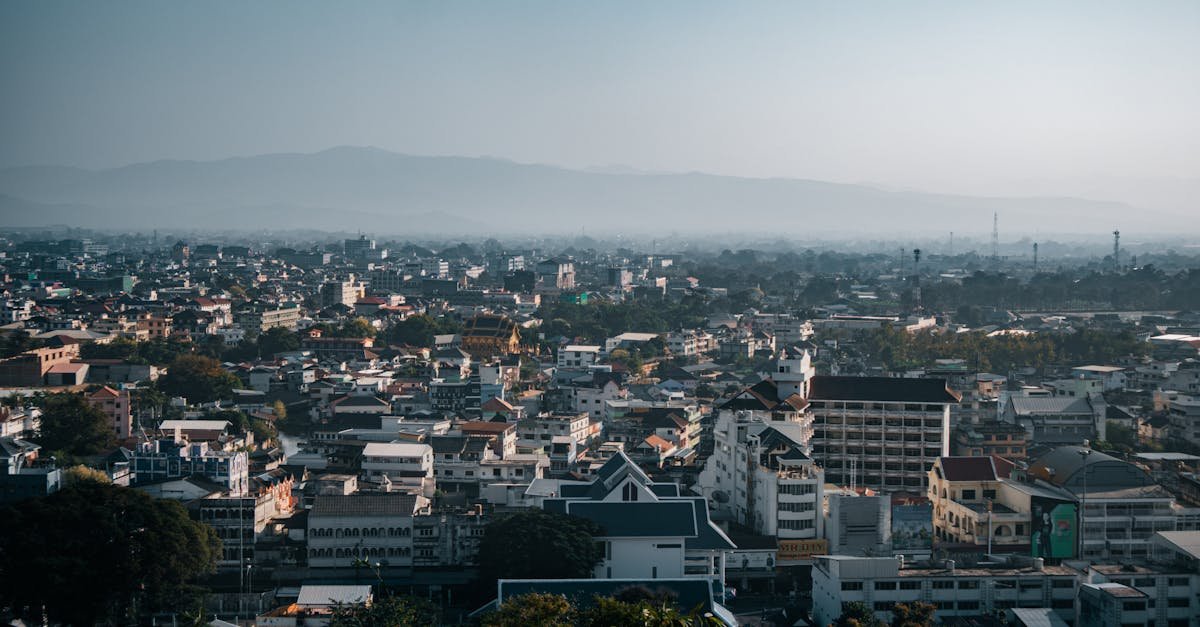
Kampot moves at the pace of the Kampot River — deliberately, gently, with nowhere particular to be. The air smells of pepper vines, frangipani and slow-roasting coffee, and the crumbling pastel shophouses lining the old French quarter glow amber in the late afternoon light. Bicycle bells replace car horns, hammocks outnumber hotel lobbies, and the Bokor mountain range looms cloud-wrapped in the distance. This is one of Southeast Asia's last genuinely sleepy riverside towns, where a single afternoon can stretch luxuriously into evening without guilt or agenda. Kampot rewards those who arrive with time to spare.
Unlike the frenetic energy of Phnom Penh or the beach-party circus of Sihanoukville, visiting Kampot feels like stepping into a slower, quieter Cambodia that still retains real local character. Things to do in Kampot range from kayaking mangrove channels and cycling to working pepper farms, to exploring the genuinely eerie ghost-town atmosphere of the Bokor Hill Station perched 1,000 metres above the Gulf. The town draws an eclectic mix of long-term expats, curious backpackers and travellers who came for two nights and stayed for two weeks — a reliable sign that a place is doing something right. Budget travellers in particular find Kampot exceptionally generous with value.
✦ Find your perfect destination
Is Kampot really your perfect match?
Answer 12 quick questions about your travel style, budget and dates — we match you with the destinations that fit you best, from 600+ worldwide.
Kampot is the rare destination that delivers authenticity without effort. The town's UNESCO-nominated French colonial architecture has survived largely intact, giving the riverside a cinematic quality that photographers and wanderers adore. The surrounding countryside produces what many chefs consider the world's finest pepper, and farm visits here are genuinely fascinating rather than touristy. Add the fog-shrouded ruins of Bokor Hill Station, firefly boat trips along dark river channels, and some of Cambodia's most creative budget restaurants, and Kampot builds a compelling case as the country's most rewarding slow-travel base.
The case for going now: Kampot is at an inflection point: still genuinely affordable and unhurried, but with a quietly improving food and accommodation scene that now rivals destinations charging three times the price. Direct bus connections from Phnom Penh and Sihanoukville have improved considerably, and several heritage shophouses are being sensitively restored as boutique guesthouses. Go now before the word fully spreads.
🌿
Pepper Farm Tours
Kampot pepper is considered among the world's finest. Guided tours of working Kampot pepper plantations reveal traditional cultivation methods and let you taste green, red and black peppercorns straight from the vine.
🏚️
Bokor Hill Station
A ghostly 1920s French hill station abandoned twice, now shrouded in mist at 1,080 metres. The decaying casino, church ruins and mountain views over the Gulf of Thailand make this one of Cambodia's most atmospheric excursions.
🚣
Firefly River Trips
After dark, wooden boats drift silently through mangrove channels where thousands of fireflies synchronise their light pulses in the trees. This rare natural spectacle is one of the most memorable things to do in Kampot.
🚲
Colonial Cycling
Renting a bicycle and pedalling through Kampot's French quarter and into the surrounding rice paddies costs almost nothing. The flat terrain and light traffic make cycling the perfect way to absorb the town's unhurried rhythm.
Kampot's neighbourhoods — where to focus
Historic Core
Old French Quarter
The heart of Kampot travel, this riverside grid of faded colonial shophouses contains the town's best cafés, restaurants and guesthouses. Many buildings date to the 1920s and retain their ornate plasterwork facades. Strolling here at dusk, when the light turns golden and locals set up street food stalls, is quintessential Kampot.
Backpacker Hub
Old Market Area
Clustered around Kampot's central market, this neighbourhood pulses with budget guesthouses, late-night bars and traveller-oriented restaurants serving Khmer and Western food side by side. The old roundabout — locally famous as a landmark — anchors the area and makes navigation easy for first-time visitors to Kampot.
Peaceful & Local
East Bank
Across the bridge from the main town, the east bank of the Kampot River is quieter, greener and almost entirely local. Wooden stilt houses line the riverbank, children fish from bamboo platforms, and a handful of excellent, unpretentious Khmer restaurants serve fresh river fish to anyone who makes the short cycle across.
Countryside Escape
Kampot Pepper Region
The rolling farmland surrounding Kampot town — particularly around the villages of Kep and Tuk Chhou — is where the famous Kampot pepper grows. Cycling or tuk-tuk rides through this patchwork of plantations, orchards and rural temples reveal a Cambodia that feels completely untouched by the tourist circuit.
Top things to do in Kampot
1. Explore Bokor Hill Station
Forty minutes above Kampot on a winding mountain road sits one of Southeast Asia's most haunting sites: the Bokor Hill Station, built by French colonial authorities in the 1920s and abandoned in haste twice — first during the Khmer Rouge years and again in the early 1990s. The centrepiece is the Bokor Palace Hotel, a grand art deco shell now stripped of everything but its ghost stories, standing on the cliff edge with panoramic views across the Gulf of Thailand on clear days. The adjacent Catholic church, also abandoned, is equally atmospheric. A casino and hotel complex now operates nearby, which adds a surreal modern contrast. Most visitors hire a motorbike or join a guided tuk-tuk tour from Kampot for a half-day excursion, typically stopping at the Popokvil Waterfall on the descent. Go early to catch the mist before it burns off — the station disappears into cloud by mid-morning and the effect is genuinely cinematic.
2. Visit a Working Pepper Farm
Kampot pepper holds a Geographic Indication certification — one of only a handful of agricultural products in Southeast Asia to do so — and visiting a working pepper plantation is one of the most genuinely interesting agricultural experiences in the region. Several farms around Kampot welcome visitors for guided tours that explain the full growing cycle, from vine cultivation on wooden poles to the careful hand-sorting of peppercorns by colour and ripeness. La Plantation, located about 14 kilometres from Kampot town, is the most polished operation, with an excellent visitor centre, tasting room and organic certification. Smaller family farms closer to town offer a less curated but more intimate experience. You will leave with a very different understanding of why chefs worldwide pay premium prices for authentic Kampot pepper — and probably with a few packets tucked in your bag.
3. Firefly & Kayak River Trips
The Kampot River and its mangrove-fringed tributaries offer two of the town's most memorable water-based activities. By day, kayaking through narrow mangrove channels is a peaceful, unhurried pursuit — the canopy closes overhead, kingfishers dart between roots and the only sounds are paddle strokes. Several guesthouses and local operators rent kayaks independently or offer guided half-day paddles. By night, the same waterways transform into something extraordinary: thousands of fireflies congregate in the mangrove trees and synchronise their bioluminescent pulses, creating a natural light show that rivals anything manufactured. Evening boat trips depart from the Kampot riverside around 7pm and last roughly two hours. This firefly spectacle is most reliable between October and April, and it remains one of the most talked-about things to do in Kampot among travellers who experience it.
4. Cycle the Colonial Town & Countryside
Kampot is one of the most bicycle-friendly towns in all of Cambodia, flat enough for casual riders yet varied enough to reward a full day in the saddle. A morning ride through the Old French Quarter takes you past the most photogenic shophouse facades — look for the ornate plasterwork above the ground-floor shutters, which have survived remarkably intact. Continuing out of town along the east bank leads through rice paddies, past roadside sugar-palm juice stalls and into quiet villages where life proceeds with complete indifference to tourism. The road south towards Kep hugs a coastline of salt flats and crab shacks, and the 30-kilometre round trip is entirely manageable before the midday heat sets in. Bicycle rental across Kampot costs between $1 and $3 per day, making this one of the best-value Kampot itinerary additions regardless of your budget tier.
What to eat in Kampot and the Cambodian South Coast — the essential list
Kampot Pepper Crab
The signature dish of the region — fresh mud crab stir-fried with green Kampot peppercorns still on the stalk. The pepper delivers floral heat entirely different from black pepper. Best experienced at the crab shacks of nearby Kep beach.
Fish Amok
Cambodia's most celebrated dish: river fish steamed in a coconut-milk curry laced with lemongrass, kaffir lime and turmeric paste, served in a banana-leaf cup. Kampot's river fish version is particularly fresh and aromatic compared to versions served elsewhere.
Nom Banh Chok
Cambodia's unofficial national breakfast — thin rice noodles served cold with a light green fish-based curry broth and fresh herbs. In Kampot, vendors set up just after dawn near the market; locals eat it communally, sitting on plastic stools at the roadside.
Lok Lak
A Cambodian classic of wok-tossed beef cubes marinated in oyster sauce and pepper, served over rice with a fried egg and dipping sauce of fresh Kampot lime and black pepper. The local pepper elevates this dish significantly above versions found elsewhere in Cambodia.
Durian & Tropical Fruit
The markets and roadside stalls around Kampot overflow with remarkable tropical fruit: rambutan, mangosteen, dragon fruit and the region's notoriously pungent durian. The Kampot durian season (roughly May to July) attracts dedicated enthusiasts from across Southeast Asia.
Khmer BBQ
Evening Khmer barbecue — a tabletop charcoal grill loaded with marinated pork, river shrimp and vegetables — is both social ritual and meal. Several riverside restaurants in Kampot specialise in this communal style, which pairs perfectly with local Angkor draft beer.
Where to eat in Kampot — our top 4 picks
Fine Dining
Rikitikitavi
📍 River Road, Kampot, Cambodia
The most polished dining room in Kampot, set in a beautifully restored shophouse directly overlooking the river. The menu blends French technique with Cambodian ingredients — the Kampot pepper prawns and amok tasting portion are highlights. Wine list is surprisingly considered for this price point.
Fancy & Photogenic
Baraca
📍 Old Market Area, Kampot, Cambodia
A rooftop bar and restaurant occupying a renovated heritage building near the old roundabout. The Spanish-Khmer fusion menu is creative and the sunset views across the Kampot rooftops are excellent. Cocktails using local Kampot pepper and Cambodian rum are a must-try.
Good & Authentic
Epic Arts Café
📍 Near the Old Market, Kampot, Cambodia
A social enterprise café employing people with disabilities, serving consistently excellent Khmer and Western breakfasts and lunches. The banana pancakes and fresh fruit shakes are locally legendary. Spending here directly supports the Kampot community, and the food quality more than justifies a visit on its own merits.
The Unexpected
Rusty Keyhole
📍 River Road, Kampot, Cambodia
A beloved Kampot institution with mismatched furniture, cold beer and a menu spanning everything from Cambodian fish curry to surprisingly competent wood-fired pizza. The garden area fills with a loyal mix of long-stay expats and backpackers every evening. Possibly the best value cold beer on the Kampot riverside.
Kampot's Café Culture — top 3 cafés
The Institution
Captain Chim's
📍 Old French Quarter, Kampot, Cambodia
Open for decades and beloved by generations of Kampot visitors, Captain Chim's serves strong Cambodian drip coffee, fresh baguettes and Khmer breakfast dishes in a no-frills shophouse setting. Locals and travellers share tables, and the coffee-and-baguette combination for under $2 is pure Kampot morning ritual.
The Aesthetic Hub
The Box Café
📍 Old French Quarter, Kampot, Cambodia
A visually striking café occupying a repurposed shipping container and garden space, serving specialty cold brew, fresh smoothie bowls and excellent cake. The design is thoughtful and Instagram-friendly without feeling contrived. A reliable spot to work or read on a slow Kampot afternoon with reliable Wi-Fi.
The Local Hangout
Café Espresso
📍 Near Old Market, Kampot, Cambodia
A small, no-fuss Cambodian coffee shop where locals drink ca phe over ice and discuss the day. The iced coffee with condensed milk is prepared in the Vietnamese style — thick, sweet and intensely caffeinated. Prices are local-level and the atmosphere is completely unpretentious, making it one of Kampot's most honest cafés.
Best time to visit Kampot
Jan
Feb
Mar
Apr
May
Jun
Jul
Aug
Sep
Oct
Nov
Dec
Peak Season (Jan–Apr) — dry, sunny and warm with minimal rain; ideal for Bokor, cycling and river tripsShoulder Season (Nov–Dec) — rain tapering off, fresh landscapes, fewer crowds and excellent valueWet Season (May–Oct) — heavy monsoon rains daily; Bokor is dramatic but access can be limited; budget deals available
Kampot events & festivals 2026
Whether you're planning around a specific celebration or simply want to know what's happening, this guide covers the best events and festivals in Kampot — from major annual traditions to cultural highlights worth timing your trip around.
January 2026culture
Kampot Writers & Readers Festival
One of Southeast Asia's most intimate literary festivals, held annually in Kampot during peak dry season. Authors, poets and artists gather for readings, workshops and panel discussions across riverside venues. A genuine highlight of the Kampot cultural calendar and among the
February 2026culture
Chinese New Year Celebrations
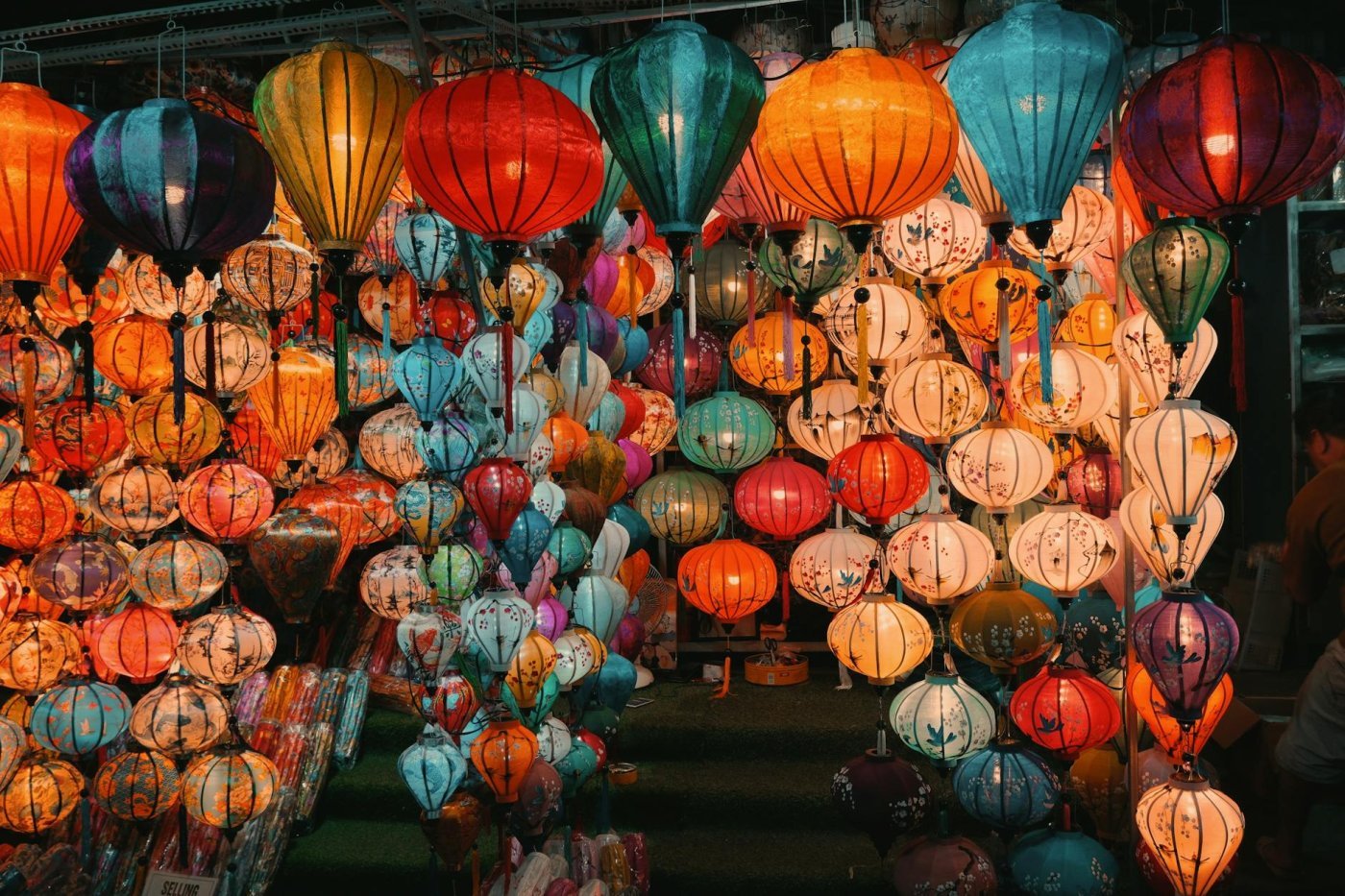
Kampot's significant Chinese-Cambodian community marks the Lunar New Year with temple ceremonies, red lantern displays and firecrackers in the old French quarter. Local restaurants serve traditional dishes and the atmosphere around the market area becomes festive and colourful for several days.
April 2026religious
Khmer New Year (Chaul Chnam Thmey)
Cambodia's most important festival transforms Kampot for three days in mid-April. Families gather, temples fill with offerings, and water games spill into the streets. Visiting Kampot during Khmer New Year offers rare insight into Cambodian community life, though some businesses close temporarily.
May 2026culture
Visak Bochea Buddhist Day
Marking the birth, enlightenment and death of the Buddha, this national holiday brings candlelit processions to Kampot's temples after dark. Locals gather at Wat Kampong Bay and surrounding pagodas; the atmosphere is reflective, beautiful and genuinely moving for travellers who witness it.
June 2026market
Kampot Pepper Harvest Festival
Celebrated at local plantations around Kampot to mark the green pepper harvest season. Farm visits, pepper-cooking demonstrations and tastings bring together local producers and food-curious travellers. A niche but rewarding event for those interested in the provenance of the world's most celebrated peppercorns.
September 2026religious
Pchum Ben (Ancestors' Festival)
Cambodia's most spiritually significant festival spans 15 days, during which families honour deceased relatives at pagodas across Kampot Province. Local temples accept offerings of sticky rice and sweets at dawn. Travellers visiting Kampot during Pchum Ben gain a deeply authentic view of Khmer spiritual life.
October 2026culture
Bon Om Touk (Water Festival)
Celebrating the reversal of the Tonlé Sap River, boat races and riverside festivities mark this national holiday. In Kampot, traditional longboat races are held on the Kampot River with crowds lining the banks.
November 2026music
Kampot Experimental Music Festival
An annual gathering of avant-garde musicians and sound artists that has quietly built a devoted following. Performances take place in unusual Kampot locations — riverside warehouses, garden spaces and colonial courtyards — attracting an eclectic crowd of musicians and culturally curious travellers.
November 2026culture
Independence Day Celebrations
Cambodia's National Independence Day on November 9th is marked in Kampot with flag ceremonies, school parades and evening festivities along the riverside promenade. A low-key but genuine local celebration that gives visitors a snapshot of Cambodian civic identity and community pride.
December 2026market
Kampot Christmas Night Market
In recent years a festive night market has taken root in Kampot's old quarter, drawing expat residents and travellers during the peak shoulder season. Local artisans, food vendors and live music create a relaxed evening atmosphere that reflects the town's creative, multicultural character.
Dorm or basic guesthouse, street food, bicycle rental and free-entry sights; extremely comfortable on this allowance in Kampot.
€€ Mid-range
€25–45/day
Private room with air conditioning, restaurant meals, guided tours and tuk-tuk transport; this covers virtually everything Kampot offers.
€€€ Comfort
€45+/day
Boutique guesthouse, fine dining at Rikitikitavi, private driver excursions; Kampot's top tier remains exceptional value for Europeans.
Getting to and around Kampot (Transport Tips)
By air: Kampot has no commercial airport. The nearest international hub is Phnom Penh International Airport (PNH), approximately 148 kilometres north. Sihanoukville Airport (KOS) is closer at around 105 kilometres but has fewer international connections. Most travellers fly into Phnom Penh and continue overland.
From the airport: From Phnom Penh, direct express buses to Kampot depart several times daily from the Sorya Bus Terminal and take approximately 3.5 to 4 hours, costing around $6–10. Shared taxis are faster at 2.5 hours but less comfortable. From Sihanoukville, minivan transfers to Kampot take roughly 2 hours and cost $5–8. Private taxi transfers from Phnom Penh cost around $50–70 and are bookable in advance through guesthouses.
Getting around the city: Kampot town is best explored by bicycle, which can be rented for $1–3 per day from virtually any guesthouse. Tuk-tuks are the preferred option for longer journeys to Bokor Hill Station, Kep or distant pepper farms, and drivers are easily arranged through accommodation. Motorbike rental is available for experienced riders at around $7–12 per day. The town centre is compact and fully walkable, which makes Kampot one of Southeast Asia's easiest towns to navigate without any motorised transport.
Transport Safety & Scam Prevention:
Negotiate Tuk-Tuk Fares Upfront: Always agree the price for tuk-tuk journeys before departing, particularly for Bokor Hill Station trips where drivers sometimes quote low prices and later request additional fuel supplements. A full-day Bokor hire should cost $20–30 inclusive.
Bus Booking via Guesthouses: Book onward buses to Phnom Penh or Sihanoukville through your guesthouse rather than street touts, who sometimes add unnecessary commission or misrepresent departure times and drop-off locations. Reliable operators include Giant Ibis and Phnom Penh Sorya.
Pepper Authenticity: Genuine Kampot pepper carries a Geographic Indication label. Market sellers occasionally offer cheaper generic Cambodian pepper under the Kampot name. Buy certified pepper directly from La Plantation or another registered farm to ensure authenticity and proper farmer compensation.
Do I need a visa for Kampot?
Visa requirements for Kampot depend on your nationality. Select your passport below for an instant answer — based on the Passport Index dataset for entry into Cambodia.
ℹ️ Indicative only. Always verify with the official consulate before booking. Data: Passport Index, April 2026.
For detailed requirements, documentation checklists and processing times by nationality: TravelDoc →
Search & Book your trip to Kampot
Find the best flight routes and hotel combinations using our partner Kiwi.com.
Frequently Asked Questions
Is Kampot safe for tourists?
Kampot is considered one of Cambodia's safer destinations for travellers. Petty theft is the primary concern rather than violent crime, and the town's small size and tight-knit expat community mean incidents are generally rare and quickly known. Standard precautions apply: avoid displaying expensive cameras or jewellery, use a lockable bag for valuables, and be cautious on motorbikes at night on unlit roads. Solo female travellers report feeling comfortable in Kampot, particularly in the main riverfront and old quarter areas.
Can I drink the tap water in Kampot?
Tap water in Kampot is not safe to drink and all travellers should use bottled or filtered water. Most guesthouses provide drinking water dispensers as standard. To reduce plastic waste, carry a reusable bottle and refill at accommodation rather than buying single-use plastic bottles repeatedly. Ice in established restaurants and cafés is generally produced from filtered water and considered safe by most long-term residents.
What is the best time to visit Kampot?
The best time to visit Kampot is between December and April, during Cambodia's dry season. January through March offers the most reliable weather: warm, sunny days with low humidity and almost no rainfall. This window is ideal for cycling, Bokor Hill Station excursions and firefly trips. April brings the hottest temperatures before the rains arrive. November and December are excellent shoulder months — landscapes are lush and green after the monsoon, prices are lower and crowds are thinner. The wet season from May to October brings heavy daily rains but also dramatic scenery and rock-bottom accommodation prices.
How many days do you need in Kampot?
Three days covers the essential Kampot itinerary comfortably: one day for Bokor Hill Station, one for pepper farm tours and the old town, and one for a kayak trip and the evening firefly experience. However, Kampot is notorious for extending visits — the combination of low costs, excellent food, good company and a genuinely relaxing atmosphere means many travellers who plan three nights end up staying a week or longer. Five days allows you to add a Kep day trip, deeper cycling into the countryside and more leisurely mornings. Ten days or more suits those seeking a genuine slow-travel base in Southeast Asia.
Kampot vs Kep — which should you choose?
Kampot and Kep are only 30 kilometres apart and complement each other beautifully rather than competing directly. Kampot is a proper town with a range of accommodation, restaurants, nightlife and cultural sights including the colonial French quarter and Bokor Hill Station — it works as a multi-day base. Kep is a tiny, soporific coastal village famous almost exclusively for its fresh pepper crab shacks and a small national park; it suits a day trip or a single quiet overnight. Most travellers base themselves in Kampot and visit Kep for lunch. If you have only one choice, Kampot offers considerably more to do across several days.
Do people speak English in Kampot?
English is widely spoken in Kampot's tourist-facing businesses — guesthouses, restaurants, cafés, tour operators and tuk-tuk drivers who work with travellers have generally good English communication skills. Away from the main traveller strip, in local markets and residential areas, English is less common, but Cambodians are typically patient and communicative through gesture and goodwill. Learning a few basic Khmer phrases — 'aw-kun' (thank you) and 'som-toh' (excuse me) — is warmly appreciated and tends to generate genuine smiles across Kampot.
★ Hidden Gems Weekly
Like this? One place per week, in your inbox.
No spam, no fluff — just one underrated destination, every Tuesday.
Hand-picked and verified by Max, who founded Vacanexus from Luxembourg in 2026. No sponsorships, no paid placements. Every recommendation — restaurants, neighbourhoods, things to do — is selected for authenticity over popularity.