Kanazawa Travel Guide — Japan's most refined city, utterly uncrowded
⏱ 12 min read📅 Updated 2026💶 €€€ Comfort✈️ Best: Apr–May
€120–250/day
Daily budget
April–May
Best time
4–6 days
Ideal stay
JPY (¥)
Currency
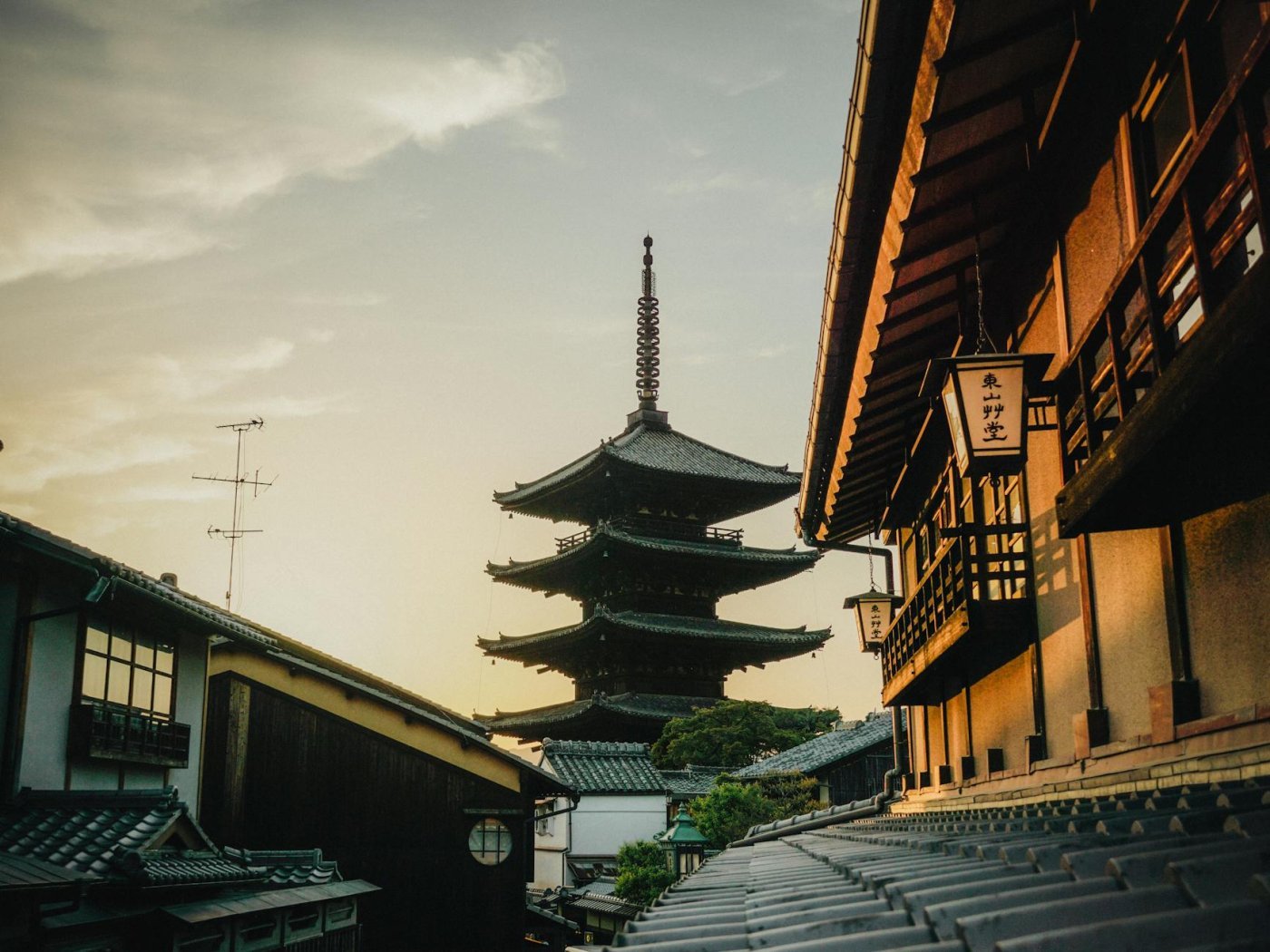
Step into Kanazawa and something immediately shifts. The air carries the faint mineral scent of the Japan Sea, paper lanterns sway above cobblestone lanes, and the sound of a shamisen drifts from behind a latticed wooden façade. This is a city where time bends gently, where 400-year-old teahouses still host quiet ceremonies and geisha — called geiko here — still perform in the amber glow of evening. Kanazawa, the feudal capital of the Kaga domain, survived World War II without a single aerial bombing, leaving its Edo-period architecture intact and almost impossibly beautiful.
Visiting Kanazawa is routinely described by those who've been to Kyoto as the superior experience — and not without reason. Where Kyoto draws millions and forces you to queue at dawn for a photograph, things to do in Kanazawa unspool at a civilized pace: a private scroll through Kenroku-en's moss-covered paths, an unhurried bowl of matcha inside a machiya townhouse, an afternoon lost in the 21st Century Museum of Contemporary Art. Positioned on Honshu's rugged Hokuriku coast, Kanazawa rewards travelers who value depth over Instagram checkboxes and authenticity over spectacle.
✦ Find your perfect destination
Is Kanazawa really your perfect match?
Answer 12 quick questions about your travel style, budget and dates — we match you with the destinations that fit you best, from 600+ worldwide.
Kanazawa has spent centuries producing art — Noh theater, lacquerware, Kutani porcelain, Kaga silk dyeing — and that creative DNA saturates every corner of the city. Unlike the over-touristed cultural capitals of Japan, Kanazawa still feels genuinely lived-in. Local families queue at Omicho Market on Saturday mornings, artisans take apprentices in centuries-old workshops, and a world-class contemporary museum draws international artists without ever overwhelming the streets outside. The city's compact scale means you can walk between a samurai district, a geisha quarter, and a clifftop garden within twenty minutes — and rarely share the path with more than a handful of fellow travelers.
The case for going now: The Hokuriku Shinkansen extension opened to Tsuruga in March 2024, slashing onward connections from Tokyo and making Kanazawa easier to fold into a Japan itinerary than ever before. International visitor numbers remain a fraction of Kyoto's, meaning 2026 is still the moment to experience the city before luxury hotel investment and viral social content change its character. Yen weakness continues to make Japan exceptional value for European travelers, stretching a mid-range budget considerably.
🌿
Kenroku-en Garden
One of Japan's three great landscape gardens, Kenroku-en dazzles in every season with centuries-old pine trees, stone lanterns reflected in mirror-still ponds, and winding gravel paths that demand slow, deliberate exploration.
🏮
Higashi Chaya District
Kanazawa's most atmospheric geisha district is a preserved row of two-storey ochaya teahouses where latticed wooden screens filter afternoon light and you can sip matcha in the same rooms that entertained Kaga lords.
✨
Gold-Leaf Crafts
Kanazawa produces 99% of Japan's gold leaf, and the city wears this distinction proudly — from gilded ice cream cones at Hakuichi to hands-on gold-leaf hammering workshops where you press wafer-thin sheets onto lacquer boxes.
🐟
Omicho Market
The Omicho covered market has supplied Kanazawa's kitchens since the 18th century. Crab claws gleam under fluorescent lights, vendors shout seasonal specials, and upstairs sushi counters serve the freshest seafood bowls outside Tokyo's Tsukiji.
Kanazawa's neighbourhoods — where to focus
Historic Heart
Kenroku-en & Kanazawa Castle Area
The geographic and cultural core of Kanazawa, this hilltop quarter anchors the city's identity. The sprawling castle park, rebuilt Ishikawa-mon gate, and the garden's UNESCO-nominated landscape make this the essential first stop for any visitor. Museums cluster nearby, including the iconic 21st Century Museum of Contemporary Art.
Geisha Quarter
Higashi Chaya
Kanazawa's largest and best-preserved geisha district rewards slow, phone-free walks. The main street of ochaya teahouses opens partly to the public during daylight hours, and side lanes hide independent gold-leaf shops, craft galleries, and hushed kissaten coffee bars that feel entirely removed from the modern world.
Samurai District
Nagamachi
Earthen walls, narrow canals, and preserved samurai residences define Nagamachi, Kanazawa's former warrior quarter. The Nomura Clan Samurai House opens its garden and antique interior to visitors, while nearby kaga-yuzen silk-dyeing studios allow you to watch artisans hand-paint floral patterns onto raw silk using techniques unchanged for 300 years.
Contemporary Edge
Katamachi & Korinbo
Kanazawa's modern commercial spine runs through Katamachi and Korinbo, where department stores and izakaya bars share blocks with independent boutiques and creative offices. This is where locals eat after dark — standing ramen counters, craft sake bars, and rowdy yakitori joints that stay open past midnight and welcome foreign guests warmly.
Top things to do in Kanazawa
1. Walk Kenroku-en at Dawn
Arriving at Kenroku-en when the gates open — in spring, often as early as 7am — means experiencing the garden in near-solitude, mist still lifting from the Kasumigaike Pond, the resident crows just beginning their morning complaints. The garden's name translates as 'garden of six attributes': spaciousness, seclusion, artifice, antiquity, water, and panorama. All six are immediately apparent. Follow the stepping stones around the central pond, pause at the iconic two-legged Kotoji stone lantern that appears on half the souvenirs in the city, and climb to the upper path for a view across Kanazawa's low rooftops to the distant Sea of Japan. In late April, the weeping cherry trees near the eastern gate are among the most quietly devastating sights in Japanese spring.
2. Explore the 21st Century Museum
Kanazawa's 21st Century Museum of Contemporary Art is one of the most architecturally and intellectually stimulating museums in Asia, and the fact that it sits in a mid-sized Japanese city rather than Tokyo or Osaka is part of what makes it so compelling. Designed by SANAA architects Kazuyo Sejima and Ryue Nishizawa as a perfectly circular glass building with no obvious entrance or hierarchy, the museum dissolves the boundary between public plaza and exhibition space. The permanent collection includes James Turrell's immersive light room and Leandro Erlich's Swimming Pool installation — one of the most photographed artworks in Japan, in which visitors appear to stand underwater. Allow at least two hours, and book timed tickets for the permanent collection in advance online.
3. Discover Omicho Market & Seafood
Kanazawa's position on the Sea of Japan coast means its fish market, Omicho Ichiba, operates at a different scale of freshness from anything you'll find inland. The covered arcade has functioned as the city's kitchen since 1721, and on weekday mornings it fills with local chefs, fishmongers barking prices, and the occasional bleary-eyed tourist who made the wise decision to get here before the tour buses. The market specializes in Kaga region specialties: zuwaigani snow crab (in season November through March), fresh nodoguro black-throat sea perch, and vivid orange buri yellowtail. A cluster of second-floor seafood restaurants above the market stalls serves kaisendon — seafood bowls — at prices that feel almost unreasonably fair given the quality. This is among the unmissable things to do in Kanazawa regardless of budget.
4. Attend a Noh Theater Performance
Kanazawa's relationship with Noh theater is uniquely deep: the Kaga lords actively patronized the art form for centuries, and the city today has more registered Noh performers per capita than any other Japanese city. The Ishikawa Prefectural Noh Theater in the castle park area hosts regular public performances, and visiting Kanazawa without at least attending one is a missed opportunity of some magnitude. The masks, layered silk costumes, pine-backdrop stage, and hypnotically slow choreography constitute an aesthetic experience entirely unlike anything in Western performance tradition. Performances are generally announced in Japanese, but the tourist office near the Kanazawa Station maintains an English-language calendar. Even visitors with no prior knowledge of Noh consistently describe the experience as one of the most memorable moments of a Japan itinerary.
What to eat in the Kaga region — the essential list
Kaisendon
A bowl of steaming rice blanketed with the morning's market catch — snow crab, salmon roe, sea urchin, yellowtail. Omicho Market's upstairs restaurants serve Kanazawa's most affordable and freshest version of this iconic dish.
Jibuni
Kanazawa's signature hot dish, jibuni features duck or chicken simmered in a thickened dashi broth with fu wheat gluten, seasonal vegetables, and wasabi stirred in at the table. Rich, umami-heavy, and entirely local — you'll rarely find it outside the Kaga region.
Gold-Leaf Ice Cream
Hakuichi and its competitors have turned edible gold leaf into Kanazawa's most photographed food item — a soft-serve cone wrapped in a shimmering sheet of 24-karat gold. It tastes of excellent vanilla with added theatre, and the theatre is very much the point.
Nodoguro
Black-throat sea perch, or nodoguro, is the prestige fish of the Sea of Japan coast. Its fat-marbled white flesh is served grilled, sashimi-style, or in a clear dashi soup. Local chefs treat it with the reverence Osaka reserves for fugu.
Kaga Tofu Dishes
The Kaga region produces exceptionally silky tofu owing to the pure mountain water flowing from the Hakusan range. Local restaurants serve it deep-fried, simmered in kombu broth, or simply chilled with grated ginger — a quietly revelatory experience for tofu skeptics.
Kanazawa Curry
An obsession unique to the city, Kanazawa curry is darker, richer, and more sauce-heavy than Tokyo or Osaka styles, always served on a flat metal plate with a finely shredded cabbage side. Go-Curry and its rivals maintain hour-long queues at lunchtime.
Where to eat in Kanazawa — our top 4 picks
Fine Dining
Tsuki no Shizuku
📍 1-1 Marunouchi, Kanazawa, Ishikawa
An intimate kaiseki counter within the Kanazawa Castle park precinct area, Tsuki no Shizuku offers seasonal tasting menus built entirely around Kaga ingredients — snow crab, yuzu, local wagyu, Noto Peninsula vegetables. The lacquerware presentation is itself a cultural education. Reservations essential.
Fancy & Photogenic
Hakuichi Higashiyama
📍 2-6-10 Higashiyama, Kanazawa, Ishikawa
The flagship gold-leaf experience in Kanazawa: a converted ochaya teahouse where every dessert, every matcha, and every corner of the dining room seems to be touched with gold. The interiors — gilded screens, tatami floors, garden views — are genuinely stunning and justify the premium pricing.
Good & Authentic
Omicho Ichiba Sushi Restaurants
📍 50 Kamiomicho, Kanazawa, Ishikawa
The cluster of sushi and kaisendon counters on the second floor of Omicho Market represents Kanazawa's best value for exceptional seafood. Arrive before 11:30am to avoid the queue, point at whatever looks freshest, and prepare for one of the most satisfying meals of your Japan trip.
The Unexpected
Menya Taiga
📍 2-17-13 Katamachi, Kanazawa, Ishikawa
A ramen shop famous locally for its deeply minerally Sea of Japan seafood broth, finished with house-made noodles and a thick slab of chashu pork. Queues form before opening but move quickly. A bowl costs under ¥1,200 and consistently ranks among Kanazawa's most memorable single dishes.
Kanazawa's Café Culture — top 3 cafés
The Institution
Kaikaro Ochaya
📍 2-8-3 Higashiyama, Kanazawa, Ishikawa
One of the original Higashi Chaya teahouses, Kaikaro opens its ground floor to visitors for a ceremonial matcha and wagashi sweet experience. The interior — red lacquer staircases, gold-screen rooms, antique shamisen instruments on display — is among the most beautiful spaces in Kanazawa and should not be missed.
The Aesthetic Hub
Higashide Coffee
📍 1-3-27 Higashiyama, Kanazawa, Ishikawa
A precision specialty coffee shop occupying a beautifully renovated Meiji-era building on the edge of the Higashi Chaya district. Hand-drip single-origin coffees are served at a cypress wood counter, natural light floods the space through original shoji screens, and the playlist is always exactly right.
The Local Hangout
Cafe Tamaruya Honten
📍 88 Hirosaka, Kanazawa, Ishikawa
A long-running Kanazawa favorite near Korinbo, Tamaruya serves house-roasted coffee alongside homemade Kaga sweets and a rotating selection of seasonal teas. The mismatched vintage furniture and afternoon regulars nursing single cups for hours give it the lived-in warmth that chain cafes can't manufacture.
Best time to visit Kanazawa
Jan
Feb
Mar
Apr
May
Jun
Jul
Aug
Sep
Oct
Nov
Dec
Peak season (Apr–May) — Cherry blossom in Kenroku-en, mild temperatures 14–20°C, festivals at full volumeShoulder season (Mar, Sep–Oct) — Fewer crowds, foliage in autumn, comfortable weather for walkingOff-season — Winter brings heavy snow (picturesque but cold), summer is humid; both have real character for the right traveler
Kanazawa events & festivals 2026
Whether you're planning around a specific celebration or simply want to know what's happening, this guide covers the best events and festivals in Kanazawa — from major annual traditions to cultural highlights worth timing your trip around.
April 2026culture
Kanazawa Hyakumangoku Festival
One of the best Kanazawa festivals and among the Expect a grand procession of over 3,000 participants in Edo-period costume parading through the castle park and city center streets.
April 2026culture
Kenroku-en Cherry Blossom Season
Late March through mid-April, Kanazawa's great garden opens for nocturnal illuminations beneath the blooming cherry trees.
June 2026music
Kanazawa Jazz Street
A beloved annual jazz festival that fills over 30 venues across central Kanazawa with live performances over a late-September weekend. International and Japanese musicians play everything from bebop to fusion in spaces ranging from concert halls to intimate izakaya back rooms — an annual fixture since the 1990s.
September 2026culture
Kanazawa Jazz Street
Returning in September 2026, this long-running festival brings jazz to every corner of Kanazawa — hotel lobbies, outdoor plazas, the 21st Century Museum forecourt. Free outdoor stages and ticketed club nights run in parallel, and the city's craft sake bars extend their hours throughout the weekend.
May 2026culture
Kanazawa Noh Stage Opening Festival
Every May, the Ishikawa Prefectural Noh Theater marks the new cultural season with a special public opening performance featuring the city's most respected Noh troupes. This is an exceptional opportunity to experience full-length Kaga-tradition Noh theater in Kanazawa at its ceremonial best.
November 2026culture
Kanazawa Autumn Foliage Season
From mid-November, Kenroku-en and the castle grounds ignite in gold and crimson. The garden hosts evening illumination events during peak koyo, and the combination of autumn foliage reflected in still garden ponds makes this arguably Kanazawa's second-most spectacular seasonal moment after cherry blossom.
February 2026religious
Setsubun at Oyama Shrine
Kanazawa's Oyama Jinja shrine, dedicated to Lord Maeda Toshiie and topped by a curious Gothic-style lantern tower, hosts the annual Setsubun bean-throwing ceremony in early February. Locals dressed as oni demons are pelted with soybeans to drive out evil — a genuinely participatory cultural event.
December 2026market
Omicho Market Year-End Fair
Every December, Omicho Market surges to its annual peak as Kanazawa families buy zuwaigani snow crab, yellowtail buri, and lacquerware gifts for the New Year season. The market's stalls overflow into the surrounding streets, and the atmosphere of abundance and festivity is unlike any other time of year.
March 2026culture
Hokuriku Shinkansen Spring Campaign
Japan Railways launches its annual spring promotional campaign for the Hokuriku Shinkansen in March, offering reduced fares between Tokyo and Kanazawa. The campaign coincides with early plum blossom season and is the ideal moment to plan a Kanazawa itinerary before the full cherry blossom crowds arrive.
October 2026culture
Kanazawa World Craft Summit
A biennial gathering that transforms Kanazawa into the global center of craft discourse, bringing together artisans, curators, and designers from across Asia and Europe. Kutani porcelain, Wajima lacquerware, and Kaga silk-dyeing demonstrations run alongside international exhibitions in venues throughout the city.
Guesthouse dormitories, market kaisendon bowls, bus passes, free temple gardens, and convenience store onigiri dinners.
€€ Mid-range
€120–180/day
Business hotel twin room, sit-down sushi lunches, paid museum entries, craft workshops, and evening izakaya dinners with sake.
€€€ Luxury
€250+/day
Boutique ryokan with private onsen bath, full kaiseki dinner, geisha performance viewing, personal craft studio sessions, and premium sake pairings.
Getting to and around Kanazawa (Transport Tips)
By air: Kanazawa is most conveniently reached via Komatsu Airport (KMQ), located approximately 40 kilometers south of the city and served by domestic flights from Tokyo Haneda, Sapporo, Naha, and Fukuoka. International travelers typically fly into Tokyo Narita or Osaka Kansai and connect by the Hokuriku Shinkansen, which reaches Kanazawa from Tokyo in approximately 2 hours 30 minutes.
From the airport: From Komatsu Airport, limousine buses run directly to Kanazawa Station approximately every 30 minutes, with the journey taking around 40 minutes and costing ¥1,130. Taxis are available but significantly more expensive at around ¥7,000–9,000. If arriving by Hokuriku Shinkansen, Kanazawa Station is the terminus, placing you immediately in the heart of the city with bus and taxi connections readily available at the east exit.
Getting around the city: Kanazawa's city bus network is the primary way to move between major sightseeing areas, and the Kanazawa Loop Bus (Kenroku-en Loop) covers most tourist destinations on a circular route for ¥200 per ride or ¥500 for a full-day pass. IC cards including Suica and ICOCA work on city buses. The city is compact enough that Kenroku-en, Higashi Chaya, and Nagamachi are all walkable from the castle area within 20 minutes. Rental bicycles are available near the station for ¥500–1,000 per day.
Transport Safety & Scam Prevention:
Unlicensed Taxi Touts: At Kanazawa Station, unlicensed drivers occasionally approach tourists offering cheaper fares. Always use the official taxi rank on the east exit — licensed Kanazawa taxis have meters and are uniformly honest and reliable. Refuse any approach inside the station building.
Over-Charging at Souvenir Shops: Gold-leaf souvenir prices vary enormously between shops within Higashi Chaya district — some small stalls charge two to three times the market rate. Compare prices at the Hakuichi flagship store near the geisha quarter before buying, as it sets the baseline for fair pricing in Kanazawa.
Unofficial Tour Guides: Around Kenroku-en and the castle park, individuals occasionally offer unsolicited walking tours for cash and provide inaccurate historical information. The Kanazawa tourism office near the station provides a free official English-language guide service that can be booked in advance — use that instead.
Do I need a visa for Kanazawa?
Visa requirements for Kanazawa depend on your nationality. Select your passport below for an instant answer — based on the Passport Index dataset for entry into Japan.
ℹ️ Indicative only. Always verify with the official consulate before booking. Data: Passport Index, April 2026.
For detailed requirements, documentation checklists and processing times by nationality: TravelDoc →
Search & Book your trip to Kanazawa
Find the best flight routes and hotel combinations using our partner Kiwi.com.
Frequently Asked Questions
Is Kanazawa safe for tourists?
Kanazawa is extremely safe for tourists — among the safest mid-sized cities in Japan, which already ranks as one of the safest countries in the world. Petty crime is virtually nonexistent, and solo travelers including women report feeling entirely comfortable navigating the city day and night. The only genuine risks are the usual ones: watch for bicycles on shared pedestrian paths and be cautious on slippery cobblestones in the Higashi Chaya district after rain. Emergency services and the tourist police booth near Kanazawa Station have English-speaking staff available.
Can I drink the tap water in Kanazawa?
Yes — Kanazawa's tap water is clean, safe, and notably excellent in quality. The city draws its water supply from the Hakusan mountain range, and locals take genuine pride in its purity. This mineral-rich mountain water is credited with the exceptional quality of Kanazawa's tofu, sake brewing, and tea ceremony culture. You can refill bottles freely throughout the city. Bottled water is widely available at convenience stores for around ¥100 if preferred, but there is no health reason to avoid the tap.
What is the best time to visit Kanazawa?
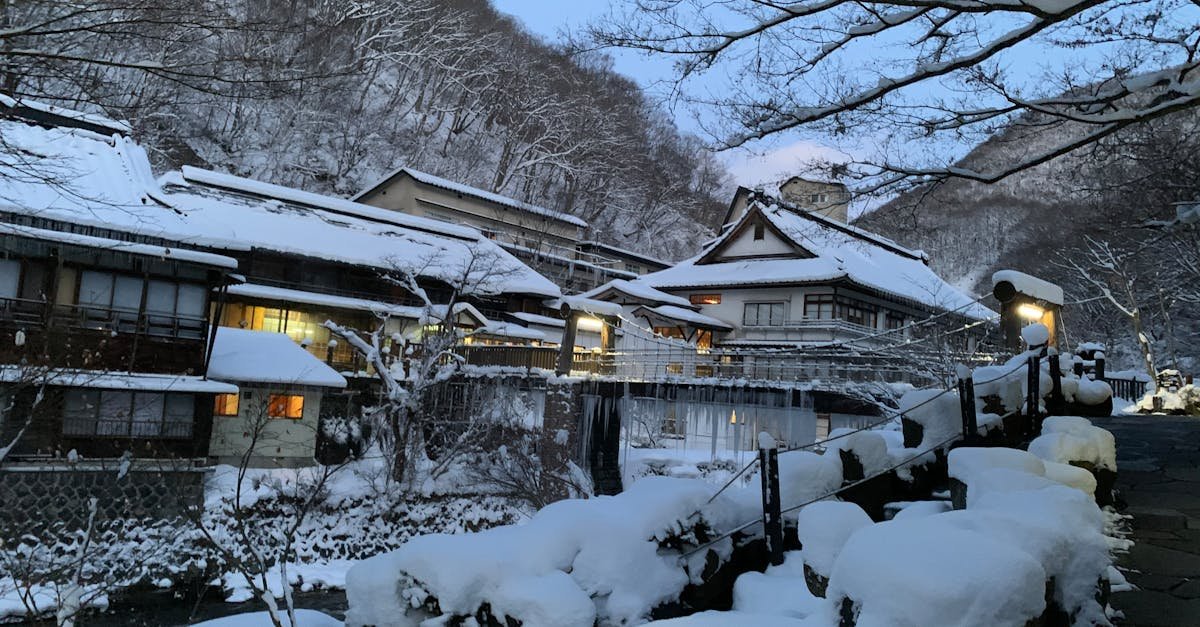
The best time to visit Kanazawa is late March through early May, when cherry blossoms transform Kenroku-en into one of Japan's most beautiful spring landscapes and temperatures sit comfortably between 14–20°C. Late September and October offer equally rewarding conditions with early autumn foliage and fewer visitors than spring. Winter (December–February) brings heavy snowfall that creates a genuinely magical atmosphere in the preserved districts — particularly the Higashi Chaya area — but cold temperatures and reduced transport options require preparation. Summer is humid and occasionally rainy, making spring and autumn the clear consensus favorites for a Kanazawa itinerary.
How many days do you need in Kanazawa?
Four to five days is the ideal duration for a Kanazawa trip that covers the essential sights without rushing. Two days allows you to tick Kenroku-en, Higashi Chaya, Omicho Market, and the 21st Century Museum — the core Kanazawa itinerary. Add a third day for the Nagamachi samurai district, a gold-leaf workshop, and an evening Noh performance. A fourth or fifth day opens the door to excellent day trips: the Noto Peninsula coast (90 minutes by bus), the lacquerware town of Wajima, or a cable-car ascent toward the Hakusan sacred mountain. Ten days in Kanazawa, for the genuinely dedicated, peels back layers that reward the patient traveler enormously.
Kanazawa vs Kyoto — which should you choose?
The core difference is density — of visitors and of expectation. Kyoto is Japan's canonical cultural capital, and its temples, geisha districts, and gardens are undeniably magnificent. But visiting Kyoto today means strategic 5am queue management at Fushimi Inari, shoulder-to-shoulder crowds along the Philosopher's Path, and accommodation prices that have risen sharply with demand. Kanazawa delivers comparable cultural depth — preserved geisha quarters, feudal-era gardens, world-class craft traditions — at a fraction of the visitor density and often at better value. If you've never been to Japan, Kyoto is probably the right first choice. If you've been once and want to go deeper into Japanese culture without the crowds, Kanazawa is almost certainly the superior destination.
Do people speak English in Kanazawa?
English proficiency in Kanazawa is basic compared to Tokyo or Osaka, but the city is well set up for international visitors in practical terms. Kanazawa Station has English-language signage and a multilingual tourist information office. Major museums including the 21st Century Museum of Contemporary Art provide English audio guides and printed materials. Most restaurant menus in tourist areas have English or picture menus, and Google Translate's camera function handles anything else reliably. Younger locals in the hospitality industry often speak conversational English, and all Japanese are invariably patient and willing to help through gesture and smartphone translation.
★ Hotel guide
Where to stay in Kanazawa
7+ hand-picked hotels across luxury, mid-range and budget — verified by Max.
Hand-picked and verified by Max, who founded Vacanexus from Luxembourg in 2026. No sponsorships, no paid placements. Every recommendation — restaurants, neighbourhoods, things to do — is selected for authenticity over popularity.