⏱ 11 min read📅 Updated 2026💶 €€ Mid-Range✈️ Best: Apr–May
€50–120/day
Daily budget
Apr–May & Oct–Nov
Best time
3–5 days
Ideal stay
JPY (¥)
Currency
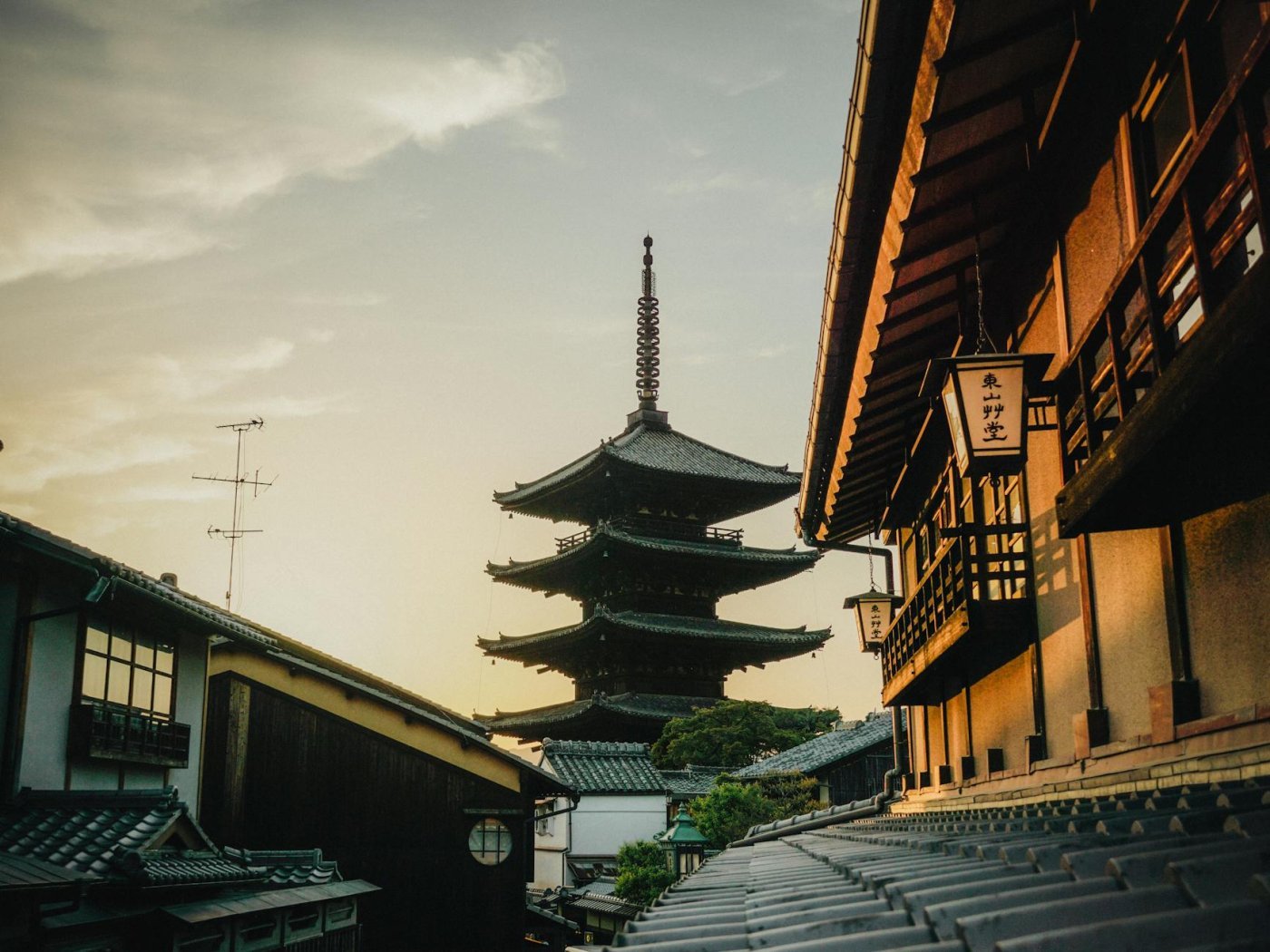
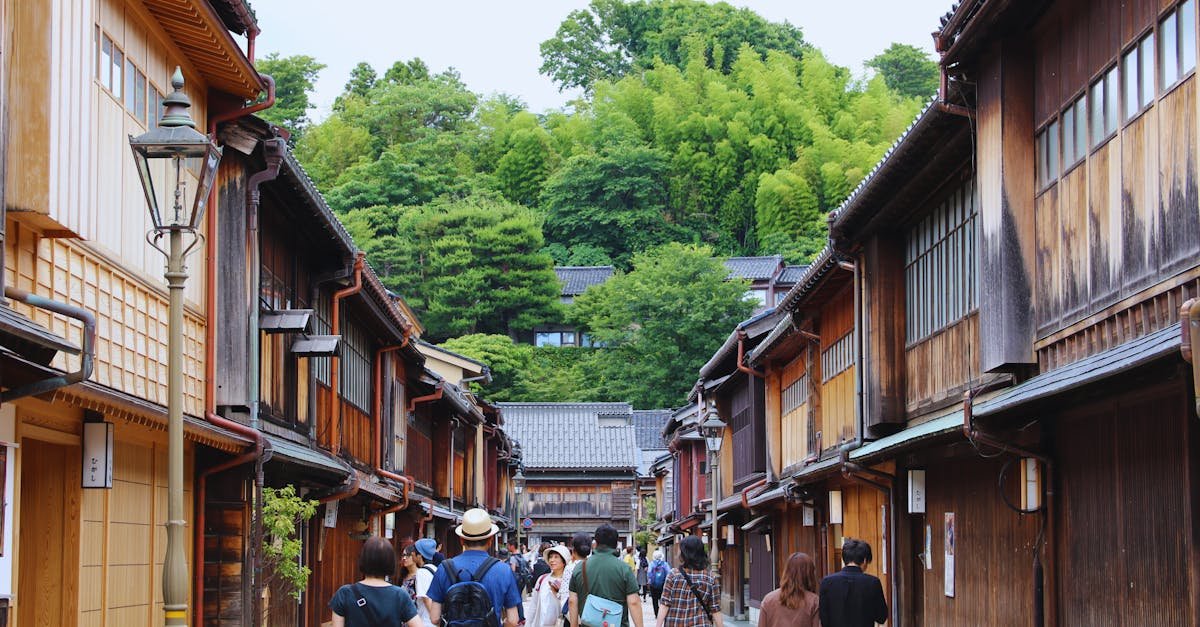
Tucked into the folds of the Japan Alps at over 500 metres elevation, Takayama is a town that moves at the pace of morning mist drifting off the Miyagawa River. The scent of cedar and sake drifts along Sanmachi Suji, the immaculately preserved merchant quarter where dark-timbered facades have stood since the Edo period. Street vendors ladle steaming mitarashi dango from earthenware pots, and the distant creak of a hand-drawn cart carries you back three centuries. Takayama earns its reputation as one of Japan's most atmospheric historic towns not through spectacle but through texture — the grain of old wood, the clink of sake barrels, the unhurried ritual of a craft market at dawn.
Visiting Takayama sets it apart immediately from Kyoto's choreographed temple circuits or Tokyo's relentless density. Things to do in Takayama reward the curious and the slow: wandering Jinya-mae morning market with local farmers, tasting Hida beef sashimi at a centuries-old sake brewery, or riding a retro bus into the snow-capped Shirakawa-go valley to stand beneath a farmhouse thatched like a praying monk's hands. The town itself is compact and walkable, yet the surrounding Hida region offers mountain scenery, folk villages, and an onsen culture that could absorb a week without repetition. For European travellers seeking authentic Japan without the tour-group queues, Takayama is the answer.
✦ Find your perfect destination
Is Takayama really your perfect match?
Answer 12 quick questions about your travel style, budget and dates — we match you with the destinations that fit you best, from 600+ worldwide.
Takayama sits in a category almost entirely its own: a feudal merchant town so well-preserved that UNESCO and Japan's Agency for Cultural Affairs have both placed it under special protection. Unlike reconstructed heritage districts, Sanmachi Suji has been continuously inhabited and commercially active since the 1600s, lending it an unforced authenticity that travellers feel instinctively. Takayama also serves as the gateway to Shirakawa-go's World Heritage gassho-zukuri villages, the Kamikochi alpine plateau, and Hida Folk Village — meaning culture, nature, and cuisine converge in one compact base.
The case for going now: Takayama's international profile is rising sharply, yet visitor numbers remain a fraction of Kyoto's. The yen remains historically weak against the euro, making this an exceptional value moment for European travellers. New direct highway bus routes from Nagoya and Osaka launched in 2024 cut journey times significantly, and several boutique machiya guesthouses opened in restored townhouses, offering a quality of stay unavailable just five years ago.
🏮
Sanmachi Suji Stroll
Duck inside the preserved Edo merchant quarter where sake breweries, craft shops and lacquerware boutiques line three centuries-old streets. Kusakabe Folk Museum anchors the northern end.
🥩
Hida Beef Tasting
Hida beef rivals Kobe in marbling yet remains far less famous. Sample it as sashimi, grilled skewers at the morning market, or a full kaiseki course at a dedicated sukiyaki restaurant.
🏔️
Shirakawa-go Village
A 50-minute bus ride delivers you to this UNESCO-listed valley of gassho-zukuri thatched farmhouses. Winter brings postcard snowscapes; spring coats the valley in cherry blossom.
🎏
Takayama Festival
Held every April and October, this is one of Japan's most celebrated festivals, featuring lacquered float shrines called yatai paraded through Takayama's historic core to taiko drums.
Takayama's neighbourhoods — where to focus
Historic Core
Sanmachi Suji
The soul of old Takayama, this three-street merchant district runs parallel to the Enako River, its dark cedar townhouses housing sake breweries, miso shops and folk-craft galleries. Arrive before 9 a.m. to see it without crowds and catch the cedar-scented quiet that defines Takayama's character.
Market & River
Jinya-mae & Miyagawa
The Jinya-mae morning market, held daily along the old magistrate's office, sells pickled vegetables, wildflower honey, handmade ceramics and fresh tofu. Across the Miyagawa River, the Miyagawa Morning Market runs parallel, attracting local farmers and artisans with seasonal mountain produce.
Hilltop Temples
Higashiyama Walking Course
A 3.5-kilometre trail threads through thirteen temples and five shrines on the eastern hillside, passing mossy stone lanterns and bamboo groves. The route offers partial views over Takayama's rooftops and is best walked at sunrise when temple bells echo through the cedar forest above the town.
Open-Air Museum
Hida Folk Village
A short bus ride from central Takayama, Hida no Sato is an open-air museum of over 30 relocated gassho-zukuri farmhouses set on a forested hillside. Demonstrations of straw-weaving and regional crafts run daily, and the village looks spectacular in cherry blossom season and under winter snow.
Top things to do in Takayama
1. #1 — Explore Sanmachi Suji at Dawn
The best time to walk Sanmachi Suji is the hour after sunrise, before the tour buses arrive from Nagoya. The three parallel lanes — Ichi-no-machi, Ni-no-machi and San-no-machi — are lined with sake breweries advertising their wares with cedar-ball bundles called sugidama hanging above doorways. When the sugidama is fresh and green, the new-season sake is brewing; golden brown means it has aged to maturity. Stop into Funasaka Sake Brewery, one of Takayama's oldest operating kuras, for a tasting flight that ranges from dry junmai to a rich, amber umeshu. The Kusakabe Folk Museum nearby occupies a merchant house built in 1879 and displays the lacquerware and silk-trade artifacts that once made Takayama one of Japan's wealthiest interior towns. Allow two unhurried hours.
2. #2 — Morning Market Ritual
Takayama's morning markets are among the most authentic in Japan, a genuine commercial tradition rather than a tourist installation. The Jinya-mae Morning Market operates daily from 7 a.m. to noon in front of the old Takayama Jinya magistrate's office, where local farmers sell sansai mountain vegetables, handmade tofu, pickled fuki stems and regional miso by the jar. Across the Miyagawa River, the Miyagawa Morning Market runs the same hours with a slightly wider craft selection including Hida lacquerware, wooden kokeshi dolls and dried persimmons strung like amber necklaces. Buy a bag of roasted chestnuts and a paper cup of warm amazake (a lightly fermented rice drink) to sip as you browse — this is Takayama itinerary planning at its most rewarding.
3. #3 — Day Trip to Shirakawa-go
No Takayama travel guide would be complete without the Shirakawa-go day trip. Nohi Bus runs frequent departures from Takayama Bus Terminal, reaching the UNESCO World Heritage village of Ogimachi in approximately 50 minutes. The gassho-zukuri farmhouses, named for the way their steep thatched roofs resemble hands pressed together in prayer, were engineered over centuries to survive the Japan Alps' crushing winter snowfall. The Wada House, the largest in the village, opens its interior for a self-guided tour revealing silkworm-rearing equipment and irori sunken hearths. The Shiroyama viewpoint above the village delivers the classic panoramic shot. Return to Takayama by late afternoon in time to catch the last of the Sanmachi Suji shops before dinner — the full loop works perfectly as a single day's Takayama itinerary entry.
4. #4 — Hida Folk Village & Onsen Evening
Hida no Sato Folk Village, located a 10-minute bus ride from central Takayama, gathers over 30 traditional farmhouses relocated from remote mountain valleys that were flooded by dam construction in the 20th century. Each building has been reassembled on a hillside overlooking a lily pond, and local artisans demonstrate straw-weaving, wood-carving and traditional toy-making inside the farmhouses throughout the day. The site is especially striking in late April when cherry trees frame the thatched rooflines. After the village, round out the afternoon with an onsen soak — Hida Takayama Onsen, a cluster of small bath facilities scattered around the town, uses water piped from mountain springs. Hirase Onsen, a short drive away, offers rotenburo outdoor baths with valley forest views, perfect for washing away walking fatigue as darkness settles over the Alps.
What to eat in the Hida Region — the essential list
Hida Beef
Hida beef comes from native Hida cattle raised in Gifu's mountain valleys and achieves extraordinary marbling comparable to Kobe. Try it as nigiri sushi at the morning market, grilled over binchotan charcoal, or in a rich sukiyaki hot pot.
Mitarashi Dango
These skewered rice-flour dumplings brushed with a salty-sweet soy glaze are Takayama's most beloved street food. Vendors at both morning markets grill them fresh to order; the charred, sticky coating makes them irresistible on a cold mountain morning.
Hoba Miso
A Hida regional specialty, hoba miso is a paste of miso, mushrooms, spring onion and sometimes Hida beef, grilled tableside on a dried magnolia leaf over charcoal. The leaf imparts an earthy, woody fragrance that perfumes the entire dish.
Sansai Tempura
Wild mountain vegetables — fiddlehead ferns, butterbur shoots and field horsetail — are battered and fried to a featherlight crunch in spring. Sansai tempura sets served at local restaurants capture the fleeting taste of Hida alpine foliage.
Sake from Hida
Takayama's cold, pure snowmelt water is ideal for brewing sake, and the town sustains six active kuras. Look for the Watanabe, Funasaka and Niu brands; many offer tasting rooms where you can compare junmai, ginjo and aged varieties for a few hundred yen.
Sukiyaki Udon
A local hybrid dish in which fat, hand-cut udon noodles are simmered in sukiyaki-style broth with thinly sliced Hida beef and tofu. Warming and deeply savoury, it is a staple winter dish found at small family-run restaurants throughout central Takayama.
Where to eat in Takayama — our top 4 picks
Fine Dining
Kakusho
📍 2-98 Babacho, Takayama, Gifu 506-0011
Kakusho is Takayama's most revered kaiseki restaurant, serving multi-course shojin-inspired cuisine in a 300-year-old Buddhist-affiliated building. The set courses change with the mountain seasons and feature regional ingredients elevated by classical Japanese technique. Reservations weeks in advance are essential.
Fancy & Photogenic
Le Midi
📍 1-64 Soricho, Takayama, Gifu 506-0851
A charming Franco-Japanese bistro tucked into a converted machiya townhouse, Le Midi plates Hida beef with French technique and Hida alpine produce in a candlelit dining room of exposed cedar beams and linen napkins. The lunch menu offers remarkable value for the setting.
Good & Authentic
Suzuya
📍 24 Hanakawamachi, Takayama, Gifu 506-0011
Suzuya has been serving regional Hida cuisine since the 1960s and remains the most honest introduction to local food in Takayama. Order the hoba miso teishoku set — miso paste grilled on a magnolia leaf alongside Hida beef slices, pickles and rice — at a sunken irori hearth table.
A standing-room market stall grilling Hida beef nigiri and croquettes over open charcoal right beside the magistrate's office. At ¥400–600 per skewer, it is arguably the best-value luxury food experience in Japan — the marbled beef practically melts before you finish the first bite.
Takayama's Café Culture — top 3 cafés
The Institution
Kissaten Basso
📍 1-5 Kamisannomachi, Takayama, Gifu 506-0845
An old-school Showa-era coffee shop in the heart of Sanmachi Suji that has been pulling siphon coffee since the 1970s. Dark wood panelling, vinyl jazz records and an owner who measures every gram make this Takayama's most meditative caffeine ritual.
The Aesthetic Hub
Café Nakamura-ya
📍 1-1 Kamisannomachi, Takayama, Gifu 506-0845
Set inside a lovingly restored Edo-era merchant house, Nakamura-ya serves matcha latte, houjicha soft-serve and wagashi sweets on lacquered trays in rooms with sliding shoji screens overlooking a small courtyard garden. Instagrammable without being contrived.
The Local Hangout
Café Coeur
📍 53-1 Tenshoji-machi, Takayama, Gifu 506-0832
A neighbourhood café east of the historic district where Takayama locals actually come to work and read. Simple pour-over coffee, seasonal fruit tarts made with Hida produce, and free Wi-Fi make this the best spot to plan your next day or decompress after the morning market rush.
Best time to visit Takayama
Jan
Feb
Mar
Apr
May
Jun
Jul
Aug
Sep
Oct
Nov
Dec
Peak season (Apr–May cherry blossom & festivals; Oct autumn foliage & Takayama Festival)Shoulder season (Mar & Nov — crisp, quiet, good value)Off-peak (Jun–Sep summer heat and crowds; Dec–Feb deep snow, cold but magical)
Takayama events & festivals 2026
Whether you're planning around a specific celebration or simply want to know what's happening, this guide covers the best events and festivals in Takayama — from major annual traditions to cultural highlights worth timing your trip around.
April 2026culture
Takayama Spring Festival (Sanno Matsuri)
Held on 14–15 April, the Sanno Matsuri at Hie Shrine is one of Japan's three most beautiful festivals. Eleven enormous lacquered yatai floats, some over 400 years old, are paraded through Takayama's historic streets accompanied by mechanical karakuri puppets, taiko drums and sacred lion dances. Things to do in Takayama in April don't get more spectacular.
May 2026culture
Hida Furukawa Spring Festival
Held in late April into early May, the Furukawa Festival in nearby Furukawa town features an extraordinary nighttime okoshi-daiko drum ritual where teams of men compete to mount a great barrel drum. The event is raw, physical and unlike anything else in the Hida region calendar.
October 2026culture
Takayama Autumn Festival (Hachiman Matsuri)
The October counterpart to the spring Sanno Matsuri, the Hachiman Matsuri takes place on 9–10 October at Sakurayama Hachimangu Shrine. The same magnificent yatai floats appear in autumn foliage context, and evening lantern illuminations of the float shrines are among the best Takayama travel photography opportunities of the year.
July 2026culture
Hida Takayama Summer Festival
A series of local summer events across July celebrating Hida regional traditions with outdoor markets, folk dance performances, and fireworks over the Miyagawa River. A quieter shoulder-season option for visiting Takayama when spring festival crowds have dispersed.
February 2026culture
Shirakawa-go Winter Light-Up
On select weekends in January and February, the Ogimachi gassho village is illuminated after dark, its snow-laden thatched rooftops glowing against the night sky in one of Japan's most photographed winter spectacles. Bus transfers from Takayama are coordinated with the event schedule by Nohi Bus.
March 2026religious
Higan Spring Equinox Temple Ceremonies
During the spring equinox week, Takayama's Higashiyama temple district holds traditional ohigan ceremonies across its thirteen temples, with incense, chanting and seasonal flower offerings. The atmosphere along the temple trail is profoundly still and contemplative, drawing local pilgrims and curious visitors alike.
August 2026culture
Obon Festival & Bon Odori
During mid-August Obon, community squares in and around Takayama host bon odori circle dances under paper lanterns to guide ancestral spirits. The dances are participatory and welcoming to visitors — joining is as simple as following the rhythm of the taiko drum and the steps of your neighbours.
December 2026market
Takayama Christmas Market
A growing annual market held in early December in the Jinya-mae square, featuring regional craft stalls, hot sake served from wooden cups, roasted nuts and seasonal ceramics. The combination of Edo-period architecture and winter market lanterns creates a uniquely Japanese take on the European market tradition.
November 2026culture
Hida Autumn Leaf Festival
Through November, Takayama's surrounding forests explode in red maples and golden larches, and local temples host momiji-viewing events with special illuminations. The Higashiyama walking trail is at its most dramatic, and Hida Folk Village's hillside farmhouses are framed by some of the most vivid foliage in Gifu Prefecture.
September 2026culture
Hida Beef Gourmet Festival
An annual autumn food event celebrating Hida wagyu beef, bringing together Takayama's top butchers and restaurants for outdoor tastings, grilling demonstrations and discounted Hida beef sets. One of the best Takayama food experiences of the year for meat lovers visiting Japan in September.
Guesthouse dorm or basic business hotel, morning market eating, ramen lunches and self-catering from convenience stores.
€€ Mid-range
€50–120/day
Private room at a mid-range ryokan with breakfast, restaurant lunches, Hida beef market snacks and one activity entry fee daily.
€€€ Luxury
€200+/day
Traditional ryokan with two-meal kaiseki board, private onsen bath, Shirakawa-go tours and curated sake tastings at premium kuras.
Getting to and around Takayama (Transport Tips)
By air: The closest major international airports are Nagoya Chubu (NGO) and Osaka Kansai (KIX), both well-served by European carriers including Finnair, KLM and Lufthansa. From Tokyo Haneda (HND) or Narita (NRT), the onward journey to Takayama involves a shinkansen to Nagoya followed by the Limited Express Hida train through the mountains.
From the airport: From Nagoya, the JR Limited Express Hida train departs Nagoya Station roughly every two hours and reaches Takayama in approximately 2 hours 30 minutes, passing through spectacular mountain gorges along the Hida River. The Nohi Bus highway service from Nagoya (2 hours) and Osaka (5.5 hours) offers a cheaper alternative and stops directly at Takayama Bus Terminal, a five-minute walk from the historic district.
Getting around the city: Takayama's historic centre is entirely walkable — Sanmachi Suji, both morning markets, the Jinya and Higashiyama temples are all within a 20-minute walk of Takayama Station. For Hida Folk Village, the Sarubobo Bus runs a loop route several times daily from the station. Taxis are readily available but rarely necessary. Bicycle rental from shops near the station costs around ¥1,000–1,500 per day and is the most enjoyable way to cover more ground.
Transport Safety & Scam Prevention:
Book the Hida Express in Advance: The Limited Express Hida train fills completely during Golden Week (late April to early May) and the October festival weekend. Reserve reserved seats on the JR website or at any major JR station well before travel — standing on this 2.5-hour mountain route is genuinely uncomfortable.
Shirakawa-go Bus Tickets Sell Out: The Nohi Bus between Takayama and Shirakawa-go is the only realistic public transport option, and peak-season return buses sell out by midday. Buy your return ticket at the Takayama Bus Terminal the moment you arrive in town, not after your morning at the market.
IC Card Works Everywhere: A Suica or ICOCA contactless IC card loaded with yen covers JR train gates, city buses and most convenience store purchases in Takayama. This eliminates the need for exact change on local bus routes and speeds up every transaction, particularly useful at busy festival times.
Do I need a visa for Takayama?
Visa requirements for Takayama depend on your nationality. Select your passport below for an instant answer — based on the Passport Index dataset for entry into Japan.
ℹ️ Indicative only. Always verify with the official consulate before booking. Data: Passport Index, April 2026.
For detailed requirements, documentation checklists and processing times by nationality: TravelDoc →
Search & Book your trip to Takayama
Find the best flight routes and hotel combinations using our partner Kiwi.com.
Frequently Asked Questions
Is Takayama safe for tourists?
Takayama is one of the safest destinations in Japan, which is itself consistently ranked among the safest countries in the world for international visitors. Petty crime is extremely rare, and solo travellers — including women travelling alone — report feeling entirely comfortable even late at night on the historic streets. The main practical risk is simply the unpredictability of mountain weather, so pack waterproofs and check forecasts before heading to Kamikochi or Shirakawa-go on day trips.
Can I drink the tap water in Takayama?
Yes, tap water in Takayama is perfectly safe to drink and is in fact some of the cleanest in Japan, sourced from alpine snowmelt filtered through the Japan Alps. Local sake breweries specifically cite the mineral purity of Takayama's water as the secret to the quality of Hida sake. Carry a reusable bottle — you will find it filled from taps and public fountains throughout the town without any concern.
What is the best time to visit Takayama?
The best time to visit Takayama is mid-April, timed to coincide with the Sanno Matsuri festival on 14–15 April and the cherry blossoms that typically peak in the same week. The second-best window is mid-October, when the Hachiman Matsuri coincides with peak autumn foliage. If you want to avoid festival crowds while still enjoying good weather, early May and early November offer excellent conditions. Winter (December to February) is cold and snowy but atmospheric, particularly for Shirakawa-go's famous illumination events.
How many days do you need in Takayama?
Three days is the comfortable minimum for a Takayama itinerary that covers the essentials: Sanmachi Suji, both morning markets, a Shirakawa-go day trip and at least one onsen evening. With five days, you can add Kamikochi, Hida Folk Village, the Furukawa side trip and a deeper immersion into the sake culture. Ten days — while exceptional for a single inland Japanese town — rewards those who want to attend a festival, explore Okuhida Onsen valley, and truly slow down into the rhythms of Hida mountain life. Most European travellers combining Takayama with Kyoto and Tokyo find four nights the sweet spot.
Takayama vs Kyoto — which should you choose?
Takayama and Kyoto both offer historic preservation and traditional Japanese culture, but they deliver fundamentally different experiences. Kyoto is grand, dense and structured around famous temples that attract millions of visitors annually — it is Japan's cultural capital and demands your attention. Takayama is intimate, quiet and rooted in merchant and mountain traditions rather than imperial ceremony. The preserved streets in Takayama feel genuinely lived-in rather than curated for tourism. For first-time visitors to Japan with limited time, Kyoto is arguably unmissable. But for repeat visitors or those prioritising authenticity over landmark density, Takayama offers something Kyoto increasingly cannot: solitude, slowness and the sense that you have discovered something not everyone has found yet.
Do people speak English in Takayama?
English proficiency in Takayama is functional at the major tourist touchpoints — ryokan front desks, the tourist information centre at the station, Hida Folk Village staff and most restaurants in the historic district have some English capability. Menus often have English or picture options. Away from the tourist core, particularly at local izakayas or family markets, communication relies more on pointing, gestures and translation apps. Google Translate's camera function handles Japanese menus and signs very well. The tourist information office at Takayama Station keeps English-speaking staff on duty and can assist with transport bookings and recommendations.
★ Hotel guide
Where to stay in Takayama
7+ hand-picked hotels across luxury, mid-range and budget — verified by Max.
Hand-picked and verified by Max, who founded Vacanexus from Luxembourg in 2026. No sponsorships, no paid placements. Every recommendation — restaurants, neighbourhoods, things to do — is selected for authenticity over popularity.