Kilimanjaro Travel Guide — Conquer the Roof of Africa
⏱ 9 min read📅 Updated 2026💶 €€€ Adventure✈️ Best: Jan–Mar
€150–350
Daily budget
Jan–Mar & Jul–Oct
Best time
7–10 days
Ideal stay
TZS / USD
Currency
Safe
For solo travel
Good
English level
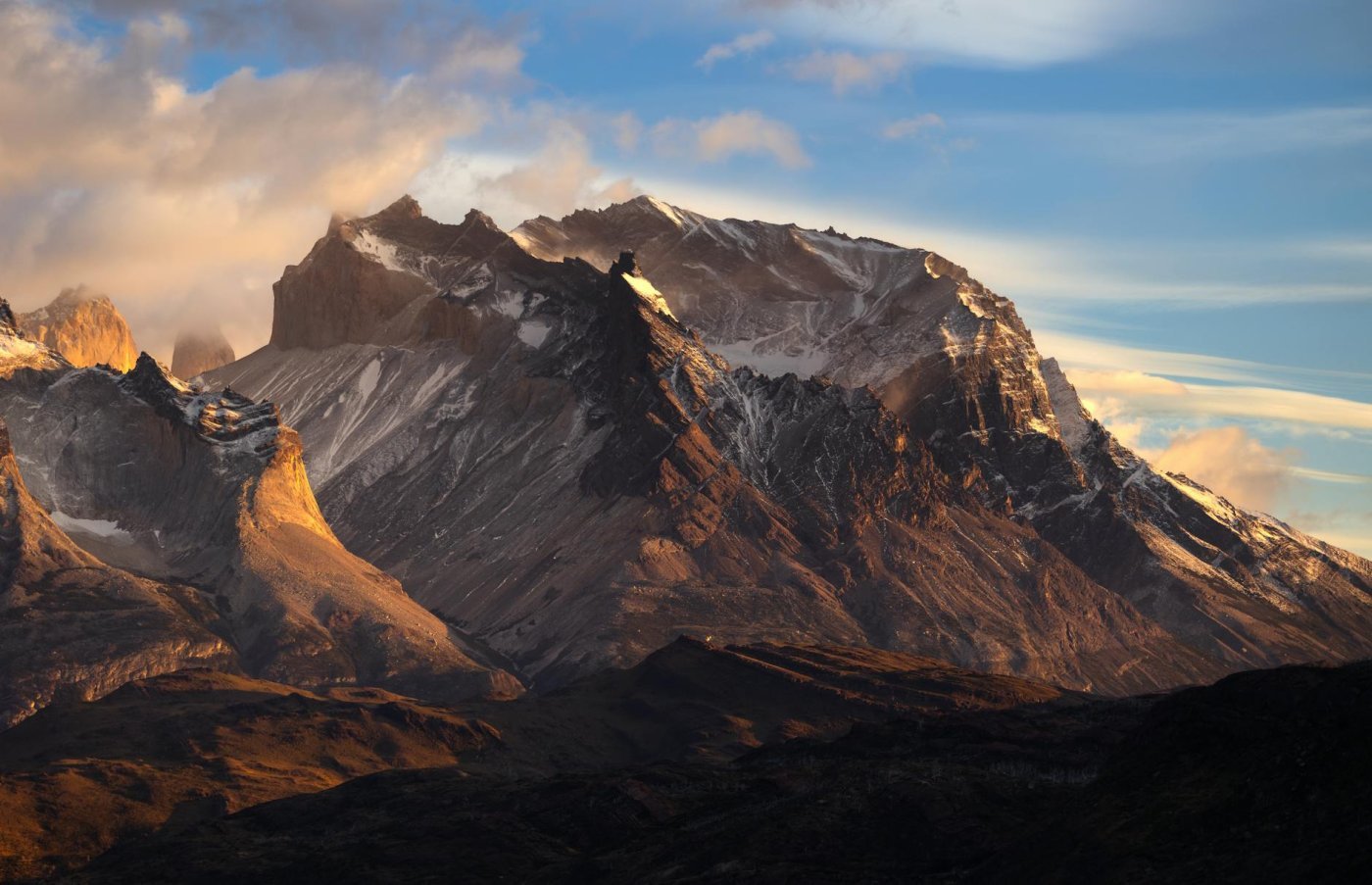
Crisp, thin air fills your lungs as the first golden rays of the African sun illuminate the ancient glaciers of Uhuru Peak. Beneath your heavy boots lies the sweeping expanse of the Tanzanian savannah, blanketed in a soft morning mist. The physical toll of the multi-day trek melts away in the face of sheer awe. This is the exact moment you realize you are standing at 5,895 meters, triumphant on the Roof of Africa.
Unlike the Himalayas or the Andes, Mount Kilimanjaro is a dormant stratovolcano that thrusts dramatically from the plains, requiring no ropes, crampons, or technical mountaineering skills to summit. You will hike through five distinct ecological zones, shifting from dense rainforests echoing with colobus monkeys to a stark, lunar-like alpine desert. It’s a beautifully accessible extreme, drawing determined hikers from around the globe to test their willpower against high altitude and unpredictable mountain weather.
✦ Find your perfect destination
Is Kilimanjaro really your perfect match?
Answer 12 quick questions about your travel style, budget and dates — we match you with the destinations that fit you best, from 600+ worldwide.
Kilimanjaro is the highest free-standing mountain in the world. Scaling it means trekking from the equator to arctic conditions in just a matter of days, experiencing distinct biomes that offer an unparalleled ecological journey.
The case for going now: With the mountain's iconic summit glaciers shrinking at an unprecedented rate due to global warming, scientists estimate they could disappear completely within the next decade—making now the definitive time to witness them.
⛺
Lemosho Route
Trek the scenic, less-crowded western approach for optimal altitude acclimatization.
🌅
Uhuru Peak Sunrise
Push through the final midnight ascent to watch the sun rise over Africa from the summit.
☕
Chaga Coffee Tour
Roast and brew your own coffee beans with the indigenous Chaga people on the mountain's lower slopes.
🌊
Materuni Waterfalls
Hike through lush jungle to a towering 90-meter waterfall, perfect for a pre-trek warmup.
Kilimanjaro's neighbourhoods — where to focus
The Basecamp
Moshi Town
The bustling gateway town to Kilimanjaro, filled with trekkers, outfitters, and local markets. It’s the perfect place to rent gear, enjoy local cafes, and rest before your ascent.
The Cultural Hub
Marangu
Located on the lower eastern slopes, this village is the heartland of the Chaga tribe. It offers historical caves, coffee tours, and the starting gate for the Marangu Route.
The Alpine Zone
Shira Plateau
A vast, high-altitude caldera crossed on several western routes. The sprawling moorland landscape offers breathtaking, unobstructed views of Kibo peak.
The Final Push
Barafu Camp
A stark, rocky basecamp situated at 4,673 meters. This is where you will try to catch a few hours of sleep before your midnight summit attempt.
Top things to do in Kilimanjaro
1. Choose the Lemosho Route
While the Marangu route is cheaper, the 8-day Lemosho Route boasts the highest summit success rate due to its excellent acclimatization profile. You'll cross the spectacular Shira Plateau and tackle the Barranco Wall. The longer duration allows your body to adjust to the thinning air, making the journey far more enjoyable and safe.
2. Soak in Chemka Hot Springs
After days without a proper shower on the mountain, take a day trip to the Kikuletwa (Chemka) Hot Springs. Hidden away in an arid landscape, this geothermal spring forms a stunning, crystal-clear turquoise oasis surrounded by fig trees. Swing from the rope swings and let the warm water soothe your aching trekking muscles.
3. Navigate the Barranco Wall
On day four of most southern circuit routes, you'll face the formidable Barranco Wall. Though it looks intimidating from camp, it requires no technical gear—just some fun, non-exposed scrambling. Keep your poles stowed away, use your hands to grip the volcanic rock, and enjoy the 'Kissing Rock' maneuver for a thrilling morning.
4. Explore the Rainforest Zone
The first days of your trek will lead you through dense, humid montane forest. Walk slowly, listen to the cacophony of tropical birds, and keep your eyes peeled for black-and-white colobus monkeys swinging through the canopy. The thick vegetation here provides a stark contrast to the barren ice landscapes you'll encounter later.
What to eat in Kilimanjaro — the essential list
Ugali & Nyama Choma
Tanzania's national dish consisting of stiff maize porridge served alongside fire-roasted goat or beef. Best eaten with your right hand at local Moshi grills.
Mtori
A hearty, thick soup made from pureed Ndizi (green plantains) and beef. It’s a traditional Chaga comfort food originating right from the slopes of Kilimanjaro.
Pilau
A fragrant, deeply spiced rice dish cooked with cardamom, cloves, cinnamon, and chunks of beef or chicken. A staple at Tanzanian celebrations.
Chipsi Mayai
A beloved street food mashup of French fries cooked into a thick omelet. Greasy, filling, and perfect with a generous squirt of kachumbari (tomato and onion salad) and pili pili sauce.
Mandazi
East African fried dough, slightly sweet and often flavored with a hint of cardamom. Perfect with a morning cup of coffee before hitting the trail.
Kilimanjaro Arabica Coffee
World-renowned coffee grown in the volcanic soils of the mountain. Drink it fresh in Moshi, where cafes roast beans sourced directly from nearby smallholdings.
Where to eat in Kilimanjaro — our top 4 picks
Fine Dining
The Secret Garden
📍 Uru Road, Moshi
Hidden within a lush, tranquil garden, this upscale spot offers excellent international and Swahili fusion. The relaxed ambiance is perfect for a celebratory post-summit dinner.
Fancy & Photogenic
More Than A Drop
📍 Mti Mmoja, Moshi
A beautiful vegetarian restaurant and B&B run as a vocational training center for local women. Enjoy stunning views of Kilimanjaro from the terrace while eating organic Italian-inspired fare.
Good & Authentic
Milan's Restaurant
📍 Mawenzi Road, Moshi
A local favorite serving outstanding, inexpensive vegetarian Indian food. The thalis and fresh paneer dishes are legendary among trekkers fueling up with carbs.
The Unexpected
Indoitaliano
📍 New Street, Moshi
A quirky but highly popular establishment that perfectly executes both traditional Italian wood-fired pizzas and spicy Indian curries. A great crowd-pleaser.
Kilimanjaro's Café Culture — top 3 cafés
The Institution
Union Café
📍 Old Moshi Road, Moshi
Run by the Kilimanjaro Native Cooperative Union, this historic café roasts local beans on-site. The aroma hits you from down the street, and their cake slices are massive.
The Aesthetic Hub
Aroma Coffee House
📍 Boma Road, Moshi
A modern, air-conditioned haven with great Wi-Fi, excellent iced coffees, and hearty breakfast wraps. Highly popular among digital nomads and expats.
The Local Hangout
Maisha Halisi Café
📍 Kiusa Road, Moshi
A small, unpretentious spot known for serving traditional spiced ginger tea and Swahili street food bites. The hospitality here is incredibly warm.
Best time to visit Kilimanjaro
Jan
Feb
Mar
Apr
May
Jun
Jul
Aug
Sep
Oct
Nov
Dec
Dry & clear (Best for trekking)Shoulder season (Manageable weather)Rainy season (Muddy, lower visibility)
Kilimanjaro events & festivals 2026
Whether you're planning around a specific celebration or simply want to know what's happening, this guide covers the best events and festivals in Kilimanjaro — from major annual traditions to cultural highlights worth timing your trip around.
March 2026sports
Kilimanjaro Marathon
Africa's toughest marathon around Kilimanjaro base with 42km of stunning views. One of the best Kilimanjaro sports events attracting international runners yearly.
August 2026culture
Chagga Cultural Festival
Traditional Chagga tribe celebration with coffee ceremonies and mountain dancing.
October 2026culture
Moshi Coffee Festival
Annual celebration of Kilimanjaro coffee with tastings and farm tours.
January 2026sports
Kilimanjaro Climbing Season Opening
Official climbing season launch with guide ceremonies and safety briefings.
July 2026festival
Materuni Waterfall Festival
Community celebration at famous 80-meter waterfall with traditional music and food.
May 2026culture
East African Mountain Film Festival
International mountain documentary screenings in Moshi with climber gatherings.
December 2026music
Moshi Music and Arts Festival
Three-day celebration of Tanzanian music and local artisan crafts.
December 9 2026culture
Uhuru Day Celebrations
Tanzanian independence day festivities with parades and traditional performances.
September 2026culture
Kilimanjaro Porters Day
Annual tribute to mountain porters with community events and recognition ceremonies.
June 2026sports
Lake Chala Kayak Championship
International kayaking competition on pristine crater lake near Kenya border.
Kilimanjaro budget guide
Type
Daily budget
What you get
€ Budget
€150–180/day
Marangu route with basic outfitter, group transport, simple guesthouse in Moshi.
€€ Mid-range
€200–280/day
Lemosho/Machame route, KPAP-certified operator, good quality tents, mid-tier Moshi hotel.
Getting to and around Kilimanjaro (Transport Tips)
By air: Kilimanjaro International Airport (JRO). Direct flights are available from Amsterdam (KLM) and Doha (Qatar Airways), or via Addis Ababa (Ethiopian Airlines).
From the airport: Pre-arrange a taxi or shuttle with your trekking operator. A standard taxi to Moshi takes about 45 minutes and costs roughly $30-$40.
Getting around: In Moshi, walking is easy during the day. For longer distances, use Bajaji (tuk-tuks) or shared Dala-dala minibuses, which are incredibly cheap.
Transport Safety & Scam Prevention:
The Uncertified Operator: Avoid suspiciously cheap trekking packages. They often severely underpay their porters and cut corners on safety gear. Always book through a KPAP-approved partner.
Flycatchers: Touts hanging around Moshi streets selling fake or overpriced safaris and tours. Firmly say 'No thank you' (Hapana asante) and only book through registered offices.
Taxi Overcharging: Taxis in Moshi do not have meters. Always negotiate and agree on the total fare before getting inside the vehicle.
Do I need a visa for Kilimanjaro?
Visa requirements for Kilimanjaro depend on your nationality. Select your passport below for an instant answer — based on the Passport Index dataset for entry into Tanzania.
ℹ️ Indicative only. Always verify with the official consulate before booking. Data: Passport Index, April 2026.
For detailed requirements, documentation checklists and processing times by nationality: TravelDoc →
Search & Book your trip to Kilimanjaro
Find the best flight routes and hotel combinations using our partner Kiwi.com.
Frequently Asked Questions
Is Kilimanjaro safe for tourists?
Yes, Tanzania is generally very safe for tourists, and Moshi is welcoming. The main dangers are altitude sickness on the mountain; always choose a route that allows for proper acclimatization.
How much should I tip my porters and guides?
Tipping is a crucial part of the trek economy. Budget around $250-$300 total per trekker for the crew. Your operator will provide guidelines on how to distribute this at the tipping ceremony.
Do I need technical climbing experience?
Not at all. Kilimanjaro is a 'walk-up' mountain. You need excellent physical stamina and mental resilience, but absolutely no ropes, ice axes, or crampons are required.
How many days do you need in Kilimanjaro?
Plan for 8-10 days total for the full Kilimanjaro experience, including 6-8 days for the trek itself plus arrival and departure days. While 5-6 day routes exist, 7-8 day routes like Machame or Lemosho offer better acclimatization and higher summit success rates. Add 2-3 extra days for a safari in nearby Serengeti or Ngorongoro Crater to maximize your Tanzania adventure.
Kilimanjaro vs Costa Rica — which should you choose?
Choose Kilimanjaro if you want a challenging, bucket-list mountain adventure with Africa's iconic wildlife and cultures as your backdrop. Costa Rica is better for travelers seeking diverse activities like zip-lining, wildlife spotting, and beach time with more moderate physical demands. Kilimanjaro demands serious trekking commitment but delivers an unmatched sense of achievement.
Do you need a visa to climb Kilimanjaro?
Most visitors need a tourist visa for Tanzania, which costs $50-100 depending on your nationality and can be obtained online, at the airport, or at Tanzanian embassies. US, UK, and EU citizens can get visas on arrival at Kilimanjaro International Airport. Ensure your passport has at least 6 months validity and blank pages for entry stamps.
★ Hidden Gems Weekly
Like this? One place per week, in your inbox.
No spam, no fluff — just one underrated destination, every Tuesday.
Hand-picked and verified by Max, who founded Vacanexus from Luxembourg in 2026. No sponsorships, no paid placements. Every recommendation — restaurants, neighbourhoods, things to do — is selected for authenticity over popularity.