Mallorca Travel Guide — The Jewel of the Balearics
⏱ 7 min read📅 Updated 2026💶 €€ Mid-range✈️ Best: May–Oct
€70–150
Daily budget
May–Oct
Best time
5–7 days
Ideal stay
EUR
Currency
Very Safe
For solo travel
Good
English level
For decades, Mallorca was unfairly branded merely as a cheap package-holiday destination. Today, the largest of the Balearic Islands has successfully reclaimed its narrative. Beyond the concrete resorts of the southwest lies an island of astonishing natural beauty and deep Mediterranean sophistication.
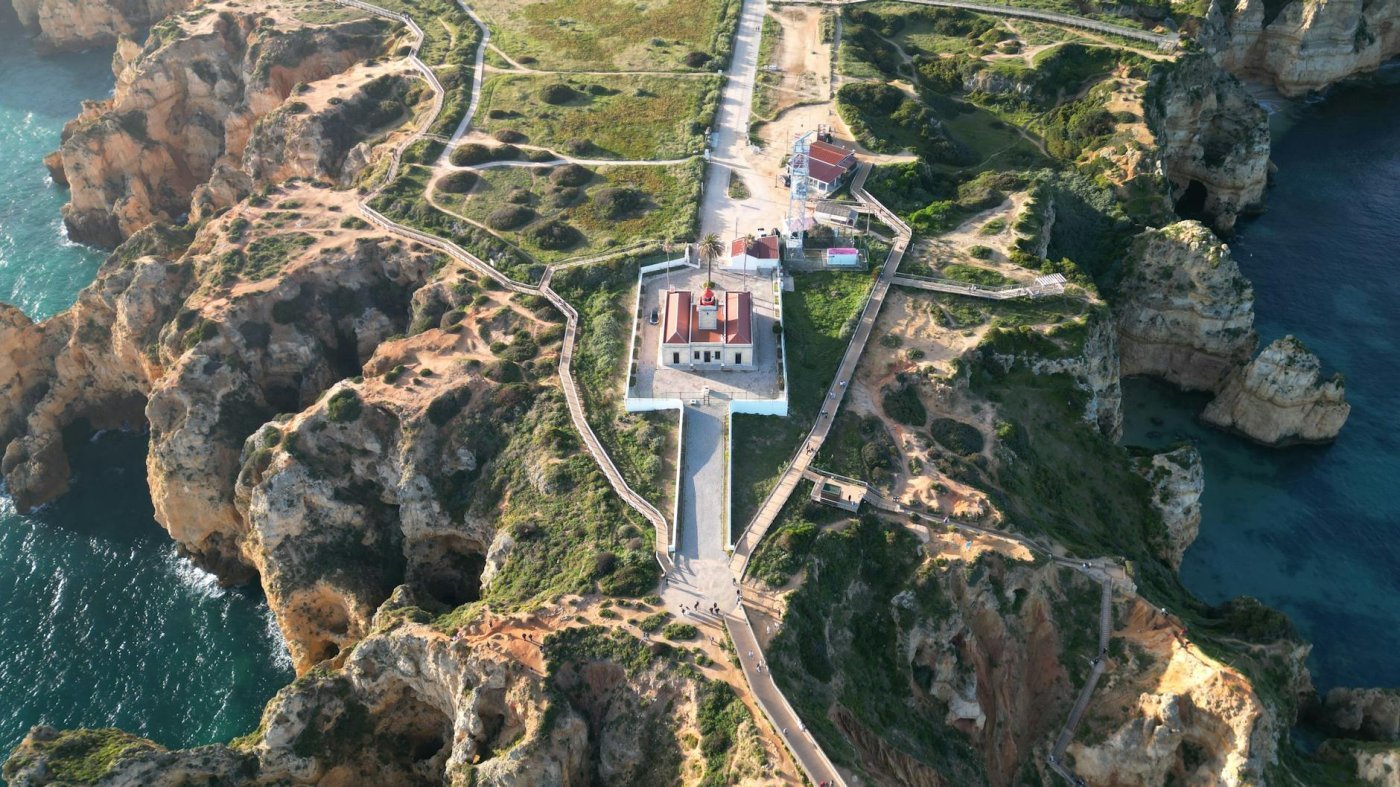
The true magic of Mallorca is found in the rugged, UNESCO-protected Tramuntana mountains that dramatically drop into the sea, the hundreds of hidden turquoise coves (calas) carved into the eastern coastline, and the sophisticated, honey-colored historic streets of its capital, Palma.
✦ Find your perfect destination
Is Mallorca really your perfect match?
Answer 12 quick questions about your travel style, budget and dates — we match you with the destinations that fit you best, from 600+ worldwide.
It is genuinely an island for everyone. You can spend your morning cycling world-class mountain routes, your afternoon eating fresh seafood in a quiet fishing village, and your evening exploring cutting-edge art galleries in Palma.
The case for going now: Mallorca is heavily investing in sustainable tourism and agro-tourism. Old rural estates (Fincas) have been transformed into stunning boutique hotels, offering travelers an incredibly authentic, luxurious, and quiet Mediterranean escape away from the crowds.
⛪
La Seu Cathedral
Marvel at this massive Gothic masterpiece overlooking the sea in the historic heart of Palma.
🏖️
Hidden Calas
Hike down pine-covered cliffs to discover spectacular, secluded coves with crystal-clear turquoise water.
⛰️
Serra de Tramuntana
Drive the dramatic, winding roads of this UNESCO mountain range, stopping in villages like Valldemossa.
🍷
Culinary Scene
From rustic cellar tapas bars (Celler) to Michelin-starred dining, the local gastronomy is incredible.
Mallorca's neighbourhoods — where to focus
City & Culture
Palma
The vibrant capital. Perfect for a weekend break, offering historic architecture, great shopping, and the island's best dining scene.
Mountains & Views
The Northwest (Tramuntana)
Dramatic, romantic, and upscale. Home to beautiful stone villages like Deià and Sóller, surrounded by olive and citrus groves.
Best Beaches
The Southeast (Santanyí)
If your goal is finding the most beautiful, turquoise coves (like Caló des Moro), this region is the absolute best base.
Family Friendly
The North (Alcúdia & Pollença)
Features massive, sweeping bays with calm, shallow waters, backed by a beautifully preserved walled medieval town.
Top things to do in Mallorca
1. Drive to Sa Calobra and Torrent de Pareis
The drive itself is an adventure—a twisting, incredibly scenic road down the mountains. At the bottom, you walk through a dark tunnel carved into the rock to emerge at Torrent de Pareis, a hidden beach trapped between two massive, towering cliffs.
2. Take the vintage train to Sóller
Skip the car for a day and take the 'Ferrocarril de Sóller'. This vintage wooden train from 1912 rattles its way from Palma, through the mountains and citrus groves, to the beautiful town of Sóller. From there, take the historic tram down to the port.
3. Beach-hop the Southern Calas
Rent a car and head to the southeast coast. Start early at the famous Caló des Moro before the crowds arrive, then hike over to Cala s'Almunia, and finish the afternoon relaxing on the pristine sands of Cala Llombards.
4. Wander the streets of Valldemossa
Perhaps the most beautiful village on the island, nestled high in the Tramuntana mountains. Its blonde stone houses are adorned with green shutters and thousands of potted plants. Don't leave without trying a traditional 'Coca de Patata' (potato pastry) from a local bakery.
What to eat in Mallorca — the essential list
Ensaimada
The iconic Mallorcan pastry. A spiral-shaped, flaky, sweet bread dusted heavily with powdered sugar. Best eaten fresh for breakfast.
Sobrasada
A raw, cured sausage made from pork, paprika, and spices. It has a soft, spreadable texture and is usually eaten on rustic bread.
Tumbet
Mallorca's answer to ratatouille. Layers of fried eggplant, potatoes, and red bell peppers, covered in a rich tomato and garlic sauce.
Pa amb Oli
The simplest and best local snack. Rustic local bread rubbed with garlic and local Ramallet tomatoes, drizzled with olive oil and sea salt.
Frito Mallorquín
A traditional, hearty dish of fried meat (often lamb or pork offal) cooked with potatoes, onions, peppers, and wild fennel.
Tapas
While not strictly Mallorcan, Palma has an incredible tapas scene. Head to La Llonja district for the best jamón, patatas bravas, and croquetas.
Where to eat in Mallorca — our top 4 picks
Fine Dining
Marc Fosh
📍 Carrer de la Missió 7, Palma
Located in a converted 17th-century convent in Palma, this Michelin-starred restaurant offers brilliant, clean, Mediterranean tasting menus highlighting local produce.
Fancy & Photogenic
Nama
📍 Carrer Principal 22, Deià
Situated in the beautiful mountain village of Deià. The terrace offers breathtaking views over the valley, paired perfectly with excellent modern Asian-fusion cuisine.
Good & Cheap
Bar Día
📍 Carrer dels Apuntadors 18, Palma
A loud, bustling, and totally authentic tapas bar in Palma's La Llonja district. Expect sawdust on the floor, fast service, and the best traditional tapas in the city.
The Unexpected
Celler Sa Premsa
📍 Plaça del Bisbe Berenguer de Palou 8, Inca
A 'Celler' is a traditional Mallorcan restaurant housed in an old wine cellar. Massive wooden barrels line the walls, and they serve hearty, authentic island dishes.
Mallorca's Café Culture — top 3 cafés
The Institution
Ca'n Joan de S'aigo
📍 Carrer de Can Sanç 10, Palma
The oldest café in Palma (since 1700). Stepping inside is like going back in time. It is the absolute best place on the island to eat a fresh Ensaimada with thick hot chocolate.
The Aesthetic Brunch
Rosevelvet Bakery
📍 Carrer de la Missió 15, Palma
A highly photogenic, modern bakery in central Palma. It's the local favorite for fantastic specialty coffee, beautifully crafted cakes, and excellent savory brunch options.
The Local Hangout
La Molienda
📍 Carrer del Bisbe Campins 11, Palma
The pioneers of specialty coffee in Mallorca. A small, vibrant spot where expats and locals gather for expertly roasted espresso and great avocado toast.
Best time to visit Mallorca
Jan
Feb
Mar
Apr
May
Jun
Jul
Aug
Sep
Oct
Nov
Dec
Best (Shoulder season: warm water, fewer crowds)Good (Mild weather, perfect for hiking/cycling)Summer/Winter (Jul-Aug is extremely crowded/hot; Winter is quiet)
Mallorca events & festivals 2026
Whether you're planning around a specific celebration or simply want to know what's happening, this guide covers the best events and festivals in Mallorca — from major annual traditions to cultural highlights worth timing your trip around.
March 30 - April 6, 2026religious
Semana Santa Palma
Holy Week processions feature elaborate religious floats through Palma's historic streets. Experience the best Mallorca festivals during spring with solemn parades and traditional music.
March 15 - April 20, 2026festival
Fira del Ram
Spring fairground celebration on Son Hugo featuring rides, games and local food stalls. One of the
June 23, 2026festival
Sant Joan Midsummer
Midsummer night celebrations with beach bonfires, traditional dancing and fireworks across the island. The best Mallorca festivals in June combine ancient traditions with coastal celebrations.
July 15 - August 15, 2026music
Festival Internacional Pollensa
Classical music concerts in stunning monastery cloisters featuring international orchestras and soloists.
July 17-20, 2026festival
Festes de la Patra Santa Margalida
Traditional village festival with folk dancing, live music and spectacular fireworks displays.
May 10-11, 2026festival
Festes d'Es Firó Soller
Mock battle reenactment commemorating victory over Turkish pirates with costumes and street celebrations.
July 28 - August 2, 2026sports
Copa del Rey Sailing
Royal regatta bringing world-class sailing competition to Palma Bay with luxury yachts.
June - September 2026music
Festival Park Concerts
Summer concert series featuring international pop and rock artists in outdoor amphitheater setting.
September 19, 2026culture
Nit de l'Art Palma
Contemporary art night with galleries, museums and cultural spaces open until midnight citywide.
November 12, 2026market
Dijous Bo Inca
Massive traditional market with leather goods, local crafts and agricultural products drawing thousands.
🗓 For the complete official events calendar and visitor information, visit the Visit Spain →
Mallorca budget guide
Type
Daily budget
What you get
€ Budget
€50–80
Hostel in Palma, local buses (TIB), eating at bakeries and tapas bars
€€ Mid-range
€100–200
Boutique hotel in a village, compact rental car, nice seaside dinners
€€€ Luxury
€300–600+
Luxury rural Finca, fine dining, private sailing charter in the coves
Getting to and around Mallorca (Transport Tips)
By air: Palma de Mallorca Airport (PMI) is one of the busiest in Europe during the summer, offering direct flights from almost every major European city.
From the airport: The A1 bus runs directly from the airport to the center of Palma every 15 minutes and costs €5. Taxis are also readily available and take about 15 minutes to reach the city center.
Getting around the island: To truly experience Mallorca, you need to rent a car. The public bus network (TIB) is good for moving between major towns, but it will not take you to the hidden beaches or remote mountain viewpoints.
Transport Safety & Scam Prevention:
Rental Car Scams: The "fuel policy" scam is common. Always choose a "Full-to-Full" fuel policy. Cheap brokers will force a "Full-to-Empty" policy, charging you double the market rate for a tank of fuel upfront. Always photograph the car completely before leaving the lot.
Mountain Driving: The roads in the Tramuntana mountains (especially to Sa Calobra) are incredibly narrow, winding, and shared with thousands of cyclists. Drive slowly, beep your horn before blind corners, and rent a small, compact car rather than a large SUV.
Palma's ACIRE Zones: Be very careful driving in central Palma. Much of the old town is designated as an ACIRE zone (restricted access for residents only). Cameras will automatically issue heavy fines if you drive into these streets without authorization.
Do I need a visa for Mallorca?
Visa requirements for Mallorca depend on your nationality. Select your passport below for an instant answer — based on the Passport Index dataset for entry into Spain.
ℹ️ Indicative only. Always verify with the official consulate before booking. Data: Passport Index, April 2026.
For detailed requirements, documentation checklists and processing times by nationality: TravelDoc →
Search & Book your trip to Mallorca
Find the best flight routes and hotel combinations using our partner Kiwi.com.
Frequently Asked Questions
Do I need to rent a car in Mallorca?
Highly recommended. While Palma has good public transport, reaching the secluded coves (calas) and driving through the spectacular Tramuntana mountains requires a rental car. Book well in advance for summer.
Which part of the island is best to stay?
Palma is great for a short city break. The Southwest (Santa Ponsa) is very touristy with big resorts. The Southeast (Santanyí) has the best sandy coves. The North/West (Deià, Sóller) is dramatic, mountainous, and culturally rich.
Is Mallorca just a party island?
Not at all. While Magaluf and El Arenal are famous for nightlife, they represent a tiny fraction of the island. The vast majority of Mallorca offers sophisticated dining, historic architecture, quiet boutique hotels, and protected nature reserves.
How many days do you need in Mallorca?
A minimum of 4-5 days allows you to experience Mallorca's best beaches like Cala Mondragó and Es Trenc, plus explore Palma's historic quarter. For the ideal mid-range trip, plan 7-8 days to include beach hopping along the east coast, a day trip to charming Sóller, and time to discover hidden coves without rushing.
Mallorca vs Phuket — which should you choose?
Choose Mallorca if you want European charm, crystal-clear Mediterranean waters, and easy access to culture and nightlife on a mid-range budget. Phuket is better for those seeking exotic Southeast Asian vibes, more affordable luxury, and dramatic limestone scenery. Mallorca wins for convenience and variety within shorter distances.
Do you need to speak Spanish in Mallorca?
English is widely spoken in tourist areas, hotels, and restaurants throughout Mallorca, especially in beach towns like Alcúdia and Magaluf. Local staff in the service industry are generally multilingual, and you'll find English menus at most mid-range establishments. Learning basic Spanish phrases is appreciated but not essential for a comfortable stay.
★ Hidden Gems Weekly
Like this? One place per week, in your inbox.
No spam, no fluff — just one underrated destination, every Tuesday.
Hand-picked and verified by Max, who founded Vacanexus from Luxembourg in 2026. No sponsorships, no paid placements. Every recommendation — restaurants, neighbourhoods, things to do — is selected for authenticity over popularity.