Mendoza Travel Guide — Malbec Bodegas, Andean Peaks & Long Lunches
⏱ 11 min read📅 Updated 2026💶 €€ Mid-Range✈️ Best: Jan–Apr
€50–120/day
Daily budget
Jan–Apr
Best time
4–6 days
Ideal stay
ARS (Argentine Peso)
Currency
Mendoza arrives with the scent of oak barrels and hot summer dust, the kind of place where a long lunch stretches into early evening without anyone apologising. Rows of low vines extend toward the snow-capped spine of the Andes, and the air at 750 metres elevation carries a clarity that makes every glass of Malbec taste sharper and more memorable. The city itself is shaded by thousands of plane trees lining irrigation channels called acequias, a Spanish colonial legacy that keeps the streets cool even in mid-summer. Mendoza is Argentina's wine capital in the fullest sense, producing more than 70 percent of the country's output, yet it never feels industrial or overwhelming.
What separates Mendoza from other celebrated wine regions — think Bordeaux or Tuscany — is the raw drama of its setting and the unpolished generosity of its people. Visiting Mendoza means cycling between bodegas in Maipú, booking a table at a winemaker's private cellar restaurant, and learning that asado is not simply a meal but a philosophy. Things to do in Mendoza range from tasting verticals of single-vineyard Malbec at Catena Zapata's Mayan-pyramid winery to white-water rafting on the Mendoza River or even attempting Aconcagua base camp, the highest peak outside Asia looming just two hours away. For European travellers who value substance over spectacle, Mendoza delivers a level of satisfaction that few destinations on this continent can match.
✦ Find your perfect destination
Is Mendoza really your perfect match?
Answer 12 quick questions about your travel style, budget and dates — we match you with the destinations that fit you best, from 600+ worldwide.
Mendoza belongs on your travel list because it combines the pleasure of world-class wine culture with the physical grandeur of the Andes in one accessible destination. The Luján de Cuyo and Maipú wine districts are home to over 1,000 bodegas, from boutique family estates to architectural showpieces like Zuccardi Valle de Uco. Mendoza's food scene — anchored by fire-cooked asado, empanadas, and olive-oil-rich salads — rivals any in South America. The city's wide, leafy boulevards and pavement café culture make simply strolling an experience worth having. And the exchange rate currently makes Mendoza exceptional value for European visitors.
The case for going now: Mendoza is experiencing a renaissance in premium wine tourism, with new high-design boutique hotels and restaurant concepts opening across the Valle de Uco appellation. Argentina's post-stabilisation economy makes 2026 a remarkably affordable moment for European travellers despite the luxury quality on offer. The newly extended wine route cycling infrastructure in Maipú now connects more bodegas than ever, and Mendoza's international airport has added direct connections from Buenos Aires at competitive prices.
🍷
Bodega Tours
Explore Mendoza's legendary bodegas — from the iconic pyramid of Catena Zapata to the minimalist architecture of Zuccardi. Private barrel-room tastings reveal why Malbec found its true home here.
🚴
Bike & Wine
Rent a bicycle in Maipú and pedal flat, sunny roads connecting wineries, olive farms, and liqueur distilleries. This self-guided circuit is Mendoza's most beloved and affordable adventure.
🏔️
Aconcagua Views
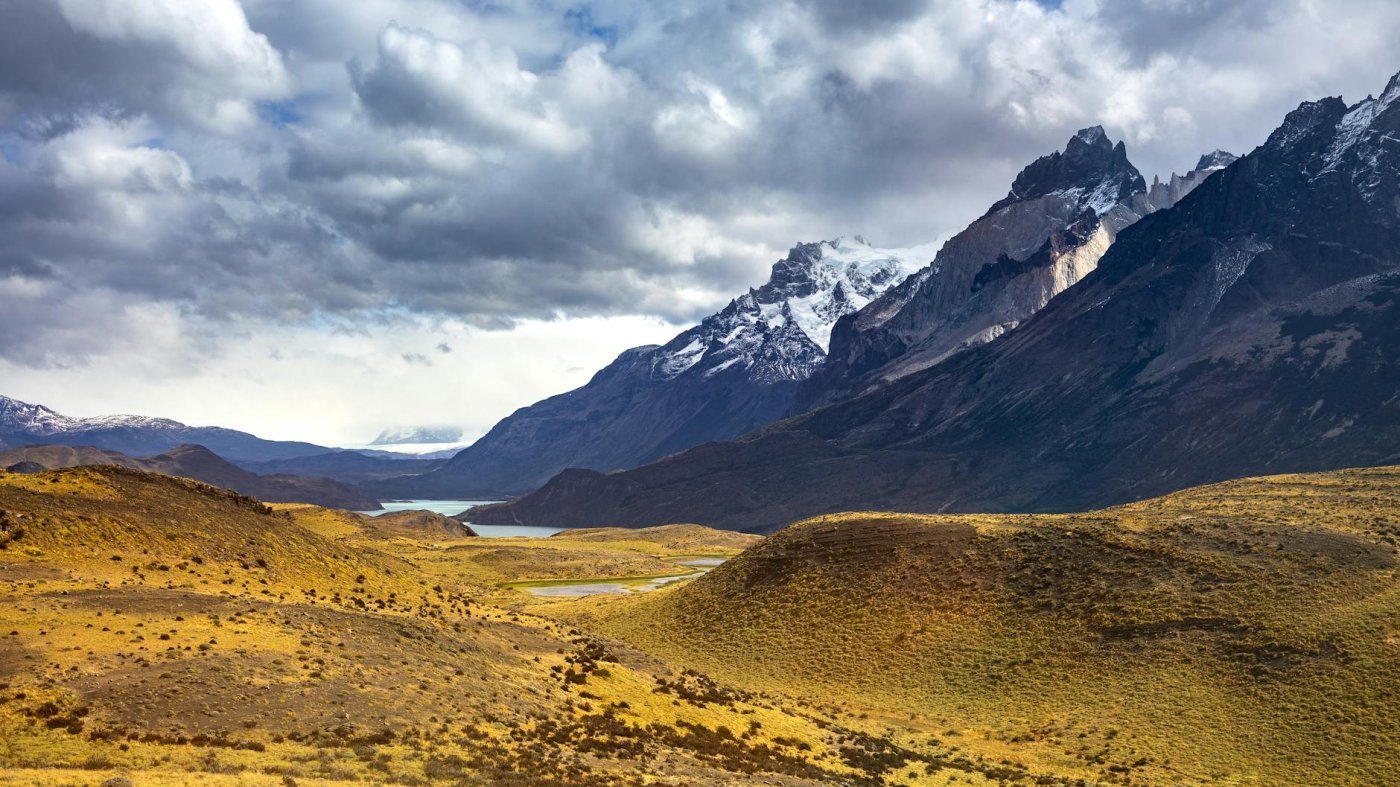
Drive the spectacular RN7 highway toward the Chilean border to reach Aconcagua Provincial Park, where the Americas' highest peak rises to 6,962 m. The Horcones lagoon viewpoint rewards any visitor.
🥩
Asado Culture
Join a traditional Argentine asado at a winery estancia or a local parrilla in central Mendoza. Hours of slow-cooked beef ribs, chimichurri, and Malbec define the rhythm of Mendoza life.
Mendoza's neighbourhoods — where to focus
City Heart
Centro & Aristides
Mendoza's tree-lined downtown centres on Plaza Independencia, flanked by museums, pavement cafés, and the lively Aristides Villanueva boulevard. This is where the city's best restaurants, wine bars, and boutique hotels cluster, making it the ideal base for first-time visitors to Mendoza.
Wine District
Luján de Cuyo
Known as the 'Land of the Great Malbecs', Luján de Cuyo sits just south of the city and is home to prestigious bodegas like Achaval Ferrer, Clos de los Siete, and Bodegas Norton. Vine-draped country roads, elegant winery restaurants, and boutique lodges make this Mendoza's premium wine tourism hub.
Bike & Wine
Maipú
Flat, sun-drenched Maipú is the spiritual home of Mendoza's famous bike-and-wine circuit. Dozens of approachable family wineries, olive oil producers, and jam factories line quiet roads accessible by bicycle. It is a more relaxed and budget-friendly alternative to the grander estates of Luján.
High-Altitude Escape
Valle de Uco
Sitting at 1,100 metres above sea level, Valle de Uco is Mendoza's most fashionable wine frontier, where extreme diurnal temperature shifts produce wines of exceptional freshness. Home to Zuccardi Valle de Uco and the ultra-luxurious Entre Cielos resort, this valley is where Mendoza's most adventurous winemakers are pushing boundaries.
Top things to do in Mendoza
1. #1 Tour Catena Zapata Winery
A visit to Catena Zapata is the single experience most emblematic of what Mendoza travel is all about. The winery's extraordinary pyramid-shaped building, inspired by the pre-Columbian temples of Mesoamerica, rises from the Luján de Cuyo vineyards like a statement of intent. Inside, the Adrianna Vineyard and Nicasia labels represent the cutting edge of Argentine fine wine, and the tasting experience — whether a standard tour or a private seated vertical — is conducted with genuine expertise and warmth. Book well in advance, as spaces fill up weeks ahead, especially during the January-to-April harvest season when the vines are at their most photogenic and the winery buzzes with activity. The estate's research vineyards, planted at different altitudes to understand terroir, make Catena Zapata as intellectually stimulating as it is indulgent.
2. #2 Cycle Maipú Wine Route
The Maipú bike-and-wine circuit is one of South America's most pleasurable self-guided adventures, and it costs almost nothing to organise. Bicycle hire shops cluster near the Maipú bus terminal, and maps handed out at rental points mark out a route connecting over a dozen wineries, olive oil mills, and artisan distilleries across flat, quiet country roads. Recommended stops include Familia Di Tommaso for traditional Malbec, Clos de Chacras for an elegant boutique experience, and the Museo Nacional del Vino for historical context. Starting early avoids the midday heat, and most bodegas along the route offer simple picnic lunches or cheese-and-charcuterie platters to accompany tastings. Returning bikes in the late afternoon, sunburned and content, is a Mendoza rite of passage no itinerary should skip.
3. #3 Drive to Aconcagua Park
Even if climbing is not on your agenda, driving the legendary RN7 highway westward from Mendoza toward the Chilean border is one of Argentina's great road trips. The route climbs through dramatic gorges along the Mendoza River, passing the ski resort of Las Leñas region and the thermal baths of Cacheuta before reaching the entrance to Aconcagua Provincial Park. A short walk to the Horcones lagoon viewpoint delivers one of the most arresting panoramas available to any casual visitor in South America: the south face of Aconcagua, at 6,962 metres the Western Hemisphere's highest peak, reflected in glacial blue water. The nearby village of Puente del Inca, with its sulphur-stained natural stone bridge, adds another layer of geological wonder. The round trip from Mendoza city takes a full day and requires only a basic rental car.
4. #4 Attend a Traditional Asado
Understanding Mendoza means understanding fire, and the Argentine asado is the most direct route to both. Several estancias and wine estates near Mendoza — including Finca Decero and Alpamanta Estate Winery — host traditional asado lunches where a parrillero tends slow-burning quebracho wood coals for hours before the meat ever touches the grill. Cuts like costillar (beef ribs), vacío (flank), and morcilla (blood sausage) arrive on wooden boards with chimichurri and salsa criolla, always accompanied by the bodega's current Malbec or Cabernet Franc. The experience is unhurried by design: two or three hours at a table under vine-covered pergolas, with mountains visible on the horizon, is not unusual. For travellers staying in the city, the restaurant Don Mario on Avenida Las Heras offers an excellent urban introduction to the tradition without the estate booking complexity.
What to eat in Cuyo Wine Country — the essential list
Asado
Argentina's national ritual and Mendoza's heartbeat. Beef ribs, flank, and offcuts slow-cooked over quebracho wood coals, served with chimichurri and criolla sauce. Every bodega estate lunch revolves around it.
Empanadas Mendocinas
Mendoza's empanadas are baked rather than fried, filled with spiced beef, hard-boiled egg, and olives. Sold by the dozen at parrillas and bakeries, they are the region's most satisfying and affordable street food.
Chivito al Palo
Whole young goat roasted vertically on a cross-shaped spit over an open fire — a spectacle as much as a meal. Particularly popular in Mendoza's rural estancias and during harvest festival celebrations in March.
Humita en Chala
A Cuyo speciality of sweetcorn paste, fresh cheese, and onion slow-cooked inside a corn husk. Mendoza's indigenous Huarpe culinary heritage lives on in this simple, warming dish found at traditional restaurants.
Locro
A thick, slow-cooked stew of white corn, beans, pumpkin, and pork that warms Mendoza's cooler months. A cornerstone of Cuyo winter cooking, locro is served at most traditional parrillas from May onward.
Dulce de Leche Alfajores
Mendoza's bakeries produce outstanding alfajores — crumbly cornstarch biscuits sandwiching thick dulce de leche, dusted in powdered sugar or coated in dark chocolate. An essential afternoon companion to a cortado.
Where to eat in Mendoza — our top 4 picks
Fine Dining
1884 Restaurante Francis Mallmann
📍 Belgrano 1188, Godoy Cruz, Mendoza
Housed inside the historic Escorihuela Gáscon winery, Francis Mallmann's flagship restaurant is one of South America's most celebrated tables. The open fire kitchen turns seasonal vegetables, fish, and prime beef into elemental, beautifully plated dishes that define modern Argentine cuisine.
Fancy & Photogenic
Casa El Enemigo
📍 Guardia Vieja 4222, Agrelo, Luján de Cuyo
A winery restaurant set inside a lovingly restored early-twentieth-century farmhouse surrounded by old-vine Malbec. The menu changes with the harvest and pairs every course with wines from the estate's own cellar, making each visit to Mendoza's wine country feel uniquely timed.
Good & Authentic
Azafrán
📍 Sarmiento 765, Centro, Mendoza
A Mendoza institution on the city's main pedestrian street, Azafrán combines an exceptional wine list of 700-plus Argentine labels with a kitchen that champions local ingredients. The seven-course tasting menu is outstanding value and a reliable introduction to high-quality Cuyo produce.
The Unexpected
El Mercado Central Food Hall
📍 Las Heras & Patricias Mendocinas, Centro, Mendoza
Mendoza's covered market has been revamped into a lively food hall where local vendors sell everything from handmade pasta to river trout ceviche and craft Mendocino beers. Arrive hungry at noon on a Saturday for the most authentic and crowded version of the experience.
Mendoza's Café Culture — top 3 cafés
The Institution
Café del Tiempo
📍 Aristides Villanueva 630, Centro, Mendoza
This Mendoza landmark on the Aristides boulevard has been pouring strong espresso and serving medialunas to locals and travellers alike for decades. Its shaded pavement terrace is the ideal place to regroup mid-morning after a strenuous wine-route morning, watching Mendoza city life pass by.
The Aesthetic Hub
Huentala Café & Wine Bar
📍 Primitivo de la Reta 1007, Centro, Mendoza
Set within the charming Huentala Hotel, this café and wine bar offers a curated selection of small-production Mendoza wines by the glass alongside excellent single-origin coffee and house-baked pastries. The high-ceilinged interior, exposed brick, and warm lighting make it the most photogenic café space in central Mendoza.
The Local Hangout
La Bourgogne Café
📍 Juan B. Justo 161, Centro, Mendoza
A neighbourhood café beloved by Mendoza university students and local professionals for its reliably good cortado, generous sandwiches de miga, and complete lack of tourist pretension. Come here to eavesdrop on real Mendoza conversations and charge your phone at a marble-topped corner table.
Best time to visit Mendoza
Jan
Feb
Mar
Apr
May
Jun
Jul
Aug
Sep
Oct
Nov
Dec
Jan–Apr: Harvest season — hot, sunny days, bodegas at their most active and festiveOct–Dec: Spring warmth, blooming vines, fewer crowds, excellent valueMay–Sep: Cool to cold winters, many wineries reduce hours; good for ski day trips
Mendoza events & festivals 2026
Whether you're planning around a specific celebration or simply want to know what's happening, this guide covers the best events and festivals in Mendoza — from major annual traditions to cultural highlights worth timing your trip around.
February 2026culture
Vendimia — National Harvest Festival
Mendoza's most spectacular annual event, the Vendimia harvest festival runs across three weeks in late February and early March. A grand pageant parade winds through the city centre, and the climactic Acto Central show fills the Teatro Griego amphitheatre with 23,000 spectators for an open-air theatrical spectacular. This is the single best cultural thing to do in Mendoza in summer.
March 2026culture
Acto Central — Teatro Griego Amphitheatre
The theatrical finale of the Vendimia harvest festival, performed at Mendoza's extraordinary Greek-style open-air theatre in Parque General San Martín. Professional dancers, opera singers, and a cast of hundreds re-enact Mendoza's viticultural history under floodlights with the Andes as backdrop. Book tickets months ahead — this sell-out show defines visiting Mendoza during harvest.
January 2026music
Mendoza Wine & Music Festival
A summer evening series held at various bodega estates throughout January, pairing live Argentine folk, jazz, and tango performances with guided wine tastings. Catena Zapata, Zuccardi, and Achaval Ferrer have all hosted editions.
April 2026culture
Fiesta de la Vendimia Departamental
Each of Mendoza's wine districts — Luján de Cuyo, Maipú, Valle de Uco, and Guaymallén — hosts its own smaller departmental harvest festival in April after the main Vendimia. Local queens are crowned, asados are lit, and bodegas open their gates for free community tastings. A quieter and more intimate Mendoza harvest experience than the main event.
July 2026culture
Ski Season Opening — Las Leñas & Penitentes
Mendoza province's ski resorts at Las Leñas and Los Penitentes typically open in late June or early July, drawing Argentine and international skiers to slopes within two to three hours of the city. Mendoza's Mendoza itinerary in winter pairs city wine tourism with mountain skiing for a genuinely varied trip.
September 2026culture
Mendoza Wine Auction (Wines of Argentina)
An annual trade and consumer event hosted by Wines of Argentina that brings together top producers from across Mendoza province for masterclasses, vertical tastings, and fine-wine auctions. Held at various luxury hotel venues across the city, it attracts wine professionals and serious enthusiasts from Europe and beyond.
October 2026culture
Mendoza Spring Wine Open Days
As Mendoza vines blossom in spring, dozens of bodegas across Luján de Cuyo, Maipú, and Valle de Uco open their gates for free or discounted tastings throughout October. A growing alternative to the harvest festival for travellers who prefer shoulder-season visits with better availability and lower prices.
November 2026market
Feria del Productor al Consumidor
Mendoza's largest direct-to-consumer agricultural fair, held at the provincial fairgrounds across November. Farmers, winemakers, cheesemakers, and olive oil producers sell directly to the public at farm-gate prices. Extraordinarily authentic and refreshingly un-touristy, it gives genuine insight into Mendoza's broader agricultural identity beyond wine.
December 2026religious
Fiesta de la Inmaculada Concepción
Mendoza's main Catholic feast day on December 8th fills the city's churches and plazas with processions, candlelit ceremonies, and community gatherings. The basilica of Virgen del Carmen de Cuyo in the city centre hosts the principal mass. A moving insight into Mendoza's deeply rooted spiritual and community traditions.
March 2026music
Buenos Aires La Tribu Folk Festival (Mendoza Stage)
A touring folk and roots music festival that stages a Mendoza edition each March at Parque General San Martín's outdoor amphitheatre. Argentine folk singers, chacarera dancers, and Andean musicians perform across a weekend of free-to-attend daytime concerts — a low-cost and deeply local way to end a Mendoza itinerary.
Hostel dorms, empanadas and market lunches, free plaza walks, and shared shuttle bodega tours from Maipú.
€€ Mid-range
€50–120/day
Boutique hotel, restaurant dinners, private winery tours, bicycle hire, and a day trip to Aconcagua park.
€€€ Luxury
€200+/day
Wine lodge stays in Valle de Uco, Catena vertical tastings, 1884 Mallmann dinners, and private Andes excursions.
Getting to and around Mendoza (Transport Tips)
By air: Mendoza's Governor Francisco Gabrielli International Airport (MDZ) is well served by frequent domestic flights from Buenos Aires Aeroparque and Ezeiza, with journey times of around 90 minutes. LATAM, Aerolíneas Argentinas, and Flybondi all operate multiple daily routes. There are no regular direct transatlantic flights, so a Buenos Aires connection is standard for European visitors.
From the airport: The airport sits approximately 8 kilometres north of Mendoza's city centre. Remis (licensed radio taxis) are the most reliable transfer option and cost around ARS 2,500–4,000 to central hotels — agree the fare before departing. Bus route 68 connects the airport to the city centre cheaply but infrequently. Uber operates in Mendoza and is significantly cheaper than street taxis, though driver availability at the airport can be inconsistent.
Getting around the city: Central Mendoza is compact and walkable, with the main attractions, restaurants, and wine bars all within comfortable strolling distance of Plaza Independencia. City buses (colectivos) are extremely cheap and cover routes to Maipú and Luján de Cuyo. For bodega visits, renting a bicycle in Maipú is ideal, while Uber and remis taxis handle everything else. Hiring a car for a full day gives maximum flexibility for Aconcagua and Valle de Uco excursions.
Transport Safety & Scam Prevention:
Agree Taxi Fares Upfront: Unmetered street taxis in Mendoza may quote inflated prices to tourists. Always use a remis booked by phone or app, or use Uber — both offer transparent fixed pricing that eliminates negotiation on arrival.
Verify Bodega Tour Legitimacy: Touts near the bus terminal sometimes sell bodega 'tours' that amount to a single low-quality tasting. Book directly with bodegas or through your hotel's recommended operator to guarantee a genuine, quality experience at Mendoza's best wineries.
Understand Peso Exchange Rates: Argentina's dual exchange rate system means paying in cash at the official 'blue' parallel rate can effectively halve your prices. Use licensed exchange houses called cuevas recommended by your hotel, and never exchange money with street touts who will shortchange you.
Do I need a visa for Mendoza?
Visa requirements for Mendoza depend on your nationality. Select your passport below for an instant answer — based on the Passport Index dataset for entry into Argentina.
ℹ️ Indicative only. Always verify with the official consulate before booking. Data: Passport Index, April 2026.
For detailed requirements, documentation checklists and processing times by nationality: TravelDoc →
Search & Book your trip to Mendoza
Find the best flight routes and hotel combinations using our partner Kiwi.com.
Frequently Asked Questions
Is Mendoza safe for tourists?
Mendoza is considered one of Argentina's safer cities for travellers and is generally safe to visit for solo travellers and couples alike. The main tourist areas — Plaza Independencia, Aristides Villanueva, and the wine districts of Maipú and Luján de Cuyo — see very little serious crime directed at visitors. Standard urban precautions apply: avoid displaying expensive camera equipment ostentatiously after dark, use Uber or remis rather than hailing street taxis late at night, and keep a copy of your passport separate from the original. The wine country roads are relaxed and unthreatening even when cycling alone.
Can I drink the tap water in Mendoza?
Tap water in Mendoza city is technically treated and considered safe by local standards, but many travellers with sensitive stomachs prefer to drink bottled water, which is inexpensive and universally available. The water supply comes from Andean snowmelt and is clean by South American standards. At most restaurant tables, bottled still or sparkling water will be brought automatically. When visiting remote wineries or estancias in the Valle de Uco, stick to bottled water to avoid any adjustment issues on an itinerary already rich in wine.
What is the best time to visit Mendoza?
The best time to visit Mendoza is between January and April, which covers the summer harvest season. January and February bring hot, sunny days perfect for cycling the vine routes, while March sees the spectacular Vendimia harvest festival transform the entire city into a celebration of wine culture. April is arguably the most beautiful month — the vines turn gold and red, temperatures cool pleasantly, and crowds begin to thin after the festival peak. October to December is a strong shoulder season when spring blossoms appear on the vines and prices drop noticeably across accommodation and tours.
How many days do you need in Mendoza?
Most travellers find that four to six days gives a well-rounded Mendoza experience. Two days covers the city centre and a Maipú bike-and-wine day. Adding a third day allows a Luján de Cuyo bodega tour with a proper winery lunch. A fourth day is ideal for the Aconcagua road trip or a Valle de Uco excursion. If you want to experience the Vendimia festival fully, visit during late February and early March and allow at least five days to catch both the parade and the Teatro Griego finale. For serious wine enthusiasts combining Mendoza with a broader Argentine itinerary, a full week is never wasted.
Mendoza vs Buenos Aires — which should you choose?
Mendoza and Buenos Aires serve completely different travel appetites and are ideally combined rather than treated as alternatives. Buenos Aires is a vast, electric metropolis — ideal for tango, steak restaurants, architecture, nightlife, and urban cultural immersion across ten or more days. Mendoza is quieter, more intimate, and physically dramatic in a way Buenos Aires cannot match, with the Andes forming a constant backdrop to vineyard life. Choose Mendoza if your priority is wine tourism, outdoor activity, and slower-paced sensory pleasure. Choose Buenos Aires if you want a true South American capital experience. Most European visitors wisely do both, spending five to seven days in each.
Do people speak English in Mendoza?
English is spoken to a basic to moderate level in Mendoza, with better coverage than much of provincial Argentina but less than Buenos Aires. Staff at upscale bodegas like Catena Zapata, Zuccardi, and Achaval Ferrer are often fluent in English, French, and sometimes German, as they host international visitors regularly. Hotel reception staff in mid-range and luxury properties generally manage well. In local restaurants, parrillas, and the Mercado Central, Spanish is essential — carrying a translation app and knowing a few key phrases (mesa para dos, la cuenta, sin gluten) will take you far and earn genuine appreciation from Mendocinos.
★ Hotel guide
Where to stay in Mendoza
7+ hand-picked hotels across luxury, mid-range and budget — verified by Max.
Hand-picked and verified by Max, who founded Vacanexus from Luxembourg in 2026. No sponsorships, no paid placements. Every recommendation — restaurants, neighbourhoods, things to do — is selected for authenticity over popularity.