Merida Travel Guide — Mexico's safest city, wrapped in colonial grandeur
⏱ 11 min read📅 Updated 2026💶 €€ Mid-range✈️ Best: Jan–Apr
€50–120/day
Daily budget
Jan–Apr
Best time
4–7 days
Ideal stay
MXN
Currency
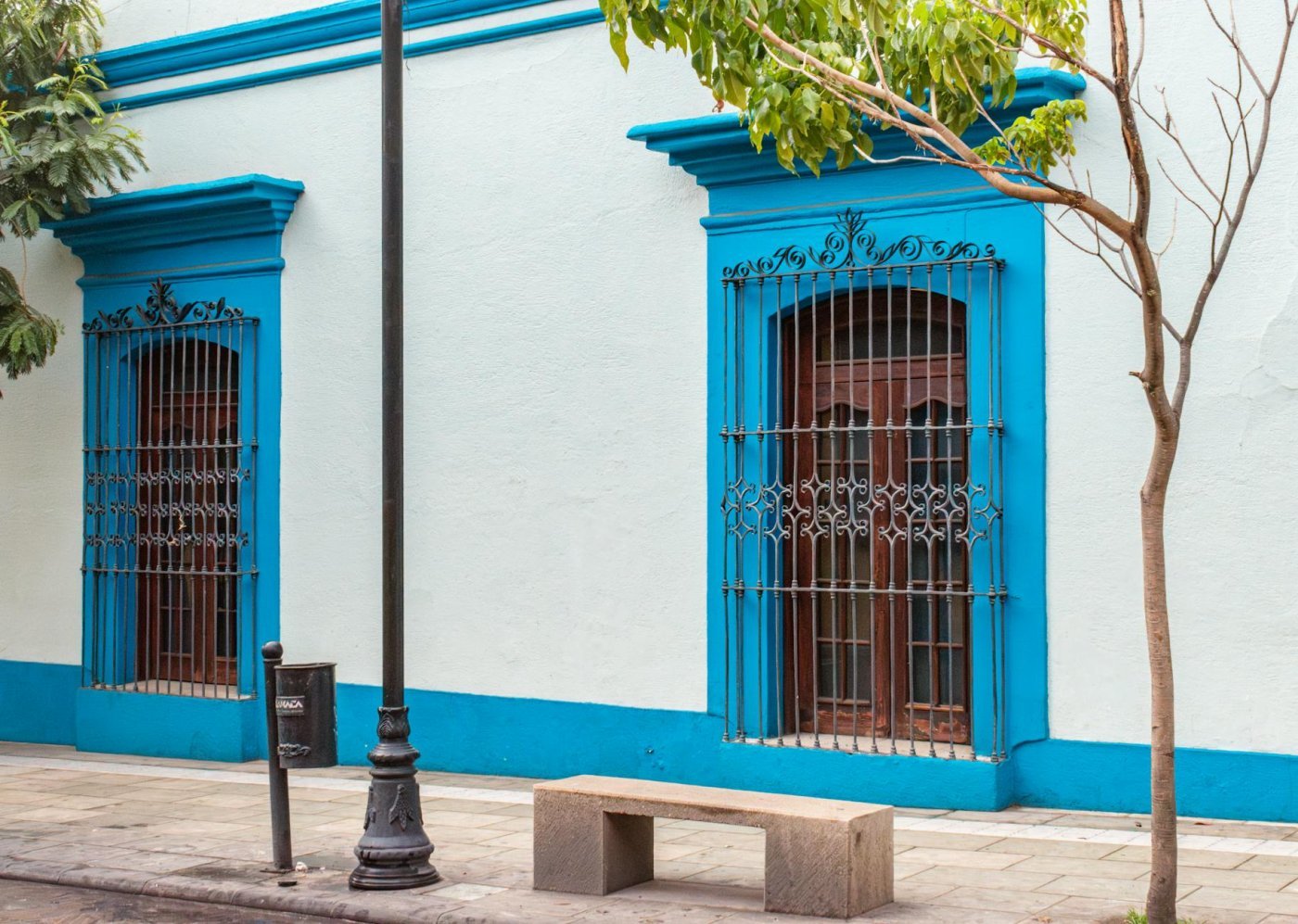
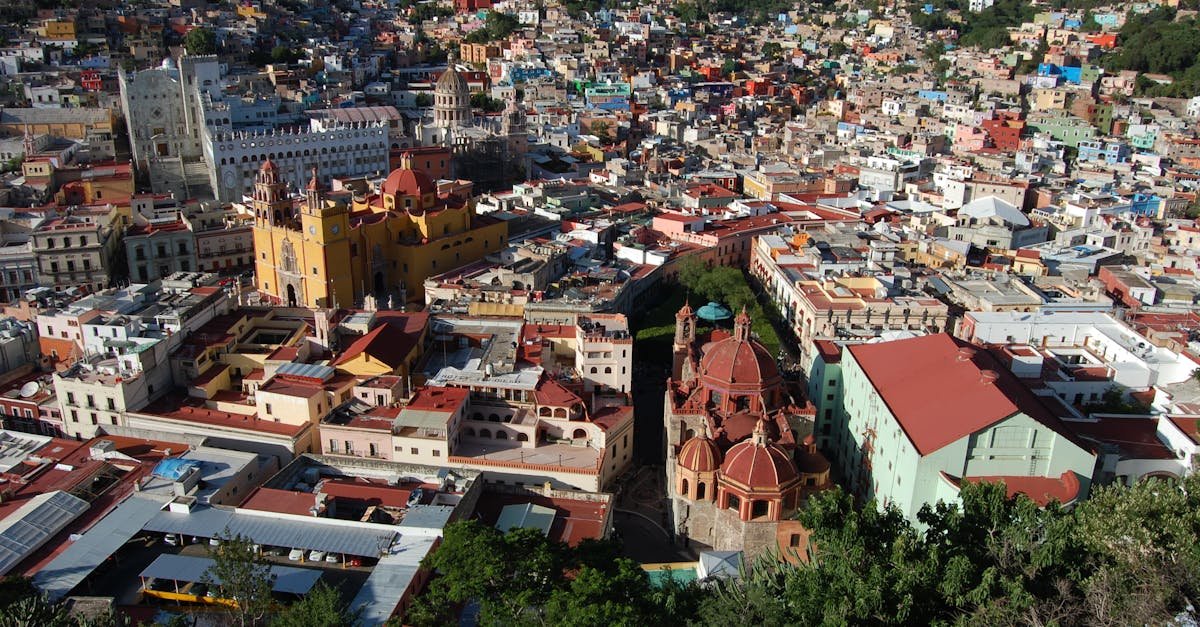
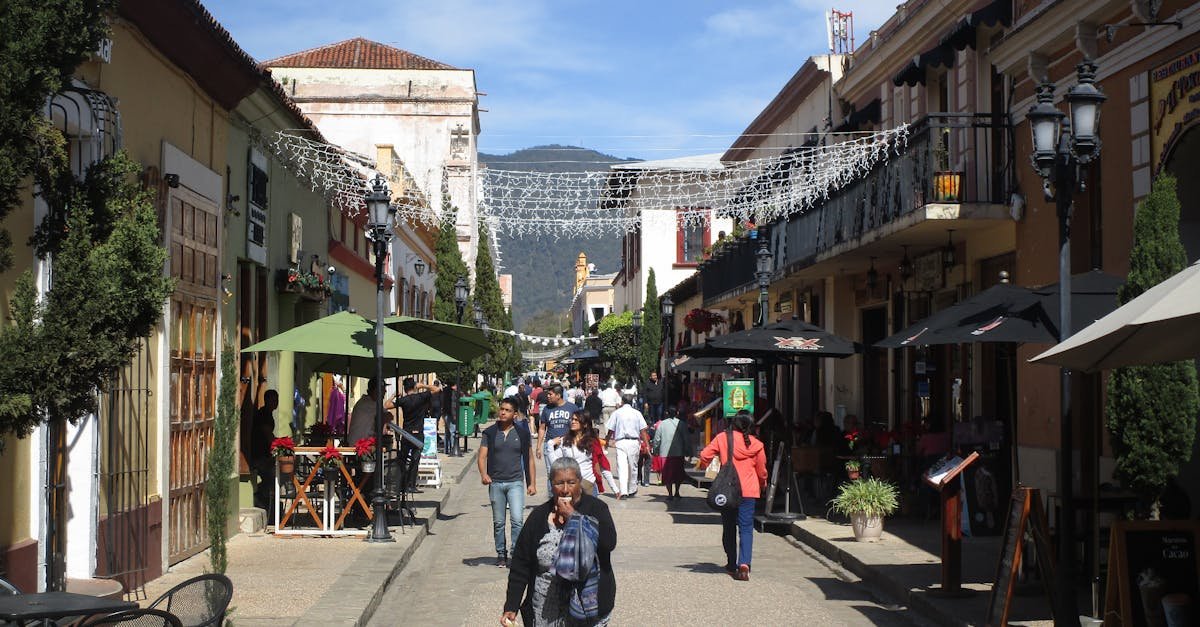
Mérida announces itself with the scent of orange blossom drifting through streets lined with sun-bleached haciendas and candy-coloured doorways. The clatter of horse-drawn carriages echoes across the Plaza Grande, while vendors ladle steaming bowls of lima soup under the shade of ancient laurel trees. This Yucatán capital — known affectionately as 'La Ciudad Blanca' — has been perfecting the art of civilised living since the Spanish laid its stone streets in 1542, often over the ruins of the Maya city of T'ho. Mérida rewards every sense, from the earthy sweetness of slow-cooked cochinita pibil wafting from neighbourhood markets to the cool silence of grand 19th-century mansions along Paseo de Montejo.
What makes visiting Mérida genuinely distinctive is its rare combination of authenticity and comfort. Unlike the purpose-built resort corridors of Cancún or the more tourist-saturated streets of Oaxaca, Mérida remains a living, breathing Mexican city where local families share the same pavement as curious travellers. Things to do in Mérida range from swimming in underground cenotes and exploring Maya ruins at nearby Uxmal to browsing handmade hammocks in the bustling Lucas de Gálvez market. The city's well-earned reputation as Mexico's safest major urban centre means you can wander freely after dark, sipping mezcal on a bougainvillea-draped terrace without a second thought.
✦ Find your perfect destination
Is Mérida really your perfect match?
Answer 12 quick questions about your travel style, budget and dates — we match you with the destinations that fit you best, from 600+ worldwide.
Mérida sits at the crossroads of ancient Maya civilisation and Spanish colonial elegance, making it one of the most culturally layered cities in the Americas. Within a two-hour radius, travellers can stand before the iconic pyramid of Chichén Itzá, descend into the crystalline depths of a jungle cenote, or wander the UNESCO-listed archaeological zone of Uxmal at sunrise. Back in Mérida itself, free Sunday concerts on the Plaza Grande, world-class Yucatecan restaurants, and boutique hotels inside restored 18th-century mansions deliver experiences that rival much pricier European capitals — at a fraction of the cost.
The case for going now: Mérida is experiencing a quiet renaissance. A new wave of independently owned design hotels has converted crumbling colonial mansions into stunning boutique properties, while the local food scene has drawn international recognition without inflating prices. The Mexican peso's current exchange rate offers European travellers exceptional value, and direct charter connections from several European hubs via Cancún are expanding for 2026. Visit before the secret spreads further.
🏛️
Maya Ruins Day Trips
Chichén Itzá and the lesser-visited Uxmal are both within two hours of Mérida, offering spectacular pyramid complexes. Arrive at opening time for near-empty pathways and golden morning light.
💧
Cenote Swimming
The Yucatán Peninsula hides thousands of sacred sinkholes filled with crystal-clear freshwater. Cenotes like Dzibilchaltún and Cuzamá are easily reached from Mérida for a refreshing afternoon swim.
🎶
Sunday Plaza Concerts
Every Sunday, the Plaza Grande hosts free traditional music and dance performances that draw families, couples and travellers alike. Vaquería folk dances and marimba bands create an impossibly festive atmosphere.
🍽️
Yucatecan Food Markets
Mérida's Lucas de Gálvez market is a sensory overload of fresh tropical fruit, handmade tortillas and bubbling pots of cochinita pibil. Eating breakfast here among locals costs under two euros.
Merida's neighbourhoods — where to focus
Historic Core
Centro Histórico
The beating heart of Mérida, Centro Histórico clusters the city's grandest colonial landmarks around the Plaza Grande. Cathedral, Government Palace and Casa de Montejo all face the square. Streets here are best explored on foot in the early morning before the heat builds, when bakeries open their shutters and the smell of fresh pan dulce fills the air.
Mansion Boulevard
Paseo de Montejo
Modelled loosely on the Champs-Élysées, this wide tree-lined boulevard was built during Mérida's 19th-century henequen boom, when sisal fibre made local families fabulously wealthy. The result is a parade of extravagant French-influenced mansions, many now housing banks, museums and upscale restaurants. An evening stroll here, with street performers and artisan markets, is unmissable.
Bohemian Quarter
Santa Ana
Santa Ana has evolved into Mérida's most creative neighbourhood, drawing independent coffee shops, design studios and contemporary galleries into repurposed colonial buildings. The neighbourhood's central park hosts informal evening gatherings and a small weekly artisan market. It has just enough polish to feel comfortable without losing the rougher edges that give it genuine character.
Local Barrio
Santiago
Santiago is the neighbourhood where everyday Mérida life plays out without tourist gloss. The weekly Monday night free concert in Parque de Santiago draws a multigenerational crowd of locals. Family-run comedores serve Yucatecan home cooking at tiny plastic tables, and the neighbourhood church illuminated at dusk makes for one of the city's most authentic and photogenic scenes.
Top things to do in Merida
1. #1 Explore the Plaza Grande
No Mérida itinerary is complete without losing several hours to the Plaza Grande, the enormous zócalo at the city's historic core. Surrounded by four centuries of colonial architecture, the square is simultaneously a public park, political stage, social club and open-air concert venue. The Cathedral of San Ildefonso — the oldest cathedral on the American mainland, consecrated in 1598 — dominates the eastern flank with its austere stone facade. Across the square, the 16th-century Casa de Montejo, now a Banamex branch, conceals one of the finest Spanish plateresque doorways in Mexico. Come on Sunday afternoon when the entire square fills with music, dance performances and food stalls, and the atmosphere rivals any festival in Latin America.
2. #2 Day Trip to Chichén Itzá
The iconic stepped pyramid El Castillo, rising 30 metres above the Yucatán scrub, is the reason many travellers choose Mérida as their base in the first place. Chichén Itzá sits roughly 120 kilometres east of the city — an easy 1.5-hour drive or organised coach transfer — and the UNESCO World Heritage Site rewards early risers most generously. Gates open at 8am, and arriving in the first hour means cooler temperatures and genuinely thin crowds before the day-trippers from Cancún pour in. Beyond El Castillo, the Great Ball Court, the Temple of the Warriors and the Sacred Cenote all merit serious time. Book tickets online in advance and consider hiring a certified local guide at the entrance for context that transforms impressive stonework into living Maya history.
3. #3 Swim in the Cenotes
The Yucatán Peninsula sits atop a vast limestone shelf riddled with underground rivers and sinkholes — cenotes — that the ancient Maya considered sacred portals to the underworld. From Mérida, several excellent cenote experiences are reachable within 45 minutes. The cenotes at Cuzamá, accessed by horse-drawn rail carts through agave fields, feel genuinely off the beaten track. Dzibilchaltún, attached to an archaeological site just north of the city, combines a swim in the open-sky Cenote Xlacah with exploration of a ruined Maya temple complex — remarkable value for a half-day outing. Water temperature hovers around 24°C year-round, making cenote swimming one of the best things to do in Mérida regardless of season. Wear biodegradable sunscreen only, as chemical products are banned to protect the fragile ecosystem.
4. #4 Visit the Gran Museo del Mundo Maya
Mérida's most ambitious cultural institution, the Gran Museo del Mundo Maya opened in 2012 in a sweeping contemporary building shaped to evoke a ceiba tree — the sacred Maya world tree. The permanent collection spans over 1,100 artefacts tracing 3,000 years of Maya civilisation across the Yucatán and beyond, from intricately carved jade jewellery to enormous stone stele rescued from jungle sites. Temporary exhibitions regularly examine modern Maya identity and the living culture of the approximately one million Maya people who still inhabit the Yucatán today. Budget at least two hours and aim for a weekday morning when the gallery is quiet. The rooftop terrace offers panoramic views across the city skyline toward the distant green horizon of the Yucatán jungle.
What to eat in the Yucatán Peninsula — the essential list
Cochinita Pibil
The defining dish of Yucatecan cuisine — slow-roasted pork marinated in achiote paste and sour orange, wrapped in banana leaves and cooked overnight in an underground pit oven. Served piled on handmade tortillas with pickled habanero onions.
Sopa de Lima
A deceptively light chicken broth lifted with the juice of the distinctive Yucatecan lima citrus fruit, topped with crispy tortilla strips and shredded chicken. It is the great comfort food of Mérida, found in restaurants and markets alike.
Panuchos
Fried tortillas stuffed with black bean paste and topped with shredded turkey, pickled red onion and avocado. Panuchos are the definitive Yucatecan street snack, sold from market stalls from early morning through to late afternoon.
Papadzules
An ancient Maya recipe of rolled tortillas filled with hard-boiled egg and drenched in a vivid green pumpkin-seed sauce. The dish is often described as the Yucatecan enchilada and represents one of the most direct surviving links to pre-Hispanic Maya cooking.
Queso Relleno
A spectacularly baroque creation — a hollowed Edam cheese stuffed with spiced minced pork, olives and capers, then poached and served with a tomato-based k'ol sauce. It reflects the Dutch trading influence on Yucatán's colonial port economy.
Marquesitas
Mérida's beloved street dessert — crispy rolled wafers filled with Edam cheese and your choice of sweet filling, from cajeta caramel to Nutella. The combination of salty cheese and sweet filling sounds improbable but tastes addictive, especially eaten warm on an evening plaza stroll.
Where to eat in Merida — our top 4 picks
Fine Dining
Apoala
📍 Calle 60 No. 471, Centro Histórico, Mérida
Set in a beautifully restored colonial building just off Parque Santa Lucía, Apoala elevates regional Mexican cooking with refined technique and excellent mezcal and wine pairings. The cochinita pibil tasting menu is among the most considered expressions of Yucatecan flavour in the city. Reservations strongly recommended for weekend evenings.
Fancy & Photogenic
Hennessy's & La Negrita Cantina
📍 Calle 62 No. 487, Centro Histórico, Mérida
La Negrita Cantina is one of Mérida's most atmospheric evening spots — a high-ceilinged colonial cantina draped in fairy lights with long communal tables, excellent craft mezcal, and a menu of elevated botanas. The vivid tiled interior and courtyard garden photograph spectacularly, making it a favourite with design-conscious travellers.
Good & Authentic
Manjar Blanco
📍 Calle 47 No. 308, Centro Histórico, Mérida
A beloved neighbourhood lunch spot run by the same Yucatecan family for over two decades. The daily changing menu of regional dishes — sopa de lima, papadzules, poc chuc grilled pork — is served at honest prices to a loyal crowd of locals and clued-in travellers. Arrive before 1pm to secure a table.
The Unexpected
Kuuk
📍 Circuito Colonias No. 330, Mérida
Mérida's most ambitious fine-dining project, Kuuk holds a spot on prestigious Latin America's 50 Best Restaurants lists. Chef Roberto Solís applies contemporary technique to Yucatecan and Maya ingredients — chaya leaves, habanero, achiote — in an elegant tasting menu format. An extraordinary experience that puts Mérida firmly on the global culinary map.
Merida's Café Culture — top 3 cafés
The Institution
Café Chocolate
📍 Calle 60 No. 442, Centro Histórico, Mérida
This cheerful, no-frills café on Calle 60 has been fuelling Meridanos and visitors alike for generations. The house specialty is thick, dark Mexican hot chocolate served with pan dulce, but the café con leche and fresh-squeezed fruit juices are equally reliable. Its central location makes it a natural morning meeting point before a day of sightseeing.
The Aesthetic Hub
Mańana Coffee & Roasters
📍 Calle 21 No. 117, Santa Ana, Mérida
Mérida's most design-forward coffee shop occupies a converted colonial space in the Santa Ana neighbourhood, with exposed stone walls, lush plant installations and natural light flooding through tall wooden shutters. Single-origin Mexican beans are roasted in-house and brewed with care. The almond milk cortado and avocado toast have acquired minor cult status among resident expats.
The Local Hangout
Mercado Lucas de Gálvez — Jugos Stalls
📍 Calle 67 s/n, Centro Histórico, Mérida
No boutique café can compete with the juice stalls tucked inside Mérida's central market. Vendors blend towers of mamey, guanábana, watermelon and tamarind into enormous fresh jugos for around one euro. Pull up a plastic stool alongside market workers and taxi drivers for the most authentic and energising start to a day in Mérida.
Best time to visit Merida
Jan
Feb
Mar
Apr
May
Jun
Jul
Aug
Sep
Oct
Nov
Dec
Peak season (Jan–Apr & Dec) — dry, warm and ideal for ruins and cenotesShoulder season (Nov) — cooling temperatures and fewer crowdsWet/hot season (May–Oct) — intense heat, heavy rains and hurricane risk
Merida events & festivals 2026
Whether you're planning around a specific celebration or simply want to know what's happening, this guide covers the best events and festivals in Merida — from major annual traditions to cultural highlights worth timing your trip around.
January 2026culture
Festival de las Aves de Yucatán (Yucatán Bird Festival)
One of the Guided excursions visit flamingo lagoons at Celestún and mangrove reserves around Progreso. Expert talks and guided tours are offered in Spanish and English.
February 2026culture
Carnaval de Mérida
Mérida's Carnaval is one of Mexico's largest and most colourful, filling the streets of Centro Histórico with elaborate floats, costumed dancers and live orchestras for eight days before Ash Wednesday. The grand parade along Paseo de Montejo attracts tens of thousands of spectators. A centrepiece of any Mérida itinerary in February.
March 2026culture
Equinox at Chichén Itzá
At the spring equinox, the late afternoon sun casts a serpent-shaped shadow along the staircase of El Castillo pyramid — one of the most spectacular archaeoastronomical phenomena in the world. Thousands gather at Chichén Itzá on 20–21 March annually. Book transport from Mérida weeks in advance as demand is enormous.
April 2026religious
Semana Santa (Holy Week)
Mérida's Holy Week processions are solemn and deeply moving, winding through colonial streets after dark with candlelit statues carried by cofradía brotherhoods. The atmosphere in Centro Histórico shifts palpably from its usual festive energy to quiet devotion. Good Friday in Mérida is among the most photographically compelling events in the Yucatán.
June 2026music
Mérida en Domingo (Summer Edition)
The beloved Sunday tradition of closing central streets to traffic and opening them to cyclists, musicians and street performers continues year-round in Mérida, but summer Sundays have a particularly relaxed, local character. Paseo de Montejo becomes a enormous open-air social space with food vendors and impromptu concerts. Free and family-friendly.
August 2026culture
Festival de Teatro de Mérida
Mérida's annual theatre festival brings professional companies from across Mexico and Latin America to perform in the city's colonial-era Teatro Peón Contreras and open-air plazas. Productions range from classical Spanish Golden Age drama to contemporary experimental work. Many performances are free or very low cost, reflecting the city's commitment to accessible culture.
October 2026culture
Festival de la Cultura Maya
A week-long celebration of living and ancient Maya culture held annually in Mérida and across the Yucatán Peninsula. Events include traditional music and dance performances, artisan markets, archaeological lectures and Yucatecan gastronomy showcases. The festival draws researchers, indigenous communities and culturally curious travellers from around the world.
October 2026market
Feria de Artesanías de Yucatán
Yucatán's premier craft fair gathers artisans from across the peninsula to sell handmade hammocks, embroidered huipil blouses, carved wood, Panama hats and achiote-based food products. Held in the Parque de las Américas, it is one of the best opportunities to purchase authentic Yucatecan crafts directly from their makers at fair prices.
November 2026culture
Día de los Muertos in Mérida
Mérida's Day of the Dead celebrations blend Spanish Catholic tradition with Maya concepts of the afterlife into something entirely its own. The municipal cemetery becomes a candlelit gathering place as families maintain ofrendas for departed relatives. The Hanal Pixán festival, the Yucatecan interpretation, includes traditional foods like mucbipollo offered to the dead.
December 2026culture
Noche Mexicana & Posadas
December transforms Paseo de Montejo into a nightly open-air cultural market and performance space for the Noche Mexicana series, running throughout the month. Traditional posada processions re-enact Mary and Joseph's search for shelter through colonial streets, with piñatas, ponche warm fruit punch and villancico carol singing joining the festivities.
🗓 For the complete official events calendar and visitor information, visit the Mérida Official Tourism →
Merida budget guide
Type
Daily budget
What you get
€ Budget
€25–50/day
Hostel dorm, market breakfasts and lunches, free Sunday concerts, public buses to cenotes and ruins.
€€ Mid-range
€50–120/day
Boutique colonial hotel, restaurant dinners, organised day trips to Chichén Itzá, licensed guides and occasional taxis.
€€€ Luxury
€120+/day
Restored mansion hotels, Kuuk tasting menus, private driver for ruins circuit, cenote tours with personal guides.
Getting to and around Merida (Transport Tips)
By air: Mérida is served by Manuel Crescencio Rejón International Airport (MID), located around eight kilometres south-west of Centro Histórico. There are no current direct flights from Europe; most European travellers connect via Cancún (CUN) or Mexico City (MEX), both offering onward domestic flights to Mérida in under two hours. Cancún–Mérida bus is also a popular and scenic four-hour overland alternative.
From the airport: From Mérida airport, authorised taxi booths in the arrivals hall offer fixed-price rides to Centro Histórico for approximately 200–250 MXN — always buy your ticket at the official booth rather than negotiating outside. Uber operates in Mérida and is typically 30–40% cheaper than taxis; confirm the app shows your pickup correctly as the airport drop-off zone and ride-share zone are separate. Journey time to the historic centre is 15–20 minutes depending on traffic.
Getting around the city: Mérida's compact Centro Histórico is easily walkable, and most of the city's key attractions, restaurants and accommodation are reachable on foot from the Plaza Grande. City buses (combis) run frequent routes across the metropolitan area for just a few pesos and are safe and easy to use once you understand the numbered route system. Uber is widely available across Mérida and provides an affordable and reliable alternative to negotiating fares with taxis, making it the recommended option for journeys to museums on the city's outskirts or late-night returns from restaurants.
Transport Safety & Scam Prevention:
Book Ruins Tickets Online: Entry to Chichén Itzá and Uxmal must increasingly be booked in advance through the official INAH website. Scalpers outside the gates offer tickets at inflated prices — ignore them and always purchase through official channels to avoid disappointment and overpaying.
Use Authorised Airport Taxis: Only use the official pre-paid taxi booth inside Mérida airport arrivals. Drivers approaching you outside the terminal doors are unlicensed and charge arbitrary prices that can be three to four times the authorised rate. The booth price is fixed and metered against distance.
Cenote Sunscreen Warning: Many cenotes ban conventional sunscreen products to protect fragile underground ecosystems. Rangers at popular cenotes will turn visitors away who have applied chemical sunscreen. Purchase biodegradable mineral SPF in Mérida before your visit — it is widely available in pharmacies near the market.
Do I need a visa for Merida?
Visa requirements for Merida depend on your nationality. Select your passport below for an instant answer — based on the Passport Index dataset for entry into Mexico.
ℹ️ Indicative only. Always verify with the official consulate before booking. Data: Passport Index, April 2026.
For detailed requirements, documentation checklists and processing times by nationality: TravelDoc →
Search & Book your trip to Merida
Find the best flight routes and hotel combinations using our partner Kiwi.com.
Frequently Asked Questions
Is Mérida safe for tourists?
Mérida consistently ranks as Mexico's safest major city, and the distinction is well earned. Violent crime affecting tourists is exceptionally rare, and travellers regularly report feeling comfortable walking the historic centre alone at night — something impossible in many other Mexican destinations. Standard urban precautions apply: keep valuables out of sight, use Uber rather than flagging random taxis, and stay aware in crowded market areas. The city's large expatriate community and frequent solo female travellers speak to Mérida's genuinely relaxed security environment.
Can I drink the tap water in Mérida?
Tap water in Mérida is not safe for drinking and locals themselves rely on bottled or filtered water. Most hotels provide purified water dispensers, and large reusable garrafón bottles are cheap to buy at any convenience store. Ice in established restaurants is almost always made from purified water, but it's reasonable to ask at very basic market stalls. Brushing teeth with tap water is generally considered fine by experienced travellers, though sensitive stomachs may prefer using bottled water throughout.
What is the best time to visit Mérida?
The best time to visit Mérida is between January and April, when temperatures are warm but manageable — typically 25–32°C — rainfall is minimal, and humidity is at its lowest. This dry season makes ruins exploration, cenote swimming and long street walks genuinely comfortable. December is festive and pleasant but increasingly busy. May marks the start of an oppressive heat and humidity build-up, and the June-to-October hurricane season brings heavy afternoon downpours and occasional tropical storms that can disrupt day-trip plans. November is a solid shoulder season option with lower prices and cooling temperatures.
How many days do you need in Mérida?
A minimum of four days in Mérida allows you to cover the colonial centre, make one day trip to Chichén Itzá and squeeze in a cenote swim. However, five to seven days is the sweet spot for a well-rounded Mérida itinerary — enough time to add Uxmal, explore the Puuc Route, visit Celestún's flamingo lagoon and genuinely slow down in the city's neighbourhoods rather than rushing between landmarks. Travellers who want to combine Mérida with Valladolid, Bacalar or the Caribbean coast of the Riviera Maya should budget ten days to two weeks for the wider Yucatán Peninsula circuit.
Mérida vs Oaxaca — which should you choose?
Both Mérida and Oaxaca are Mexico's most beloved cultural capitals, but they offer genuinely different experiences. Oaxaca sits in a mountain valley and is the undisputed king of Mexican gastronomy and indigenous craft markets, with a younger, more international traveller scene and an established art gallery circuit. Mérida is flatter, hotter and less dramatically scenic in itself, but compensates with unique proximity to Maya ruins — Chichén Itzá, Uxmal and dozens of smaller sites — as well as cenote swimming and a coastline that Oaxaca lacks. Mérida is also significantly safer and calmer. Choose Oaxaca for mountain scenery, mezcal bars and craft shopping; choose Mérida for Maya heritage, cenotes and colonial grandeur without the tourist saturation.
Do people speak English in Mérida?
English proficiency in Mérida is rated basic overall, though the situation has improved considerably as the city attracts more international visitors and a growing expatriate community. In tourist-facing businesses — boutique hotels, upscale restaurants and organised tour operators — English is reliably spoken. At local markets, neighbourhood comedores and with taxi drivers, Spanish is essential. Downloading a Spanish translation app before arrival and learning a handful of Yucatecan phrases — locals appreciate the effort enormously — will make a significant difference to the depth of your experience beyond the well-worn tourist trail.
★ Hotel guide
Where to stay in Merida
7+ hand-picked hotels across luxury, mid-range and budget — verified by Max.
Hand-picked and verified by Max, who founded Vacanexus from Luxembourg in 2026. No sponsorships, no paid placements. Every recommendation — restaurants, neighbourhoods, things to do — is selected for authenticity over popularity.