⏱ 11 min read📅 Updated 2026💶 € Budget✈️ Best: Jan–Apr
€25–45/day
Daily budget
Jan–Apr
Best time
3–5 days
Ideal stay
MXN
Currency
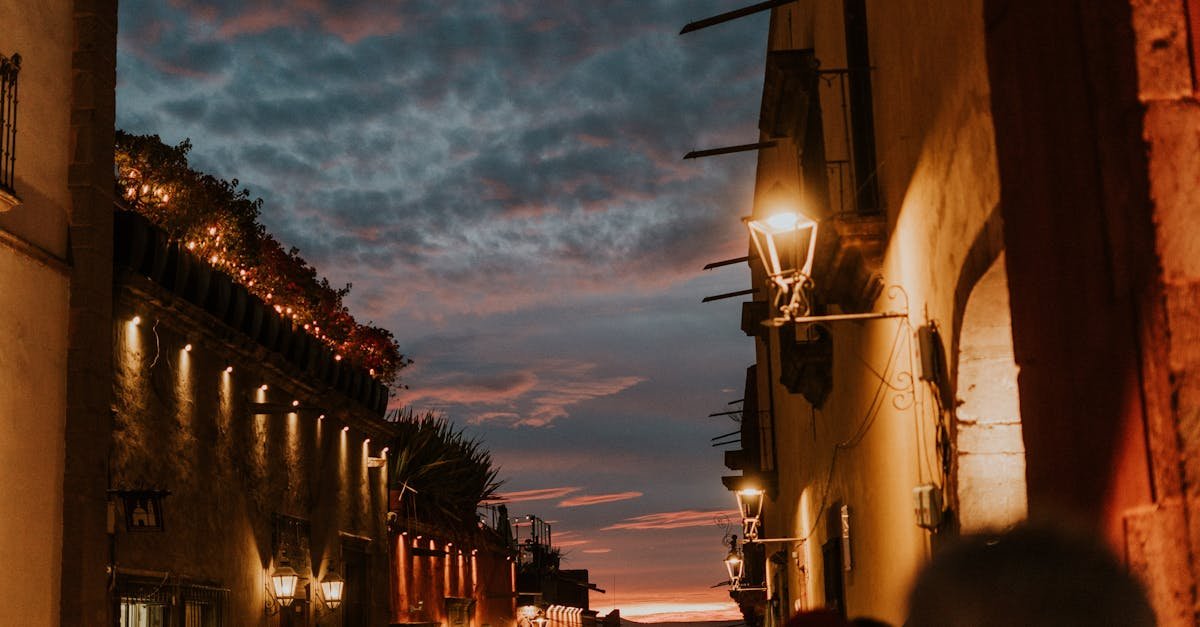
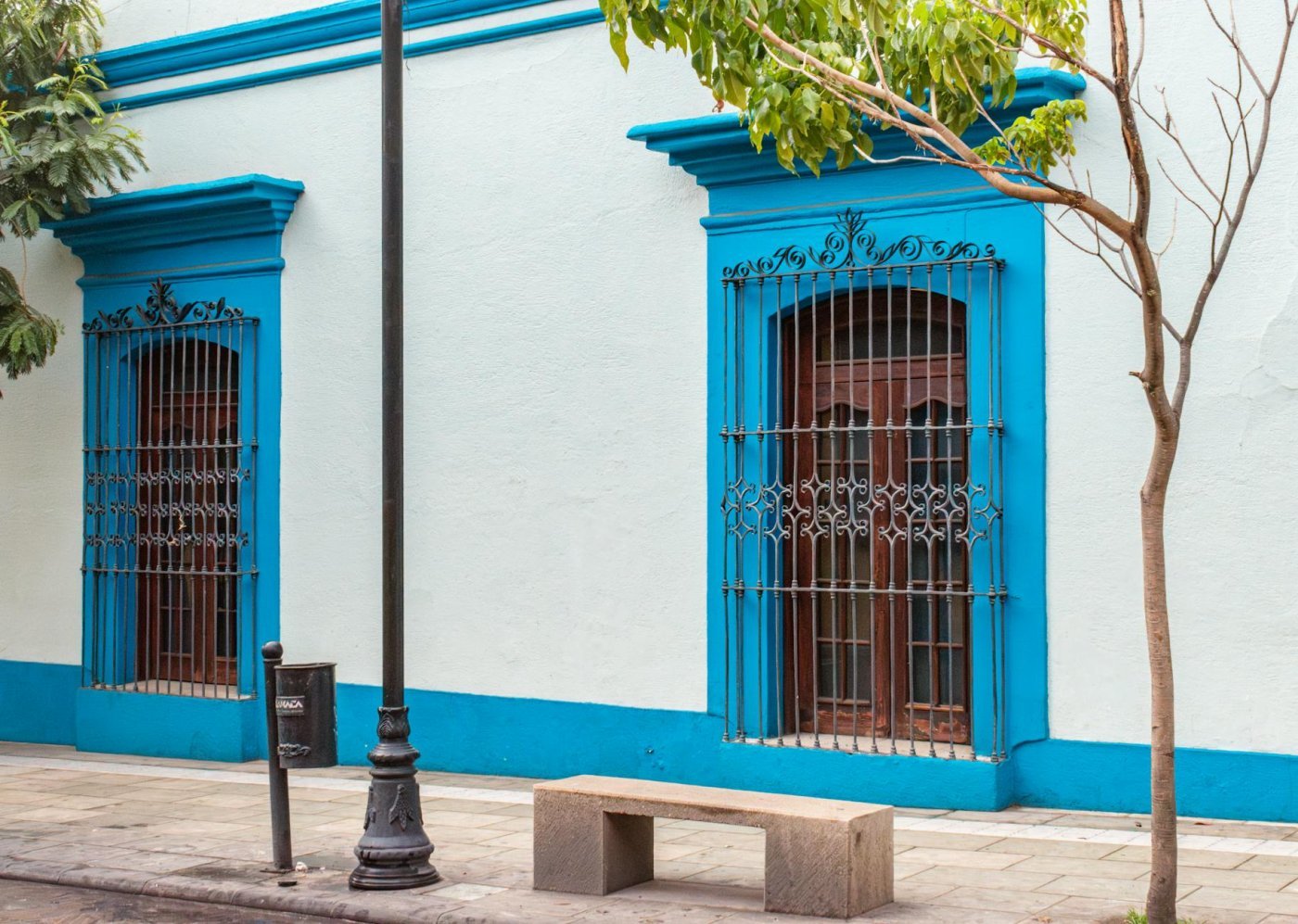
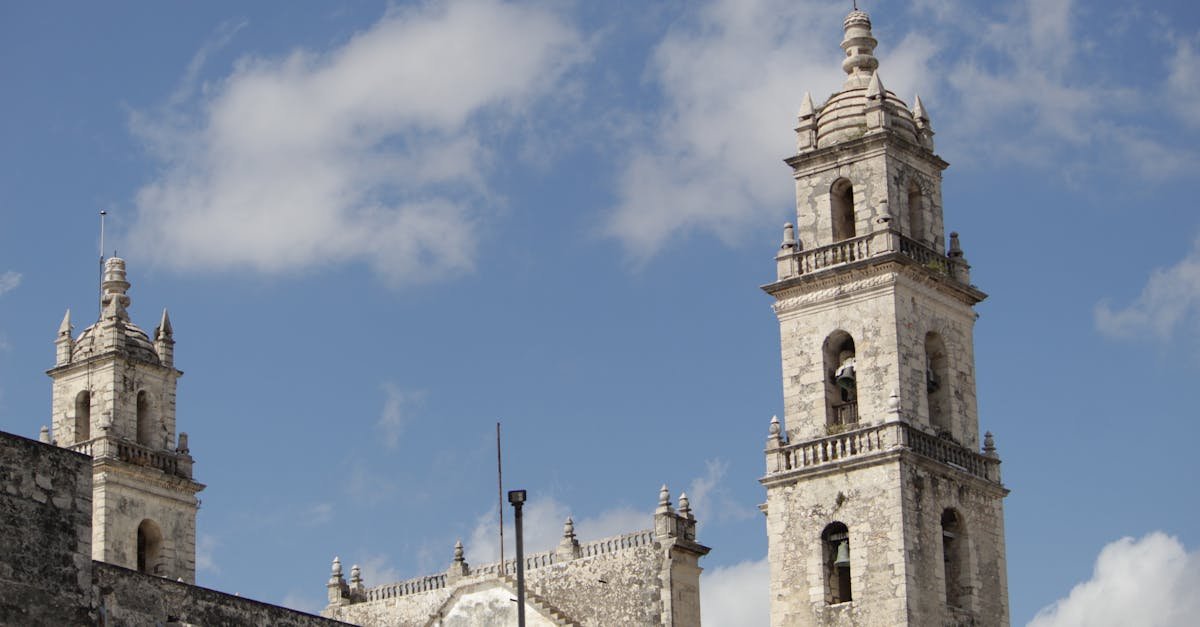
Guanajuato is unlike any city in Mexico — a baroque jewel crammed into a narrow canyon where pastel-pink mansions, ochre churches, and emerald façades tumble down hillsides so steep that streets simply run out of room. Founded in the 16th century on an almost absurd wealth of silver, Guanajuato still wears its riches proudly: gilded altarpieces, a flamboyant neoclassical theatre, and plazas ringed with café tables where mariachi notes drift on warm evening air. Subterranean tunnels once used to divert a flood-prone river now carry cars and motorbikes beneath the city, giving Guanajuato an almost surreal, labyrinthine character that no map fully prepares you for.
Visiting Guanajuato is an experience that rewards slow walkers and curious wanderers rather than checklist tourists. Unlike the beach resorts of Cancún or the megalopolis energy of Mexico City, Guanajuato is human in scale — a university town of roughly 200,000 where students debate philosophy on callejones (narrow alleys) and local vendors sell sweet cajeta from wooden carts. Things to do in Guanajuato range from descending into active silver mines and climbing to panoramic hilltop monuments to attending world-class opera during the legendary Festival Internacional Cervantino. For European travelers accustomed to medieval old towns, Guanajuato offers a comparable density of history and charm at a fraction of the cost.
✦ Find your perfect destination
Is Guanajuato really your perfect match?
Answer 12 quick questions about your travel style, budget and dates — we match you with the destinations that fit you best, from 600+ worldwide.
Guanajuato earned UNESCO World Heritage status in 1988, and it is easy to understand why: few cities on Earth pack this many architectural masterpieces, living folk traditions, and gastronomic riches into such a compact, walkable space. The city is the birthplace of Diego Rivera, the intellectual cradle of Mexican Independence, and the annual host of Latin America's most prestigious arts festival. Guanajuato also punches far above its weight in cuisine, with a regional kitchen built on enchiladas mineras, chiles en nogada, and mezcal that rivals Oaxaca's finest. All of this costs a European traveler remarkably little.
The case for going now: Guanajuato is experiencing a quiet renaissance: new boutique hotels inside restored colonial mansions are opening faster than anywhere else in the Bajío, direct flights from European hubs now connect easily via Mexico City or Guadalajara, and the Mexican peso's current exchange rate makes 2026 one of the most affordable moments in a decade to visit. Travel to Guanajuato now before a new wave of international attention reshapes its blissfully unhurried pace.
🎭
Cervantino Festival
Each October, Guanajuato's plazas and theatres host Latin America's premier performing-arts festival. World-class theatre, opera, and dance companies from 30+ nations take over the entire city for three extraordinary weeks.
⛏️
Silver Mine Tours
Descend into the Mina el Nopal or the famous Bocamina San Ramón to grasp the colonial-era industry that built this city. Guides in miners' helmets lead you through glittering ore veins and dramatic underground chambers.
🎵
Callejoneada Serenades
Join a roving estudiantina — musicians in medieval costume — as they wind through Guanajuato's narrow callejones at dusk, singing Spanish ballads and local legends while the canyon echoes with laughter and music.
🌅
Pípila Monument Sunset
Ride the funicular to the giant stone statue of El Pípila, the miner-hero of Independence, and watch the entire candy-colored city blush golden as the sun drops behind the Bajío hills — Guanajuato's most iconic panorama.
Guanajuato's neighbourhoods — where to focus
Historic Heart
Centro Histórico
The compact colonial core holds the Alhóndiga de Granaditas, the Teatro Juárez, and the Basílica de Nuestra Señora de Guanajuato. Jardín de la Unión — the city's triangular main plaza — is the social hub where residents and travelers share shaded benches beneath clipped laurel trees. Every Guanajuato itinerary starts here.
Student Quarter
Barrio de la Presa
Clustered around the Universidad de Guanajuato's iconic neo-baroque staircase, La Presa is where student life spills onto cobblestones. Affordable fondas, secondhand bookshops, and late-night mezcalerías make this the neighborhood that keeps Guanajuato feeling genuinely alive rather than merely pretty.
Artisan Village
Marfil
A former hacienda suburb a short bus ride from the centre, Marfil retains a quieter, almost rural atmosphere. Converted haciendas now house boutique hotels and art galleries, while Saturday markets sell handmade pottery, textiles, and local cheeses. An excellent base for travelers seeking calm without sacrificing access to Guanajuato's highlights.
Panoramic Heights
Colonia Pastita
Clinging to the upper slopes above the funicular station, Pastita is a residential neighbourhood of steeply climbing lanes, rainbow-painted staircases, and rooftop terraces with unobstructed views over the Guanajuato valley. Street art covers retaining walls, and small family restaurants here serve regional cooking at prices locals actually pay.
Top things to do in Guanajuato
1. #1 Walk the Underground Tunnels
Guanajuato's most distinctive feature is its network of subterranean tunnels — former riverbeds and flood diversions that were converted in the 1960s into a below-grade road system threading beneath the entire historic centre. Walking or riding through them is disorienting in the best possible way: you emerge from darkness into sudden sunlight beside a baroque church or a crowded market. The tunnels connect neighborhoods that would otherwise require lengthy uphill detours, and they remain the fastest way to navigate Guanajuato's topographically chaotic layout. The main Túnel Padre Belaunzarán runs nearly a kilometre and has a pedestrian walkway — a genuinely unique urban experience you will find nowhere else on Earth.
2. #2 Explore the Alhóndiga de Granaditas
This massive 18th-century grain warehouse holds a pivotal place in Mexican history: in 1810, insurgent forces stormed it during the War of Independence, an event that set the nation on its path to freedom. Today the Alhóndiga is Guanajuato's finest museum, its central courtyard ringed with murals painted by local artist José Chávez Morado depicting the full sweep of Mexican history from pre-Hispanic civilizations to the Revolution. The permanent collection includes pre-Columbian artifacts, colonial-era mining equipment, and a deeply moving section on the Independence struggle. It is one of the essential things to do in Guanajuato for any traveler interested in Mexican identity, and admission is inexpensive — typically around 80 Mexican pesos.
3. #3 Visit the Diego Rivera Museum
The house where muralist Diego Rivera was born in 1886 has been preserved almost exactly as it stood in the late 19th century, with period furniture, family portraits, and personal effects occupying the lower floors. The upper floors display an impressive rotating collection of Rivera's early work, including sketches, lithographs, and smaller oil paintings that predate his famous Mexico City murals and his tumultuous relationship with Frida Kahlo. The museum provides essential context for understanding how Guanajuato's blend of European classicism and indigenous Mexican imagery shaped the artist's lifelong visual vocabulary. The building itself — a narrow four-story casa on Calle Positos — is a beautifully restored example of modest provincial colonial architecture.
4. #4 Day Trip to León & the Surrounding Bajío
Guanajuato state extends well beyond the capital city, and a well-planned Guanajuato itinerary should include at least one day exploring the wider Bajío region. The nearby city of León — just 40 minutes by bus — is Mexico's leather capital, with a covered market where handmade boots, belts, and bags sell at prices that leave European visitors speechless. The colonial town of San Miguel de Allende, 90 minutes east, offers a contrasting atmosphere of manicured cobblestone streets and an internationally flavored arts scene. For something wilder, the Reserva de la Biósfera Sierra Gorda lies a few hours north, with canyons, waterfalls, and birdwatching that rivals anything in central Mexico. Guanajuato's central position in the Bajío makes it an ideal base for regional exploration.
What to eat in the Bajío Highlands — the essential list
Enchiladas Mineras
Guanajuato's signature dish: corn tortillas filled with cheese and potato, bathed in a mild red guajillo chile sauce, and crowned with carrots, potatoes, and a dusting of aged cheese. Named after the silver miners who fueled the city's colonial wealth.
Chiles en Nogada
A patriotic Mexican masterpiece best found in Guanajuato from August to October: poblano chiles stuffed with a sweet-savory picadillo of meat, fruit, and spices, blanketed in a cool walnut cream sauce and scattered with pomegranate seeds and parsley.
Cajeta de Celaya
The Bajío's most beloved sweet: a thick, burnished caramel made from goat's milk and produced in the nearby town of Celaya since the colonial era. Buy it in ceramic jars to spread on buñuelos, or eat it straight from a wooden spoon at a street stall.
Gorditas de Horno
Thick masa patties baked in traditional clay ovens, split open, and filled with chicharrón prensado, refried beans, or picadillo. Guanajuato's market stalls sell them by the dozen — an irresistible breakfast or mid-morning snack for a few pesos.
Guanajuato Mezcal
While Oaxaca dominates mezcal headlines, the Bajío produces its own distinct expressions from wild agave varieties. Small-batch distilleries around Guanajuato are attracting serious mezcal drinkers seeking earthy, smoke-forward spirits with terroir distinct from anything found in the south.
Tunas y Xoconostles
The spiny cactus pads of the Bajío hillsides produce sweet tunas (prickly pears) and the more acidic xoconostle, both sold fresh in Guanajuato's Mercado Hidalgo. Eaten chilled, they are the city's most refreshing and most authentically regional snack.
Where to eat in Guanajuato — our top 4 picks
Fine Dining
Mestizo Restaurante
📍 Constancia 27, Centro Histórico, Guanajuato
The most refined address in Guanajuato's dining scene, Mestizo reimagines Bajío ingredients through contemporary Mexican technique. Expect duck confit in mole negro, local cheese boards paired with Bajío wines, and a hushed courtyard setting inside a restored colonial mansion.
Fancy & Photogenic
La Capellina
📍 Alonso 21, Centro Histórico, Guanajuato
Set inside a vaulted 17th-century chapel with exposed stone walls and candlelight, La Capellina serves regional Mexican cuisine in surroundings that feel genuinely theatrical. The enchiladas mineras here are among the best in the city, and the wine list leans thoughtfully toward Mexican producers.
Good & Authentic
Truco 7
📍 Truco 7, Centro Histórico, Guanajuato
A Guanajuato institution beloved by students, professors, and long-time residents alike, Truco 7 serves generous comida corrida lunches — soup, main, agua fresca, dessert — for under 100 pesos. The kitchen is open, the portions are enormous, and the clientele is entirely local.
The Unexpected
El Midi Bistro
📍 Sopeña 12, Centro Histórico, Guanajuato
A French-Mexican hybrid that somehow works perfectly in colonial Guanajuato: crêpes filled with huitlacoche, duck magret with chipotle reduction, and proper espresso in a tiny terrace facing the Jardín de la Unión. A favorite haunt of Festival Cervantino performers.
Guanajuato's Café Culture — top 3 cafés
The Institution
Café Tal
📍 Cantarranas 10, Centro Histórico, Guanajuato
The undisputed coffee institution of Guanajuato, Café Tal roasts single-origin Mexican beans in-house and has been the morning gathering point for university professors and writers for over two decades. The colonial interior, exposed brick walls, and slow-poured filter coffee make it unmissable.
The Aesthetic Hub
Deleite Café de Especialidad
📍 Alonso 70, Centro Histórico, Guanajuato
Guanajuato's most Instagram-worthy café occupies a cobalt-blue room with hand-painted tiles and large windows overlooking a callejón. The menu features Chiapas and Veracruz single-origin espressos, homemade pan dulce, and seasonal aguas frescas in unexpected flavor combinations like hibiscus-tamarind.
The Local Hangout
La Bohemia Café
📍 Sopeña 25, Centro Histórico, Guanajuato
A scruffy, beloved café-bar where Guanajuato university students nurse cortados over philosophy textbooks by day and mezcal by night. Mismatched furniture, walls papered with gig flyers, and live acoustic music on Thursday evenings give La Bohemia an irreplaceably authentic neighborhood energy.
Best time to visit Guanajuato
Jan
Feb
Mar
Apr
May
Jun
Jul
Aug
Sep
Oct
Nov
Dec
Peak Season (Jan–Apr & Dec) — dry, clear skies, mild temperatures 18–25°C, ideal for exploring Guanajuato's hillsides and outdoor plazasShoulder Season (Oct–Nov) — Festival Cervantino in October, occasional showers, lively but less crowdedRainy Season (May–Sep) — afternoon downpours refresh the city but can make cobblestone streets slippery; lowest prices and fewest crowds
Guanajuato events & festivals 2026
Whether you're planning around a specific celebration or simply want to know what's happening, this guide covers the best events and festivals in Guanajuato — from major annual traditions to cultural highlights worth timing your trip around.
October 2026culture
Festival Internacional Cervantino
Latin America's most prestigious performing-arts festival transforms Guanajuato into a global stage each October. Over 900 performances — opera, theatre, dance, and music from 30+ nations — fill the city's plazas, churches, and the Teatro Juárez.
January 2026culture
Festival de las Callejoneadas
January amplifies Guanajuato's beloved tradition of estudiantina serenade processions, with special themed Callejoneadas organized through historic callejones each weekend evening. The festival celebrates the city's Spanish university heritage and is one of the most atmospheric winter events in central Mexico.
April 2026religious
Semana Santa Processions
Holy Week in Guanajuato is marked by solemn candlelit processions through the colonial streets, elaborate church altars, and the dramatic Via Crucis re-enactment on Cerro del Cuarto hill.
September 2026culture
Día de la Independencia Celebrations
Mexican Independence Day on September 16 carries special weight in Guanajuato, the birthplace of the independence movement. The Alhóndiga de Granaditas becomes the focal point of torch-lit ceremonies, and the Jardín de la Unión fills with thousands of residents for the traditional Grito de Independencia at midnight.
November 2026culture
Día de los Muertos
Guanajuato's Day of the Dead celebrations combine pre-Hispanic offerings and colonial Catholic tradition into richly layered neighborhood altars, cemetery vigils with marigold-covered graves, and skull-face face-painting festivals across the Jardín de la Unión and Mercado Hidalgo. A deeply moving cultural experience for visiting travelers.
June 2026music
Festival de Música de Cámara
Guanajuato's chamber music festival brings international classical ensembles to perform in intimate colonial settings: church naves, hacienda patios, and the small Teatro Principal. The acoustics of 17th-century stone interiors make this a genuinely exceptional classical music experience unique to the city.
March 2026culture
Muestra de Cine Mexicano
A curated showcase of contemporary Mexican independent cinema held in Guanajuato's historic theatres and cultural centres each March. Filmmakers, directors, and critics gather for screenings, Q&A sessions, and panels, making it an important event for fans of Latin American cinema and a lively addition to a Guanajuato itinerary.
December 2026market
Mercado Navideño del Jardín
Guanajuato's Christmas market fills the Jardín de la Unión with stalls selling handmade ornaments, regional sweets, hot ponche (spiced fruit punch), and artisan crafts throughout December. The colonial towers strung with lights above the market create a festive scene that rivals European Christmas markets in atmosphere.
May 2026culture
Feria de San Marcos (Aguascalientes)
Though held in neighboring Aguascalientes just 90 minutes from Guanajuato, the legendary Feria de San Marcos — Mexico's largest fair — is easily paired with a Guanajuato travel itinerary. Bullfights, regional food fairs, live norteño music, and craft exhibitions run through the entire month of April and May.
February 2026culture
Aniversario de Diego Rivera
The anniversary of Diego Rivera's birth on December 8 is commemorated in Guanajuato each February with special exhibitions at his birthplace museum, public muralism workshops, and guided tours of locations that shaped the artist's early vision. A highlight for art lovers visiting Guanajuato in winter.
Hostels or cheap casas de huéspedes, comida corrida lunches, street food, local buses, free plazas and markets.
€€ Mid-range
€35–65/day
Boutique guesthouse in Centro Histórico, restaurant meals, mine tours and museum entries, occasional taxi.
€€€ Luxury
€100+/day
Restored colonial mansion hotel, fine dining at Mestizo or La Capellina, private guided tours and festival tickets.
Getting to and around Guanajuato (Transport Tips)
By air: The nearest major airport to Guanajuato is Del Bajío International Airport (BJX), located roughly 30 kilometres from the city centre and serving direct flights from Mexico City, Guadalajara, Monterrey, and several US cities. European travelers typically connect via Mexico City's Benito Juárez International Airport (MEX), with onward flights to BJX taking under an hour.
From the airport: From Del Bajío Airport, the most comfortable option is a pre-booked private transfer (approximately 400–600 Mexican pesos), which takes around 40 minutes to reach Guanajuato's historic centre. Official airport taxis are available at fixed rates from the arrivals hall. Public buses connect the airport to the Guanajuato central bus terminal in roughly 45 minutes for a fraction of the cost, though with luggage this can be awkward on Guanajuato's steep streets.
Getting around the city: Guanajuato's historic centre is best navigated entirely on foot — the compact colonial layout and narrow callejones make cars impractical and often impossible. The city's underground tunnel network carries local buses and taxis between neighbourhoods. The iconic funicular (teleférico) connects the centre to the Pípila monument and upper hillside areas. For day trips to León, San Miguel de Allende, or the airport, comfortable intercity buses depart regularly from the Central de Autobuses, reachable in 10 minutes by local bus from the centre.
Transport Safety & Scam Prevention:
Agree Taxi Fares in Advance: Guanajuato taxis rarely use meters, so always confirm the fare before getting in. Rides within the centro should cost 50–80 Mexican pesos; airport transfers are fixed rate. Negotiate firmly and politely — overcharging foreign visitors is common among drivers near tourist plazas.
Watch for Unofficial Tour Guides: In Jardín de la Unión and near the Alhóndiga, unofficial 'guides' may approach and begin walking with you before demanding payment. Guanajuato's licensed guides carry official credentials — if in doubt, arrange tours through your hotel or the official tourism office on Avenida Juárez.
Keep Small Bills for Markets: Guanajuato's market vendors and street food stalls rarely have change for large-denomination notes. Always carry 50 and 20-peso notes for mercado purchases. ATMs in the centro are reliable but can run dry on festival weekends — withdraw cash before major events like Cervantino.
Do I need a visa for Guanajuato?
Visa requirements for Guanajuato depend on your nationality. Select your passport below for an instant answer — based on the Passport Index dataset for entry into Mexico.
ℹ️ Indicative only. Always verify with the official consulate before booking. Data: Passport Index, April 2026.
For detailed requirements, documentation checklists and processing times by nationality: TravelDoc →
Search & Book your trip to Guanajuato
Find the best flight routes and hotel combinations using our partner Kiwi.com.
Frequently Asked Questions
Is Guanajuato safe for tourists?
Guanajuato city itself is considered one of the safer urban destinations in Mexico for travelers, with its compact historic centre remaining generally peaceful and heavily frequented by both domestic and international visitors year-round. The main risks are petty theft in crowded markets and the disorientation of the tunnel network after dark. As with any Mexican destination, it is advisable to avoid poorly lit areas late at night, keep valuables secured, and stay informed about any regional advisories for Guanajuato state beyond the city limits. Most travelers complete their visit without incident.
Can I drink the tap water in Guanajuato?
Tap water in Guanajuato is not reliably safe to drink for visitors whose stomachs are unaccustomed to local bacteria levels, and the overwhelming local and expat consensus is to drink purified or bottled water throughout your stay. Virtually every restaurant, hotel, and café in Guanajuato serves purified water (agua purificada) as standard, and large refillable garrafones are available cheaply at corner shops. Brush your teeth with tap water — that is generally fine — but avoid swallowing it during your visit to Guanajuato.
What is the best time to visit Guanajuato?
The best time to visit Guanajuato is between January and April, when the dry season delivers clear blue skies, mild daytime temperatures of 18–25°C, and minimal rain on the cobblestone streets. December is also excellent — the Christmas market on the Jardín de la Unión creates a magical atmosphere. October brings the world-famous Festival Internacional Cervantino, making it the most culturally electric month in Guanajuato, though accommodation books out months ahead. The rainy season from May to September brings afternoon showers that, while refreshing, can make the steep callejones slippery.
How many days do you need in Guanajuato?
A minimum of three full days allows you to cover Guanajuato's essential highlights: the Alhóndiga museum, the Diego Rivera birthplace, a silver mine tour, the underground tunnels, and an evening Callejoneada serenade. Five days is the sweet spot for a relaxed Guanajuato itinerary that also includes a day trip to either San Miguel de Allende or León, plus time to explore neighbourhood callejones, linger in markets, and attend an evening performance at the Teatro Juárez. Ten days gives you the full Bajío experience — Guanajuato becomes a base for exploring the entire region at a genuinely unhurried pace.
Guanajuato vs San Miguel de Allende — which should you choose?
Guanajuato and San Miguel de Allende are both UNESCO colonial gems in the Bajío, but they attract quite different types of traveler. Guanajuato is wilder, steeper, more authentically Mexican, and significantly cheaper — a real university city with local students, underground tunnels, and a creative energy that feels unmanicured. San Miguel de Allende is more polished, heavily Americanized, and considerably more expensive, with a large expat community and a curated arts scene. For European travelers seeking genuine Mexican atmosphere and extraordinary value, Guanajuato is the stronger choice. San Miguel makes an excellent day trip from Guanajuato — close enough at 90 minutes by bus to experience both without choosing.
Do people speak English in Guanajuato?
English is spoken to a basic level in hotels, upscale restaurants, and tourism-facing businesses in Guanajuato, but the city is far less internationally oriented than Cancún or Mexico City, and many locals — especially in markets, smaller eateries, and residential neighbourhoods — speak Spanish only. The Universidad de Guanajuato produces a population of educated Spanish speakers, and university students often have some English ability. Learning a handful of Spanish phrases — greetings, food vocabulary, numbers — will significantly enrich your experience and is warmly appreciated by Guanajuato residents. A translation app is a practical backup for more complex interactions.
★ Hidden Gems Weekly
Like this? One place per week, in your inbox.
No spam, no fluff — just one underrated destination, every Tuesday.
Hand-picked and verified by Max, who founded Vacanexus from Luxembourg in 2026. No sponsorships, no paid placements. Every recommendation — restaurants, neighbourhoods, things to do — is selected for authenticity over popularity.