San Miguel de Allende Travel Guide — Pink spires, cobblestone streets, and effortless elegance
⏱ 12 min read📅 Updated 2026💶 €€€ Luxury✈️ Best: Jan–Apr
€120–250/day
Daily budget
Jan–Apr
Best time
4–7 days
Ideal stay
MXN
Currency
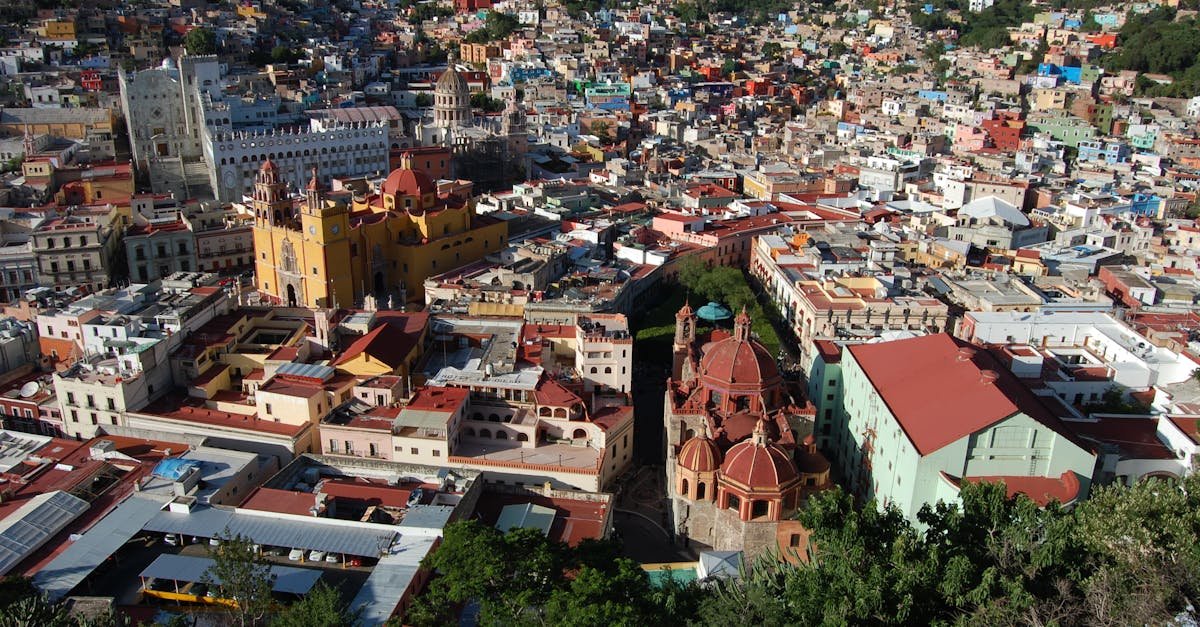
San Miguel de Allende announces itself with the audacious pink spires of La Parroquia de San Miguel Arcángel rising above a sky that seems perpetually lit in gold. The cobblestone streets radiate warmth — literally, at altitude, at 1,860 metres — while bougainvillea spills riotously over centuries-old hacienda walls in every shade of fuchsia and coral. The smell of fresh tortillas drifting from corner comedores mingles with wood smoke and the distant peal of church bells counting out the afternoon. San Miguel de Allende is a small city of extraordinary sensory richness, one that rewards slow walking and lingering over mezcal on a terrace as the sun sets behind the Jardín Principal.
Visiting San Miguel de Allende is categorically different from the resort corridors of Los Cabos or the frenetic pace of Mexico City. Since the 1950s this UNESCO World Heritage city has drawn North American artists, writers, and retirees who arrived and simply never left, weaving an internationally minded creative culture over the colonial baroque bones of the city. Things to do in San Miguel range from morning yoga in a converted convent to serious gallery-hopping to cooking classes guided by fifth-generation chefs. What distinguishes it from fellow colonial gems like Oaxaca or Guanajuato city is the seamless blend of world-class hospitality infrastructure with genuine Mexican neighbourhood life — a combination that feels increasingly rare and entirely worth the journey.
✦ Find your perfect destination
Is San Miguel de Allende really your perfect match?
Answer 12 quick questions about your travel style, budget and dates — we match you with the destinations that fit you best, from 600+ worldwide.
Your San Miguel de Allende itinerary — choose your style
🗓 Weekend Break — 2 days
🧭 City Explorer — 5 days
🌍 Deep Dive — 10 days
Your pace:
Why San Miguel de Allende belongs on your travel list
San Miguel de Allende has spent seven decades quietly perfecting the art of making visitors feel like temporary residents rather than tourists. The city's intact colonial architecture — protected by UNESCO designation since 2008 — means no chain-store eyesores interrupt views that look almost exactly as they did in 1700. World-renowned cooking schools, rooftop bars with unobstructed parroquia panoramas, and a gallery scene that would hold its own in Santa Fe or Margate all layer onto a foundation of genuine Mexican warmth. San Miguel de Allende is simply one of those places where the daily quality of life, even for a visitor, is astonishingly high.
The case for going now: San Miguel de Allende is in a sweet spot right now: the post-pandemic digital-nomad wave has fattened the restaurant and cocktail scene considerably, adding inventive menus without eroding local character. The Mexican peso remains relatively favourable for European visitors, making five-star hacienda hotels exceptionally good value compared to equivalent properties in southern Europe. New direct flights from several US hubs to nearby Guanajuato International Airport are steadily improving access, and a crop of boutique spa hotels that opened between 2022 and 2024 are still below peak-demand pricing.
🏛️
Baroque Architecture
San Miguel de Allende's historic centre is an open-air museum of Spanish colonial and neo-Gothic architecture. The pink limestone Parroquia dominates every sightline, but the streets behind it reveal equally compelling convents, oratories, and private palaces.
🍷
Rooftop Dining
The rooftop restaurant scene in San Miguel de Allende is genuinely world-class, with chefs sourcing highland ingredients from nearby farms. Sundowner mezcal cocktails with the illuminated Parroquia as backdrop have become a defining ritual of any visit.
🎨
Gallery Hopping
The artists' colony founded here in the 1950s never dissolved — it evolved. Dozens of serious galleries line Calle Correo and Umaran, showing everything from Mexican muralism to contemporary installation, and studio open-house events happen most weekends.
♨️
Hot Spring Spas
The Guanajuato highlands are riddled with geothermal springs, and several luxury spa hotels outside San Miguel pipe in naturally heated mineral water. A half-day soak at La Gruta or Escondido Place is a beloved local ritual for residents and visitors alike.
San Miguel de Allende's neighbourhoods — where to focus
Historic Heart
Centro Histórico
Every visit to San Miguel de Allende begins and ends in the Centro. The Jardín Principal — the central plaza — buzzes from morning coffee to late-night strolls beneath the laurel trees. The finest boutique hotels, jewellery shops, and the iconic Parroquia all cluster within a ten-minute walk of each other here.
Artsy & Walkable
San Antonio
Just south of the centre, San Antonio mixes working-class Mexican households with artist studios, independent coffee shops, and some of the city's most interesting wall murals. The Fábrica La Aurora — a converted textile mill turned art and design centre — anchors this neighbourhood as San Miguel's creative engine.
Expat Village
Colonia Guadalupe
Guadalupe has the feel of a Mexican village that happens to be populated partly by well-travelled foreigners who have renovated its 19th-century houses with considerable taste. Its quieter streets, excellent neighbourhood restaurants, and rooftop terraces with unobstructed hill views make it the preferred residential address for long-stay visitors.
Views & Serenity
Atascadero
Perched on the northern hillside above the city, Atascadero rewards the uphill walk with sweeping panoramas over San Miguel's terracotta roofscape and distant mountain ranges. A handful of luxury boutique hotels have colonised its quieter lanes, and the neighbourhood's viewpoint — El Mirador — is the classic spot for sunrise photography.
Top things to do in San Miguel de Allende
1. Sunrise at El Mirador
No San Miguel de Allende itinerary is complete without at least one pre-dawn taxi ride up to El Mirador viewpoint on the northern edge of the city. As the sky transitions from indigo to peach, the Parroquia's neo-Gothic spires catch the first light in tones of deep rose and amber while the valley below remains in shadow. Photographers, honeymoon couples, and solitary early-risers jostle gently for position along the low stone wall. The walk back downhill into the waking city — passing women carrying fresh bread baskets and street vendors arranging their first empanadas — is itself a beautiful piece of everyday San Miguel theatre. Arrive by 6:45 am for the best light.
2. Fábrica La Aurora Art Centre
The Fábrica La Aurora is one of the most satisfying things to do in San Miguel de Allende for design and art lovers. This enormous early 20th-century textile factory has been repurposed into a labyrinthine complex of galleries, antique dealers, ceramics studios, and furniture design showrooms all operating under one soaring industrial roof. Unlike Mexico City's more formal gallery circuit, La Aurora has a relaxed Saturday-afternoon energy — the kind of place where you wander into a studio and find yourself in genuine conversation with the artist about their practice. Budget two to three hours, and note that several resident galleries change their shows monthly. The courtyard café is a reliable spot for a post-wander coffee.
3. Cooking Class at a Hacienda
San Miguel de Allende has established itself as one of Mexico's premier culinary education destinations, and taking a hands-on cooking class is one of the highlights of visiting San Miguel. The most respected programmes — run by institutions like the Instituto Allende or independent chef collectives — begin at a local market in the Mercado Ignacio Ramírez, where instructors explain the difference between dried chilli varieties and introduce vendors by name. The class then moves to a hacienda kitchen to prepare dishes such as chiles en nogada, mole negro, and tamales de rajas. What elevates San Miguel's cooking schools above tourist gimmickry is the genuine depth of instruction: students learn the why behind centuries of technique, not just a recipe to photograph.
4. Day Trip to Pozos Ghost Town
About 90 minutes northeast of San Miguel de Allende lies Mineral de Pozos, a partially abandoned silver-mining town that peaked in the 17th century and slowly emptied through the 20th. Today it is a hauntingly photogenic place of crumbling mine shafts, pre-Hispanic musical instrument workshops, and a small but dedicated arts community that has taken root among the ruins. The journey itself, through the dramatic semi-arid Guanajuato landscape, sets the mood beautifully. In Pozos, the weekend artisan market is excellent for buying instruments made from clay and bone, and the town's single main square has a quiet dignity entirely at odds with San Miguel's polished tourist infrastructure. An organised day tour from San Miguel typically runs five to six hours including transport.
What to eat in the Bajío highlands of Guanajuato — the essential list
Chiles en Nogada
The patriotic dish of Mexico — a poblano chilli stuffed with picadillo of meat and dried fruit, blanketed in walnut cream sauce and garnished with pomegranate seeds and parsley. In San Miguel it appears on nearly every upscale menu in late summer and autumn, made with local walnuts.
Enchiladas Mineras
A Guanajuato regional classic: corn tortillas dipped in a mild guajillo salsa, stuffed with fresh cheese, and served with pickled carrots and potatoes. San Miguel's market comedores serve them for breakfast at prices that feel almost implausibly low given the quality of the chilli.
Mezcal Artesanal
The highlands around San Miguel have pushed mezcal from novelty to serious drinking culture. Local bars stock small-batch espadin and tobalá expressions from nearby Oaxacan producers alongside boutique Guanajuato distilleries. Sipped neat from a clay copita, it is the defining flavour of a San Miguel evening.
Gorditas de Nata
These thick, lightly sweet masa cakes fried in a griddle and split open to receive cheese or beans are the canonical San Miguel street snack. Find them at their best in the early morning outside the Mercado Ignacio Ramírez, eaten standing up while watching the city come to life.
Pozole Rojo
A slow-simmered broth of hominy corn and pork enriched with dried chillies and served with a parade of toppings — shredded cabbage, radish, dried oregano, tostadas. San Miguel's versions lean hearty and deeply flavoured, perfect fortification for a day of cobblestone walking in the cool highland air.
Cajeta de Celaya
Celaya, less than an hour from San Miguel, is the spiritual home of cajeta — a deeply caramelised goat's milk confection that is the regional obsession. Buy it in a clay pot to drizzle over crepes at breakfast or eat straight from the spoon; it is Mexico's most compelling argument for goat's milk.
Where to eat in San Miguel de Allende — our top 4 picks
Fine Dining
Moxi
📍 Hotel Matilda, Aldama 53, Centro, San Miguel de Allende
Moxi at Hotel Matilda represents San Miguel de Allende dining at its most refined. Chef Matteo Salas runs a tasting-menu programme that reimagines Bajío ingredients through a contemporary European lens — expect aged local beef, wild mushroom consommé, and desserts centred on cajeta and local cacao. The candlelit courtyard is among the most beautiful dining rooms in Mexico.
Fancy & Photogenic
Bovine
📍 Sollano 16, Centro, San Miguel de Allende
Bovine earns its photogenic reputation through a stunning rooftop terrace with direct Parroquia views and a menu that skews confidently toward dry-aged steaks and creative sharing plates. The weekend brunch is particularly popular among San Miguel's resident expat community, and the cocktail programme — heavy on local mezcal and seasonal fruit — keeps pace with the kitchen.
Good & Authentic
Café de la Parroquia
📍 Jesús 11, Centro, San Miguel de Allende
Not to be confused with Veracruz's famous coffee institution, this long-running Centro spot serves honest, market-driven Mexican cooking at prices far more forgiving than the rooftop venues. Regulars swear by the morning huevos a la mexicana with handmade tortillas and the weekday pozole lunch. Bustling, unpretentious, and genuinely local in clientele.
The Unexpected
Hecho en Mexico
📍 Ancha de San Antonio 8, Centro, San Miguel de Allende
Despite its slightly tourist-facing name, Hecho en Mexico consistently surprises visitors with ambitious, region-spanning Mexican cooking from states not usually represented in Guanajuato restaurants — Yucatecan cochinita pibil alongside Oaxacan tlayudas alongside Veracruz-style seafood. The colourful hand-painted interior and live marimba on weekends make it as entertaining as it is delicious.
San Miguel de Allende's Café Culture — top 3 cafés
The Institution
The Coffee Bar at Rosewood
📍 Nemesio Díez 11, Centro, San Miguel de Allende
Tucked inside the Rosewood San Miguel de Allende's grand colonial courtyard, this coffee counter has become a morning institution for both hotel guests and locals who know its baristas source single-origin Mexican beans from Chiapas and Veracruz highlands. The cortado served with a small piece of piloncillo shortbread is a near-perfect morning ritual in San Miguel.
The Aesthetic Hub
Nomada Urban Garden
📍 Quebrada 68, Centro, San Miguel de Allende
Nomada has colonised a crumbling colonial house and planted every surface with cascading greenery, making it simultaneously the most photographed café in San Miguel de Allende and a genuinely good place to drink a flat white. The avocado toast and chilaquiles brunch menu draws a design-conscious crowd, and the upstairs terrace is prime laptop territory on weekday mornings.
The Local Hangout
Lavanda Café
📍 Hernández Macías 97, San Antonio, San Miguel de Allende
A neighbourhood-scale café in the San Antonio district, Lavanda draws local artists, writers, and long-stay residents rather than the Centro tourist flow. The house-made pastries — particularly the almond polvorones and the guava Danish — are exceptional, and the owner's playlist skews toward cumbia and ambient jazz in proportions that seem exactly right at any hour.
Best time to visit San Miguel de Allende
Jan
Feb
Mar
Apr
May
Jun
Jul
Aug
Sep
Oct
Nov
Dec
Peak Season (Jan–Apr & Dec) — dry, warm, clear skies; optimal for outdoor sightseeing and festival seasonShoulder Season (Oct–Nov) — post-rains, pleasantly cool, smaller crowds and better hotel ratesRainy Season (May–Sep) — afternoon downpours, lush but humid; festivals still active but outdoor plans need flexibility
San Miguel de Allende events & festivals 2026
Whether you're planning around a specific celebration or simply want to know what's happening, this guide covers the best events and festivals in San Miguel de Allende — from major annual traditions to cultural highlights worth timing your trip around.
January 2026culture
San Miguel de Allende International Guitar Festival
One of the Free outdoor concerts make it accessible to every budget.
February 2026culture
Día de la Candelaria
Candlemas in San Miguel de Allende is celebrated with processions bearing elaborately dressed figures of the Christ child through the Centro, accompanied by traditional music and the distribution of tamales and atole. It marks the official close of the Christmas and Three Kings season with considerable civic ceremony.
March 2026culture
San Miguel Literary Festival
Writers, poets, and essayists from Mexico, the United States, and Europe converge on San Miguel for a week of readings, panel discussions, and workshops held in boutique hotels and the city's historic libraries. The festival reflects San Miguel de Allende's deep identity as a literary and intellectual refuge.
April 2026religious
Semana Santa Processions
Holy Week transforms San Miguel de Allende into one of Mexico's most atmospheric Easter destinations, with nightly candlelit processions winding through the cobblestone streets. The Good Friday procession — with participants in period costumes carrying carved wooden floats — is among the most visually powerful religious events in the Bajío region.
June 2026music
San Miguel de Allende Jazz Festival
The Jazz Festival brings international and Mexican jazz ensembles to the city's rooftops, hotel courtyards, and the open-air stage on the Jardín Principal for a long weekend of free and ticketed performances. Visiting San Miguel in June for the jazz festival offers an excuse to beat the main tourist crowds while enjoying first-rate live music.
July 2026culture
Festival de Música de Cámara
A serious chamber music festival drawing ensembles from Mexico's national conservatories and international guest performers to perform in the acoustically excellent setting of San Miguel's 18th-century churches. The contrast between the ancient stone architecture and the precision of the music is genuinely moving.
September 2026culture
Fiestas Patrias — Independence Day
September 15–16 in San Miguel de Allende is among the most exuberant Independence Day celebrations in Mexico, honouring the city's status as birthplace of independence hero Ignacio Allende. Fireworks over the Parroquia, the Grito de Independencia from the palacio balcony, and all-night street celebrations make this a remarkable night to be in the city.
October 2026market
Festival de Globos de Cantoya
The hot-air balloon lantern festival sees hundreds of hand-crafted paper balloons — some exceeding four metres — launched from the Parque Juárez after dark, drifting over the city in a slow constellation of orange and gold light. It is one of the most photographed San Miguel de Allende events of the year.
November 2026culture
Día de los Muertos
San Miguel de Allende's Day of the Dead celebrations are elaborate and deeply felt, centred on the Panteón Municipal cemetery where families build elaborate ofrendas by candlelight through the night of November 1–2. The artistic community adds installations and altars throughout the Centro, making the entire city a meditation on memory and beauty.
December 2026religious
Las Posadas Processions
From December 16 to 24, nightly posada processions re-enacting the search for lodging by Mary and Joseph wind through San Miguel de Allende's neighbourhoods, ending in communal piñata breaking, ponche punch, and buñuelos. The combination of candlelight, church bells, and colonial architecture makes this one of Mexico's most authentic Christmas traditions.
Hostel or guesthouse, market comedores, public transport, free church and plaza sightseeing.
€€ Mid-range
€70–120/day
Boutique hotel, restaurant dinners, cooking class or guided tour, occasional taxi use.
€€€ Luxury
€120–250/day
Rosewood or Numu-level hacienda suite, fine dining nightly, spa treatments, private transfers.
Getting to and around San Miguel de Allende (Transport Tips)
By air: The most practical airport for San Miguel de Allende is Del Bajío International Airport (BJX) near Silao, roughly 90 kilometres away — approximately 90 minutes by road. Queretaro International (QRO) is a closer option at around 60 kilometres, with good connections to Mexico City. Direct US gateway routes from Dallas, Houston, and Los Angeles serve BJX, while European travellers typically connect through Mexico City's Benito Juárez International (MEX).
From the airport: From BJX airport, pre-booked private transfers are the most comfortable option and cost approximately MXN 800–1,200 (€40–60) depending on vehicle class — book through your hotel or a reputable transfer company rather than airport touts. Primera Plus and ETN operate comfortable long-distance bus services from Querétaro bus terminal to San Miguel de Allende's Central de Autobuses, taking around 90 minutes. From Querétaro city itself the journey by road is under an hour, and ride-share apps including Uber function reliably in Querétaro for the airport-to-bus-station leg.
Getting around the city: San Miguel de Allende's historic centre is genuinely walkable — most hotels, restaurants, galleries, and the Jardín Principal are within a 15-minute walk of each other on cobblestone streets that, it must be said, demand sturdy footwear. Taxis are plentiful, inexpensive, and negotiated by fixed zone rather than meter; a cross-town ride rarely exceeds MXN 80 (€4). Uber operates in San Miguel and is slightly more transparent on pricing for first-time visitors. Local buses run frequent routes to outlying colonias and nearby hot spring resorts for MXN 10–15, though navigating them requires some Spanish and confidence.
Transport Safety & Scam Prevention:
Agree Taxi Fares in Advance: San Miguel taxis do not use meters, so always establish the price before getting in. Most drivers are honest, but tourists can be quoted inflated rates — a short centro hop should cost around MXN 50–70, not MXN 200. Having your hotel quote a reference fare before you explore is the easiest calibration.
Use ATMs Inside Banks: Card skimming is a real issue in Mexico. Use ATMs located inside bank branches (Banamex, BBVA, Santander all have branches in the Centro) rather than standalone street machines. Withdraw larger sums less frequently to minimise exposure, and notify your bank before travel to prevent fraud blocks on your account.
Verify Tour Operators: San Miguel de Allende has a healthy tour industry, but informal operators occasionally oversell cooking classes or hot spring packages that don't materialise as described. Book excursions through your hotel concierge or platforms with verified reviews, and be cautious of unsolicited approaches near the Jardín Principal offering discounted tours.
Do I need a visa for San Miguel de Allende?
Visa requirements for San Miguel de Allende depend on your nationality. Select your passport below for an instant answer — based on the Passport Index dataset for entry into Mexico.
ℹ️ Indicative only. Always verify with the official consulate before booking. Data: Passport Index, April 2026.
For detailed requirements, documentation checklists and processing times by nationality: TravelDoc →
Search & Book your trip to San Miguel de Allende
Find the best flight routes and hotel combinations using our partner Kiwi.com.
Frequently Asked Questions
Is San Miguel de Allende safe for tourists?
San Miguel de Allende is considered one of the safer destinations in Mexico for international tourists, and the city's large permanent expat community means security infrastructure and awareness are well above the national average. The Centro Histórico and major tourist areas are patrolled and generally safe day and night. That said, travellers should exercise standard urban caution — avoid poorly lit side streets late at night, keep valuables out of sight, and use hotel-recommended taxis after dark. The broader state of Guanajuato has security challenges in more rural and industrial areas, but these rarely affect the tourist experience in San Miguel itself.
Can I drink the tap water in San Miguel de Allende?
Tap water in San Miguel de Allende is not reliably safe to drink, and even long-term residents use filtered or bottled water for drinking and cooking. All hotels provide filtered water, and every restaurant and café serves purified water as standard — there is no need to worry about water in food or ice at reputable establishments. Carry a refillable bottle and ask your hotel to fill it from their garrafón (large filtered water dispenser) each morning to reduce plastic waste. Bottled water is inexpensive and widely available at convenience stores throughout the city.
What is the best time to visit San Miguel de Allende?
The best time to visit San Miguel de Allende is January through April, when the highland climate delivers warm, dry days of 22–26°C, virtually no rain, and clear blue skies that make the pink Parroquia look its absolute best. December is also excellent for the posada Christmas season. May through September brings the rainy season — afternoon downpours are common but rarely last more than two hours, and the landscape turns strikingly green. October and November are a pleasant shoulder period with good weather, thinner crowds, and noticeably better hotel rates. The Semana Santa Easter period and the September Independence Day celebrations attract peak visitor numbers, so book accommodation three to four months ahead for those dates.
How many days do you need in San Miguel de Allende?
A minimum of four days in San Miguel de Allende allows you to cover the essential Centro sightseeing, visit Fábrica La Aurora, take a cooking class, and soak in the hot springs — without feeling rushed. Five to seven days is the sweet spot recommended by most returning visitors: it adds time for a day trip to Mineral de Pozos or Guanajuato city, a full spa day, deeper gallery exploration, and the unhurried meals and mezcal evenings that represent San Miguel at its best. Ten days or longer suits those considering it as a slow-travel base for exploring the wider Bajío region. San Miguel also has a thriving long-stay community of months-long residents — a testament to how liveable and rewarding the city becomes with time.
San Miguel de Allende vs Oaxaca — which should you choose?
Both are UNESCO-protected colonial Mexican cities with serious food cultures and thriving arts scenes, but the experiences differ substantially. San Miguel de Allende skews more polished, international, and luxury-oriented — its decades as an expat artists' colony mean world-class hotels, English-fluent service, and a familiarity with international traveller expectations. Oaxaca runs deeper on indigenous culture, mezcal production heritage, and archaeological access (Monte Albán, Mitla) and has a rawer, more authentically Mexican energy at street level. Choose San Miguel if you want refined comfort, excellent rooftop dining, and a relaxed pace of cultural immersion. Choose Oaxaca if you want more intense cultural contrast, culinary adventure, and proximity to pre-Columbian sites. For longer trips, do both — they are complementary rather than competing.
Do people speak English in San Miguel de Allende?
English is more widely spoken in San Miguel de Allende than in virtually any other Mexican city outside of major beach resorts, largely because of the substantial permanent English-speaking expat population. In hotels, upscale restaurants, galleries, and tour companies, English is essentially the working language alongside Spanish. At market comedores, local neighbourhood shops, and with taxi drivers, basic Spanish phrases will be necessary and are warmly appreciated. Learning a handful of key expressions — ordering food, asking prices, thanking people — noticeably improves interactions and earns genuine goodwill. Overall, English-speaking European travellers will navigate San Miguel with very little difficulty.
★ Hotel guide
Where to stay in San Miguel De Allende
7+ hand-picked hotels across luxury, mid-range and budget — verified by Max.
Hand-picked and verified by Max, who founded Vacanexus from Luxembourg in 2026. No sponsorships, no paid placements. Every recommendation — restaurants, neighbourhoods, things to do — is selected for authenticity over popularity.