Nice Travel Guide — Belle Époque grandeur meets sun-soaked authenticity
⏱ 11 min read📅 Updated 2026💶 €€ Mid-Range✈️ Best: Apr–Sep
€50–120/day
Daily budget
Apr–Sep
Best time
4–6 days
Ideal stay
EUR
Currency
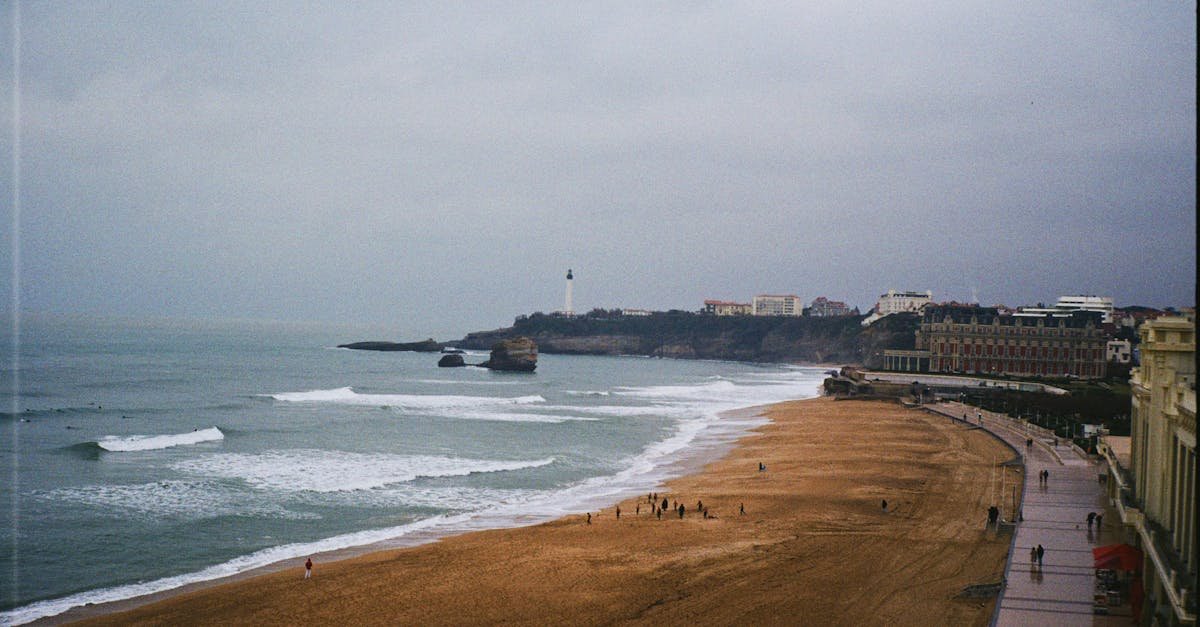
Nice announces itself with a sweep of turquoise that seems almost too vivid to be real — the Mediterranean stretching south from the famous Promenade des Anglais in an unbroken arc of blue. The air smells of warm stone, pastis, and fresh socca sizzling on street griddles in the Vieux-Nice markets. Ochre and terracotta facades crowd narrow lanes where locals argue over football and tourists lose themselves happily for hours. Nice is simultaneously a working French city of nearly 350,000 people and the undisputed capital of the Côte d'Azur — a combination that gives it an energy no purpose-built resort could ever replicate.
What separates Nice from the glitzier enclaves nearby — Monaco, Cannes, Saint-Tropez — is honest, everyday French life running in parallel with the glamour. Visiting Nice means riding a cheap tram to a baroque market, eating a pan bagnat on the pebble beach, then watching the sunset turn the Belle Époque seafront a deep amber-gold. Things to do in Nice range from world-class art museums to hiking the Colline du Château for panoramic views that require exactly zero euros and absolutely zero reservations. This is the Côte d'Azur for travelers who want the real thing.
✦ Find your perfect destination
Is Nice really your perfect match?
Answer 12 quick questions about your travel style, budget and dates — we match you with the destinations that fit you best, from 600+ worldwide.
Nice delivers the full Mediterranean fantasy — dazzling light, exceptional food, and architectural beauty — without demanding a yacht budget. The city's Vieux-Nice quarter is one of the most visually exuberant old towns in France, all Genoese-style facades and spontaneous flower stalls. Nice's collection of Matisse and Chagall works in dedicated museums is genuinely world-class, and the city's position as a rail and bus hub means day trips to Èze, Antibes, or Monaco are effortless. Few European cities pack this ratio of sensory pleasure per euro spent.
The case for going now: Nice completed a major tram network extension in 2023, making beachside neighborhoods and hilltop districts far easier to reach without a car. Hotel rates in Nice still sit meaningfully below those in Cannes and Monaco despite comparable beaches and superior cultural infrastructure. With direct low-cost flights multiplying from across northern Europe, 2026 is an ideal moment to visit Nice before the secret fully escapes.
🏖️
Promenade Strolling
The 7-kilometre Promenade des Anglais is Nice's defining stage — walk it at golden hour when the Belle Époque hotels glow and the sea turns copper. Free, timeless, and utterly cinematic.
🛒
Cours Saleya Market
The Old Town's flower and produce market is the social heart of Nice each morning. Stallholders sell violet-scented soap, ripe Provençal tomatoes, and golden mimosa bouquets in a riot of colour and noise.
🎨
Matisse Museum
Set in a deep-red 17th-century villa in the Cimiez district, the Musée Matisse holds the world's finest permanent collection of Henri Matisse's work — over 60 paintings, sculptures, and drawings in luminous rooms.
🏔️
Colline du Château
Climb the ancient castle hill — via stairs or free lift — for panoramic views stretching from the port to the Esterel mountains. The cascading waterfall and shaded gardens make it a perfect picnic escape.
Nice's neighbourhoods — where to focus
Historic Heart
Vieux-Nice
The old town is Nice at its most intoxicating: Baroque churches shoulder-to-shoulder with fromageries, street art splashed across crumbling ochre walls, and the Cours Saleya filling each morning with vendors and scent. By night, the lanes light up with restaurants spilling onto cobblestones. This is where to base yourself if you want authenticity over comfort.
Belle Époque Glamour
Promenade & Centre-Ville
The grand seafront boulevard anchors Nice's centre, flanked by opulent 19th-century hotels and efficient modern tram lines. Rue de France and Avenue Jean Médecin offer serious shopping, while Place Masséna — with its geometric red-and-white paving and fountains — serves as the city's elegant living room. Ideal for first-time visitors who want it all within walking distance.
Quiet & Bourgeois
Cimiez
Perched on a hilltop north of the centre, Cimiez is a leafy residential district of Belle Époque villas, Roman ruins, and the museums dedicated to both Matisse and Chagall. Fewer tourists venture up here, which means quieter cafe terraces and the chance to understand Nice as a city rather than a resort. The Franciscan monastery gardens are a hidden gem.
Hip & Local
Libération
The neighbourhood around the Libération market — Nice's biggest covered food hall — is where the city's younger creative class eats, drinks, and hangs out. Independent wine bars, neo-bistros, and vintage clothing shops fill the streets around Avenue Malausséna. This is the antidote to tourist-facing Nice and the place to eat alongside residents rather than fellow travellers.
Top things to do in Nice
1. Walk the Promenade des Anglais
No Nice itinerary is complete without serious time on the Promenade des Anglais, the palm-lined seafront boulevard that has defined the city's identity since English aristocrats funded its construction in 1820. The full seven-kilometre walk from the airport end to the port takes roughly 90 minutes at a leisurely pace, but most visitors focus on the central stretch between the Negresco Hotel and the Quai des États-Unis. Rent one of the blue deckchairs operated by the city, swim from the public pebble beaches, and watch the extraordinary cross-section of humanity that uses this promenade daily: elderly Niçois in linen suits, rollerbladers, lycra-clad joggers, and families unfolding picnic blankets at noon. At dusk, the Belle Époque facades blush pink and the atmosphere becomes genuinely magical.
2. Explore Vieux-Nice on Foot
Vieux-Nice — the labyrinthine old quarter pressed between the castle hill and the seafront — rewards aimless wandering more than any structured tour. The architecture is unmistakably Italian in origin, a legacy of Nice's centuries under Savoyard and Genoese influence, with facades painted in every shade of terracotta and mustard imaginable. Begin at the Cours Saleya flower market (open every morning except Monday, when antique dealers take over), then push deeper into Rue Droite, the old town's main artery, past the Palais Lascaris — a free Baroque palace turned folk-instrument museum. Allow three hours minimum, and stop at one of the many socca stands for Nice's beloved street food: a crisp chickpea pancake eaten standing up, with black pepper and no apology.
3. Visit the Musée Matisse and Chagall
Nice has an extraordinary claim on two giants of modern art, and the museums dedicated to each are among the finest single-artist collections anywhere in France. The Musée Matisse sits in the Cimiez district inside a 17th-century Genoese villa, its deep-red walls providing a perfect foil for the artist's jubilant colour. Matisse spent much of his life in Nice and is buried in the adjacent monastery cemetery — the connection between city and artist feels genuine and moving. A ten-minute walk away, the Musée National Marc Chagall presents 17 large-scale Biblical Message canvases in a purpose-built gallery flooded with Mediterranean light. Combined admission for both museums is under €15, and Cimiez's hilltop position means the walk between them offers lovely views over Nice's rooftops.
4. Day Trip to Èze and the Corniche Roads
Nice's position on the Côte d'Azur makes it an exceptional base for exploring the surrounding region, and the three Corniche roads threading along the cliffs between Nice and Monaco are among the most dramatic drives in Europe. The best single day trip is Èze: a medieval perched village clinging to a 427-metre rock above the sea, its narrow alleys filled with cacti gardens, perfumery workshops, and postcard views. Bus 82 runs directly from Nice's Place Garibaldi in roughly 25 minutes, making this extremely accessible without a car. Combine an Èze morning with a Nice afternoon itinerary exploring the port area and the excellent Musée d'Art Moderne et d'Art Contemporain (MAMAC) — a logical pairing that fits comfortably within a single day.
What to eat in the Côte d'Azur and Niçois tradition — the essential list
Socca
Nice's essential street food: a large, thin pancake made from chickpea flour, olive oil, and water, baked in a wood-fired oven and cut into irregular pieces. Best eaten hot, standing up, with plenty of black pepper. Find it at Cours Saleya or Chez René Socca in Vieux-Nice.
Pan Bagnat
The Niçois version of a sandwich, and arguably the finest beach food in France. A round bread roll soaked in olive oil and filled with tuna, hard-boiled egg, anchovies, tomatoes, and olives — essentially a Salade Niçoise in portable form. Every boulangerie in Nice has their own recipe.
Salade Niçoise
The authentic version — as eaten in Nice — contains tuna, anchovies, raw vegetables, hard-boiled eggs, and Niçois olives, but never cooked green beans or potatoes. Order it as a full meal on any restaurant terrace and marvel at how far the tourist version has strayed from the original.
Daube Niçoise
A slow-braised beef stew cooked with red wine, olives, orange zest, and herbes de Provence until the meat falls apart in deep, mahogany-rich sauce. It is the definitive cold-weather comfort food of inland Provence but served year-round in Vieux-Nice restaurants as a point of local pride.
Pissaladière
Nice's answer to pizza predates the Italian version by centuries: a thick focaccia-style base loaded with slow-caramelised onions, black olives, and anchovy fillets arranged in a decorative lattice. Sold by the slice in boulangeries from early morning, it is at once hearty, salty, and completely addictive.
Tarte Tropézienne
Though born in Saint-Tropez, this cream-filled brioche tart is ubiquitous across the Côte d'Azur and deeply loved in Nice. The filling — a cloud of pastry cream and whipped butter — sits between two halves of orange-blossom-scented brioche dusted in pearl sugar. Perfect with an afternoon coffee.
Where to eat in Nice — our top 4 picks
Fine Dining
Jan Restaurant
📍 12 Rue Lascaris, Vieux-Nice, 06300 Nice
South African chef Jan Hendrik van der Westhuizen holds a Michelin star for his distinctive cooking that melds French technique with Southern African flavour memory. The eight-course tasting menu changes with the seasons and is presented in an intimate, handsomely restored Old Town dining room. Book weeks in advance for weekend tables.
Fancy & Photogenic
La Rossettisserie
📍 8 Rue Mascoinat, Vieux-Nice, 06300 Nice
A beautifully lit rotisserie restaurant in the heart of Vieux-Nice where free-range chickens and market vegetables turn slowly on open spits. The setting — warm stone walls, copper fixtures, open kitchen — is as handsome as any designer restaurant, but prices remain refreshingly honest. The Sunday lunch here is a ritual for local families.
Good & Authentic
Chez Pipo
📍 13 Rue Bavastro, Port de Nice, 06300 Nice
Operating since 1923 near the port, Chez Pipo is the undisputed champion of socca in Nice — locals queue for their perfectly charred chickpea pancakes straight from wood-fired ovens. The menu extends to pissaladière and tourte de blettes, but most people come exclusively for the socca. Arrive early; they run out.
The Unexpected
Comptoir du Marché
📍 8 Rue du Marché, Vieux-Nice, 06300 Nice
A tiny wine bar and natural wine shop that also serves excellent small plates — charcuterie, aged cheeses, and seasonal vegetables — sourced entirely from local producers. The owner's passion for small-domaine Provençal and Corsican wines means every glass is a discovery. Ideal for an unplanned late afternoon stop that turns into the whole evening.
Nice's Café Culture — top 3 cafés
The Institution
Café de Turin
📍 5 Place Garibaldi, Nice, 06300
Operating on Place Garibaldi since 1908, the Café de Turin is synonymous with Nice's seafood culture — the zinc-topped oyster bar piled with sea urchins, clams, and langoustines is the first thing you see approaching across the square. Robust espressos served at the marble counter alongside an afternoon glass of Picpoul. A genuine Niçois institution.
The Aesthetic Hub
Mademoiselle
📍 29 Rue Gubernatis, Centre-Ville, Nice 06000
A bright, Scandi-influenced café in the city centre serving excellent single-origin filter coffee, house-made granola, and seasonal tartines on thick sourdough. The whitewashed interior, trailing plants, and botanical prints make it one of the most photographed breakfast spots in Nice. Busy on weekend mornings — arrive before 9:30 to get a table.
The Local Hangout
La Petite Maison de Nicole
📍 11 Rue Saint-François de Paule, Vieux-Nice, 06300
A low-key neighbourhood café steps from the Cours Saleya favoured by Old Town residents rather than tourists. Excellent pastries from a nearby artisan bakery, proper café allongé, and the kind of unhurried morning atmosphere that is increasingly rare in the most-visited parts of Vieux-Nice. The outdoor tables face a quiet backstreet rather than a busy promenade.
Best time to visit Nice
Jan
Feb
Mar
Apr
May
Jun
Jul
Aug
Sep
Oct
Nov
Dec
Peak Season (May–Sep) — warm sunshine, full beach season, festivals; book accommodation earlyShoulder Season (Mar–Apr, Oct) — mild weather, smaller crowds, good hotel ratesOff-Season (Nov–Feb) — cooler and quieter; still mild by northern European standards, ideal for culture-focused visits
Nice events & festivals 2026
Whether you're planning around a specific celebration or simply want to know what's happening, this guide covers the best events and festivals in Nice — from major annual traditions to cultural highlights worth timing your trip around.
February 2026culture
Carnaval de Nice
One of the world's great carnivals, the Carnaval de Nice transforms the city for two weeks each February with giant satirical floats, flower battles, and fireworks over the Promenade des Anglais. Dating back to 1294, it remains among the
May 2026culture
Cannes Film Festival
Only 30 minutes by train from Nice, the Festival de Cannes in May turns the entire Côte d'Azur into a red-carpet event. Nice hotels fill with film industry figures, and the city's restaurants and bars buzz with an electric energy. Screening tickets are limited but the Croisette boulevard is free to walk.
May 2026music
Nuits du Sud
This beloved world-music festival takes place in nearby Vence — a 30-minute bus ride from Nice — across several weekends in May and July. Outdoor concerts on the medieval Place du Grand Jardin bring African, Caribbean, and Mediterranean music to an enchanting setting.
June 2026culture
Fête de la Musique
On 21 June each year, every street, square, and terrace in France becomes a stage. Nice's version is particularly exuberant — Vieux-Nice fills with competing bands from dusk until dawn, with no tickets required and no barriers between performers and listeners. A genuinely democratic celebration of music.
July 2026music
Nice Jazz Festival
The Nice Jazz Festival, one of the oldest in Europe having debuted in 1948, runs across five days each July in the Jardins Albert 1er near the seafront. International headliners, emerging French artists, and classic jazz acts perform across multiple open-air stages. Booking tickets well in advance is strongly advised for this Côte d'Azur highlight.
July 2026religious
Fête de la Saint-Pierre
Nice's fishing community celebrates its patron saint Saint Pierre each July with a waterfront procession of decorated boats, a blessing of the sea, and a large public feast near the old port. The atmosphere is intensely local and provides a fascinating glimpse into working-class Nice beyond the tourist zone.
August 2026culture
Festival de Cimiez
The Roman amphitheatre and gardens of Cimiez host free outdoor concerts across August as part of this long-running summer cultural programme. Past performers have included jazz, classical, and world-music artists. The backdrop of Roman ruins at dusk makes this one of the most atmospheric events on the Nice calendar.
September 2026market
Fête des Vendanges
As the Provence and Côte d'Azur wine harvest gets underway in September, Nice and surrounding villages celebrate the vendanges with wine tastings, open cellar days, and festive market stalls. Local rosé and Bellet — the rare wine appellation produced within Nice's own city limits — take centre stage.
November 2026culture
Cinémed — Mediterranean Film Festival
The Cinémed festival in Montpellier celebrates Mediterranean cinema across all genres in November, and Nice's own independent cinemas screen satellite programming and themed retrospectives throughout the month. A quieter, culturally rich reason to visit Nice in the off-season when hotel rates drop significantly.
December 2026market
Nice Christmas Markets
Nice runs one of the Riviera's most charming Christmas markets across Place Masséna and the Promenade du Paillon from late November through to Christmas Eve. Provençal santons figurines, artisan gifts, vin chaud, and seasonal pastries fill wooden chalets beneath the palm trees — an unexpectedly atmospheric winter scene.
Hostel dorm or budget hotel, socca and pan bagnat meals, public beaches, free museums on first Sundays
€€ Mid-range
€80–130/day
3-star hotel near Vieux-Nice, restaurant lunches, museum admissions, and a day trip or two by train
€€€ Luxury
€250+/day
Belle Époque grand hotels like the Negresco, fine dining, private beach clubs, and Monaco excursions
Getting to and around Nice (Transport Tips)
By air: Nice Côte d'Azur Airport (NCE) is France's second busiest airport and extremely well connected. Dozens of direct routes operate from across northern Europe, including Paris, Amsterdam, London, Brussels, Frankfurt, and Dublin. Low-cost carriers including easyJet, Transavia, and Vueling make Nice one of the most accessible Riviera destinations for budget-conscious European travellers.
From the airport: The airport sits just 6 kilometres from the city centre. Tram Line 2 connects the airport directly to Nice's main tram network, reaching the seafront and city centre in around 20 minutes for just €1.70. Taxis to the centre cost approximately €25–35 depending on traffic and destination. Bus route 98 also serves the airport at lower cost.
Getting around the city: Nice has an excellent, flat, and walkable city centre — Vieux-Nice to Place Masséna is a 10-minute walk. Two tram lines cover the main corridors including the seafront, Libération, and Cimiez. Single tickets cost €1.70 and day passes are available. Cycling is popular along the Promenade des Anglais using the Vélo Bleu bike-share system. Avoid driving in Vieux-Nice, which has restricted access.
Transport Safety & Scam Prevention:
Metered Taxis Only: Always use licensed taxis with a clearly visible taximeter, or book via the official Taxi Riviera app. Unofficial 'transfer' drivers approach arrivals at the airport offering flat rates that invariably exceed the metered fare — decline politely and head to the official taxi rank.
Beach Deckchair Scam: Public beaches in Nice are entirely free — there are no charges for using the pebble beach itself. Some private beach concessions place their deckchairs very close to public areas. Only pay if you choose a clearly marked private concession; public beach space requires no payment at any time.
Validate Your Tram Ticket: Nice's tram system operates on trust but inspectors check regularly and issue immediate on-the-spot fines of €60 for unvalidated tickets. Validate your ticket at the yellow machine on the platform before boarding — the step that catches many first-time visitors who assume a purchased ticket is automatically valid.
Do I need a visa for Nice?
Visa requirements for Nice depend on your nationality. Select your passport below for an instant answer — based on the Passport Index dataset for entry into France.
ℹ️ Indicative only. Always verify with the official consulate before booking. Data: Passport Index, April 2026.
For detailed requirements, documentation checklists and processing times by nationality: TravelDoc →
Search & Book your trip to Nice
Find the best flight routes and hotel combinations using our partner Kiwi.com.
Frequently Asked Questions
Is Nice safe for tourists?
Nice is considered very safe for tourists by European standards. The city has a visible police presence in the main tourist areas, and violent crime targeting visitors is rare. The usual urban precautions apply: keep bags zipped in crowded areas like the Cours Saleya market and on busy trams, and avoid leaving valuables visible in parked cars. The Promenade des Anglais and Vieux-Nice are well-lit and well-patrolled at night. Solo female travellers report feeling comfortable in most neighbourhoods.
Can I drink the tap water in Nice?
Yes, tap water in Nice is perfectly safe to drink and meets all EU safety standards. The water comes from alpine sources and is consistently rated high quality. Many residents and visitors drink it daily with no issues. Free water fountains are dotted around the city, including along the Promenade des Anglais, making it easy to stay hydrated without buying bottled water — an eco-friendly and cost-effective choice when visiting Nice.
What is the best time to visit Nice?
The best time to visit Nice is May to June or September, when the Mediterranean climate delivers warm sunshine, calm seas, and manageable crowd levels. July and August are peak season — beach temperatures are ideal but accommodation prices surge, and the Promenade can feel overwhelmingly busy. April and October offer mild weather perfect for walking and museum-hopping at lower cost. Even winter visits to Nice have merit: temperatures rarely drop below 10°C, and the January–February Carnaval de Nice is one of France's most spectacular events.
How many days do you need in Nice?
A minimum of three days in Nice allows you to cover the Promenade des Anglais, Vieux-Nice, and at least one major museum. Four to five days is ideal for a thorough Nice itinerary that includes Cimiez, the port area, the Libération quarter, and at least one day trip — Èze, Monaco, or Antibes are all under 45 minutes away. If you plan to use Nice as a base for exploring the broader Côte d'Azur — Cannes, Menton, Saint-Paul-de-Vence — then a full week is well justified and the city itself will not feel repetitive.
Nice vs Cannes — which should you choose?
Nice and Cannes both sit on the Côte d'Azur but offer quite different experiences. Nice is a fully functioning French city with a large old town, world-class museums, a major transport hub, and a far broader range of accommodation and food at every price point — it is consistently better value. Cannes is smaller, glossier, and more resort-focused, with a famous film festival and a more curated beach club scene. For first-time visitors to the French Riviera, Nice wins easily: it is more interesting to explore, easier to navigate without a car, and more representative of how people actually live on the Côte d'Azur.
Do people speak English in Nice?
English is widely spoken in Nice's tourist-facing businesses — hotels, restaurants in Vieux-Nice, museums, and tour operators all have staff comfortable in English. In local shops, markets, and the Libération quarter, French remains essential, and making an effort with basic French phrases — bonjour, s'il vous plaît, merci — is warmly received. Younger Niçois generally speak reasonable English. The tram announcements and most museum audio guides are available in English, making independent navigation straightforward for anglophone visitors.
★ Hotel guide
Where to stay in Nice
7+ hand-picked hotels across luxury, mid-range and budget — verified by Max.
Hand-picked and verified by Max, who founded Vacanexus from Luxembourg in 2026. No sponsorships, no paid placements. Every recommendation — restaurants, neighbourhoods, things to do — is selected for authenticity over popularity.