Nicoya Peninsula Travel Guide — Where barefoot living meets Blue Zone magic
⏱ 11 min read📅 Updated 2026💶 €€ Mid-range✈️ Best: Jan–Apr
€50–120/day
Daily budget
January–April
Best time
7–14 days
Ideal stay
CRC / USD
Currency
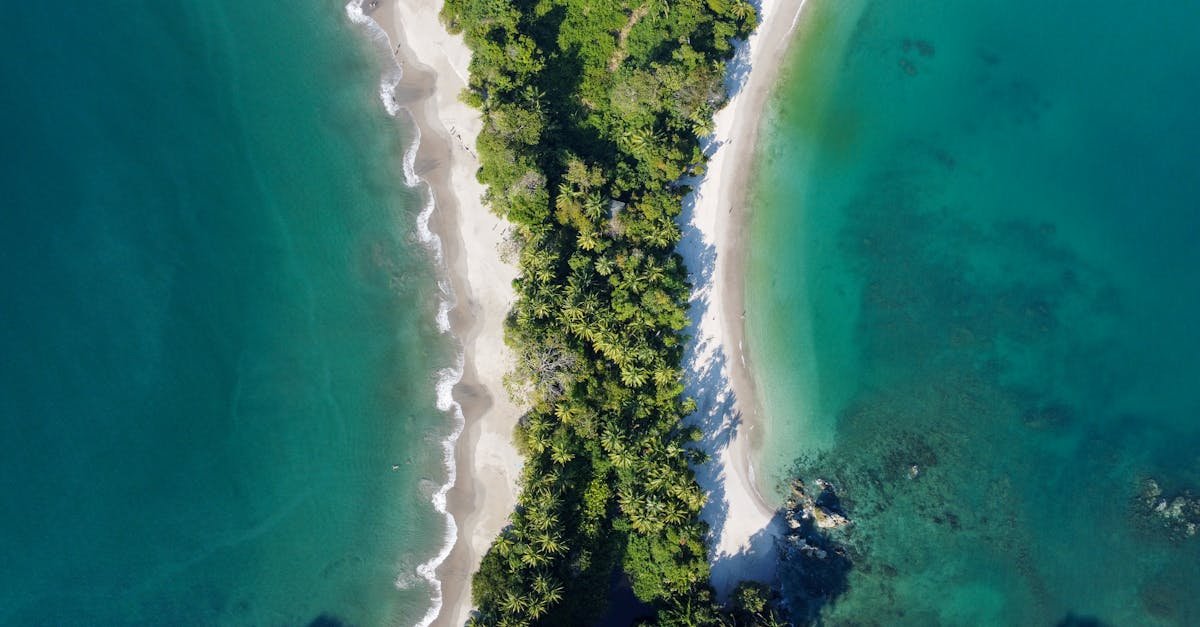
The Nicoya Peninsula curls into the Pacific like a sun-bleached outstretched hand, offering some of Costa Rica's most untamed and beautiful coastline. Here, howler monkeys announce the dawn before any alarm clock gets the chance, and the scent of salt air mingles with fresh coconut water sold roadside in the heat of the afternoon. Long rollers sweep in from the open Pacific to break across volcanic-sand beaches that stretch for kilometres without a resort complex in sight. Fishing villages and surf camps share space with organic juice bars and wellness retreats, creating an atmosphere that is simultaneously wild and deeply nourishing. Nicoya is not one destination but a collection of distinct moods, and every traveller who arrives barefoot tends to leave transformed.
Visiting Nicoya Peninsula means stepping into a world quite different from Costa Rica's well-trodden Caribbean coast or the polished infrastructure of Manuel Antonio. Things to do in Nicoya range from chasing head-high waves at Nosara's Playa Guiones to practising sunrise yoga above Santa Teresa's cliffs, foraging for local produce at farmers' markets and learning why the peninsula's population lives longer than almost anywhere on Earth. Unlike Tamarindo, which has tilted firmly toward package tourism, Nicoya retains its raw edges: dirt roads, genuine pura vida rhythms and sunsets that stop conversations mid-sentence. Travellers who make the extra effort to reach this peninsula — by ferry, small plane or bone-shaking road — are consistently rewarded with a Costa Rica that still feels authentically itself.
✦ Find your perfect destination
Is Nicoya Peninsula really your perfect match?
Answer 12 quick questions about your travel style, budget and dates — we match you with the destinations that fit you best, from 600+ worldwide.
Your Nicoya Peninsula itinerary — choose your style
🗓 Weekend Break — 2 days
🧭 City Explorer — 5 days
🌍 Deep Dive — 10 days
Your pace:
Why Nicoya Peninsula belongs on your travel list
Nicoya Peninsula holds one of the world's five officially designated Blue Zones, a place where centenarians tend their gardens and walk to church without a second thought. The peninsula's surf breaks — particularly around Nosara — are consistent, beautifully shaped and genuinely beginner-friendly without being crowded into mediocrity. Santa Teresa's stretch of Pacific coastline ranks among Latin America's most photogenic, a long golden arc fringed by jungle. Add a wellness infrastructure that has quietly grown into one of the hemisphere's best — yoga shalas, plant-based restaurants, cold-plunge facilities — and Nicoya Peninsula becomes a destination that rewards both the surf-obsessed and the simply exhausted.
The case for going now: Direct international flights into Liberia have expanded significantly, cutting travel times from Europe and North America and making the Nicoya Peninsula more accessible than ever. The local road network in key areas like Nosara and Mal País has improved, while the quality of mid-range accommodation has jumped a tier without the price tags following just yet. Currency fluctuations currently favour European visitors meaningfully, and the global wellness travel boom means the peninsula's retreat infrastructure is maturing at exactly the right moment.
🏄
Surf Playa Guiones
Nosara's Playa Guiones offers some of Central America's most consistent beach breaks, perfect for beginners and intermediates alike. Surf schools line the access road, and rental boards are affordable and good quality.
🧘
Yoga & Wellness
Nicoya Peninsula hosts a concentration of serious yoga shalas, from Nosara's world-famous Bodhi Tree to Santa Teresa's clifftop retreats. Multi-day immersions, sound healing and breathwork sessions fill the weekly calendars year-round.
🐢
Sea Turtle Nesting
Ostional Wildlife Refuge hosts one of the world's largest olive ridley sea turtle arrivals, called an arriba. Witnessing hundreds of turtles emerging from the Pacific under a full moon is one of Costa Rica's most extraordinary natural spectacles.
🌿
Blue Zone Villages
Exploring the inland villages of the Nicoya Peninsula reveals the secret to remarkable longevity: purpose-filled community life, traditional nixtamal corn, and an unhurried pace that no wellness app can replicate.
Nicoya Peninsula's neighbourhoods — where to focus
Surf & Yoga Hub
Nosara
Nosara is the peninsula's spiritual and athletic heartbeat — a community that has invested heavily in preserving its jungle-fringed coastline through strict building regulations. Playa Guiones stretches for nearly seven kilometres, the surf is reliable year-round, and the town's wellness scene has evolved into one of the most respected in the Americas without losing its village soul.
Bohemian Beach Town
Santa Teresa & Mal País
Santa Teresa runs along a single rugged road lined with surf shops, smoothie stands and open-air restaurants, merging gradually into the quieter Mal País at its southern end. The beach here is wide, dramatic and emphatically photogenic, with consistent swell and a social scene that balances barefoot cool with genuine community warmth.
Authentic Tico Life
Sámara
Sámara offers the Nicoya Peninsula experience with a gentler tempo and a strong local Costa Rican identity that other beach towns have diluted. A protected reef moderates the waves, making the bay ideal for families and nervous swimmers. Excellent casual restaurants, a weekly artisan market and reliable surf lessons make Sámara a genuinely easy place to linger.
Remote Hideaway
Montezuma
Montezuma sits at the peninsula's southern tip, accessible by bumpy road or the memorable ferry crossing from Puntarenas. Waterfalls tumble into jungle pools minutes from the beach, the town retains a 1990s bohemian traveller energy, and the surrounding Cabo Blanco Nature Reserve protects some of the most pristine forest in the entire region.
Top things to do in Nicoya Peninsula
1. Surf Nosara's Playa Guiones
Playa Guiones is widely regarded as one of the best learning surf breaks in all of Costa Rica, and it earns that reputation honestly. The beach stretches for nearly seven uninterrupted kilometres of dark volcanic sand, and the shape of the offshore bottom produces consistent, forgiving waves that peel reliably from morning until dusk. Surf schools such as Safari Surf School and Del Mar Surf Camp maintain rigorous safety standards and genuinely small class sizes, meaning beginners receive real instruction rather than a paddle-out and a wave goodbye. Intermediate surfers will find plenty of challenge as well, particularly during the dry season swells of January through April when sets arrive with greater power and frequency. The area around Guiones is protected by development restrictions that keep the beachfront wild and jungle-backed — you paddle out past pelicans, not parasols. Arrive early to catch the glassy morning conditions before the trade winds pick up mid-morning.
2. Witness the Ostional Turtle Arribada
Just north of Nosara lies Ostional, home to one of the planet's most extraordinary wildlife spectacles. During mass nesting events called arribadas — which occur most frequently between July and December but can happen year-round — tens of thousands of olive ridley sea turtles haul themselves ashore simultaneously to lay their eggs in the same stretch of beach. The Ostional Wildlife Refuge manages visitor access carefully, and local guides are mandatory both for ecological protection and for your own orientation in what can be a genuinely overwhelming scene. Visiting Nicoya Peninsula's Ostional during an arribada requires flexibility, as precise arrival dates are determined by lunar cycles and ocean conditions rather than any fixed schedule. Rangers and the local community monitor the beach constantly and communicate updates through guide networks. Even on quieter non-arribada nights, individual turtles nest with regularity, and a night walk along Ostional's dark beach remains deeply moving regardless of the numbers present.
3. Explore the Blue Zone Villages Inland
The Nicoya Peninsula was designated one of the world's five Blue Zones by researcher Dan Buettner after studies confirmed that residents here live measurably longer and healthier lives than almost anywhere else on the planet. The reasons are woven into daily life rather than any single dramatic practice: traditional diets built around black beans, corn tortillas made with nixtamal lime-processing, tropical fruits and fresh fish; strong family and community bonds that provide purpose across every decade; physical activity maintained naturally through farming, walking and household work well into old age. Driving inland from the coastal towns into villages like Nicoya, Hojancha and Nandayure reveals a Costa Rica that beach travellers almost never see — cattle ranches, handmade ceramic traditions descended from the pre-Columbian Chorotega culture, and elders who seem genuinely puzzled by the concept of retirement. Several tour operators offer half-day Blue Zone cultural experiences that include home cooking demonstrations and introductions to centenarian community members, and these rank among the most unexpectedly affecting things to do in Nicoya.
4. Hike Cabo Blanco Nature Reserve
At the southernmost tip of the Nicoya Peninsula, Cabo Blanco Absolute Nature Reserve holds the distinction of being Costa Rica's oldest protected area, established in 1963 thanks to the campaigning of Danish-Costa Rican conservationist Olof Wessberg and his wife Karen Mogensen. The reserve protects a dense swathe of tropical dry forest that transitions to humid forest near the coast, sheltering populations of white-faced capuchin monkeys, coatis, ocelots and an extraordinary variety of seabirds that roost on the offshore rock formations that give the reserve its name. The main Sendero Sueco trail descends approximately five kilometres through increasingly lush forest to Playa Cabo Blanco, a remote and protected cove accessible only on foot. Bring significant water, solid footwear and sun protection, as the trail involves meaningful elevation changes and exposed sections. The reserve is closed on Mondays and Tuesdays to allow ecological recovery — check current hours before making the journey from Montezuma, which serves as the logical base.
What to eat in the Nicoya Peninsula — the essential list
Gallo Pinto
The national breakfast of Costa Rica reaches its most authentic form in Nicoya, where generations of families have perfected the ratio of black beans to long-grain rice. Served with farm eggs and handmade corn tortillas, it is deeply satisfying and genuinely nutritious.
Casado
The workhorse of the Costa Rican lunch menu, a casado combines rice, beans, fresh salad, fried plantain and a protein — usually grilled fish caught that morning along the peninsula's Pacific coast. Order it at a local soda for under five dollars and eat like a local.
Ceviche Tico
Costa Rican ceviche differs from its Peruvian cousin — the fish is marinated longer in sour orange and lime, producing a softer, sweeter result often brightened with fresh coriander. Along the Nicoya coast, it arrives with fresh corvina or tilapia, served in a plastic cup at beachside sodas.
Chorreado (Corn Pancakes)
A Nicoya Peninsula speciality rooted in the region's Chorotega corn culture, chorreadas are thin sweet corn pancakes cooked on a comal and served with sour cream. They appear at farmers' markets and traditional sodas and offer a genuine taste of pre-colonial culinary heritage.
Agua de Pipa
Fresh young coconut water served directly from the green shell with a straw is the peninsula's essential hydration — refreshing, naturally electrolyte-rich and sold from roadside stands and beach vendors across Nosara, Sámara and Santa Teresa for roughly one dollar.
Plantain Dishes
Plantains appear at every meal in multiple forms across the Nicoya Peninsula: fried crispy as patacones served with bean dip, caramelised as maduro alongside a casado, or mashed into a side dish called plátano maduro al horno. Each preparation rewards attention.
Where to eat in Nicoya Peninsula — our top 4 picks
Fine Dining
The Restaurant at Harmony Hotel
📍 Playa Guiones, Nosara, Guanacaste
The Harmony Hotel's open-air restaurant sources produce from its own organic garden and local farms, producing a menu that is simultaneously healthful and genuinely delicious. Whole grilled snapper, poke bowls with local tuna and plant-based plates served to the sound of the jungle after dark make for an effortlessly elegant Nosara evening.
Fancy & Photogenic
Koji's Restaurant
📍 Playa Guiones Road, Nosara, Guanacaste
Koji's has cultivated a devoted following across Nosara for its Japanese-Costa Rican fusion menu executed with real skill. The sushi uses Pacific-caught fish, the teriyaki glazes local chicken and the outdoor setting beneath tropical palms creates an atmosphere that photographs beautifully and tastes even better.
Good & Authentic
Soda Vanessa
📍 Centro, Sámara, Guanacaste
Soda Vanessa is exactly the kind of family-run Tico lunch spot that travellers should seek out wherever they find themselves on the Nicoya Peninsula. Enormous plates of casado arrive at communal plastic tables with freshly made tortillas, and the homemade refrescos use local tropical fruits. Budget-friendly and utterly genuine.
The Unexpected
Katana Santa Teresa
📍 Main Road, Santa Teresa, Puntarenas
In a town defined by surf culture and smoothie bowls, Katana delivers an unexpectedly refined izakaya experience with crispy rice topped with local tuna, Japanese whisky cocktails and an energetic late-evening atmosphere. It proves that Santa Teresa's dining scene has grown considerably more sophisticated than its barefoot aesthetic suggests.
Nicoya Peninsula's Café Culture — top 3 cafés
The Institution
Café de Paris
📍 Main Road, Nosara, Guanacaste
Café de Paris has anchored Nosara's morning ritual for decades, baking genuine French-style croissants, pain au chocolat and sourdough loaves daily alongside excellent espresso. Surf-bleached travellers and long-term residents share tables on the covered terrace, and the bakery counter sells out by nine on busy mornings — arrive early or regret it.
The Aesthetic Hub
Organico Nosara
📍 Playa Guiones Road, Nosara, Guanacaste
Organico is simultaneously a grocery store, juice bar, café and community hub that has become essential to Nosara's wellness identity. Açaí bowls built with local fruit, cold-pressed juices, superfood lattes and a thoughtfully stocked organic pantry make this the natural gathering point after a morning yoga class or pre-surf breakfast.
The Local Hangout
Banana Surf Club Café
📍 Playa El Carmen, Santa Teresa, Puntarenas
Positioned directly above Santa Teresa's main surf break, Banana Surf Club's café terrace offers arguably the best wave-watching vantage point on the entire peninsula. Cold brew coffee, fresh tropical fruit plates and a genuinely casual vibe attract everyone from competitive surfers reviewing footage to families watching the ocean over their morning granola.
Best time to visit Nicoya Peninsula
Jan
Feb
Mar
Apr
May
Jun
Jul
Aug
Sep
Oct
Nov
Dec
Dry Season (Jan–Apr) — sunny skies, consistent surf, low humidity and the best beach conditions across the peninsulaShoulder Season (Nov–Dec) — green and lush, fewer crowds, afternoon showers onlyGreen Season (May–Oct) — heavy rainfall, muddy roads, but dramatic landscapes and turtle nesting season at Ostional
Nicoya Peninsula events & festivals 2026
Whether you're planning around a specific celebration or simply want to know what's happening, this guide covers the best events and festivals in Nicoya Peninsula — from major annual traditions to cultural highlights worth timing your trip around.
January 2026culture
Fiestas Cívicas de Nicoya
One of the An authentic window into Guanacasteco culture away from the beach scene.
February 2026culture
Día de la Virgen del Mar — Sámara
Sámara's fishing community celebrates the Virgen del Mar with an ocean procession of decorated fishing boats, traditional Catholic mass and a festive gathering on the beach. The celebration reflects the deep religious and maritime culture of the Nicoya Peninsula's coastal communities.
March 2026music
Nosara Music Festival
An intimate annual gathering that brings international and Latin American musicians to Nosara's outdoor venues during the peak of dry season. The festival aligns beautifully with a Nicoya Peninsula itinerary in March, when sunshine is guaranteed and evenings are perfectly warm for open-air concerts.
April 2026religious
Semana Santa Celebrations
Holy Week across the Nicoya Peninsula brings solemn Catholic processions through coastal and inland towns alike, with particularly moving ceremonies in Nicoya city. Beaches become crowded with Costa Rican holidaymakers during this period — book accommodation well in advance if visiting during Easter week.
June 2026culture
Annexation of Guanacaste Day
July 25th's national holiday commemorating Guanacaste's 1824 annexation to Costa Rica is preceded by week-long celebrations across the province including bullfights, horse shows and traditional food festivals. Nicoya town hosts some of the most traditional and authentic festivities on the entire peninsula.
August 2026culture
Chorotega Cultural Festival
A regional celebration of the Nicoya Peninsula's pre-Columbian Chorotega heritage, featuring traditional ceramic demonstrations, indigenous dance, marimba performances and artisan markets displaying the distinctive black-on-red pottery style.
September 2026culture
Costa Rica Independence Day
September 15th ignites celebrations across the Nicoya Peninsula with lantern parades the evening before, student marching bands and nationwide community gatherings. Even small beach communities like Sámara and Nosara organise touching local ceremonies that feel meaningfully different from capital-city celebrations.
October 2026culture
Olive Ridley Turtle Arrivals — Ostional
October typically brings the most dramatic olive ridley sea turtle arribadas of the year to Ostional Wildlife Refuge on the Nicoya Peninsula. Ranger-managed night visits become intensely popular during peak nesting periods — pre-book guide tours well ahead of time for the best Nicoya Peninsula turtle experience.
November 2026market
Nosara Farmers & Artisan Market
Nosara's weekly Wednesday farmers market expands into a larger annual harvest celebration in November, with additional organic producers, artisan craft sellers and food vendors from across the peninsula descending on the Guiones area. A wonderful introduction to the local food culture of this Blue Zone region.
December 2026culture
Fiestas de Santa Teresa
The small community of Santa Teresa celebrates its patron saint with a week of traditional events including street food, live cumbia and merengue music, horse parades and fireworks over the Pacific. Catching the Fiestas while visiting Nicoya Peninsula in December adds genuine local festivity to any surf trip itinerary.
Hostel dorms, local sodas for every meal, rented boards and shared shuttles cover a genuinely full Nicoya experience.
€€ Mid-range
€50–120/day
Private cabina or boutique guesthouse, mix of restaurants and sodas, surf lessons, guided tours and a 4WD rental.
€€€ Luxury
€150+/day
Boutique eco-lodges, wellness retreat packages, private surf coaching, fine dining nightly and private transfers throughout.
Getting to and around Nicoya Peninsula (Transport Tips)
By air: The Nicoya Peninsula is best reached by flying into Liberia's Daniel Oduber Quirós International Airport (LIR), which receives direct flights from major European hubs via the United States and from several North American cities directly. Smaller domestic airports in Nosara and Tambor receive daily charter flights from San José operated by Sansa Airlines, cutting overland travel time dramatically for those staying on the peninsula itself.
From the airport: From Liberia airport, the drive to Nosara takes approximately three hours on a mix of paved and unpaved road requiring a 4WD vehicle, particularly in the wet season. Shared shuttle services connect Liberia to the main peninsula towns and are significantly more affordable than private taxis. The alternative from San José involves driving to Puntarenas or Paquera and taking the car ferry across the Gulf of Nicoya — a scenic two-hour crossing that begins the peninsula experience beautifully.
Getting around the city: There is no public transport network within the coastal towns of the Nicoya Peninsula — a rented quad bike, scooter or 4WD is the standard solution for exploring beyond walking distance. Local taxi drivers offer informal transfer services between towns at negotiated flat rates. The roads between Nosara, Sámara and Santa Teresa are partially unpaved and become significantly more challenging during the wet season, so four-wheel drive is genuinely recommended rather than merely suggested. Petrol stations are sparse — fill up whenever you pass one.
Transport Safety & Scam Prevention:
Negotiate Taxis in Advance: Taxi meters are non-existent in rural Nicoya Peninsula — always agree on a firm price before getting in. Ask your accommodation for standard rates between major towns to avoid significantly inflated tourist pricing from drivers at beach access points.
Watch for Unofficial Tour Vendors: Book turtle watching tours at Ostional exclusively through the officially registered local guide association or your accommodation — unofficial vendors sometimes take payments and provide no actual guided access to protected nesting areas, which also harms the turtles.
ATM Availability is Genuinely Limited: Cash machines in Nosara and Santa Teresa run out of money on busy weekends — withdraw larger amounts when available and carry a cash buffer. Some restaurants and surf schools accept only colones, and several accept USD at reasonable rates but rarely euros.
Do I need a visa for Nicoya Peninsula?
Visa requirements for Nicoya Peninsula depend on your nationality. Select your passport below for an instant answer — based on the Passport Index dataset for entry into Costa Rica.
ℹ️ Indicative only. Always verify with the official consulate before booking. Data: Passport Index, April 2026.
For detailed requirements, documentation checklists and processing times by nationality: TravelDoc →
Search & Book your trip to Nicoya Peninsula
Find the best flight routes and hotel combinations using our partner Kiwi.com.
Frequently Asked Questions
Is Nicoya Peninsula safe for tourists?
The Nicoya Peninsula is generally considered safe for tourists, and it is considerably calmer than San José or some Caribbean coastal areas. Petty theft — particularly of items left unattended on beaches or visible in parked rental vehicles — is the most common issue travellers encounter, and it is easily avoided with basic vigilance. The tight-knit community nature of towns like Nosara and Sámara means visitors are relatively visible and locally looked out for. Solo travellers, couples and families all move around the peninsula with confidence. Standard precautions apply: avoid leaving bags on the beach while swimming and always lock rental vehicles.
Can I drink the tap water in Nicoya Peninsula?
Tap water quality varies across the Nicoya Peninsula. In established towns like Sámara and Nosara town centres, the municipal water supply is generally treated and considered acceptable by Costa Rican standards, though many long-term residents and health-conscious visitors opt for filtered or bottled water regardless. In more remote areas, particularly during the dry season when water tables drop, tap water quality becomes less reliable. Fresh coconut water from roadside vendors is an excellent, affordable and genuinely nutritious alternative that doubles as natural electrolyte replenishment in the tropical heat.
What is the best time to visit Nicoya Peninsula?
The best time to visit Nicoya Peninsula is during the dry season running from January through April. During these months the skies are consistently sunny, humidity is manageable, roads are passable without four-wheel drive and the surf breaks at Nosara and Santa Teresa are at their most consistent and powerful. December and November offer a useful shoulder season with lush green landscapes, fewer tourists and occasional afternoon showers rather than sustained rainfall. The green season from May through October brings daily rain, significantly muddier roads and occasional closures, but also the dramatic olive ridley turtle nesting arrivals at Ostional and genuinely lower accommodation prices.
How many days do you need in Nicoya Peninsula?
A minimum of seven days gives you enough time to explore two or three distinct areas of the Nicoya Peninsula meaningfully — for example, splitting time between Nosara and Santa Teresa with a day trip to Ostional. Ten to fourteen days is the ideal duration for a genuine Nicoya Peninsula itinerary, allowing you to move slowly between Nosara, Sámara, Montezuma and Santa Teresa without the frustration of rushing between towns on challenging roads. The peninsula rewards those who resist over-scheduling: the best days often happen when you abandon the plan and follow a tip from another traveller at breakfast. If you have only a weekend, focus exclusively on Nosara or Santa Teresa rather than attempting to cover the whole coast.
Nicoya Peninsula vs Manuel Antonio — which should you choose?
Nicoya Peninsula and Manuel Antonio represent quite different versions of Costa Rica beach travel. Manuel Antonio is more accessible, more polished and better suited to travellers who want reliable infrastructure, a recognised national park and easy day-tripping without rough roads. Nicoya Peninsula requires more effort to reach but rewards that effort with less crowded beaches, a genuine wellness and surf culture, the extraordinary Blue Zone dimension and a coastline that still feels genuinely wild. Manuel Antonio suits first-time Costa Rica visitors or those prioritising convenience; Nicoya Peninsula suits those who want to go deeper, surf seriously, practise yoga properly or simply disappear from the modern world for a week or two.
Do people speak English in Nicoya Peninsula?
English is spoken to a good standard in the main tourist-facing businesses across the Nicoya Peninsula — surf schools, boutique hotels, yoga retreat centres and most restaurants in Nosara and Santa Teresa will have fluent English-speaking staff as a matter of course, given their heavily international clientele. In inland villages, local sodas and smaller coastal communities like Ostional, Spanish is the only working language and a basic knowledge of Costa Rican Spanish phrases will be both practically useful and warmly received. Carrying a translation app is sensible for navigating the interior of the peninsula and communicating with taxi drivers on more remote routes.
★ Hidden Gems Weekly
Like this? One place per week, in your inbox.
No spam, no fluff — just one underrated destination, every Tuesday.
Hand-picked and verified by Max, who founded Vacanexus from Luxembourg in 2026. No sponsorships, no paid placements. Every recommendation — restaurants, neighbourhoods, things to do — is selected for authenticity over popularity.