Manuel Antonio Travel Guide — Where sloths hang above paradise beaches
⏱ 11 min read📅 Updated 2026💶 €€ Mid-Range✈️ Best: Jan–Apr
€50–120/day
Daily budget
Jan–Apr
Best time
4–6 nights
Ideal stay
CRC / USD
Currency
Manuel Antonio is the kind of place that makes you question why you ever holiday anywhere else. The moment you push through the park gate, the Pacific shimmers through a curtain of cathedral-tall almendro trees, a three-toed sloth stares down at you in serene indifference, and a white-faced capuchin makes a surgical strike on the granola bar in your bag. Waves of warm, turquoise water fold gently onto crescent beaches fringed with primary rainforest, producing one of the few places on Earth where you can snorkel coral in the morning and spot a scarlet macaw by lunchtime.
Compared to Costa Rica's other natural draws — the volcanic drama of Arenal, the remote wildness of the Osa Peninsula — Manuel Antonio offers a more curated, accessible version of the pura vida experience. Things to do in Manuel Antonio range from guided wildlife walks at dawn to kayaking through mangrove channels and surfing beginner breaks at Playa Biesanz. Visiting Manuel Antonio suits families, couples, and solo travellers equally, and the cluster of boutique hotels and open-air restaurants on the hillside above the park means comfort is never far from the wilderness. It is compact enough to master in a long weekend but rich enough to justify a full week.
✦ Find your perfect destination
Is Manuel Antonio really your perfect match?
Answer 12 quick questions about your travel style, budget and dates — we match you with the destinations that fit you best, from 600+ worldwide.
Manuel Antonio packs an extraordinary density of biodiversity into a park smaller than many European city centres. Within its 683 hectares, researchers have recorded over 100 mammal species, 184 bird species, and more reptiles than most travellers will see in a lifetime of tropical travel. The park's beaches consistently rank among Central America's finest — calm enough for families, scenically dramatic enough for photographers. The surrounding village of Quepos adds an authentic, unhurried Tico atmosphere that keeps Manuel Antonio grounded despite its international popularity.
The case for going now: Costa Rica's tourism infrastructure has matured dramatically since 2022, with new direct flights from Europe arriving into San José and a smoother road connecting Quepos to the park entrance. The Costa Rican colón's gradual weakening against the euro means European travellers are finding genuine value at mid-range properties that once felt expensive. Go before peak high season crowds peak in February — the early January window offers dry weather, open trails, and availability at marquee hillside hotels.
🦥
Wildlife Spotting
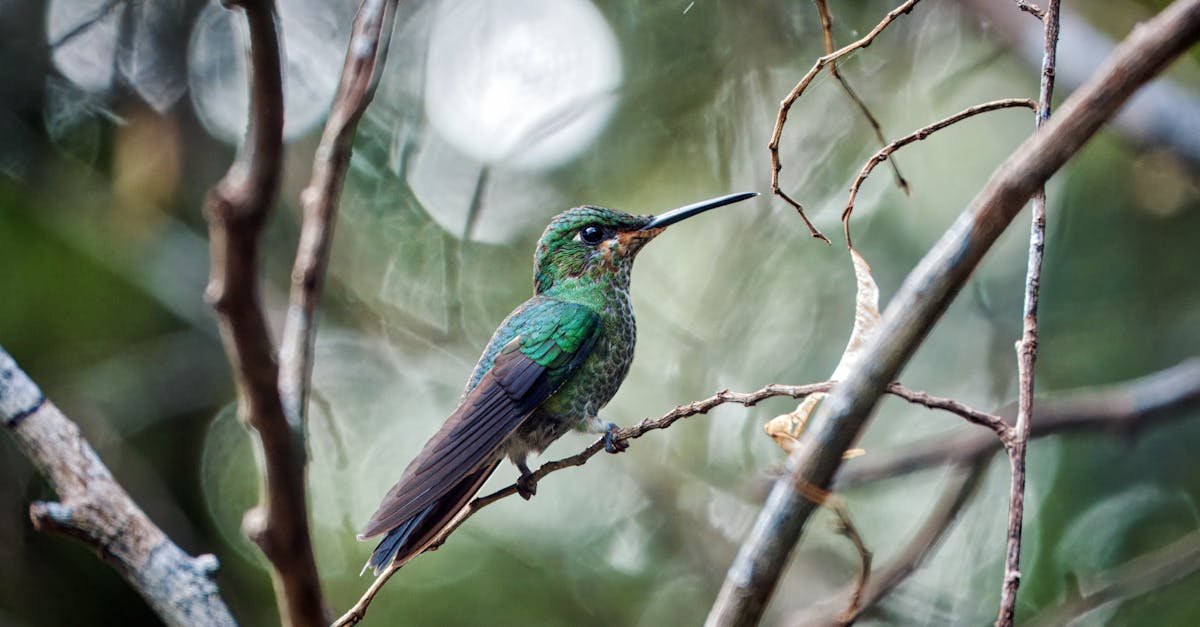
Three-toed sloths, white-faced capuchins, and squirrel monkeys share the canopy mere metres above your head. A certified local guide will spot what untrained eyes completely miss.
🏖️
Park Beaches
Playa Manuel Antonio and Playa Espadilla Sur sit inside the national park boundary, sheltered by forested headlands and patrolled by ranger staff for safety and wildlife protection.
🚣
Mangrove Kayaking
Paddle through the calm mangrove channels north of Quepos at sunrise, spotting roosting herons, crocodiles basking on mud banks, and kingfishers darting between prop roots.
🌊
Surf & Snorkel
Playa Biesanz offers sheltered snorkelling over rocky reefs, while Playa Espadilla Norte delivers long, consistent beginner-friendly surf breaks ideal for first lessons or lazy longboarding.
Manuel Antonio's neighbourhoods — where to focus
Adventure Base
Quepos Town
The functional, unpretentious heart of the region, Quepos is where fishing boats dock at dawn and locals eat casados at plastic-table sodas. The marina has grown into a lively hub with sportfishing charters, tour operators, and a weekend farmers' market that draws both expats and Costa Rican families from across the province.
Boutique Hill
Manuel Antonio Village
The winding road between Quepos and the park entrance is lined with boutique hotels, open-air restaurants, and infinity-pool bars, all perched on forested slopes with sweeping Pacific views. This is where most international visitors stay, trading urban grit for panoramic sunsets and howler monkeys as natural alarm clocks.
Park Gateway
Playa Espadilla Norte
The beach immediately outside the park gate is flanked by surf schools, beach-chair rentals, and a loose strip of sodas selling cold Imperial beer and fresh ceviche. It is the most animated stretch of sand in the area, busy in the morning and gloriously quiet after 4 pm when the day-trippers clear out.
Quiet Retreat
Baru & Hatillo
Drive thirty minutes north of Quepos and the tourist infrastructure dissolves into pineapple farms, river estuaries, and palm-fringed beaches almost entirely devoid of other travellers. Hacienda Barú wildlife refuge here offers outstanding birding, night-hike tours, and a canopy platform that puts you level with nesting toucans.
Top things to do in Manuel Antonio
1. #1 — Explore Manuel Antonio National Park
No Manuel Antonio itinerary is complete without at least one full morning inside the national park itself. Arrive at the gate by 7 am — the park limits daily visitor numbers and morning hours deliver the coolest temperatures and most active wildlife. The Punta Catedral trail loops around a tombolo headland through primary forest draped in bromeliads and strangler figs, delivering stunning ocean views from multiple clifftop lookouts. Follow it to Playa Manuel Antonio, a sheltered cove of impossibly calm water where raccoons wade at the shore and pelicans dive in formation overhead. Hiring a licensed naturalist guide at the gate for around $30 transforms the experience completely; they carry spotting scopes and can locate a pygmy owl or eyelash palm pit viper that you would walk past without a second glance.
2. #2 — Sunrise Mangrove Tour from Quepos
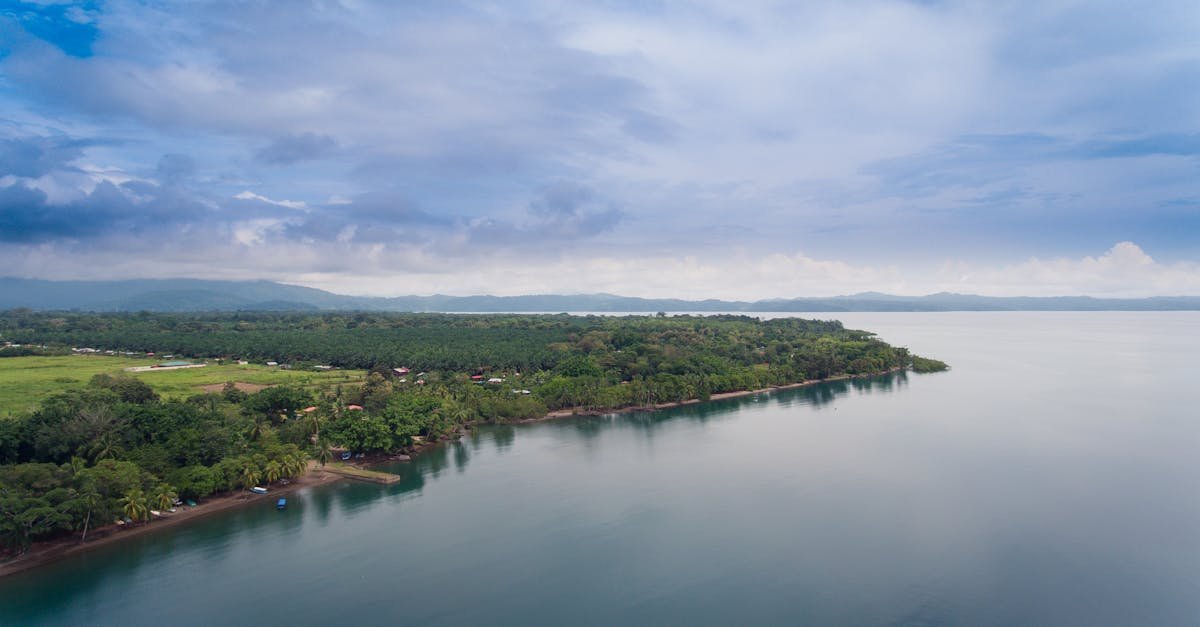
One of the most underrated things to do in Manuel Antonio is a pre-dawn kayak through the Damas Island mangrove estuary, a 700-hectare labyrinth of tidal channels north of Quepos that few package-holiday visitors ever see. Several local operators run small-group tours departing before 6 am, paddling silently through tunnels of arched mangrove roots as the canopy awakens with boat-billed herons, bare-throated tiger herons, and the occasional American crocodile gliding just below the waterline. The light at golden hour through the mangrove lattice is extraordinary for photography. Tours typically last three hours and include a guide who identifies species by call alone — a skill that becomes humbling when you realise how much you had been missing.
3. #3 — Sportfishing & Sailing off Quepos
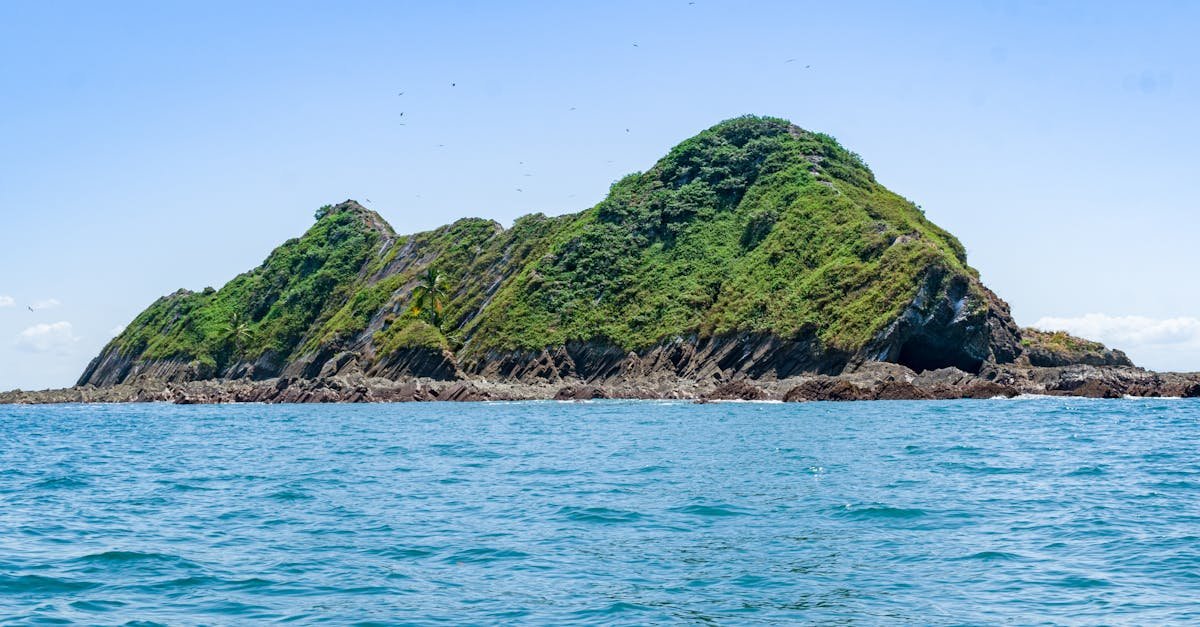
Quepos has a legitimate claim to being one of the world's premier sailfish and marlin destinations, and the marina buzzes with serious anglers from January through April when blue marlin, yellowfin tuna, and roosterfish run in abundance. You need not be a seasoned angler to enjoy a half-day offshore charter — most captains welcome complete beginners and the sheer spectacle of a sailfish leaping beside the boat is unforgettable at any experience level. For non-fishers, several catamaran operators run sunset sailing tours along the coastline, stopping to snorkel remote rocky outcrops, serve fresh ceviche on deck, and watch the Quepos headlands glow amber as the sun drops into the Pacific. Both options are best booked 24 hours in advance, particularly in February and March.
4. #4 — Waterfall Hikes & Whitewater on the Naranjo River
The highlands behind Quepos conceal a different ecosystem entirely — one of cloud-draped ridges, rushing rivers, and multi-tiered waterfalls that most beach-focused visitors never investigate. The Naranjo River runs Class III and IV rapids between July and November, making it one of Central America's better whitewater rafting runs, but even in dry season the Upper Naranjo offers scenic float trips past riverine forest thick with toucans and kingfishers. For hikers, the trail to Nauyaca Waterfalls — a two-tiered cascade dropping 45 metres into a natural swimming pool — is a 18-kilometre return journey through secondary forest that rewards every step. Horseback tours are available for those who prefer to cover the distance in the saddle. Book with reputable local operators; the trail passes through private land and guides are mandatory.
What to eat in the Central Pacific Coast — the essential list
Casado
Costa Rica's definitive lunch plate combines rice, black beans, fried plantain, a simple salad, and your choice of grilled fish, chicken, or beef. In Quepos, the fish casado features the morning's catch, often corvina or red snapper.
Ceviche Tico
Unlike its Peruvian cousin, Costa Rican ceviche uses finely diced corvina marinated in lime juice with sweet peppers, onion, and fresh coriander. Served ice-cold in a plastic cup with saltine crackers at almost every beach soda.
Gallo Pinto
The national breakfast: yesterday's rice and black beans sautéed together with Lizano sauce, a Worcestershire-adjacent condiment that Costa Ricans consider as essential as breathing. Served alongside scrambled eggs and fresh tropical fruit.
Patacones
Twice-fried green plantain rounds, smashed flat and fried again until they form crispy golden discs. In Manuel Antonio, patacones arrive loaded with shredded fish, black beans, or fresh guacamole as a popular beach-bar snack.
Arroz con Camarones
Pacific shrimp sautéed with garlic, peppers, and rice in a single pan — a coastal staple that celebrates Quepos's fishing heritage. The best versions use shrimp landed that morning from the marina, producing a sweetness that frozen alternatives cannot replicate.
Tres Leches Cake
A Latin American dessert that Costa Rican bakeries have fully claimed as their own: sponge cake soaked in three types of milk until impossibly moist, topped with whipped cream. Every restaurant in Quepos seems to have a slightly different, equally persuasive version.
Where to eat in Manuel Antonio — our top 4 picks
Fine Dining
La Luna at Gaia Hotel
📍 Km 2.7 Carretera a Manuel Antonio, Manuel Antonio
Perched above a private reserve, La Luna serves upscale Costa Rican-Mediterranean fusion under an open-air palapa with Pacific views that stop conversation. The tuna tataki with mango habanero reduction and the grilled lobster with heart-of-palm risotto are benchmark dishes. Reserve sunset tables at least 48 hours ahead.
Fancy & Photogenic
Barba Roja
📍 Road to Manuel Antonio, above Espadilla Beach
The hillside terrace at Barba Roja has been a Manuel Antonio institution since the 1970s, offering sweeping jungle-to-ocean sightlines over ice-cold cocktails and reliably good grilled fish. The casado plate here is a generous, honest benchmark. Monkeys occasionally wander through the open-sided dining room.
Good & Authentic
Soda Sanchez
📍 Quepos Central Market, Quepos
A no-frills family soda inside the Quepos market building that serves the most honest casado in the region to a lunchtime crowd of fishermen, market vendors, and in-the-know travellers. Portions are enormous, prices are minimal, and the black bean soup deserves its own travel review.
The Unexpected
El Patio de Café Milagro
📍 Main road to Manuel Antonio, Quepos
By day this is a specialty coffee shop roasting its own beans; by evening it transforms into one of the most inventive restaurants in the region. Dishes fuse Costa Rican ingredients with Asian and Middle Eastern technique — the mango curry shrimp and the chipotle-glazed pork ribs are cult favourites with long-term expats.
Manuel Antonio's Café Culture — top 3 cafés
The Institution
Café Milagro
📍 Main road, Quepos
Operating since 1994, Café Milagro roasts its own Costa Rican arabica beans from farms in the nearby Naranjo highlands. The espresso is dense and chocolatey, the cold brew is exceptional in the midday heat, and the banana pancakes with local honey make it the default breakfast spot for returning visitors.
The Aesthetic Hub
Kapi Kapi Lounge
📍 Road to Manuel Antonio, Manuel Antonio Village
An open-air lounge bar and café where the design aesthetic — polished wood, hanging lanterns, ambient jungle sounds — competes with the view for your attention. The fresh fruit smoothies arrive in enormous portions and the homemade passion-fruit cheesecake has generated more social media content than any café in the region.
The Local Hangout
Quepoa Espresso
📍 Central Quepos, near the bus terminal
A small, unpretentious espresso bar run by a local barista trained in San José's third-wave coffee scene. The drinks are precise and well-priced, the Wi-Fi is reliable, and the rotating selection of local pastries — including a very good guava-filled empanada — makes it a reliable remote-work base for slow mornings.
Best time to visit Manuel Antonio
Jan
Feb
Mar
Apr
May
Jun
Jul
Aug
Sep
Oct
Nov
Dec
Dry Season (Jan–Apr, Dec) — sunny skies, calm seas, peak wildlife activityShoulder Season (Oct–Nov) — fewer crowds, greener jungle, manageable rainGreen Season (May–Sep) — daily rain, lush vegetation, lowest prices and fewest visitors
Manuel Antonio events & festivals 2026
Whether you're planning around a specific celebration or simply want to know what's happening, this guide covers the best events and festivals in Manuel Antonio — from major annual traditions to cultural highlights worth timing your trip around.
January 2026culture
Costa Rica Green Season Transition (End)
January marks the reliable start of Manuel Antonio's dry season, drawing visitors for outdoor yoga retreats, wildlife photography workshops, and guided dawn park tours. Things to do in Manuel Antonio in January include peak wildlife tracking as animals concentrate near water sources during the drier months.
February 2026culture
Quepos Festival de la Ciudad
Quepos celebrates its city anniversary with street parades, live marimba music, traditional Tico food stalls, and bull-running events in the town centre. The festival draws Costa Rican families from across Puntarenas province and offers an authentic local counterpoint to the beach-resort bubble.
March 2026music
Envision Festival, Uvita
One hour south of Manuel Antonio near Uvita, Envision is Costa Rica's premier conscious-living festival blending electronic music, yoga, permaculture workshops, and ceremonial arts across a beachfront jungle site. Among the best Manuel Antonio area festivals, it attracts 3,000 international attendees annually in late February or early March.
April 2026religious
Semana Santa (Holy Week)
Costa Rica observes Holy Week with genuine solemnity and festivity alike — processions through Quepos, beach gatherings, and the temporary closure of the national park on Good Friday. Accommodation books out months ahead; reserve early if your Manuel Antonio itinerary overlaps with Easter week.
July 2026culture
Día de la Anexión de Guanacaste
July 25th is a national holiday commemorating the annexation of Guanacaste, celebrated across Costa Rica with folkloric dances, horse parades, and traditional food. Even in Quepos and Manuel Antonio, sodas and hotels mark the occasion with marimba music and themed menus.
August 2026culture
Mother's Day Celebrations (Costa Rica)
Costa Rica's Mother's Day falls on August 15th and is treated as a major national occasion, with restaurants in Quepos and Manuel Antonio fully booked weeks in advance. The day coincides with green-season lushness in the park, when the rainforest reaches peak verdant intensity.
September 2026culture
Costa Rica Independence Day
September 15th fills Quepos streets with lantern parades, schoolchildren in traditional dress, and live marimba performances culminating in a torch relay that passes through the town centre. The atmosphere is warmly patriotic and gives visiting travellers genuine insight into Tico national identity.
October 2026market
Quepos Farmers Market Harvest Season
October's rains produce an extraordinary abundance of tropical fruit, and Quepos's Saturday market swells with cacao pods, rambutan, guanábana, and rare endemic varieties rarely seen outside rural Costa Rica. A highlight for food-focused travellers and an underrated reason to visit Manuel Antonio in the green season.
November 2026culture
Whale & Dolphin Migration Season Peak
Southern humpback whales begin departing Costa Rica's Pacific waters in November after months of nursing calves, and boat tours from Quepos marina offer extraordinary final-season sightings. This shoulder-season window combines low hotel prices with remarkable marine wildlife, making it an ideal value moment for visiting Manuel Antonio.
December 2026culture
Las Posadas & Christmas Celebrations
Quepos dresses in lights and paper lanterns for Las Posadas, the nine nights of pre-Christmas processions re-enacting Mary and Joseph's journey. Restaurants serve ron con leche, tamales steamed in banana leaves, and Churchill fruit shaved ice — a festive Costa Rican experience few international travellers anticipate finding.
Hostel dorms, soda meals, public bus from San José, self-guided park entry. Feasible and rewarding.
€€ Mid-Range
€50–120/day
Boutique guesthouse or small hotel, restaurant dinners, guided park tours, shared shuttle transfers.
€€€ Luxury
€150+/day
Gaia Hotel or similar clifftop resort, private guides, sportfishing charters, fine dining nightly, private transfers.
Getting to and around Manuel Antonio (Transport Tips)
By air: The most convenient gateway is Juan Santamaría International Airport (SJO) in San José, which receives direct flights from Amsterdam, Madrid, London Gatwick, Frankfurt, and most major European hubs. From SJO, Manuel Antonio is approximately 165 kilometres southwest via the Costanera Sur highway, a scenic route hugging the Pacific escarpment.
From the airport: From San José airport, shared shuttle services operated by companies like Interbus and Monkey Ride depart daily to Manuel Antonio for around €25–30 per person, taking approximately three hours. Private transfers cost €80–120 for the full vehicle and are bookable in advance online. A public bus from San José's Tracopa terminal is the cheapest option at under €10 but takes four hours and requires a connection in Quepos.
Getting around the city: Within Manuel Antonio, the most practical local option is the frequent blue public bus running between Quepos town centre and the park entrance — it departs every 30 minutes from 6 am, costs under €1, and stops at most hotels along the hill road. Taxis from Quepos to the park entrance cost around €8–12 fixed rate. Renting a quad bike or small car is useful for exploring beaches north of town but entirely unnecessary for the core park-and-village experience.
Transport Safety & Scam Prevention:
Unofficial Park 'Guides' at the Gate: Men waiting outside the national park entrance sometimes claim to be licensed naturalist guides but are not registered with MINAE. Always book guides through your hotel or a certified operator in advance — the difference in quality and legality is significant.
Taxi Overcharging from Quepos: Negotiate or confirm taxi fares before getting in, particularly late at night or from the bus terminal. The legitimate fixed rate from central Quepos to the park entrance is roughly 3,000–4,000 colones. Drivers targeting new arrivals sometimes quote three times this amount.
Capuchin Monkey Theft: This is not a scam but it is an effective ambush: white-faced capuchins inside the park are skilled and fearless food thieves. Keep bags zipped, never leave food visible on your towel, and do not attempt to feed them — fines apply and bites occasionally require medical attention.
Do I need a visa for Manuel Antonio?
Visa requirements for Manuel Antonio depend on your nationality. Select your passport below for an instant answer — based on the Passport Index dataset for entry into Costa Rica.
ℹ️ Indicative only. Always verify with the official consulate before booking. Data: Passport Index, April 2026.
For detailed requirements, documentation checklists and processing times by nationality: TravelDoc →
Search & Book your trip to Manuel Antonio
Find the best flight routes and hotel combinations using our partner Kiwi.com.
Frequently Asked Questions
Is Manuel Antonio safe for tourists?
Manuel Antonio is generally considered safe for international travellers and receives hundreds of thousands of visitors annually without serious incident. The national park itself is patrolled by rangers, and the main tourist corridor between Quepos and the park entrance is well-lit and active. Standard precautions apply: do not leave valuables visible in rental cars, use hotel safes for passports and electronics, and avoid deserted beach areas after dark. Petty theft targeting unattended beach bags does occur, so leave valuables at the hotel when swimming.
Can I drink the tap water in Manuel Antonio?
Tap water in Costa Rica is among the safest in Latin America, and in the Quepos and Manuel Antonio area it is generally safe to drink. Most hotels filter their water and will confirm its potability on request. Travellers with sensitive stomachs may prefer bottled water for the first few days while adjusting to any mineral differences, but there is no systemic safety concern. Carry a reusable water bottle with a built-in filter for trail hiking in the national park.
What is the best time to visit Manuel Antonio?
The best time to visit Manuel Antonio is January through April, the dry season, when sunny days are reliable, Pacific seas are calm for snorkelling and sailing, and wildlife is most active and visible as animals concentrate near water. December is also excellent. The green season from May to November brings daily afternoon rain, but the jungle turns an extraordinary vivid green and hotel prices drop by 20–40 percent. October and November offer a sweet spot of manageable rain, near-empty trails, whale-watching season, and genuine value — an underrated window for the experienced traveller.
How many days do you need in Manuel Antonio?
Four nights is the realistic minimum to experience Manuel Antonio properly: one full day in the national park with a guide, one day exploring Quepos and the mangrove estuary, one day for a waterfall hike or offshore excursion, and one buffer day for the inevitable rain delay or spontaneous sloth-watching spiral. Six nights allows a genuinely relaxed pace, adding a coffee farm visit, a coastal sailing day, and time to properly explore the beaches north of Quepos. A week or more suits travellers who want to base themselves here and use Manuel Antonio as a launchpad for day trips to Uvita's whale tail beach and the Osa Peninsula.
Manuel Antonio vs Monteverde — which should you choose?
Manuel Antonio and Monteverde are Costa Rica's two most visited natural destinations, but they deliver completely different experiences. Manuel Antonio is a beach-and-jungle combination: warm water swimming, snorkelling, and Pacific sunsets alongside accessible rainforest wildlife. Monteverde is a cloud forest experience — cooler temperatures, hanging bridge walks above the forest canopy, and extraordinary birding including the resplendent quetzal. If you want warm beaches alongside your wildlife encounters, Manuel Antonio wins easily. If altitude, mist, and cloud-forest mystique appeal more than sand, choose Monteverde. The ideal Costa Rica itinerary includes both, with a three-hour drive or scenic charter flight connecting them.
Do people speak English in Manuel Antonio?
English is widely spoken throughout the tourist-facing businesses in Manuel Antonio and Quepos — hotel staff, tour operators, park guides, and most restaurants catering to international visitors communicate comfortably in English. Spanish remains the language of daily life in Quepos town, and at local sodas and the market you will find limited English. Learning a handful of Spanish courtesies — buenos días, gracias, por favor, la cuenta — is warmly appreciated by locals and meaningfully enriches the experience of visiting Manuel Antonio beyond the tourist bubble.
★ Hidden Gems Weekly
Like this? One place per week, in your inbox.
No spam, no fluff — just one underrated destination, every Tuesday.
Hand-picked and verified by Max, who founded Vacanexus from Luxembourg in 2026. No sponsorships, no paid placements. Every recommendation — restaurants, neighbourhoods, things to do — is selected for authenticity over popularity.