Osa Peninsula Travel Guide — Where the rainforest meets the Pacific in untamed
⏱ 12 min read📅 Updated 2026💶 €€€ Comfort✈️ Best: Jan–Apr
€120–250/day
Daily budget
Jan–Apr
Best time
5–10 days
Ideal stay
CRC / USD
Currency
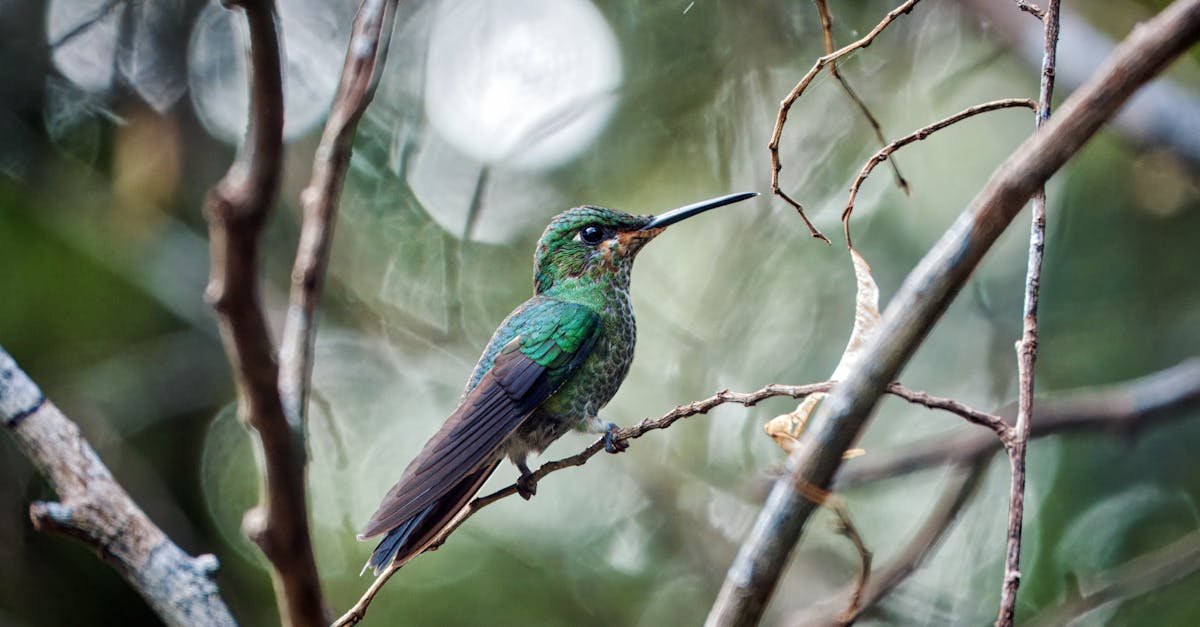
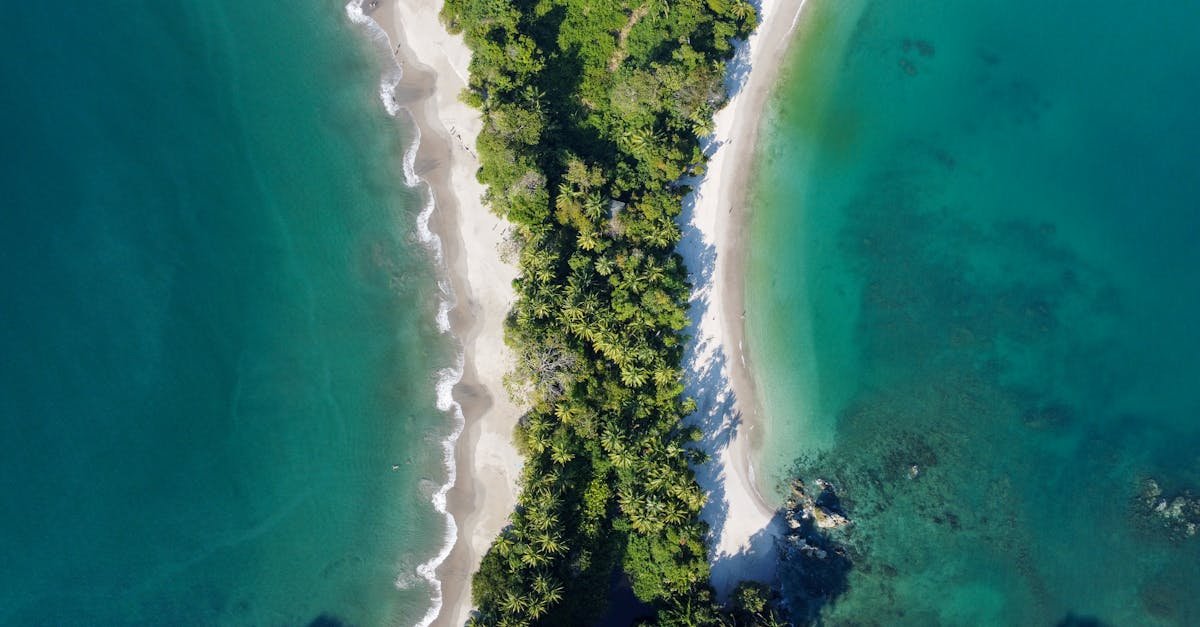
Step off the small plane at Puerto Jiménez and the air hits you differently — dense, green, alive with the percussion of toucans and howler monkeys echoing across the treetops. The Osa Peninsula is one of the last truly wild corners of Central America, a teardrop of land jutting into the Pacific where roughly half of Costa Rica's species crowd into a territory barely larger than a medium-sized city. Scarlet macaws swoop in flamboyant pairs over coastal palms, while rivers the color of strong tea thread through primary rainforest that has never been logged. This is a destination that demands respect and rewards patience with sightings that seasoned naturalists travel decades to witness.
Visiting the Osa Peninsula is categorically different from a trip to Manuel Antonio or Monteverde. Those destinations deliver polished eco-tourism; the Osa delivers raw, unfiltered wilderness that requires physical effort, flexible itineraries and a genuine acceptance of mud. Things to do in the Osa range from multi-day backcountry hikes inside Corcovado National Park — where jaguar footprints appear in river-bank mud — to snorkeling the coral gardens of Caño Island and kayaking mangrove estuaries at dawn. The infrastructure here is deliberately minimal: gravel roads flood in the rainy season, electricity can flicker, and that is entirely the point. The Osa rewards travellers who come not for comfort but for encounter.
✦ Find your perfect destination
Is Osa Peninsula really your perfect match?
Answer 12 quick questions about your travel style, budget and dates — we match you with the destinations that fit you best, from 600+ worldwide.
National Geographic famously called Corcovado National Park the most biologically intense place on Earth, and spending even one day inside its boundaries makes that claim feel like an understatement. The Osa Peninsula protects the largest expanse of lowland Pacific rainforest in Central America, sheltering all four of Costa Rica's monkey species, Baird's tapir, giant anteaters and — crucially — a reproducing jaguar population in a country where the big cat has all but vanished elsewhere. Beyond Corcovado, the Osa offers world-class sport fishing, remote surf breaks accessible only by boat and a network of conservation-led lodges that reinvest directly into habitat protection, making every dollar spent here count for wildlife.
The case for going now: The Osa Peninsula is at an inflection point: a new paved segment of the Costanera highway and upgraded airstrip at Puerto Jiménez have made access meaningfully easier without yet triggering mass tourism. Serious naturalists and adventure travellers are arriving in growing numbers, which means lodge inventory is tightening fast. Visiting the Osa now — before the wave crests — means sharing Corcovado trails with single-digit group sizes, negotiating honest prices with family-run operators and having a genuine shot at a jaguar sighting before pressure from increased visitor numbers changes animal behaviour.
🐆
Jaguar Tracking
Guided dawn walks along Corcovado's Sirena sector rivers reveal fresh jaguar prints, peccary trails and the electric silence of apex-predator territory. Expert naturalist guides read the forest like a map.
🤿
Caño Island Diving
Isla del Caño's protected marine biological reserve hosts white-tip reef sharks, giant manta rays and sea turtles above coral bommies barely disturbed by human presence since 1978.
🌅
Sunset Kayaking
Paddle the tidal mangrove channels of the Sierpe River estuary at dusk, when crocodiles haul onto mud banks and roseate spoonbills streak the golden sky in impossibly vivid pink.
🌊
Remote Surf Breaks
Boat-access-only breaks like Matapalo and Pan Dulce deliver powerful reef waves to intermediate and advanced surfers with lineup crowds countable on one hand even in peak season.
Osa Peninsula's neighbourhoods — where to focus
Gateway Hub
Puerto Jiménez
The Osa's dusty, endearing capital sits on the calm eastern shore of the Golfo Dulce, where sport-fishing boats and kayaks share the same rickety dock. This is where you stock supplies, arrange permits for Corcovado and eat cheap casados before heading deeper into the peninsula. Its single main street hums with birdwatchers comparing notebooks over cold Imperial beers.
Rainforest Lodge Country
Carate & Matapalo
The unpaved track that dead-ends at Carate is the southern gateway to Corcovado and flanked by some of the Osa's finest eco-lodges. Scarlet macaw pairs are so common here they become background noise. Matapalo's headland offers superb surf and the forest behind it delivers nightly tapir sightings for guests of resident lodges.
River & Wetland
Sierpe & Drake Bay
Sierpe is the embarkation point for the spectacular hour-long boat ride up the mangrove-lined Río Sierpe to Drake Bay — one of the great natural arrivals in all of Costa Rica. Drake itself clusters a handful of lodges and a jungle airstrip around a deep Pacific cove where humpback whales breach between July and November. It is remote in the best possible sense.
Conservation Corridor
Corcovado Core Zone
Not a town but a destination unto itself, the Sirena ranger station inside Corcovado National Park is where serious wildlife encounters happen. Strictly regulated overnight camping, a resident research team and trails through primary old-growth forest make this the undisputed heart of the Osa Peninsula experience. Tapirs graze the station airstrip at dusk without flinching.
Top things to do in Osa Peninsula
1. Hike Corcovado National Park
No Osa Peninsula itinerary is complete without at least one full day — ideally two — inside Corcovado National Park, which the park service limits to small guided groups to protect the ecosystem. The Sirena sector, reached by a coastal trail from La Leona or by charter flight to the ranger station airstrip, is the wildlife jackpot: white-lipped peccary herds trample muddy trails in groups of a hundred, Baird's tapirs lumber to the river at dusk with the nonchalance of cattle, and patient dawn waits at forest edge have produced jaguar sightings for lucky visitors. You must enter with a certified guide, book overnight camping months in advance for peak season dates and carry sufficient water for the coastal hiking sections, which cross multiple river mouths that require wading. The park rewards those who move slowly, stop often and listen — the forest communicates constantly.
2. Snorkel & Dive Isla del Caño
Roughly seventeen kilometres offshore from Drake Bay, Isla del Caño is one of Costa Rica's premier marine diving sites and a must-do when visiting the Osa Peninsula. The island itself is an archaeological mystery, dotted with pre-Columbian stone spheres of unknown origin left by the Diquís people, but the real draw lies beneath the surface. Visibility regularly exceeds twenty metres over coral gardens that escaped the bleaching events which devastated much of the Caribbean coast, and the marine life density is remarkable: bull sharks patrol the deeper channels, white-tip reef sharks rest on sandy shelves and hawksbill sea turtles glide past in elegant slow motion. Day trips depart from Drake Bay lodges or from Puerto Jiménez operators and typically combine two dive or snorkel sites with a beach stop on the island's protected white-sand cove. Book well ahead during the dry season, as departures sell out.
3. Sport Fishing in Golfo Dulce
The Golfo Dulce — one of only four tropical fjords on the planet — creates an extraordinary inshore fishing environment where warm, calm, nutrient-rich water concentrates roosterfish, cubera snapper and jack crevalle in numbers that make experienced anglers go quiet with reverence. Puerto Jiménez-based charter operators run both inshore and offshore trips targeting sailfish and dorado in the open Pacific, often with multiple releases in a single morning. The gulf's sheltered geography means the water is rarely as rough as the open coast, making fishing accessible even for those who struggle with sea sickness on offshore trips. Catch-and-release is standard practice among the better operators, and many lodges around the Osa maintain relationships with responsible captains who have fished these waters for decades. Sunrise departures watching scarlet macaws fly overhead before you've even reached the dock rank among the Osa Peninsula's quietly unforgettable moments.
4. Wildlife Night Walks
The Osa Peninsula transforms completely after dark. Guided night walks from lodges in the Matapalo, Drake Bay and Puerto Jiménez areas reveal a parallel universe of creatures invisible during daylight hours — red-eyed tree frogs posed on heliconia leaves like jewelled brooches, fer-de-lance pit vipers coiled at trail edge (reason enough to go with a guide), glass frogs with visible organs on mossy stream banks and kinkajous rustling the canopy above. Many of the Osa's finest lodges include a guided night walk in their rate, pairing it with a naturalist briefing beforehand that trains your eyes to look at — rather than merely through — the undergrowth. The soundscape alone is worth the experience: a full-volume orchestration of frogs, insects and occasional primate alarm calls that makes even a short thirty-minute loop feel genuinely immersive. Wear closed shoes, carry a headlamp and follow your guide's torch beam closely.
What to eat in the Osa Peninsula & Golfo Dulce — the essential list
Casado
Costa Rica's foundational plate arrives on the Osa with impeccable freshness: rice, black beans, fried plantain, cabbage salad and a protein — typically locally caught pargo (red snapper) — all cooked to order in the comedores of Puerto Jiménez.
Ceviche de Pargo
Red snapper landed that morning is cured in lime juice with white onion, coriander and a whisper of Scotch bonnet in the coastal style. Served in a plastic cup with saltine crackers at beachside shacks, it is the Osa's definitive mid-morning snack.
Gallo Pinto
The national breakfast — rice and black beans stir-fried together with Salsa Lizano, topped with a fried egg and served with natilla sour cream — fuels every early-morning trail departure from every lodge on the Osa Peninsula without exception.
Patacones
Twice-fried green plantain discs, smashed flat and crisped until golden, served with black bean paste and a bright pico de gallo. Every comedor on the peninsula makes them and they disappear faster than they arrive at the table.
Arroz con Leche
The Osa's favourite dessert is a warmly spiced rice pudding scented with cinnamon and vanilla, made daily by home cooks and sold in small portions at the market stalls that line Puerto Jiménez's central street on weekend mornings.
Chocolate de Cacao Local
Several small organic cacao farms on the Osa's fringes produce extraordinary single-origin dark chocolate. A farm tour followed by a tasting of freshly ground drinking chocolate — earthy, bitter, intense — is one of the peninsula's most underrated food experiences.
Where to eat in Osa Peninsula — our top 4 picks
Fine Dining
Restaurante Jade Luna
📍 Lapa Rios Lodge, Cabo Matapalo, Osa Peninsula
Set on an open-air platform above the forest canopy at the celebrated Lapa Rios eco-lodge, Jade Luna crafts seasonal menus around local fishermen's daily catches, organic garden produce and regional spices. The plating is artful by any standard, but it is the backdrop — scarlet macaws in the canopy, Pacific horizon glowing — that elevates every meal into genuine occasion.
Fancy & Photogenic
Restaurante Martina
📍 El Remanso Lodge, Matapalo, Osa Peninsula
El Remanso's dining terrace hangs above a forested ravine where toucans visit the fruit feeder during breakfast service. The kitchen produces inventive Costa Rican fusion — whole snapper in coconut-lime broth, yuca gnocchi with forest mushrooms — using hyper-local ingredients. The architectural drama of the space, all raw wood and open sky, makes every dish look effortlessly photogenic.
Good & Authentic
Soda Carolina
📍 Calle Principal, Puerto Jiménez, Osa Peninsula
The most beloved comedor on the Osa Peninsula has fed guides, researchers and backpackers for over thirty years from a no-fuss open kitchen near the central dock. Portions are enormous, prices are honest and the gallo pinto arrives correctly — black beans properly seasoned and Salsa Lizano on the table. Go for the Monday bean soup; locals say it is the best on the coast.
The Unexpected
Il Giardino
📍 Puerto Jiménez waterfront, Osa Peninsula
An Italian-Costa Rican family has run this waterfront spot for years, turning out wood-fired pizzas and hand-rolled pasta with surprising technical skill in a town not known for international cuisine. The pesto uses local herbs and the tiramisu is made daily. It is completely incongruous with the jungle context, and absolutely delicious.
Osa Peninsula's Café Culture — top 3 cafés
The Institution
Café Caribe
📍 Calle Principal, Puerto Jiménez, Osa Peninsula
The nerve centre of Puerto Jiménez social life opens before dawn to catch guides fuelling up before Corcovado departures. Strong Costa Rican drip coffee, homemade banana bread still warm from the pan and a bulletin board of guide recommendations and wildlife sightings make it the essential first stop on any Osa Peninsula visit.
The Aesthetic Hub
Jagua Arts Café
📍 Drake Bay village, Osa Peninsula
Perched above Drake Bay's small cove, this creative café doubles as a gallery for local artists and an excellent smoothie bar. Fresh cacao nibs from a nearby farm go into the signature hot chocolate; the acai bowls use wild-harvested palmito and the space itself is a mosaic of repurposed driftwood and ceramic work by Osa artists.
The Local Hangout
La Paloma Espresso
📍 Near the airstrip, Puerto Jiménez, Osa Peninsula
A tiny espresso window that punches dramatically above its size, grinding shade-grown beans from the Tarrazú highlands and serving them correctly to a mixed clientele of research biologists, birding guides and the occasional surf traveller killing time before a charter flight.
Best time to visit Osa Peninsula
Jan
Feb
Mar
Apr
May
Jun
Jul
Aug
Sep
Oct
Nov
Dec
Dry Season (Jan–Apr) — best wildlife viewing, clear trails, Caño Island accessible dailyShoulder Season (Nov–Dec) — rain easing, humpback whales still present, fewer visitorsGreen Season (May–Oct) — heavy rainfall, some trails impassable, boat trips weather-dependent but lush and uncrowded
Osa Peninsula events & festivals 2026
Whether you're planning around a specific celebration or simply want to know what's happening, this guide covers the best events and festivals in Osa Peninsula — from major annual traditions to cultural highlights worth timing your trip around.
February 2026culture
Festival de la Naturaleza Osa
Held annually in Puerto Jiménez, this community conservation festival brings together local guides, researchers and school groups for trail cleanups, wildlife talks and night-sky events.
March 2026culture
Feria Indígena Boruca
The Boruca Indigenous community near the Osa Peninsula's northern border holds its annual cultural fair in March, showcasing traditional balsa mask carving, chicha ceremonies and handwoven textiles. A rare opportunity for respectful cultural exchange with one of Costa Rica's most artistically vibrant communities.
January 2026culture
Costa Rica Bird Route Festival
The national birding festival activates its Osa Peninsula chapter in January, with guided big-day counts, photography workshops and expert talks at lodges around Puerto Jiménez and Drake Bay. This is peak season for birding in Costa Rica and the Osa delivers a checklist that shames any other route in the country.
April 2026religious
Semana Santa Processions
Puerto Jiménez observes Holy Week with candlelit evening processions through its small streets, community Masses in the waterfront church and a general quietening of the town that feels remarkably intimate given the surrounding wilderness. Lodges book out early during Semana Santa; reserve well in advance.
July 2026culture
Humpback Whale Season Opening
While not a formal festival, the arrival of southern humpback whale populations in the Golfo Dulce and Drake Bay waters each July is celebrated by local marine operators with guided photo-ID tours, research participation opportunities and special whale-watch departures from Drake Bay lodges.
September 2026culture
Día de la Independencia Osa
Costa Rica's Independence Day on 15 September is celebrated across the Osa Peninsula with school lantern parades through Puerto Jiménez after dark, marimba performances on the central square and community gatherings at the dock that offer an authentic window into Osa daily life beyond wildlife tourism.
October 2026culture
Osa Wildlife Photography Week
Organised by a coalition of Osa lodges and conservation NGOs, this annual week brings professional wildlife photographers to lead workshops inside Corcovado buffer zones. Limited spaces ensure intimate group sizes and access to locations not normally available on standard guide permits.
November 2026market
Mercado Verde Puerto Jiménez
The Osa's monthly organic market expands to a two-day fair each November, filling Puerto Jiménez's waterfront with local cacao producers, jungle honey sellers, handcrafted jewellery and live marimba. An excellent source of single-origin Osa Peninsula chocolate to carry home.
December 2026music
Festival de Fin de Año Osa
Year-end celebrations in Puerto Jiménez centre on an outdoor music stage near the dock, with local reggae and cumbia bands performing across the final week of December. The combination of warm Pacific air, Christmas lights strung between palms and howler monkeys providing backing vocals is genuinely unforgettable.
May 2026culture
Día del Boyero Regional
The national oxcart driver tradition, a UNESCO-listed cultural practice, is celebrated with a regional parade of painted carretas in the Puntarenas zone each May, with the closest event to the Osa Peninsula held in Ciudad Cortés. A colourful slice of Costa Rican rural heritage rarely seen by international visitors.
Hostel dorms in Puerto Jiménez, comedor meals, self-arranged shared transport and group Corcovado day tours.
€€ Mid-range
€90–150/day
Small eco-lodge with meals included, private guide, Caño Island day trip and comfortable transport transfers.
€€€ Luxury
€150–350+/day
Lapa Rios or El Remanso all-inclusive lodges, private naturalist guides, charter flights and exclusive-access boat tours.
Getting to and around Osa Peninsula (Transport Tips)
By air: The Osa Peninsula is served by two small airstrips: Puerto Jiménez (code: PJM) on the eastern gulf shore and Drake Bay (DRK) on the Pacific side. Both receive multiple daily flights from San José's domestic terminal (Juan Santamaría, SJO) operated by Sansa and Skyway, with flight times of approximately fifty minutes. Booking domestic flights well ahead during the January–April dry season is strongly advised, as capacity is very limited.
From the airport: From Puerto Jiménez airstrip, most lodges are within thirty minutes by road and arrange complimentary transfers if booked directly. Drake Bay arrivals take a fifteen-minute boat ride from the village airstrip to lodge docks — operators coordinate this seamlessly. Collective taxis (colectivos) run between Puerto Jiménez and Carate for those heading to the Corcovado trailhead, departing the central market at dawn daily. The Sierpe route involves a ninety-minute bus from San José to Palmar Norte, then a boat to Drake Bay.
Getting around the city: Within the Osa Peninsula, private taxis and 4WD rental vehicles are the primary transport options, though most roads outside Puerto Jiménez become impassable without high clearance during heavy rains. Many lodges provide transport between activities as part of their package. Bicycles work well within Puerto Jiménez town itself. Water taxis connect Puerto Jiménez to Golfito across the gulf and operate scheduled services throughout the day for approximately five USD per person.
Transport Safety & Scam Prevention:
Verify Guide Certification: All guides entering Corcovado National Park must hold a SINAC-certified licence — ask to see it before paying. Uncertified operators offering 'discount Corcovado tours' cannot legally enter the park and will turn back at the ranger station, leaving you without a refund.
Book Domestic Flights Direct: Third-party booking sites sometimes list Sansa and Skyway flights at marked-up prices. Book directly through the airline websites or through your lodge, which often has preferred-rate arrangements. Always reconfirm your flight 48 hours before departure as schedules shift seasonally.
Agree Taxi Fares in Advance: Taxis in Puerto Jiménez and on the peninsula do not use meters. Agree the fare before getting in and confirm whether it is in USD or colones, as drivers sometimes quote one currency and request another on arrival. A fair rate from the airstrip to central Puerto Jiménez is approximately four to six USD.
Do I need a visa for Osa Peninsula?
Visa requirements for Osa Peninsula depend on your nationality. Select your passport below for an instant answer — based on the Passport Index dataset for entry into Costa Rica.
ℹ️ Indicative only. Always verify with the official consulate before booking. Data: Passport Index, April 2026.
For detailed requirements, documentation checklists and processing times by nationality: TravelDoc →
Search & Book your trip to Osa Peninsula
Find the best flight routes and hotel combinations using our partner Kiwi.com.
Frequently Asked Questions
Is the Osa Peninsula safe for tourists?
The Osa Peninsula is generally safe for tourists who exercise sensible precautions and follow guide instructions. The main hazards are environmental rather than criminal: river crossings inside Corcovado can be dangerous during high water, coastal trails require navigation experience and the wildlife — particularly fer-de-lance snakes and crocodiles — demands respect. Petty theft is low compared to Costa Rica's urban centres, and the small, close-knit communities of Puerto Jiménez and Drake Bay are genuinely welcoming. Always enter Corcovado with a licensed guide and share your itinerary with your lodge before departing for multi-day hikes.
Can I drink the tap water in the Osa Peninsula?
Tap water in Puerto Jiménez is treated by the municipal system and is technically considered safe by Costa Rican standards, but most lodges and experienced travellers recommend drinking filtered or bottled water as a precaution given the remoteness of the infrastructure. Within Corcovado National Park, river water must be treated or filtered before drinking — carry a reliable filter or iodine tablets for overnight hikes. Quality eco-lodges throughout the Osa provide filtered drinking water as standard, so you are unlikely to need to purchase plastic bottles if you stay with established operators.
What is the best time to visit the Osa Peninsula?
The best time to visit the Osa Peninsula is January through April, when the dry season brings clear skies, manageable trails and the highest wildlife visibility as animals concentrate around remaining water sources. February and March offer the most reliable weather for Caño Island diving and Corcovado hiking simultaneously. The green season from May to November brings heavy daily rainfall that can close coastal trails, ground small planes and make river crossings hazardous, but also delivers dramatic scenery, zero crowds and the arrival of humpback whales in July. December is a pleasant shoulder option with easing rains and reasonable lodge rates.
How many days do you need in the Osa Peninsula?
A minimum of five days is needed to experience the Osa Peninsula meaningfully: one to two days inside Corcovado National Park, a day at Caño Island and at least one day for Golfo Dulce activities. For a genuinely complete Osa Peninsula itinerary covering Corcovado overnight camping, Drake Bay, Sierpe mangroves, sport fishing and cultural experiences around Puerto Jiménez, budget ten days. Visitors who arrive for a long weekend often leave frustrated by what they missed. The logistical reality — small planes, unpaved roads, permit booking requirements — means the Osa rewards those who commit to it properly rather than treating it as a brief detour.
Osa Peninsula vs Manuel Antonio — which should you choose?
Choose the Osa Peninsula if you want genuine wilderness, low visitor numbers and the realistic possibility of jaguar and tapir sightings in primary forest. Choose Manuel Antonio if you want easier access, polished infrastructure, beach resort amenities and wildlife in a more managed, groomed setting. Manuel Antonio's park is excellent for first-time Costa Rica visitors and families with young children; the Osa Peninsula demands physical fitness, higher budgets, more planning and a tolerance for unpredictability. Manuel Antonio can be reached by bus from San José in three hours; the Osa requires flights or a long drive. Both offer scarlet macaws and monkeys, but only the Osa offers Corcovado's full ecosystem at scale.
Do people speak English in the Osa Peninsula?
English is spoken well in most tourist-facing contexts across the Osa Peninsula. Lodge staff, licensed guides and tour operators working with international visitors typically speak good to excellent English, and the Puerto Jiménez tourism economy has been international for decades. Away from lodges — in local comedores, on colectivo taxis and in smaller villages — Spanish is essential. Learning basic Spanish phrases is strongly recommended and will be warmly received by Osa communities who appreciate visitors making an effort. Spanish-speaking guides can access ranger station staff and community contacts that English-only travellers cannot, adding depth to the experience.
★ Hidden Gems Weekly
Like this? One place per week, in your inbox.
No spam, no fluff — just one underrated destination, every Tuesday.
Hand-picked and verified by Max, who founded Vacanexus from Luxembourg in 2026. No sponsorships, no paid placements. Every recommendation — restaurants, neighbourhoods, things to do — is selected for authenticity over popularity.