Nikko Travel Guide — Gilded shrines, thundering waterfalls and legendary red maples
⏱ 11 min read📅 Updated 2026💶 €€ Mid-Range✈️ Best: Apr–May & Oct
€50–120/day
Daily budget
Apr–May & Oct
Best time
2–4 days
Ideal stay
JPY
Currency
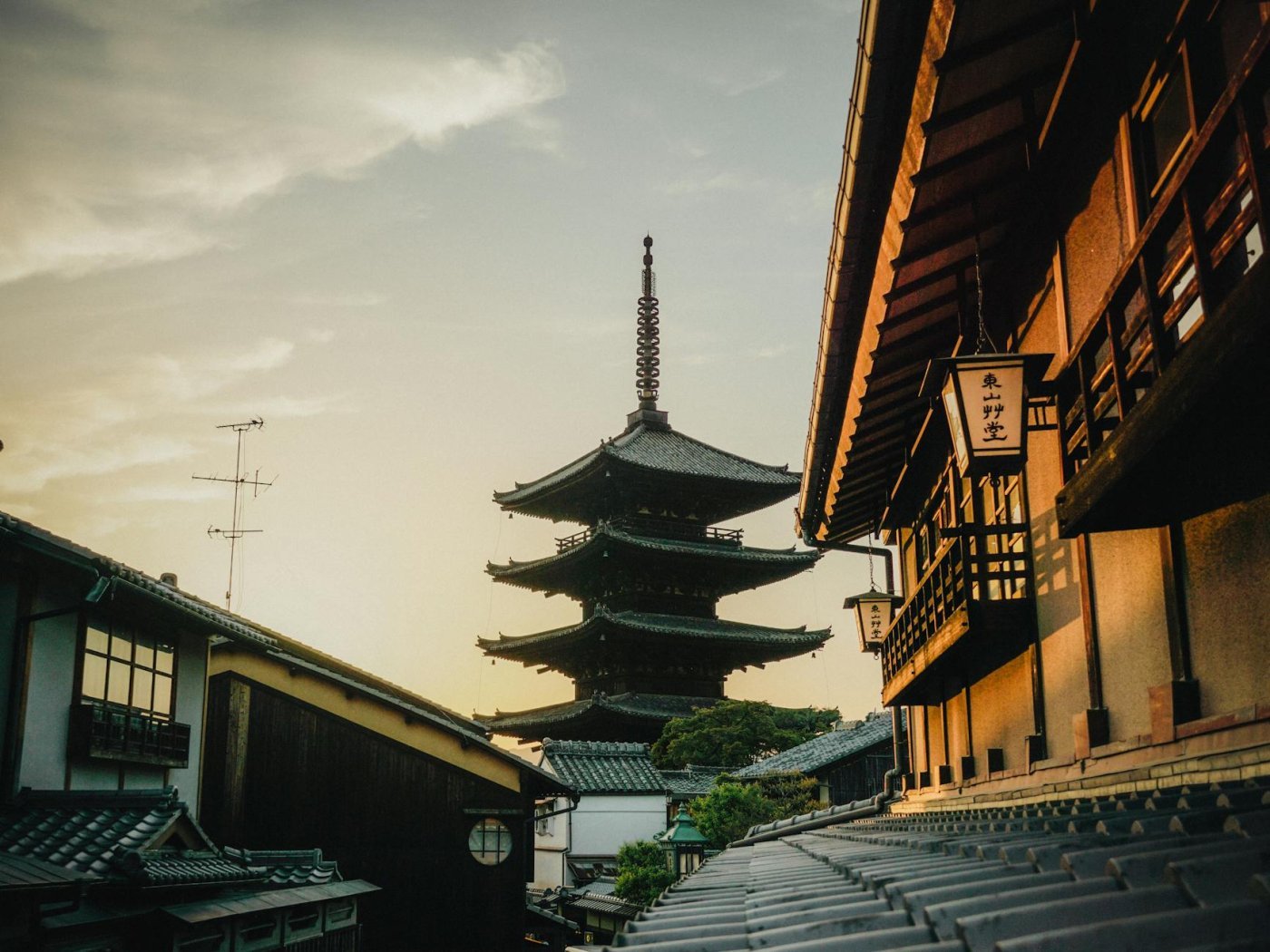
Nikko announces itself long before you reach its famous gates — the moment you step off the train, towering Japanese cedar trees line the stone pathways and the smell of incense drifts down from the hills above the town. Nestled in the mountains of Tochigi Prefecture roughly two hours north of Tokyo, Nikko is a UNESCO World Heritage Site of extraordinary richness, where ornate Edo-period shrines and temples press against roaring waterfalls and dense forest. The Toshogu Shrine, built to enshrine the shogun Tokugawa Ieyasu, is a masterwork of gilded lacquerwork and polychrome carvings unlike anything else in Japan. Nikko rewards those who linger: every season here is a different performance, from cherry blossom pink in April to the volcanic blues of Lake Chuzenji in summer.
What makes visiting Nikko so compelling compared to other day-trip candidates from Tokyo is the sheer density of world-class experiences packed into a compact mountain valley. Kyoto has its temples, but Nikko has Toshogu's baroque excess alongside pristine highland nature — and without the equivalent crowds. Things to do in Nikko range from tracing the Kanmangafuchi Abyss stone Jizo statues at dusk to riding a switchback road up to the Iroha-zaka hairpin highway that unfurls into the Oku-Nikko plateau. The town itself is small and walkable, the locals are welcoming, and the ryokan culture here — hot-spring baths, kaiseki multi-course dinners — is among the most accessible in all of Japan for first-time visitors to traditional inns.
✦ Find your perfect destination
Is Nikko really your perfect match?
Answer 12 quick questions about your travel style, budget and dates — we match you with the destinations that fit you best, from 600+ worldwide.
Nikko belongs on your Japan travel list because it compresses centuries of spiritual history, dramatic highland scenery and artisan craft into a single mountain town that most tourists skip in favour of Kyoto. The Toshogu Shrine's 'See No Evil, Hear No Evil, Speak No Evil' monkeys are the world's most famous wood carvings, yet they are just one panel among thousands. Nikko's Oku-Nikko wetlands are a rare high-altitude ecosystem, Lake Chuzenji offers glassy reflections of volcanic peaks, and Kegon Falls drops 97 metres in a single white curtain of glacial meltwater. For the traveller who wants Japan's full sensory range in two to four days, Nikko delivers completely.
The case for going now: Nikko is entering a quiet golden age for international visitors: the new Nikko UNESCO Heritage Pass simplifies entry to multiple sites, several traditional ryokan have recently completed renovations adding private onsen rooms, and the yen's current weakness makes Japan more affordable for European travellers than at any point in decades. Autumn 2026's foliage season is expected to peak in mid-to-late October — book accommodation by July to avoid selling out.
🏛️
Toshogu Shrine
Nikko's centrepiece is a gilded, polychrome explosion of Edo artistry. Twelve ornate gates, a sacred stable, and the famous three wise monkeys carving make every corner a revelation.
💧
Kegon Falls
Japan's most celebrated waterfall plunges 97 metres off the lip of Lake Chuzenji's volcanic basin. An elevator descends to a viewing platform inside the cliff for a full-force spray experience.
🍁
Autumn Foliage Hike
Nikko's Iroha-zaka hairpin road and the trails around Lake Yunoko explode in crimson and amber from mid-October. The reflection of red maples in still mountain water is one of Japan's defining autumn images.
🪨
Kanmangafuchi Abyss
A row of moss-covered stone Jizo statues lines a rocky riverside gorge just a short walk from central Nikko. Local legend says each count gives a different total — serene and quietly mysterious.
Nikko's neighbourhoods — where to focus
Sacred Heart
Shrine & Temple District
The UNESCO-listed core of Nikko clusters around Toshogu, Futarasan Shrine and Rinnoji Temple on a cedar-forested hillside. Stone lanterns line every path, incense is constant, and the Shinkyo Sacred Bridge marks the spiritual entrance to the entire precinct. Plan at least three hours here.
Highland Escape
Oku-Nikko & Lake Chuzenji
Twenty-eight hairpin bends up the Iroha-zaka road leads to Oku-Nikko, a volcanic highland plateau with Japan's largest high-altitude lake. The lakeside town of Chugushi has waterside cafes, boat rentals and direct views of Mount Nantai. This is Nikko's wilder, quieter face.
Onsen Village
Yumoto Onsen
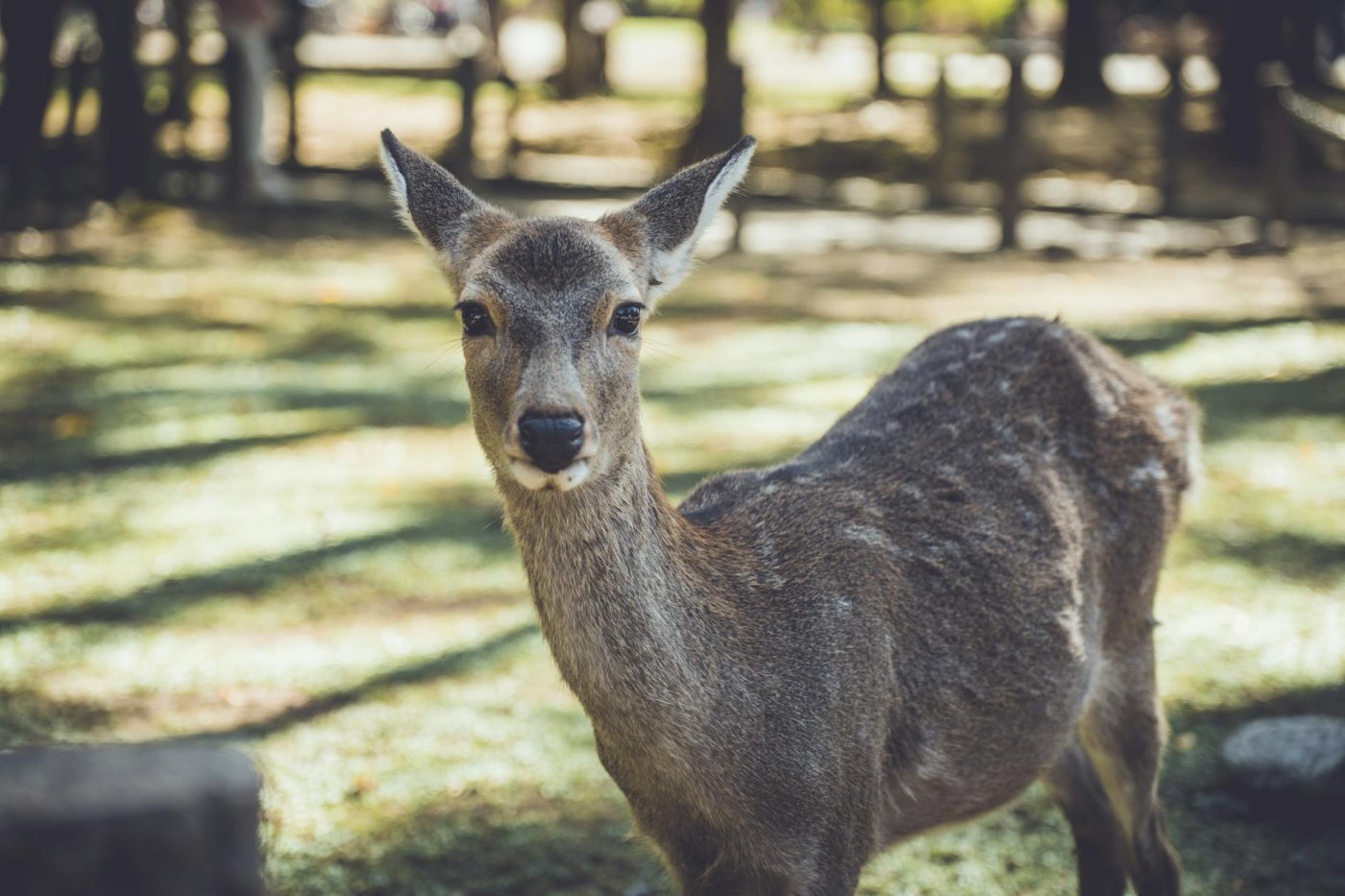
At the far end of the Oku-Nikko plateau sits Yumoto, a tiny hot-spring village beside a sulphurous lake where deer graze at dawn. A handful of traditional ryokan here offer some of the most peaceful overnight experiences in the Kanto region, far from any crowds.
Town Base
Nikko Central (Tobu-Nikko Area)
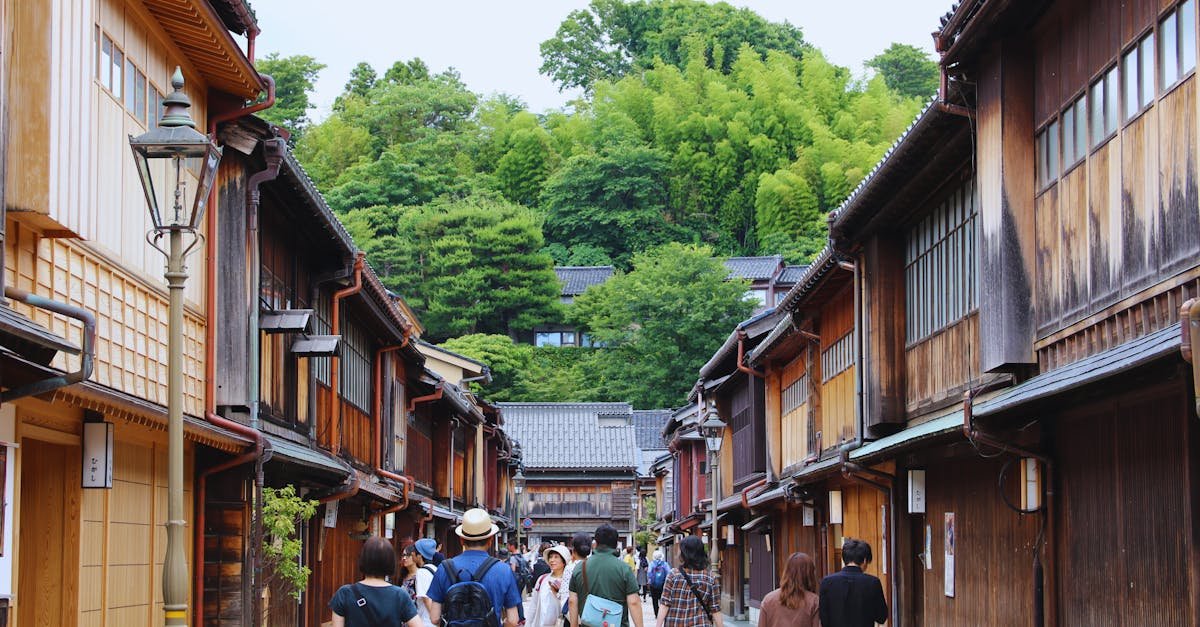
The lower town around Tobu-Nikko station is where most visitors sleep, eat and shop. Souvenir sellers stock yuba (tofu skin) products, local sake and lacquerware. Several mid-range hotels and guesthouses here provide an affordable base within easy walking distance of the shrine approach.
Top things to do in Nikko
1. Explore Toshogu Shrine Complex
No Nikko itinerary is complete without dedicating a proper morning to the Toshogu Shrine, the mausoleum of Tokugawa Ieyasu that was deliberately designed to stun. Completed in 1636, the compound contains more than a dozen structures coated in gold leaf, intricate lacquerwork and thousands of hand-carved animals — elephants, tigers, cranes and mythical creatures jostle for space on every beam and bracket. The Yomeimon Gate alone has 508 individual carvings and took two years to build. Climb the cedar-shaded path to the inner sanctuary where the shogun's tomb sits in relative simplicity, a deliberate contrast to the baroque excess below. The adjacent Rinno-ji Temple houses three enormous gilt Buddha statues in its Sanbutsudo hall. Buy the combination UNESCO Heritage ticket at the entrance to access all major structures.
2. Drive the Iroha-zaka & Visit Kegon Falls
The Iroha-zaka road — 48 hairpin turns named after the syllables of a classical Japanese poem — is itself a destination. The ascent rewards drivers and bus passengers with increasingly dramatic views over cedar valleys before depositing them on the Oku-Nikko plateau at 1,270 metres elevation. At the top, Kegon Falls commands immediate attention: Japan's most famous waterfall drops 97 uninterrupted metres from the outflow of Lake Chuzenji, fed by snowmelt from the slopes of Mount Nantai. An elevator carved into the cliff face (fee applies) descends to a tunnel observation deck where the noise and mist are fully overwhelming. The best light for photography falls in the late morning when the sun angles directly into the canyon. Allow half a day for the full Iroha-zaka and falls experience combined with a stroll around the lakeshore.
3. Walk Kanmangafuchi Abyss at Dusk
One of Nikko's most atmospheric and least-hyped experiences costs nothing and crowds thin to almost nothing after 4pm. The Kanmangafuchi Abyss is a rocky gorge carved by an ancient eruption of Mount Nantai, through which the Daiya River churns over black basalt boulders. Alongside the path stand roughly 70 stone Jizo bodhisattva statues, each wearing a hand-knitted red bib placed by devotees. Local legend claims that counting them yields a different number every time, earning the statues the nickname 'Bake Jizo' (ghost Jizo). The walk is flat, takes under 30 minutes one way, and ends at the Jizodo Hall before looping back through cedar shade. Evening light filtering through the trees turns the mossy statues golden — this is genuinely one of the most quietly spiritual short walks in the entire Kanto region.
4. Soak at Yumoto Onsen & Hike Senjogahara Marshland
The Senjogahara Marshland is a high-altitude wetland preservation area stretching between Yudaki Falls and Akanuma Pond, with a well-maintained 8-kilometre boardwalk trail that takes two to three hours to complete. The open plateau rewards walkers with panoramic views of surrounding peaks, wildflowers in spring and blazing grasses in autumn. At the end of the trail, Yumoto Onsen village is a natural reward: a cluster of traditional ryokan and day-use bathing facilities centred on a sulphurous lake where the water temperature is naturally warm. The Yumoto Onsen public bath (Yumoto Onsen-ji) charges a modest fee for a classic Japanese communal soak. In October, the marshland's grasses turn a rich amber that contrasts with reflected sky — arguably Nikko's most underrated autumn foliage moment, free from the traffic jams that afflict the Iroha-zaka road during peak colour weekends.
What to eat in Tochigi Prefecture — the essential list
Yuba (Tofu Skin)
Nikko's signature ingredient — silky sheets skimmed from simmering soy milk — appears in everything from sashimi-style cold plates to hot pot broths. The fresh variety available in Nikko has a delicate sweetness entirely different from the dried version.
Gyoza Yakimeshi Set
Down-to-earth Tochigi-style fried rice with crispy pan-fried dumplings is the workhorse lunch of Nikko's local population. Filling, affordable and deeply satisfying after a morning of temple-hopping in the mountain air.
Nikko Yuba Soba
Hand-pulled buckwheat noodles served in clear dashi broth, topped with a folded sheet of fresh yuba. A distinctly regional bowl that combines two of Tochigi's finest ingredients in one elegant, warming dish.
Iwana (Char) Saltgrilled
Mountain streams around Nikko and Oku-Nikko yield freshwater char grilled whole on skewers over charcoal. The salted skin crisps perfectly and the flesh is smoky, clean and delicate — best eaten riverside at a trout farm stall.
Strawberry Daifuku
Tochigi is Japan's top strawberry-producing prefecture, and the local variation of daifuku — a whole fresh strawberry encased in red-bean paste inside soft mochi — is sold fresh at shops throughout Nikko town.
Nikko Tamago (Spiced Egg)
Hard-boiled eggs slow-cooked in a soy, mirin and spice broth until deeply flavoured and mahogany-coloured. A popular street snack sold near shrine entrances, cheap, portable and strangely addictive.
Japan's oldest resort hotel has been feeding guests since 1873 in a Victorian dining room that feels genuinely unchanged. The multi-course Western-Japanese fusion menu uses local Tochigi produce including Nikko yuba, and the setting — dark wood, white tablecloths, mountain views — is unmatched in the region.
Fancy & Photogenic
Gyoshintei
📍 2339-1 Sannai, Nikko, Tochigi 321-1431
A traditional kaiseki restaurant set inside a beautiful Japanese garden adjacent to the Rinnoji Temple grounds. The seasonal multi-course menu centres on yuba in elaborate preparations, and garden-facing tatami seating offers one of the most photogenic lunch settings in Nikko.
Good & Authentic
Suzuya
📍 439-2 Ishiya-machi, Nikko, Tochigi 321-1405
A beloved neighbourhood soba house that has been making hand-cut buckwheat noodles for generations. Order the yuba soba set and take a table by the window overlooking a small cedar garden. No English menu, but pointing at neighbouring bowls works perfectly.
The Unexpected
Meiji-no-Yakata
📍 2339-1 Sannai, Nikko, Tochigi 321-1431
Housed in a Victorian-era stone villa originally built for American diplomat F.W. Guth, this historic restaurant serves European-style steak and demi-glace dishes. The incongruity of eating French-influenced beef in the heart of Japan's most sacred shrine district is entirely deliberate and delightful.
The coffee lounge of Japan's oldest resort hotel serves excellent pourover coffee alongside house-made cheesecake in a firelit Victorian lounge. Non-hotel guests are welcome. Arriving just before 10am secures a window seat overlooking cedar trees and the distant mountain ridge.
The Aesthetic Hub
Cafe de Yumoto
📍 Yumoto Onsen, Nikko, Tochigi 321-1661
A cosy wooden cafe beside the sulphurous lake at Yumoto Onsen, serving matcha lattes and homemade yuba cheesecake. The smoke-hazed views across the lakeside marshland make it an unmissable stop after completing the Senjogahara trail. Closes seasonally in deep winter.
The Local Hangout
Boulangerie Mash
📍 812 Goken-machi, Nikko, Tochigi 321-1405
A small artisan bakery near Tobu-Nikko station beloved by local workers and hiking groups. Fresh-baked walnut rolls, curry buns and seasonal fruit tarts fill a tiny display counter each morning. A reliable, unpretentious spot for an early breakfast before the shrine crowds gather.
Best time to visit Nikko
Jan
Feb
Mar
Apr
May
Jun
Jul
Aug
Sep
Oct
Nov
Dec
Peak season (Apr–May cherry blossom & Oct–Nov autumn foliage) — best weather, most colour, book earlyShoulder season (Mar & Nov) — fewer crowds, crisp air, good value accommodationOff-season (Dec–Feb summer heat & Jul–Aug rainy/humid) — quieter but weather less reliable
Nikko events & festivals 2026
Whether you're planning around a specific celebration or simply want to know what's happening, this guide covers the best events and festivals in Nikko — from major annual traditions to cultural highlights worth timing your trip around.
May 2026culture
Toshogu Grand Festival (Hyakumonin Gyoretsu)
One of Japan's three great processions, the Toshogu Grand Festival on 17–18 May sees 1,200 people dressed in Edo-period armour, court robes and warrior costumes recreating the original transfer of Tokugawa Ieyasu's remains to Nikko in 1617.
April 2026culture
Nikko Cherry Blossom Season
Nikko's cherry blossoms peak in mid-April, with the approach roads to Toshogu framed by clouds of pale pink. The Kanmangafuchi Abyss riverside and Rinnoji Temple garden are among the finest viewing spots. A Nikko itinerary built around cherry blossom season combines spiritual sites and seasonal colour perfectly.
October 2026culture
Nikko Autumn Foliage Festival
Nikko's single most spectacular visual event, the autumn colour season runs from mid-October through mid-November. The Iroha-zaka road, Senjogahara marshland and Ryuzu Falls are ablaze with crimson and gold. The best time to visit Nikko for autumn leaves is typically the third week of October — traffic on the Iroha-zaka can be severe on weekends.
October 2026culture
Toshogu Autumn Festival (Hyakumonin Gyoretsu)
A smaller repeat of the May procession held on 17 October, this version of the armoured Hyakumonin procession draws significant crowds to Toshogu's cedar-shaded paths. Combined with peak autumn foliage, Nikko in mid-October is at its most atmospheric and most photogenic. Book the Spacia limited express well in advance from Tokyo.
July 2026religious
Nikko Gion Festival (Rinnoji Gion-e)
Rinnoji Temple hosts a Gion-style summer purification ceremony in mid-July with portable shrine processions through central Nikko town. Priests in white robes conduct river purification rites at the Daiya River near Shinkyo Bridge. A deeply local festival that most international visitors to Nikko overlook entirely.
June 2026culture
Hydrangea Season at Nikko Botanical Garden
The Nikko Botanical Garden, a branch of the University of Tokyo's research facilities, peaks with hydrangeas throughout June. Over 2,000 hydrangea plants in dozens of varieties bloom along manicured paths at 630 metres elevation. Entry fee is modest and the garden is consistently uncrowded, making it a calm counterpoint to the shrine district nearby.
December 2026culture
Nikko Illuminations (Yashio Winter Light)
Nikko's winter illumination event bathes the cedar-lined approach to Toshogu in warm LED light installations through December and into January. The contrast of lantern-orange light against snow-dusted cedar boughs is quietly spectacular and almost completely free of the crowds that dominate spring and autumn visits.
March 2026culture
Nikko Yuba Food Festival
A local culinary event held in early March celebrating Nikko's signature ingredient, fresh tofu skin (yuba). Restaurants, market stalls and temple refectories around central Nikko offer special yuba-focused menus. A niche but charming late-winter event for food-focused visitors planning a Nikko travel itinerary outside peak season.
August 2026music
Nikko Jazz Festival
A modest but beloved annual jazz event held in the public spaces of Nikko town in mid-August, featuring Japanese jazz ensembles performing in the open air near the Shinkyo Bridge area. The mountain setting and cooler highland air make Nikko a welcome escape from Tokyo's oppressive summer heat during this relaxed summer music event.
November 2026market
Nikko Autumn Craft & Lacquer Market
Local artisans gather in central Nikko for a weekend craft market in early November, selling hand-finished lacquerware, wood carvings, dried flower arrangements and Tochigi produce. The market coincides with the tail end of autumn foliage season, offering a quieter alternative to the peak October crowds while colour remains on the high-altitude trees.
Guesthouses, convenience store meals, day-trip from Tokyo, JR Pass used for transport savings
€€ Mid-range
€50–120/day
Mid-range ryokan with breakfast, restaurant lunches, UNESCO Heritage ticket, bus day passes
€€€ Luxury
€150+/day
Historic Kanaya Hotel or premium ryokan with private onsen, full kaiseki dinners, private hire car
Getting to and around Nikko (Transport Tips)
By air: The nearest major international airports to Nikko are Tokyo Narita (NRT) and Tokyo Haneda (HND). Both serve extensive European connections with direct or one-stop flights from Amsterdam, Paris, Frankfurt and London. Flying time from Europe to Tokyo is approximately 11–13 hours depending on origin.
From the airport: From Narita Airport, take the Narita Express (N'EX) to Shinjuku or Asakusa, then connect to the Tobu Nikko Line from Asakusa station — total journey around 2.5 to 3 hours. From Haneda Airport, take the Keikyu Line to Asakusa and board the Tobu Spacia limited express direct to Nikko station in approximately 2 hours. The Tobu Nikko Pass (2 days) covers unlimited Tobu rail and local buses around Nikko at substantial savings.
Getting around the city: Central Nikko's shrine district is walkable from Tobu-Nikko and JR Nikko stations in about 15–20 minutes on foot along the main cedar-lined approach. For Oku-Nikko (Lake Chuzenji, Kegon Falls, Yumoto Onsen), local buses run frequently from the stations during tourist season — the World Heritage Bus route covers all major stops. Taxis are available but expensive for highland routes. A 2-day World Heritage bus pass is recommended.
Transport Safety & Scam Prevention:
Avoid Unmarked Taxis at Chuzenji: At Lake Chuzenji, unofficial taxi drivers occasionally approach tourists offering flat rates back to Nikko town. Always use metered official taxis or the regular bus service — unofficial rides frequently charge two to three times the standard fare.
Check Bus Timetables in Advance: The last buses from Yumoto Onsen back toward central Nikko run earlier than visitors expect — typically around 5pm outside peak season. Missing the last bus means an expensive taxi ride. Download the Nikko bus timetable PDF from the tourism association before arriving.
UNESCO Ticket vs Individual Entry: Buying individual tickets for each Toshogu structure costs significantly more than the combination UNESCO Heritage entry ticket sold at the main gate. The combination ticket covers Toshogu, Taiyuinbyo and Rinnoji Temple together. Always buy the combination pass unless you are visiting only one site.
Do I need a visa for Nikko?
Visa requirements for Nikko depend on your nationality. Select your passport below for an instant answer — based on the Passport Index dataset for entry into Japan.
ℹ️ Indicative only. Always verify with the official consulate before booking. Data: Passport Index, April 2026.
For detailed requirements, documentation checklists and processing times by nationality: TravelDoc →
Search & Book your trip to Nikko
Find the best flight routes and hotel combinations using our partner Kiwi.com.
Frequently Asked Questions
Is Nikko safe for tourists?
Nikko is one of the safest destinations in Japan, which is itself consistently ranked among the safest countries in the world for international travellers. Petty crime is extremely rare and solo travellers — including solo women — report feeling very comfortable day and night. The mountain roads around Oku-Nikko require standard hiking caution in wet or icy conditions, and bear warning signs in the highland marshlands should be taken seriously, though bear encounters near established trails are exceptionally uncommon. Standard travel insurance is advisable for any Japan trip.
Can I drink the tap water in Nikko?
Yes, tap water in Nikko is completely safe to drink and meets the same high standards as all municipal water supplies across Japan. Japanese tap water is rigorously tested and many visitors prefer its taste to bottled water. In the remote Yumoto Onsen village, water supply is equally safe. The hot-spring water in onsen baths is not drinking water — do not consume it regardless of how natural it appears.
What is the best time to visit Nikko?
The best time to visit Nikko depends on what you prioritise. April and May offer cherry blossoms, mild temperatures of 12–18°C and the spectacular Toshogu Grand Festival procession on 17–18 May. October is equally compelling when the maple and beech forests of Oku-Nikko turn crimson and amber — peak colour typically falls in the third week of October. November offers shoulder-season quiet with some remaining colour at lower elevations. Winter visits (December to February) mean snow-dusted shrines, low crowds and excellent ryokan rates, though Iroha-zaka road sometimes closes in heavy snowfall.
How many days do you need in Nikko?
Most visitors treat Nikko as a day trip from Tokyo, but two to three days is genuinely the minimum to experience Nikko properly beyond just Toshogu. On day one, explore the UNESCO shrine and temple district including Toshogu, Taiyuinbyo and the Kanmangafuchi Abyss. Day two should be dedicated to Oku-Nikko — the Iroha-zaka drive, Kegon Falls and Lake Chuzenji. A third day allows for the Senjogahara marshland hike and Yumoto Onsen soak. Four days is the sweet spot for a complete Nikko itinerary that includes proper onsen time and local food exploration. Culture-focused travellers could comfortably fill five to seven days adding Kinugawa Gorge and deeper forest hiking.
Nikko vs Kyoto — which should you choose?
Nikko and Kyoto serve genuinely different needs and the best choice depends on your travel priorities. Kyoto offers breadth — 1,600 temples and shrines spread across a full city with excellent restaurants, traditional arts and seamless urban infrastructure. Nikko offers intensity — a compact area where Japan's most ornate single shrine complex, dramatic waterfalls and pristine highland wilderness are all within 30 minutes of each other. Kyoto requires at least five to seven days to do justice; Nikko rewards a two to four day stay with equally powerful memories. Many Japan itineraries include both: fly into Tokyo, spend two to three days in Nikko, then Shinkansen west to Kyoto. They are not rivals but natural complements.
Do people speak English in Nikko?
English is spoken at a functional level in Nikko's main tourist facilities — major ryokan, the Toshogu ticket office, Tobu-Nikko station and most shrine museums have English-speaking staff or English signage. However, away from the main shrine district — in local soba restaurants, smaller shops and the Yumoto Onsen village — English is limited. Google Translate's camera function handles Japanese menus effortlessly and is the single most useful tool to download before visiting Nikko. The main tourist information centre beside Tobu-Nikko station has English-speaking staff who are genuinely helpful with bus schedules and trail maps.
★ Hidden Gems Weekly
Like this? One place per week, in your inbox.
No spam, no fluff — just one underrated destination, every Tuesday.
Hand-picked and verified by Max, who founded Vacanexus from Luxembourg in 2026. No sponsorships, no paid placements. Every recommendation — restaurants, neighbourhoods, things to do — is selected for authenticity over popularity.