⏱ 12 min read📅 Updated 2026💶 €€€ Comfort✈️ Best: Jan–Apr
€120–250/day
Daily budget
Jan–Apr
Best time
4–6 days
Ideal stay
SAR
Currency
Riyadh rises from the Najd desert plateau like a fever dream of ambition — a skyline of steel and glass towers shimmering above terracotta-red canyons and date-palm groves. The call to prayer rolls across the city five times a day, echoing from ancient muezzin towers and bouncing off the mirrored facades of new luxury hotels. The air smells of frankincense drifting from abaya shops in the old suqs, cut with the cold blast of air conditioning from every doorway. Riyadh is a city of extraordinary contrasts, where camel farms sit twenty minutes from Michelin-standard restaurants and where a society older than most European nations is reinventing itself at remarkable speed. This is no longer a city reluctantly opening its gates — Riyadh is actively competing for your attention.
Visiting Riyadh rewards travellers willing to leave assumptions at the departure gate. Unlike Dubai, which was purpose-built for international tourism, Riyadh carries the weight and texture of a genuine capital city — political, religious, mercantile and profoundly Saudi. Things to do in Riyadh range from hiking the dramatic Edge of the World escarpment above ancient lava fields to wandering the UNESCO-listed Diriyah mud-brick quarter where the Saudi state was born. The cuisine scene, long invisible to outsiders, now spans everything from slow-cooked Najdi lamb to inventive fusion restaurants backed by Vision 2030 investment. Compared to Abu Dhabi or Doha, Riyadh feels less polished and more raw — and that is precisely what makes it compelling for travellers who want to witness a society in fascinating, accelerating transformation.
✦ Find your perfect destination
Is Riyadh really your perfect match?
Answer 12 quick questions about your travel style, budget and dates — we match you with the destinations that fit you best, from 600+ worldwide.
Riyadh belongs on your travel list because it offers something almost no major city can still claim: genuine novelty. Saudi Arabia issued its first tourist visas only in 2019, meaning Riyadh's landmark sites — the dramatic Diriyah At-Turaif UNESCO World Heritage Site, the vertiginous Edge of the World canyon, the National Museum of Saudi Arabia — remain crowd-free by global standards. Riyadh is also investing billions in cultural infrastructure under Vision 2030, meaning each visit reveals new restaurants, galleries and experiences. Add winter temperatures that peak at a perfect 20–24°C, and the case for making Riyadh your next desert-city adventure is compelling.
The case for going now: Saudi Arabia's tourism sector is growing faster than almost anywhere on earth, and Riyadh in 2025–2026 sits at the sweet spot: new infrastructure is open but mass tourism has not yet arrived. The Saudi e-visa is now straightforward for most European nationalities, Diriyah's Bujairi Terrace dining district opened to international visitors in recent years, and direct flights from European hubs are expanding rapidly. Prices for hotels and experiences remain considerably more competitive than Dubai for comparable quality. Go now, before the rest of the world catches on.
🏛️
Diriyah Heritage Walk
Step inside the mud-brick walls of At-Turaif, the 15th-century birthplace of the Saudi state, now a UNESCO World Heritage Site. The golden-hour light on the rammed-earth towers is extraordinary.
🌄
Edge of the World
Drive an hour northwest of Riyadh to reach Jebel Fihrayn, a cliff edge that drops 300 metres onto an ancient seabed stretching to the horizon. The silence and scale here are genuinely humbling.
🍽️
Bujairi Terrace Dining
Riyadh's showpiece open-air dining district sits directly opposite the Diriyah walls. A dozen restaurants serving everything from Najdi cuisine to Japanese omakase make this the city's most atmospheric evening destination.
🎭
National Museum Visit
The National Museum of Saudi Arabia in Al Murabba tells 4.5 billion years of the peninsula's story across eight immersive halls. The pre-Islamic archaeology and early Islamic manuscripts collections are among the finest in the region.
Riyadh's neighbourhoods — where to focus
Historic Heart
Diriyah
Riyadh's most important historical district sits in the Wadi Hanifah valley, twelve kilometres northwest of the city centre. The At-Turaif mud-brick quarter anchors it, while the newly developed Bujairi Terrace adds outstanding restaurants and boutique retail. Come at sunset when the ochre walls glow amber.
Luxury Hub
Al Olaya
The commercial spine of modern Riyadh, Al Olaya is where Kingdom Tower, the Al Faisaliah Globe and a dozen five-star hotels cluster along King Fahd Road. Upscale malls, rooftop bars and the city's best international restaurants line the boulevards. This is Riyadh at its most cosmopolitan and fast-paced.
Diplomatic Quarter
DQ District
The Diplomatic Quarter is Riyadh's most walkable neighbourhood — a rarity in a car-centric city. Wide pedestrian paths wind past embassies, cafés, parks and the elegant Al Salam Palace. The district hosts some of Riyadh's most relaxed, internationally-minded social spaces, popular with expats and young Saudis.
Old City Soul
Al Dirah
Al Dirah, home to the famous Dira Souq and the Friday Market, is where Riyadh's merchant past still breathes. Narrow lanes sell traditional gold, spices, vintage daggers and hand-woven carpets. The Qasr Al Musmak fortress stands at the district's heart — the mud-brick citadel where modern Saudi history began in 1902.
Top things to do in Riyadh
1. #1 Explore Diriyah & At-Turaif
No Riyadh itinerary is complete without a full half-day at Diriyah, the ancestral home of the Al Saud royal family and the site where the first Saudi state was proclaimed in the 18th century. The At-Turaif district — a vast complex of mud-brick palaces, mosques and fortified towers in the Najdi architectural tradition — was inscribed as a UNESCO World Heritage Site in 2010 and has been undergoing meticulous restoration ever since. Walking the main circuit takes around two hours, and guided tours illuminate the political and religious significance of each palace. After the heritage quarter, cross the road to the Bujairi Terrace, where beautifully designed restaurants overlook the ancient walls. Book a table at Najd Palace or Bab Samhan for traditional Saudi food in the most evocative setting in the city. Plan your Riyadh visit to arrive at Diriyah in the late afternoon to catch the golden-hour light before dinner.
2. #2 Drive to Edge of the World
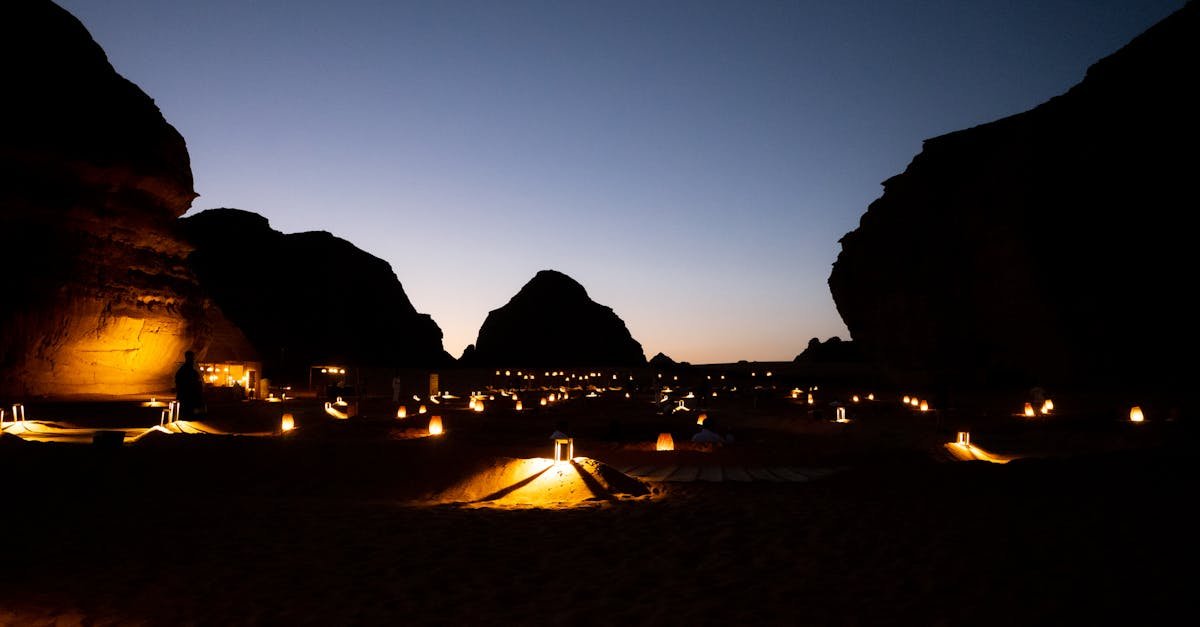
The Edge of the World — locally called Jebel Fihrayn — is arguably the most dramatic natural experience within reach of any Gulf capital, yet it remains almost unknown outside Saudi Arabia. Located roughly 90 kilometres northwest of Riyadh, this limestone escarpment marks the boundary of the ancient Tuwayq Mountains, where the plateau simply ends and a sheer 300-metre cliff drops onto a prehistoric ocean floor now fossilised into desert. The drive through barren lava fields and camel-dotted plains is part of the experience. Arrive on a clear winter morning and the view stretches 70 kilometres to an unbroken horizon — genuinely one of the most arresting landscapes in the Middle East. Take plenty of water, wear sturdy shoes and go with a knowledgeable guide or a reputable Riyadh tour operator, as the unmarked track requires a 4WD vehicle. This is the crown jewel of things to do in Riyadh for any outdoors-minded traveller.
3. #3 Visit the National Museum
The National Museum of Saudi Arabia in the Al Murabba Palace complex is one of the most underrated history museums in the Middle East — and with visitor numbers still relatively low by international standards, you can explore it at leisure that Cairo or Istanbul could never offer. Spread across eight thematic halls, the museum traces the Arabian Peninsula from its geological formation through pre-Islamic civilisations like the Nabataeans and Dilmun, through the rise of Islam, the Ottoman period and the founding of the modern Saudi state. The Prophet's Hall, dedicated to early Islamic history, is handled with scholarly care, while the fossil and geological displays in the first hall are genuinely world-class. The architecture itself — a sweeping modernist design by Moriyama & Teshima — is worth noting. Allocate three hours minimum, and pair your visit with a walk through the adjacent Murabba Historical Palace, where King Abdulaziz lived in the 1930s.
4. #4 Kingdom Tower Sky Bridge & Riyadh's Skyline
Kingdom Tower is the defining symbol of contemporary Riyadh — a 302-metre needle of reinforced glass designed by Ellerbe Becket with a distinctive elliptical oculus cut into its crown. The Sky Bridge observation deck on the 99th floor offers a 360-degree panorama over the Saudi capital that properly contextualises the city's extraordinary sprawl: red desert to every horizon, punctuated by the Olaya skyscraper corridor and the distant green smudge of Wadi Hanifah. Visit at dusk to watch the city flip from golden desert light to a blaze of neon. If time permits, combine the Tower with the adjacent Kingdom Centre Mall and the Al Faisaliah Globe Tower nearby, whose internal gold ball restaurant is a Riyadh institution. The skyline drive along King Fahd Road at night — lined with illuminated towers — is one of the most cinematically impressive urban sequences in the Arabian Gulf, and it costs nothing more than a taxi ride.
What to eat in Najd & the Arabian Peninsula — the essential list
Kabsa
Saudi Arabia's national dish — slow-cooked lamb or chicken layered over saffron-spiced long-grain rice with raisins, almonds and dried lime. Every Riyadh family has its own recipe, and no visit to the city is complete without eating it at least once.
Jareesh
A beloved Najdi staple of cracked wheat slow-cooked with meat broth and spiced with black lime and cumin until it reaches a thick, porridge-like consistency. Deeply warming and surprisingly complex, jareesh is Riyadh's true comfort food.
Mutabbaq
A folded pan-fried pastry filled with spiced minced meat, egg and spring onion, mutabbaq is sold from small stalls across Riyadh's older neighbourhoods. It arrived via Yemen and South Asia but has been claimed entirely by Saudi street-food culture.
Saleeg
Hejazi in origin but popular across Riyadh, saleeg is white rice cooked in rich bone broth and whole milk, served under a crown of roasted chicken. The rice absorbs the cream and collagen into something richer than its simple description suggests.
Harees
Ancient in origin and still a Ramadan staple, harees is whole wheat boiled and pounded with lamb until it becomes a smooth, unctuous paste, then finished with ghee and cinnamon. The texture polarises visitors but the flavour is extraordinary.
Qahwa & Dates
Saudi cardamom coffee — pale green, lightly bitter, poured from a long-spouted dallah pot — is always accompanied by Medjool or Sukkari dates from the Eastern Province. This pairing is Riyadh's universal gesture of hospitality and should be accepted whenever offered.
Where to eat in Riyadh — our top 4 picks
Fine Dining
Nozomi Riyadh
📍 Al Faisaliah Hotel, King Fahd Road, Al Olaya, Riyadh
The Riyadh outpost of this acclaimed Japanese restaurant group delivers pristine omakase and à la carte menus in a sleek setting inside the Al Faisaliah Hotel. Service is impeccable, sake list is serious and the black cod with miso is a genuine highlight. Book well in advance.
Fancy & Photogenic
Najd Palace Restaurant
📍 Bujairi Terrace, Diriyah, Riyadh
Set directly opposite the At-Turaif UNESCO walls on the Bujairi Terrace, Najd Palace serves traditional Najdi cuisine in a beautifully reconstructed mud-brick setting. The open terrace at night, lit by lanterns with the ancient citadel glowing behind, is one of Riyadh's most memorable dining experiences. Order the kabsa and jareesh.
Good & Authentic
Bab Samhan
📍 Bujairi Terrace, Diriyah, Riyadh
A dedicated Saudi heritage restaurant with an outdoor seating area framing the Diriyah skyline. Bab Samhan focuses on regional recipes from across the Kingdom, including harees, saleeg and slow-braised lamb shank. Portions are generous, prices are reasonable by Riyadh standards and the atmosphere is warmly authentic.
The Unexpected
Angelina Riyadh
📍 Al Nakheel Mall, Al Nakheel District, Riyadh
The legendary Parisian tea salon has opened in Riyadh, bringing its famous Mont Blanc and hot chocolate to the Saudi capital with impressive fidelity. It sounds incongruous, but watching Riyadh's elegantly dressed young women enjoy French pastries beneath arabesque arches perfectly captures the city's current cultural moment. Excellent breakfast option.
Riyadh's Café Culture — top 3 cafés
The Institution
Café Bateel
📍 Kingdom Centre Mall, Al Olaya, Riyadh
Bateel began as a premium Saudi date brand and evolved into an elegant café chain that now feels indispensable to Riyadh's social fabric. The date-based pastries, sophisticated pour-over coffee and quiet reading-room atmosphere make it the city's most civilised mid-morning stop. The dark chocolate-dipped dates are world-class.
The Aesthetic Hub
Roasters Coffee
📍 Al Worood District, Riyadh
Roasters is where Riyadh's specialty coffee scene announced itself to the world — a minimalist, Scandinavian-influenced space with serious single-origin roasts and a clientele of architects, creatives and well-travelled young Saudis. The flat whites are among the best in the city and the light through the front window is perpetually Instagram-perfect.
The Local Hangout
Seven Fortunes Café
📍 Diplomatic Quarter, Riyadh
Tucked into the leafy walkways of the Diplomatic Quarter, Seven Fortunes draws a loyal crowd of expats, diplomats and neighbourhood regulars who linger over qahwa and shawarma sandwiches for hours. The outdoor terrace under date palms is Riyadh's most pleasant alfresco café setting — genuinely rare and worth seeking out.
Best time to visit Riyadh
Jan
Feb
Mar
Apr
May
Jun
Jul
Aug
Sep
Oct
Nov
Dec
Peak Season (Jan–Apr & Dec) — Mild days of 18–26°C, clear skies, ideal for Diriyah and Edge of the WorldShoulder Season (Nov) — Cooling rapidly, fewer tourists, good value hotel ratesOff-Season (May–Oct) — Extreme heat of 38–47°C makes outdoor sightseeing impractical; indoor attractions only
Riyadh events & festivals 2026
Whether you're planning around a specific celebration or simply want to know what's happening, this guide covers the best events and festivals in Riyadh — from major annual traditions to cultural highlights worth timing your trip around.
January 2026culture
Riyadh Season
Saudi Arabia's flagship entertainment mega-festival runs October through February, transforming Riyadh with dozens of themed zones, international concerts, comedy shows, sports events and immersive experiences. It is the single biggest reason to plan a Riyadh itinerary in winter, drawing millions of visitors across its run.
February 2026culture
Saudi Founding Day
Celebrated on 22 February, Saudi Arabia's Founding Day marks the establishment of the first Saudi state in 1727. Riyadh fills with fireworks, light projections on Kingdom Tower and Diriyah, traditional music performances and free public events across the city. One of the
March 2026culture
Diriyah Art Futures
A cutting-edge contemporary art fair held in Diriyah, bringing together regional and international artists working at the intersection of art and technology. Gallery installations, artist talks and immersive digital exhibitions fill the heritage district, making it a highlight of the Riyadh cultural calendar each spring.
March 2026culture
Riyadh International Book Fair
One of the largest book fairs in the Arab world, held at the Riyadh International Convention and Exhibition Centre. Publishers from across the Middle East, Europe and Asia attend, and the event draws enormous local crowds — a revealing window into Saudi intellectual and cultural life that few foreign visitors witness.
April 2026music
MDL Beast Soundstorm
When held, this enormous electronic music festival brings world-class DJs and hundreds of thousands of attendees to a purpose-built desert site near Riyadh. Soundstorm has featured headline acts from Tiësto to David Guetta and has rapidly become one of the biggest music events in the Middle East.
April 2026religious
Eid Al Fitr Celebrations
The end of Ramadan is marked across Riyadh with three days of public celebrations, family gatherings, fireworks and special events in all major parks and entertainment districts. Visiting Riyadh during Eid offers a rare glimpse of Saudi society at its most festive, generous and outward-looking.
September 2026culture
Saudi National Day
On 23 September, Riyadh celebrates Saudi National Day with one of the most spectacular public displays in the Gulf — military flyovers in formation, laser shows projected onto Kingdom Tower, free concerts and street celebrations. Despite the autumn heat, the patriotic atmosphere is extraordinary and uniquely Saudi.
October 2026market
Riyadh Season Launch
The annual Riyadh Season entertainment festival launches each October with a spectacular opening ceremony, instantly activating themed entertainment zones across the city. The Boulevard World zone replicates global cities in miniature while Riyadh Front offers international dining and live entertainment — a great Riyadh travel tip is to book hotels early.
November 2026culture
Diriyah ePrix Formula E
The Formula E street circuit in Ad Diriyah, racing through the UNESCO heritage valley, is one of the most visually dramatic motorsport settings in the world. The race weekend brings international crowds to Riyadh and combines high-speed electric racing with concerts and entertainment alongside the ancient mud-brick walls.
December 2026culture
Riyadh Season Winter Finale
December brings peak Riyadh Season programming — the weather is perfect at 18–22°C and the entertainment calendar is at its densest.
Midrange Saudi chain hotels, shawarma and local restaurant meals, metro and shared taxis, free heritage sites
€€ Mid-range
€120–200/day
Four-star hotel, Bujairi Terrace dinners, guided Diriyah tour, occasional taxi, Edge of the World excursion
€€€ Luxury
€250+/day
Five-star Rosewood or Four Seasons, omakase dining at Nozomi, private desert guide, Kingdom Tower visits
Getting to and around Riyadh (Transport Tips)
By air: Riyadh's King Khalid International Airport (RUH) is the main gateway, served by Saudia, flynas, Emirates, Lufthansa, British Airways, Air France and dozens of other carriers. Direct flights from London take roughly six hours, from Paris around six and a half, and from Frankfurt approximately six hours. A new mega-airport, King Salman International, is under development and will eventually be one of the world's largest aviation hubs.
From the airport: King Khalid International Airport is located 35 kilometres north of central Riyadh. The Riyadh Metro's Green Line (Line 2) connects the airport directly to the city centre, running to King Abdullah Financial District and beyond — the journey takes around 40 minutes and costs a fraction of a taxi fare. Taxis and Uber are also widely available from designated bays outside arrivals; the ride to Al Olaya takes 30–40 minutes depending on traffic and typically costs 50–80 SAR.
Getting around the city: Riyadh is a vast, car-oriented city and you will need a combination of transport options. The Riyadh Metro, opened progressively since 2021, now runs six lines covering major corridors including the airport, Al Olaya, Diriyah and the university district — it is clean, air-conditioned, punctual and very affordable. Uber operates reliably across the city and is the most convenient option for door-to-door travel. Car hire is straightforward and increasingly available for international licence holders. Walking is only practical in the Diplomatic Quarter and Diriyah; everywhere else distances are too large and summer heat too intense.
Transport Safety & Scam Prevention:
Use Uber Over Unofficial Taxis: Unofficial taxis without meters do operate around tourist sites and the airport. Always use Uber or Careem, which are widely available throughout Riyadh and provide transparent pricing. It eliminates fare negotiation entirely and is genuinely the easiest option.
Book Edge of the World Tours Carefully: The Edge of the World requires a proper 4WD vehicle and a guide familiar with the unmarked desert track. Several operators in Riyadh offer legitimate tours, but avoid anyone offering the trip in a standard saloon car or at suspiciously low prices — getting stranded in the desert is a genuine risk.
e-Visa via Official Channels Only: Apply for your Saudi tourist e-visa exclusively through the official Saudi government portal or your country's authorised visa processing centre. Numerous third-party websites charge excessive fees for what is a straightforward and relatively affordable government application process.
Do I need a visa for Riyadh?
Visa requirements for Riyadh depend on your nationality. Select your passport below for an instant answer — based on the Passport Index dataset for entry into Saudi Arabia.
ℹ️ Indicative only. Always verify with the official consulate before booking. Data: Passport Index, April 2026.
For detailed requirements, documentation checklists and processing times by nationality: TravelDoc →
Search & Book your trip to Riyadh
Find the best flight routes and hotel combinations using our partner Kiwi.com.
Frequently Asked Questions
Is Riyadh safe for tourists?
Riyadh is considered very safe for tourists and ranks among the lowest-crime capital cities in the world. Violent crime against visitors is exceptionally rare, and the city has significant security infrastructure. Women travelling solo report feeling safe throughout the city, particularly in tourist areas, malls and the Diplomatic Quarter. The main practical concerns are road safety — traffic is fast and pedestrian crossings rare — and the intense heat during summer months, which can pose health risks if you are not adequately hydrated and protected. Dress modestly out of respect for local customs, and you will encounter nothing but genuine hospitality.
Can I drink the tap water in Riyadh?
Tap water in Riyadh is technically treated and meets safety standards, but it is heavily desalinated, has a noticeable mineral taste and is not generally recommended for drinking by visitors. The vast majority of residents and travellers use bottled water, which is cheap and universally available throughout the city. Use tap water freely for showering and cleaning teeth. Carry a bottle at all times — the dry desert air and high temperatures mean dehydration can occur faster than you expect, particularly when sightseeing outdoors during the cooler winter months.
What is the best time to visit Riyadh?
The best time to visit Riyadh is between November and April, with January through March representing the absolute peak for comfortable sightseeing. Daytime temperatures during this window range from 18°C to 26°C — ideal for outdoor excursions to Diriyah, the Edge of the World and Wadi Hanifah. December and January also coincide with peak Riyadh Season entertainment programming. Avoid May through September entirely if possible: temperatures regularly exceed 42°C and outdoor activities become genuinely dangerous. The shoulder months of October and November offer slightly lower hotel rates while the weather begins cooling to manageable levels.
How many days do you need in Riyadh?
A minimum Riyadh itinerary of four days allows you to cover the essential highlights: Diriyah and At-Turaif, the National Museum, a day trip to the Edge of the World and a thorough exploration of Al Dirah's souqs and the Musmak Fortress. Five to six days is ideal if you want to add the Diplomatic Quarter, the Kingdom Tower sky bridge, proper time in local restaurants and a second visit to Diriyah at different times of day. Ten or more days opens up potential day trips to Al Ula and Hegra's Nabataean rock tombs (accessible by short flight), transforming a Riyadh visit into a broader Saudi Arabia exploration. First-time visitors consistently say they wish they had allowed more time than initially planned.
Riyadh vs Dubai — which should you choose?
Riyadh and Dubai serve genuinely different types of travellers, so the choice depends entirely on what you want. Dubai is purpose-built for international tourism — seamlessly comfortable, alcohol-available, beach-accessible and familiar. Riyadh is a real, functioning capital city undergoing extraordinary social transformation, with deeper historical roots, more authentic culture and far fewer crowds at its remarkable heritage sites. If you want a polished resort experience with guaranteed comfort, choose Dubai. If you want to witness a fascinating society in motion, stand at the Edge of the World with almost no other tourists in sight and eat traditional Najdi cuisine in a 15th-century mud-brick setting, choose Riyadh. For travellers who have already done Dubai, Riyadh is the obvious, more interesting next step into the Arabian Gulf.
Do people speak English in Riyadh?
English proficiency in Riyadh is good and improving rapidly. In hotels, upscale restaurants, malls, tourist sites and the Diplomatic Quarter, you will have no difficulty communicating in English whatsoever. Younger Saudis educated under Vision 2030 typically speak strong English and are often eager to practise it with visitors. In older neighbourhood souqs, smaller local restaurants and with some taxi drivers, you may encounter limited English — having Google Translate available is useful. Signage on the Riyadh Metro and in major public spaces is bilingual Arabic and English. Overall, visiting Riyadh as a non-Arabic speaker is entirely straightforward, and you will rarely encounter a situation where communication becomes a genuine obstacle.
★ Hidden Gems Weekly
Like this? One place per week, in your inbox.
No spam, no fluff — just one underrated destination, every Tuesday.
Hand-picked and verified by Max, who founded Vacanexus from Luxembourg in 2026. No sponsorships, no paid placements. Every recommendation — restaurants, neighbourhoods, things to do — is selected for authenticity over popularity.