Culture & History · Senegal · Saint-Louis Region 🇸🇳
Saint-Louis Travel Guide — Where the Sahara Meets the Sea in Timeless
⏱ 11 min read📅 Updated 2026💶 € Budget✈️ Best: Jan–Apr
€20–45/day
Daily budget
Jan–Apr
Best time
3–5 days
Ideal stay
XOF (CFA Franc)
Currency
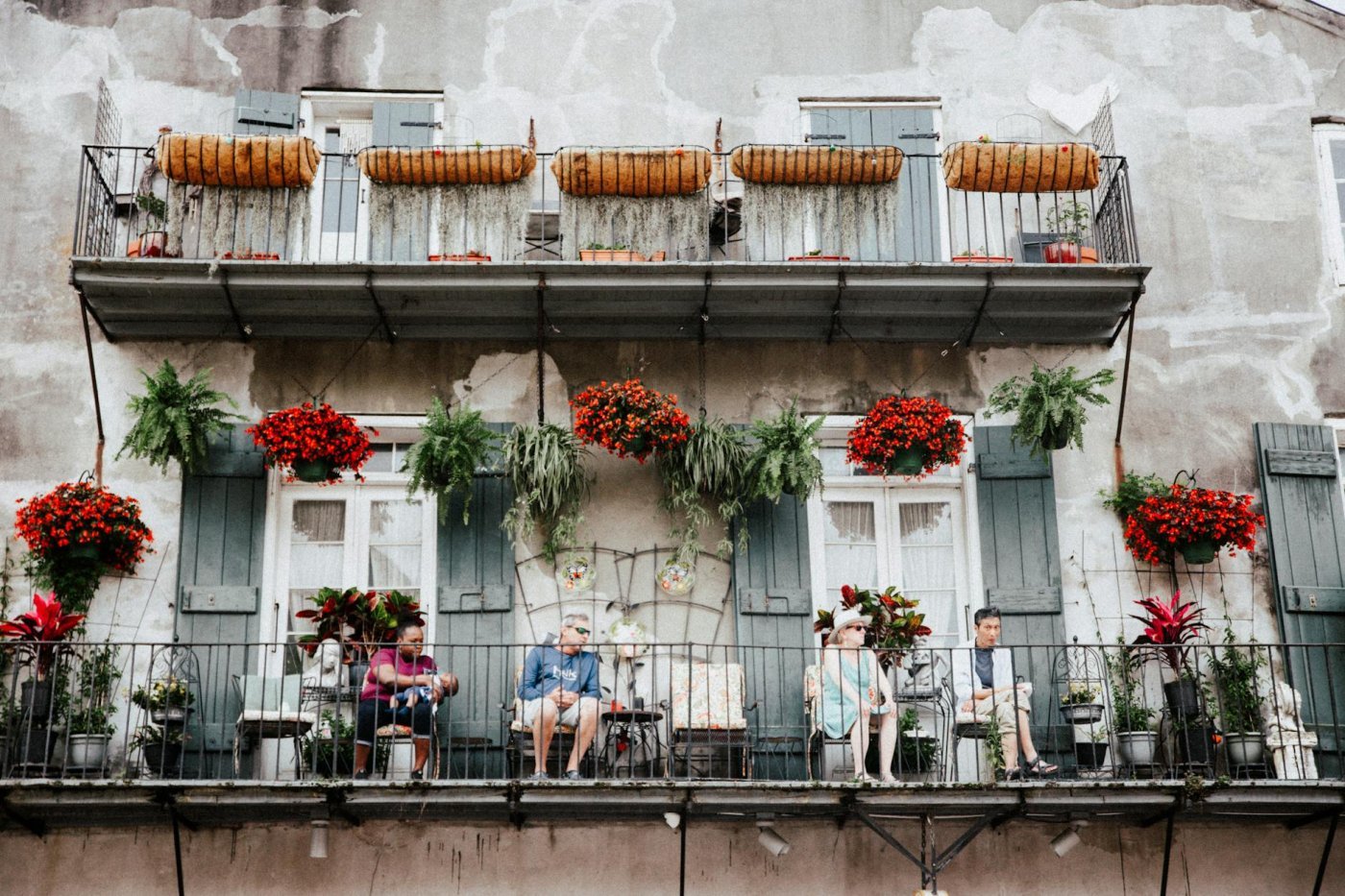
Saint-Louis rises from the Senegal River like a faded watercolor painting brought back to life by music, heat, and salt air. The island city — locally known as Ndar — sits where the river meets the Atlantic, its rust-colored colonial façades framing narrow lanes busy with horse-drawn calèches and women in vivid boubous. Mosques call the dawn, fishermen drag their pirogues at Guet N'Dar, and the iron Faidherbe Bridge groans softly in the Harmattan wind. Saint-Louis carries four centuries of layered history on its shoulders with an effortless, unpolished elegance that no amount of Instagram polish could replicate.
Visiting Saint-Louis is a fundamentally different experience from the beach-resort tourism of Saly or the frenetic energy of Dakar. The city rewards slow travelers: those who want to sit on a hotel terrace watching the river change color, photograph peeling indigo shutters at golden hour, or lose themselves in a late-night jazz set under the stars during May's Saint-Louis Jazz Festival. Things to do in Saint-Louis range from pirogue rides through the Djoudj bird sanctuary to browsing the vibrant Sor market, making it an ideal base for exploring northern Senegal at a pace that feels genuinely West African.
✦ Find your perfect destination
Is Saint-Louis really your perfect match?
Answer 12 quick questions about your travel style, budget and dates — we match you with the destinations that fit you best, from 600+ worldwide.
Saint-Louis earned UNESCO World Heritage status in 2000 for the outstanding universal value of its colonial urban fabric, and that status reflects something real: walking the island grid feels like stepping inside a living museum that hasn't been sanitized for visitors. The Saint-Louis Jazz Festival each May draws world-class musicians to outdoor stages on the Langue de Barbarie, creating one of Africa's most atmospheric music events. Beyond the island, the surrounding region offers some of West Africa's finest birdwatching at Djoudj National Bird Sanctuary, camel treks along the river, and pirogue excursions through mangrove channels — all at prices that make European cities feel extravagant by comparison.
The case for going now: Saint-Louis is in a genuine sweet spot right now: increased direct flights from Paris and Casablanca to Dakar keep access easy, while the city itself remains delightfully under-touristed compared to its cultural weight. The Senegalese government has been investing in island infrastructure and waterfront restoration, meaning facades and public spaces are looking better than they have in decades. Budget travelers in 2026 will find exceptional value — a riverside guesthouse, a grilled thiéboudienne, and a cold Gazelle beer seldom exceed €30 combined.
🎷
Jazz Festival
Each May, the Saint-Louis Jazz Festival transforms the colonial island into an open-air concert hall. World-class African and international musicians perform on the Faidherbe Bridge and riverside stages, drawing music lovers from across the globe.
🐦
Djoudj Bird Sanctuary
Just 60 km north of Saint-Louis, Djoudj National Bird Sanctuary hosts three million migratory birds between November and April. Pirogue rides through its channels offer close encounters with pelicans, flamingos, and African spoonbills in a spectacular wetland setting.
🌊
Guet N'Dar Fishing
The Langue de Barbarie fishing village of Guet N'Dar is one of Senegal's most atmospheric communities. Watch hundreds of brightly painted pirogues launch at dawn, nets billowing in the Atlantic wind — a raw, photogenic display of traditional Wolof fishing culture.
🏛️
Colonial Island Walk
Saint-Louis Island's UNESCO-listed grid of French colonial architecture is best explored on foot. Peeling pastel façades, wrought-iron balconies, and the monumental Faidherbe Bridge create an urban landscape unlike anywhere else in West Africa.
Saint-Louis's neighbourhoods — where to focus
Historic Core
Île Saint-Louis
The original island settlement and heart of Saint-Louis, packed with colonial mansions, boutique hotels, and the Gouvernance building. Streets are narrow, traffic is minimal, and the twin rivers — the main channel and a distributary — create an almost island-within-an-island feeling of calm.
Fishing Village
Guet N'Dar
Sitting on the thin Langue de Barbarie sandbar between the river and the Atlantic, Guet N'Dar is one of Africa's most densely populated fishing communities. Pirogues crowd every square meter of shore at sunrise, and the smell of smoked fish and sea salt is constant. Not touristic — genuinely alive.
Mainland Market
Sor
Sor is the bustling mainland district where most Saint-Louis residents actually live and shop. The grand Sor market sells everything from hand-dyed fabric to dried fish and hardware tools. Less photogenic than the island but far more honest about how everyday life in Saint-Louis actually functions.
Quiet Peninsula
Langue de Barbarie South
The southern stretch of the barrier sandbar hosts several eco-lodges and the Langue de Barbarie National Park, where sea turtles nest from October to May. Walking the Atlantic-facing beach here, with the Saharan wind pushing walls of sea spray, is one of Senegal's most elemental travel experiences.
Top things to do in Saint-Louis
1. #1 Cross the Faidherbe Bridge at Sunset
The Faidherbe Bridge is Saint-Louis's defining landmark — a 507-metre iron structure designed by Gustave Eiffel's engineering company and completed in 1897, which has connected the island to the mainland for over a century. Walking across it at golden hour is one of those travel experiences that is impossible to describe without sounding hyperbolic: the Senegal River spreads wide beneath you, dhow-like pirogues glide in and out of the low sun, and the colonial rooftops glow amber. Go in both directions; the view changes completely. The bridge also doubles as a concert venue during the annual Saint-Louis Jazz Festival, when temporary stages are erected mid-span and musicians play against the river backdrop.
2. #2 Take a Pirogue to Djoudj Sanctuary
Djoudj National Bird Sanctuary, roughly an hour north of Saint-Louis by road and then pirogue, is consistently listed among the world's top three ornithological reserves. Between November and April — which overlaps perfectly with the best time to visit Saint-Louis — the park hosts three million birds from over 400 species, including the world's third-largest breeding colony of great white pelicans. Guided pirogue rides last two to three hours, gliding silently through papyrus channels where African darters dry their wings on dead branches and clouds of white pelicans perform synchronized feeding dives. Book through your hotel or a local guide rather than the park gate to get a more knowledgeable naturalist. Bring binoculars, sunblock, and a hat — there is no shade on the water.
3. #3 Explore the Langue de Barbarie National Park
Just south of Saint-Louis city, the Langue de Barbarie National Park occupies the tip of the thin sandbar peninsula where the Senegal River finally meets the Atlantic Ocean. From October to May, loggerhead and green sea turtles nest along the Atlantic-facing beach, and park rangers run nighttime excursions to witness hatching events — one of the most moving wildlife spectacles in West Africa. By day, the park is excellent for birding: great blue herons, royal terns, and various egret species nest in the mangroves fringing the river side. The walk from town takes under 20 minutes, making this one of the easiest national park visits on the continent. Entrance is inexpensive, and a local guide significantly improves the experience.
4. #4 Attend the Saint-Louis Jazz Festival
The Festival International de Jazz de Saint-Louis, held each May since 1993, is routinely ranked among the top jazz festivals in Africa and draws artists from Senegal, the broader African continent, Europe, and North America. What makes it exceptional beyond the musical programming is the setting: concerts take place on the Faidherbe Bridge, in colonial courtyards, on the Langue de Barbarie beach, and in the narrow streets of the UNESCO island. Attending means you eat thiéboudienne between sets, buy handmade jewellery from street vendors during intermissions, and watch teenagers dancing to a New Orleans-influenced saxophonist at midnight while the river laps against the quay. Accommodation books out months in advance — planning a Saint-Louis itinerary around the festival requires early reservation but rewards it handsomely.
What to eat in Saint-Louis and Northern Senegal — the essential list
Thiéboudienne
Senegal's national dish reaches its finest form in Saint-Louis, where the Atlantic catch is freshest. A clay-pot construction of broken rice, fish, and vegetables slow-cooked in tomato and tamarind broth — smoky, savoury, and absolutely essential to eat at least once per day.
Yassa Poisson
Whole grilled fish marinated in a sharp lemon-onion sauce with Dijon mustard and chilli, then served over white rice. The marinade caramelizes over charcoal to create an intensely flavored crust that contrasts beautifully with the mild, flaky river or sea fish beneath.
Thiébou Yapp
The meat variation of thiéboudienne, using lamb or beef instead of fish and cooked with a richer, deeper tomato base. Common on Fridays after mosque and a reliable fallback for non-seafood eaters navigating a coastal city built entirely around fishing culture.
Accara
Black-eyed pea fritters deep-fried to a crisp golden shell and sold from street carts throughout Saint-Louis at breakfast and mid-afternoon. Eaten with tamarind dipping sauce or stuffed into a baguette — the French-colonial influence on Senegalese street food in miniature.
Bissap Juice
Brilliant crimson hibiscus-flower juice, served cold and unspeakably refreshing in Saint-Louis's dry heat. Slightly tart, lightly sweet, and often infused with mint or ginger — it functions as the city's unofficial soft drink and is sold everywhere from restaurants to roadside stalls.
Dibi
Lamb grilled over open charcoal, chopped to order, and served with mustard and raw onion on shared communal plates. Dibi stalls operate after dark in Sor district, and eating at one — standing around a makeshift table with locals — is one of Saint-Louis's most authentic culinary experiences.
Where to eat in Saint-Louis — our top 4 picks
Fine Dining
La Louisiane
📍 Rue Khalifa Ababacar Sy, Île Saint-Louis
Consistently the most accomplished kitchen on the island, La Louisiane serves refined takes on Senegalese cuisine in a colonial courtyard with river views. The grilled capitaine with lemon-caper butter and the thiéboudienne royale — loaded with crab and shrimp — are standout dishes worth planning a meal around.
Fancy & Photogenic
Hôtel de la Poste Restaurant
📍 1 Rue Blaise Diagne, Île Saint-Louis
Set inside one of Saint-Louis's grandest colonial buildings, the Hôtel de la Poste has been feeding travelers since the era of Aéropostale pilots like Antoine de Saint-Exupéry. The terrace overlooking the river is one of Senegal's most atmospheric dining settings, and the grilled fish with Wolof sauce rarely disappoints.
Good & Authentic
Chez Daro
📍 Rue Abdoul Bocar Kane, Guet N'Dar
A no-frills family restaurant in the Guet N'Dar fishing district serving the freshest possible thiéboudienne — made with fish that was in the Atlantic the same morning. The dining room is basic, the portions are generous, and the price is roughly €3 for a full plate. Order early as it sells out by noon.
The Unexpected
Le Flamant Rose
📍 Langue de Barbarie, Zone Hôtelière, Saint-Louis
An eco-lodge restaurant on the Langue de Barbarie sandbar serving French-Senegalese fusion cuisine with the Atlantic 50 metres away. The menu changes daily based on the catch, and the whole grilled barracuda with herb butter is exceptional. Come for sunset and stay for the candlelit dinner — genuinely romantic.
Saint-Louis's Café Culture — top 3 cafés
The Institution
Café Bou Bess
📍 Île Saint-Louis, near Faidherbe Bridge approach
The oldest sitting café on the island, where Senegalese businessmen, guesthouse owners, and the occasional French expat meet over short, sweet café Touba — coffee brewed with guinea pepper and cloves. Mornings here have the quality of a ritual that has been repeated, unchanged, for several decades.
The Aesthetic Hub
Au Fil du Fleuve
📍 Quai Henri Jay, Île Saint-Louis
A beautifully restored colonial house turned café-gallery where local artists exhibit work alongside rotating photography about Saint-Louis's history. The riverside terrace makes it ideal for slow afternoons with fresh bissap juice and a book, watching pirogues navigate the shallows below the quay wall.
The Local Hangout
Café des Arts
📍 Rue Abdoul Bocar Kane, Île Saint-Louis
A scrappy, beloved gathering point for Saint-Louis's creative community — musicians, painters, and journalists debate loudly over attaya tea poured from theatrical heights into small glasses. Walls are covered in music posters, and during the jazz festival period, impromptu late-night sets break out in the courtyard without warning.
Best time to visit Saint-Louis
Jan
Feb
Mar
Apr
May
Jun
Jul
Aug
Sep
Oct
Nov
Dec
Peak Season (Jan–Apr & Dec) — cool Harmattan breezes, low humidity, excellent birdwatching, and perfect outdoor festival conditionsShoulder Season (May & Nov) — Jazz Festival in May makes it worthwhile despite rising heat; November sees returning migratory birdsOff-Season (Jun–Oct) — intense heat, high humidity, and rainy season from July–September; some lodges close or reduce services
Saint-Louis events & festivals 2026
Whether you're planning around a specific celebration or simply want to know what's happening, this guide covers the best events and festivals in Saint-Louis — from major annual traditions to cultural highlights worth timing your trip around.
May 2026music
Festival International de Jazz de Saint-Louis
Running since 1993, the Saint-Louis Jazz Festival is one of Africa's premier music events and absolutely the best thing to do in Saint-Louis in May. Concerts happen on the Faidherbe Bridge, in colonial courtyards, and on the Langue de Barbarie beach, featuring African and international jazz artists across five days.
January 2026culture
Fanals de Saint-Louis (Lantern Procession)
A unique Saint-Louis tradition dating to the colonial era, the Fanals festival sees neighbourhood associations compete with spectacular hand-built illuminated lantern floats paraded through the island streets around Christmas and New Year. The tradition blends West African and French Catholic heritage in a completely distinctive way.
February 2026culture
Saint-Louis Rally (Rallye Dakar Heritage)
Every February, vintage vehicles and motorcycles gather in Saint-Louis for a heritage rally tracing old Dakar Rally routes through the Senegal River valley and into the surrounding Sahel. The town fills with mechanics, photographers, and adventure travel enthusiasts making it one of the livelier weekends in the Saint-Louis calendar.
March 2026culture
Gorée Diaspora Festival (Regional Leg)
March brings regional cultural programming tied to the wider Gorée Diaspora Festival, celebrating connections between West Africa and the African diaspora. Saint-Louis hosts storytelling, music, and visual art events on the island that complement the main Dakar and Gorée Island programming.
April 2026religious
Magal de Touba (Regional Pilgrimage Season)
While the main Magal pilgrimage centres on Touba city, the pilgrimage season creates a vivid atmosphere throughout Senegal in April, with Mouride Muslim communities in Saint-Louis holding neighbourhood gatherings, communal meals, and religious music sessions. Visitors respectful of local customs are often welcomed to observe.
June 2026culture
Semaine Nationale de la Culture (Regional Events)
Senegal's national culture week in June generates programming in Saint-Louis including theatre performances, traditional wrestling demonstrations, and exhibitions of reverse glass painting — the sous-verre art form for which Saint-Louis is particularly renowned among Senegalese cities.
August 2026religious
Eid al-Adha Celebrations
Saint-Louis marks Eid al-Adha with communal prayers at the Grand Mosque, shared meat meals across neighbourhoods, and a palpable festive atmosphere across the island and Sor district. The date shifts annually with the Islamic calendar — 2026 falls in early June, making it a window into everyday Saint-Louis religious life.
October 2026market
Marché Artisanal de Saint-Louis Annual Exhibition
October's artisan market festival draws craftspeople from across northern Senegal to the island's main square, offering the widest selection of the year for reverse glass paintings, hand-woven textiles, leather goods, and silver jewellery. Ideal for travelers building a Saint-Louis itinerary around craft shopping.
November 2026culture
Journées du Patrimoine de Saint-Louis
Heritage days in November open colonial buildings and private courtyards that are normally closed to visitors, offering rare access to grand reception rooms, private gardens, and historic archives. Guided tours in French and Wolof trace the city's history as the former capital of French West Africa.
December 2026culture
Fanals Preparation Festivities
Throughout December, Saint-Louis's neighbourhood groups — traditionally organized along class and caste lines — build their elaborate lantern floats for the New Year Fanals parade.
Guesthouse dorm or basic room, street food and local restaurants, shared taxis everywhere — deeply affordable.
€€ Mid-range
€30–60/day
Boutique colonial guesthouse, restaurant meals with beer, private taxi, guided excursions to Djoudj and the Langue de Barbarie.
€€€ Luxury
€60+/day
Upmarket riverside hotel, private guided tours, eco-lodge dinners, and charter pirogue excursions — still excellent value by European standards.
Getting to and around Saint-Louis (Transport Tips)
By air: The nearest international airport to Saint-Louis is Blaise Diagne International Airport in Dakar (DSS), located approximately 270 km south. Direct flights operate from Paris CDG, Casablanca, Brussels, and several other European cities. Air Sénégal also offers domestic connections and is expanding routes steadily as of 2026.
From the airport: From Dakar's Blaise Diagne Airport to Saint-Louis, travelers have three realistic options: a private transfer arranged through your hotel (most comfortable, around €60–80), shared bush taxi from Dakar's Pompiers garage to Saint-Louis (roughly €8–12 and four to five hours), or the DDD bus company service which runs a reliable air-conditioned coach between Dakar and Saint-Louis several times daily for around €7. There is no direct train service.
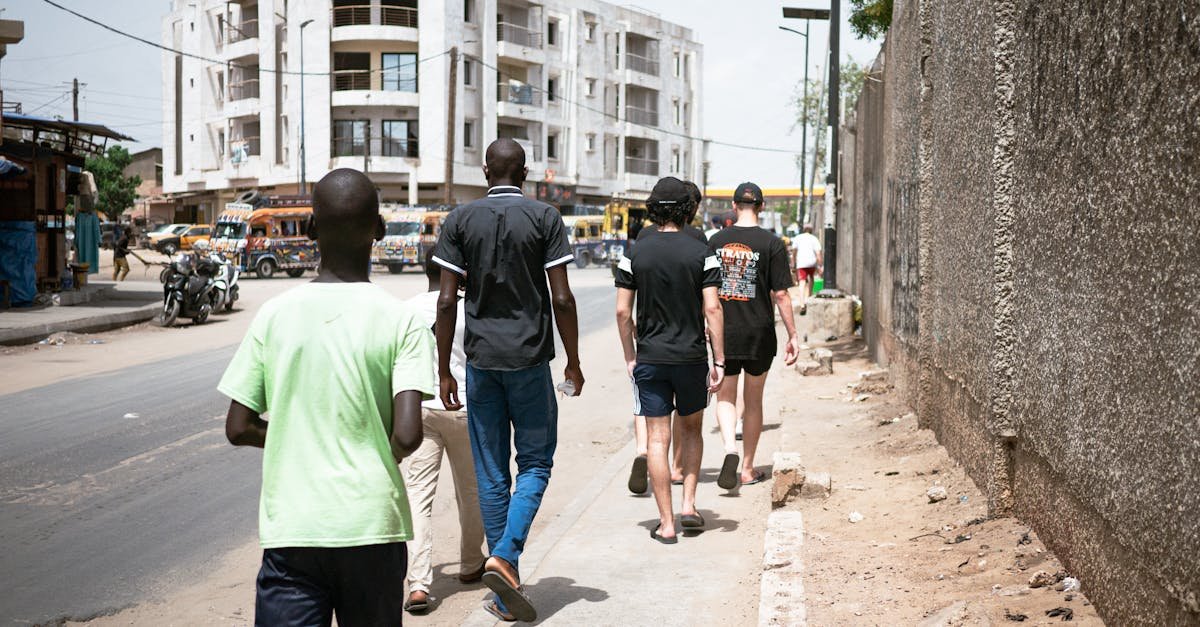
Getting around the city: Saint-Louis's UNESCO island is small enough to walk entirely in under 30 minutes. Horse-drawn calèches — a charming and completely authentic local transport mode — carry passengers across the Faidherbe Bridge and through the island streets for under €1. Shared sept-place taxis link the island to Sor mainland district cheaply. For Djoudj and Langue de Barbarie, negotiate day-rate private taxis (€20–35) or join organized group excursions through your guesthouse.
Transport Safety & Scam Prevention:
Agree Calèche Fares in Advance: Horse-drawn calèche drivers near the Faidherbe Bridge routinely quote inflated prices to arriving tourists. Always negotiate and confirm the full fare before boarding — the correct local rate is rarely more than 500 XOF (under €1) for short island trips.
Unsolicited Guides at the Bridge: Persistent freelance 'guides' at the Faidherbe Bridge entrance often lead travelers on lengthy tours and demand disproportionate payment at the end. If you want a guide, book one through your hotel or a registered travel agency rather than accepting approaches from strangers.
Bush Taxi Luggage Charges: Sept-place shared taxis between Saint-Louis and Dakar sometimes charge extra for bags loaded in the boot. Confirm luggage policy before departure and agree the total price — passenger fare plus any baggage surcharge — in a clear conversation before the journey begins.
Do I need a visa for Saint-Louis?
Visa requirements for Saint-Louis depend on your nationality. Select your passport below for an instant answer — based on the Passport Index dataset for entry into Senegal.
ℹ️ Indicative only. Always verify with the official consulate before booking. Data: Passport Index, April 2026.
For detailed requirements, documentation checklists and processing times by nationality: TravelDoc →
Search & Book your trip to Saint-Louis
Find the best flight routes and hotel combinations using our partner Kiwi.com.
Frequently Asked Questions
Is Saint-Louis safe for tourists?
Saint-Louis is generally one of Senegal's safer cities for travelers, with petty theft being the primary concern rather than violent crime. The island district is calm and manageable on foot, though visitors should avoid displaying expensive cameras or phones in crowded areas like the Sor market. Exercise normal urban caution at night, avoid unlit areas of the Langue de Barbarie sandbar after dark, and be aware that the Atlantic-facing coast has strong currents that make swimming dangerous except in designated zones. The Senegalese people are exceptionally hospitable by regional standards.
Can I drink the tap water in Saint-Louis?
Tap water in Saint-Louis is not reliably safe to drink for travelers without acclimatized immune systems. Bottled water is inexpensive, widely available in shops and restaurants throughout the island and Sor district, and the standard recommendation is to drink bottled or filtered water throughout your stay. Ice in drinks at established restaurants is generally made from treated water, but street-vendor ice is more variable. Brush teeth with bottled water as a precaution, particularly if you are visiting Saint-Louis for a short period and your system is unaccustomed to local water supplies.
What is the best time to visit Saint-Louis?
The best time to visit Saint-Louis is between November and April, when temperatures are warm but manageable (24–32°C), humidity is low, and the Harmattan brings a dry, hazy breeze from the Sahara that gives the city its characteristic golden-hour light. January through March is peak birdwatching season at Djoudj National Bird Sanctuary, with the full three million birds in residence. May is ideal if you are visiting Saint-Louis specifically for the Jazz Festival, though temperatures begin to climb toward 35°C by then. Avoid June through October: the rainy season brings intense heat, high humidity, mosquitoes, and occasional flooding of the lower island streets.
How many days do you need in Saint-Louis?
A minimum Saint-Louis itinerary should cover three full days: one for exploring the UNESCO island architecture and Guet N'Dar fishing village, one for a full day at Djoudj National Bird Sanctuary, and one for the Langue de Barbarie National Park and an evening in Sor. Five days allows you to do all of the above at a relaxed pace, add a cooking class, visit the artisan workshops, and take a river pirogue at sunrise — which is genuinely the ideal way to experience Saint-Louis. Ten days makes sense only if you plan to use Saint-Louis as a base for excursions further upriver toward Podor or into the Ferlo pastoral zone. Most European travelers find four to five days the sweet spot.
Saint-Louis vs Dakar — which should you choose?
Saint-Louis and Dakar offer genuinely different Senegal experiences and ideally complement each other in a combined itinerary. Dakar is a frenetic, cosmopolitan West African capital with world-class restaurants, nightlife, and Gorée Island — best for urban energy, contemporary African culture, and international connections. Saint-Louis is slower, quieter, and more architecturally coherent: a UNESCO World Heritage city where horse-drawn carts outnumber cars on the island, and the most exciting evening entertainment is a jazz session in a colonial courtyard. Choose Saint-Louis if you prioritize history, birdwatching, photography, and a genuinely off-the-beaten-path pace. Choose Dakar if you want urban buzz and a broader range of modern amenities. Most travelers spend three days in Dakar and four in Saint-Louis — a combination that covers northern Senegal comprehensively.
Do people speak English in Saint-Louis?
English is not widely spoken in Saint-Louis, which is a deeply Francophone city — a legacy of its history as the capital of French West Africa. The local language is Wolof, which almost everyone speaks as a first or second language, and French is used in official settings, restaurants, and hotels. At boutique guesthouses and tourism-facing businesses, basic English is increasingly common, particularly among younger staff. However, learning a handful of French phrases will dramatically improve your experience in Saint-Louis: even basic greetings like 'bonjour' and 'merci' are appreciated. Wolof expressions — especially 'Nanga def' (how are you) and 'Mangi fi' (I'm fine) — will earn you genuine warmth from local residents.
★ Hidden Gems Weekly
Like this? One place per week, in your inbox.
No spam, no fluff — just one underrated destination, every Tuesday.
Hand-picked and verified by Max, who founded Vacanexus from Luxembourg in 2026. No sponsorships, no paid placements. Every recommendation — restaurants, neighbourhoods, things to do — is selected for authenticity over popularity.