City & Mountains · Chile · Santiago Metropolitan 🇨🇱
Santiago Travel Guide — Where the Andes meet South America's most underrated
⏱ 11 min read📅 Updated 2026💶 €€ Mid-range✈️ Best: Apr–Sep
€50–120/day
Daily budget
Apr–Sep
Best time
4–6 days
Ideal stay
CLP (Chilean Peso)
Currency
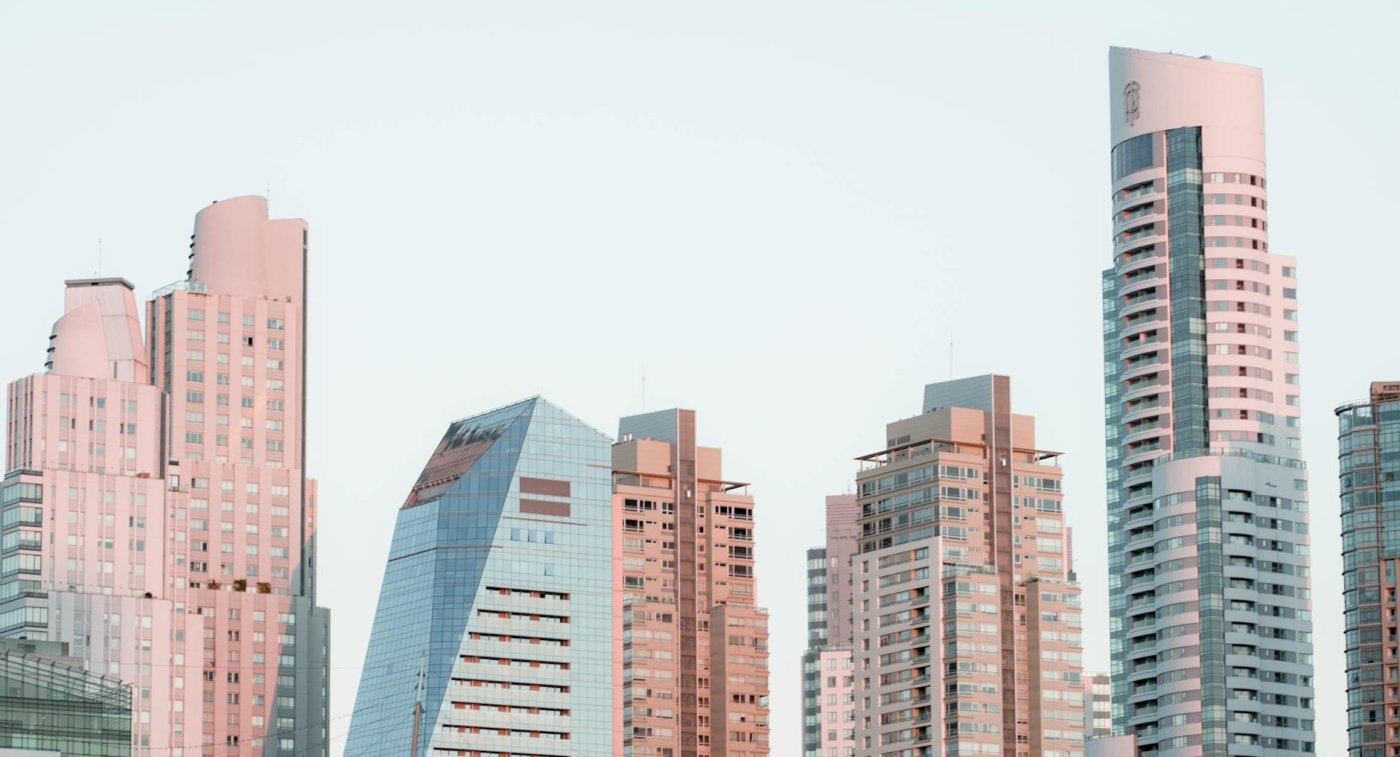
Santiago announces itself dramatically: on clear winter mornings, a wall of snow-dusted Andes peaks rises above the city's terracotta rooftops with a clarity that stops you mid-sip of your cortado. The Chilean capital is a city of contrasts — glass-and-steel financial towers in Las Condes pressing up against colonial-era plazas in the historic center, indigenous markets spilling onto pavements beside Michelin-caliber restaurants, and the scent of empanadas al horno drifting through the labyrinthine lanes of Barrio Italia. Santiago rewards those who look closely.
Compared to Buenos Aires, its most obvious regional rival, visiting Santiago feels less performative and more genuinely lived-in. The street art is rawer, the pisco sours are poured with more abandon, and the proximity to world-class nature — ski slopes at Valle Nevado, Pacific surf at Viña del Mar, and old-vine Carmenère in the Maipo Valley — makes things to do in Santiago stretch far beyond the city's own boundaries. If you're planning a Santiago itinerary, budget for at least four nights to peel back the layers properly.
✦ Find your perfect destination
Is Santiago really your perfect match?
Answer 12 quick questions about your travel style, budget and dates — we match you with the destinations that fit you best, from 600+ worldwide.
Santiago sits at the convergence of three extraordinary landscapes — the Pacific coast, the Central Valley wine country, and the high Andes cordillera — all within a two-hour drive of the city center. The capital itself is home to world-class contemporary art at the GAM cultural center, an obsessive café culture fueled by single-origin Chilean beans, and a food scene that has quietly become one of Latin America's most exciting. Santiago delivers genuine urban sophistication without the price tag of Buenos Aires or São Paulo, making it one of South America's finest-value metropolises.
The case for going now: Santiago is experiencing a genuine gastronomic renaissance, with a new generation of chefs — many trained in Copenhagen and Lima — returning home to open boundary-pushing restaurants in Barrio Italia and Ñuñoa. The city's Metro system recently extended its Line 3, making previously tricky neighborhoods instantly accessible. Chilean wine exports are at an all-time high, yet tastings at boutique Maipo Valley bodegas remain a fraction of Napa Valley prices — making 2026 the perfect moment to visit Santiago before the secret fully escapes.
🏔️
Andes Day Trips
Take the road up to Cajón del Maipo or Valle Nevado for staggering mountain scenery just 90 minutes from downtown Santiago. In winter, fresh powder skiing awaits; in summer, world-class hiking trails open up.
🍷
Wine Valley Tastings
The Maipo Valley, just south of Santiago, produces Chile's finest Cabernet Sauvignons and old-vine Carmenères. Boutique bodega visits here offer an intimate, crowd-free alternative to more famous wine regions.
🎨
Street Art Trails
Bellavista and Barrio Italia are open-air galleries of politically charged murals and hyper-detailed spray-can portraits. Santiago's street art scene is one of the most expressive and technically accomplished in all of Latin America.
🥩
Mercado Central
The city's magnificent iron-lattice market hall is ground zero for Chilean seafood culture — order a razor clam ceviche at one of the family-run stalls and join locals debating the correct way to eat a caldillo de congrio.
Santiago's neighbourhoods — where to focus
Historic Core
Centro Histórico
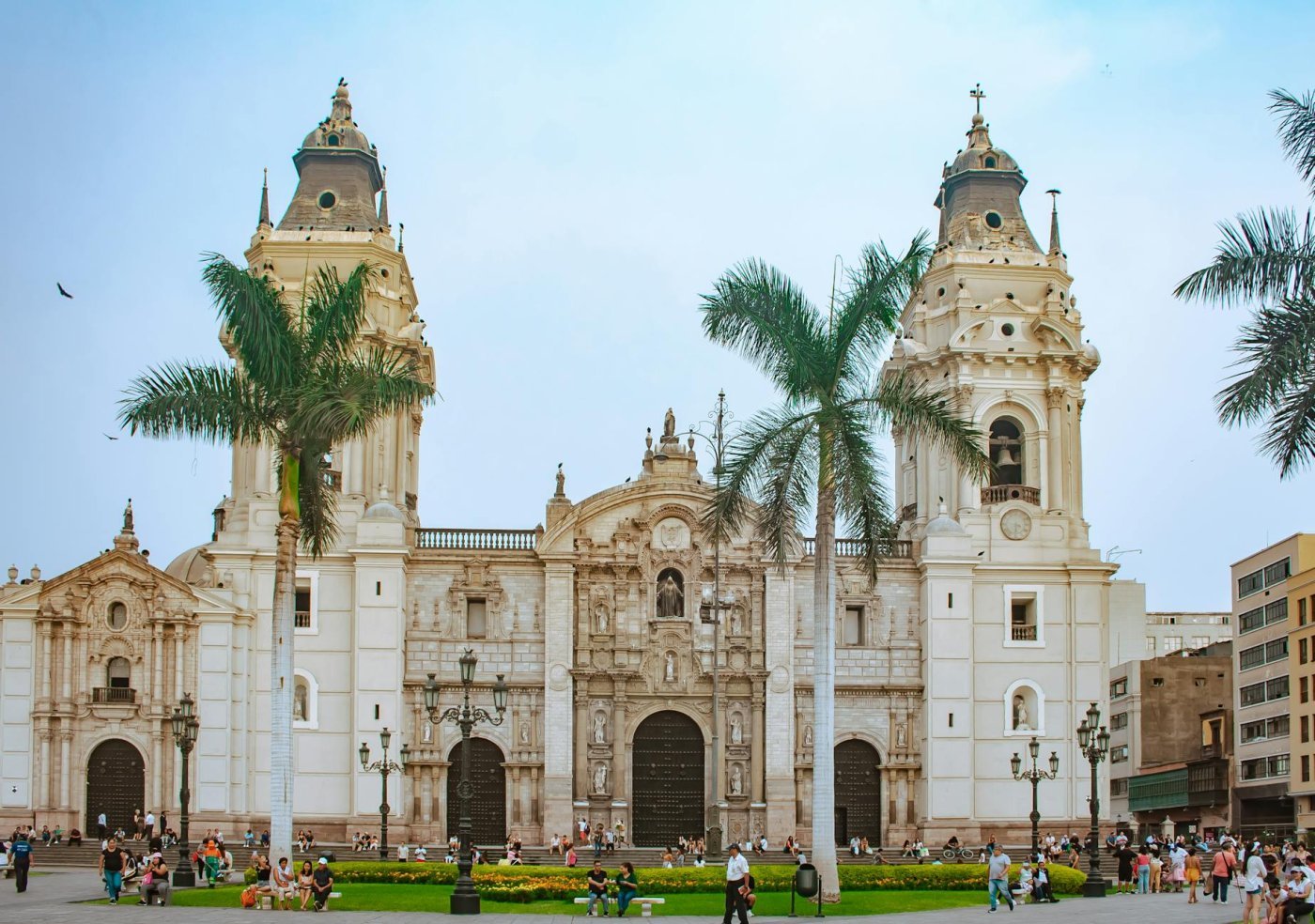
Santiago's beating civic heart is anchored by the Plaza de Armas, whose palm-lined central square is ringed by the Metropolitan Cathedral, the Central Post Office, and an endless parade of street vendors. The neighborhood rewards slow wandering — ducking into covered arcades called 'pasajes' reveals bookshops, tiny lunch counters, and artisan workshops unchanged since the 1960s.
Bohemian Barrio
Bellavista
Sandwiched between Cerro San Cristóbal and the Río Mapocho, Bellavista is Santiago's creative epicenter — the neighborhood where Pablo Neruda built his eccentric Santiago home, La Chascona. By day it's murals and coffee; by night, the pisco cocktail bars and cumbia clubs draw a lively mixed crowd of students, artists, and travelers.
Design District
Barrio Italia
Once a working-class Italian immigrant enclave, this long avenue and its surrounding blocks have transformed into Santiago's most stylish neighborhood. Independent ceramics studios, vintage furniture dealers, farm-to-table restaurants, and specialty coffee roasters give it an energy that echoes Berlin's Prenzlauer Berg more than anything typically associated with South America.
Leafy & Upscale
Providencia
Providencia is where Santiago's professional class eats lunch al fresco under jacaranda trees and walks its dogs along the linear Parque Balmaceda on weekend mornings. The neighborhood offers excellent mid-range and upscale dining, a dense concentration of independent boutiques along Avenida Providencia, and easy Metro access to every other corner of the city.
Top things to do in Santiago
1. #1 Cerro San Cristóbal
Rising 300 meters above the city, Cerro San Cristóbal is Santiago's most beloved viewpoint and the anchor of the vast Parque Metropolitano. You can ascend by a funicular railway that has been running since 1925, or hike up through eucalyptus-scented trails where joggers and families share the path with the occasional fox. At the summit, a 14-meter white Virgin Mary statue gazes down over the city while, on clear days between May and September, the full white panorama of the Andes cordillera unfolds behind her in staggering detail. On the way back down, stop at the Tupahue pool complex in summer or the hilltop wine bar for a glass of Chilean Sauvignon Blanc at golden hour. This viewpoint should be the first thing on any Santiago itinerary.
2. #2 Maipo Valley Wine Tour
Stretching south from the city's edge, the Maipo Valley is one of Chile's oldest and most prestigious wine-producing regions — and the fact that it sits 40 kilometers from downtown makes it uniquely accessible for a half-day excursion. The valley specializes in Cabernet Sauvignon and the indigenous-to-Chile Carmenère grape, and estates like Concha y Toro, Santa Rita, and smaller boutique producers such as Haras de Pirque offer cellar tours and tastings at prices that would seem laughable in France or Napa. Book a private tour from Santiago to have a local sommelier decode the soils and microclimates over a long lunch in a vine-draped hacienda — one of the most pleasurable things to do in Santiago's wider metropolitan region. The best time to visit the valley for harvest festivals is March, but tastings run year-round.
3. #3 Valle Nevado Skiing
Between June and September, the high Andes above Santiago transform into one of the Southern Hemisphere's premier ski destinations — and Valle Nevado, perched at 3,025 meters above sea level, is the most developed and impressive of the resorts accessible from the city. The drive up from Santiago takes roughly 90 minutes and climbs through a switchback road of breathtaking beauty, passing through the quieter resort of Farellones and the French-built ski village of La Parva before reaching Valle Nevado's purpose-built hotel complex. The resort receives heavy dry-powder snowfall and offers 900 hectares of skiable terrain including long cruising runs and serious off-piste couloirs. Even non-skiers make the journey for the altitude views and a vin chaud in the sun-deck restaurant. Visiting Santiago in winter and skipping Valle Nevado would be a genuine missed opportunity.
4. #4 La Chascona & Bellavista
Pablo Neruda, Chile's Nobel Prize-winning poet, was a man who built his houses as poems — and La Chascona, his Santiago residence tucked into the hillside of Cerro San Cristóbal's base in Bellavista, is one of the most eccentric and enchanting houses in all of Latin America. The name means 'tangled-haired woman,' a nickname Neruda gave his third wife Matilde, for whom he built the house in secret. Guided tours reveal an interior obsessively cluttered with ship figureheads, colored glass collections, and secret passageways, while the garden commands lovely views over the Bellavista rooftops. After your visit, spend the afternoon exploring the neighborhood's murals, picking up handmade jewelry in the craft market on Pío Nono street, and settling into a bar for an expertly made pisco sour as the sun drops behind the hill.
What to eat in Central Chile — the essential list
Empanada de Pino
Chile's definitive savory pastry is filled with spiced minced beef, a black olive, a slice of hard-boiled egg, and a plump raisin — a combination that sounds unlikely but achieves a sweet-savory balance that's completely addictive. Baked versions are the traditional choice; fried ones are the indulgent treat.
Caldillo de Congrio
This iconic Chilean eel chowder was immortalized by Pablo Neruda in his Odes to Common Things. A deep, warming broth carries chunks of conger eel, potatoes, onion, and tomato, seasoned with paprika and finished with a swirl of cream — a deeply comforting bowl with centuries of tradition behind it.
Pastel de Choclo
A deeply Chilean comfort dish of corn and meat baked in a clay pot, pastel de choclo layers seasoned ground beef, chicken, olives, and hard-boiled eggs beneath a thick sweet corn crust. It's dusted with sugar before baking, creating a caramelized top that contrasts beautifully with the savory filling below.
Pisco Sour
Chile's national cocktail is made with pisco — a grape brandy from the Elqui or Limarí valleys — shaken vigorously with fresh lemon juice, sugar syrup, and egg white until frothy. It arrives cold, pale, and bracingly tart, traditionally served in a coupe glass with a dash of Angostura bitters.
Chorrillana
A beloved Chilean street food of French fries topped with caramelized onions, sliced beef, and fried eggs, chorrillana is the ultimate late-night dish and the unofficial food of Santiago's bar scene. Portions are enormous and meant for sharing — order one between two after a night of dancing in Bellavista.
Mote con Huesillos
Santiago's beloved non-alcoholic summer street drink is an acquired taste that rewards the curious: a tall glass of cold syrupy peach juice poured over dried peaches and husked wheat berries. It's simultaneously a drink, a dessert, and a snack, sold from wheeled stalls all over the city center.
Where to eat in Santiago — our top 4 picks
Fine Dining
Boragó
📍 Av. Nueva Costanera 3467, Vitacura, Santiago
Rodolfo Guzmán's landmark restaurant consistently ranks among Latin America's top ten, built entirely on endemic Chilean ingredients foraged from the Atacama to Patagonia. The tasting menu changes constantly with the seasons and might include smoked merken seaweed, native mushrooms, and fermented murtilla berries — it's a true once-in-a-decade meal.
Fancy & Photogenic
Azul Profundo
📍 Constitución 111, Barrio Italia, Santiago
Set inside a converted house with vivid cobalt-blue walls and vaulted ceilings, Azul Profundo is Santiago's most photographed seafood restaurant. The market-fresh menu leans heavily into raw preparations — sea urchin, clam tiradito — and the house Sauvignon Blanc list is a love letter to Chile's coastal valleys.
Good & Authentic
El Hogar de Don Ángel
📍 Mercado Central, Local 182, Santiago Centro
Skip the tourist-facing front stalls of Mercado Central and head to this family-run counter deep in the market's interior for honest, properly seasoned caldillo de congrio and razor clam chowder at prices that haven't caught up with the city's gentrification. Cash only, paper tablecloths, absolutely essential.
The Unexpected
Osaka Santiago
📍 Av. Isidora Goyenechea 3000, Las Condes, Santiago
Santiago's Nikkei dining scene reflects Chile's significant Japanese-Peruvian community, and Osaka is its most polished expression — a sleek, moody space where sashimi meets Andean chili, and tiradito is plated with the precision of Tokyo kaiseki. The Peruvian-Japanese fusion is consistently excellent and unexpected in this Andean context.
Santiago's Café Culture — top 3 cafés
The Institution
Café Literario Metales Pesados
📍 José Victorino Lastarria 307, Barrio Lastarria, Santiago
Attached to an independent bookshop in the elegant Barrio Lastarria, this long-running literary café is where Santiago's writers, academics, and architects have argued over espresso and croissants for decades. The courtyard terrace fills up fast on sunny afternoons — arrive early or prepare to wait.
The Aesthetic Hub
Café Quínoa
📍 Av. Italia 1380, Barrio Italia, Santiago
The platonic ideal of a Barrio Italia café: sunlight flooding through floor-to-ceiling windows onto raw concrete floors, baristas dialing in single-origin beans from the Huila region, and a rotating display of local ceramics available for purchase. The avocado toast with pickled red onion and hemp seeds is genuinely excellent.
The Local Hangout
La Piojera
📍 Aillavilú 1030, Santiago Centro
This isn't technically a café — it's Santiago's most legendary dive bar, serving the city's most notorious cocktail, the Terremoto, since 1896. A violent blend of pipeño wine, pineapple ice cream, and grenadine, a single Terremoto is both a souvenir and a warning. Essential Santiago cultural heritage, especially at lunch.
Best time to visit Santiago
Jan
Feb
Mar
Apr
May
Jun
Jul
Aug
Sep
Oct
Nov
Dec
Best season (May–Sep) — clear Andes views, ski season, dry and mild weatherShoulder season (Apr & Oct) — pleasant temperatures, fewer crowds, some rainOff-season (Nov–Mar) — hot and smoggy, summer holidays bring domestic crowds
Santiago events & festivals 2026
Whether you're planning around a specific celebration or simply want to know what's happening, this guide covers the best events and festivals in Santiago — from major annual traditions to cultural highlights worth timing your trip around.
January 2026music
Festival Internacional de Jazz de Santiago
Santiago's established annual jazz festival draws international and Latin American headliners to open-air stages in Parque Bicentenario and indoor venues across Vitacura.
March 2026culture
Lollapalooza Chile
One of Latin America's largest music festivals takes over Parque Bicentenario for three days of global headliners, electronic acts, and emerging Chilean artists.
April 2026culture
Santiago a Mil Theatre Festival
Chile's most prestigious performing arts festival fills theatres, plazas, and unexpected spaces across Santiago with international and Chilean theatre, dance, and circus productions. Many performances are free and held outdoors — an outstanding reason to add visiting Santiago in April to your plans.
June 2026religious
Fiesta de San Pedro y San Pablo
Chilean coastal communities celebrate their patron saint of fishermen with processions, decorated boats on the water, folk music, and communal feasts. The festivities near Santiago at Valparaíso and along the Central Coast are particularly atmospheric and deeply rooted in local tradition.
July 2026culture
Winter Ski Season Opening
July marks peak season at Valle Nevado, La Parva, and El Colorado ski resorts above Santiago. The resorts host opening-week events with live music, après-ski competitions, and wine festivals on the snow — making July one of the best months for active travelers visiting Santiago.
August 2026culture
Expo Vino Santiago
Chile's premier urban wine fair brings together boutique and major wineries from across the country's valleys — Maipo, Colchagua, Casablanca, and Elqui — for three days of guided tastings, sommelier masterclasses, and food pairings in a central Santiago venue.
September 2026culture
Fiestas Patrias
Chile's national independence celebrations transform Santiago for four days around September 18, with fondas (open-air folk venues) appearing in every park, cueca dancing filling the streets, and the entire city eating grilled anticuchos and drinking chicha. The most authentic Chilean cultural experience you can have.
October 2026market
Mercado de Diseño Santiago
Santiago's annual design market celebrates Chilean independent makers — ceramicists, textile artists, jewelry designers, and illustrators — across a sprawling weekend market in a major park or cultural space. An excellent opportunity to buy genuinely unique handmade souvenirs directly from local creators.
November 2026music
Festival Pulsar
Pulsar is Chile's most important contemporary music award ceremony and associated festival, celebrating innovation in Chilean popular music from hip-hop to folk fusion. The surrounding week features concerts and showcases across Barrio Italia and downtown Santiago venues.
December 2026culture
Santiago Navidad en el Parque
In December, Santiago's major parks install elaborate Christmas illuminations, outdoor markets selling artisan crafts and street food, and live music stages. Parque Forestal and Parque Arauco are the most spectacular, drawing locals and tourists alike through the long summer evenings.
Hostel dorms, Metro travel, market lunches, free parks and museums — very manageable on a tight Santiago budget.
€€ Mid-range
€50–120/day
Boutique hotels in Bellavista or Providencia, Uber travel, sit-down restaurant dinners, and Maipo Valley wine tours.
€€€ Luxury
€150+/day
Design hotels in Vitacura or Las Condes, tasting menus at Boragó, private ski guides, and chauffeured winery day trips.
Getting to and around Santiago (Transport Tips)
By air: Santiago's Arturo Merino Benítez International Airport (SCL) is Chile's main hub and has direct connections to major European cities via Madrid (Iberia, LATAM), Frankfurt (Lufthansa), and Amsterdam (KLM), with flight times of approximately 13–15 hours. From North America, daily non-stop flights operate from New York, Miami, Los Angeles, and Toronto.
From the airport: The airport sits 20 kilometers northwest of central Santiago. The cheapest option is the Centropuerto or Turbus shuttle service (approximately €5–8) running to Pajaritos Metro station, from where Line 5 reaches the city center in 30 minutes. Official yellow taxis charge a fixed rate of around €18–25 to Providencia or Bellavista. Uber and Cabify operate from the arrival terminal and typically cost €12–18 depending on destination.
Getting around the city: Santiago's Metro system is clean, frequent, fast, and covers six lines reaching most neighborhoods a traveler needs — a single journey costs around €0.75 and the Bip! rechargeable card is essential. Uber and Cabify work seamlessly throughout the city and cost a fraction of European equivalents. For day trips to the Maipo Valley or Cajón del Maipo, renting a car or joining an organized tour is far more practical than relying on public buses from the city terminals.
Transport Safety & Scam Prevention:
Fake Taxi Risk at Airport: Unlicensed taxi touts operate aggressively in the Santiago airport arrivals hall. Always use the official Transvip taxi voucher counter inside the terminal or book an Uber from the designated rideshare pickup zone to avoid being overcharged.
Currency Exchange Rates: Avoid exchanging euros or dollars at the airport exchange booths, which offer significantly worse rates than downtown casas de cambio on Agustinas street in Santiago's Centro. ATMs using your home bank card typically offer the most competitive CLP exchange rates.
Distraction Theft in Centro: Pickpockets operate in crowded areas around Plaza de Armas and on the busy pedestrian Paseo Ahumada. Keep bags in front, avoid displaying expensive cameras or phones conspicuously, and use Metro card taps rather than fumbling with cash at the barriers.
Do I need a visa for Santiago?
Visa requirements for Santiago depend on your nationality. Select your passport below for an instant answer — based on the Passport Index dataset for entry into Chile.
ℹ️ Indicative only. Always verify with the official consulate before booking. Data: Passport Index, April 2026.
For detailed requirements, documentation checklists and processing times by nationality: TravelDoc →
Search & Book your trip to Santiago
Find the best flight routes and hotel combinations using our partner Kiwi.com.
Frequently Asked Questions
Is Santiago safe for tourists?
Santiago is generally a safe city for tourists by South American standards, and most visitors experience no problems whatsoever. The neighborhoods most frequented by travelers — Bellavista, Lastarria, Providencia, and Barrio Italia — are considered safe to walk in at night. As in any major city, petty theft such as bag snatching and pickpocketing occurs in crowded areas like Plaza de Armas and busy Metro stations. Take standard precautions: keep valuables concealed, use Uber rather than hailing street taxis at night, and avoid flashing expensive cameras in unfamiliar areas after dark.
Can I drink the tap water in Santiago?
Yes — Santiago's tap water is safe to drink and is treated to a high standard. The water comes from the Andes snowmelt and is chlorinated at treatment facilities before reaching the city's taps. Most locals drink it without hesitation, and you'll rarely find bottled water on restaurant tables as a default. If you have a sensitive stomach during the first few days of travel, opt for filtered water to adjust gradually, but there is no health risk associated with Santiago's municipal water supply.
What is the best time to visit Santiago?
The best time to visit Santiago is between May and September — the city's autumn and winter months. This might seem counterintuitive, but Santiago's winter brings crystal-clear blue skies, warm daytime temperatures of 12–18°C, and the spectacular Andes snowpack that makes the mountains visible from the city for the first time after the summer smog clears. Winter also means ski season at Valle Nevado, making it one of the only capital cities in the world where you can ski in the morning and return to restaurants and nightlife by evening. Shoulder months of April and October offer pleasant conditions with fewer domestic tourists.
How many days do you need in Santiago?
Four to six days is the ideal Santiago itinerary length for most first-time visitors. Two days comfortably covers the main urban highlights — Cerro San Cristóbal, La Chascona, Mercado Central, Bellavista, and Barrio Italia — while days three through five allow you to add at least one essential day trip: either the Maipo Valley for wine, Valparaíso for its painted hills, or Valle Nevado for winter skiing. A sixth day allows you to go deeper into a neighborhood you loved or extend a wine valley excursion. Ten days in Santiago opens up Cajón del Maipo trekking, the Colchagua Valley, and a more relaxed pace across the city's many distinct barrios.
Santiago vs Buenos Aires — which should you choose?
Santiago and Buenos Aires are South America's two most visited capitals, and they attract slightly different types of traveler. Buenos Aires is a larger, more overtly European-influenced city with a higher baseline for nightlife, tango culture, and steak dining — but also higher prices and a more chaotic infrastructure. Santiago feels smaller, cleaner, and more efficiently organized, with dramatically better access to outdoor adventure: the Andes for skiing, the Pacific coast for surfing, and Maipo Valley wine country, all within a two-hour drive. If natural landscapes and value matter to you, Santiago wins decisively. If you prioritize food culture and urban energy above all, Buenos Aires edges ahead. Many savvy travelers combine both on a single trip.
Do people speak English in Santiago?
English proficiency in Santiago is improving significantly among younger generations and is generally good in tourist-facing contexts — hotels, upscale restaurants, tour operators, and Uber drivers in Providencia or Las Condes will usually communicate comfortably in English. However, in local markets, neighborhood eateries, and public-facing services in the city center, Spanish remains essential. Learning a handful of Spanish phrases — particularly for ordering food, asking directions, and using the Metro — will meaningfully improve your experience visiting Santiago and is genuinely appreciated by locals. Restaurant menus in tourist areas increasingly include English translations.
★ Hidden Gems Weekly
Like this? One place per week, in your inbox.
No spam, no fluff — just one underrated destination, every Tuesday.
Hand-picked and verified by Max, who founded Vacanexus from Luxembourg in 2026. No sponsorships, no paid placements. Every recommendation — restaurants, neighbourhoods, things to do — is selected for authenticity over popularity.