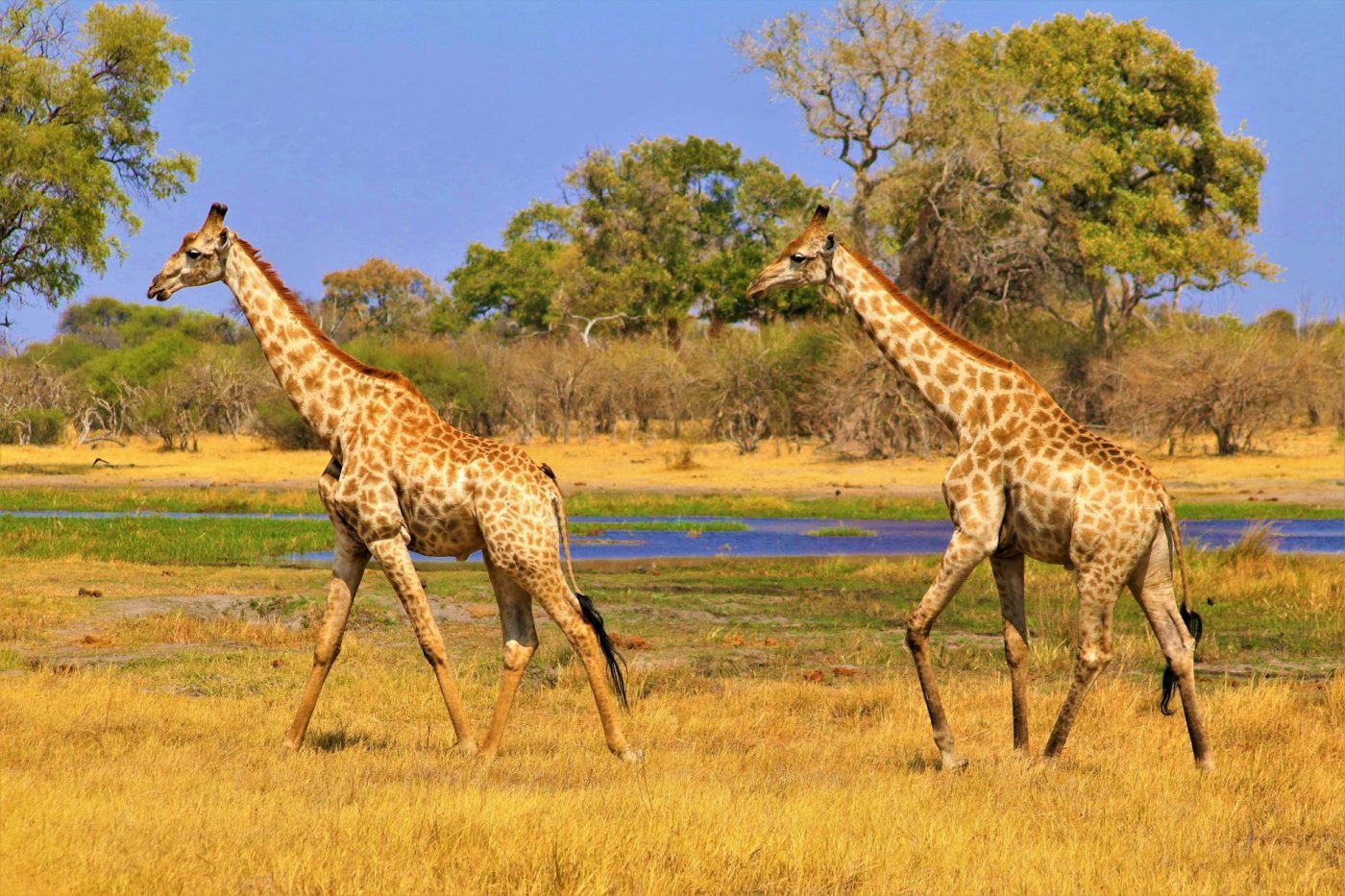
The golden grasses sway before the horizon swallows them, interrupted only by the flat-topped silhouettes of acacia trees. Dust kicks up in the distance, carrying the low, guttural grunts of a million wildebeest on the move. Here, the air smells of wild sage and sun-baked earth, and the raw, unedited drama of the wild unfolds feet from your Land Cruiser. Welcome to the Serengeti, where time is measured by the rains and the rhythm of hooves.
Unlike fenced reserves in other parts of Africa, the Serengeti is an immense, unfettered wilderness stretching over 14,000 square kilometers. Its name translates to 'the place where the land moves on forever' in the Maasai language, and the sheer scale is staggering. Visitors are often surprised not just by the famed Great Migration, but by the intense density of apex predators that treat these sprawling plains as their kingdom.
✦ Find your perfect destination
Is Serengeti really your perfect match?
Answer 12 quick questions about your travel style, budget and dates — we match you with the destinations that fit you best, from 600+ worldwide.
The Serengeti hosts the largest overland mammal migration on Earth, a primordial spectacle that cannot be replicated. Beyond the wildebeest, it offers unparalleled leopard sightings, elite conservation-minded lodges, and landscapes that define the romantic ideal of wild Africa.
The case for going now: New sustainable luxury camps are redefining eco-tourism with zero-footprint designs and silent electric safari vehicles. With expanded direct flight networks into Kilimanjaro (JRO), getting to the bush has never been more seamless.
🚙
Big Five Game Drives
Track lions, leopards, and elephants across the golden savanna with expert trackers.
🎈
Hot Air Ballooning
Drift silently at dawn over the plains, followed by a champagne bush breakfast.
🦓
The Great Migration
Witness the chaotic, crocodile-laden Mara River crossings from July to September.
🏕️
Luxury Bush Camping
Sleep under canvas with luxury linens while hyenas whoop in the distance.
Serengeti's neighbourhoods — where to focus
The Big Cat Capital
Central Serengeti (Seronera)
The beating heart of the park with a permanent water supply, ensuring phenomenal year-round predator viewing. It gets busy, but the sheer volume of lions and leopards makes it unmissable.
The River Crossings
Northern Serengeti (Mara)
A dramatic landscape of rolling hills and the treacherous Mara River. This is ground zero for the iconic, high-stakes river crossings between July and October.
The Calving Grounds
Southern Serengeti (Ndutu)
Technically straddling the Ngorongoro Conservation Area, this region explodes with life from January to March. Millions of wildebeest gather here to drop their calves, drawing cheetahs and other opportunists.
The Quiet Wilderness
Western Corridor & Grumeti
Following the Grumeti River, this area features vast valleys and exclusive private concessions. It offers incredible wildlife viewing away from the heavier crowds of the central plains.
Top things to do in Serengeti
1. Witness the Mara River Crossing
Between July and October, the Great Migration reaches its most perilous bottleneck: the Mara River. Herds plunge into the rushing waters, braving monstrous Nile crocodiles and waiting lions on the opposite bank. It is a chaotic, visceral display of survival. Book a mobile migration camp to ensure you are close to the action and depart before dawn to secure a prime viewing spot.
2. Take a Dawn Balloon Safari
There is no better way to grasp the sheer immensity of the Serengeti than from the air. Launching in the pre-dawn darkness, you float silently over the acacia woodlands as the sun rises, casting long shadows of giraffes and elephants below. The flight lasts about an hour and concludes with a traditional English breakfast and champagne served right on the savanna.
3. Explore the Moru Kopjes
Rising from the endless plains like islands in a sea of grass, these ancient granite boulders are a geological marvel. The kopjes are prime real estate for lions scanning the horizon and elusive leopards seeking shade. This area is also one of the best places in the park to spot the endangered black rhino and features historic Maasai rock paintings.
4. Experience a Traditional Sundowner
The safari sundowner is a time-honored tradition that caps off the afternoon game drive. As the blazing African sun begins to dip below the horizon, your guide will set up a pop-up bar on the hood of the Land Cruiser. Sip on a classic gin and tonic or a local Dawa cocktail, listening to the bush transition from day to night.
What to eat in Serengeti — the essential list
Nyama Choma
Swahili for 'roasted meat', usually goat or beef, slow-cooked over coals. Often served at high-end lodges during a boma dinner.
Ugali
A dense maize flour porridge that serves as the staple carbohydrate of Tanzania. Roll it into a ball with your right hand to scoop up stews.
Chipsi Mayai
A beloved Tanzanian street food staple—essentially a French fry omelet. Upscale camps often elevate it for a comforting post-safari lunch.
Pilau
A fragrant rice dish heavily spiced with cardamom, cloves, and cumin, reflecting Tanzania's historical trade links with India and the Middle East.
Kachumbari
A fresh, bright tomato and onion salad with a squeeze of lime and cilantro, providing the perfect acidic cut to heavy roasted meats.
The Dawa Cocktail
Meaning 'medicine' in Swahili, this popular sundowner mixes vodka, lime juice, and honey, muddled over crushed ice.
Where to eat in Serengeti — our top 4 picks
Fine Dining
The Dining Room at Singita Sasakwa
📍 Grumeti Reserves, Serengeti National Park
Turn-of-the-century manor house elegance meets the wild. Expect crystal glasses, silver service, and a world-class wine cellar with panoramic views over the plains.
Fancy & Photogenic
Kula's Restaurant
📍 Four Seasons Safari Lodge, Central Serengeti
Dine on pan-African and international cuisine while looking directly out over an active animal watering hole. The elephant sightings during dinner are legendary.
Good & Authentic
Serengeti Pioneer Camp Dining Tent
📍 South Central Serengeti
Evoking the mobile safaris of the 1930s, meals here are intimate and authentic. Enjoy exceptional multi-course dinners illuminated entirely by lantern light.
The Unexpected
Boma Dinner at Lemala Nanyukie
📍 Eastern Serengeti National Park
Dinner under the vast African sky inside a traditional wooden enclosure. Feast on fire-grilled meats while Maasai staff perform traditional jumping dances.
Serengeti's Café Culture — top 3 cafés
The Institution
Seronera Wildlife Lodge Bar
📍 Seronera, Central Serengeti
Built spectacularly around a massive rock kopje. It's an old-school, slightly faded spot, but sipping a Tanzanian coffee here while looking over the plains is a rite of passage.
The Aesthetic Hub
Majisafi Bar
📍 Four Seasons Safari Lodge, Central Serengeti
Overlooking the infinity pool and the savanna beyond. The perfect mid-day retreat for a cappuccino or fresh fruit smoothie when the sun is at its peak.
The Local Hangout
Seronera Visitor Centre Cafe
📍 Seronera Airstrip Area
The unofficial meeting point for guides and self-drivers. Grab a strong espresso, fresh samosas, and eavesdrop on the guides sharing intel on recent lion kills.
Best time to visit Serengeti
Jan
Feb
Mar
Apr
May
Jun
Jul
Aug
Sep
Oct
Nov
Dec
June–October: The dry season. Wildlife congregates around water sources, and the Great Migration crosses the Mara River.November–March: The green season. The herds move south for calving (Jan-Feb). Excellent predator sightings and lush landscapes.April–May: The long rains. Some mobile camps close and roads get muddy, but the park is beautifully empty and rates are lower.
Serengeti events & festivals 2026
Whether you're planning around a specific celebration or simply want to know what's happening, this guide covers the best events and festivals in Serengeti — from major annual traditions to cultural highlights worth timing your trip around.
July-August 2026wildlife
Great Migration River Crossing
The most spectacular wildlife event on Earth as millions of wildebeest cross the Mara River. This is considered one of the best Serengeti festivals of nature for wildlife photographers.
January-March 2026wildlife
Calving Season
Over 500,000 wildebeest calves are born in the southern Serengeti creating dramatic predator-prey interactions.
June 15-17 2026culture
Maasai Cultural Festival
Traditional Maasai warriors gather for cultural celebrations including traditional dances and ceremonies. Among the best Serengeti festivals showcasing authentic East African heritage.
September 5-7 2026adventure
Hot Air Balloon Festival
Annual gathering of balloon operators offering dawn flights over the endless plains.
October 12 2026culture
Conservation Awards Ceremony
Annual recognition of wildlife conservation efforts and research achievements in the greater ecosystem. Important
August 20-27 2026culture
Photography Competition Week
International wildlife photography competition with workshops led by renowned nature photographers.
May 25-26 2026culture
Moru Kopjes Rock Art Festival
Celebration of ancient rock paintings and Maasai historical sites throughout the kopjes.
November 10-16 2026wildlife
Night Safari Week
Special permits allow nocturnal game drives to observe leopards and other night hunters.
April 18-20 2026sports
Grumeti River Fishing Tournament
Catch and release fishing competition supporting local conservation efforts along the western corridor.
December 8-10 2026culture
Mobile Camp Festival
Luxury camping operators showcase sustainable tourism practices and bush cuisine experiences. Annual gathering representing the best Serengeti festivals for eco-tourism.
Serengeti budget guide
Type
Daily budget
What you get
€ Budget
€150–300/day
Public campsites, joining a group overland tour, basic meals, and sharing a safari vehicle.
€€ Mid-range
€500–900/day
Comfortable permanent tented camps, private 4x4 guide, full-board meals, and park fees included.
€€€ Luxury
€1,200–3,000+/day
Ultra-luxury fly-in camps (Singita, Asilia, &Beyond), private butler, bush flights, premium drinks, and bespoke game drives.
Getting to and around Serengeti (Transport Tips)
By air: Kilimanjaro International Airport (JRO) is the main international hub. From there, you take a scenic 1-2 hour bush plane flight directly to a Serengeti airstrip (like Seronera - SEU or Kogatende).
From the airport: Light aircraft (bush plane) transfer is the standard for luxury travelers. It costs €250–450 one way and takes you straight into the park, skipping a bumpy 8-hour drive.
Getting around: Within the park, you will travel exclusively in modified 4x4 Land Cruisers provided by your lodge or tour operator, driven by expert local guides.
Transport Safety & Scam Prevention:
Unaccredited Operators: Avoid booking dirt-cheap safaris in Arusha at the last minute; you risk poorly maintained vehicles and uncertified guides. Use TATO-approved operators.
Tsetse Fly Bites: In the Western and Northern woodlands, tsetse flies have a painful bite. Avoid wearing dark blue or black clothing, which attracts them.
Bush Plane Baggage Limits: Light aircraft strictly enforce a 15kg (33lb) limit in soft-sided duffel bags. Hard suitcases will not fit in the cargo pod and will be left behind.
Do I need a visa for Serengeti?
Visa requirements for Serengeti depend on your nationality. Select your passport below for an instant answer — based on the Passport Index dataset for entry into Tanzania.
ℹ️ Indicative only. Always verify with the official consulate before booking. Data: Passport Index, April 2026.
For detailed requirements, documentation checklists and processing times by nationality: TravelDoc →
Search & Book your trip to Serengeti
Find the best flight routes and hotel combinations using our partner Kiwi.com.
Frequently Asked Questions
Is Serengeti safe for tourists?
Yes, extremely safe. Lodge staff and expert guides ensure your safety. Never walk outside your tent at night without a Maasai escort, as wildlife roams freely through the camps.
Do I need to take malaria pills?
Yes, the Serengeti is a malaria zone. Consult your doctor for prophylactic medication, sleep under a mosquito net, and use DEET repellent during dawn and dusk.
When is the best time to see the river crossing?
The herds typically cross the Mara River in the Northern Serengeti between July and September. However, nature is unpredictable, so booking for at least 3-4 days in the region is recommended.
How many days do you need in Serengeti?
A minimum of 4-5 days allows you to experience the core wildlife areas and witness multiple game drives across different regions. For the ideal luxury safari experience, 7-10 days gives you time to follow migration patterns, explore both northern and southern circuits, and enjoy exclusive activities like hot air balloon safaris without feeling rushed.
Serengeti vs New Zealand — which should you choose?
Choose Serengeti if you want iconic African wildlife experiences, luxury tented camps, and witnessing the Great Migration in its natural habitat. New Zealand is better for adventure activities, diverse landscapes from mountains to fjords, and year-round accessibility, but lacks the concentrated big game wildlife that makes Serengeti legendary.
What should you wear on safari in Serengeti?
Stick to neutral colors like khaki, beige, and olive green while avoiding bright colors and black (attracts tsetse flies) or white (shows dirt easily). Pack lightweight, long-sleeved shirts and pants for sun protection and insect prevention, plus layers for cool early morning game drives when temperatures can drop to 50°F.
★ Hidden Gems Weekly
Like this? One place per week, in your inbox.
No spam, no fluff — just one underrated destination, every Tuesday.
Hand-picked and verified by Max, who founded Vacanexus from Luxembourg in 2026. No sponsorships, no paid placements. Every recommendation — restaurants, neighbourhoods, things to do — is selected for authenticity over popularity.