Siargao Travel Guide — Where the World's Surfers Chase Perfect Barrels
⏱ 11 min read📅 Updated 2026💶 €€ Mid-range✈️ Best: Jan–Apr
€50–120/day
Daily budget
Jan–Apr
Best time
5–10 days
Ideal stay
PHP (Philippine Peso)
Currency
Siargao hits you like a rogue wave the moment you step off the small propeller plane — salt-thick air, the distant roar of reef breaks, and coconut palms leaning lazily over roads that never seem to know urgency. This teardrop-shaped island in the Philippine Sea is famous worldwide for Cloud 9, a hollow right-hander that draws professional surfers every October and daydreamers every month of the year. Beyond the break, Siargao reveals mangrove channels, emerald tidal pools, deserted sandbars that surface only at low tide, and a main strip in General Luna that smells equally of fresh coconut oil and specialty coffee. Siargao is, simply put, one of the most photogenic surf islands on the planet.
Visitors often arrive expecting a Filipino version of Bali's Canggu — and they find something both more raw and more rewarding. Things to do in Siargao range from early-morning paddle-outs and island-hopping bangka rides to jungle treks around Sohoton Cove and lazy hammock afternoons at Sugba Lagoon. Unlike Bali, Siargao has preserved a genuine small-island pace: the roads are rough, the power occasionally blinks, and the locals still greet strangers with unaffected warmth. Visiting Siargao in 2026 means catching a destination on the cusp — sophisticated enough for great food and design guesthouses, yet still intimate enough to feel like a real discovery rather than a resort production. That balance is rare, and it won't last forever.
✦ Find your perfect destination
Is Siargao really your perfect match?
Answer 12 quick questions about your travel style, budget and dates — we match you with the destinations that fit you best, from 600+ worldwide.
Siargao earns its place on any serious travel list because it delivers multiple holidays stacked inside one: world-class surfing at Cloud 9, serene nature at Sugba Lagoon and Sohoton Cove, and an emerging food scene anchored around fresh tuna, calamansi, and imported espresso machines. The island is small enough — roughly 44 kilometres long — that you can swap surfboard for snorkel and reach a different ecosystem within thirty minutes. Siargao's relative isolation from mass tourism keeps prices honest and encounters genuine, giving European travellers the kind of Southeast Asia they came to find.
The case for going now: Siargao is at a sweet spot that Bali passed a decade ago: boutique resorts and farm-to-table restaurants are opening monthly, direct connections from Manila have expanded, and the Philippine government has invested in road improvements across the island. Yet the vibe remains intimate. Come now, in 2026, while Cloud 9 still feels like a local secret to anyone arriving outside October's Siargao Surfing Cup — and before the resort chains finally move in.
🏄
Surfing Cloud 9
Cloud 9's hollow right-hand barrel is the island's heartbeat, breaking perfectly over a shallow reef. Beginners can take lessons at nearby Jacking Horse while confident surfers paddle straight to the iconic wooden boardwalk.
🌊
Island Hopping
Bangka boats connect Siargao to Naked Island, Daku Island, and Guyam Island — three sandbar gems with brilliant turquoise shallows. A full-day trip costs under €15 and includes snorkelling stops and grilled fish lunches.
🌿
Sugba Lagoon
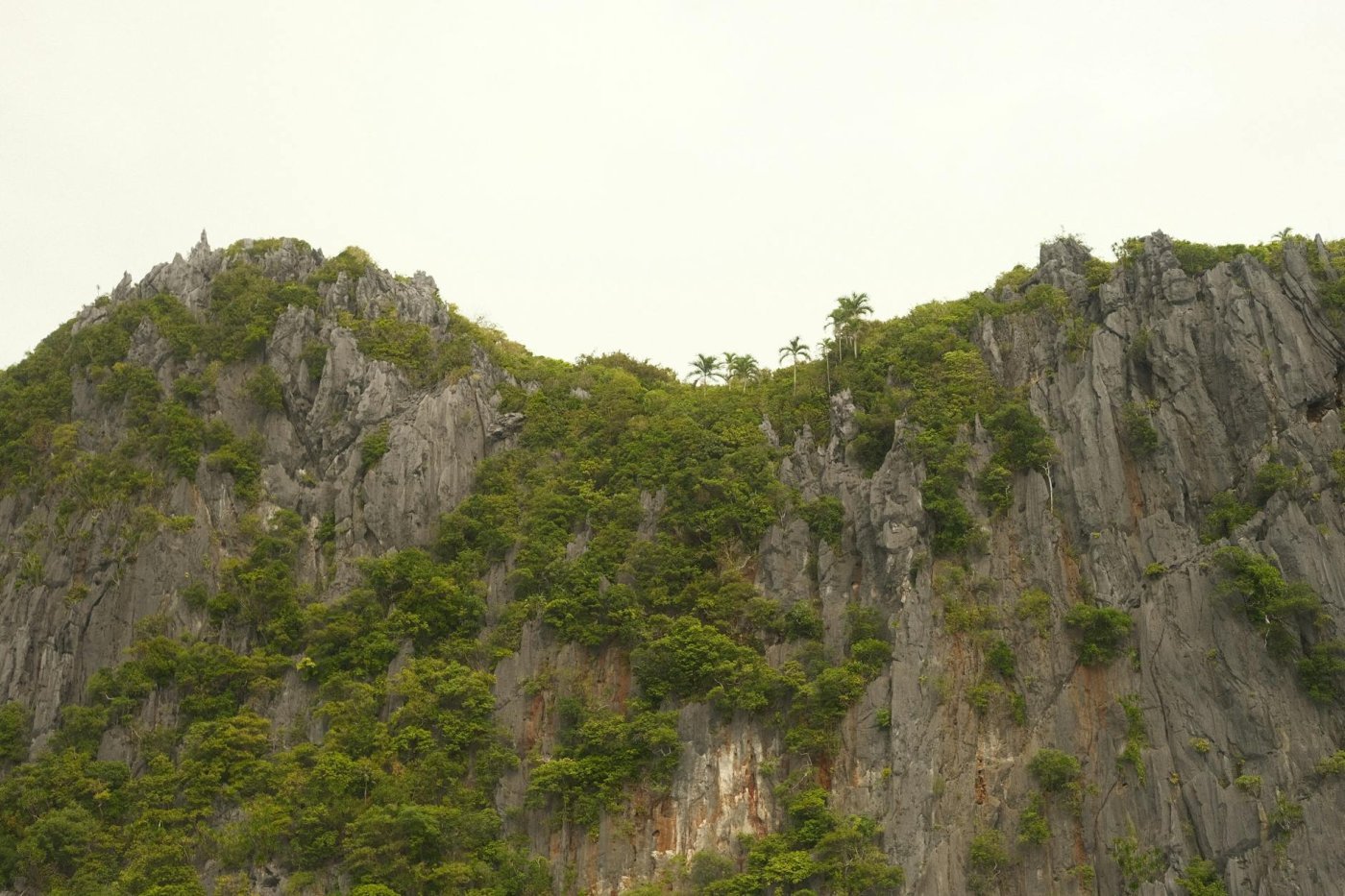
This cathedral of emerald water fringed by limestone cliffs and mangroves sits inside the Del Carmen protected zone. Kayak between mangrove corridors, leap from the diving platform, and watch kingfishers skim the surface.
🦇
Sohoton Cove
A karst wonderland of jellyfish lagoons, cathedral caves, and bat colonies, Sohoton Cove requires a day tour from Siargao but rewards with some of the most dramatic scenery in the entire Caraga region.
Siargao's neighbourhoods — where to focus
Surf Hub
General Luna
General Luna is Siargao's social nucleus — a cluster of surf shops, specialty coffee bars, craft cocktail spots, and guesthouses strung along unpaved lanes. The Cloud 9 boardwalk is a short tricycle ride away, making this the default base for most visitors. Evenings drift from beach bonfires to rooftop bars.
Laid-Back Escape
Pacifico
Pacifico sits on Siargao's north coast, far enough from General Luna to feel like a different island. A long, wild beach with a left-hand reef break attracts serious surfers seeking fewer crowds. The handful of guesthouses here cater to travellers who want nothing more than ocean views and fresh catch dinners.
Mangrove Country
Del Carmen
Del Carmen is home to one of the largest mangrove forests in the Philippines, a protected biosphere reserve threading through the island's interior waterways. Flat-bottomed boats glide silently past monitor lizards and nesting herons. This is the gateway municipality for Sugba Lagoon trips and a world apart from the surf scene.
Budget & Backpacker
Tourism Road
The stretch known locally as Tourism Road links General Luna to Cloud 9 and is lined with budget guesthouses, rented motorbikes, and warungs selling arroz caldo at any hour. It's noisy, cheerful, and supremely practical — the best base for first-time surfers who want easy access to the reef without paying premium prices.
Top things to do in Siargao
1. Surf Cloud 9 Reef Break
No Siargao itinerary is complete without a morning session at Cloud 9, the barreling right-hander that put this island on every surfer's bucket list. At its best between October and March, the wave peels over a shallow coral shelf with mechanical precision, producing the hollow tubes that have graced the cover of Surfer Magazine more than once. Non-surfers should still walk the iconic multi-level wooden boardwalk — built above the reef — to watch sets roll in from a front-row vantage. Intermediate surfers can rent boards for around €5–8 per day from dozens of shops on Tourism Road, while lessons for beginners at the calmer Jacking Horse break nearby cost roughly €15–20 including board. Early mornings before 8 a.m. offer the cleanest conditions and lightest crowds, and the surrounding coconut groves make the whole scene look like a movie set.
2. Island-Hop Naked, Daku & Guyam
Siargao's three satellite islands — Naked, Daku, and Guyam — form the classic island-hopping circuit that every visitor should do at least once. Naked Island is precisely what it sounds like: a crescent of blinding white sand with no shade, no buildings, and no fresh water, surrounded by water so clear you can count the sea urchins six metres below. Daku (meaning 'big' in Visayan) is the most family-friendly, with wooden huts for rent and local families grilling fresh tuna over coconut husks on the beach. Guyam is the most photogenic — a palm-studded postage stamp of sand that fits comfortably in a single wide-angle frame. Bangka boat hire for all three islands typically costs €10–15 per person when shared, and operators depart from General Luna port each morning between 8 and 9 a.m. Bring snorkelling gear, sunscreen, and cash.
3. Paddle Sugba Lagoon
Tucked inside the municipality of Del Carmen within a government-protected marine sanctuary, Sugba Lagoon is one of the Philippines' most breathtaking natural sites — a wide, impossibly green expanse of brackish water hemmed by mangroves and craggy limestone formations. Visitors arrive by motorised bangka from a small pier in Del Carmen, a journey of around 25 minutes that passes through narrow mangrove channels alive with wading birds. Once at the lagoon, rent a stand-up paddleboard or single kayak and glide under the overhanging limestone while listening to the tick of insects. A rickety diving platform invites brave leaps into the jade water below. The lagoon is protected, so entrance fees apply (around €2–3 per person), and daily visitor quotas are enforced to protect the ecosystem — book permits in advance during high season to guarantee entry on your preferred date.
4. Explore the Rock Pools at Magpupungko
At low tide, the Magpupungko rock pools on Siargao's eastern coast reveal one of the island's most underrated natural attractions — a series of large, smooth basalt formations that trap warm, crystal-clear seawater in natural swimming pools. The largest pools are deep enough to snorkel, and the rock walls are carpeted with colourful sea anemones and small reef fish. Getting there from General Luna takes about 40 minutes by motorbike or habal-habal (motorcycle taxi) along a coastal road that passes through rice paddies and fishing villages. Timing is everything: arrive two to three hours before low tide for the best access, and check tide tables the night before. A small entrance fee of around €1 supports the local barangay. Magpupungko is often combined with a stop at the Tayangban Cave Pool, a freshwater cave system fifteen minutes further north.
What to eat in Siargao and the Caraga Coast — the essential list
Kinilaw na Tuna
Siargao's signature raw dish — freshly caught yellowfin tuna cured in native calamansi juice, coconut vinegar, ginger, and red onion. It's the Filipino answer to ceviche, and nowhere in the Philippines tastes it fresher than here.
Grilled Squid (Inihaw na Pusit)
Whole squid stuffed with tomato, onion, and calamansi, then grilled directly over coconut charcoal. The smoky char and briny sweetness make it the definitive beach lunch, served with steamed rice and a cold Red Horse beer.
Coconut Crab (Taba ng Talangka)
Rich, unctuous crab fat sautéed in garlic and coconut cream, traditionally eaten spooned over hot white rice. It's an intensely savoury condiment-turned-main-course that regulars to Siargao order at every possible opportunity.
Sinigang na Bangus
Milkfish simmered in a lip-puckering sour tamarind broth with kangkong water spinach and green chillies. Comfort food of the highest order, found in every family-run carinderia across Siargao and the wider Caraga region.
Buko Halo-Halo
The Philippines' beloved shaved-ice dessert gets a Siargao upgrade: layers of local langka jackfruit, purple ube, sweet beans, and leche flan piled into a fresh young coconut shell topped with coconut-milk ice cream.
Pan de Sal with Kesong Puti
Soft, pillowy bread rolls baked before dawn, eaten warm with a slab of fresh white carabao cheese. The definitive Siargao breakfast, available from corner bakeries for virtually nothing and best eaten at sunrise before surfing.
Where to eat in Siargao — our top 4 picks
Fine Dining
Bravo Beach Resort Restaurant
📍 Cloud 9 Road, General Luna, Siargao
Set on a beachfront deck with Cloud 9 views, Bravo offers the most refined dining on the island — think wood-fired sea bass, prawn bisque, and house-churned gelato. The wine list is short but curated, and sunset tables book out fast during peak season.
Fancy & Photogenic
El Ultimo Bastión
📍 General Luna, Siargao Island, Surigao del Norte
A Spanish-Filipino fusion kitchen housed inside a whitewashed concrete building draped in bougainvillea. The paella negra made with local squid ink and the calamansi tart both merit the slightly elevated price tag. Arrive at golden hour for the best lighting.
Good & Authentic
Kermit Siargao Restaurant
📍 General Luna, Siargao Island, Surigao del Norte
A Siargao institution for over fifteen years, Kermit combines a proper Italian wood-fired pizza kitchen with authentic Filipino mains. The crowd is international, the vibe is relaxed, and the thin-crust tuna pizza — made with local yellowfin — is genuinely excellent.
The Unexpected
Shaka Siargao
📍 General Luna Road, Siargao, Surigao del Norte
By day a health-food café serving açaí bowls and cold-brew; by night a casual grill firing out smoked brisket tacos and Korean-Filipino fusion. The combination sounds improbable on a Philippine surf island but works perfectly, attracting a loyal crowd of long-stay nomads.
Siargao's Café Culture — top 3 cafés
The Institution
Jungle Retreat Café
📍 Tourism Road, General Luna, Siargao
Perched among coconut palms just off Tourism Road, this open-air café has been the surfer's morning ritual for years. Single-origin Benguet and Sagada beans are brewed with proper espresso technique. The mango smoothie bowls are enormous and eaten primarily for the Instagram value.
The Aesthetic Hub
Secret Garden Coffee
📍 General Luna, Siargao Island, Surigao del Norte
Hidden down a narrow lane and accessible only if someone tells you where to look, Secret Garden is exactly what its name promises — a lush courtyard filled with trailing monstera plants, rattan furniture, and serious espresso. It doubles as a creative coworking space during weekday mornings.
The Local Hangout
Amor Farm Café
📍 General Luna, Siargao, Surigao del Norte
A working organic farm with a small café attached, Amor grows its own herbs and vegetables and uses local coconut milk in virtually everything. The calamansi iced tea and banana pancakes made from home-grown fruit are the reasons regulars come back every morning before heading to the surf.
Best time to visit Siargao
Jan
Feb
Mar
Apr
May
Jun
Jul
Aug
Sep
Oct
Nov
Dec
Peak season (Jan–Apr & Dec) — dry weather, glassy mornings, best surf conditionsShoulder season (Oct–Nov) — Surfing Cup crowds, wave season buildingWet season (May–Sep) — typhoon risk, powerful but messy swells, fewer tourists
Siargao events & festivals 2026
Whether you're planning around a specific celebration or simply want to know what's happening, this guide covers the best events and festivals in Siargao — from major annual traditions to cultural highlights worth timing your trip around.
October 2026culture
Siargao Surfing Cup
The Siargao Surfing Cup is one of Asia's premier professional surfing competitions, held annually at Cloud 9's legendary reef break. The boardwalk fills with spectators, local food stalls multiply overnight, and General Luna parties hard.
January 2026religious
Sinulog Festival (Cebu, day-trip)
While Sinulog is technically centred in Cebu City, many travellers visiting Siargao in January make a short flight or ferry connection to attend one of the Philippines' most spectacular religious and cultural festivals. The dancing, drumming, and street processions honouring the Santo Niño are genuinely unmissable, and the journey from Siargao is straightforward.
February 2026culture
Surigao del Norte Founding Anniversary
The provincial capital of Surigao City celebrates its founding anniversary each February with street parades, local beauty pageants, cultural performances, and fireworks over the harbour. Visitors staying in Siargao can take a quick ferry to join the festivities, experiencing a side of the Caraga region that goes far beyond surf culture.
March 2026culture
Kuyamis Festival, Dapa
Held in Dapa, Siargao's main commercial municipality, the Kuyamis Festival celebrates the island's fishing heritage and agricultural abundance each March. Street performances, boat races in the harbour, and communal feasts of locally caught tuna and grilled seafood mark this genuinely local event that most tourists completely miss.
April 2026religious
Semana Santa Holy Week
Holy Week in Siargao's fishing barangays is a deeply moving affair — dawn processions, traditional pabasa chanting through the night, and communal fasting. The island quietens considerably as Filipino families return home, making Semana Santa one of the most culturally immersive periods to visit Siargao despite some restaurants briefly closing.
June 2026music
Siargao Island Music Festival
A grassroots music gathering bringing independent Filipino bands, electronic DJs, and acoustic solo artists to open-air beach stages across General Luna. Held during the wet season when tourist numbers drop and ticket prices remain low, this is among the best Siargao festivals for travellers who prefer music over surfing competitions.
August 2026culture
Surigao del Norte Fiesta
The region-wide patron saint fiesta in August sees every municipality in Siargao and the broader Surigao del Norte area celebrate with marching bands, decorated fishing boats, and evening fiestas. Local families prepare enormous spreads of traditional food, and visitors who accept invitations to join these communal meals leave with the most enduring memories.
September 2026market
Siargao Harvest Market
An informal monthly outdoor market held near General Luna that grows particularly large in September during the coconut and tropical fruit harvest season. Local farmers bring fresh produce, artisanal coconut oil, calamansi preserves, and handwoven rattan goods. A genuine community market rather than a tourist-oriented production.
November 2026culture
Siargao Film Festival
A small but growing celebration of independent Philippine cinema, screened on outdoor projector setups along Tourism Road and inside General Luna's café spaces. Short films, documentaries about Philippine ocean conservation, and Q&A sessions with visiting filmmakers run across a long weekend in mid-November.
December 2026religious
Pasko sa Siargao (Christmas Festivities)
December in Siargao is ablaze with lanterns, outdoor Simbang Gabi dawn masses, and beachside Christmas feasts. The combination of tropical heat, Philippine Christmas warmth, and peak surf season makes a Siargao itinerary in December genuinely magical — and extremely popular with European travellers escaping winter.
Dorm beds, carinderia meals, shared bangka tours, rented motorbike; entirely viable on Siargao's local economy.
€€ Mid-range
€50–120/day
Private guesthouse room, restaurant dinners, private island-hopping, surf lessons, and specialty coffee included comfortably.
€€€ Luxury
€150+/day
Boutique resort, private bangka charters, fine dining at Bravo, personal surf coach, and spa treatments at Nay Palad Hideaway.
Getting to and around Siargao (Transport Tips)
By air: Siargao is served by Sayak Airport (IAO), a small regional airport with multiple daily connections to Manila (Cebu Pacific and Philippine Airlines) and direct flights from Cebu via Cebu Pacific. Flight times from Manila are approximately 1 hour 45 minutes. Booking well in advance during peak season (January–April and October) is strongly advised as seats sell out fast.
From the airport: Sayak Airport sits in the municipality of Del Carmen, roughly 35–40 kilometres from General Luna. The standard transfer is a pre-arranged van or tricycle hired through your accommodation, costing approximately €8–15 depending on negotiation and group size. The journey takes 45–60 minutes along a single main road. No metered taxis operate from the airport, so agree on fares before departure. Most guesthouses offer airport pick-up services if contacted in advance.
Getting around the city: Within Siargao, habal-habal (motorcycle taxis) are the primary mode of local transport, charging €1–3 for short trips around General Luna and Cloud 9. Motorbike rental is widely available from €6–10 per day and gives the greatest freedom for exploring remote beaches and the island's north coast. Tricycles (motorbike-sidecar combos) handle slightly longer routes. There are no tuk-tuks, no Grab service in most areas, and no public bus network — planning ahead and agreeing on fares verbally is essential.
Transport Safety & Scam Prevention:
Negotiate Tricycle Fares First: There are no meters on tricycles or habal-habal in Siargao. Always agree on the fare before you board. Standard town-to-Cloud 9 trips should cost around €1–2; anything over €4 for short distances is excessive and worth politely declining.
Verify Island-Hopping Inclusions: Some bangka operators quote low headline prices but add separate charges for snorkel gear, entrance fees, and packed lunches on arrival at the islands. Ask for a fully itemised price before departing General Luna port to avoid unpleasant surprises mid-ocean.
Book Sugba Lagoon Permits Early: The Sugba Lagoon protected area has daily visitor caps. Operators who claim you don't need a pre-booked permit during peak season are misleading you — book through the official Del Carmen municipal office or a reputable General Luna tour desk at least two days ahead during January–April.
Do I need a visa for Siargao?
Visa requirements for Siargao depend on your nationality. Select your passport below for an instant answer — based on the Passport Index dataset for entry into Philippines.
ℹ️ Indicative only. Always verify with the official consulate before booking. Data: Passport Index, April 2026.
For detailed requirements, documentation checklists and processing times by nationality: TravelDoc →
Search & Book your trip to Siargao
Find the best flight routes and hotel combinations using our partner Kiwi.com.
Frequently Asked Questions
Is Siargao safe for tourists?
Siargao is generally very safe for tourists and has a well-established backpacker and surf traveller culture with minimal serious crime reported against visitors. The main risks are practical rather than criminal: unpaved roads make motorbike accidents a genuine concern, especially after rain, so always wear a helmet and ride cautiously. Ocean hazards at Cloud 9's shallow reef are real for inexperienced surfers — respect local surf etiquette and never paddle out beyond your ability. Petty theft can occur in busy areas, so secure valuables in your accommodation and don't leave bags unattended on the beach.
Can I drink the tap water in Siargao?
Tap water in Siargao is not safe to drink and should be avoided for drinking, brushing teeth, and making ice. Bottled mineral water is widely available and inexpensive (around €0.30–0.50 per large bottle) throughout General Luna and the main tourist areas. Most guesthouses and hotels provide filtered water stations. Bringing a portable water purification bottle or filtration straw from home is both economical and environmentally responsible — Siargao's beaches suffer from plastic bottle waste, and reducing single-use plastic consumption is actively encouraged by local conservation groups.
What is the best time to visit Siargao?
The best time to visit Siargao is during the dry season from January to April, when skies are consistently blue, mornings are glassy and calm, and surf conditions at Cloud 9 are clean and well-shaped. December also offers excellent conditions and a festive atmosphere. October is peak surf season and hosts the Siargao Surfing Cup, drawing large crowds but delivering thrilling waves. The wet season from May to September brings typhoon risk, heavy rainfall, and choppy seas — manageable for budget travellers but not ideal for island-hopping or consistent surfing.
How many days do you need in Siargao?
A minimum Siargao itinerary of five days is recommended to experience the island's core highlights: Cloud 9, island-hopping to Naked, Daku, and Guyam Islands, Sugba Lagoon, and Magpupungko rock pools. Seven to ten days allows a genuinely unhurried experience — time for a Sohoton Cove day trip, motorbike exploration of the northern coast, a surf lesson or two, and the slow café mornings that define the island's personality. First-time surfers often extend stays spontaneously when they realise how quickly skill develops with daily sessions. Two days is possible in a pinch but you'll leave hungry for more.
Siargao vs Palawan — which should you choose?
Siargao and Palawan are the Philippines' two most celebrated destinations but they attract fundamentally different travellers. Siargao is a surf island with a buzzing social scene, a compact geography, and a laid-back town centre in General Luna that makes solo travel and spontaneous connections easy. Palawan — particularly El Nido and Coron — is primarily about dramatic limestone karst scenery, world-class diving, and island-hopping through UNESCO-protected waters. Palawan suits those prioritising marine biodiversity and boat-based exploration; Siargao suits surfers, digital nomads, and anyone seeking a beachside community atmosphere. Budget-wise, both are comparable; Siargao is slightly more compact and easier to navigate independently.
Do people speak English in Siargao?
English is widely spoken across Siargao and the broader Philippines, where it is an official national language taught from primary school. In tourist-facing businesses — restaurants, guesthouses, surf schools, and tour operators — English communication is generally excellent. Older residents in remote fishing barangays may rely more on Visayan or the local Surigaonon dialect, but even basic interactions are manageable with smiles and gestures. Written signage is predominantly in English. European travellers from France, Germany, or the Netherlands consistently report that communication in Siargao is significantly easier than in Bali or many other Southeast Asian surf destinations.
★ Hidden Gems Weekly
Like this? One place per week, in your inbox.
No spam, no fluff — just one underrated destination, every Tuesday.
Hand-picked and verified by Max, who founded Vacanexus from Luxembourg in 2026. No sponsorships, no paid placements. Every recommendation — restaurants, neighbourhoods, things to do — is selected for authenticity over popularity.