Sofia Travel Guide — Sofia: Roman ruins, mountain trails and Orthodox golden domes
⏱ 11 min read📅 Updated 2026💶 € Budget✈️ Best: Apr–Sep
€25–50/day
Daily budget
Apr–Sep
Best time
3–5 days
Ideal stay
BGN
Currency
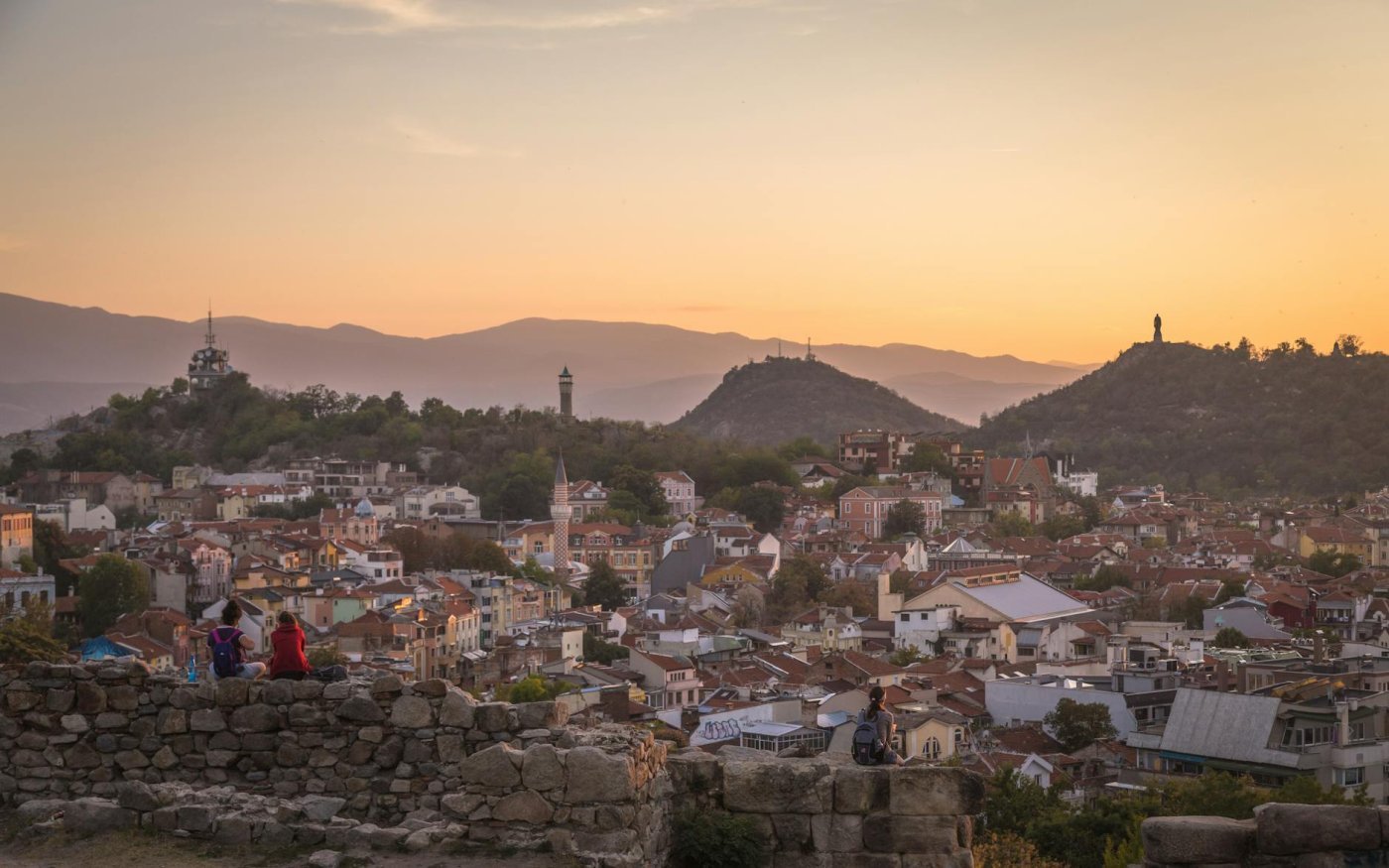
Sofia rewards curious travellers with a city that genuinely surprises at every turn. Step off the tram and peer through glass panels in the pavement to see a Roman street still perfectly intact two thousand years after legionaries marched across it. The scent of lukanka sausage drifts from a corner deli while the Alexander Nevsky Cathedral's gilded domes catch the morning light above a square thick with linden trees. Sofia is a city that layers its history like sediment — Thracian, Roman, Byzantine, Ottoman and Soviet — and reading those layers is the entire pleasure of being here. Few European capitals offer this density of archaeology, Orthodox art and mountain air at prices that make Western visitors blink twice.
Visiting Sofia is a fundamentally different experience from touring Prague or Kraków, cities that have been polished smooth by decades of mass tourism. Things to do in Sofia are eclectic by nature: spend a morning in the National History Museum, grab a €1.20 banitsa pastry from a street bakery, then catch tram 9 directly to the foot of the 2290-metre Vitosha mountain for an afternoon hike above the city. The infrastructure is modern — metro, contactless cards, fast Wi-Fi in almost every café — but the prices remain stubbornly local. That contrast between European comfort and genuinely budget-friendly daily costs is precisely what makes Sofia one of the most underrated short-break destinations on the continent right now.
✦ Find your perfect destination
Is Sofia really your perfect match?
Answer 12 quick questions about your travel style, budget and dates — we match you with the destinations that fit you best, from 600+ worldwide.
Sofia belongs on your travel list because it delivers the full European city-break checklist — archaeology, galleries, great food, lively nightlife — at a fraction of what you'd pay in Lisbon or Warsaw. The city has invested heavily in its cultural infrastructure: a revamped National Palace of Culture, a booming specialty-coffee scene centred on the Studentski Grad district, and a growing roster of boutique hotels in beautifully restored early-20th-century townhouses. Sofia is also the only EU capital where you can be hiking alpine meadows inside a national park within 30 minutes of leaving your hotel lobby, which alone makes it extraordinary.
The case for going now: Sofia is quietly having its moment. A new metro line connecting the city centre to the airport opened recently, boutique accommodation has mushroomed in the formerly scruffy Lozenets and Oborishte quarters, and the Bulgarian lev's peg to the euro keeps costs predictable for eurozone visitors. The city is still well ahead of the tourist-volume curve — major sights are uncrowded even in peak summer — so 2026 is the ideal window before Sofia becomes the next Bucharest on every traveller's radar.
🏛️
Roman Ruins Walk
Sofia sits directly atop Serdica, a significant Roman city. Glass-floored walkways in the metro and pedestrianised streets let you gaze down on intact mosaics, columns and baths dating to the 2nd century AD.
⛰️
Vitosha Day Hike
Tram 9 deposits you at the trailhead of Vitosha Nature Park in under 30 minutes from the city centre. Hike to Cherni Vrah peak at 2290 m for panoramic views over the entire Sofia Plain.
🕌
Orthodox & Ottoman Gems
The gilded Alexander Nevsky Cathedral, the 16th-century Banya Bashi Mosque and the tiny Rotunda of St George — all within a 10-minute walk — encapsulate Sofia's layered religious history in a single morning.
🍺
Craft Beer & Nightlife
The Studentski Grad and Vitosha Boulevard strip host a thriving craft-beer scene. Local breweries like Dervish and Beerissimo pour excellent Bulgarian IPAs for under €2.50 a pint on lively outdoor terraces.
Sofia's neighbourhoods — where to focus
Historic Core
City Centre (Tsentar)
The gravitational heart of Sofia, where Roman ruins surface beneath pedestrian squares and Soviet-era ministry buildings loom alongside Belle Époque theatres. Vitosha Boulevard is the main shopping and café promenade, and virtually every major museum and Orthodox landmark is walkable from here. Stay here for unbeatable sightseeing convenience.
Bohemian & Artsy
Studentski Grad
Sofia's university quarter pulses with cheap eats, independent bookshops and an ever-expanding craft-beer scene. The neighbourhood fills with students and young professionals every evening, spilling onto terraces that stay open well past midnight. It is the best place in Sofia to drink well and spend very little.
Upmarket & Leafy
Lozenets
Tree-lined Lozenets is where Sofia's diplomatic and professional class lives and dines. Quiet residential streets conceal excellent farm-to-table restaurants, boutique wine bars and independent coffee roasters. It borders Yuzhen Park, making it ideal for a morning jog before a lazy brunch at one of the neighbourhood's charming terrace cafés.
Edgy & Up-and-Coming
Oborishte
Sandwiched between the National Assembly and the Russian Embassy, Oborishte mixes faded Art Nouveau villas with a crop of new cocktail bars and gallery spaces that have opened in the last three years. The neighbourhood's weekly flea market on Ekzarh Yosif Street draws antique hunters from across the city and is one of the best free things to do in Sofia.
Top things to do in Sofia
1. #1 Serdica Roman Complex
Serdica was one of the most important cities in the Roman Empire — Emperor Constantine reportedly called it 'my Rome' — and much of that ancient city lies directly beneath modern Sofia. The single best way to grasp this is to visit the Serdica Archaeological Complex, a partially underground museum that you can access via the Central Metro Station. Here, Roman streets, drainage systems, a basilica and more than 100 metres of intact fortification walls are displayed under protective glass and careful lighting. Allow at least 90 minutes to explore the complex properly, and then notice the glass sections in the surrounding pedestrianised square, where Roman mosaics are still visible underfoot as you walk to your next destination. Entry is just 6 lev (around €3) and the site is rarely crowded even in peak summer.
2. #2 Alexander Nevsky Cathedral
Built between 1882 and 1912 to honour the 200,000 Russian soldiers who died liberating Bulgaria from Ottoman rule, the Alexander Nevsky Cathedral is without question the most recognisable landmark in Sofia. Its neo-Byzantine exterior is crowned by a cluster of golden and green copper domes that glow spectacularly at sunrise and in the blue hour after sunset. The interior is breathtaking — vast, candlelit and hung with enormous icons — and free to enter, though a small donation is expected. In the cathedral's crypt, one of the finest collections of medieval Bulgarian icons in existence is displayed, and a €3 ticket grants access. On Sunday mornings the choral liturgy fills the space with extraordinary sound that resonates deep in the chest. The surrounding square hosts a daily antiques and icon market that is excellent for browsing, even if you have no intention of buying.
3. #3 Vitosha Mountain Hiking
Vitosha Nature Park is one of Sofia's most extraordinary assets: a fully protected national park with alpine meadows, dense beech forests and a 2290-metre summit that begins where the city's southern tram lines end. Tram 9 from the city centre drops you at Dragalevtsi or Simeonovo, both legitimate trailheads, in around 30 minutes. The classic half-day hike follows marked trails up through the Zlatni Mostove stone river — a striking natural formation of giant boulders deposited by glacial action — to the Aleko mountain hut at 1810 m, where you can eat grilled meats and drink Zagorka beer on a wooden terrace with the Sofia skyline spread below you. Fit hikers can continue to Cherni Vrah peak in another 90 minutes. The park is busy with locals every weekend and visiting Vitosha is as much a cultural insight into Bulgarian leisure habits as it is a nature experience.
4. #4 Boyana Church & History Museum
Tucked against the lower slopes of Vitosha in the upmarket Boyana suburb, this small medieval church holds frescoes that art historians rank alongside the finest works of 13th-century European painting — yet it is visited by a tiny fraction of the tourists who crowd the Sistine Chapel. The 1259 frescoes depict 240 figures with an emotional realism and individual characterisation that is a full century ahead of Italian proto-Renaissance painting; UNESCO recognised this by listing the church as a World Heritage Site. Visits are strictly timed to 10 people every 10 minutes to protect the microclimate, so book online in advance. Directly downhill, the National History Museum occupies a former Communist Party residence and houses Bulgaria's greatest treasures, including the astonishing Thracian gold from Panagyurishte. Budget half a day for both sites together and take a taxi or the 64 bus from the city centre.
What to eat in Sofia and the Bulgarian interior — the essential list
Banitsa
The essential Bulgarian breakfast — flaky filo pastry spiralled around white sirene cheese or spinach and baked until golden. Street bakeries open by 6 am and sell it hot for around 1.50 lev. Eat it with a cup of boza, a mildly fermented grain drink.
Shopska Salata
Bulgaria's national salad and a dish of genuine, unimprovable simplicity: diced tomato, cucumber, roasted pepper, raw onion and a snowfall of grated white sirene cheese. The colours deliberately echo the Bulgarian flag. Order it at virtually any mehana tavern for under €3.
Kavarma
A slow-cooked clay-pot stew of pork or chicken with onions, peppers, tomatoes and a splash of white wine, sealed under its lid and brought to the table still bubbling. It is the definitive Bulgarian tavern dish — warming, deeply savoury and designed to be eaten with thick bread.
Tarator
A cold yogurt and cucumber soup seasoned with dill, garlic and walnut oil that Bulgarians consume with evangelical devotion throughout the summer months. It is simultaneously a refreshing starter, a palate cleanser and proof that Bulgarian dairy — produced from the same rose-valley pastures that supply the perfume industry — is exceptional.
Kebapche
Minced pork mixed with cumin and black pepper, formed into short sausage-shaped fingers and grilled over charcoal until charred outside and juicy within. Served alongside lyutenitsa pepper relish, it is the Bulgarian answer to the kebab and one of the best things you will eat at a Sofia street grill for under €4.
Mish-Mash
A simple but addictive scrambled-egg dish cooked with roasted peppers, tomatoes and crumbled sirene cheese, finished in a cast-iron pan and served with crusty bread. It appears on almost every mehana breakfast and brunch menu and costs next to nothing, making it the perfect low-budget Sofia morning fuel.
Where to eat in Sofia — our top 4 picks
Fine Dining
Cosmos Restaurant
📍 ul. Tsar Osvoboditel 14, Sofia 1000
One of Sofia's most ambitious kitchens, Cosmos reworks Bulgarian ingredients through a contemporary European lens. Aged local beef, foraged mushrooms and house-fermented dairy feature heavily on a seasonal menu that changes monthly. The wine list focuses exclusively on small Bulgarian natural-wine producers, many of which are unavailable outside Bulgaria.
Fancy & Photogenic
Made in Home
📍 ul. Angel Kanchev 30A, Sofia 1000
An Instagrammer's dream dressed up as a neighbourhood bistro: mismatched vintage furniture, hanging plants and bookshelves create a warmly chaotic interior that photographs beautifully. The menu leans international — avocado toasts, grain bowls, excellent burgers — but the house banitsa and Bulgarian yogurt parfait keep it rooted in the local. Queues form by 10 am on weekends.
Good & Authentic
Ресторант Извора (Izvorat)
📍 ul. Dragovitsa 2, Vitosha foothills, Sofia
Perched at the edge of the Vitosha foothills, Izvorat is the prototypical Bulgarian mehana done right: exposed stone walls, a wood-burning hearth and a menu of slow-cooked village dishes that have not changed since the restaurant opened. Order the clay-pot kavarma and the house rakia and sit outside on the terrace under the walnut trees.
The Unexpected
Hadjidraganovite Kashti
📍 ul. Ekzarh Yosif 18, Sofia 1000
Spread across three linked 19th-century houses in the Oborishte quarter, this rambling restaurant feels less like a dining venue and more like stumbling into someone's eccentric grandmother's estate. Each room has its own character — one lined with copper pots, another with folk costumes — and the menu reads like a tour of regional Bulgarian cuisine, from Rhodope lamb to Black Sea fish soup.
Sofia's Café Culture — top 3 cafés
The Institution
Caffe Bar Crystal
📍 ul. Vitosha 49, Sofia 1000
A Sofia institution that has occupied its corner on Vitosha Boulevard for over 30 years. Crystal is where older Sofians come to read the paper over a thick Turkish-style coffee and a slice of chocolate gateau. The interior is unchanged since the 1990s — mirrored walls, heavy drapes — which is precisely its charm.
The Aesthetic Hub
Barista Coffee & Kitchen
📍 bul. Vasil Levski 49, Sofia 1000
The café that launched Sofia's specialty-coffee scene and still sets the standard. Light-filled with exposed concrete, serious Chemex and V60 equipment, and single-origin beans sourced from Ethiopia, Colombia and Guatemala. The banana bread and house granola are arguably the best in the city. A reliable spot to work remotely with fast, stable Wi-Fi.
The Local Hangout
Supa Star
📍 ul. Positano 2, Sofia 1000
Part café, part comic-book shop, Supa Star is a Sofia original beloved by students, designers and the kind of people who own too many tote bags. Coffee is taken seriously but without pretension, the playlist is always interesting and the soups — a different one made fresh each day — are the best €2.50 lunch in the city centre.
Best time to visit Sofia
Jan
Feb
Mar
Apr
May
Jun
Jul
Aug
Sep
Oct
Nov
Dec
Peak Season (Apr–Sep) — warm to hot days, all attractions open, Vitosha hikes ideal; book accommodation ahead in July–AugustShoulder Season (Mar & Oct) — mild, fewer crowds, excellent value; occasional rain but golden autumn foliage in OctoberOff Season (Nov–Feb) — cold, possible snow; Christmas markets in December add charm, but some mountain trails close
Sofia events & festivals 2026
Whether you're planning around a specific celebration or simply want to know what's happening, this guide covers the best events and festivals in Sofia — from major annual traditions to cultural highlights worth timing your trip around.
March 2026culture
Baba Marta Festival
On 1 March, Bulgarians exchange martenitsi — small red-and-white woven tokens symbolising health and the arrival of spring.
April 2026culture
Sofia Film Festival
One of Southeast Europe's most prestigious film festivals, the Sofia International Film Festival fills cinemas across the capital with world cinema premieres, retrospectives and industry talks over ten days. The main venue at the NDK cultural centre seats 1300 and screenings regularly sell out, so booking tickets in advance is strongly recommended for the Sofia itinerary.
May 2026music
Sofia Live Festival
An outdoor music festival held in Borisova Gradina park bringing international indie, electronic and rock acts to Sofia each May. The relaxed parkland setting, affordable tickets and excellent lineup make it one of the best Sofia festivals for music-loving visitors and a highlight of the spring cultural calendar.
May 2026culture
Sofia Design Week
A city-wide design and architecture festival that opens studios, galleries and urban spaces usually closed to the public. Temporary installations appear in parks and plazas, making late May one of the most creatively stimulating times for visiting Sofia. The Oborishte and Lozenets neighbourhoods host the densest programme of events.
June 2026music
Bass Valley Festival
Bulgaria's premier electronic music gathering takes place in a forest reserve near Sofia, attracting leading European DJ talent across three outdoor stages. The festival runs over three days with camping and is hugely popular among young Sofia residents — a great way to experience Bulgarian youth culture and summer nightlife in one experience.
July 2026culture
Sofia Pride
Sofia Pride has grown steadily into one of the larger Pride marches in the Balkans, drawing participants from across Bulgaria and neighbouring countries for a colourful march through the city centre. The surrounding week features film screenings, debates and cultural events that reflect a changing and increasingly open side of Sofia society.
August 2026culture
Apollonia Arts Festival (Day Trip)
Held in the Black Sea town of Sozopol, just three hours from Sofia by bus, the Apollonia festival combines theatre, poetry and classical music against the backdrop of a perfectly preserved ancient harbour. Many Sofia residents make the trip for a long weekend, and combining it with Sofia travel makes for an excellent Bulgaria itinerary.
September 2026religious
Day of Sofia — St Sofia Feast
The city celebrates its patron saint's day on 17 September with open-air concerts, ceremonial services at St Sofia Basilica and a festive atmosphere across the city centre. Free outdoor performances take place on the square in front of the National Theatre, making it one of the most enjoyable and atmospheric days to be in Sofia.
October 2026culture
Sofia International Book Fair
One of the largest book fairs in Eastern Europe, held at the NDK National Palace of Culture every autumn. Bulgarian and international publishers pack the exhibition halls, and author readings, panel discussions and children's workshops run throughout the week-long event. A wonderful rainy-day activity during the October shoulder season.
December 2026market
Sofia Christmas Market
The annual Christmas market on the Ploshtad Sveta Nedelya square and along Vitosha Boulevard transforms the city centre with mulled wine, roasted chestnuts, handmade wooden crafts and Bulgarian rose-oil cosmetics stalls. The market runs throughout December and is one of the more atmospheric and genuinely affordable Christmas markets in the EU.
Hostel dorm or cheap guesthouse, banitsa breakfasts, lunch at a student canteen, tram passes and free museum days
€€ Mid-range
€35–70/day
Boutique hotel or Airbnb apartment, sit-down mehana meals, occasional taxis, paid museum entries and a day-trip bus fare
€€€ Luxury
€100+/day
Four or five-star hotel such as the Hilton Sofia, fine-dining restaurants, private guided tours to Rila and Boyana, business-class lounge at airport
Getting to and around Sofia (Transport Tips)
By air: Sofia Airport (SOF) is well connected to all major European hubs, with direct flights from London Heathrow, Paris CDG, Frankfurt, Amsterdam Schiphol, Vienna, Rome and Istanbul. Ryanair, Wizz Air and Bulgaria Air offer competitively priced routes, and flight times from Western Europe range from two to three hours. Low-cost fares regularly drop below €40 one-way from major hubs.
From the airport: The most efficient way into central Sofia from the airport is Metro Line 1, which runs directly from Terminal 2 to the city centre in approximately 20 minutes and costs just 1.60 lev (under €1). Taxis from the official Taxi OK and Yellow Taxi stands outside Arrivals cost around 12–15 lev to the centre. Avoid unofficial taxis without meters near the arrivals hall, as overcharging is common.
Getting around the city: Sofia has an excellent and extremely cheap public transport network. The two metro lines cover the major tourist areas efficiently, and trams and buses fill the gaps. A single ticket costs 1.60 lev (under €1) and a 10-trip card offers a small discount. Tram 9 is the iconic route to Vitosha mountain trailheads. Taxis are cheap by Western standards — a cross-city journey rarely exceeds 10 lev — but always insist on a metered cab.
Transport Safety & Scam Prevention:
Taxi Meter Trick: Always use the Taxi OK app or Yellow Taxi company and confirm the meter is running before departure. A handful of unofficial taxis near the airport and popular tourist squares operate meters calibrated at ten times the legal rate, turning a €3 ride into a €30 shock.
Currency Exchange Shops: Avoid currency exchange kiosks in the arrivals hall and on Vitosha Boulevard that advertise no-commission rates — the advertised buy rate is often applied in reverse at the till. Use a bank ATM or the reputable exchange desks inside the Central Market Hall for honest rates.
Boyana Unofficial Guides: At Boyana Church, unofficial guides sometimes approach visitors outside the gate offering 'better access' tours for cash. Ignore them. The official ticketing system online is the only way to guarantee entry to this UNESCO site, and the standard audio guide provided on entry is comprehensive and free.
Do I need a visa for Sofia?
Visa requirements for Sofia depend on your nationality. Select your passport below for an instant answer — based on the Passport Index dataset for entry into Bulgaria.
ℹ️ Indicative only. Always verify with the official consulate before booking. Data: Passport Index, April 2026.
For detailed requirements, documentation checklists and processing times by nationality: TravelDoc →
Search & Book your trip to Sofia
Find the best flight routes and hotel combinations using our partner Kiwi.com.
Frequently Asked Questions
Is Sofia safe for tourists?
Sofia is generally a very safe city for tourists, including solo travellers and women travelling alone. Violent crime targeting visitors is rare. The main risks are petty theft in crowded areas like the Women's Market and central tram stops, and the taxi overcharging scam described above. The city centre is well lit and lively until late at night, and the metro and trams are reliable even after midnight on weekends. Standard urban-travel precautions — money belt, awareness of surroundings, keeping phone out of sight on crowded trams — are all that is reasonably needed.
Can I drink the tap water in Sofia?
Sofia tap water is officially classified as safe to drink and meets EU standards. It is treated and monitored, and most locals drink it without hesitation. That said, the water has a slightly mineral taste due to the local source, and some visitors with sensitive stomachs prefer bottled water during the first couple of days. You will notice public outdoor mineral-water fountains near the old Mineral Baths — these are completely safe and free to drink from, and a Sofia travel tradition.
What is the best time to visit Sofia?
The best time to visit Sofia is between April and September, when days are warm to hot, skies are reliably blue and the full range of outdoor activities — including Vitosha hiking and outdoor dining — is available. May and June offer the ideal balance of pleasant temperatures (18–25°C), manageable crowds and the most active events calendar, including the Sofia Film Festival and Design Week. September is excellent for golden light and hiking on Vitosha before the first autumn chill. July and August are the hottest months and slightly busier, but Sofia never reaches the suffocating summer crowds of Prague or Dubrovnik.
How many days do you need in Sofia?
Three days is enough to cover Sofia's essential highlights — the Serdica Roman ruins, Alexander Nevsky Cathedral, Boyana Church and a half-day Vitosha hike — without feeling rushed. Four to five days allows you to add a day trip to either Plovdiv or Rila Monastery, explore Sofia's neighbourhood food scenes at a relaxed pace and squeeze in the National History Museum properly. For travellers using Sofia as a base for deeper Bulgarian exploration — adding Koprivshtitsa, Bansko and the Black Sea coast — a week to ten days opens up a genuinely rich and varied itinerary. Even on a three-day Sofia itinerary, the city rarely feels crowded or exhausting.
Sofia vs Bucharest — which should you choose?
Both Sofia and Bucharest are underrated Eastern European capitals with exceptional value, but they offer quite different experiences. Sofia has a more intimate scale — it feels manageable and walkable in a way that Bucharest, with its vast Soviet boulevards, does not. Sofia's trump cards are the immediate mountain access (Vitosha is simply extraordinary), the concentration of well-preserved Roman archaeology, and a more developed specialty-coffee and craft-beer scene. Bucharest wins on sheer architectural drama — Ceaușescu's Palace of the Parliament is a jaw-dropping spectacle — and on nightlife, which is arguably more intense. Choose Sofia if you want hiking, ancient history and a relaxed pace; choose Bucharest if you want grand urban drama and longer party nights.
Do people speak English in Sofia?
English is spoken well enough for comfortable travel in Sofia, particularly among younger Bulgarians, hospitality workers, hotel staff and anyone under 40. In restaurants, cafés and museums, English menus and signage are standard in the city centre. You may encounter less English at the Women's Market, at local bakeries and in older residential neighbourhoods, but hand gestures, a smile and Google Translate close most gaps quickly. Russian was the dominant second language for older generations, though French and German are also spoken in parts of the tourism sector. Learning a few Bulgarian phrases — 'mersi' (thank you) and 'molya' (please) — is warmly appreciated by locals.
★ Hidden Gems Weekly
Like this? One place per week, in your inbox.
No spam, no fluff — just one underrated destination, every Tuesday.
Hand-picked and verified by Max, who founded Vacanexus from Luxembourg in 2026. No sponsorships, no paid placements. Every recommendation — restaurants, neighbourhoods, things to do — is selected for authenticity over popularity.