Sun Moon Lake Travel Guide — Emerald waters, mountain mist and indigenous soul
⏱ 11 min read📅 Updated 2026💶 €€ Mid-range✈️ Best: Jan–Apr
€50–120/day
Daily budget
Jan–Apr
Best time
2–4 days
Ideal stay
TWD
Currency
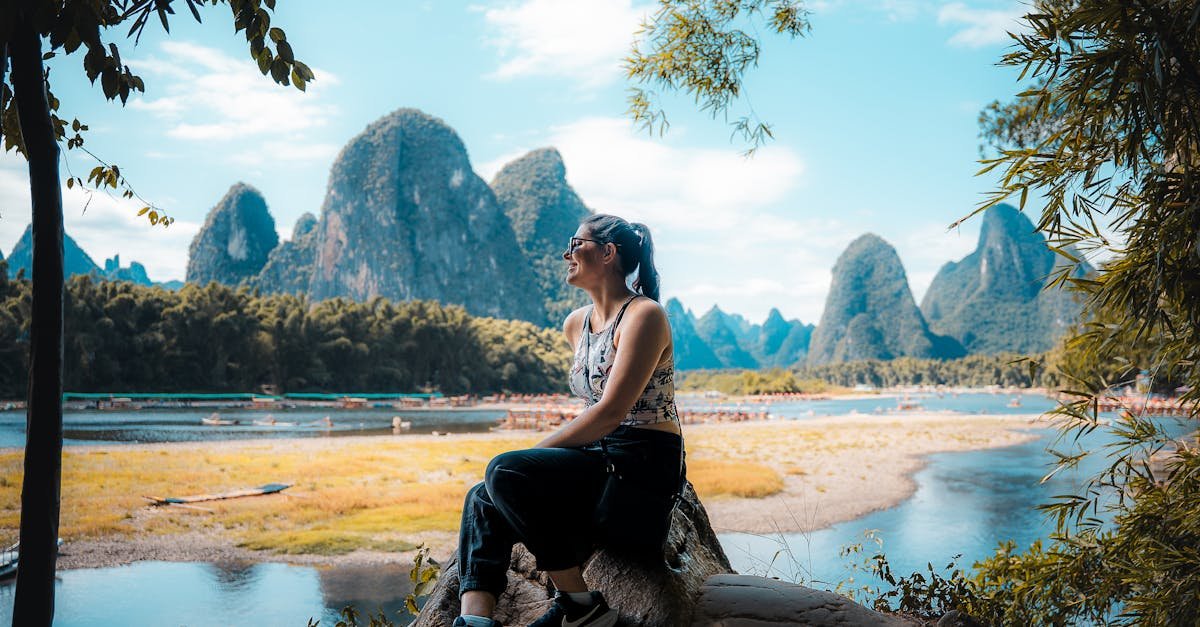
Sun Moon Lake rests at 748 metres above sea level in the lush mountain heart of Nantou County, its surface shifting from jade to ink depending on the hour. Dawn here is almost theatrical: mist spills off forested ridgelines and dissolves across glassy water before the first tour boats disturb the calm. Oolong tea plantations terrace the surrounding slopes, their rows so precise they look machine-stitched against the hillside. Red-lacquered temples cling to rocky promontories above the shoreline, incense smoke curling upward into pine-scented air. Sun Moon Lake is not Taiwan's largest lake, but it is unquestionably its most beautiful.
Visiting Sun Moon Lake reveals a destination that earns its iconic status through layered experience rather than a single headline attraction. Things to do in Sun Moon Lake range from circumnavigating the 33-kilometre shoreline by bicycle or boat to sipping Assam tea in a Thao indigenous village and hiking to pagodas above the cloud line. Compared with Alishan, the other great natural retreat of central Taiwan, Sun Moon Lake trades forest steam trains for water taxis and delivers a more intimate, slower-paced journey. It suits travellers who want wilderness beauty with the comfort of good lakeside restaurants and well-maintained cycling paths — a balance that is genuinely hard to find elsewhere in East Asia.
✦ Find your perfect destination
Is Sun Moon Lake really your perfect match?
Answer 12 quick questions about your travel style, budget and dates — we match you with the destinations that fit you best, from 600+ worldwide.
Sun Moon Lake belongs on any Taiwan itinerary because it offers the island's most rewarding blend of natural scenery, indigenous culture, and culinary distinctiveness. The Thao people — Taiwan's smallest officially recognised indigenous group — have fished and farmed these shores for centuries, and their traditions permeate everything from the lakeside night market stalls to the haunting lalu island ceremony site. The lake's high-altitude Assam tea, introduced by Japanese colonists in the 1930s, is now among Taiwan's most prized exports. Sun Moon Lake also rewards photographers and cyclists equally, meaning it draws a stimulating mix of visitors without ever feeling overrun in the way that Jiufen or Taroko Gorge occasionally can.
The case for going now: Taiwan's government completed the fully upgraded Sun Moon Lake Ropeway station in 2024 and extended dedicated cycling paths around the southern shore, making the lake more accessible than at any point in its modern tourism history. International visitor numbers to Taiwan rebounded sharply through 2024–2025, yet Sun Moon Lake remains less crowded than comparable alpine lake destinations in Europe or Japan — prices and accommodation availability still favour the independent traveller. Go before that changes.
🚴
Lakeside Cycling
The 33-kilometre perimeter cycling route passes shrines, tea fields and indigenous fishing platforms. Rent an e-bike at Shuishe Pier and complete the loop in a leisurely half-day.
⛩️
Temple Hopping
Wenwu Temple on the northern shore houses warrior deities guarding the lake. Xuanguang Temple further east sits on a lakeside promontory accessible only by boat or winding mountain path.
🌿
Tea Plantation Walks
The Lalu Tea Garden above Itashao village and the Chienching Tea Plantation offer guided tastings of high-mountain Assam and ruby red teas grown nowhere else in the world.
🛶
Thao Village & Lalu
Itashao village is the cultural heartland of the Thao people. Board a local boat to view Lalu Island, the sacred ancestral spirit site, and browse handcrafted mochi and bamboo goods at the harbour stalls.
Sun Moon Lake's neighbourhoods — where to focus
Main Hub
Shuishe
Shuishe sits on the northwest shore and serves as Sun Moon Lake's practical centre — ferry piers, bicycle rental shops, most international hotels and a lively evening market all cluster here. It is the obvious base for first-time visitors and the departure point for the majority of lake cruises. Evenings on the Shuishe embankment, watching reflected lights shimmer across dark water, are genuinely lovely.
Indigenous Heart
Itashao
Itashao is the spiritual and cultural home of the Thao people and feels meaningfully different from the more commercialised Shuishe end. The village's wooden boardwalk hugs the eastern shore, lined with stalls selling traditional mochi pounded on stone, taro cakes and Thao woven crafts. The ferry from Shuishe takes roughly fifteen minutes, making this an essential half-day stop on any Sun Moon Lake itinerary.
Temple District
Wenwu Shore
The northern arc of the lake is dominated by the magnificent Wenwu Temple, a three-tiered crimson structure whose stone lion guardians stare directly across the water. The surrounding area is quieter than Shuishe, with lakeside guesthouses, hiking access to Maolanshan Ridge and some of the best unobstructed lake panoramas at sunrise. Serious photographers often choose accommodation here specifically for the morning light.
Hillside Retreat
Puli Gateway
Puli town, 15 kilometres north of the lake, functions as the practical gateway — the bus hub where most travellers transfer from Taichung. Puli also has its own identity: it is the shaojiu rice wine capital of Taiwan and home to the Zhongtai Chan Monastery, a dramatic modernist Buddhist complex worth a half-day stop. Budget travellers often base themselves in Puli and day-trip to the lake, cutting accommodation costs significantly.
Top things to do in Sun Moon Lake
1. Cycle the Full Lake Loop
Circumnavigating Sun Moon Lake by bicycle is the single experience that best captures the destination's essence. The 33-kilometre perimeter route is well-surfaced, car-free along most stretches and broken up by enough viewpoints, temples and tea-house stops to justify a full day rather than a hurried sprint. E-bikes are widely available for rent at Shuishe Pier from around TWD 300 for four hours, making the elevation changes on the southern and eastern sections manageable even for casual cyclists. Highlights along the route include the Ci'en Pagoda viewpoint — 370 steps above the southeastern shore, built by Chiang Kai-shek in memory of his mother — and the tranquil Xuanguang Temple on its lakeside promontory, where monks maintain a garden of extraordinary calm. Start early to catch mist on the water before tour groups arrive.
2. Ride the Sun Moon Lake Ropeway
The Sun Moon Lake Ropeway connects Shuishe on the lakeshore to Formosan Aboriginal Culture Village, a theme park and heritage complex on the hillside above. The gondola ride itself, just under two kilometres, delivers aerial perspectives of the lake and surrounding mountain ridgelines that are simply impossible to achieve from ground level — bring a fully charged camera. Even travellers with no interest in the theme park (which is entertaining but touristy) find the ascent worthwhile for the views alone; you can buy an upward-only ticket. On clear winter and spring mornings the sight of low cloud filling the valley below while you float above it is one of those travel moments that is difficult to adequately describe. The ropeway operates daily and the queues are shortest on weekday mornings.
3. High-Mountain Tea Tasting
Sun Moon Lake's tea culture is genuinely distinctive: the Japanese colonial government imported Assam seedlings from India in the 1930s and the high-altitude climate of Nantou County produced something richer and earthier than Indian Assam, with a natural sweetness that eliminates any need for milk or sugar. Taiwan's flagship Ruby Red tea (cultivar TRES No. 18) was bred specifically in this region and carries notes of cinnamon and mint that surprise first-time tasters. The Chienching Tea Plantation above the southern shore offers guided walks through the terraces with tastings paired with house-made tea biscuits. Several Shuishe cafés also run informal tasting sessions where you can compare Assam, Ruby Red and the lighter mountain oolong varieties side by side. Budget around TWD 150–300 for a proper tasting flight.
4. Sunrise at Ci'en Pagoda
Rising before dawn to climb to Ci'en Pagoda on the southeastern shore of Sun Moon Lake is an act of mild devotion that rewards handsomely. The 370 steps take a fit walker about 20 minutes from the lakeside path; the pagoda itself was commissioned by Chiang Kai-shek in 1971 and sits at a height that places it precisely at cloud level on most winter mornings between January and March. The panorama at sunrise — forest ridges emerging from mist, the lake surface turning slowly from silver to gold, the faint outline of Lalu Island in the middle distance — is the iconic Sun Moon Lake image repeated across a thousand travel photographs, and it deserves every cliché it has earned. Bring a light jacket; temperatures at altitude drop sharply before sunrise even in April. The pagoda is accessible by bicycle or on foot from the southeastern cycle path.
What to eat in Nantou County and Sun Moon Lake — the essential list
Alua (Eel Noodles)
A Thao indigenous specialty: freshwater eel from the lake braised with ginger and rice wine, served over thick handmade noodles. The flesh is silky and rich, the broth surprisingly delicate. Find it at Itashao village stalls from morning onwards.
Mochi
Sun Moon Lake's mochi is pounded from glutinous rice and rolled in crushed peanut or sesame. Softer and less sweet than Japanese versions, these are made fresh at Itashao boardwalk stalls and eaten within hours of preparation. A bag of four costs around TWD 60.
Ruby Red Milk Tea
Taiwan Ruby Red tea brewed strong and served over ice with fresh milk — the region's answer to bubble tea, without the tapioca. The tea's natural cinnamon notes pair remarkably well with cold milk. Available at virtually every café around the lakefront.
Wild Boar Sausage
Thao hunters have prepared wild boar for ceremonial feasts for centuries; today the sausage version — spiced with local herbs and grilled over charcoal — appears at Itashao night market stalls. Slightly gamey, smoky and genuinely distinctive from anything found in lowland Taiwan.
Tofu Pudding (Douhua)
Nantou County's mountain spring water produces silken douhua of exceptional quality. Served warm with ginger syrup or cold with taro balls and red bean, it is the quintessential lakeside afternoon snack. Shuishe market has several stalls competing for the best version.
Bamboo Rice (Zhu Tong Fan)
Sticky rice stuffed into fresh bamboo tubes with mushrooms, dried shrimp and minced pork, then roasted over open flame until the bamboo imparts a faint smokiness to the rice. A portable and deeply satisfying lunch option sold at lakeside vendors and hiking trailheads.
Where to eat in Sun Moon Lake — our top 4 picks
Fine Dining
The Lalu Restaurant
📍 142 Zhongxing Rd, Yuchi Township, Nantou County
The Lalu hotel's main dining room occupies a glass-walled space cantilevered directly above the lake surface, making every table a window seat. The menu blends Taiwanese premium ingredients — black pig pork, indigenous mountain vegetables, fresh lake fish — with refined technique. Dinner reservations are essential and worth every planning effort.
Fancy & Photogenic
Fleur de Chine Brasserie
📍 23 Zhongshan Rd, Yuchi Township, Nantou County
Part of the Fleur de Chine Hotel, this lakefront brasserie serves an all-day Taiwanese and international menu in a colonial-era wood-and-glass setting that photographs beautifully. The afternoon tea set — with Ruby Red tea brewed tableside and house-made pastries — is the most social meal at Sun Moon Lake. Dress smartly; the surroundings demand it.
Good & Authentic
Itashao Thao Village Kitchen
📍 Itashao Village Boardwalk, Yuchi Township, Nantou County
A cluster of family-run stalls at the Itashao boardwalk offers the most authentic Thao-inflected cooking around the lake — eel noodles, grilled wild boar, taro dumplings and fresh mochi at prices the hotel restaurants cannot match. The informal communal seating and lake views make even a simple bowl of noodles feel like an occasion.
The Unexpected
A-Mei Tea House & Restaurant
📍 Shuishe Village, Yuchi Township, Nantou County
Tucked above the Shuishe embankment, this no-frills tea house doubles as a lunch spot for local cycling guides and guesthouse owners. The three-cup chicken (san bei ji) cooked in sesame oil, soy and basil is some of the best in central Taiwan, and the Ruby Red iced tea costs a fraction of hotel prices. Lunch only; closed Wednesdays.
Sun Moon Lake's Café Culture — top 3 cafés
The Institution
Chen Sheng Ji Tea House
📍 Shuishe Pier Road, Yuchi Township, Nantou County
Operating since the 1980s, Chen Sheng Ji is the oldest tea house in Shuishe and the place where generations of Taiwanese families have brought their grandparents to drink Ruby Red and watch boats cross the lake. The interior is worn wooden furniture and framed old photographs; the tea is brewed properly, in a clay pot, never rushed. A Sun Moon Lake institution in the truest sense.
The Aesthetic Hub
Cha Cha Thé Sun Moon Lake
📍 Near Shuishe Visitor Centre, Yuchi Township, Nantou County
A stylish minimalist café that has become the Instagram focal point of the Shuishe waterfront, serving precisely brewed single-origin Nantou teas alongside excellent Taiwanese pastries. The terrace overlooks the pier and catches morning light perfectly. Specialty coffee drinkers are also catered for, which is still an exception rather than the rule at Sun Moon Lake.
The Local Hangout
Sun Moon Coffee & Cake
📍 Zhongzheng Rd, Shuishe, Yuchi Township, Nantou County
Busy with local cyclists refuelling between stages of the lake loop, this unpretentious café serves decent espresso, taro cheesecake and the kind of enormous Taiwanese toast sandwiches — piled with egg, cheese and pork floss — that constitute a serious meal. No lake views, no design pretension, just reliable food and genuine warmth from the family who runs it.
Best time to visit Sun Moon Lake
Jan
Feb
Mar
Apr
May
Jun
Jul
Aug
Sep
Oct
Nov
Dec
Peak Season (Jan–Apr & Dec) — clearest skies, lowest humidity, best cycling and photography conditionsShoulder Season (Oct–Nov) — pleasant temperatures, autumn foliage on hillsides, smaller crowdsOff-Season (May–Sep) — typhoon risk July–Sep, high humidity, afternoon thunderstorms; lake remains beautiful but outdoor activity is unpredictable
Sun Moon Lake events & festivals 2026
Whether you're planning around a specific celebration or simply want to know what's happening, this guide covers the best events and festivals in Sun Moon Lake — from major annual traditions to cultural highlights worth timing your trip around.
January 2026culture
Sun Moon Lake Fireworks Festival
Held over New Year and continuing into January, this annual lakeside fireworks spectacular draws Taiwanese families from across the island. The lake surface reflects the displays perfectly, and the Shuishe embankment fills with food stalls and lantern vendors. One of the
March 2026religious
Wenwu Temple Anniversary Ceremony
The Wenwu Temple celebrates its founding anniversary with three days of traditional Taiwanese religious performance, including puppet theatre, Taoist ritual processions and lion dance troupes. Visiting Sun Moon Lake during this period offers rare access to living folk religious tradition at one of the most scenic temple settings in Taiwan.
April 2026culture
Thao Indigenous Cultural Festival
Itashao village hosts this annual celebration of Thao heritage with traditional song, dance, ancestral ritual and a food market featuring lake eel, wild boar and mochi made by village elders. The festival is one of the most respectful and authentic indigenous cultural events in central Taiwan and a highlight of any Sun Moon Lake itinerary in spring.
June 2026culture
Dragon Boat Festival Races
Sun Moon Lake hosts some of Taiwan's most dramatic Dragon Boat Festival races, with teams competing across the lake's open central section in front of cheering spectators on both the Shuishe and Itashao shores. International teams participate alongside local clubs, and the lakeside atmosphere on race day is genuinely electric.
August 2026religious
Thao Harvest Moon Ritual (Lalu Festival)
The Thao people's most sacred annual ceremony takes place at the full moon closest to the harvest season, centred on the sacred Lalu Island at the lake's midpoint. Visitors observe from the shoreline as ceremonial boats circle the island and chanting carries across the water. Photography is restricted; respectful silence is expected.
September 2026music
Sun Moon Lake International Music Festival
A growing annual open-air music festival on the Shuishe lakefront stage featuring Taiwanese indie acts, indigenous musicians and international folk performers. The natural amphitheatre created by the surrounding mountains produces remarkable acoustics. Evening performances after sunset are particularly atmospheric with the lake as backdrop.
October 2026culture
Taiwan Tea Culture Festival — Nantou
Nantou County's centrepiece tea event takes place across Sun Moon Lake and the Puli township area, with plantation open days, competitive tea-tasting judging, Ruby Red blending workshops and exhibitions tracing the Japanese colonial history of Assam cultivation in this highland region. Essential for tea lovers visiting Sun Moon Lake in autumn.
October 2026market
Sun Moon Lake Harvest Market
Running through October alongside the autumn shoulder season, this weekend market on the Shuishe waterfront brings together farmers, indigenous artisans and food producers from across Nantou County. Organic mountain vegetables, handmade ceramics, specialty teas and bamboo crafts fill the stalls each Saturday and Sunday morning.
November 2026culture
Sun Moon Lake Cycling Festival
The annual mass-participation cycling event that circumnavigates the full 33-kilometre lake loop draws thousands of cyclists from Taiwan and abroad each November. The road is closed to motor traffic for the day, and participants range from competitive riders to families on tandem bikes. Pre-registration is essential; the event sells out months in advance.
December 2026culture
Sun Moon Lake Year-End Light Festival
The lake's hotels, temples and embankment are illuminated with elaborate lantern installations throughout December, creating a magical nighttime atmosphere that draws Taiwanese couples and families for the year-end holiday period. The Wenwu Temple installation is traditionally the most elaborate, with coloured lights cascading down to the water's edge.
Puli guesthouse base, day-trip buses, Itashao stall meals and rented bike; covers everything essential at fraction of lakeside prices.
€€ Mid-range
€50–120/day
Lakeside hotel in Shuishe, ferry passes, tea plantation tours and meals split between restaurants and market stalls.
€€€ Luxury
€200+/day
The Lalu or Fleur de Chine hotel, private boat charters, spa treatments and full tasting-menu dinners overlooking the water.
Getting to and around Sun Moon Lake (Transport Tips)
By air: The closest international airport to Sun Moon Lake is Taichung International Airport (RMQ), served by flights from Hong Kong, Macau, Osaka and several Southeast Asian cities. Taipei Taoyuan International Airport (TPE) is the main entry point for European travellers, with high-speed rail to Taichung taking just over an hour.
From the airport: From Taichung Station, take the Nantou Bus Company direct express to Sun Moon Lake — journey time is approximately 75 minutes and buses depart roughly every 30–60 minutes from the bus terminal adjacent to Taichung HSR station. The fare is around TWD 193 one way. Taxis from Taichung to the lake cost TWD 1,500–2,000 and take a similar time, making them worthwhile for groups of three or four.
Getting around the city: Sun Moon Lake has no public bus network within the scenic area itself. The main transport options are the scheduled ferry service connecting Shuishe, Xuanguang and Itashao piers (day pass TWD 300), rental bicycles or e-bikes from Shuishe Pier (TWD 200–350 per four hours), and licensed scooter rental for experienced riders. Taxis operate around the lake but are infrequent; book through your hotel for reliable service.
Transport Safety & Scam Prevention:
Unlicensed 'Tour Guides' at Shuishe Bus Stop: On weekends, individuals approach arriving buses at Shuishe claiming to offer official guided tours at subsidised prices. These are unregulated and often overpriced. Book tours through your hotel or the National Scenic Area visitor centre directly.
Ferry Ticket Resellers: Buy ferry day-passes only from the official booths at Shuishe Pier or Itashao Pier — never from individuals selling tickets near the queue. Resellers occasionally offer 'discounted' tickets that are already expired or duplicated and will not scan at the turnstile.
Bicycle Rental Inflated Prices: Rental rates are posted at every legitimate shop; standard e-bikes run TWD 250–350 for four hours. If a vendor quotes significantly more and claims 'peak pricing', walk fifty metres to the next shop. Competition on Shuishe Pier Road keeps prices consistent and fair.
Do I need a visa for Sun Moon Lake?
Visa requirements for Sun Moon Lake depend on your nationality. Select your passport below for an instant answer — based on the Passport Index dataset for entry into Taiwan.
ℹ️ Indicative only. Always verify with the official consulate before booking. Data: Passport Index, April 2026.
For detailed requirements, documentation checklists and processing times by nationality: TravelDoc →
Search & Book your trip to Sun Moon Lake
Find the best flight routes and hotel combinations using our partner Kiwi.com.
Frequently Asked Questions
Is Sun Moon Lake safe for tourists?
Sun Moon Lake is extremely safe and ranks among the most visitor-friendly destinations in Asia. Petty crime is virtually unheard of in the scenic area, and solo travellers — including solo women — report feeling comfortable at all hours. The main safety considerations are practical rather than criminal: mountain roads can be slippery in wet season, and typhoon warnings between July and September occasionally require postponing outdoor activities. Taiwan's emergency services are efficient and the scenic area has well-marked trails and maintained infrastructure throughout.
Can I drink the tap water in Sun Moon Lake?
Taiwan's tap water meets international safety standards and is technically drinkable, but the vast majority of locals and hotels filter or boil it before drinking, and bottled water is very inexpensive. At Sun Moon Lake specifically, most hotels provide filtered water dispensers in rooms and corridors. For tea — which you will be drinking a great deal of here — establishments use filtered spring water as a matter of professional pride, so water quality for the primary local beverage is never a concern.
What is the best time to visit Sun Moon Lake?
The best time to visit Sun Moon Lake is between January and April, when the highland climate is cool and dry, skies are reliably clear and the famous morning mist rolls across the water in photogenic fashion before burning off by mid-morning. March and April bring mild temperatures of 16–22°C — ideal for cycling the full lake loop or hiking to Ci'en Pagoda. October and November offer a pleasant shoulder season with autumn colours on the surrounding hillsides and smaller crowds. Avoid July through September when typhoons and sustained afternoon thunderstorms make outdoor activity unpredictable.
How many days do you need in Sun Moon Lake?
Two days covers the non-negotiable highlights: a full cycling loop, the ferry to Itashao, Wenwu Temple and a tea tasting. Three to four days is the ideal Sun Moon Lake itinerary for most travellers — it allows time for the ropeway, Ci'en Pagoda at sunrise, a plantation walk and genuinely unhurried meals. Five days suits those combining the lake with a day trip to Alishan's forest trails or Puli's distillery and monastery. Ten days makes sense only for travellers using Sun Moon Lake as a central base for exploring wider Nantou County, including the Cingjing Farm highland plateau to the north.
Sun Moon Lake vs Alishan — which should you choose?
Sun Moon Lake and Alishan satisfy fundamentally different travel moods. Alishan centres on ancient cypress forests, the famous mountain sunrise railway and cool highland air at over 2,000 metres — it rewards those who prioritise dramatic forest scenery and a singular iconic experience. Sun Moon Lake offers more variety: water, temples, indigenous culture, cycling infrastructure and considerably better food and accommodation options. For most European travellers, Sun Moon Lake delivers a richer three-day stay, while Alishan works better as a one or two-day excursion. If time permits, combine both — they are only 90 minutes apart and genuinely complement each other.
Do people speak English in Sun Moon Lake?
English proficiency at Sun Moon Lake is basic by European standards but sufficient for comfortable independent travel. Major hotels — particularly The Lahu and Fleur de Chine — have English-speaking staff at all desks. The National Scenic Area visitor centres provide English maps and brochures, and ferry and bus signage is bilingual. At Itashao village stalls and local tea houses, communication often relies on menus with photos or translation apps, which work perfectly well. Download Google Translate with Chinese (Traditional) characters for offline use before arriving — it will cover every situation you encounter.
★ Hidden Gems Weekly
Like this? One place per week, in your inbox.
No spam, no fluff — just one underrated destination, every Tuesday.
Hand-picked and verified by Max, who founded Vacanexus from Luxembourg in 2026. No sponsorships, no paid placements. Every recommendation — restaurants, neighbourhoods, things to do — is selected for authenticity over popularity.