Taroko Gorge Travel Guide — Taiwan's most dramatic landscape — a marble-walled cathedral
⏱ 11 min read📅 Updated 2026💶 €€ Mid-Range✈️ Best: Jan–Apr
€50–120/day
Daily budget
January–April
Best time
3–5 days
Ideal stay
TWD (New Taiwan Dollar)
Currency
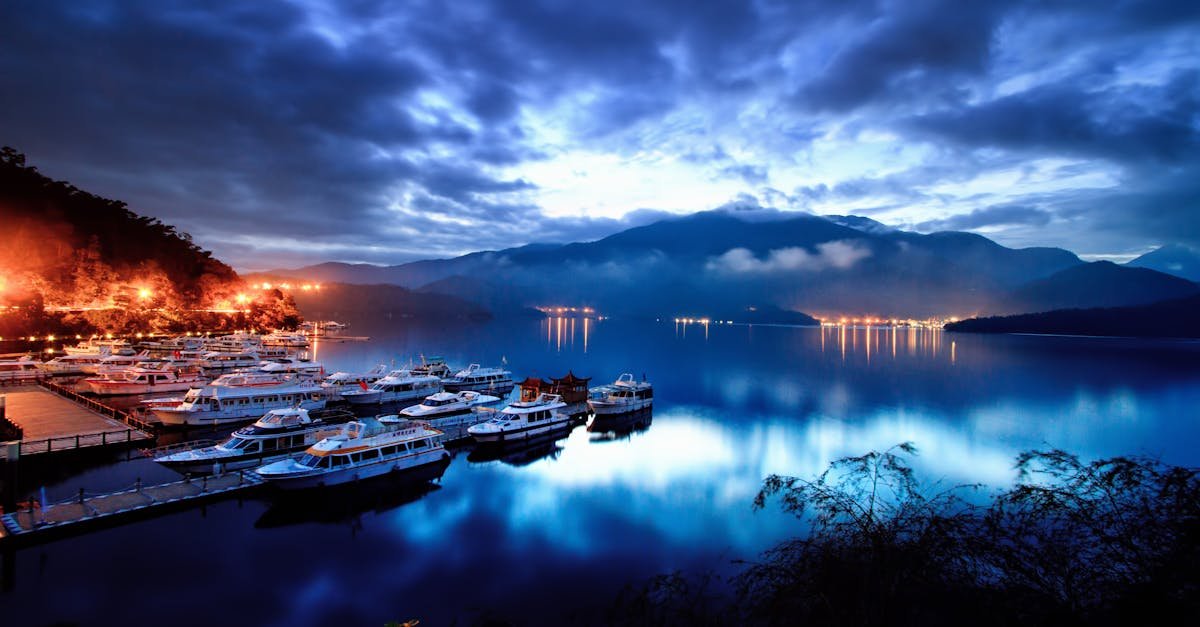
Taroko Gorge cuts a 19-kilometre wound through the Central Mountain Range of Taiwan, where sheer marble cliffs drop hundreds of metres to a jade-green river roaring below. The air inside the gorge carries a fine mist and the faint mineral tang of stone, while swallows trace impossible arcs across sky slivers framed by rock walls so close you can touch both sides at once. Sunlight enters late and leaves early, lending the canyon an almost sacred dimness that silences even the most talkative tour groups. Taroko is not merely a scenic drive — it is a place that physically surrounds you, pressing close with geological force and a peculiar Taiwanese wildness.
Compared to other Asian natural landmarks, things to do in Taroko Gorge lean emphatically toward the physical and the contemplative rather than the commercial. Visiting Taroko means trading crowded temple circuits for suspension bridges over roaring tributaries, marble-floored gorge trails, and riverside hot springs where mist rises at dawn. Unlike Zhangjiajie in China or Ha Long Bay in Vietnam, Taroko remains a genuine national park — admission is free, trails are maintained to an exceptional standard, and the local Truku indigenous culture adds a layer of meaning that pure geology never could. If you prize raw landscape over polished tourism infrastructure, this corner of Hualien County will exceed every expectation.
✦ Find your perfect destination
Is Taroko Gorge really your perfect match?
Answer 12 quick questions about your travel style, budget and dates — we match you with the destinations that fit you best, from 600+ worldwide.
Taroko Gorge belongs on your travel list because no other canyon in Asia offers this precise combination of geological spectacle, accessible trail infrastructure, and cultural depth within a two-hour train ride of a major city. The marble walls are not a backdrop — they are the experience, changing colour from pearl-white to rose-gold as the sun moves. Taroko National Park protects habitats for Formosan macaques, endemic Mikado pheasants, and over 200 butterfly species. For European hikers accustomed to the Alps or Dolomites, Taroko delivers comparable drama at a fraction of the logistical complexity.
The case for going now: Taiwan's Eastern Coast Highway has recently seen targeted investment in trailhead safety upgrades and new visitor interpretation centres, making 2026 one of the best years to experience Taroko Gorge with improved access and fewer crowds than pre-pandemic peaks. The New Taiwan Dollar remains favourable for Euro-zone travellers, stretching mid-range budgets considerably. Several sections of the iconic Zhuilu Old Trail reopened after years of earthquake remediation, offering the full dramatic traverse once more.
🏔️
Gorge Hiking
The Shakadang and Baiyang trails wind through cathedral-like marble passages above the turquoise river. Each path reveals hidden waterfalls, dripping grottos, and overhanging cliffs that reward every step.
🦅
Swallow Grotto
Yanzikou — Swallow Cave — is a stretch of the gorge where erosion has honeycombed the marble with alcoves. Pacific swallows nest in the pockmarks, swooping between cliff face and river in perpetual motion.
♨️
Hot Spring Soaking
Wenshan Hot Springs sits directly beside the gorge river, accessible via a short suspension bridge. Thermal water seeps from the marble at 45°C, and soaking here at dawn — with mist rising off the canyon — is extraordinary.
🛕
Eternal Spring Shrine
Changchun Shrine is built dramatically into a sheer cliff face above a waterfall, honouring the workers who died constructing the cross-island highway. It is one of the most photographed and genuinely moving monuments in Taiwan.
Taroko Gorge's neighbourhoods — where to focus
Gateway Hub
Hualien City
Hualien is the coastal city at the mouth of Taroko, your most practical base for exploring the gorge. Night markets serve freshwater prawn and scallion pancakes, independent guesthouses cluster around the train station, and bicycle rentals make the flat city grid surprisingly enjoyable to navigate between gorge days.
Inside the Park
Tianxiang Village
Tianxiang sits 19 kilometres inside Taroko Gorge, effectively the deepest accommodation point reachable by road. Staying here gives you early morning trail access before tour buses arrive, a pagoda worth climbing at sunset, and the deep canyon silence that evaporates by 9am when day visitors flood in.
Truku Heritage
Buluowan Terrace
Buluowan is a broad river terrace inside the park where Truku indigenous culture is interpreted through craft demonstrations and traditional architecture. Staying at the riverside resort here means falling asleep to the sound of the Liwu River below, with swifts calling overhead through the marble corridor.
Surf & Slow
Jici & Qixingtan Beach
A short drive south of Taroko's entrance, the black-pebble beaches of Qixingtan and Jici offer a dramatic coastal counterpoint to canyon days. The Pacific rolls in with force against cobbled shores backed by the Central Range, and this stretch is perfect for a rest afternoon between heavy hiking days.
Top things to do in Taroko Gorge
1. #1 Walk the Zhuilu Old Trail
The Zhuilu Old Trail is Taroko Gorge's most coveted permit hike, a narrow path blasted into sheer marble 500 metres above the Liwu River by Japanese colonial engineers in the 1910s. The trail demands a free permit from the National Park headquarters — available online weeks in advance — and rewards patience with the gorge's single most breathtaking perspective: the full 19-kilometre marble corridor laid out below you at vertigo-inducing scale. The route climbs through Truku indigenous hunting grounds and dense subtropical forest before emerging on exposed cliff ledges where the drop is very real and the views are completely unguarded by safety rails. Plan three to four hours for the return journey, bring trekking poles for the descent, and start before 7am to own the silence before permit-holders fill the trail later in the morning.
2. #2 Cycle the Hualien Coast
One of the most underrated things to do in Taroko and the wider Hualien region is renting a road bike in Hualien City and cycling north along Provincial Highway 9 toward the gorge entrance. The route passes through flat rice paddies backed by the Central Range on one side and the Pacific Ocean on the other — a juxtaposition that is hard to believe until you are standing in it. The 18-kilometre stretch from Hualien to Xincheng takes roughly an hour at an easy pace and deposits you directly at the park entrance. Cycling allows spontaneous stops at roadside betel nut stalls, small shrines, and the strikingly coloured Tropic of Cancer monument at the coastal village of Fuyuan. Return by train, loading your rental bike in the designated cycle carriage — it costs almost nothing and saves your legs for the gorge trails the next morning.
3. #3 Explore Baiyang Waterfall Trail
The Baiyang Trail is arguably the single most atmospheric walk inside Taroko Gorge — a 2.1-kilometre path that passes through six hand-drilled tunnels in the marble cliff face before emerging at the thundering Baiyang Waterfall. The final tunnel, just before the falls, fills with misting water cascading from the ceiling, creating a natural cold shower that drips from every surface. Torchlight is essential — the tunnels are completely unlit and long enough that you lose the entrance light entirely. The trail continues beyond the waterfall to the Water Curtain Cave, a grotto where groundwater seeps through the entire roof in curtain formation, one of the gorge's most purely spectacular geological features. The total round trip takes roughly two hours at a leisurely pace and involves almost no elevation gain, making it suitable for all fitness levels visiting Taroko.
4. #4 Visit Taroko at Sunrise
The most dramatic light inside Taroko Gorge occurs in the first 90 minutes after sunrise, when direct sun has not yet reached the canyon floor and the marble walls glow in reflected light from above — pearl-pink fading to chalk-white as the day brightens. Reaching the Swallow Grotto section and the Tunnel of Nine Turns before 7am means you will almost certainly have both entirely to yourself. Taroko's famous suspension bridges — particularly the one at Lushui — take on an almost otherworldly stillness in early morning mist. This window also catches the Formosan macaques descending from the forest to drink at the river; patient observers positioned quietly at the Buluowan terrace area routinely spot troops of eight to twelve individuals. Staying inside the park at Tianxiang gives you a 20-minute head start on anyone commuting from Hualien, and that margin of solitude is genuinely priceless in a park that receives two million visitors annually.
What to eat in Hualien and the East Rift Valley — the essential list
Scallion Pancake (Cong You Bing)
Hualien's street version of the scallion pancake is flakier and more generously layered than Taipei's, often stuffed with egg and served with sweet soy. It is the definitive Taroko-region breakfast, eaten standing at a griddle-side stall.
Mochi
Hualien is Taiwan's mochi capital. The glutinous rice cakes here are hand-pounded and filled with peanut paste or red bean, wrapped in sesame. Several family shops near the train station have been making them for three generations.
Wild Boar Rice (Shanpig Fan)
Truku indigenous cuisine makes heavy use of wild boar, slow-braised with ginger and mountain herbs, served over steamed rice in rough ceramic bowls. Several Buluowan area eateries offer the full indigenous set meal experience.
Freshwater Prawn Noodles
The Liwu River and East Rift Valley streams supply Hualien's restaurants with prized freshwater prawns, served piled over thin noodles in a clear pork bone broth. The noodle stalls at Dongdamen Night Market are the best address.
Taro Ice Cream
Chishang and Hualien farms produce some of Taiwan's finest taro, and local gelaterie-style shops churn it into dense violet ice cream with an earthier sweetness than any supermarket version. A perfect gorge-day afternoon treat.
Pineapple Cake (Fenglisusu)
Hualien's boutique versions of this Taiwanese pastry classic use local East Coast pineapple, producing a sharper, less sweet filling than the Taipei standard. They make ideal edible souvenirs from the gorge region.
Where to eat in Taroko Gorge — our top 4 picks
Fine Dining
Silks Place Taroko Restaurant
📍 No. 18, Tianxiang Rd, Xiulin Township, Hualien County
The in-house restaurant at the gorge's finest hotel serves contemporary Taiwanese cuisine with East Coast ingredients — wild vegetables, freshwater fish, local pork — plated with real refinement. The dining room looks directly out onto the marble canyon walls, making every meal theatrical.
Fancy & Photogenic
Fata'an Wetland Farmhouse
📍 No. 33, Fataian Rd, Guangfu Township, Hualien County
A farmhouse restaurant amid lotus ponds and rice paddies in the East Rift Valley, serving set meals of free-range chicken, organic valley rice, and pickled mountain greens. Booking is essential and the scenery — egrets wading through flooded fields — is half the meal.
Good & Authentic
Dongdamen Night Market Stalls
📍 Guofu Rd, East District, Hualien City
Hualien's main night market is the most honest representation of East Coast Taiwanese eating culture — small family stalls serving scallion pancakes, braised pork rice, grilled squid, and fresh-squeezed sugarcane juice. Arrive hungry and eat in order of queue length.
The Unexpected
A-Yi Indigenous Kitchen
📍 Buluowan Recreation Area, Xiulin Township, Hualien County
A small, informal Truku-run kitchen inside the park serving indigenous set meals of wild boar, millet wine, and bitter mountain greens prepared to traditional family recipes. This is one of the few places inside Taroko Gorge where the food itself tells the cultural story of the gorge's original inhabitants.
Taroko Gorge's Café Culture — top 3 cafés
The Institution
Rui Sui Coffee & Books
📍 Zhongzheng Rd, Hualien City
A long-standing Hualien café institution beloved by local teachers and Taroko hikers alike for its slow-drip Taiwanese mountain coffee and thick toast stacked with peanut butter and condensed milk. The shelves of dog-eared hiking guides and trail maps make it a useful pre-gorge planning stop.
The Aesthetic Hub
Stone & Water Café
📍 Near Taroko Gorge Visitor Center, Xiulin, Hualien County
A design-forward café positioned at the gorge entrance, constructed using reclaimed marble offcuts from the canyon itself. Cold brew coffee served in handmade ceramic cups, floor-to-ceiling windows overlooking the river mouth, and a terrace for watching the gorge turn gold at late afternoon.
The Local Hangout
Zhonghua Road Morning Market Coffee
📍 Zhonghua Rd, Hualien City
Hualien locals get their morning coffee at the cluster of no-name carts and tiny counter cafés along Zhonghua Road beside the morning market. Soy milk, hot taro drink, or robusta brewed to order — prices sit around TWD 40 and the clientele is entirely local, unhurried, and extremely welcoming of confused foreigners.
Best time to visit Taroko Gorge
Jan
Feb
Mar
Apr
May
Jun
Jul
Aug
Sep
Oct
Nov
Dec
Peak Season (Jan–Apr & Dec) — dry, cool, clear canyon light, ideal hiking conditionsShoulder Season (Oct–Nov) — post-typhoon calm returns, comfortable temperatures, fewer crowdsAvoid if Possible (May–Sep) — typhoon season brings trail closures, heavy rainfall, and occasional road damage
Taroko Gorge events & festivals 2026
Whether you're planning around a specific celebration or simply want to know what's happening, this guide covers the best events and festivals in Taroko Gorge — from major annual traditions to cultural highlights worth timing your trip around.
February 2026culture
Hualien Lantern Festival
One of the
March 2026culture
Taroko Gorge Cherry Blossom Season
Wild cherry trees bloom along the road into Taroko Gorge in late February and March, with the highest concentration near Tianxiang and the Buluowan terrace. This is the most visited window in the Taroko travel calendar — book accommodation at least six weeks ahead.
April 2026culture
Truku Harvest Ceremony (Mgay Bari)
The Truku indigenous people of the Taroko region hold spring ceremonies celebrating ancestral harvest rites, with traditional dancing, weaving demonstrations, and communal feasts open to respectful visitors. Buluowan Recreation Area is the primary venue for public-facing events.
June 2026religious
Dragon Boat Festival, Hualien
Hualien's Meilun River hosts competitive dragon boat races during the Dragon Boat Festival, drawing teams from across Taiwan's East Coast. Street food stalls sell glutinous rice dumplings (zongzi) wrapped in bamboo leaves — the East Coast pork and peanut version is particularly prized.
July 2026culture
East Coast Land Arts Festival
Running through summer along Taiwan's Pacific coastline between Hualien and Taitung, this open-air art festival installs large-scale indigenous and contemporary sculptures on clifftops and beaches. Several works are positioned to frame views of the gorge entrance from the coast road.
August 2026culture
Amis Harvest Festival (Ilisin)
The Amis, Taiwan's largest indigenous group with significant presence in Hualien County, celebrate Ilisin in August with nights of traditional song, communal dancing, and ceremonial dress. Visitors may observe public portions of the festival in Hualien City and coastal villages.
September 2026music
Hohaiyan Rock Festival (Gongliao extended)
While centred north of Hualien, the Hohaiyan Rock Festival's Hualien satellite events feature Taiwanese and Asian indie acts performing on beach stages. It marks the tail end of typhoon season and the first cautious return of outdoor events on the East Coast.
October 2026market
Hualien Farmers' Harvest Market
The East Rift Valley's rice harvest culminates in October, and Hualien City hosts a weekend market celebrating Chishang rice, taro, wild honey, and indigenous preserved foods. This is one of the best Taroko itinerary additions for food-focused travellers visiting in autumn.
November 2026culture
Taroko International Marathon
One of Asia's most dramatic race routes, the Taroko Marathon runs through the gorge itself — past marble walls, suspension bridges, and the roaring Liwu River. Registration fills within hours of opening, but spectating from the gorge road is free and enormously entertaining.
December 2026culture
Hualien Christmas & Year-End Market
Hualien's coastal city takes December celebrations seriously, with a waterfront market selling local crafts, indigenous jewellery, and East Coast food. December marks the start of peak Taroko Gorge season as dry weather returns and the canyon light becomes magical again.
Hostel dorms in Hualien, night market meals, free park entry, local bus transport into the gorge.
€€ Mid-range
€50–120/day
Guesthouses at Tianxiang or Hualien, sit-down restaurant meals, scooter rental, guided hike permits.
€€€ Luxury
€150+/day
Silks Place Taroko resort, private driver for gorge, tasting menus, East Rift Valley private tours.
Getting to and around Taroko Gorge (Transport Tips)
By air: The closest airport to Taroko Gorge is Hualien Airport (HUN), with direct domestic flights from Taipei Songshan taking 40 minutes. Alternatively, Taoyuan International Airport (TPE) is the main international gateway, from which the train to Hualien takes two hours along Taiwan's spectacular east coast rail corridor.
From the airport: Hualien Airport sits just 3 kilometres from the city centre, making a taxi the easiest option at around TWD 200–250. If arriving at Taoyuan or Taipei Songshan, the Taiwan Railways Puyuma or Taroko Express trains run direct to Hualien Station in under two hours, with seat reservations essential on peak weekends. The train journey itself is scenic reward — the route hugs the Pacific coast through dramatic coastal tunnels.
Getting around the city: Inside Taroko Gorge, the Hualien County Bus operates a scheduled gorge shuttle stopping at all major trailheads including Changchun Shrine, Swallow Grotto, Lushui, and Tianxiang. Scooter rental in Hualien City is extremely popular and practical — international driving permits are required. Taxis for private gorge tours can be chartered by the day from Hualien for approximately TWD 2,500–3,500, with bilingual driver-guides available through most hotels.
Transport Safety & Scam Prevention:
Unlicensed Gorge Taxi Touts: At Hualien Station, unofficial drivers approach arriving passengers offering gorge tours at seemingly good prices. Always book taxis through your hotel or a registered operator — unmetered private cars have no accountability and prices shift unpredictably once you are inside the canyon.
Zhuilu Permit Resellers: The Zhuilu Old Trail requires a free permit from Taroko National Park. There is no legitimate third-party booking service — any website charging a fee for permit access is a scam. Apply directly through the official Taroko National Park website in the weeks before your visit.
Weather & Trail Closure Checks: After any rain event, trails inside Taroko can close with very short notice due to rockfall — marble is notoriously unstable when wet. Always check the Taroko National Park website or the visitor centre board on the morning of a planned hike. Ignoring closure signs is genuinely dangerous and carries steep fines.
Do I need a visa for Taroko Gorge?
Visa requirements for Taroko Gorge depend on your nationality. Select your passport below for an instant answer — based on the Passport Index dataset for entry into Taiwan.
ℹ️ Indicative only. Always verify with the official consulate before booking. Data: Passport Index, April 2026.
For detailed requirements, documentation checklists and processing times by nationality: TravelDoc →
Search & Book your trip to Taroko Gorge
Find the best flight routes and hotel combinations using our partner Kiwi.com.
Frequently Asked Questions
Is Taroko Gorge safe for tourists?
Taroko Gorge is very safe for tourists in terms of crime — Taiwan's Hualien region records negligible visitor-related incidents. The genuine safety consideration is geological: marble rockfall is a real and recurring hazard inside the canyon, particularly after rain. Always check trail status at the visitor centre before entering the gorge, respect all closure barriers, and wear a helmet when cycling or passing under overhanging cliff sections on the gorge road. The park authority takes safety extremely seriously and closures, though frustrating, are reliably enforced.
Can I drink the tap water in Taroko Gorge?
Tap water in Taiwan is treated to drinking standards, but most locals and experienced travellers in Hualien boil it or use a filter before drinking due to old pipe infrastructure in some buildings. Inside Taroko Gorge at Tianxiang and trailheads, bottled water is readily available at reasonable prices. Carrying a reusable filtered bottle is the most practical and environmentally responsible solution when hiking trails where rubbish facilities are limited.
What is the best time to visit Taroko Gorge?
The best time to visit Taroko Gorge is January through April, when the northeast monsoon has cleared, skies are reliably blue, and temperatures inside the canyon sit at a hiking-perfect 15–22°C. March brings wild cherry blossoms along the gorge road, making it the single most beautiful month visually. December is also excellent if you want shoulder-season crowd levels with peak-season weather. Avoid May through September when typhoon season brings trail closures, heavy rainfall, and occasional road damage — the gorge is technically open but unreliable.
How many days do you need in Taroko Gorge?
A Taroko Gorge itinerary of three to five days is ideal for most travellers. Two days allows you to cover the headline trails — Baiyang, Swallow Grotto, and the Tunnel of Nine Turns — but feels rushed. Three days adds the Zhuilu Old Trail permit hike and time for Wenshan Hot Springs. Four to five days allows proper East Rift Valley exploration, indigenous cultural experiences at Buluowan, and coastal days at Qixingtan. Dedicated hikers could fill ten days without repeating a trail, as the national park encompasses 920 square kilometres extending well beyond the famous gorge corridor itself.
Taroko Gorge vs Alishan — which should you choose?
Taroko Gorge and Alishan are Taiwan's two most iconic natural destinations, but they offer fundamentally different experiences. Taroko is a river canyon defined by scale, physical drama, and indigenous Truku culture — best for active hikers who want to feel enclosed by geology. Alishan is a high-altitude forest reserve famous for its sea of clouds, ancient cypress trees, and the iconic narrow-gauge mountain railway — better for those who prefer atmospheric forest walks and sunrise spectacles from above the cloud layer. If time allows, combine both on a Taiwan loop itinerary. Choose Taroko if hiking and dramatic vertical scenery excite you; choose Alishan if ancient forest and misty mountain trains are your vision of Asia.
Do people speak English in Taroko Gorge?
English proficiency in Taroko Gorge and Hualien is basic compared to Taipei. At major park facilities — the visitor centre, Silks Place hotel, and Buluowan recreation area — staff typically manage English well enough for practical communication. Trail signage throughout the national park is bilingual in Chinese and English, which is genuinely useful. In Hualien City's restaurants and markets, translation apps are your most reliable companion. Younger Taiwanese in the tourism industry are generally enthusiastic about helping foreign visitors navigate the gorge even with limited shared vocabulary.
★ Hidden Gems Weekly
Like this? One place per week, in your inbox.
No spam, no fluff — just one underrated destination, every Tuesday.
Hand-picked and verified by Max, who founded Vacanexus from Luxembourg in 2026. No sponsorships, no paid placements. Every recommendation — restaurants, neighbourhoods, things to do — is selected for authenticity over popularity.