Tirana Travel Guide — Bunkers, bold colors, and a city reinventing itself at breakneck speed
⏱ 11 min read📅 Updated 2026💶 € Budget✈️ Best: Apr–Sep
€25–50/day
Daily budget
Apr – Sep
Best time
3–5 days
Ideal stay
ALL (Albanian Lek)
Currency
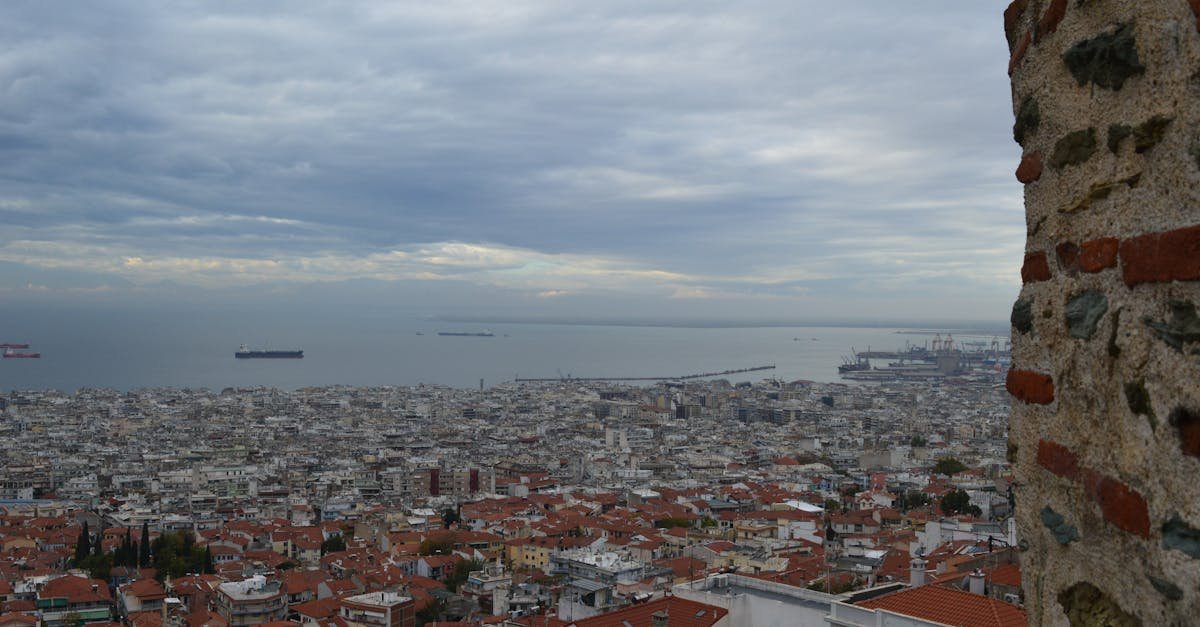
Tirana hits you like a splash of neon paint on a grey communist block — literally. Albania's capital is a city where socialist-era apartment buildings have been doused in candy-bright murals, where bunkers from a Cold War paranoia have been reborn as cocktail bars and art studios, and where the smell of freshly baked byrek mingles with espresso from a hundred pavement cafés. Skanderbeg Square, the vast pedestrianised heart of Tirana, buzzes from dawn to midnight with families, students, and vendors selling roasted chestnuts. Tirana is the youngest capital in Europe by median age, and that energy is impossible to miss.
Compared to Balkans heavyweights like Sarajevo or Skopje, Tirana is rawer and less polished — and that is precisely its appeal. Visiting Tirana means stepping into a city mid-transformation: cranes rise next to Ottoman clock towers, rooftop bars overlook Soviet murals, and a new riverside park threads through what was once an industrial wasteland. Things to do in Tirana range from free-admission national museums to lakeside cycling at Tirana's own beach, meaning your daily spend can comfortably stay under €40 without sacrificing a single experience. For travellers hunting authenticity at budget prices, Tirana is one of Europe's most underrated city-break destinations in 2026.
✦ Find your perfect destination
Is Tirana really your perfect match?
Answer 12 quick questions about your travel style, budget and dates — we match you with the destinations that fit you best, from 600+ worldwide.
Tirana belongs on your radar for three very specific reasons. First, it is genuinely affordable: a three-course dinner with local wine rarely exceeds €15, and quality accommodation starts at €20. Second, the cultural whiplash is exhilarating — Ottoman mosques share the skyline with Italian Fascist-era colonnades and Enver Hoxha's monumental pyramid, now converted into a youth tech hub. Third, Tirana works as an airport hub for the entire Albanian Riviera, meaning the capital pairs naturally with a beach extension to Sarandë or Vlorë, making it one of Europe's most versatile budget itineraries.
The case for going now: Tirana is riding a rare window before the tourist crowds arrive. Rinas Airport expanded its international routes in 2024, slashing flight prices from western Europe, while the new Grand Boulevard redevelopment is transforming the riverfront into a world-class promenade. Prices remain at 2019 levels, boutique hotels are opening faster than TripAdvisor can rank them, and the café scene rivals Lisbon's without the crowds or the bill. Go now — Tirana in 2026 is still the insider tip, not the screensaver destination.
🏛️
History Layers
Tirana compresses centuries into a single stroll — from the 18th-century Et'hem Bey Mosque to Hoxha's concrete pyramid and a Soviet-era National Museum mosaic. Every block tells a different chapter of Albanian identity.
🎨
Street Art Trail
Mayor Edi Rama's famous colour programme transformed Tirana's grey residential towers into outdoor canvases. Dozens of murals cover entire building facades, making the Blloku and Kombinat neighbourhoods an unmissable open-air gallery.
🌄
Mount Dajti Escape
A cable car whisks you 1,611 metres above Tirana in under 15 minutes to Mount Dajti National Park. Forested hiking trails and a mountain restaurant reward visitors with panoramic views stretching to the Adriatic on clear days.
🍸
Blloku Nightlife
Once the exclusive enclave of communist-party elites, Blloku is now Tirana's cocktail and café heartland. Bunker-converted bars, rooftop terraces and pavement aperitivo culture keep this district lively from early evening until dawn.
Tirana's neighbourhoods — where to focus
Historic Core
Skanderbeg Square & Old Bazaar
The pedestrianised square is Tirana's social nucleus, flanked by the National History Museum, the Et'hem Bey Mosque, and the National Opera. The adjacent Old Bazaar (Pazari i Ri), recently renovated, packs traditional craftsmen and artisan food stalls into a charming labyrinth of cobbled lanes just north of the square.
Former Elites
Blloku
During communist rule, ordinary Albanians were forbidden from entering Blloku, reserved for party leadership. Today the neighbourhood is the city's trendiest district — low-rise villas converted into wine bars, boutique hotels squeezed between plane trees, and a café culture that starts at breakfast and ends well after midnight.
Student Energy
Rruga Myslym Shyri
The long pedestrian-friendly boulevard nicknamed 'Myslym' is where Tirana's university crowd congregates. Budget restaurants, book shops, tattoo parlours, and no fewer than a dozen bubble-tea spots line the street, creating a bohemian atmosphere that feels more East Berlin than Eastern Europe capital.
Creative Quarter
Kombinat
Tirana's former industrial southern suburb is transforming quickly into the city's creative frontier. Abandoned factories have become gallery spaces and recording studios, while independent coffee roasters and vegan pop-ups fill the ground floors of brutalist blocks. Kombinat rewards travellers willing to explore beyond the centre with some of Tirana's most inventive street art.
Top things to do in Tirana
1. #1 Explore the Pyramid of Tirana
Once built as a mausoleum for communist dictator Enver Hoxha and later repurposed as a NATO headquarters, the Pyramid of Tirana now operates as TUMO Tirana, a free digital education centre for young Albanians. Visitors can enter the lower exhibition floors without charge and marvel at the brutalist architecture from outside — clambering up the sloping concrete sides to watch the sunset over Tirana is a rite of passage that costs nothing. Located on the main boulevard just south of Skanderbeg Square, the Pyramid is central, photogenic, and a fascinating lens through which to understand Albania's turbulent 20th century. Guided history walks typically include a stop here, providing deeper context about how a nation dismantles the legacy of one of Europe's most isolationist regimes.
2. #2 Ride the Dajti Ekspres Cable Car
At roughly 4.5 kilometres long, the Dajti Ekspres is one of the longest cable-car rides in the Balkans, climbing from the city's eastern edge up through dense oak forest to the summit of Mount Dajti National Park. The return ticket costs around 800 ALL (approximately €7.50) — exceptional value for a journey that delivers sweeping views of Tirana's expanding skyline and, on clear spring mornings, a glimmer of the Adriatic in the distance. At the top, multiple hiking trails range from gentle 30-minute loops to serious half-day treks through the national park. The mountain restaurant serves decent grilled meats and cold Tirana beer while deer occasionally graze at the forest edge. Allow a full half-day and go on a weekday to avoid queues.
3. #3 Visit Bunk'Art 1 and Bunk'Art 2
Albania's Cold War paranoia produced over 170,000 bunkers across the country — one for every four inhabitants. Two of the most extraordinary have been transformed into immersive museums that rank among the most unusual things to do in Tirana. Bunk'Art 1, hidden beneath Mount Dajti's foothills, is a vast underground complex originally designed to shelter government officials during a nuclear attack; its labyrinthine tunnels now house haunting exhibitions on Albania's Sigurimi secret police. Bunk'Art 2, located centrally beneath Skanderbeg Square, focuses on the history of the Interior Ministry and the mechanisms of communist control. Both museums are essential context for understanding modern Albania, and combined entry costs less than €8 per person. Allow two hours minimum for each site.
4. #4 Stroll the Grand Promenade and Artificial Lake
Tirana's Grand Boulevard stretching north from Skanderbeg Square to the Artificial Lake (Liqeni Artificial) was recently overhauled as part of a major urban renewal programme, and the results are impressive. Tree-lined paths, outdoor chess tables, and new cycling lanes make this a genuinely pleasant place to walk even in summer heat, and the boulevard is dotted with small kiosks selling fresh fruit, grilled corn, and cold coffee. The Artificial Lake itself, ringed by a 5.4-kilometre walking and cycling path, offers pedalo rentals, kayak hire, and a scattering of café terraces facing the water. On summer evenings, half of Tirana seems to promenade here — it is where locals actually spend their leisure time, making it one of the most authentic and free experiences in the city.
What to eat in Albania — the essential list
Byrek
Albania's beloved flaky pastry comes filled with spinach and feta, minced meat, or pumpkin. Sold warm from bakeries from early morning, a generous slice costs under 80 ALL (less than €1) and makes an ideal Tirana breakfast on the move.
Tavë Kosi
Tirana's definitive national dish: tender lamb baked slowly with rice and a thick yoghurt-and-egg custard until golden. The result is deeply comforting, faintly tangy, and uniquely Albanian — almost impossible to find outside the country.
Fergese Tirane
A Tirana-specific dish of sautéed peppers, tomatoes, and cottage-style curd cheese cooked together in a clay pot. Served bubbling hot with crusty bread for dipping, it is the dish most specifically associated with the capital's culinary identity.
Sufllaqe
Albania's answer to the döner, a sufllaqe wraps seasoned grilled meat, crisp salad, and house sauce in a thin flatbread. Late-night stands near Blloku turn these out for 200–300 ALL, making them the city's essential post-bar fuel.
Trilece
This Ottoman-origin sponge cake soaked in three types of milk (whole, condensed, and cream) and topped with caramel is Tirana's favourite dessert café order. Dense, sweet, and dairy-rich, it appears on virtually every dessert menu across the city.
Raki
Albania's spirit of hospitality, homemade grape or mulberry raki is offered to guests everywhere from mountain guesthouses to city restaurants. Stronger and rougher than its Turkish cousin, a small glass before dinner is tradition — and refusing is considered mildly impolite.
Where to eat in Tirana — our top 4 picks
Fine Dining
Oda Restaurant
📍 Rruga Luigj Gurakuqi, Tirana
Oda translates as 'the room' in Albanian, and the dining room here — draped in kilim rugs and traditional wooden furnishings — delivers exactly that warm, intimate experience. The menu champions Albanian highland cuisine: slow-roasted lamb, house-cured meats, and superb local wines from Berat and Përmet. Reserve ahead on weekends.
Fancy & Photogenic
Juvenilja Restaurant
📍 Rruga Ismail Qemali, Blloku, Tirana
Set inside a restored 1930s Italian-era villa with a sprawling garden terrace, Juvenilja serves refined Albanian and Mediterranean dishes — think grilled sea bass with wild herb oil and roasted vegetable meze — in one of Tirana's most photogenic courtyard settings. Cocktails at dusk here are particularly magical.
Good & Authentic
Zgara Korçare
📍 Rruga e Kavajës, Tirana
A no-frills charcoal grill institution that has fed Tirana families for decades. The lamb chops, chicken wings, and offal skewers emerge from the open grill smoky and perfectly charred, served with pickled vegetables and flatbread. Lunch here rarely exceeds €8 per person — an essential local Tirana experience.
The Unexpected
Mullixhiu
📍 Rruga Dëshmorët e 4 Shkurtit, Tirana
Chef Bledar Kola's boundary-pushing Albanian tasting menu uses forgotten indigenous grains, foraged mountain herbs, and heirloom varieties sourced directly from small farms. Mullixhiu regularly appears on regional best-restaurant lists yet prices remain surprisingly accessible for the quality on offer — a genuine Tirana culinary revelation.
Tirana's Café Culture — top 3 cafés
The Institution
Café Fantazia
📍 Rruga Ismail Qemali, Blloku, Tirana
A Blloku institution since the post-communist era, Fantazia is where Tirana's writers, architects, and older intellectuals have debated politics over double espressos for 30 years. The interior is deliberately unchanged — mismatched chairs, browning newspapers — and the macchiato is outstanding. Arrive before 10am for the best people-watching.
The Aesthetic Hub
Komiteti – Kafe Muzeum
📍 Rruga Abdyl Frashëri, Tirana
Komiteti is arguably Tirana's most photographed interior — floor-to-ceiling vintage communist-era artefacts, old radios, Soviet propaganda posters, and antique furniture fill a sprawling multi-room café that doubles as an informal museum. Order the house raki flight and spend an hour exploring the collections between sips.
The Local Hangout
BLLOKU Café & Social Club
📍 Rruga Pjetër Bogdani, Blloku, Tirana
The kind of place where Tirana university students spend entire afternoons nursing cold brew and working on laptops, BLLOKU Social Club offers reliable fast WiFi, excellent filter coffee from local roasters, and a shaded outdoor terrace that fills up by noon. Unpretentious, friendly, and genuinely local in feel.
Best time to visit Tirana
Jan
Feb
Mar
Apr
May
Jun
Jul
Aug
Sep
Oct
Nov
Dec
Peak Season (Apr–Sep) — warm sunshine, outdoor dining, and festival season at their bestShoulder Season (Mar & Oct) — fewer visitors, mild temperatures, and lower pricesOff-Season (Nov–Feb) — cooler and occasionally rainy, but atmospheric and very cheap
Tirana events & festivals 2026
Whether you're planning around a specific celebration or simply want to know what's happening, this guide covers the best events and festivals in Tirana — from major annual traditions to cultural highlights worth timing your trip around.
Jan 2026culture
Tirana International Film Festival (Winter Screenings)
TIFF holds winter retrospective screenings in January across Tirana's independent cinemas. A compact but passionate programme of Balkan and world cinema, with free outdoor screenings in Skanderbeg Square on select evenings.
Mar 2026culture
Dita e Verës — Summer Day Festival
Celebrated on 14 March, Dita e Verës is Albania's ancient pagan spring festival marking the symbolic arrival of summer. Tirana fills with street food stalls, live folk music, and the scent of ballokume — a traditional shortbread from Elbasan — distributed freely to passersby.
Apr 2026market
Pazari i Ri Spring Artisan Fair
The renovated Old Bazaar hosts an expanded spring craft market across April weekends, with Albanian potters, weavers, and food producers from across the country gathering in Tirana. An ideal opportunity to buy authentic handmade goods and taste regional specialities rarely found in the capital.
May 2026music
Tirana Jazz Festival
One of the Balkans' most respected jazz gatherings brings international and Albanian musicians to intimate venues across Tirana in May.
Jun 2026culture
Tirana Open Air Festival
The Grand Boulevard transforms into an outdoor stage for three weeks each June, with theatre performances, contemporary dance, and independent film screenings held under the plane trees. Entry to most events is free or costs a nominal 200 ALL, making it an unmissable part of any Tirana summer itinerary.
Jul 2026music
Kala Festival (Albanian Riviera / Tirana Hub)
While the main stages are on the Albanian Riviera, Kala Festival's opening parties are held in Tirana's Blloku clubs each July. International electronic music acts warm up the city before the coastal edition, and Tirana's bars stay open well past dawn throughout festival week.
Aug 2026culture
Çereku i Fundit (Last Quarter Arts Night)
Tirana's galleries, studios, and creative spaces open their doors simultaneously on one August evening for a free city-wide arts night. The Kombinat district is particularly lively, with performance art, DJ sets, and outdoor installations turning former factory spaces into temporary venues.
Sep 2026music
Tirana International Music Festival
September brings classical and folk concerts to the National Theatre and outdoor stages citywide. The best time to visit Tirana for culture-focused travellers, this festival showcases Albania's rich iso-polyphony tradition alongside contemporary Albanian composers in a warm early-autumn atmosphere.
Oct 2026religious
Tirana International Book Fair
Albania's most important literary event fills the Palace of Congresses each October with publishers, authors, and readers from across the Balkans. Hundreds of Albanian and translated titles are sold at steep discounts, and public readings with Balkan writers draw large local audiences.
Dec 2026market
Tirana Christmas & Winter Market
Skanderbeg Square hosts a charming winter market through December, with wooden stalls selling mulled wine, traditional Albanian pastries, handmade ornaments, and artisan crafts under string lights. The square's central Christmas tree and festive projections make this one of Tirana's most photogenic annual events.
Hostel dorms or guesthouses, byrek breakfasts, local lunch spots, and free museums keep daily costs minimal.
€€ Mid-range
€35–70/day
Boutique hotel room, restaurant dinners, cable-car excursion, and occasional taxi cover a comfortable stay.
€€€ Comfort
€70+/day
Design hotel, fine-dining at Mullixhiu, private day-trip transfers, and curated food tours without compromise.
Getting to and around Tirana (Transport Tips)
By air: Tirana International Airport Nënë Tereza (TIA) is Albania's main gateway, located 17 kilometres northwest of the city centre. Wizz Air, Ryanair, easyJet, and Lufthansa connect Tirana to over 60 European cities, with particularly strong routes from London, Rome, Vienna, and Zurich. Flight time from western Europe averages two to two-and-a-half hours.
From the airport: The Rinas Express airport bus departs regularly from outside arrivals and reaches the central Sheshi Wilson stop in 30–40 minutes for around 250 ALL (€2.50) — the cheapest and most reliable option. Official taxis from the airport rank cost a fixed €20–25 to the city centre and should be booked at the desk inside the terminal, never from drivers approaching you in arrivals. Ride-hailing apps including Bolt operate in Tirana and typically undercut the fixed taxi rate.
Getting around the city: Central Tirana is eminently walkable: Skanderbeg Square to Blloku takes under 15 minutes on foot, and the Grand Boulevard to the Artificial Lake is a pleasant 25-minute walk. Bolt is the dominant ride-hail app and fares across the centre rarely exceed 300–500 ALL (€2.50–4.50). City buses cover wider Tirana but route signage is minimal and apps unreliable — stick to Bolt for cross-city trips. Bicycles are rentable near the Artificial Lake for €2–3 per hour.
Transport Safety & Scam Prevention:
Avoid Unmarked Taxis: Unofficial taxis at Rinas Airport and outside major hotels routinely overcharge tourists by 300–400%. Always pre-book via Bolt or use the official airport taxi desk with a fixed, printed fare to avoid disputes.
Currency Exchange Caution: Street money changers near Skanderbeg Square occasionally use sleight-of-hand to short-change visitors. Use bank ATMs (widely available and reliable) or reputable exchange offices inside the Pazari i Ri for fair rates.
Check Restaurant Bills: A handful of tourist-facing restaurants in the Skanderbeg Square immediate vicinity add uncommunicated covers or service charges to bills. Always ask to see an itemised receipt and cross-check your order before paying.
Do I need a visa for Tirana?
Visa requirements for Tirana depend on your nationality. Select your passport below for an instant answer — based on the Passport Index dataset for entry into Albania.
ℹ️ Indicative only. Always verify with the official consulate before booking. Data: Passport Index, April 2026.
For detailed requirements, documentation checklists and processing times by nationality: TravelDoc →
Search & Book your trip to Tirana
Find the best flight routes and hotel combinations using our partner Kiwi.com.
Frequently Asked Questions
Is Tirana safe for tourists?
Tirana is generally a safe destination for tourists, including solo travellers and women travelling alone. Violent crime targeting visitors is rare, and locals are notably hospitable and helpful to foreigners. The main risks are petty theft in crowded areas like Skanderbeg Square and Pazari i Ri — keep valuables out of sight and use a money belt in busy markets. Road traffic is the more practical hazard: Tirana drivers are assertive and pedestrian crossings are treated as advisory. Exercise normal urban caution and you are unlikely to encounter any problems.
Can I drink the tap water in Tirana?
Tap water in Tirana is technically treated and safe by Albanian standards, but the ageing pipe infrastructure in some districts means the quality can be inconsistent. Most locals and long-term residents drink bottled water, and this is what Vacanexus recommends for visitors. Bottled water costs under 50 ALL (€0.40) for a 1.5-litre bottle at any shop, making it a negligible expense. In restaurants, always specify 'water from a bottle' if you want to be certain.
What is the best time to visit Tirana?
The best time to visit Tirana is April through June and September, when temperatures hover between 18–26°C, skies are reliably sunny, and outdoor café culture is in full swing without the peak July–August heat. July and August are hot and busy, with temperatures occasionally exceeding 35°C and accommodation prices at their annual high. Winter in Tirana (December–February) is mild by Balkan standards — rarely below 5°C — and the Christmas market on Skanderbeg Square is genuinely charming. March is the shoulder-season sweet spot for budget travellers, with very low prices and the Dita e Verës festival adding colour.
How many days do you need in Tirana?
Three days is the minimum to cover Tirana's essential highlights: Skanderbeg Square, both Bunk'Art museums, the Dajti cable car, Blloku, and the Old Bazaar. With four or five days you can comfortably add a day trip to Krujë Castle and explore Tirana's emerging art scene in Kombinat without feeling rushed. Travellers using Tirana as a base for the wider country — the Albanian Riviera, Berat, or Shkodër — benefit from five to seven days, using the capital as a morning and evening hub. For a proper deep-dive into Albanian culture, cooking, and history, ten days in and around Tirana is richly rewarding.
Tirana vs Skopje — which should you choose?
Tirana and Skopje are both underrated Balkan capitals with low prices and dramatic recent histories, but they deliver very different experiences. Skopje went heavy on neoclassical statues and gleaming monuments in its controversial 'Skopje 2014' redesign, creating an oddly theatrical city centre that divides opinion. Tirana's transformation is rawer and more organic — communist bunkers become bars, grey blocks get painted hot pink, and the city's energy feels genuinely grassroots rather than state-managed. Tirana is also significantly cheaper and has better international flight connections. Choose Skopje if North Macedonian Balkan food and ancient Roman sites interest you most; choose Tirana if budget travel, Cold War history, and an unsanitised European capital experience is your priority.
Do people speak English in Tirana?
English is widely spoken in Tirana, particularly among people under 40. The city's large student population, booming hospitality sector, and high diaspora-return rate mean that most restaurant staff, hotel receptionists, and shop assistants will speak functional to fluent English. Older residents and market traders may have limited English, and a few words of Albanian — 'faleminderit' (thank you) and 'mirëmëngjes' (good morning) — go a long way in terms of goodwill. Overall, English proficiency in Tirana is comfortably above average for the region and you are unlikely to face communication barriers at any tourist-facing business.
★ Hotel guide
Where to stay in Tirana
7+ hand-picked hotels across luxury, mid-range and budget — verified by Max.
Hand-picked and verified by Max, who founded Vacanexus from Luxembourg in 2026. No sponsorships, no paid placements. Every recommendation — restaurants, neighbourhoods, things to do — is selected for authenticity over popularity.