Trinidad Cuba Travel Guide — Cuba's best-preserved colonial town, frozen in amber elegance
⏱ 11 min read📅 Updated 2026💶 € Budget✈️ Best: Jan–Apr
€25–45/day
Daily budget
Jan–Apr
Best time
3–5 days
Ideal stay
CUP / USD
Currency
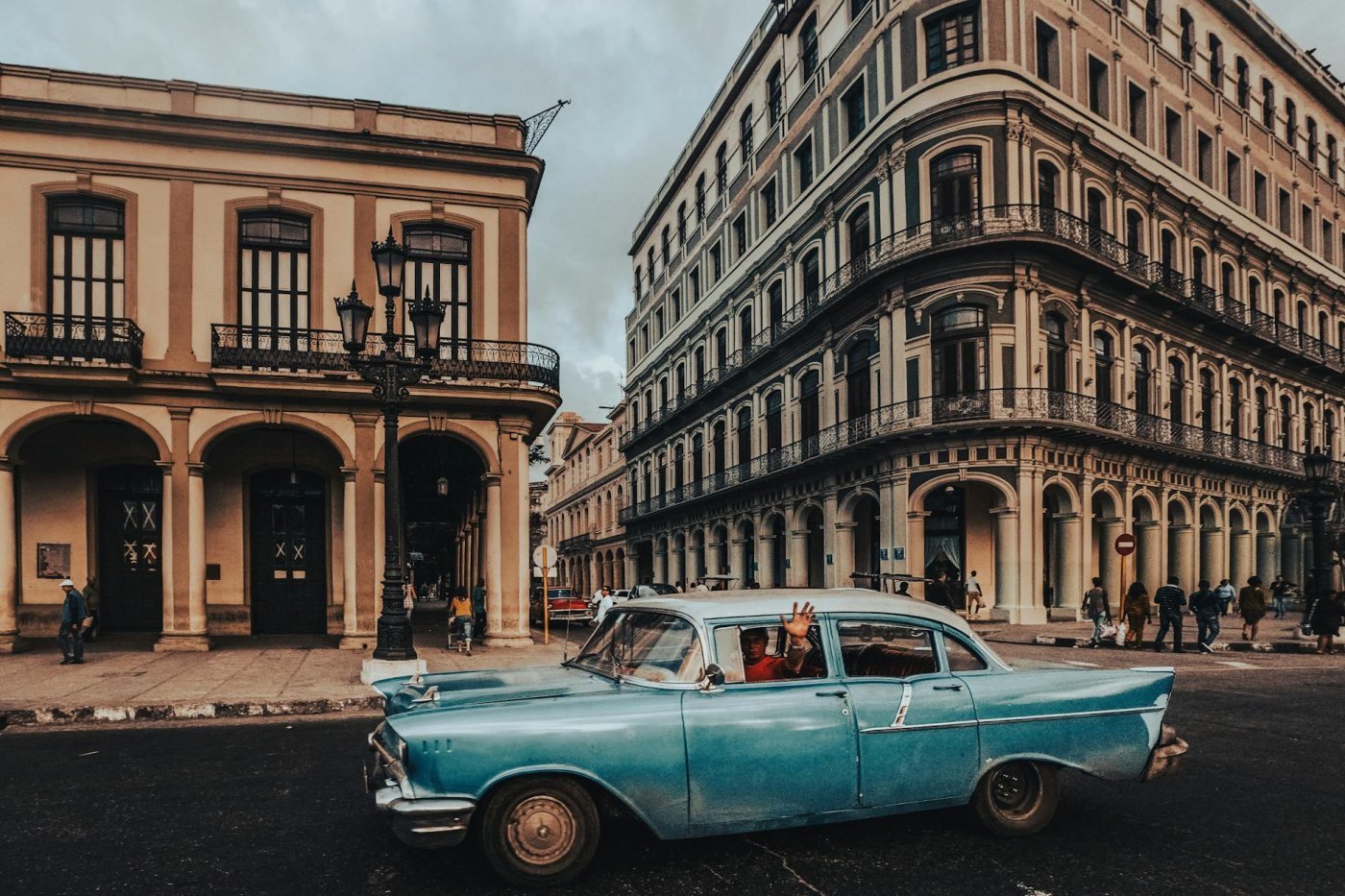
Trinidad unfurls like a sun-bleached painting that nobody thought to update for three centuries. Terracotta rooftops cascade down toward the Caribbean horizon, church bells echo across a Plaza Mayor framed by wrought-iron fences and flame-red bougainvillea, and every evening the scent of cigar smoke mingles with live salsa drifting up the stone staircase of the Casa de la Música. Horses still clop along streets where Spanish sugar barons once paraded, and the mountains of the Escambray loom darkly behind Trinidad as if protecting this UNESCO World Heritage city from the rushing pace of the outside world. Trinidad, Cuba is not a museum — it breathes, dances, and seduces every traveller who sets foot on its uneven cobblestones.
Compared to Havana's gritty metropolitan energy or Santiago de Cuba's Afro-Caribbean intensity, Trinidad offers something rarer: an intimate colonial town where you can actually live inside the history rather than observe it from behind a rope. Things to do in Trinidad Cuba span extraordinary breadth — from rum-soaked evenings on restaurant terraces to hiking Topes de Collantes cloud forest, to lazing on the powdery white sand of Playa Ancón just twelve kilometres south. Visiting Trinidad rewards slow travellers who linger in doorways, strike up conversations with families rocking on their porches, and let the rhythms of an 18th-century sugar town reorder their sense of time entirely.
✦ Find your perfect destination
Is Trinidad Cuba really your perfect match?
Answer 12 quick questions about your travel style, budget and dates — we match you with the destinations that fit you best, from 600+ worldwide.
Trinidad Cuba earns its place on every serious traveller's bucket list not through marketing but through sheer, unpolished authenticity. It is one of the best-preserved colonial cities in the entire Americas, a status the UNESCO designation only confirms. The combination of architectural grandeur, natural diversity — cloud forest, coral reef, and white-sand beach all within thirty minutes — and a genuine, music-saturated street culture is extraordinarily rare. Trinidad's small scale means you absorb all of this on foot over a few days, and the low cost of casa particular accommodation keeps the experience accessible without sacrificing warmth or character.
The case for going now: Cuba's government has steadily expanded private enterprise, meaning Trinidad's restaurant and accommodation scene in 2026 is more creative and better quality than at any previous point — while prices remain among the lowest of any UNESCO heritage destination globally. Visitor numbers have not yet recovered fully to pre-2020 peaks, so you'll find the Plaza Mayor far less crowded than in comparable colonial towns across Latin America. Go now, before the inevitable rebound fills every cobblestone alley.
🎶
Casa de la Música
Trinidad's open-air staircase venue turns every evening into an open-air salsa concert. Local bands perform nightly beneath the stars and the dancing starts before midnight.
🏖️
Playa Ancón
Twelve kilometres south of Trinidad lies one of Cuba's finest beaches — pale sand, translucent turquoise water, and decent snorkelling over a fringing reef rarely crowded outside peak season.
🌿
Topes de Collantes
The Escambray Mountains above Trinidad harbour a cloud-forest reserve with waterfall hikes, coffee plantation ruins, and endemic birds found nowhere else on the island.
🏛️
Plaza Mayor Stroll
Trinidad's central square is a textbook of colonial Cuban architecture — pastel mansions, the Iglesia Parroquial tower, and ceramic-tiled benches perfect for watching daily life unfold.
Trinidad Cuba's neighbourhoods — where to focus
Historic Core
Centro Histórico
The UNESCO-listed heart of Trinidad is a compact grid of cobblestone streets lined with ochre, turquoise, and rose-pink colonial mansions. Everything worth seeing — Plaza Mayor, the major museums, the best casas particulares — sits within easy walking distance in this atmospheric, car-free neighbourhood.
Local Life
El Cerro
Climb slightly uphill from the centro and you enter the working residential quarter where Cuban families live largely unaffected by tourism. Small bodegas, neighbourhood CDR murals, and spontaneous domino games in doorways give El Cerro an everyday authenticity that contrasts beautifully with the polished historic core below.
Beach Gateway
La Boca
This small fishing village at the mouth of the Guaurabo River sits midway between Trinidad and Playa Ancón. Rickety wooden fishing boats, sunset views over the Caribbean, and a handful of casual seafood paladares make La Boca a worthy afternoon detour for travellers craving coastal air without the beach resort crowd.
Valley Views
Valle de los Ingenios
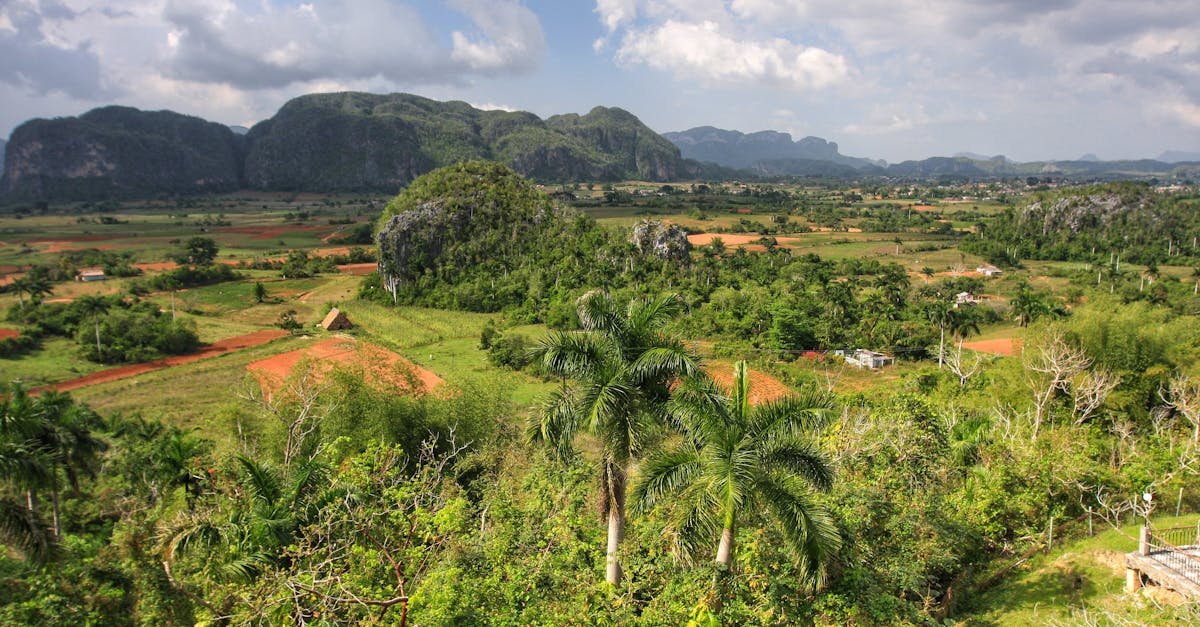
Spreading east of Trinidad into the Sancti Spíritus lowlands, this UNESCO-protected valley contains the remnants of dozens of 19th-century sugar mills. The iconic Manaca Iznaga tower rises 45 metres above the cane fields and rewards the short taxi ride from town with sweeping panoramic views across the entire valley.
Top things to do in Trinidad Cuba
1. #1 Explore the Historic Centre on Foot
The single most rewarding thing to do in Trinidad Cuba is simply walk its historic centre without a fixed itinerary. Begin at Plaza Mayor in the morning before the heat builds, studying the facades of the Palacio Brunet — now the Museo Romántico — and the distinctive yellow bell tower of the Iglesia Parroquial de la Santísima Trinidad. Duck into the Museo de Arquitectura Colonial housed in the Sánchez Iznaga mansion to understand how Trinidad's sugar wealth translated into architectural splendour. Wander south along Calle Simón Bolívar where painted doors frame rocking chairs occupied by elderly residents who will cheerfully wave you inside for a peso coffee. The cobblestones are uneven and the streets are steep in places, so wear sturdy footwear — but the effort of exploration is rewarded at every turn by detail, colour, and human connection that no guided tour can manufacture.
2. #2 Day Trip to Topes de Collantes
Topes de Collantes National Park occupies the higher reaches of the Escambray Mountains just thirty minutes by road from Trinidad and represents one of the most underrated natural experiences in all of Cuba. The Caburní Falls trail winds three kilometres through dense cloud forest draped in ferns, bromeliads, and towering pine trees before arriving at a 62-metre cascade tumbling into a cool natural pool perfect for swimming. Bird watchers will want to keep their eyes on the canopy for the Cuban trogon — the national bird — alongside tocororos and the melodic Cuban solitaire. Local guides based in Trinidad arrange the transport and trail permits easily, and combining the hike with a visit to a hilltop coffee farm adds context about the region's agricultural history that perfectly complements the sugar story unfolding in the valley below. Pack a light rain jacket regardless of season.
3. #3 Salsa Night at Casa de la Música
No Trinidad Cuba itinerary is complete without at least one evening at the Casa de la Música, the open-air staircase venue that cascades down from the church of San Francisco de Asís toward Calle Echerri. Live bands — typically a full salsa or son conjunto — set up on the wide stone steps from around 10 pm nightly, and the audience spreads across the terraced levels with rum cocktails in hand, dancing wherever space permits. The entry charge is minimal, usually a couple of convertible pesos, and local families mix freely with travellers in a way that feels organic rather than staged for tourism. For those who want to learn before they perform, several Trinidad dance schools offer two-hour salsa lessons in the afternoon that will have you moving with at least approximate confidence by nightfall. Arrive before midnight to secure a good vantage point on the lower steps.
4. #4 Valle de los Ingenios & Manaca Iznaga Tower
Stretching east of Trinidad across the flat plains of Sancti Spíritus province, the Valle de los Ingenios — Valley of the Sugar Mills — was once the engine of Cuba's colonial economy and the source of the extraordinary wealth that built Trinidad's mansions. Today the valley holds the ruins of more than seventy sugar mills, the most impressive of which is the Manaca Iznaga estate, where a 45-metre stone watchtower once served the dual purpose of surveying the cane harvest and keeping watch over enslaved workers. Climbing the tower's narrow spiral staircase delivers panoramic views across the entire valley and gives a visceral sense of the industrial scale of 19th-century sugar production. The estate hacienda itself has been partially restored as a visitor centre with displays on the slave trade and sugar economy, and the adjacent paladar serves strong sugarcane juice under a sprawling tree. The round trip from Trinidad by vintage taxi or the tourist steam train takes a half day and is among the most historically significant things to do in the Sancti Spíritus region.
What to eat in Sancti Spíritus Province — the essential list
Ropa Vieja
Cuba's signature shredded beef dish, braised low and slow with tomatoes, peppers, onions, and cumin. Trinidad paladares serve generous portions alongside black beans and rice — a deeply satisfying and inexpensive meal.
Congrí
The Sancti Spíritus version of rice and black beans cooked together in one pot, absorbing the flavours of smoked pork fat and bay leaf. Simpler than Havana's moros y cristianos but arguably more flavourful and a staple of every Trinidad table.
Cerdo Asado
Slow-roasted pork, marinated in citrus mojo and cooked over charcoal, appears on virtually every Trinidad paladar menu. The crispy skin and citrus-fragrant meat pair brilliantly with tostones — twice-fried plantain rounds.
Lobster Paladar-Style
Playa Ancón's proximity means fresh spiny lobster is a Trinidad speciality, grilled with garlic butter and served at private paladares for a fraction of European prices. Order it in advance — the best places sell out fast.
Canchánchara
Trinidad's own cocktail: raw guarapo cane juice, aguardiente spirit, lime, and honey served over ice in a terracotta cup. The Casa Canchánchara on Calle Rubén Martínez Villena is the legendary birthplace of this refreshing pre-revolution drink.
Bocadito de Jamón
Street food Trinidad-style: a soft bread roll stuffed with processed ham and mayonnaise, sold from front-door windows for a few pesos. Simple, cheap, and oddly addictive as a mid-morning snack between museum visits.
Where to eat in Trinidad Cuba — our top 4 picks
Fine Dining
Restaurante Trinidad Colonial
📍 Calle Maceo 402, Centro Histórico, Trinidad
Housed in a meticulously restored colonial mansion with vaulted ceilings and courtyard fountain, Trinidad Colonial is the town's most elegant dining experience. The menu leans on Cuban classics executed with care — the garlic lobster and braised lamb are exceptional, and the wine list is the most considered in Trinidad.
Fancy & Photogenic
Paladar Guitarra Mía
📍 Calle José Martí 366, Trinidad
Rooftop terrace draped in fairy lights and vintage guitars, with sweeping views over Trinidad's terracotta roofline to the Escambray Mountains. The kitchen produces solid Cuban-Creole food — try the grilled fish and the house canchánchara. The atmosphere at sunset is genuinely spectacular and bookings are recommended.
Good & Authentic
Paladar Estela
📍 Calle Simón Bolívar 557, Trinidad
One of Trinidad's most-loved paladares, run by the same family for decades in a colourful colonial home with rocking chairs on the porch. Portions are enormous and the ropa vieja and cerdo asado are benchmark versions. Prices are extremely fair and the welcome is warm without feeling performative.
The Unexpected
El Zaguán
📍 Calle Ciro Redondo, near Plaza Santa Ana, Trinidad
A converted colonial gate house turned wood-fired grill paladar near the rarely-visited Plaza Santa Ana. El Zaguán specialises in charcoal-grilled meats served with locally grown vegetables — unusual for Cuba. The open kitchen and rough-stone walls give it a bohemian edge that stands apart from the town's polished options.
Trinidad Cuba's Café Culture — top 3 cafés
The Institution
Casa Canchánchara
📍 Calle Rubén Martínez Villena 134, Trinidad
The legendary birthplace of Trinidad's iconic cocktail serves cancháncharas in traditional terracotta cups alongside café cubano in a colonial courtyard humming with live trova music. Open all day and perpetually busy, it remains the single most characterful place in Trinidad for a midmorning or afternoon drink.
The Aesthetic Hub
Café Don Pepe
📍 Calle Real del Jigüe 69, Trinidad
A narrow, plant-filled café with mismatched vintage furniture and walls plastered in old Cuban film posters. The espresso is strong, the fruit batidos are made with genuinely fresh guava and mango, and the slow WiFi makes it a favourite work spot for longer-stay travellers wanting a quieter corner to plan their Trinidad itinerary.
The Local Hangout
Bar El Manantial
📍 Calle Simón Bolívar, near Parque Céspedes, Trinidad
A no-frills peso bar where neighbourhood locals, musicians, and the occasional curious traveller share bench tables over cheap Cuban beer and dominoes. Nothing is designed for Instagram here — it's simply a genuine slice of daily Trinidad life, and all the better for it. The house rum is the cheapest you'll find in town.
Best time to visit Trinidad Cuba
Jan
Feb
Mar
Apr
May
Jun
Jul
Aug
Sep
Oct
Nov
Dec
Peak season (Jan–Apr & Dec) — dry, warm, and clear; ideal for sightseeing and beach daysShoulder season (Oct–Nov) — hurricane risk fading, fewer tourists, pleasant temperaturesRainy/Hurricane season (May–Sep) — heavy afternoon showers and humidity; lowest prices but reduced outdoor comfort
Trinidad Cuba events & festivals 2026
Whether you're planning around a specific celebration or simply want to know what's happening, this guide covers the best events and festivals in Trinidad Cuba — from major annual traditions to cultural highlights worth timing your trip around.
January 2026culture
Fiestas en Honor a la Virgen de la Candelaria
One of the Processions weave through cobblestone streets, neighbourhood altars are decorated, and live music fills the evenings around Plaza Mayor with a genuinely local devotional atmosphere.
February 2026music
Festival de Música Trova Tradicional
Trinidad's love affair with traditional Cuban trova music crystallises each February in this beloved festival drawing musicians from across Sancti Spíritus province. Intimate performances in courtyards, the Casa Canchánchara, and the Casa de la Música showcase son, bolero, and guajira forms in their most authentic regional expression.
March 2026culture
Semana de la Cultura Trinitaria
The annual week-long celebration of Trinidad's cultural heritage fills the historic centre with open-air theatre, artisan craft exhibitions, and neighbourhood cooking competitions. Local schools parade traditional costumes through the cobblestone streets, making this one of the most rewarding times to be visiting Trinidad Cuba for a cultural immersion.
April 2026religious
Semana Santa Processions
Holy Week in Trinidad is deeply observed, with solemn candlelit processions departing from the Iglesia Parroquial de la Santísima Trinidad each evening. The mood combines Catholic solemnity with Cuban spontaneity — drumming and singing erupt after the formal procession ends and carry into the warm April nights.
June 2026music
Festival de Rap y Cultura Urbana
A younger, louder counterpart to Trinidad's traditional music scene, this summer rap and urban culture festival draws performers and audiences from Havana and Santiago de Cuba. Open-air stages are set up near Plaza Santa Ana and the energy contrasts sharply with the town's colonial serenity in the best possible way.
July 2026culture
Carnaval de Trinidad
Trinidad's annual summer carnival brings street floats, comparsas dance troupes in elaborate costumes, and brass bands crashing through the narrow cobblestone lanes. The celebration runs across several weekend evenings in July and is the most exuberant event of the summer calendar despite the intense heat.
September 2026culture
Festival Internacional de Danza
International and Cuban dance companies perform contemporary and traditional choreography in Trinidad's historic buildings and open plazas during this well-regarded September festival. Ballet, folkloric Afro-Cuban rumba, and contemporary dance share the programme in venues as atmospheric as the Palacio Brunet courtyard.
October 2026market
Feria Artesanal de Otoño
As the rainy season withdraws, Trinidad's artisan market expands into an autumn fair with craft producers from across Sancti Spíritus province setting up stalls around Plaza Mayor. Handmade bobbin lace, carved guayacán wood sculptures, and hand-rolled cigars make for outstanding and authentic Trinidad souvenirs to bring home.
November 2026culture
Jornada Cucalambeana
A celebration of décima — the traditional ten-line Cuban verse form — bringing poets and payadores from across the island for competitive improvised verse performances. The event takes place in Casa de la Cultura and local paladares around the historic centre, offering a uniquely literary window into Cuban rural cultural identity.
December 2026religious
Noche Buena & Parrandas
Christmas Eve in Trinidad is marked by neighbourhood parrandas — competitive street festivals involving fireworks, illuminated floats, and musical rivalries between barrios. The combination of Cuban tradition and the festive season makes late December one of the most electrifying times of year to be in Trinidad Cuba, and a perfect Trinidad itinerary end-point.
Casa particular room, peso street food, local buses, and free salsa nights cover a full Trinidad day cheaply.
€€ Mid-range
€35–55/day
Private en-suite casa room, paladar dinners with lobster, taxis to Playa Ancón, and guided day trips included.
€€€ Luxury
€55+/day
Best colonial casa boutiques, private driver all day, fine-dining paladares, scuba diving, and guided Topes hikes.
Getting to and around Trinidad Cuba (Transport Tips)
By air: The nearest airport to Trinidad Cuba is Abel Santamaría International Airport in Santa Clara (SNU), approximately 85 kilometres north. Havana's José Martí International Airport (HAV) is roughly 320 kilometres west and offers far more international connections from Europe via Air France, Iberia, and Air Europa. Most European travellers fly into Havana and travel onward to Trinidad overland.
From the airport: From Santa Clara airport, shared taxis — known as colectivos — cover the 85-kilometre journey to Trinidad in around 90 minutes for approximately €15–20 per person. Private taxis cost more but offer door-to-door comfort. From Havana, the classic Viazul tourist bus runs daily to Trinidad in roughly six hours, passing through beautiful sugarcane countryside. Private taxi transfers from Havana cost around €60–80 depending on negotiation.
Getting around the city: Trinidad's historic centre is entirely walkable and is best explored on foot — the compact cobblestone grid means almost every attraction sits within a fifteen-minute walk of Plaza Mayor. For Playa Ancón and Valle de los Ingenios, negotiate fixed-price rides with Trinidad's fleet of classic 1950s American taxi cars or modern yellow cabs clustered near the main square. Bicycle and scooter rentals are increasingly available through casas particulares and offer an excellent way to reach La Boca at your own pace.
Transport Safety & Scam Prevention:
Agree Taxi Prices Before You Get In: Trinidad taxis — whether vintage Chevrolets or modern cabs — operate on negotiated fares rather than meters. Always agree the price firmly before departure; the standard rate to Playa Ancón is approximately €5–8 each way from the centre.
Carry Small Denomination CUP Notes: Cuban peso (CUP) is essential for street food, local bars, and peso transport. Larger bills are frequently met with genuine inability to provide change at small vendors, so break bills at state-run shops before heading to local paladares or the market.
Exchange Currency at Official Cadecas Only: Avoid informal money changers offering suspiciously favourable rates on the street near Plaza Mayor. Cuba's official Cadeca exchange bureaus are the only reliable and legally sanctioned way to exchange euros or US dollars into Cuban pesos in Trinidad.
Do I need a visa for Trinidad Cuba?
Visa requirements for Trinidad Cuba depend on your nationality. Select your passport below for an instant answer — based on the Passport Index dataset for entry into Cuba.
ℹ️ Indicative only. Always verify with the official consulate before booking. Data: Passport Index, April 2026.
For detailed requirements, documentation checklists and processing times by nationality: TravelDoc →
Search & Book your trip to Trinidad Cuba
Find the best flight routes and hotel combinations using our partner Kiwi.com.
Frequently Asked Questions
Is Trinidad Cuba safe for tourists?
Trinidad Cuba is widely considered one of the safest destinations in the Caribbean for travellers. Violent crime targeting tourists is extremely rare, and the small, close-knit community means strangers are noticed. Petty theft — pickpocketing in crowded festival settings or opportunistic bag snatching — does occur occasionally, so standard precautions apply: keep valuables in your casa particular's safe, avoid displaying expensive camera equipment conspicuously, and be aware of your surroundings during busy evening events. Solo female travellers generally report feeling comfortable walking Trinidad's streets during the day and early evening.
Can I drink the tap water in Trinidad Cuba?
Tap water in Trinidad Cuba is not reliably safe to drink for travellers unaccustomed to local bacteria and mineral content, and most casas particulares will advise you to use bottled water for drinking and teeth-brushing. Bottled water is inexpensive and widely available at peso shops and paladares throughout the historic centre. Ice in drinks at established paladares is generally made from purified water, but exercise caution with ice at very informal street stalls. Staying hydrated is important, especially during the hot months between May and September.
What is the best time to visit Trinidad Cuba?
The best time to visit Trinidad Cuba is between January and April, when the dry season delivers warm temperatures around 26–28°C, low humidity, clear skies, and ideal conditions for both sightseeing and beach days at Playa Ancón. December is also excellent and coincides with the festive parrandas street celebrations. The hurricane season runs from June through November, with September and October carrying the highest risk of tropical storms. Shoulder months of October and November see far fewer tourists and significantly lower accommodation prices, making them attractive for budget-conscious travellers willing to accept occasional afternoon showers.
How many days do you need in Trinidad Cuba?
Three days is the practical minimum to experience Trinidad Cuba properly — one day for the historic centre and evening salsa, one day for Topes de Collantes or Valle de los Ingenios, and one day at Playa Ancón. However, five days allows you to absorb Trinidad at the slow, rocking-chair pace the town genuinely deserves: lingering in doorways, taking a salsa lesson, doing a proper guided hike in the Escambray Mountains, and making a day trip to Cienfuegos. Travellers who stay a week find they have covered everything at leisure and still feel reluctant to leave. Ten days works beautifully for those combining Trinidad with Havana and a beach stay at Varadero or Cayo Santa María.
Trinidad Cuba vs Havana — which should you choose?
Trinidad Cuba and Havana serve completely different travel moods. Havana is a sprawling, chaotic, creatively explosive capital where Malecón sunsets, Vedado jazz clubs, and the Capitolio's grandeur reward urban exploration over several days. Trinidad is intimate, slow, and astonishingly well-preserved — a colonial town where you can genuinely inhabit history rather than observe it from a tour bus. For first-time Cuba visitors, Havana is arguably essential context; but Trinidad is where most travellers actually fall in love with Cuba. The ideal Trinidad Cuba itinerary combines three to four nights in Havana with three to five nights in Trinidad, using the central location to also reach Cienfuegos and Playa Ancón. If forced to choose just one, heritage-focused travellers and those seeking authentic, unhurried culture should prioritise Trinidad.
Do people speak English in Trinidad Cuba?
English proficiency in Trinidad Cuba is limited compared to popular Caribbean tourist destinations. Most casa particular hosts in the historic centre speak enough English to manage practical communication — check-in, directions, restaurant recommendations — and younger Cubans with tourism-sector experience are increasingly conversational. However, at local peso bars, street food stalls, and in residential neighbourhoods like El Cerro, Spanish is essentially the only language. Learning ten to fifteen basic Spanish phrases before your Trinidad trip will dramatically improve every interaction and is received with genuine warmth by locals. A translation app with offline Cuban Spanish capability is a practical backup worth downloading before you arrive.
★ Hidden Gems Weekly
Like this? One place per week, in your inbox.
No spam, no fluff — just one underrated destination, every Tuesday.
Hand-picked and verified by Max, who founded Vacanexus from Luxembourg in 2026. No sponsorships, no paid placements. Every recommendation — restaurants, neighbourhoods, things to do — is selected for authenticity over popularity.