Vinales Travel Guide — Mogote valleys, hand-rolled cigars and rural Cuba preserved
⏱ 11 min read📅 Updated 2026💶 € Budget✈️ Best: Jan–Apr
€25–45/day
Daily budget
Jan–Apr
Best time
3–5 days
Ideal stay
CUP / USD
Currency
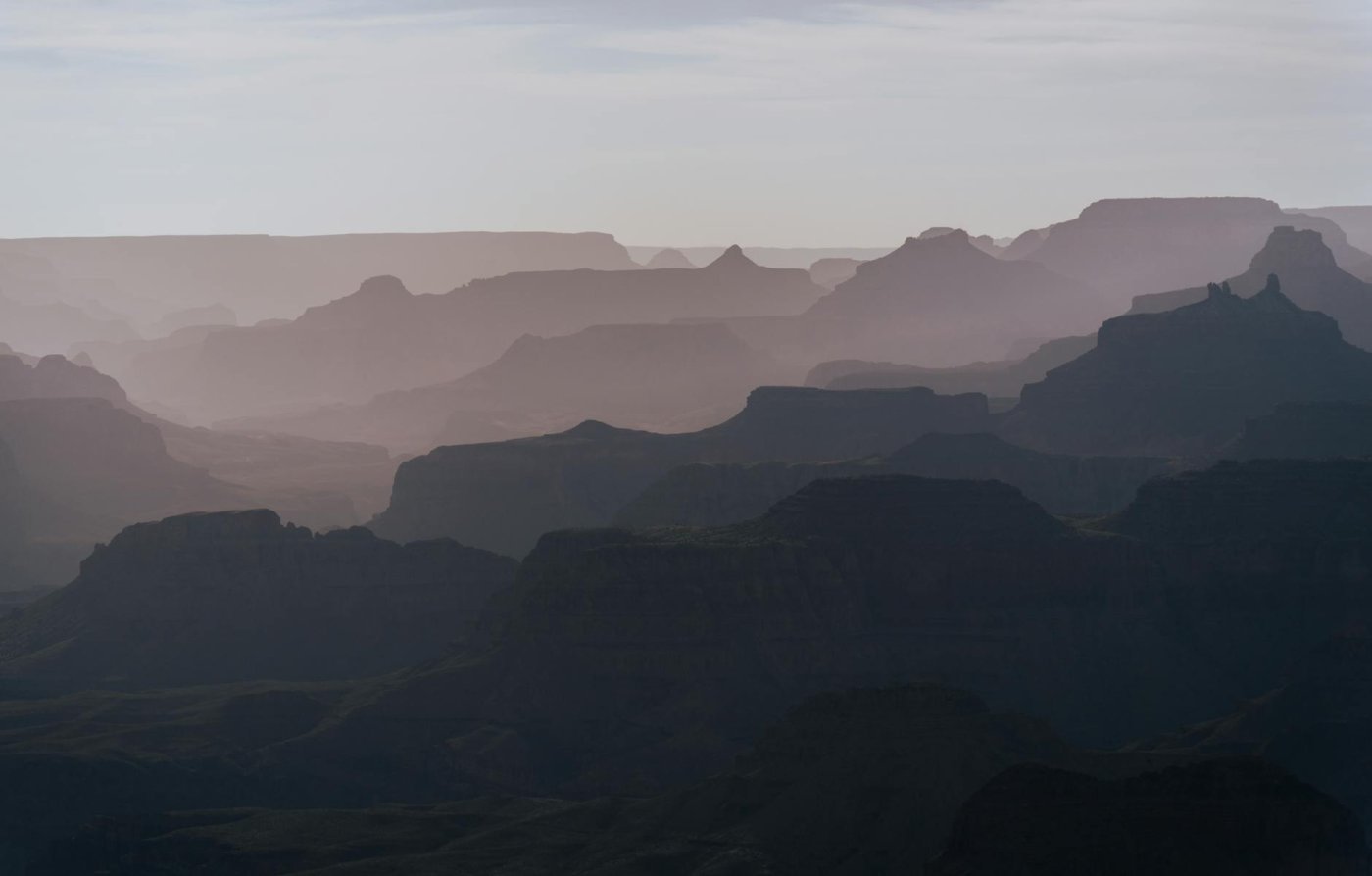
Dawn breaks slowly over Viñales, and the valley floor materialises from the mist like a stage being unveiled — vast limestone mogotes rising sharply from flat tobacco fields, their silhouettes as dramatic as anything in the Caribbean. Roosters sound across red-dirt paths, and somewhere nearby, an ox is already being guided between rows of broad, waxy tobacco leaves. Viñales is the kind of place where the air smells of damp earth and wood smoke, where the pace of life is genuinely unhurried, and where the landscape around you feels entirely unlike anything else on the island. Cuba's most celebrated valley rewards slow travellers.
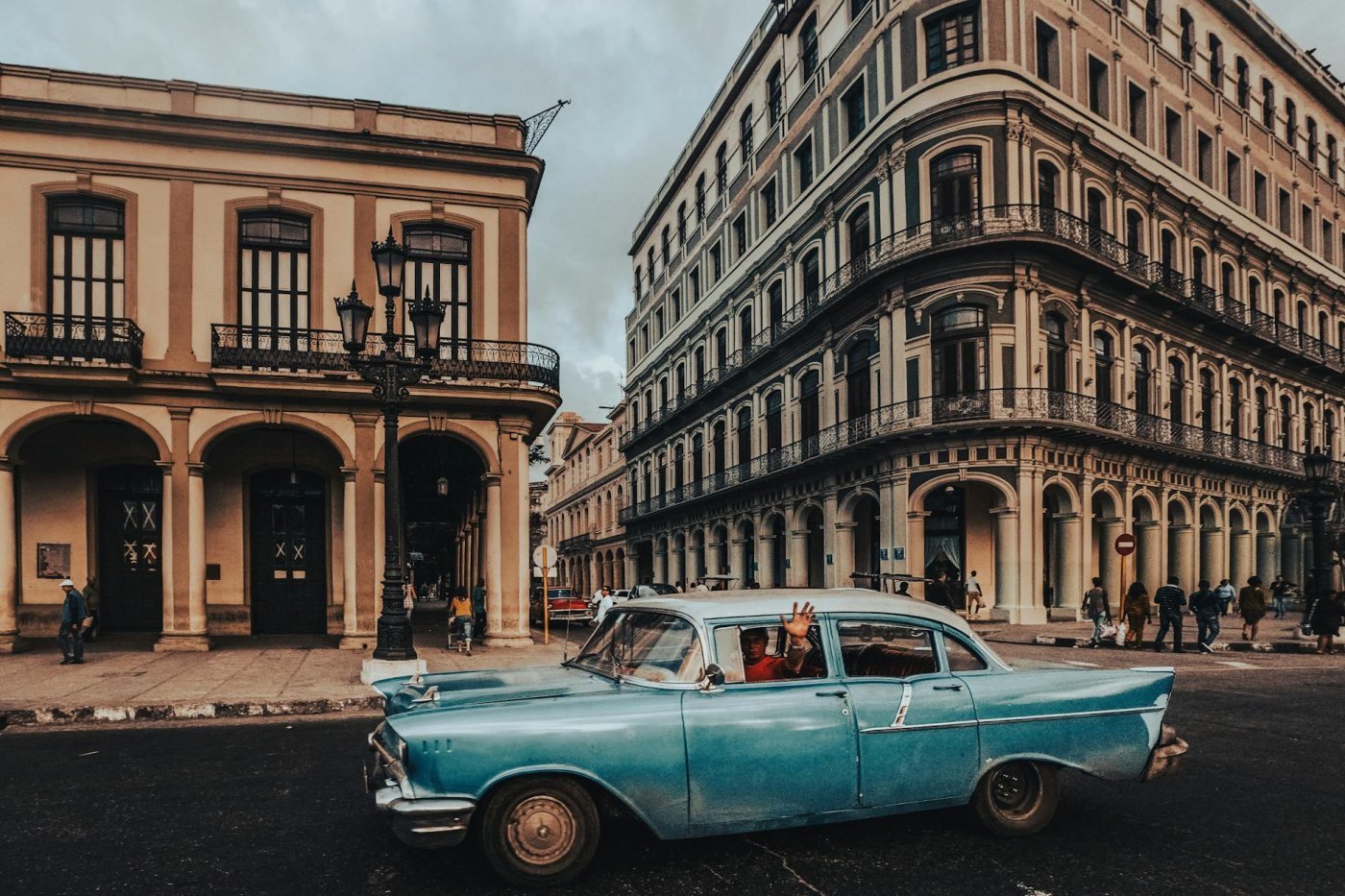
Compared to Havana's noisy grandeur or Trinidad's colonial streetscapes, visiting Viñales feels like stepping into a living agricultural museum where little has changed in a century. Things to do in Viñales include hiking between mogotes, watching master vegueros hand-roll cigars on farmhouse porches, cantering on horseback through valley trails, and swimming in cave pools lit by shafts of natural light. The town itself — a single grid of pastel wooden houses — is small enough to walk in twenty minutes, but the surrounding countryside opens into days of exploration. Viñales belongs on any serious Cuba itinerary for travellers who crave authenticity over resort comfort.
✦ Find your perfect destination
Is Viñales really your perfect match?
Answer 12 quick questions about your travel style, budget and dates — we match you with the destinations that fit you best, from 600+ worldwide.
Viñales sits inside a UNESCO World Cultural Landscape — one of only a handful of places on earth recognised for both its natural scenery and its living agricultural traditions. The mogote karst formations that tower above the valley are older than the dinosaurs, and the tobacco grown in their shadow is arguably the finest leaf on the planet, destined for the world's most coveted cigars. Viñales offers a window into rural Cuba that package tourism has not yet repackaged — ox-drawn ploughs still turn the red soil, casa particular hosts cook meals on coal stoves, and the guajiro farmers who shape this landscape are genuinely happy to share it.
The case for going now: Cuba's tourism infrastructure is evolving rapidly, but Viñales remains refreshingly uncommercialized compared to a decade ago — precisely because travellers who discover it now will find fewer crowds, lower prices, and a community still shaped by agriculture rather than tourism. The Cuban government has invested in valley trail access and cave preservation, making the Viñales experience richer without disrupting its core character. Visit before the word fully spreads.
🌿
Tobacco Farm Tours
Walk red-earth fields with a veguero farmer, learn how Cuban tobacco is cultivated and fermented, and watch a master hand-roll a cigar on his porch. The sensory experience is unforgettable.
🏔️
Mogote Hiking
Trek through the valley floor and climb limestone mogote trails for panoramic views over a patchwork of tobacco farms and royal palms. The hike to Dos Hermanas ridge is the classic route.
🐎
Horseback Valley Rides
Arrange a guided horseback ride through the valley with a local casa host. Trails wind past working farms, hidden cave mouths, and river crossings that no hire car could ever reach.
🕯️
Cave Exploration
The Cueva del Indio and Cueva de Santo Tomás offer cool, cathedral-like chambers, subterranean rivers, and ancient Taíno pictographs — an extraordinary counterpoint to the sun-drenched valley above.
Vinales's neighbourhoods — where to focus
The Heart of Town
Viñales Village Centre
The single main street — Salvador Cisneros — is lined with low pastel-painted wooden houses, their wide porches set with rocking chairs. Here you'll find the main plaza, the Casa de la Cultura, and the best paladares clustered within easy walking distance of every casa particular in town.
Valley Floor
Valle de Viñales
The valley itself is less a neighbourhood than an open-air world — tobacco farms, royal palms, and red-dirt tracks threading between mogotes. Most farm experiences, horseback rides, and cave entrances originate here, accessed on foot, bicycle, or horseback from the village edge.
Artistic Quarter
Mural de la Prehistoria Zone
The hillside bearing Leovigildo González Morillo's enormous painted mural divides opinion aesthetically, but the surrounding area — a cluster of local restaurants and a natural swimming hole at its base — has developed its own relaxed scene worth an afternoon visit.
Lookout & Viewpoint
Los Jazmines Mirador
Perched on the valley's northern rim, Los Jazmines is home to Viñales' most photographed viewpoint — a wide terrace overlooking the entire karst landscape. The classic sunrise visit draws early risers from every casa in the valley, and rightly so: the panorama at dawn is breathtaking.
Top things to do in Vinales
1. Walk a Working Tobacco Farm
No visit to Viñales is complete without spending time on a vega — a working tobacco smallholding. Local farmers, known as vegueros, are remarkably open to visitors walking their fields, and most casa particulares can arrange an introductory tour. You'll see the full cycle up close: seed beds shaded under cheesecloth, mature plants heavy with broad leaves, and drying houses where harvested tobacco hangs in darkened air. The experience culminates on the farmhouse porch, where the farmer or a family member demonstrates the hand-rolling technique that produces Cuba's legendary cigars. Buying directly from the farm — rather than state shops — supports the family directly, and the quality is often superior. Allow two to three hours, bring CUP cash, and prepare for a strong complimentary smoke.
2. Hike the Valley Trails at Dawn
The Viñales valley itinerary rewards early risers above all else. By 6am, mist still pools between the mogotes, and the valley floor glows in shades of amber and terracotta that no photograph fully captures. The most accessible hiking route begins at the village edge and follows a red-earth path south toward the Dos Hermanas mogotes, passing orchid-hung limestone faces and cattle grazing between royal palms. A local guide is not mandatory but genuinely enriches the experience — knowledgeable guides explain the geology, identify medicinal plants used by guajiro farmers, and navigate the unmarked forks that lead to hidden viewpoints. The full loop takes around three hours at a comfortable pace, and the physical effort is modest enough for most fitness levels. Bring water, wear sun protection, and start before 8am in the dry season months.
3. Explore the Cueva del Indio by Boat
Located a short bicycle ride or taxi journey north of Viñales town, the Cueva del Indio is the valley's most impressive cave system and one of the most compelling things to do in Viñales for travellers with even a passing interest in geology. The tour begins on foot through a cathedral-like entrance chamber decorated with stalactites and ancient Taíno rock paintings, before descending to a subterranean river where flat-bottomed boats carry visitors through flooded tunnels into the mountain's interior. The temperature drops dramatically inside — a genuine relief in the Cuban dry season — and the acoustics of the cave amplify every drip of water into something almost musical. The entire experience takes about forty-five minutes and the entrance fee is modest. Arrive early to avoid coach groups that appear mid-morning.
4. Cycle the Valley on a Rented Bike
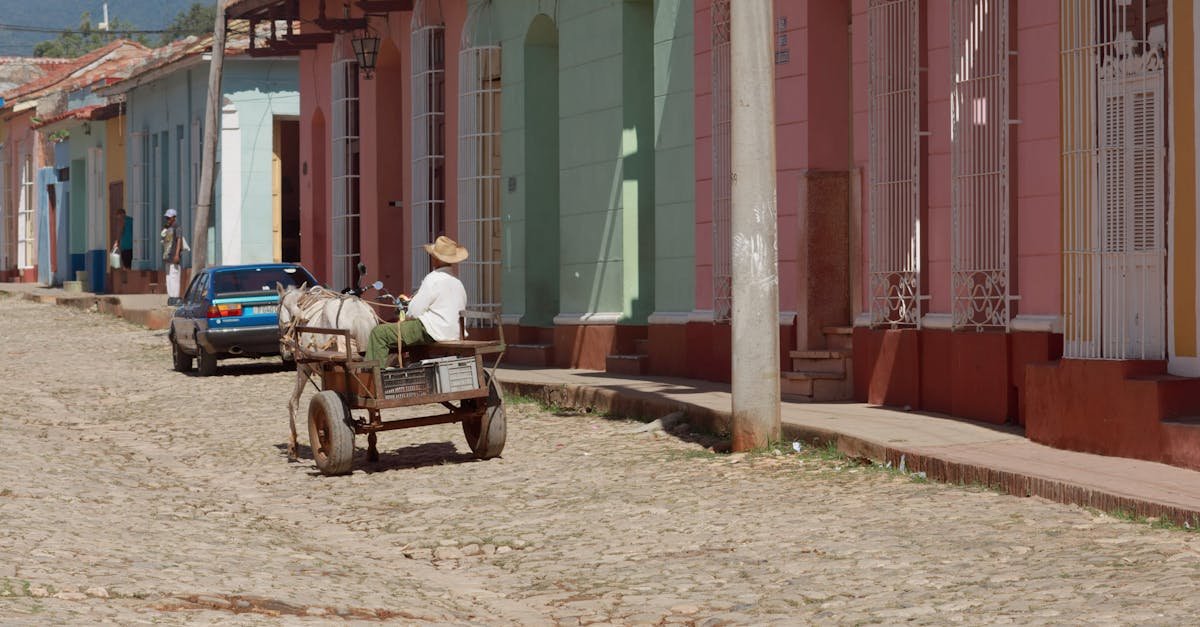
Renting a bicycle — available through virtually every casa particular in Viñales for around two to three USD per day — remains the single best way to explore the valley independently. The main valley road is flat and largely traffic-free except for the occasional tractor or horse-drawn cart, and a half-day loop can take in the Mural de la Prehistoria, a tobacco farm visit, the natural swimming pool at Cueva del Indio, and a lunch stop at one of the small roadside paladares that set plastic tables beneath their palm-thatch porches. Cycling in Viñales puts you at the pace of local life — slow enough to stop when a farmer waves you over, fast enough to cover real ground before the midday heat sets in. The quieter back roads east of the main valley offer even more solitude and some of the best mogote views in the entire region.
What to eat in Pinar del Río province — the essential list
Congri (Moros y Cristianos)
The Cuban staple of black beans and white rice cooked together with lard and cumin until unified and deeply savoury. In Viñales, home-cooked congri served from a cast-iron pot is a daily ritual, richer and more satisfying than any restaurant version.
Ropa Vieja
Slow-braised shredded beef cooked with tomatoes, peppers, garlic, and olives until the fibres pull apart into a silky stew. Casa particular hosts in Viñales produce deeply flavourful versions using locally raised cattle, served with fried plantain and rice.
Tostones
Twice-fried green plantain discs — pressed flat between frying, salted, and fried again until golden and crisp outside, starchy within. The ideal side dish and street snack in Viñales, served with garlic mojo dipping sauce at almost every table.
Cerdo Asado
Whole roast pork marinated in naranja agria (sour orange), garlic, and cumin, then slow-roasted until the skin crackles and the flesh falls apart. This is the celebratory centrepiece of any Cuban countryside meal, widely available at valley paladares.
Tamales Cubanos
Corn dough stuffed with seasoned pork, wrapped in corn husks and steamed. The Cuban version is moister and less spiced than its Mexican cousins, and in Pinar del Río province they are made with fresh valley corn — notably sweeter and more flavourful.
Guarapo de Caña
Fresh-pressed sugar cane juice, extracted through a hand-cranked press and served ice-cold with a squeeze of lime. Roadside guarapo vendors are a fixture of the Viñales valley road, and the drink provides instant relief from the tropical midday heat.
Where to eat in Vinales — our top 4 picks
Fine Dining
El Olivo
📍 Salvador Cisneros 89, Viñales, Pinar del Río
El Olivo is widely considered the finest paladar on the Viñales main street, with a sophisticated menu that elevates Cuban staples using local pork, fresh valley vegetables, and imported olive oil. The rooftop terrace overlooks the street life below. Reserve in advance during high season.
Fancy & Photogenic
Balcón del Valle
📍 Carretera a Mural de la Prehistoria km 1.5, Viñales
Perched on a hillside above the valley floor with sweeping mogote views from every table, Balcón del Valle is the most atmospheric setting in Viñales. The menu focuses on grilled meats and criolla staples. Come at sunset for the light. The view is the main event, and it delivers completely.
Good & Authentic
Casa de Don Tomás
📍 Salvador Cisneros 140, Viñales, Pinar del Río
Housed in one of the oldest buildings in Viñales — a colonial wooden structure dating to 1879 — Casa de Don Tomás serves traditional criolla cooking with the kind of lived-in character that modern paladares can't manufacture. The congri and pork are honest and generous. Local families eat here on special occasions.
The Unexpected
La Moka Restaurant
📍 Hotel La Moka, Las Jazmines Road, Viñales
Set within an eco-hotel on the valley's wooded edge, La Moka's open-air dining room is surrounded by hummingbird feeders and tropical garden. The menu is simple but carefully sourced, drawing from organic gardens on the hotel grounds. A genuinely tranquil lunch spot away from the main street bustle.
Vinales's Café Culture — top 3 cafés
The Institution
Cafetería El Jardín
📍 Salvador Cisneros, Viñales Village Centre
The social hub of the Viñales main street, El Jardín opens before sunrise for early risers heading to the valley trails. Strong Cuban espresso — served in tiny cups with an alarming quantity of sugar — costs pennies in CUP. The porch tables fill with locals and casa owners long before tourists appear.
The Aesthetic Hub
Art Gallery Café (Casa de la Cultura)
📍 Salvador Cisneros at Parque Martí, Viñales
Attached to the town's cultural centre, this small café and exhibition space displays rotating work by local artists and hosts occasional live music evenings. The coffee is decent, the conversation is better, and the walls change with each visit. A favourite afternoon stop for culturally curious travellers.
The Local Hangout
Polo Montañez Bar & Snack
📍 Near the main plaza, Salvador Cisneros, Viñales
Named after the beloved Cuban trova singer born in this valley, this casual bar-snack counter pours rum cocktails and fresh juice alongside sandwiches and cheese croquettes from early afternoon. The sound system reliably plays son cubano and boleros, and the regulars rarely leave before dark.
Best time to visit Vinales
Jan
Feb
Mar
Apr
May
Jun
Jul
Aug
Sep
Oct
Nov
Dec
Peak Season (Jan–Apr & Dec) — dry skies, cooler temperatures, ideal valley hiking and tobacco harvest in full swingShoulder Season (Oct–Nov) — hurricane season ending, fresh green landscape, fewer crowds, some rain riskWet Season (May–Sep) — tropical rains, high humidity, lush valley but muddy trails and occasional cyclone risk
Vinales events & festivals 2026
Whether you're planning around a specific celebration or simply want to know what's happening, this guide covers the best events and festivals in Vinales — from major annual traditions to cultural highlights worth timing your trip around.
January 2026culture
Festival del Habano (Havana/Viñales Satellite)
Cuba's internationally celebrated tobacco and cigar festival draws connoisseurs worldwide to Havana each January, with satellite farm visits to Viñales vegas allowing guests to witness the harvest at peak season. Among the
February 2026culture
Carnaval de Pinar del Río
The provincial capital's annual carnaval fills the streets of Pinar del Río with comparsas, conga drumming, and colourful costumes for several days in February. Day-tripping from Viñales is easy — shared taxis run regularly — making this a vivid cultural addition to any Viñales itinerary.
March 2026music
Fiesta de la Cubania (Viñales Cultural Week)
Viñales hosts its annual week of cultural programming celebrating rural guajiro traditions — trova performances in the plaza, horseback parades through the valley, and farm open-days showcasing traditional ox-plough cultivation. The music and dance events at Casa de la Cultura are a highlight of the March calendar.
April 2026culture
Semana de la Cultura Pinareña
Pinar del Río province's cultural week features art exhibitions, poetry readings, film screenings, and artisan markets across the region. Viñales participates with outdoor concerts and craft displays on the main plaza, making late April one of the liveliest periods for visiting Viñales.
June 2026music
Noche de los Soneros (Monthly)
Held monthly at Viñales's Casa de la Cultura, this recurring live son cubano night gathers local musicians for a late-evening performance of classic trova and bolero. The events are informal, admission is free or token charge, and they draw as many locals as visitors.
July 2026culture
Día de la Rebeldía Nacional
Cuba's national holiday on 26 July is marked with outdoor concerts, political speeches, and communal meals across the country. In Viñales, the plaza fills with families and the Casa de la Cultura hosts an evening of traditional music — a fascinating window into Cuban civic life for curious travellers.
October 2026culture
Festival de la Montaña (Pinar del Río)
An annual festival celebrating the Sierra de los Órganos mountain communities, held in October across Pinar del Río province. Events include guided ecological hikes, birdwatching mornings, and rural craft fairs in the villages surrounding Viñales — coinciding with the return of more comfortable hiking weather.
November 2026market
Feria Agropecuaria de Viñales
The valley's agricultural market fair brings together local veguero farmers, orchid growers, honey producers, and artisans from across the region. Stalls line the edges of Parque Martí, and the fair is one of the most authentic local events for travellers seeking genuine interaction with valley communities.
December 2026religious
Nochebuena Celebrations
Christmas Eve in Cuba revolves around the Nochebuena family feast rather than religious services. Casa particular hosts in Viñales prepare elaborately celebrated meals — roast pork, congri, and rum — and often welcome guests to join the table. Travelling in Viñales over Christmas offers an unusually warm and intimate experience.
December 2026culture
Año Nuevo Valley Festivities
New Year's Eve in Viñales is celebrated communally in the plaza with music, fireworks visible against the dark mogote silhouettes, and rum. The event draws travellers from across the island who have specifically built the Viñales New Year into their Cuba itinerary for its intimate, genuinely Cuban atmosphere.
Casa particular room, meals at paladares and street stalls, bike rentals and self-guided valley walks using CUP cash.
€€ Mid-range
€35–60/day
Comfortable casa with private bathroom, guided hikes, horseback tours, and dinners at the better valley paladares.
€€€ Luxury
€60+/day
Boutique hotel or premium casa, private driver, guided cave and mogote experiences, fine paladar dining every evening.
Getting to and around Vinales (Transport Tips)
By air: The nearest major international airport to Viñales is José Martí International Airport (HAV) in Havana, approximately 180 kilometres east. Some European charter flights also serve Varadero (VRA), though Havana is the more practical arrival point for travellers planning a Viñales visit. No airport serves the Pinar del Río province directly.
From the airport: From Havana's José Martí Airport, the most reliable route to Viñales is a pre-arranged shared taxi (colectivo), which takes approximately three hours along the Autopista Nacional. Prices are negotiated in advance and range from roughly 25 to 40 USD per person for a shared vehicle. Private taxis are faster and more flexible but significantly more expensive. Official Viazul bus services connect Havana's main bus terminal to Viñales with a daily departure — slower but cheaper.
Getting around the city: Viñales village is entirely walkable — the town centre covers barely half a kilometre. For valley exploration, bicycle hire is the optimal choice: bikes are available from virtually every casa particular for two to four USD per day and handle the flat valley roads with ease. Horse-drawn carts and local taxis cover longer valley routes. Shared taxis (colectivos) connect Viñales to Pinar del Río city for day trips.
Transport Safety & Scam Prevention:
Agree taxi prices before departure: Private taxis in Cuba operate without meters. Always confirm the fare in CUP or USD before you get in the vehicle, and clarify whether the price is per person or per car — drivers sometimes quote per-person on multi-passenger routes to inflate the total.
Buy cigars directly from farmers: Street vendors in Viñales frequently approach tourists offering 'authentic' Cohiba cigars at suspiciously low prices. Genuine high-quality tobacco is best purchased directly from veguero farmers on verified farms — your casa host can arrange introductions. Factory-branded fakes are widespread on the street.
Carry CUP for local transactions: Cuba's currency situation remains in flux for international visitors. Carrying small denomination Cuban pesos (CUP) ensures you pay local prices at markets, street stalls, and small paladares rather than inflated USD rates. Your casa host can usually facilitate exchange at fair rates on arrival.
Do I need a visa for Vinales?
Visa requirements for Vinales depend on your nationality. Select your passport below for an instant answer — based on the Passport Index dataset for entry into Cuba.
ℹ️ Indicative only. Always verify with the official consulate before booking. Data: Passport Index, April 2026.
For detailed requirements, documentation checklists and processing times by nationality: TravelDoc →
Search & Book your trip to Vinales
Find the best flight routes and hotel combinations using our partner Kiwi.com.
Frequently Asked Questions
Is Viñales safe for tourists?
Viñales is considered one of the safest destinations in Cuba for international travellers. The village is small and community-oriented, with very low rates of violent crime. Petty opportunism exists — as in any tourist area — but incidents are rare and typically limited to overcharging rather than theft. Solo travellers, including women travelling alone, regularly report feeling entirely comfortable exploring the valley on foot or by bicycle. The main sensible precaution is to keep a modest amount of cash on your person and leave valuables locked at your casa particular.
Can I drink the tap water in Viñales?
Tap water in Viñales is not reliably safe to drink for travellers unaccustomed to local water. Most casa particular hosts provide filtered or bottled water for their guests, and bottled water is inexpensive and widely available in local shops. Stomach complaints from tap water are not uncommon among first-time Cuba visitors. Use bottled water for drinking and cleaning teeth, and be cautious with fresh juices prepared with local ice from uncertain sources at street stalls — though most established paladares and casa hosts use purified water.
What is the best time to visit Viñales?
The best time to visit Viñales is between January and April, when Cuba's dry season delivers reliably clear skies, moderate temperatures in the mid-to-high twenties Celsius, and low humidity ideal for hiking the mogote trails. This period also coincides with the tobacco harvest — the most visually dramatic and culturally rich time to visit farms. December is an excellent late addition to this peak window. May through October brings the rainy season with heavy afternoon downpours, high humidity, and the risk of tropical storms that can disrupt outdoor activities and make valley trails slippery and difficult to navigate safely.
How many days do you need in Viñales?
Most travellers find three to four days in Viñales sufficient to cover the essential experiences: a tobacco farm visit, at least one cave tour, a valley hike or horseback ride, the Los Jazmines viewpoint at sunrise, and enough slow time to absorb the genuine rhythm of rural Cuban life. However, travellers who lean toward immersive nature experiences or who want to explore the full extent of the valley trails — including the Cueva de Santo Tomás and the coastal day trip to Cayo Jutías — will benefit from five to seven days. Viñales is rarely rushed effectively; the destination rewards those who allow the slow pace to work on them rather than chasing a checklist.
Viñales vs Trinidad — which should you choose?
Viñales and Trinidad are Cuba's two most compelling inland destinations, but they offer fundamentally different experiences. Trinidad is a beautifully preserved UNESCO colonial town with cobblestone streets, vibrant salsa nightlife, and beach access at nearby Playa Ancón — the better choice for travellers who want culture, architecture, and evening entertainment. Viñales is about landscape, agriculture, and rural immersion — mogote hiking, tobacco farms, caves, and an unhurried pace with none of Trinidad's tourist-market bustle. Serious nature lovers, photographers, and travellers seeking authentic Cuban countryside will favour Viñales. Those who want colonial grandeur and beach proximity will prefer Trinidad. Both can be combined within a two-week Cuba itinerary with relative ease.
Do people speak English in Viñales?
English is spoken at a basic level by many casa particular hosts, who often have some communication ability developed through years of welcoming international guests. Staff at the major paladares and tourist-facing businesses typically manage functional English. However, in everyday local life — at markets, local cafés, and farm interactions — Spanish is essential, and Viñales remains a genuinely Spanish-speaking community. Learning a handful of Spanish phrases before visiting Viñales will dramatically enrich every farm, market, and roadside encounter. Patience and a willingness to communicate with gestures and smiles go a long way in the valley.
★ Hidden Gems Weekly
Like this? One place per week, in your inbox.
No spam, no fluff — just one underrated destination, every Tuesday.
Hand-picked and verified by Max, who founded Vacanexus from Luxembourg in 2026. No sponsorships, no paid placements. Every recommendation — restaurants, neighbourhoods, things to do — is selected for authenticity over popularity.