Annapurna Circuit Travel Guide — Nepal's most complete
⏱ 12 min read📅 Updated 2026💶 € Budget✈️ Best: Oct–Nov
€25–45/day
Daily budget
Oct–Nov & Mar–Apr
Best time
15–21 days
Ideal stay
NPR
Currency
The Annapurna Circuit is one of the world's truly transformative treks, unfurling across some of Nepal's most jaw-dropping terrain over 15 to 21 days. Beginning amid humid subtropical rice paddies in the Marsyangdi valley, the trail climbs through rhododendron forests, past Gurung and Manangi villages draped in prayer flags, and finally into the rain-shadow desert of Mustang. Every altitude band brings a dramatic shift in vegetation, culture, and light — nowhere else on earth compresses such ecological diversity into a single mountain route. The crowning moment of the Annapurna Circuit comes at Thorung La, a 5,416-metre pass where raw Himalayan wind strips away every thought except the summit.
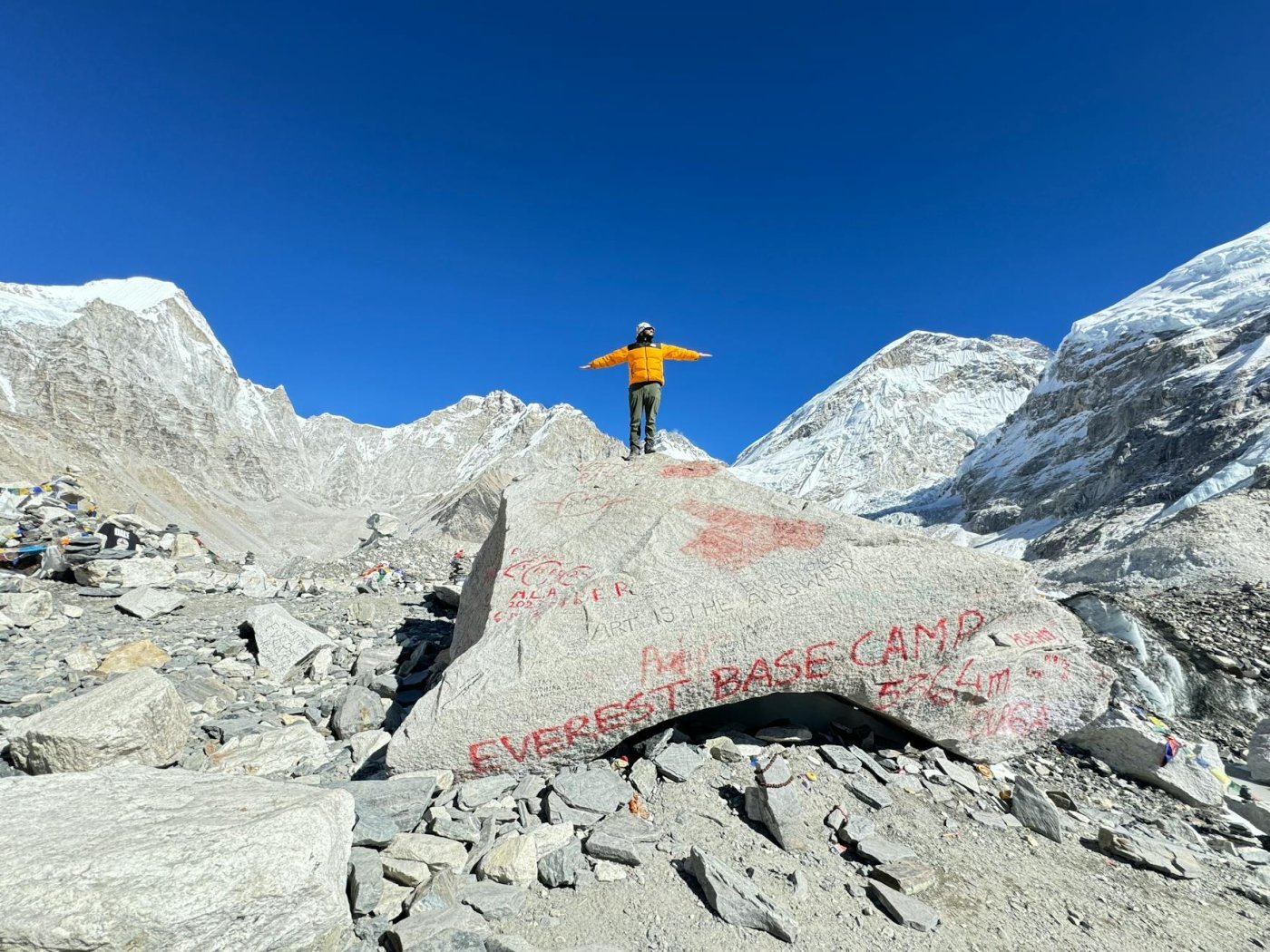
Visiting the Annapurna Circuit rewards trekkers who crave variety over single-minded altitude gain. Unlike the Everest Base Camp route, which follows one valley to one iconic destination, the Circuit loops around an entire massif, meaning every day's landscape is genuinely different from the last. Things to do in the Annapurna region extend beyond pure walking: you'll soak in the natural hot springs at Tatopani, explore the ancient walled city of Manang, and join Tibetan Buddhist festivals in remote gompas. Teahouses run by Gurung families provide nightly comfort, home-cooked dal bhat, and conversations that no five-star resort can replicate. For adventurous European travellers seeking depth, challenge, and authentic cultural immersion, the Annapurna Circuit belongs at the very top of the list.
✦ Find your perfect destination
Is Annapurna Circuit really your perfect match?
Answer 12 quick questions about your travel style, budget and dates — we match you with the destinations that fit you best, from 600+ worldwide.
Your Annapurna Circuit itinerary — choose your style
🗓 Weekend Break — 2 days
🧭 City Explorer — 5 days
🌍 Deep Dive — 10 days
Your pace:
Why Annapurna Circuit belongs on your travel list
The Annapurna Circuit stands apart because it delivers a complete Himalayan experience within a single continuous journey. You cross eleven distinct ecological zones, summit a technical high-altitude pass without ropes or fixed lines, and sleep in teahouses where the same Gurung family has hosted trekkers for three generations. The circuit's anti-clockwise route builds altitude sensibly, giving your body time to acclimatise before Thorung La. Pokhara serves as the logical base, offering easy logistics and a welcoming traveller culture. Budget costs remain among the lowest of any comparable world-class multi-week trek, making the Annapurna Circuit accessible to a wide range of adventurers.
The case for going now: Trail improvements and new suspension bridges completed between 2023 and 2025 have made the classic Annapurna Circuit safer and more accessible without sacrificing its wild character. The Nepali rupee remains highly favourable for European currencies, meaning your daily budget stretches further than it has in years. Trekker numbers are recovering steadily post-pandemic, so 2026 offers a rare window where teahouses are fully operational but the trail is not yet overcrowded — especially on weekdays in shoulder months.
🏔️
Thorung La Summit
Crossing Thorung La at 5,416 metres is the defining moment of the Annapurna Circuit. The pre-dawn start, oxygen-thin air, and panoramic Himalayan views at the top are deeply memorable.
♨️
Tatopani Hot Springs
After days of descent, Tatopani's riverside hot springs soothe every aching muscle. Local families manage the pools, and the orange groves surrounding the village make the setting feel almost subtropical.
🏯
Manang Village Culture
Manang sits at 3,519 metres and preserves a remarkable Tibetan Buddhist heritage. Ancient gompas, mani walls, and acclimatisation day hikes to Gangapurna Lake make this the circuit's cultural heartbeat.
🌸
Rhododendron Forests
In March and April, the forest sections below Ghode Pani explode with crimson and pink rhododendron blooms. Walking through these ancient groves with Annapurna South hovering above is visually extraordinary.
Annapurna Circuit's neighbourhoods — where to focus
Trail Gateway
Besisahar
Besisahar is where most trekkers officially begin the Annapurna Circuit, a bustling market town in the lowland Marsyangdi valley. Lodges here are simple but plentiful, gear shops stock last-minute essentials, and the surrounding rice paddies give you a vivid baseline before the serious climbing begins.
High-Altitude Hub
Manang
Manang is the last sizeable settlement before Thorung La and the place where trekkers typically spend two nights acclimatising. The Himalayan Rescue Association operates a clinic here, teahouses serve apple pie alongside dal bhat, and the views of the Annapurna III massif are simply overwhelming.
Desert Gem
Muktinath
Descending from Thorung La, Muktinath rewards trekkers with a sacred pilgrimage site combining Hindu and Buddhist traditions. The temple complex sits at 3,710 metres, surrounded by barren Mustang-like landscape that feels entirely unlike anything encountered on the ascent side of the pass.
Rest & Recovery
Tatopani
After the high drama of the pass and the long descent, Tatopani provides genuine recovery time. Natural hot spring pools sit beside the Kali Gandaki river, orange trees line the paths, and the warm low-altitude air feels like a gift. Many trekkers linger here an extra day simply because they can.
Top things to do in Annapurna Circuit
1. #1 Cross Thorung La Pass
The crossing of Thorung La at 5,416 metres is the undisputed centrepiece of any Annapurna Circuit itinerary. Trekkers typically leave High Camp between 3 am and 5 am to avoid afternoon winds and ensure enough daylight for the long descent to Muktinath. The four- to six-hour ascent crosses frozen scree slopes where altitude makes every step feel deliberate, and the summit cairn draped in prayer flags marks one of the highest trekking passes in the world. The 360-degree views of the Himalayan giants — Annapurna, Gangapurna, and Yakawa Kang — are a genuine reward for weeks of preparation. Ensure you spend at least two nights in Manang before attempting the crossing, listen to your body carefully, and carry extra layers for the summit where wind-chill temperatures can fall well below minus fifteen degrees Celsius.
2. #2 Acclimatise at Gangapurna Lake
The acclimatisation day hike from Manang to Gangapurna Lake is one of the most rewarding short excursions on the entire Annapurna Circuit. The glacial lake sits in a natural amphitheatre at around 3,900 metres, its turquoise surface reflecting the hanging glacier above. Most trekkers make this hike on their first full day in Manang, following the trekking dictum of climbing high and sleeping low. The path winds through juniper scrub and past mani stones inscribed with Tibetan prayers, offering continuous views over the Manang valley below. Alternatively, the hike to the Ice Lake above the village adds another 400 vertical metres and delivers genuinely remote mountain panoramas that most circuit trekkers miss by skipping this optional extension.
3. #3 Explore Kagbeni & Upper Mustang
Kagbeni is a medieval walled village at the confluence of the Kali Gandaki and Jhong rivers, and it marks the gateway to the restricted Upper Mustang zone. Even without the additional permit required to enter Upper Mustang itself, Kagbeni rewards a half-day of wandering. The Red Gompa dates back several centuries, labyrinthine alleyways link earthen houses painted with the distinctive white, red, and black stripes of Tibetan tradition, and the wind funnelling down from Tibet is fierce enough to remind you how remote this landscape truly is. Trekkers with extra budget and time can obtain an Upper Mustang permit in Pokhara and continue north to Lo Manthang, an ancient walled kingdom that remained closed to outsiders until 1992.
4. #4 Sunrise from Poon Hill
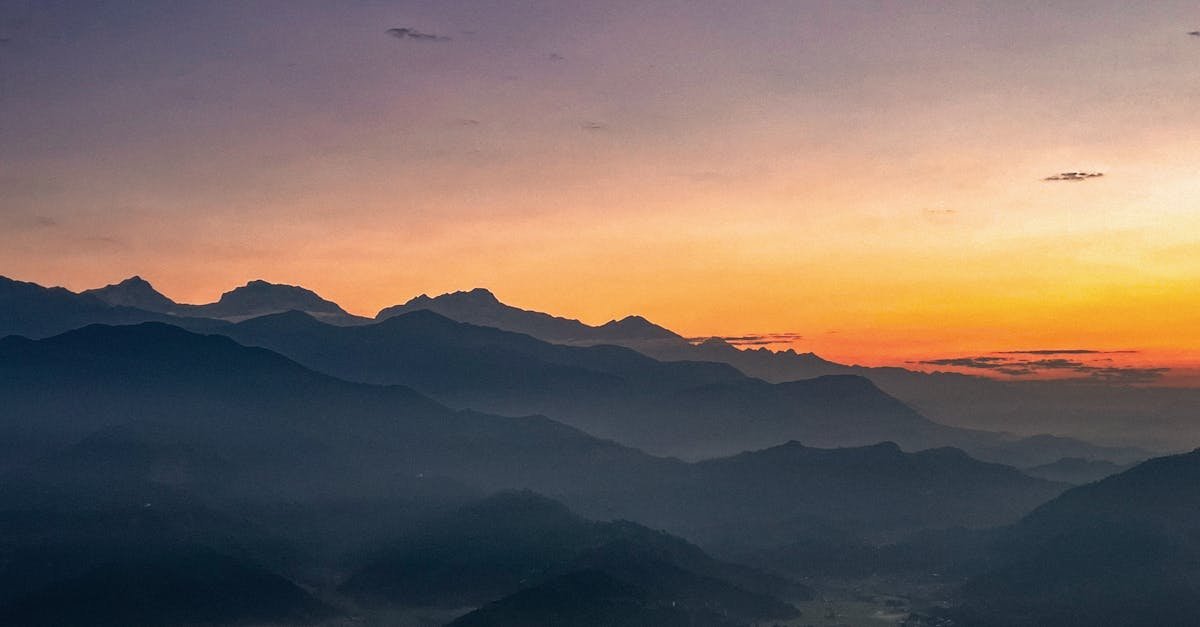
Although Poon Hill technically belongs to the Ghorepani-Poon Hill circuit rather than the main Annapurna Circuit loop, many trekkers incorporate it into the final days of the journey as they descend toward Pokhara. The 3,210-metre viewpoint is reached by an early morning climb from Ghorepani village, typically arriving at the wooden observation tower before dawn. As the first light strikes the Dhaulagiri and Annapurna massifs in sequence — turning ice faces from rose pink to blinding gold — entire hillsides of trekkers fall silent simultaneously. It is one of the most celebrated sunrise viewpoints in Asia, and it earns that reputation on clear days without any hyperbole.
What to eat in the Gandaki highlands — the essential list
Dal Bhat
The trekker's fuel of Nepal, dal bhat is a plate of steamed rice, lentil soup, and seasonal vegetable curry that teahouses refill as many times as you want. High in carbohydrates and iron, it genuinely powers long ascent days better than most alternatives.
Thukpa
This Tibetan-style noodle soup thickened with broth and loaded with vegetables or yak meat is standard teahouse fare above 3,000 metres. Warming, calorie-dense, and deeply comforting after a cold mountain morning, thukpa is found on every menu from Manang upward.
Momos
Nepal's beloved steamed dumplings filled with buffalo, chicken, or potato and served with a fiery tomato-sesame dipping sauce. Momos appear at almost every teahouse on the Annapurna Circuit and are especially popular as an afternoon snack after a long descent.
Tibetan Bread
A thick fried flatbread served warm with honey or jam at teahouse breakfasts throughout the higher sections of the circuit. Dense and filling, it is made fresh each morning and tastes considerably better than its simple description suggests.
Gurung Butter Tea
Served in homes and guesthouses run by Gurung families, this salted butter tea made with yak butter is an acquired taste but provides real warmth and altitude-adapted energy. Refusing a cup politely is acceptable; accepting one earns visible appreciation from hosts.
Apple Pie (Manang Special)
Manang's apple orchards supply teahouses with fresh fruit for a surprisingly excellent slice of apple pie that has become part of circuit folklore. Eaten with a cup of ginger-lemon tea at 3,500 metres on an acclimatisation day, it achieves near-mythological status among trekkers.
Where to eat in Annapurna Circuit — our top 4 picks
Fine Dining
Deurali Guest House Restaurant
📍 Deurali, Manang District, Annapurna Circuit
The most accomplished kitchen on the upper circuit, Deurali's guest house restaurant produces remarkably consistent dal bhat, freshly baked bread, and a yak steak that justifies the altitude. Staff pay genuine attention to dietary needs, and the dining room's wood-burning stove makes evening meals genuinely social.
Fancy & Photogenic
Hotel Yak & Yeti Manang
📍 Manang Village, Manang District, Nepal
Positioned to face the Annapurna III massif, Hotel Yak & Yeti's rooftop dining area is among the most visually dramatic places to eat anywhere on the Annapurna Circuit. Order the garlic soup — a circuit-wide altitude remedy — and watch clouds move across the glacier while it arrives.
Good & Authentic
New Annapurna Guest House
📍 Chame, Manang District, Annapurna Circuit
A family-run lodge in Chame where the mother cooks and her daughters serve, this guesthouse produces the most honest Gurung home cooking on the lower circuit. The pumpkin curry and freshly churned buttermilk are outstanding, and the family's garden supplies organic vegetables to the kitchen daily.
The Unexpected
Mustang Coffee House
📍 Jomsom, Mustang District, Nepal
After the high-altitude austerity of Thorung La, finding a proper espresso machine in Jomsom feels genuinely surreal. The Mustang Coffee House serves Italian-style coffee alongside apple brandy — the region's celebrated local spirit — and fresh apple juice that signals the dramatic landscape change west of the pass.
Annapurna Circuit's Café Culture — top 3 cafés
The Institution
Marsyangdi Coffee Stop
📍 Tal Village, Manang District, Annapurna Circuit
A beloved mid-morning stop that every veteran circuit trekker mentions, the Marsyangdi Coffee Stop in Tal serves strong Nepali milk coffee and freshly fried doughnuts overlooking the river gorge. The terrace catches the morning sun perfectly, and the guestbook here has entries dating back fifteen years.
The Aesthetic Hub
Tilicho Tea House
📍 Shree Kharka, near Tilicho Lake, Manang District
The sole teahouse on the exposed Tilicho Lake side trail, this simple stone structure is one of the most beautifully located cafes imaginable. Sitting with a cup of ginger tea and surveying one of the world's highest lakes from the wooden bench outside is the Annapurna Circuit at its most cinematic.
The Local Hangout
Pokhara Lakeside Chai Stall
📍 Lakeside, Pokhara, Gandaki Province, Nepal
Before and after the Annapurna Circuit, Pokhara's lakeside is where trekkers decompress over milky masala chai and plates of sel roti. This informal chai stall near the Phewa Lake waterfront is where returning trekkers swap stories, compare blister counts, and make plans for a celebratory daal bhat dinner.
Best time to visit Annapurna Circuit
Jan
Feb
Mar
Apr
May
Jun
Jul
Aug
Sep
Oct
Nov
Dec
Peak Season (Oct–Nov) — crystal-clear skies, best visibility for Himalayan views, ideal temperaturesShoulder Season (Mar–Apr) — rhododendron blooms, fewer trekkers, some cloudOff-Season — monsoon rain (Jun–Sep), snow and pass closures (Dec–Feb), muddier trails
Annapurna Circuit events & festivals 2026
Whether you're planning around a specific celebration or simply want to know what's happening, this guide covers the best events and festivals in Annapurna Circuit — from major annual traditions to cultural highlights worth timing your trip around.
October 2026religious
Dashain Festival
Nepal's biggest Hindu festival transforms every village on the Annapurna Circuit in October. Trekkers passing through during Dashain witness family gatherings, animal blessings, and elaborate tikka ceremonies — among the
October–November 2026culture
Tihar (Festival of Lights)
Following Dashain by about three weeks, Tihar illuminates teahouses and villages along the Annapurna Circuit with oil lamps and marigold garlands. The five-day festival honours crows, dogs, cows, and siblings in sequence, making each day's celebrations visually and culturally distinct.
November 2026culture
Yartung Horse Festival, Muktinath
Held annually at Muktinath and in the Mustang region after the harvest, Yartung involves traditional horse racing, archery competitions, and Tibetan cultural performances. Trekkers descending from Thorung La in late August to early September can sometimes witness early Yartung celebrations in upper villages.
March 2026culture
Holi Festival
The festival of colours sweeps through Besisahar and Pokhara at the start of the Annapurna Circuit trekking season. Streets erupt in coloured powder and water balloons, and teahouse owners on the lower circuit sections join in enthusiastically — a joyful introduction to Nepali community life.
April 2026religious
Buddha Jayanti
Celebrating the birth of the Buddha, this festival sees gompas throughout the Annapurna region — especially in Manang and Pisang — decorated with butter lamps and prayer flags. Monks recite scriptures throughout the night, and visitors are respectfully welcomed to observe the ceremonies.
February 2026culture
Losar (Tibetan New Year)
Losar marks the Tibetan lunar new year and is celebrated with particular energy in Manang and Muktinath, the most Tibetan-influenced communities on the circuit. Traditional dances, butter tea rituals, and colourful monastery processions offer rare cultural insight for winter trekkers willing to brave cold conditions.
August 2026religious
Janai Purnima (Sacred Thread Festival)
On this full-moon festival, Hindu priests replace sacred threads at Muktinath and other high-altitude shrines. Pilgrims from across Nepal make the journey to Muktinath on foot regardless of monsoon conditions, and the trail becomes unusually busy with Nepali devotees alongside foreign trekkers.
December 2026market
Pokhara Street Festival
Pokhara's annual street festival in December, centred on Lakeside Road, fills the Annapurna Circuit's gateway city with music, handicraft stalls, and local food vendors. It is the ideal post-trek celebration for trekkers completing the circuit and arriving in Pokhara for well-earned rest.
April 2026music
Mountain Music Festival Pokhara
This growing annual music festival in Pokhara brings together Nepali folk bands, Himalayan stringed instrument performers, and a handful of international acts to outdoor stages overlooking Phewa Lake. Many Annapurna Circuit trekkers time their Pokhara arrival to coincide with the festival's April dates.
September 2026culture
Gai Jatra (Cow Procession Festival)
Gai Jatra is celebrated across Nepal with processions honouring deceased family members, guided symbolically by cows. In Besisahar and the lower Annapurna Circuit villages, the festival includes satirical street theatre and neighbourhood gatherings that give visiting trekkers genuine insight into lowland Nepali humour and community bonds.
Dormitory teahouse beds, dal bhat every meal, no extras. Covers permit fees when averaged across the full trek.
€€ Mid-range
€30–50/day
Private teahouse rooms, mixed menu meals, occasional hot shower, and tipping guides and porters adequately.
€€€ Luxury
€80+/day
Guided private trek with porter, best available teahouse rooms, helicopter insurance, and Pokhara boutique hotel stays.
Getting to and around Annapurna Circuit (Transport Tips)
By air: Tribhuvan International Airport in Kathmandu is the main international gateway for the Annapurna Circuit, with direct flights from European hubs via the Gulf carriers. From Kathmandu, the quickest connection to the trailhead is a 25-minute domestic flight to Pokhara's Pokhara Regional International Airport, which opened its extended runway in 2023.
From the airport: From Pokhara airport, taxis to Lakeside take around fifteen minutes and cost approximately 500 to 700 NPR. Most trekkers spend at least one night in Pokhara collecting final gear and permits before taking a tourist bus or jeep to Besisahar, the traditional circuit starting point. The Pokhara-to-Besisahar jeep journey takes four to five hours along improving mountain roads.
Getting around the city: Within Pokhara, the Lakeside district is walkable and well served by local electric rickshaws. For the circuit itself, transport options have evolved significantly: a road now runs as far as Chame and even into Manang, meaning jeeps can shortcut lower trail sections if time is short. Purists and most trekking agencies recommend walking the full route from Besisahar for the complete altitude-acclimatisation experience.
Transport Safety & Scam Prevention:
Permit Price Padding: Some Kathmandu and Pokhara agencies add unnecessary fees to TIMS cards and ACAP permits. Purchase permits directly at the official Trekkers Information Management System counters in Pokhara to pay the correct government-set prices of approximately 2,000 NPR each.
Jeep Route Upselling: Drivers in Besisahar and Chame aggressively push jeep rides to shortcut trail sections, citing 'road damage' or 'trail closure.' Verify trail conditions independently via the Annapurna Conservation Area Project office before paying for transport you likely do not need.
Teahouse Price Gouging: Some teahouses charge foreigners significantly more for meals when no written menu is displayed. Always ask to see a price list before ordering, particularly in high-traffic stops like Thorung Phedi and High Camp where competition is limited and prices can be two to three times higher than lower sections.
Do I need a visa for Annapurna Circuit?
Visa requirements for Annapurna Circuit depend on your nationality. Select your passport below for an instant answer — based on the Passport Index dataset for entry into Nepal.
ℹ️ Indicative only. Always verify with the official consulate before booking. Data: Passport Index, April 2026.
For detailed requirements, documentation checklists and processing times by nationality: TravelDoc →
Search & Book your trip to Annapurna Circuit
Find the best flight routes and hotel combinations using our partner Kiwi.com.
Frequently Asked Questions
Is the Annapurna Circuit safe for tourists?
The Annapurna Circuit is considered safe for physically prepared trekkers. The principal risks are altitude sickness, unpredictable weather, and trail accidents rather than crime. The Himalayan Rescue Association maintains a clinic in Manang offering free altitude assessments, and helicopter evacuation is available across most of the route. Solo trekking is common among experienced hikers, but less experienced trekkers benefit significantly from hiring a licensed guide through a reputable Pokhara-based agency. Nepal's mountain communities are welcoming and honest, and petty crime on the trail is extremely rare. Register your trek with your country's embassy in Kathmandu before departing.
Can I drink the tap water on the Annapurna Circuit?
Tap water and untreated stream water are not safe to drink anywhere on the Annapurna Circuit. Teahouses sell bottled water at increasing prices as altitude rises, but purchasing plastic bottles is environmentally damaging on a trail where waste removal is difficult. Carry a quality water filter or UV purification pen and refill from teahouse taps after treatment. Boiled water for tea is safe and widely available. Iodine tablets work as a backup but affect taste. Most trekkers manage comfortably with a 1-litre filter bottle, refilling multiple times daily at teahouses.
What is the best time to visit the Annapurna Circuit?
The best time to visit the Annapurna Circuit is October and November, when post-monsoon skies deliver the clearest mountain views, Thorung La is reliably open, and daytime temperatures are manageable at all altitudes. March and April form a strong shoulder season with rhododendron blooms at lower elevations and fewer crowds than autumn. The monsoon months of June through September bring heavy rain, leeches on lower trail sections, and occasional flash floods, making conditions significantly harder. December through February sees snow close Thorung La entirely in severe winters, though experienced trekkers with proper equipment still attempt the pass during stable weather windows.
How many days do you need for the Annapurna Circuit?
A complete Annapurna Circuit itinerary requires 15 to 21 days depending on pace, fitness level, and optional side trips. The core route from Besisahar to Nayapul via Thorung La takes approximately 16 to 18 walking days for most trekkers, including mandatory acclimatisation time in Manang. Adding the Tilicho Lake detour adds two days, while exploring Kagbeni and the lower Mustang region adds another one to two days. Faster trekkers in excellent fitness can complete the main loop in 14 days, but rushing the acclimatisation phase dramatically increases altitude sickness risk. Most European visitors find a 17-day schedule achieves the right balance between pace and enjoyment.
Annapurna Circuit vs Everest Base Camp — which should you choose?
The Annapurna Circuit and Everest Base Camp are Nepal's two most celebrated multi-week treks, but they suit different travellers. The Annapurna Circuit is longer, more varied, and more culturally diverse, passing through eleven ecological zones, multiple ethnic communities, and a genuine high-altitude desert. It is also considerably cheaper, as the EBC route has introduced higher permit fees and more expensive teahouses in recent years. Everest Base Camp offers the single most iconic mountain destination on earth and the Khumbu Sherpa culture is irreplaceable. Trekkers who want maximum variety and value should choose Annapurna; those drawn specifically to the Everest myth and the Khumbu Icefall should choose EBC. Given the choice, most repeat Nepal visitors choose Annapurna Circuit for their second trek.
Do people speak English on the Annapurna Circuit?
English proficiency on the Annapurna Circuit is generally good wherever tourism infrastructure exists. Teahouse owners, guides, and porters along the main trail from Besisahar to Jomsom typically speak functional to fluent English, and trail signs are bilingual. In very small villages off the main path and in some upper Mustang communities, English is limited and a few words of Nepali or a knowledgeable local guide make interactions significantly easier. Hiring a licensed Nepali guide not only solves language barriers but also supports the local economy directly and adds considerable safety value on high sections of the trail.
★ Hidden Gems Weekly
Like this? One place per week, in your inbox.
No spam, no fluff — just one underrated destination, every Tuesday.
Hand-picked and verified by Max, who founded Vacanexus from Luxembourg in 2026. No sponsorships, no paid placements. Every recommendation — restaurants, neighbourhoods, things to do — is selected for authenticity over popularity.