Pokhara Travel Guide — Where the Annapurnas meet the lake — pure adventure
⏱ 11 min read📅 Updated 2026💶 € Budget✈️ Best: Jan–Mar
€15–45/day
Daily budget
Oct–Nov & Jan–Mar
Best time
4–7 days
Ideal stay
NPR (Nepalese Rupee)
Currency
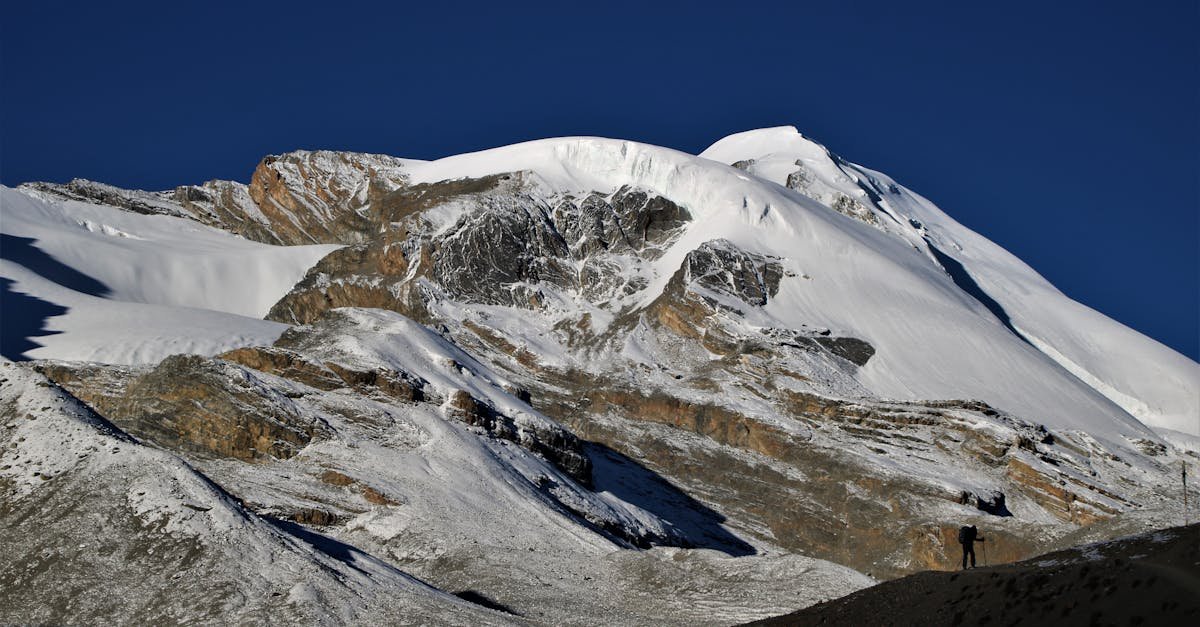
Pokhara is one of those rare destinations that ambushes you with beauty before you even unpack. The instant you arrive, the Annapurna massif fills your entire northern horizon — a jagged wall of ice and rock that seems impossibly close for a lakeside city at just 820 metres above sea level. Phewa Lake shimmers silver and gold each morning, mirroring those white peaks in water so still it reads like a painting. Rickshaws and paragliders share the same sky above the old bazaar, street vendors serve steaming dal bhat beside trekking outfitters, and the scent of incense drifts from painted temples at every corner. Pokhara is Nepal distilled into one extraordinary address.
Visiting Pokhara is a different experience from the frenetic energy of Kathmandu, yet the two cities are only 25 minutes apart by air. Pokhara moves slower, breathes easier and sits at a lower altitude, making it ideal as both a launchpad for high-altitude treks and a destination in its own right. Things to do in Pokhara span the full spectrum — morning paragliding flights over the lake, white-water rafting on the Seti Gorge, mountain-bike descents to hidden villages, sunset meditation at the World Peace Pagoda, and evening thali dinners watching the Machapuchare change colour in alpenglow. Few cities on earth compress so much natural drama into such an accessible, affordable package.
✦ Find your perfect destination
Is Pokhara really your perfect match?
Answer 12 quick questions about your travel style, budget and dates — we match you with the destinations that fit you best, from 600+ worldwide.
Pokhara belongs on your travel list because it delivers Himalayan grandeur without demanding extreme fitness or enormous budgets. The Annapurna Circuit and Annapurna Base Camp treks — two of the world's most celebrated long-distance routes — both begin here, yet Pokhara rewards non-trekkers equally with boat rides, cycling trails, cave systems and a growing world-class food scene. The city has invested heavily in its lakeside promenade while preserving the gritty charm of its old bazaar district. For European travellers seeking raw mountain scenery, outdoor adventure and genuine cultural immersion at a fraction of Alpine or Scandinavian prices, Pokhara is simply unmatched.
The case for going now: Nepal's post-earthquake tourism infrastructure has bounced back stronger than ever, and Pokhara's new international airport — opened in early 2024 — now handles direct regional flights, cutting travel time significantly. The Nepalese rupee remains very favourable against the euro and pound, making 2026 a compelling value moment. Meanwhile, the lakeside restaurant and café scene has quietly matured into something genuinely exciting, without the price inflation that has hit Thamel in Kathmandu.
🪂
Paragliding Sarangkot
Launch from Sarangkot Hill at sunrise and soar above Phewa Lake with Annapurna and Machapuchare framing every thermal. Flights last 20–30 minutes and require zero prior experience.
🏔️
Trek Gateway
Pokhara is the official trailhead for the Annapurna Circuit and Annapurna Base Camp treks, two legendary Himalayan routes passing rhododendron forests, glacial moraines and ancient teahouse villages.
🚣
Phewa Lake Boating
Rent a wooden rowing boat and paddle across Phewa Lake to the red-roofed Tal Barahi Temple on its island shrine. Best at dawn when the Annapurnas reflect perfectly in the glassy water.
🕌
World Peace Pagoda
This gleaming white Japanese stupa perched on a hilltop south of the lake rewards a 45-minute hike with the finest panoramic view of Pokhara, Phewa Lake and the entire Annapurna range.
Pokhara's neighbourhoods — where to focus
Tourist Hub
Lakeside (Baidam)
Lakeside is Pokhara's beating tourist heart, stretching along the eastern shore of Phewa Lake. Guesthouses, trekking agencies, rooftop restaurants and massage parlours crowd every lane. It can feel a little overrun in peak season, but sunrise over the lake from your guesthouse terrace here is genuinely magical.
Old Quarter
Bagar & Old Bazaar
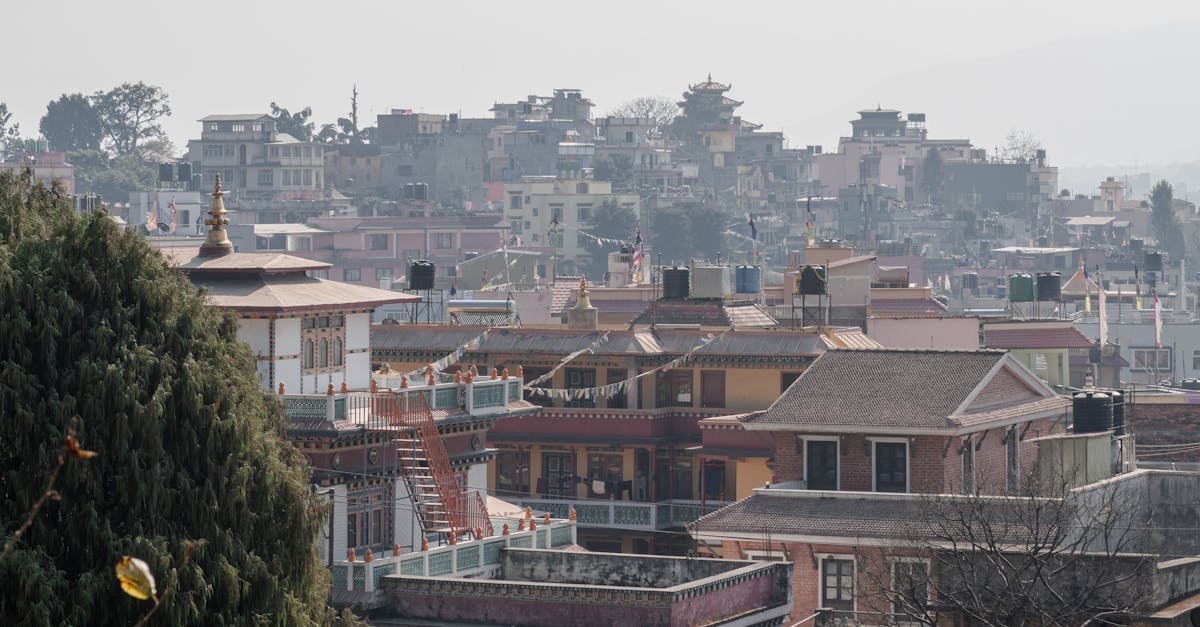
The historic old bazaar north of the Seti Gorge is where Pokhara's Newari trading roots survive — narrow alleys, traditional bhatti teahouses, metalworking shops and spice stalls. Far fewer tourists wander here, making it the most authentic slice of daily Pokharan life and excellent for street photography.
Upscale & Calm
Prithvi Chowk
The newer commercial centre around Prithvi Narayan Chowk mixes mid-range hotels, local department stores and good Nepali restaurants without the backpacker saturation of Lakeside. It's the best base for travellers who want to feel embedded in a real Nepali city rather than in a tourist bubble.
Scenic Hilltop
Sarangkot
The hilltop village of Sarangkot, 13 kilometres from the city centre, is where paragliding pilots launch and trekkers wake at 4 am for sunrise views of Dhaulagiri, Annapurna and Machapuchare. Several simple lodges here make an overnight stay worthwhile if you want the mountain panorama all to yourself.
Top things to do in Pokhara
1. #1 Paraglide Over Phewa Lake
Tandem paragliding from Sarangkot is the single most thrilling thing to do in Pokhara and remains one of the most photogenic flight corridors anywhere on earth. Pilots are launched off the ridge at between 1,500 and 1,600 metres, quickly picking up thermals that carry you high above Phewa Lake while Machapuchare — the sacred Fish Tail mountain — fills the northern sky. A standard flight lasts 20 to 30 minutes and costs around 5,000 to 7,000 NPR (roughly €35–50) including transport to the launch site. Several reputable companies operate along Lakeside, with Sunrise Paragliding and Blue Sky Paragliding both holding strong safety records and CIVL-certified pilots. Book the first flight of the morning for the calmest air and the best Annapurna light.
2. #2 Trek to Annapurna Base Camp
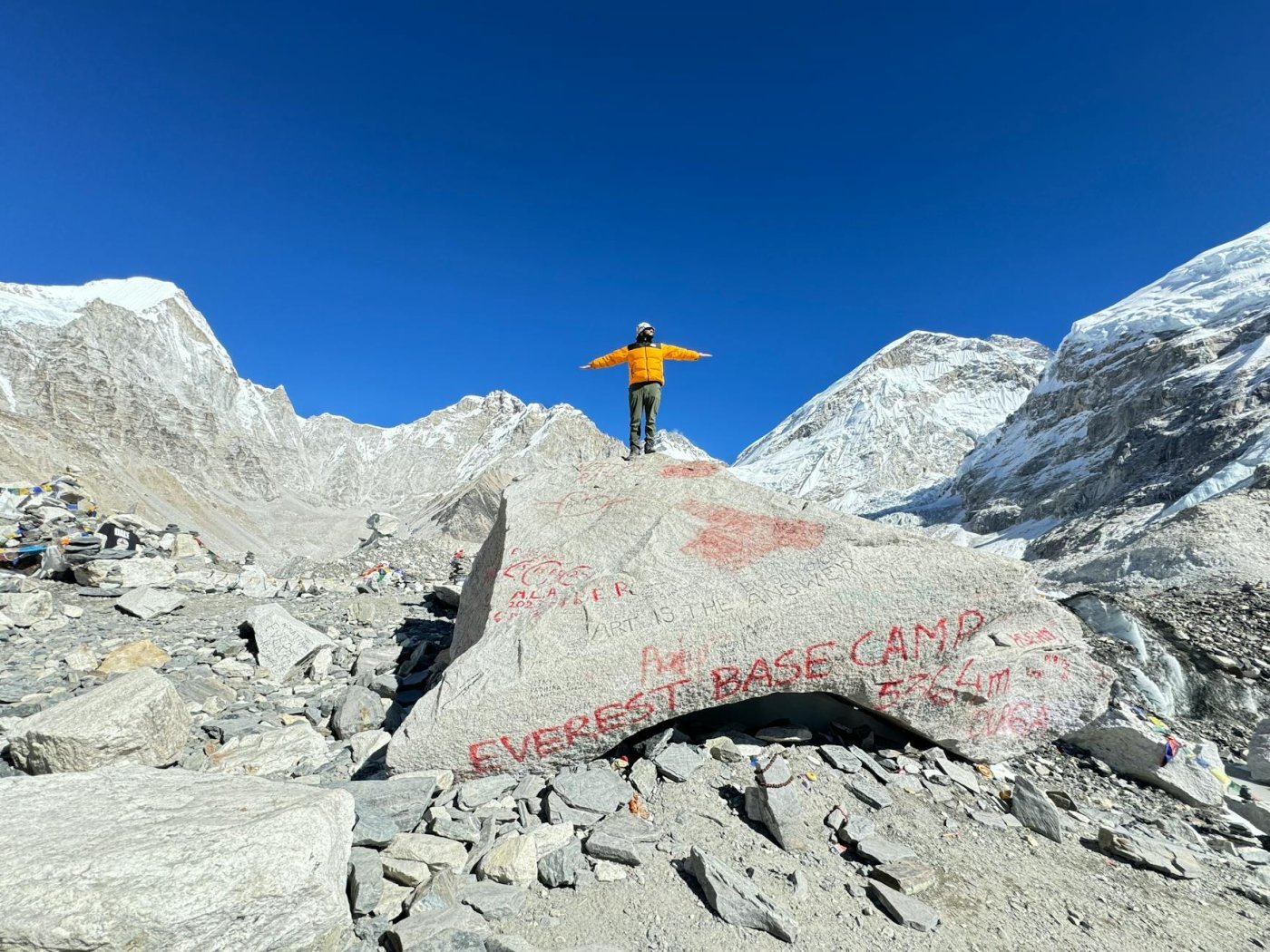
The Annapurna Base Camp trek is arguably the most accessible high-altitude Himalayan trek in the world, taking most fit travellers nine to twelve days to complete from Nayapul, itself just 45 minutes by bus from Pokhara. The trail climbs through terraced fields, subtropical jungle, rhododendron forests and dramatic moraine valleys before delivering you to a glacial amphitheatre at 4,130 metres, encircled by nine peaks over 7,000 metres. No technical climbing equipment is required — just good boots, a TIMS permit (available in Pokhara's tourist district) and an ACAP conservation fee. The route is lined with comfortable teahouses serving dal bhat and Sherpa stew. Best Pokhara itinerary planning tip: allow one or two buffer days at the start in case of weather delays on the high passes.
3. #3 Explore the Seti River Gorge
The Seti Gandaki River carves one of the most surprising geological features in all of Nepal — a narrow white-water gorge that runs directly beneath the streets of Pokhara, largely invisible until you know where to look. Several viewpoints around the city, including K.I. Singh Bridge and the gorge overlook near the old bazaar, give vertiginous downward views into the churning white water some 20 to 30 metres below street level. For a more active experience, half-day white-water rafting trips on the upper Seti are available from Lakeside operators, suitable for beginners and families. More experienced rafters tend to choose the nearby Kali Gandaki or Marsyangdi rivers for longer multi-day expeditions. The gorge walk combined with the old bazaar makes for one of the most rewarding half-days in Pokhara.
4. #4 Sunrise at the World Peace Pagoda
The Shanti Stupa — universally known as the World Peace Pagoda — sits on a forested ridge 1,100 metres above sea level directly south of Phewa Lake, and the view from its terrace at sunrise is among the most awe-inspiring in the entire Himalayan foothills. Built by Japanese Buddhist monks in 1973 and completed in 1996, the gleaming white stupa features four golden Buddha statues and is genuinely revered as a place of peace and pilgrimage. You can hike up through forest in about 45 minutes from the lake's southern shore, or take a short boat crossing and then a steeper 20-minute climb. Either way, arrive before 6 am to see the Annapurna range ignite in dawn alpenglow — Dhaulagiri, Annapurna South, Hiunchuli and Machapuchare all visible in a single unobstructed sweep.
What to eat in Gandaki Province — the essential list
Dal Bhat
Nepal's national dish — steamed rice served with lentil soup, seasonal vegetable curry, pickles and sometimes meat — is eaten twice daily by most Nepalis. In Pokhara, dal bhat is universally served with free refills, making it the best-value meal in the country.
Momos
These steamed or fried dumplings filled with buffalo, chicken or vegetables are Nepal's most beloved street snack. Pokhara's Lakeside is lined with momo stalls and dedicated momo restaurants serving them with fiery achar tomato dipping sauce.
Thukpa
A Tibetan-influenced noodle soup loaded with vegetables, herbs and your choice of meat, thukpa is the trekker's comfort food of choice after a long trail day. Thick broth, chewy noodles and warming spices make this Pokhara staple impossible to resist in winter months.
Sel Roti
A traditional Nepali ring-shaped fried bread made from rice flour batter, sel roti is crispy outside and soft inside. Street vendors near Pokhara's old bazaar and festival stalls fry them fresh over open flames — best eaten hot with sweet milk tea.
Gundruk
Fermented leafy greens, usually made from mustard or radish leaves, gundruk is a distinctly Nepali side dish with a sharp, tangy flavour unlike anything else. It appears alongside dal bhat in local restaurants and is considered both a comfort food and a health staple.
Chhurpi
Made from yak or cow milk, chhurpi is a traditional Nepali hard cheese that comes in two forms — a soft fresh version and an extremely hard dried version chewed slowly over hours. Find both in Pokhara's market and trekking food stalls as a high-protein trail snack.
Where to eat in Pokhara — our top 4 picks
Fine Dining
Moondance Restaurant
📍 Lakeside, Baidam, Pokhara
One of Pokhara's most long-standing quality restaurants, Moondance delivers consistently excellent Nepali, Indian and Continental dishes in a warm candlelit terrace setting overlooking the lake. The sizzlers and Newari set meals are standout choices, and the service is among the most attentive on Lakeside.
Fancy & Photogenic
Caffe Concerto
📍 Lakeside North, Pokhara
With open-air lake-facing seating and a menu that blends Italian wood-fired pizza with Nepali fusion dishes, Caffe Concerto is Pokhara's most photographed dining spot. Come at dusk when the Annapurnas turn pink behind your pizza and the lake reflections are at their most spectacular.
Good & Authentic
Thakali Kitchen
📍 Chipledhunga, Pokhara
Run by a family from the Thakali ethnic group — the traditional masters of Nepali mountain cuisine — this no-frills restaurant serves the definitive dal bhat set in Pokhara. Unlimited refills, fresh-pressed mustard oil and house-made pickles make every meal here a genuine cultural experience worth seeking out.
The Unexpected
Busy Bee Café
📍 Lakeside, Baidam, Pokhara
Part live-music venue, part craft-beer bar and part comfort-food kitchen, Busy Bee is Pokhara's most reliably energetic evening spot. The menu spans wood-fired burgers, pasta and Nepali plates while local bands perform most evenings. It draws an entertaining mix of trekkers, expats and Nepali students.
Pokhara's Café Culture — top 3 cafés
The Institution
Nirvana Garden Restaurant & Café
📍 Lakeside, Baidam, Pokhara
Nirvana Garden has been a Pokhara institution for decades, beloved for its shaded garden seating, strong filter coffee and enormous breakfasts tailored to hungry trekkers. The granola with curd and honey is legendary among return visitors, and the garden's birdlife makes morning coffee feel remarkably peaceful.
The Aesthetic Hub
OR2K
📍 Lakeside, Baidam, Pokhara
OR2K is the boho, Middle Eastern-inflected café beloved by travellers who want cushioned floor seating, strong espresso, freshly baked breads and a mellow all-day vibe. The décor is a riot of hanging lanterns, low tables and colourful textiles that make it ideal for slow mornings and long lazy afternoons.
The Local Hangout
Roadhouse Café
📍 Lakeside Road, Pokhara
Roadhouse is where Pokhara's younger Nepali crowd meets travellers over freshly brewed Himalayan coffee, momos and loaded sandwiches. The coffee is sourced from Nepali highland estates, the Wi-Fi is fast and the battered paperback lending library on the wall has been accumulating titles since the 1990s.
Best time to visit Pokhara
Jan
Feb
Mar
Apr
May
Jun
Jul
Aug
Sep
Oct
Nov
Dec
Peak season (Jan–Mar) — crystal-clear skies, Annapurna views at their sharpest, perfect trekking temperaturesShoulder season (Oct–Dec) — post-monsoon clarity, busy trails, excellent visibilityMonsoon & pre-monsoon (Apr–Sep) — heavy rains, leeches on trails, cloud-covered peaks
Pokhara events & festivals 2026
Whether you're planning around a specific celebration or simply want to know what's happening, this guide covers the best events and festivals in Pokhara — from major annual traditions to cultural highlights worth timing your trip around.
January 2026culture
Maghe Sankranti Festival
One of the best Pokhara festivals in January, Maghe Sankranti marks the end of the winter solstice month with ritual bathing in sacred rivers, sesame sweets and community feasting. Locals gather at the Seti River ghats for ceremonial dips and bonfires. A deeply local celebration that most tourists miss entirely.
February 2026religious
Maha Shivaratri
The great Hindu night of Shiva draws pilgrims and sadhus to Pokhara's Bindhyabasini Temple and to Pashupatinath in Kathmandu. Bonfires burn through the night, devotees fast and chant, and the old bazaar around Bindabasini fills with saffron-robed figures. An extraordinary spectacle for visiting travellers in February.
March 2026culture
Holi — Festival of Colours
Holi in Pokhara is a joyful, somewhat anarchic explosion of coloured powder and water balloons that takes over Lakeside and Prithvi Chowk for a full day.
April 2026culture
Nepali New Year (Nawa Barsha)
Nepal's new year falls in mid-April and is celebrated across Pokhara with parades, cultural performances and traditional music in the streets. The Lakeside promenade hosts outdoor concerts and food stalls, giving the city a festive energy just as the pre-monsoon heat begins to build.
August 2026religious
Janai Purnima
Janai Purnima, the sacred thread festival, draws thousands of Hindu pilgrims to Pokhara's Khastepool and Muktinath shrines. Brahmin men renew their sacred thread while all castes tie yellow thread around their wrists for protection. The festival coincides with a massive regional fair near the Seti River.
August 2026culture
Gai Jatra
The festival of the Sacred Cow sees processions of children dressed as cows parading through Pokhara's streets in memory of loved ones lost during the year. What sounds solemn is actually joyfully irreverent, with satirical street theatre and comedic performances that have roots in Newari culture going back centuries.
October 2026religious
Dashain Festival
Nepal's most important festival spans fifteen days in October, filling Pokhara with family gatherings, temple offerings and the sound of bamboo swings. Goats are sacrificed at Bindabasini Temple, tikka blessings are exchanged across generations, and the city briefly quietens as families retreat home — a beautiful, intimate glimpse into Nepali domestic life.
November 2026music
Pokhara Street Festival
The annual Pokhara Street Festival in November transforms Lakeside and Prithvi Chowk into an open-air stage, with live music, cultural dance performances, local food stalls and craft markets. Things to do in Pokhara in November are at their most diverse during this week-long celebration drawing visitors from across Nepal.
November 2026culture
Tihar — Festival of Lights
Tihar is Nepal's answer to Diwali — five days of lights, flowers and animal worship that transforms Pokhara into a glittering spectacle. Oil lamps line every windowsill, marigold garlands hang from every door and the Lakeside promenade shimmers with candles reflected in Phewa Lake. Arguably the most visually beautiful time to visit Pokhara.
December 2026market
Pokhara Christmas & Winter Market
Catering to the growing international trekker community, Lakeside hosts informal Christmas and year-end markets through December with craft stalls, mulled tea, imported cheeses and live acoustic music. It's a surprisingly festive Pokhara itinerary addition for European travellers spending the holidays in Nepal.
Dorm bed, dal bhat meals, shared jeep transfers, free walking — Pokhara is exceptionally cheap for independent backpackers.
€€ Mid-range
€25–45/day
En-suite guesthouse on Lakeside, restaurant meals, one paid activity daily such as paragliding or rafting.
€€€ Luxury
€80+/day
Boutique lakeside resort, guided treks with porters, private transfers and multi-course dinners at Pokhara's best restaurants.
Getting to and around Pokhara (Transport Tips)
By air: Pokhara's new Gandaki Province International Airport, opened in 2024, handles regional and select international connections. Domestic flights from Kathmandu's Tribhuvan International Airport (TIA) take just 25 minutes and are operated by Buddha Air, Shree Airlines and Yeti Airlines, with fares typically ranging from €40–80 return depending on season and booking lead time.
From the airport: The new Pokhara International Airport sits approximately 12 kilometres east of Lakeside. Pre-paid taxi counters inside the terminal charge a fixed rate of around 800–1,200 NPR (€5–9) to Lakeside, taking 15–20 minutes. No reliable public bus serves the new airport directly yet, so taxis or hotel pickup remain the practical option for most arrivals.
Getting around the city: Pokhara's Lakeside district is easily walkable, with most guesthouses, restaurants and trekking agencies within ten minutes on foot. Taxis are metered but negotiation is common for short hops — agree the fare before departing. Auto-rickshaws cover the Lakeside to old bazaar corridor cheaply. Motorbike and bicycle hire are widely available along Lakeside Road at around €3–6 per day, and e-bikes are increasingly popular for the hillier Sarangkot routes.
Transport Safety & Scam Prevention:
Fix Taxi Fares Upfront: Always agree a price before entering any taxi in Pokhara. Meters exist but many drivers prefer negotiation, especially for airport runs. The standard Lakeside-to-airport fare should be 800–1,200 NPR — push back firmly if quoted significantly higher.
Book Treks Through Verified Agencies: Trekking permits and guide services should be arranged through Nepal Tourism Board-registered agencies. Avoid street touts offering suspiciously cheap Annapurna packages — unlicensed operators sometimes skip mandatory TIMS and ACAP permit fees, which can cause serious problems at checkpoints.
Paragliding Safety Verification: Only book paragliding with companies whose pilots carry Paragliding Association of Nepal (PAN) and CIVL certification. Ask to see licence documentation before paying. Reputable operators include Sunrise Paragliding and Blue Sky Paragliding — legitimate companies will never pressure you to pay cash with no receipt.
Do I need a visa for Pokhara?
Visa requirements for Pokhara depend on your nationality. Select your passport below for an instant answer — based on the Passport Index dataset for entry into Nepal.
ℹ️ Indicative only. Always verify with the official consulate before booking. Data: Passport Index, April 2026.
For detailed requirements, documentation checklists and processing times by nationality: TravelDoc →
Search & Book your trip to Pokhara
Find the best flight routes and hotel combinations using our partner Kiwi.com.
Frequently Asked Questions
Is Pokhara safe for tourists?
Pokhara is generally very safe for tourists, including solo female travellers, and is considered one of Nepal's most visitor-friendly cities. Petty theft is rare by regional standards, though the usual precautions apply — keep valuables secure and be aware of your surroundings on quiet evening streets. The Lakeside area is well-lit and busy until late. Trek routes in the Annapurna region are well-maintained and patrolled, but always register with the Annapurna Conservation Area Project and carry a TIMS card for trail-related emergencies.
Can I drink the tap water in Pokhara?
Tap water in Pokhara is not reliably safe to drink without treatment. Most travellers either buy bottled water or, more sustainably, use a SteriPen UV purifier or water purification tablets — widely available in Lakeside trekking shops. Many guesthouses and restaurants provide filtered water for a small fee. On trek routes in the Annapurna region, boiled water is available at every teahouse, though water quality degrades above certain altitudes during monsoon season.
What is the best time to visit Pokhara?
The best time to visit Pokhara is from October to March, covering two distinct windows. The post-monsoon autumn season (October–November) delivers crystal-clear skies, lush green landscapes still glowing from monsoon rains, and the most popular trekking conditions on the Annapurna trails. The winter season (January–March) is equally outstanding — skies are sharply clear, the Annapurna range reflects perfectly in Phewa Lake, and crowds thin considerably versus the autumn peak. Avoid the monsoon months of June through September when heavy rainfall limits views, trails become slippery, and leeches proliferate on lower-altitude forest paths.
How many days do you need in Pokhara?
A minimum of three to four days in Pokhara allows you to cover the core experiences — paragliding from Sarangkot, boating on Phewa Lake, visiting the World Peace Pagoda and exploring the old bazaar. Allow five to seven days if you want to add a short acclimatisation trek to Australian Camp or Ghandruk without committing to the full Annapurna Base Camp route. For the complete Annapurna Base Camp trek, budget nine to twelve trekking days on top of your Pokhara city time, plus a recovery day on return. Most travellers who visit Pokhara for a Pokhara itinerary of under three days report wishing they had stayed longer.
Pokhara vs Kathmandu — which should you choose?
Pokhara and Kathmandu serve fundamentally different travel styles, and most visitors to Nepal see both. Kathmandu rewards travellers drawn to UNESCO heritage temples, intense bazaar culture, religious festivals and urban energy — the Boudhanath stupa and Pashupatinath temple alone justify the trip. Pokhara is the clear choice for adventure-seekers, outdoor lovers and anyone craving mountain scenery without Kathmandu's pollution and noise. Pokhara is slower, cleaner, greener and considerably more relaxed. If you have only one week and prioritise nature, trekking and clear Himalayan views, base yourself in Pokhara and take a single day-trip or overnight to Kathmandu.
Do people speak English in Pokhara?
English is widely spoken throughout Pokhara's tourist areas, particularly in Lakeside where guesthouse staff, restaurant owners, trekking guides and activity operators are accustomed to serving international visitors. In the old bazaar and residential neighbourhoods, English becomes patchier, though younger Nepalis typically have functional school-level English. On the Annapurna trek routes, teahouse owners and guides all speak workable English. Learning a few Nepali phrases — namaste (hello), dhanyabad (thank you) and dai/didi (brother/sister) — is warmly appreciated and will open doors throughout Pokhara.
★ Hidden Gems Weekly
Like this? One place per week, in your inbox.
No spam, no fluff — just one underrated destination, every Tuesday.
Hand-picked and verified by Max, who founded Vacanexus from Luxembourg in 2026. No sponsorships, no paid placements. Every recommendation — restaurants, neighbourhoods, things to do — is selected for authenticity over popularity.