Kathmandu Travel Guide — Where ancient temples meet Himalayan soul
⏱ 12 min read📅 Updated 2026💶 € Budget✈️ Best: Jan–Mar
€25–45/day
Daily budget
Oct–Mar
Best time
4–7 days
Ideal stay
NPR
Currency
Kathmandu assaults the senses the moment you land — diesel smoke mingles with incense, temple bells ring through narrow lanes crowded with motorbikes and sadhus draped in saffron, and the distant white peaks of the Himalayas hover like a promise above the valley haze. This ancient capital of Nepal has been a crossroads of faith, trade and mountain adventure for over two thousand years, its medieval streets still threading between pagoda temples that lean gracefully despite centuries of earthquakes and monsoons. Kathmandu is simultaneously chaotic and deeply meditative, a city where you can negotiate a trekking permit at dawn and kneel before a butter-lamp shrine at dusk.
Visiting Kathmandu is nothing like touring Southeast Asia's temple circuits — the spiritual atmosphere here carries a rawness and immediacy that polished heritage sites elsewhere rarely match. Things to do in Kathmandu range from circumambulating the colossal Boudhanath stupa with Tibetan pilgrims to haggling for yak-wool blankets in Thamel's labyrinthine alleys and day-hiking to Nagarkot for a sunrise panorama spanning Everest to Annapurna. Compared to Lhasa or Varanasi, Kathmandu remains more accessible and more openly welcoming, sitting at the intersection of Hindu and Buddhist culture in a way that feels organic rather than curated for tourists.
✦ Find your perfect destination
Is Kathmandu really your perfect match?
Answer 12 quick questions about your travel style, budget and dates — we match you with the destinations that fit you best, from 600+ worldwide.
Kathmandu belongs on your travel list because nowhere else on earth compresses so much sacred history, mountain grandeur and raw cultural energy into a single valley. The city holds three UNESCO World Heritage–listed Durbar squares — Kathmandu, Patan and Bhaktapur — alongside the great stupas of Boudhanath and Swayambhunath, all within an hour of each other. Kathmandu also serves as the essential launchpad for treks into the Everest and Annapurna regions, meaning even non-trekkers absorb an atmosphere charged with adventure and ancient pilgrimage in equal measure.
The case for going now: Kathmandu is in the midst of a quiet renaissance: post-earthquake reconstruction has brought renewed investment to heritage sites, boutique heritage hotels are opening in restored Newari courtyard buildings, and direct European flight connections via Gulf carriers have made Nepal more reachable than at any point in its modern tourism history. The Nepali rupee also delivers exceptional value for European visitors, making Kathmandu one of Asia's most rewarding destinations per euro spent right now.
🛕
Stupa Circumambulation
Join Tibetan pilgrims at Boudhanath spinning prayer wheels at dawn. The 36-metre-high stupa is one of the largest in the world and radiates genuine spiritual gravity.
🏔️
Himalayan Panoramas
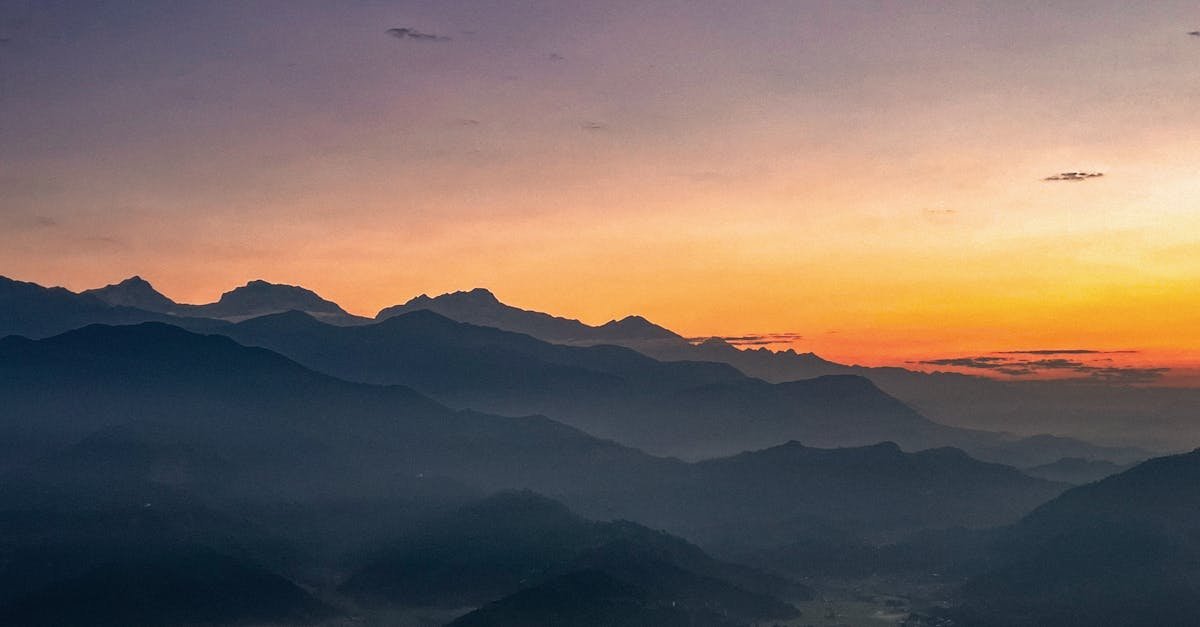
From Nagarkot hill station above the valley, watch the high Himalayan chain glow orange at sunrise. On clear winter mornings, Everest is visible on the horizon 200 kilometres away.
🎭
Newari Living Culture
Bhaktapur's medieval streets preserve a Newari way of life unchanged for centuries — potters' square, rice-wine distilleries and festivals that close entire neighbourhoods to traffic.
🌺
Pashupatinath Rituals
Watch Hindu cremation and bathing rituals at Pashupatinath, Nepal's holiest Shiva temple on the Bagmati River. The experience is profoundly moving and unlike anything in Europe.
Kathmandu's neighbourhoods — where to focus
Backpacker Hub
Thamel
Kathmandu's famously chaotic tourist district is a dense maze of trekking gear shops, rooftop bars, travel agencies and street food stalls running eighteen hours a day. It's loud and relentless but indispensable as a base — everything from permit offices to excellent coffee is within a fifteen-minute walk of your guesthouse door.
Heritage Core
Durbar Square Area
The historic heart of Kathmandu clusters around the old royal palace complex, still partly under reconstruction after the 2015 earthquake. Carved wooden temples, stone deities and living-goddess courtyards fill every corner, and the streets spilling away are among the oldest continuously inhabited urban fabric in South Asia.
Artisan Village
Patan (Lalitpur)
Separated from Kathmandu proper by the Bagmati River, Patan is the most refined of the valley's three ancient cities, famous for its bronze-casting workshops, Nepal's best contemporary art museum and a Durbar Square that survived 2015 better than its neighbours. The neighbourhood around Mangal Bazaar rewards aimless wandering.
Tibetan Quarter
Boudha
The Boudhanath area is effectively a Tibetan Buddhist village dropped inside Kathmandu's urban sprawl, ringed with monasteries, thangka painting schools and Himalayan restaurants. The evening kora — the ritual clockwise walk around the stupa — is one of the most atmospheric daily rituals anywhere in Asia and completely free to join.
Top things to do in Kathmandu
1. Explore Boudhanath Stupa
Boudhanath is the emotional centre of Tibetan Buddhism outside Tibet, and spending a full morning here — not just a quick photo stop — transforms the experience entirely. Arrive before 7am to watch butter lamps being lit and monks beginning their circumambulation in maroon robes, the great dome's watching eyes emerging slowly from the morning mist. Climb to one of the surrounding monastery rooftops for an elevated view of the mandala pattern below, then settle into a Tibetan teahouse on the outer ring for a bowl of butter tea. The stupa is a living place of worship, not a museum, and the pilgrims' presence gives it an energy that no admission fee can manufacture.
2. Wander Bhaktapur's Medieval Streets
Of the three cities in the Kathmandu Valley, Bhaktapur demands the most time and repays it most generously. The UNESCO-listed city centre has been carefully restored since 2015 and its Durbar Square, 55-Window Palace and Nyatapola pagoda form one of the finest medieval streetscapes in Asia. But the real reward lies beyond the main squares — in the potters' quarter at Jayo Pokhari where clay water pots and ritual vessels are shaped by hand on kick wheels, in the narrow lanes where women dry mustard greens on rooftop terraces, and in the local yoghurt shops serving the city's famous juju dhau in clay cups. Allow at least four to five hours here as part of your Kathmandu itinerary.
3. Visit Pashupatinath Temple Complex
Pashupatinath, Nepal's most sacred Hindu site and a UNESCO World Heritage property, sits on the banks of the Bagmati River just east of central Kathmandu and offers one of the most sobering and beautiful experiences available to visitors in Asia. Non-Hindus cannot enter the main golden-roofed temple itself, but the eastern bank provides an unobstructed view of the cremation ghats and the natural choreography of death and prayer that unfolds there every day. Sadhus — itinerant holy men — line the stone terraces and are generally willing to be photographed for a small donation. The deer park and forest behind the complex shelter dozens of langur monkeys and provide a surprisingly quiet retreat from the city noise, making the overall visit feel unexpectedly contemplative.
4. Day Trek to Swayambhunath
Swayambhunath — the Monkey Temple — sits atop a steep wooded hill west of Kathmandu's old city and rewards the 365-step climb with a panoramic view across the entire valley, best appreciated in the clear morning air of winter and spring. The site is one of the oldest religious monuments in Nepal, predating the Kathmandu Valley's recorded history, and the whitewashed stupa at its summit is encircled by Tibetan prayer wheels, shrines to both Hindu and Buddhist deities, and the resident macaque monkeys that give the site its informal name. The surrounding complex includes a natural history museum, a Tibetan monastery and a cluster of smaller stupas, each draped in fresh prayer flags. Evening light on the valley from this vantage point is genuinely spectacular and often overlooked by visitors who arrive early and leave before sunset.
What to eat in the Kathmandu Valley — the essential list
Dal Bhat
Nepal's national dish — steamed rice, lentil soup, vegetable curry and pickles — is eaten twice daily by most Nepalis and refilled without limit. The nutritional and cultural bedrock of the country.
Momo
Tibetan-influenced steamed or fried dumplings stuffed with buffalo meat, chicken or vegetables, served with a fierce tomato and chilli dipping sauce. Kathmandu's favourite street snack and available everywhere from street carts to rooftop restaurants.
Juju Dhau
The 'king of yoghurts', made in Bhaktapur from rich buffalo milk and set in unglazed clay pots that give it a subtle earthy flavour. Slightly sweet, intensely creamy and unlike any yoghurt available in Europe.
Newari Khaja Set
A traditional Newari snack plate of beaten rice, black-eyed peas, marinated meat, boiled egg and achar, typically eaten with local rice wine. Found at Patan's Newa Lahana restaurants and in old-city eateries near Durbar Square.
Thukpa
A hearty Tibetan noodle soup loaded with vegetables or meat, warming and filling at altitude. The Boudha neighbourhood's Tibetan restaurants serve the most authentic versions in the valley.
Sel Roti
A ring-shaped deep-fried rice bread with a crisp exterior and chewy centre, sold at festival time and roadside stalls. Sweet and satisfying, best eaten warm with a glass of chai.
Where to eat in Kathmandu — our top 4 picks
Fine Dining
Krishnarpan Restaurant
📍 Dwarika's Hotel, Battisputali, Kathmandu
Kathmandu's most celebrated dining experience serves an elaborate multi-course Nepali feast — anywhere from six to twenty-two dishes — in a richly carved Newari setting. Each course is explained by knowledgeable staff and the procession of flavours is genuinely revelatory. Book well in advance.
Fancy & Photogenic
OR2K Restaurant
📍 Thamel, Kathmandu
A rooftop terrace strung with lanterns and cushioned floor seating, OR2K serves a long menu of Middle Eastern–influenced vegetarian dishes alongside Nepali comfort food. The ambience at sunset — prayer flags fluttering overhead, city spread below — is one of Thamel's best-kept social secrets.
Good & Authentic
Newa Lahana
📍 Patan Durbar Square area, Lalitpur
A no-frills restaurant specialising in traditional Newari cuisine at honest prices, popular with local families and in-the-know travellers. The khaja set and bara (lentil pancakes) are superb, served in a courtyard setting that feels genuinely rooted in the neighbourhood.
The Unexpected
Roadhouse Café
📍 Thamel, Kathmandu
A wood-fired pizza restaurant in the heart of Thamel that has been serving thin-crust pizzas to Himalayan climbers and city residents for two decades. After a week of dal bhat on the trail, the margherita here tastes transcendent. Always full — arrive early or book.
Kathmandu's Café Culture — top 3 cafés
The Institution
Himalayan Java Coffee
📍 Thamel Chowk, Kathmandu
Kathmandu's original specialty coffee brand has multiple locations across the city but the Thamel flagship remains the hub — strong single-origin Nepali espresso, reliable Wi-Fi and a terrace ideal for people-watching between permit applications and gear shopping.
The Aesthetic Hub
Soma Bar & Café
📍 Jyatha, Thamel, Kathmandu
A stylish multi-level café with exposed brick, carefully curated playlists and excellent filter coffee sourced from Nepali highlands. Popular with Kathmandu's young creative class, it also serves craft cocktails and a short but impressive small-plates menu after dark.
The Local Hangout
Third Eye Restaurant & Café
📍 J.P. School Road, Thamel, Kathmandu
A beloved long-running café-restaurant spread across three floors of a old Thamel building, known for its masala tea, proper breakfast thalis and genuinely warm service. The upper terrace is the city's unofficial meeting point for solo travellers comparing trek notes.
Best time to visit Kathmandu
Jan
Feb
Mar
Apr
May
Jun
Jul
Aug
Sep
Oct
Nov
Dec
Peak season (Jan–Mar, Dec) — cold but crystal-clear skies, best Himalayan views, ideal temple touringShoulder season (Oct–Nov) — post-monsoon greenery, good visibility, popular with trekkersMonsoon & pre-monsoon (Apr–Sep) — heavy rain, haze and leeches on trails; city temples remain open
Kathmandu events & festivals 2026
Whether you're planning around a specific celebration or simply want to know what's happening, this guide covers the best events and festivals in Kathmandu — from major annual traditions to cultural highlights worth timing your trip around.
February 2026religious
Losar — Tibetan New Year
Kathmandu's Tibetan Buddhist community celebrates the Losar new year with monastery ceremonies, butter sculpture displays and vibrant street processions around Boudhanath. One of the
March 2026culture
Holi Festival
Nepal's Holi celebration erupts across Kathmandu a day earlier than India's version, turning Durbar Square into a colour-drenched carnival. Visitors are welcomed into the festivities and the city's rooftop bars fill with revellers throwing coloured powder and water.
April 2026religious
Bisket Jatra — Bhaktapur New Year
Bhaktapur's ancient chariot festival marks the Nepali new year with the hauling of enormous wooden chariots bearing deity images through the old city streets. The pole-raising ceremony at Khalna Tole is a spectacle unique to this city and central to any Kathmandu itinerary in April.
August 2026religious
Janai Purnima
On the August full moon, Hindu men change the sacred thread worn around the shoulder in a ritual observed at Pashupatinath and Kumbheshwor temples in Patan. The Gosaikunda lake pilgrimage north of Kathmandu is simultaneously one of Nepal's great trekking festivals.
September 2026culture
Indra Jatra Festival
Kathmandu's biggest street festival spans eight days and features towering bamboo poles, masked Kumari deity chariot processions through Durbar Square and evening dances of the deity Indra. The city's living-goddess appears publicly on the chariot — a rare and extraordinary sight.
October 2026religious
Dashain Festival
Nepal's most important Hindu festival fills Kathmandu for fifteen days with kite flying, family feasts and animal blessings. Durbar Square fills with bamboo swings and thousands of worshippers receiving tika blessings — visiting Kathmandu during Dashain offers unparalleled cultural immersion.
October 2026culture
Tihar — Festival of Lights
Five days after Dashain, Kathmandu transforms into a city of marigold garlands and oil-lamp strings as Tihar — Nepal's Diwali equivalent — illuminates every building and temple. The Laxmi worship evening is particularly atmospheric around the old city bazaars.
November 2026music
Kathmandu Jazz Festival
An annual multi-venue jazz festival bringing together Nepali and international musicians in venues across Kathmandu including Thamel rooftop bars and the Garden of Dreams. A growing fixture in the city's post-monsoon cultural calendar.
December 2026market
Thamel Winter Market
A seasonal artisan market in Thamel showcasing handmade Nepali crafts, pashmina, hand-carved wooden items and local food stalls. Kupondole and Garden of Dreams also host complementary festive markets during December weekends.
January 2026culture
Maghe Sankranti
The Nepali mid-winter festival marks the sun's northward journey with ritual bathing at Kathmandu's sacred river confluences, particularly at Teku Dovan where the Bagmati and Bishnumati meet. Sweet sesame and molasses confections are sold at every street corner.
Dorm bed in Thamel guesthouse, dal bhat meals, local buses and cheap street momo keep costs extremely low.
€€ Mid-range
€30–70/day
Boutique heritage hotel, restaurant dinners, museum entries, private taxis and comfortable guided day trips.
€€€ Luxury
€150+/day
Dwarika's or Hyatt Regency, Krishnarpan dinner, private cultural guide and helicopter panorama flights.
Getting to and around Kathmandu (Transport Tips)
By air: Kathmandu's Tribhuvan International Airport receives direct flights from the Gulf hubs — Dubai, Doha and Abu Dhabi — making connections from most European cities straightforward with one stop. Turkish Airlines also connects via Istanbul. Flight times from Europe total approximately ten to twelve hours including transit.
From the airport: Tribhuvan Airport sits just five kilometres from Thamel but Kathmandu's traffic can make the journey take forty-five minutes to over an hour. Pre-booked hotel transfers are the most reliable option. Official taxis are available at the arrival hall at a fixed government rate of approximately NPR 700–900 to Thamel — always agree the price before entering. Rideshare apps like InDrive operate in Kathmandu with transparent pricing.
Getting around the city: Kathmandu's inner city is best explored on foot — the old quarters of Thamel, Durbar Square and Asan are all walkable. For longer distances, app-based rideshares and metered taxis are affordable and available. Local microbuses are extremely cheap but crowded and confusing for newcomers. Renting a bicycle for the flat Patan route is a pleasant option in cooler months.
Transport Safety & Scam Prevention:
Agree Taxi Prices Upfront: Many Kathmandu taxi drivers refuse to use meters for tourists. Always negotiate and agree the total fare before entering the vehicle — a rough guide is NPR 300–500 within central Kathmandu and NPR 700–900 to or from the airport.
Trekking Permit Touts: Unlicensed agents in Thamel sometimes offer counterfeit or overpriced trekking permits. Obtain all permits — TIMS cards, national park fees, Annapurna Conservation Area passes — directly from the official Nepal Tourism Board office near Bhrikuti Mandap.
Gem and Carpet Shops: Touts near Durbar Square and Boudhanath frequently direct travellers to 'family carpet workshops' or gem exporters where prices are vastly inflated and quality unreliable. Genuine craft purchases are best made at the government-run Hastakala showroom or directly at Patan's established bronze workshops.
Do I need a visa for Kathmandu?
Visa requirements for Kathmandu depend on your nationality. Select your passport below for an instant answer — based on the Passport Index dataset for entry into Nepal.
ℹ️ Indicative only. Always verify with the official consulate before booking. Data: Passport Index, April 2026.
For detailed requirements, documentation checklists and processing times by nationality: TravelDoc →
Search & Book your trip to Kathmandu
Find the best flight routes and hotel combinations using our partner Kiwi.com.
Frequently Asked Questions
Is Kathmandu safe for tourists?
Kathmandu is generally safe for tourists, including solo women travellers, though the city requires normal urban alertness. Petty theft in crowded bazaars and Thamel night streets is the most common issue. Traffic is genuinely chaotic and pedestrians must be cautious — pavements are irregular and motorbikes mount kerbs regularly. The 2015 earthquake damaged many structures and some older buildings remain structurally compromised, so follow signage in heritage areas. Political demonstrations occasionally disrupt traffic. Overall, the threat level is comparable to busy South Asian cities and far lower than many travellers expect.
Can I drink the tap water in Kathmandu?
Tap water in Kathmandu is not safe to drink and should be avoided even for brushing teeth in budget accommodation. The city's water supply is heavily contaminated and gastrointestinal illness is the most common health complaint among visitors. Carry a filtered water bottle — the LifeStraw or Sawyer varieties work well — or buy large sealed bottles from supermarkets rather than small plastic singles to reduce waste. Most established restaurants and guesthouses serve filtered or boiled water.
What is the best time to visit Kathmandu?
The best time to visit Kathmandu is October to March, when skies are clearest and mountain views are at their most dramatic. January through March is particularly rewarding — temperatures are cool but comfortable for sightseeing (8–18°C), the air is relatively pollution-free and the Himalayan panorama from Nagarkot is at its sharpest. The post-monsoon October–November window is also excellent and coincides with major festivals including Dashain and Tihar. The monsoon season from June to September brings heavy daily rainfall, trail leeches and hazy skies, though temple life continues and accommodation prices drop significantly.
How many days do you need in Kathmandu?
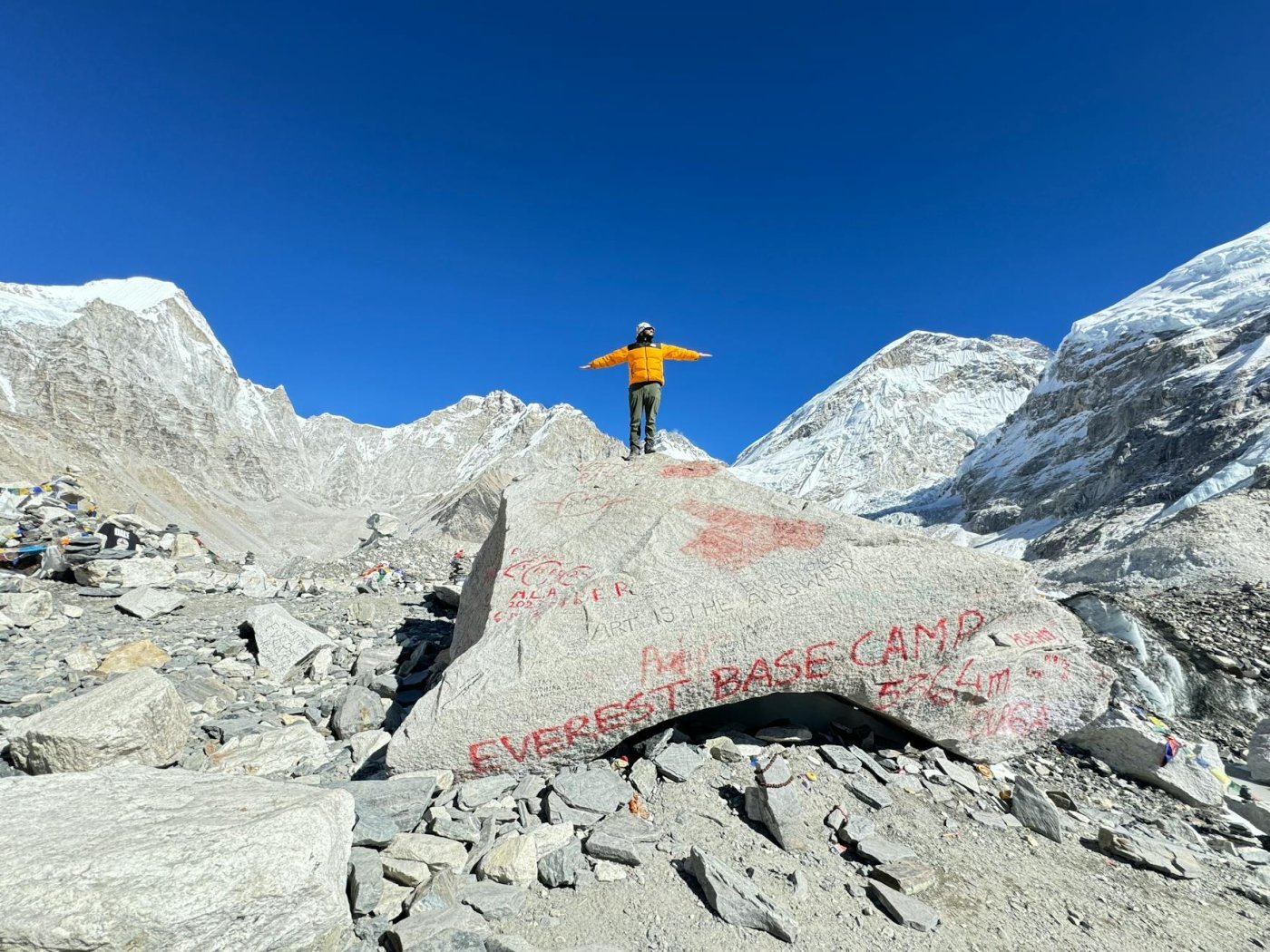
Four to five days is the minimum to cover Kathmandu's three UNESCO Durbar squares, Boudhanath, Swayambhunath and Pashupatinath without feeling rushed. A week allows a comfortable pace that includes day trips to Bhaktapur, Nagarkot and Patan plus time to absorb the neighbourhood atmosphere of Thamel and Boudha. If Kathmandu is your base for a Himalayan trek — Everest Base Camp, Annapurna Circuit or Langtang — factor in two buffer days on either end for permit processing and acclimatisation. Ten days in the valley, as suggested in our deep-dive Kathmandu itinerary, is genuinely rewarding for culture-focused travellers.
Kathmandu vs Varanasi — which should you choose?
Kathmandu and Varanasi are both sacred Hindu cities built around rivers and defined by ritual life, but they deliver fundamentally different experiences. Varanasi is older, more intense and more exclusively Hindu, with the Ganges ghats offering a rawness that is hard to match anywhere. Kathmandu, by contrast, blends Hindu and Tibetan Buddhist culture in a unique Himalayan synthesis — you can watch cremations at Pashupatinath in the morning and circumambulate a Tibetan stupa with monks in the afternoon. Kathmandu also offers the Himalayan panorama as a backdrop and easy access to world-class trekking. For first-time visitors to South Asia wanting cultural depth with more variety, Kathmandu is the stronger choice.
Do people speak English in Kathmandu?
English is widely spoken in Kathmandu's tourist areas, guesthouses, restaurants and with tour operators — far more so than in smaller Nepali towns. Younger Nepalis in Thamel, Patan and Boudha often speak good to excellent English. Outside the tourist zones, in local bazaars and residential neighbourhoods, English is less common but basic communication with locals is usually manageable through gestures and a few Nepali words. Learning 'dhanyabad' (thank you) and 'kati ho?' (how much?) is appreciated and often generates warm smiles from Kathmandu residents.
★ Hidden Gems Weekly
Like this? One place per week, in your inbox.
No spam, no fluff — just one underrated destination, every Tuesday.
Hand-picked and verified by Max, who founded Vacanexus from Luxembourg in 2026. No sponsorships, no paid placements. Every recommendation — restaurants, neighbourhoods, things to do — is selected for authenticity over popularity.