Bocas del Toro Travel Guide — Panama's Caribbean archipelago of sloths, surf & sunrise
⏱ 11 min read📅 Updated 2026💶 €€ Mid-Range✈️ Best: Jan–Apr
€50–120/day
Daily budget
Jan–Apr
Best time
5–8 days
Ideal stay
USD (Balboa)
Currency
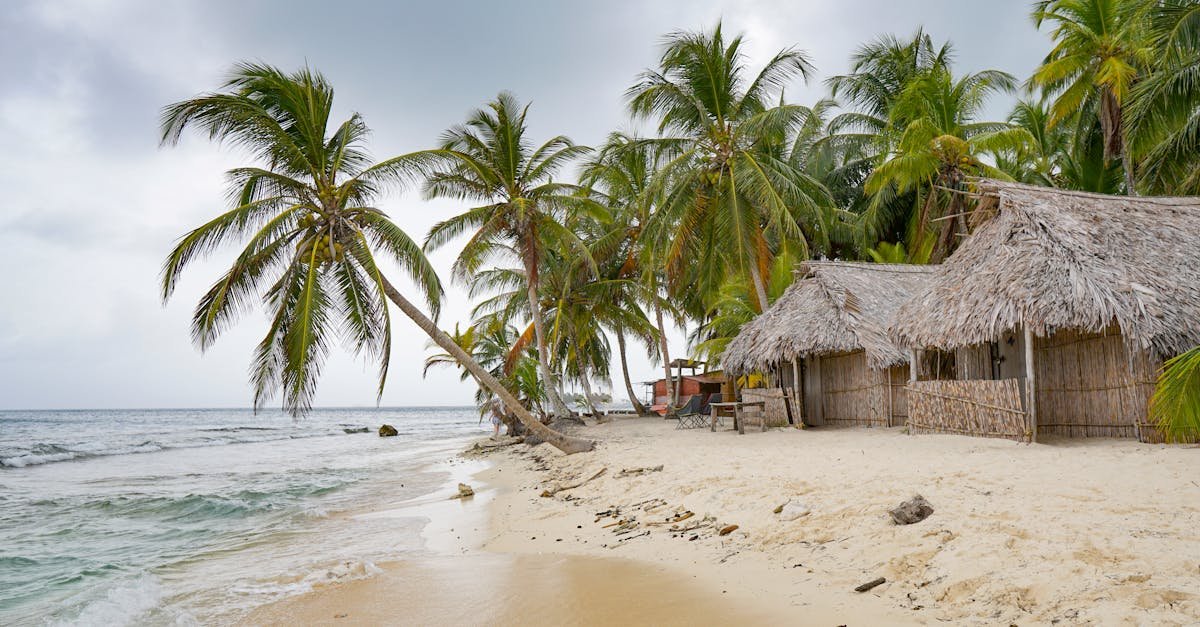
Bocas del Toro rises from the Caribbean Sea as a scattered constellation of jungle-draped islands, where the air smells of salt and tropical rain and the water shifts from jade to impossible turquoise within a single boat ride. Colorful wooden buildings lean on stilts over Bocas Town's harbour, spider monkeys swing through the forest canopy overhead, and three-toed sloths blink lazily from cecropia branches barely an arm's reach away. Bocas del Toro is the kind of place that holds you longer than you planned — a destination where the hammock swings beside the dock and the day's most pressing decision is which island to visit next. Few places in Central America pack this density of Caribbean beauty, raw wildlife, and laid-back energy into such an accessible package.
Compared to Costa Rica's overrun Tortuguero or Colombia's crowded Cartagena beaches, visiting Bocas del Toro feels genuinely unhurried — infrastructure is refreshingly simple, crowds are manageable, and prices remain honest by Caribbean standards. Things to do in Bocas del Toro range from snorkelling over brain-coral reefs teeming with nurse sharks and starfish to catching beginner surf breaks at Playa Bluff and night-diving to witness bioluminescent plankton. The archipelago's nine main islands offer everything from party-friendly Bocas Town hostels to remote Ngäbe-Buglé indigenous communities on Bastimentos. A Bocas del Toro itinerary rewards travelers who mix beach days with boat excursions and jungle hikes, making it the ideal base for anyone craving Panama's wildest Caribbean corner.
✦ Find your perfect destination
Is Bocas del Toro really your perfect match?
Answer 12 quick questions about your travel style, budget and dates — we match you with the destinations that fit you best, from 600+ worldwide.
Bocas del Toro belongs on your travel list because nowhere else in Panama — and arguably in Central America — blends affordable Caribbean living, staggering biodiversity, and a genuine backpacker soul so effortlessly. The archipelago harbours nine island ecosystems sheltering poison-dart frogs, manatees, hawksbill turtles, and some of the densest sloth populations on earth. Red Frog Beach on Bastimentos Island alone could anchor an entire holiday, while the region's Ngäbe-Buglé indigenous culture adds a layer of human depth that beach destinations elsewhere rarely offer. Bocas del Toro is, quite simply, Panama's most rewarding Caribbean secret.
The case for going now: Bocas del Toro is gaining international attention fast, yet still sits firmly below the tourism saturation threshold that has overwhelmed similar Caribbean hotspots. A new water-taxi terminal and improved road access to Almirante make logistics smoother than ever in 2025–2026. The USD-based economy keeps costs predictable for European travelers, and the weak dollar window makes now an especially strong value moment. Go before the boutique-hotel boom inevitably reshapes this delightfully raw corner of Panama.
🦥
Sloth Spotting
Bocas del Toro hosts one of the Caribbean's densest wild sloth populations. Early-morning boat tours along Bastimentos mangrove channels almost guarantee a three-toed sighting within arm's reach.
🐠
Coral Snorkelling
Swim above vibrant brain coral at Hospital Point and Crawl Cay, where nurse sharks rest on the sandy floor and schools of angelfish drift through crystal-clear Caribbean shallows.
🏄
Surf Playa Bluff
Playa Bluff on Isla Colón delivers powerful beach-break waves ideal for intermediate surfers, while nearby Dumpers and Silverbacks challenge advanced riders during the Caribbean's Atlantic swell season.
🐸
Red Frog Trek
Hike the short jungle trail on Bastimentos Island to spot the tiny, jewel-bright strawberry poison-dart frog — an iconic Bocas del Toro resident found nowhere else on the archipelago.
Bocas del Toro's neighbourhoods — where to focus
Hub & Nightlife
Bocas Town (Isla Colón)
The archipelago's beating heart occupies the southern tip of Isla Colón, packed with colourful hostel bars, reggae-pumping restaurants, and the main water-taxi dock. Main Street buzzes every evening, with cheap ceviche stands competing with cocktail bars for the affection of a happily mixed crowd of backpackers and Panamanian families.
Wild & Pristine
Bastimentos Island
Bastimentos is Bocas del Toro's most biodiverse island, sheltering Red Frog Beach, Old Bank village, and the Bastimentos National Marine Park. The jungle interior is thick with howler monkeys and poison-dart frogs, while the windward beaches remain gloriously untouched by development.
Local & Authentic
Old Bank Village
This small Afro-Caribbean community on Bastimentos rewards curious travelers with fresh lobster from family-run kitchens, reggae drifting from open windows, and a total absence of tourist polish. Old Bank is among Bocas del Toro's most genuinely lived-in corners and the best place to eat a $5 fish plate on a plastic chair.
Remote & Exclusive
Isla Solarte
Just a short water taxi from Bocas Town, Isla Solarte feels a world away — one eco-lodge, Hospital Point's world-class snorkelling wall, and almost no other tourists. It's the quietest base in the archipelago for travelers who want Caribbean seclusion without entirely sacrificing access to Bocas del Toro's islands.
Top things to do in Bocas del Toro
1. Island-Hop by Water Taxi
No Bocas del Toro itinerary is complete without a full-day island-hopping circuit by water taxi, the archipelago's universal transport and greatest pleasure. Start the morning at Hospital Point for snorkelling among nurse sharks and kaleidoscopic reef fish, then head to Cayo Zapatilla — a pair of uninhabited islands inside Bastimentos Marine Park — where powdery white sand meets clear green water in a setting that looks photoshopped. Afternoon stops at Dolphin Bay, where Indo-Pacific bottlenose dolphins frequently surface around the boat, complete the circuit before the golden hour return to Bocas Town. Shared tours run daily from the main dock and cost around $25–35 per person including park entrance fees, making this the single best-value experience in Bocas del Toro.
2. Red Frog Beach Day
Red Frog Beach on Bastimentos Island is the crown jewel of Bocas del Toro and a non-negotiable inclusion in any visit. A short water taxi from Bocas Town drops you at a private dock, from which a five-minute jungle walk through the forest — the trail itself alive with strawberry poison-dart frogs in vivid scarlet — delivers you to one of the Caribbean's genuinely beautiful beaches. The water is warm and wave-free in the inner cove, with decent surf further along the shore. Sun loungers, kayaks, and a beach bar occupy the main stretch without overwhelming it. Spend a full day here: arrive by 9am before the midday tour groups descend, swim in the morning calm, explore the frog trail during the heat of the afternoon, and take the last water taxi back at sunset.
3. Night Dive for Bioluminescence
Bocas del Toro's most otherworldly experience costs almost nothing and requires no equipment: a night swim or kayak session in the bioluminescent lagoons near Isla San Cristóbal. Every movement through the water ignites an electric blue-green glow as millions of dinoflagellate plankton respond to disturbance, turning each stroke into a private light show. The phenomenon is strongest in the dry season months of January to March when calm conditions concentrate the plankton. Several operators run guided bioluminescent kayak tours for around $20, and the experience pairs perfectly with an after-dark boat ride back through the darkened channels of the archipelago under a sky unobscured by city light — one of Bocas del Toro's most quietly spectacular pleasures.
4. Surf & Explore Isla Colón
Isla Colón stretches far beyond Bocas Town, and renting a bicycle or scooter to explore the island's full 62-kilometre perimeter is one of the best things to do in Bocas del Toro for independent travelers. The road north runs through small Ngäbe-Buglé communities selling fresh coconut water and hand-woven bags before reaching Playa Bluff, a wild five-kilometre stretch of Atlantic-facing beach with powerful surf and almost no facilities — the contrast with the manicured Caribbean ideal is exhilarating. Between December and March, leatherback turtles nest along Bluff's dark volcanic sand at night, and guided turtle-watching tours operate from Bocas Town. The round-island ride takes four to five hours at a relaxed pace, with Boca del Drago's calm lagoon on the northwest tip offering a perfect lunch stop.
What to eat in the Bocas del Toro Archipelago — the essential list
Patacones con Ceviche
Twice-fried green plantain discs topped with fresh lime-cured sea bass or shrimp — the definitive Bocas del Toro street snack. Served from beach shacks and market stalls, they pair perfectly with a cold Balboa beer.
Rondón
Bocas del Toro's signature Afro-Caribbean stew simmers fish, crab, cassava, plantain, and yam in rich coconut milk. Old Bank village grandmothers make the most authentic versions, slow-cooked and deeply flavoured — order it at least a day in advance.
Lobster Tail
Caribbean spiny lobster grilled whole over charcoal and served with rice and salad costs as little as $12 in Old Bank village restaurants — astonishing value that makes Bocas del Toro a seafood lover's dream.
Pan Bon
This dense, lightly sweetened Caribbean bread studded with dried fruit is a staple of Bocas del Toro's Afro-West Indian community. Find it in market stalls on Main Street, best eaten warm in the morning with a cup of locally grown coffee.
Corvina al Ajillo
Fresh sea bass pan-fried with garlic, butter, and local herbs is the everyday meal of Bocas del Toro's fishing communities — simple, perfectly executed, and almost impossible to replicate outside the archipelago with fish this fresh.
Chicha de Maíz
A fermented or fresh-ground maize drink sold by street vendors throughout Bocas del Toro — the indigenous Ngäbe version is subtly tangy and naturally refreshing in the tropical heat. A cultural staple worth trying once.
Where to eat in Bocas del Toro — our top 4 picks
Fine Dining
Firefly Restaurant
📍 Isla Solarte, Bocas del Toro
Set inside the Firefly eco-resort on Isla Solarte, this open-air restaurant serves the archipelago's most refined Caribbean cuisine — think coconut-crusted snapper, lobster bisque, and fresh tropical fruit desserts. Reserve in advance. Stunning overwater terrace with jungle backdrop.
Fancy & Photogenic
El Último Refugio
📍 Main Street, Bocas Town, Isla Colón
A candlelit overwater deck in the heart of Bocas Town, El Último Refugio serves expertly grilled catch-of-the-day with Caribbean-fusion sides. The sunset view over the harbour is matched only by the excellent mojitos. Beloved by long-term visitors for its consistent quality.
Good & Authentic
Roots Restaurant
📍 Old Bank Village, Bastimentos Island
A bare-bones community kitchen in Old Bank where the daily catch dictates the menu and rondón is made the traditional Afro-Caribbean way. Plastic chairs, reggae background, enormous portions for under $10. The most authentic dining experience in all of Bocas del Toro.
The Unexpected
Om Café
📍 Main Street, Bocas Town, Isla Colón
A popular vegan-and-vegetarian café that surprises first-time visitors with its excellent smoothie bowls, plant-based Caribbean wraps, and cold-brew coffee. Run by a long-time expat community fixture. A genuine relief after days of heavy seafood and fried plantain.
Bocas del Toro's Café Culture — top 3 cafés
The Institution
Panadería y Cafetería Lili
📍 Main Street, Bocas Town, Isla Colón
The oldest bakery in Bocas Town opens at sunrise and draws locals and travelers alike for fresh pan bon, empanadas, and strong Panama coffee. It's where boat captains, hostel staff, and early-rising surfers share the same plastic table each morning — the social heart of the archipelago.
The Aesthetic Hub
Bocas Brewery
📍 North End, Bocas Town, Isla Colón
Bocas del Toro's only craft brewery doubles as a café-bar with harbour-view seating and strong cold-brew alongside house-brewed Caribbean pale ales. The vibe is relaxed and creative, popular with digital nomads and photographers. The tropical IPA brewed with local pineapple is unmissable.
The Local Hangout
Super Gourmet
📍 Calle 3, Bocas Town, Isla Colón
Equal parts café, deli, and expat noticeboard, Super Gourmet brews honest American-style coffee alongside generous breakfast plates of eggs, fruit, and fresh-baked bread. It functions as a de facto community hub where hostel workers, boat guides, and returning travelers exchange island tips.
Best time to visit Bocas del Toro
Jan
Feb
Mar
Apr
May
Jun
Jul
Aug
Sep
Oct
Nov
Dec
Peak Season (Jan–Apr & Dec) — dry skies, calm Caribbean seas, ideal snorkelling and beach daysShoulder Season (Oct–Nov) — fewer crowds, good wildlife activity, occasional rainRainy Season (May–Sep) — heavy afternoon downpours, rougher seas, cheapest prices
Bocas del Toro events & festivals 2026
Whether you're planning around a specific celebration or simply want to know what's happening, this guide covers the best events and festivals in Bocas del Toro — from major annual traditions to cultural highlights worth timing your trip around.
February 2026culture
Bocas del Toro Carnival
One of the The waterfront celebration runs for four nights with open-air concerts, street food stalls, and the crowning of the Carnival Queen.
April 2026culture
Feria del Mar
Bocas del Toro's Sea Festival celebrates the archipelago's fishing and Afro-Caribbean heritage with boat races, traditional rondón cook-offs, and live folk music performances. Local artisan markets sell handwoven textiles and indigenous crafts — a highlight for culturally curious visitors in Bocas del Toro.
July 2026religious
Día de la Virgen del Carmen
The patronal feast of the Virgen del Carmen is celebrated with a colourful procession of decorated boats through Bocas Town harbour. Fishermen bless their vessels, local choirs perform on the waterfront, and the evening closes with communal feasting — a deeply local event rarely seen by visitors.
October 2026culture
Bocas del Toro Foundation Day
Marking the province's official founding on October 16th, Foundation Day brings parades, school performances, and civic ceremonies to Bocas Town. Hotels and restaurants decorate their facades with national colours, and the evening features free outdoor concerts on the main plaza.
November 2026culture
Panama Independence Festivities
Panama's twin Independence Days on November 3rd and 28th are celebrated enthusiastically throughout Bocas del Toro with flag processions, school marching bands, and fireworks over the harbour. Visiting Bocas del Toro in November during these celebrations gives a vivid window into Panamanian national identity.
December 2026music
Bocas Jazz & Blues Festival
A growing annual gathering that draws musicians from Panama City, Colombia, and beyond for three nights of jazz, blues, and Latin fusion performed on floating stages and waterfront decks throughout Bocas Town. The festival coincides with peak dry-season arrivals and sells out accommodation quickly.
March 2026culture
Ngäbe-Buglé Cultural Fair
Indigenous communities from across the Bocas del Toro province gather in Almirante and on Isla Colón to showcase traditional dance, medicinal plant knowledge, and hand-woven craft traditions. The fair is a rare opportunity to engage respectfully with Panama's largest indigenous group on their own cultural terms.
January 2026market
New Year Artisan Market
The first weeks of January see expanded artisan markets along Bocas Town's waterfront, coinciding with peak arrivals of European and North American visitors. Local vendors sell mola patchwork, carved coconut crafts, and local honey alongside fresh fruit and seafood — ideal for picking up Bocas del Toro souvenirs.
September 2026culture
Bastimentos Island Day
Old Bank village marks its community anniversary with a day of beach games, traditional music, and communal cooking on Bastimentos Island. The celebration is low-key and genuinely local — visitors who arrive by water taxi from Bocas Town are warmly welcomed to join the festivities and share a meal.
May 2026culture
Feria de la Provincia
The annual provincial fair in Changuinola — accessible by bus from Almirante — showcases Bocas del Toro's agricultural and cultural wealth with banana-industry exhibitions, livestock shows, and regional food stalls. It's the most authentic window into the mainland province beyond the tourist archipelago.
Dormitory hostel bunk, street patacones and market meals, shared water taxis, free beach days.
€€ Mid-range
€50–120/day
Private hostel room or small guesthouse, restaurant dinners, guided island-hopping tours, snorkel hire.
€€€ Luxury
€150+/day
Eco-lodge overwater bungalow on Solarte or Bastimentos, private boat charters, fine dining at Firefly.
Getting to and around Bocas del Toro (Transport Tips)
By air: The closest airport to Bocas del Toro is Bocas Town Airport (BOC) on Isla Colón, served by Air Panama with multiple daily flights from Panama City's Albrook Marcos A. Gelabert Airport — the journey takes just 55 minutes. Alternatively, fly into David Airport (DAV) in Chiriquí Province and connect by bus and water taxi via Almirante.
From the airport: Bocas Town Airport sits literally two minutes' walk from the town centre, so arrivals simply step outside and walk to their hostel or catch a water taxi to other islands immediately. Travelers arriving via Almirante take a 30-minute water taxi ($6–8 each way) that departs regularly throughout the day from the ferry terminal. The Almirante route requires a bus or taxi from David, adding two to three hours to the journey from Chiriquí.
Getting around the city: Within the archipelago, water taxis are the universal and affordable transport, connecting Bocas Town to Bastimentos, Carenero, Solarte, and beyond for $1–8 per trip depending on distance. Shared boats depart from the main dock on Calle 1 throughout the day, with the last services typically running by 6pm. On Isla Colón itself, bicycles ($10/day) and scooters ($35/day) are ideal for exploring beyond Bocas Town toward Playa Bluff and Boca del Drago — no car rental is necessary or practical.
Transport Safety & Scam Prevention:
Negotiate Water Taxi Fares: Always confirm the price before boarding any private water taxi in Bocas del Toro. Shared scheduled boats have fixed low fares, but private charters can be dramatically overpriced if you don't agree on the cost upfront — particularly for the Bastimentos and Solarte routes.
Book Tours Directly at the Dock: Third-party tour sellers on Main Street often add $10–15 commission to island-hopping tours. Walk directly to the official tour operators' booths at the main dock on Calle 1 to book at the source price. Hostel front desks can also arrange tours at fair rates.
ATM Cash Before Arrival: Bocas Town has only two ATMs and they frequently run out of cash during peak season. Withdraw sufficient USD in Panama City or David before arriving, as many smaller restaurants and water taxis on Bastimentos and Solarte are strictly cash-only — cards are rarely accepted outside larger Bocas Town establishments.
Do I need a visa for Bocas del Toro?
Visa requirements for Bocas del Toro depend on your nationality. Select your passport below for an instant answer — based on the Passport Index dataset for entry into Panama.
ℹ️ Indicative only. Always verify with the official consulate before booking. Data: Passport Index, April 2026.
For detailed requirements, documentation checklists and processing times by nationality: TravelDoc →
Search & Book your trip to Bocas del Toro
Find the best flight routes and hotel combinations using our partner Kiwi.com.
Frequently Asked Questions
Is Bocas del Toro safe for tourists?
Bocas del Toro is generally safe for tourists, but requires the same sensible precautions applicable throughout Central America. Petty theft — primarily bag snatching and opportunistic theft from beaches — is the most common risk. Avoid leaving valuables unattended on Red Frog Beach or at Playa Bluff, and return to Bocas Town before dark when travelling between islands, as night water taxis carry higher risk on rough seas. The town itself is lively rather than threatening, and solo female travelers visit regularly without significant issues. Stay alert during Carnival season when pickpocketing increases in crowds.
Can I drink the tap water in Bocas del Toro?
Tap water in Bocas del Toro is not reliably safe to drink. The island's water supply is inconsistent in quality, and most long-term residents and guesthouses recommend using filtered or bottled water for drinking and brushing teeth. Most hostels and guesthouses provide filtered water refill stations, which significantly reduces plastic waste — bring a reusable bottle. Water on outer islands like Bastimentos and Solarte is even less reliable, so carry adequate supplies when island-hopping for the day.
What is the best time to visit Bocas del Toro?
The best time to visit Bocas del Toro is during the dry season, which runs from January to April. During these months, rainfall is minimal, Caribbean seas are calm and crystal-clear, snorkelling visibility is at its peak, and island-hopping is smooth and enjoyable. December is also excellent, coinciding with peak season and the early arrival of European winter-escape visitors. The rainy season from May to September brings heavy afternoon downpours and rougher seas that can cancel boat tours entirely — though prices drop significantly and the archipelago is noticeably quieter. October and November offer a transitional shoulder period with improving conditions.
How many days do you need in Bocas del Toro?
A minimum of five days is recommended for a satisfying Bocas del Toro itinerary, allowing time for Red Frog Beach, a full island-hopping circuit, the bioluminescence night experience, and at least one day on Isla Colón beyond Bocas Town. Most visitors find that seven to eight days feels ideal — enough to slow down, repeat favourite beaches, and take a day trip toward the Ngäbe-Buglé communities or the mainland mangrove channels without feeling rushed. Two weeks is entirely enjoyable for those based on the archipelago who want to combine surfing, diving, and cultural exploration at a genuinely relaxed Caribbean pace.
Bocas del Toro vs San Blas Islands — which should you choose?
Bocas del Toro and the San Blas Islands both offer Panama's Caribbean beauty, but they cater to very different travel styles. Bocas del Toro has hostels, restaurants, surf schools, organised tours, and a lively social scene — it's perfect for budget-conscious backpackers, solo travelers, and those who want wildlife encounters alongside beach time. San Blas is far more remote: there are no permanent tourist facilities on most islands, you stay in basic tent camps or simple indigenous-run lodges, and the Guna Yala people maintain strict cultural autonomy over their territory. Choose Bocas del Toro for a mix of activity, nightlife, and wildlife; choose San Blas for pristine isolation and cultural immersion in a genuinely off-grid Caribbean setting.
Do people speak English in Bocas del Toro?
English is widely spoken in Bocas del Toro, making it one of Panama's most accessible destinations for European travelers. The archipelago's Afro-Caribbean community has historically spoken a creole English called Guari-Guari, and decades of international backpacker tourism have ensured that hostel staff, tour operators, restaurant owners, and water taxi drivers throughout Bocas Town communicate comfortably in English. On more remote islands like Bastimentos' interior or within Ngäbe-Buglé communities, Spanish and the indigenous Ngäbere language dominate — learning a few basic Spanish phrases is always appreciated. Overall, navigating Bocas del Toro without any Spanish is entirely feasible.
★ Hidden Gems Weekly
Like this? One place per week, in your inbox.
No spam, no fluff — just one underrated destination, every Tuesday.
Hand-picked and verified by Max, who founded Vacanexus from Luxembourg in 2026. No sponsorships, no paid placements. Every recommendation — restaurants, neighbourhoods, things to do — is selected for authenticity over popularity.