San Blas Travel Guide — Where 365 coral islands meet untouched Caribbean soul
⏱ 11 min read📅 Updated 2026💶 €€ Mid-range✈️ Best: Jan–Apr
€50–120/day
Daily budget
Jan–Apr
Best time
3–7 days
Ideal stay
USD
Currency
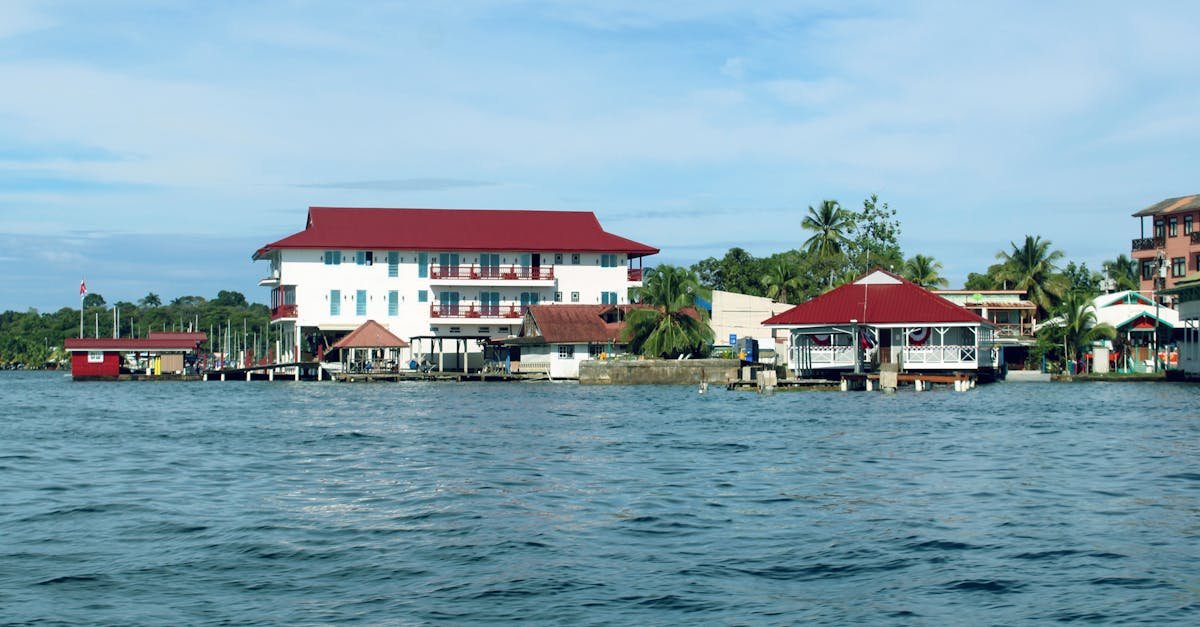
San Blas is an archipelago unlike any other on Earth — a scattering of 365 tiny coral islands draped in coconut palms and fringed by water so turquoise it looks digitally enhanced. Located along Panama's Caribbean coast, these islands belong not to any hotel chain or resort developer, but to the Guna people, one of Latin America's most self-governing indigenous communities. Waking up in a thatched-palm hut with the sound of gentle waves lapping just centimetres beneath the floorboards, breathing in salt air untouched by air conditioning or pool chemicals, is the kind of experience that recalibrates your sense of what a beach holiday can actually be.
Visiting San Blas means accepting — and ultimately celebrating — a deliberate absence of infrastructure. There is no resort Wi-Fi, no cocktail menu printed on a laminated card, and no swim-up bar. What you get instead is rare: a living indigenous culture still thriving on ancestral territory, lobster grilled over open fires, and the freedom to sail between islands at the pace of the trade wind. Unlike Bocas del Toro or Belize's islands, things to do in San Blas revolve around the sea, the Guna community, and a slow rhythm that most travellers take a full day to truly settle into — and then never want to leave.
✦ Find your perfect destination
Is San Blas really your perfect match?
Answer 12 quick questions about your travel style, budget and dates — we match you with the destinations that fit you best, from 600+ worldwide.
San Blas belongs on your travel list because it offers something that money and infrastructure genuinely cannot replicate: genuine wildness governed by a people who chose to keep it that way. The Guna Nation has legal sovereignty over their islands and has deliberately limited tourism development, which means San Blas remains ecologically pristine and culturally intact decades after similar Caribbean destinations were paved over. Snorkelling over shallow reefs, trading molas (traditional textiles) directly with their makers, and watching the stars from a hammock strung between palms are experiences with no commercial equivalent anywhere else in Panama.
The case for going now: San Blas is gaining international attention fast — but access is still regulated by the Guna authority, meaning visitor numbers stay capped before mass tourism takes hold. The overland road connecting Panama City to the embarkation point at Cartí was improved in 2023, cutting journey time significantly. Book your sailboat or island camp now while prices reflect backpacker-friendly rates and the islands still feel genuinely off-grid.
⛵
Sailboat Hopping
Charter a wooden sailboat and drift between uninhabited islands at your own pace. Most vessels sleep four to eight people and include a captain, cook, and all snorkelling equipment.
🤿
Reef Snorkelling
San Blas reefs are shallow, clear, and thriving with parrotfish, rays, and nurse sharks. The best sites sit just minutes from most island camps with no boat queue required.
🧵
Mola Textile Art
Buy hand-stitched molas directly from Guna women artists. These layered fabric panels take weeks to complete and represent cosmological stories unique to each island community.
🌅
Sunrise Over Coral
On the smallest islands you are never more than ten metres from the water's edge. Watching the Caribbean dawn with a coffee in hand, entirely alone on a coral sandbank, is unforgettable.
San Blas's neighbourhoods — where to focus
Most Visited
Western San Blas (Cartí Region)
The gateway zone near the Cartí dock is where most visitors arrive and where the largest concentration of island camps operate. Islands here including Isla Pelícano and Isla Perro are well-organised with hammock huts and communal dining, making it ideal for first-timers who want accessibility without sacrificing the barefoot atmosphere.
Remote & Wild
Eastern San Blas (Achutupu Area)
Fewer tourists reach the eastern stretch of the archipelago, where the Guna villages are larger and the reefs dramatically more pristine. Achutupu and surrounding islands reward travellers willing to endure a longer journey with an authenticity that feels entirely removed from anything resembling a tourist trail.
Sailboat Base
Porvenir Island
Porvenir serves as the administrative hub of Guna Yala, housing the small airstrip and the official Guna Yala tourism office. Most multi-day sailing charters depart from or pass through Porvenir, and the island offers a useful orientation into Guna history before you disperse across the archipelago.
Secluded Sandbar
Dog Island (Isla Perro)
Isla Perro — named after a sunken cargo ship visible in the shallows — is one of San Blas's most photographed spots. A small island ringed by a white sand beach and a shallow wreck perfect for beginner snorkellers, it fills up by midday with daytrippers but empties beautifully by late afternoon.
Top things to do in San Blas
1. 1. Charter a Sailboat Across the Archipelago
The definitive San Blas experience is spending two to five nights aboard a wooden sailing vessel threading between uninhabited islands. Captains — typically Panamanian or European — know every safe anchorage and reef. You wake each morning to a different island, snorkel before breakfast, and fall asleep to the creak of rigging. Boats range from basic wooden ketch to more comfortable catamarans; most include a cook who prepares fresh fish, rice, and fruit. A San Blas sailboat trip costs roughly $150–250 per person per night all-inclusive, and it remains the most efficient way to cover a large section of the archipelago while sleeping under a sky completely unpolluted by artificial light. Book at least six to eight weeks in advance during the January to April peak season.
2. 2. Snorkel Isla Perro's Shipwreck
Isla Perro — Dog Island — holds one of the most accessible and beginner-friendly snorkel sites in all of San Blas. A small cargo ship rests in just three to five metres of water, its hull now colonised by soft corals, sergeant-major fish, and the occasional nurse shark resting motionless in the sand. The wreck sits just metres from the island's white beach, meaning you can fin out from shore without a boat. Morning visits are best when visibility peaks at fifteen to twenty metres. Most island camps and sailboat charters include Isla Perro in their standard itinerary, but visiting independently by hiring a local Guna cayuco (dugout canoe) for a few dollars is equally rewarding and keeps money directly in community hands.
3. 3. Visit a Guna Village and Buy Molas
The Guna Nation's inhabited islands operate as genuine living villages, not curated cultural displays. Asking your camp host or captain to arrange a village visit allows you to walk narrow sand paths between thatch-and-bamboo homes, watch women sewing molas in doorways, and observe daily communal life centred on the gathering house known as the onmake. Molas are layered reverse-appliqué textile panels depicting birds, sea creatures, and cosmological symbols; buying directly from the artist, typically for $10–40 per panel, ensures the maker receives full value. Some islands also have small chicha ceremonies — traditional fermented corn gatherings — that visitors occasionally witness. Always ask permission before photographing community members, and respect when requests are declined.
4. 4. Sleep on an Uninhabited Island
A handful of operators in San Blas offer stays on truly uninhabited coral islands — places small enough to walk around the entire perimeter in under three minutes. These micro-island camps consist of a bamboo platform, a thatched palm roof, a hammock, and a bucket shower. Electricity is solar; meals arrive by boat. The silence is extraordinary: no traffic, no generators after nine PM, and no notification sounds, because there is no signal to generate them. Sleeping this way reorients your relationship with darkness — the kind that makes the Milky Way visible from edge to edge. These camps tend to sell out weeks in advance and are particularly popular with couples celebrating anniversaries or travellers at the end of longer Panama itineraries who want genuine decompression before flying home.
What to eat in Guna Yala — the essential list
Grilled Lobster
Caribbean spiny lobster is the undisputed star of San Blas dining. Grilled over open coals with a squeeze of lime and a splash of garlic butter, it is served fresh each evening at island camps for a fraction of European restaurant prices.
Coconut Rice
Rice cooked in fresh coconut milk is the foundational side dish of every San Blas meal. Rich, slightly sweet, and deeply fragrant, it pairs with almost everything from fried snapper to stewed beans — and comes from palms growing ten metres from the kitchen.
Fried Snapper
Whole red snapper, caught the same morning, fried golden and served with plantain and salad. Guna cooks prepare it simply and expertly — the freshness of the fish does the heavy lifting in a dish that needs no sauce to impress.
Patacones
Twice-fried green plantain discs, crisp on the outside and starchy within, served as a universal snack and side across Panama. In San Blas they often arrive with a scoop of chilli salsa or accompanied by fresh ceviche made from the morning's catch.
Ceviche de Caracol
Conch ceviche cured in fresh lime juice with red onion, coriander, and habanero chilli is a Guna staple that doubles as the perfect midday snack after a morning snorkel. The conch is harvested locally and the preparation is refreshingly simple.
Chicha
A traditional fermented drink made from maize, chicha occupies a central place in Guna ceremonial life. Non-alcoholic versions made with sugar cane juice are sometimes offered to visitors at village stops — sweet, earthy, and unlike any commercial drink.
Where to eat in San Blas — our top 4 picks
Fine Dining
Sapibenega Kuna Lodge Restaurant
📍 Isla Sapibenega, San Blas Archipelago
The dining room at Sapibenega is the closest San Blas comes to a curated restaurant experience. Meals are prepared by Guna staff using catch-of-the-day fish, island coconuts, and organic produce, served on a open-sided deck above the water. Booking is for lodge guests only.
Fancy & Photogenic
El Océano Floating Deck, Isla Pelícano Camp
📍 Isla Pelícano, Western San Blas
The communal dining platform at Isla Pelícano camp juts directly over a crystal-clear lagoon, making every meal look like a magazine shoot. Lobster, snapper, and coconut rice are served family-style at sunset, making for one of the most visually arresting dining experiences in all of Panama.
Good & Authentic
Yandup Island Lodge Dining Hall
📍 Yandup Island, San Blas (near Playón Chico)
Yandup's communal dining hall is simple, open-sided, and run entirely by Guna staff who take pride in traditional recipes. Three meals a day are included with accommodation, featuring local seafood, tropical fruit, and the best coconut bread in the archipelago — baked fresh each morning.
The Unexpected
Banedup Island Camp Kitchen
📍 Banedup Island, San Blas Archipelago
Banedup's camp cook is the archipelago's worst-kept secret — a Guna grandmother who has been perfecting her coconut fish stew and palm sugar desserts for thirty years. Meals here are served on mismatched plates under a palm-thatch roof and routinely outshine anything at larger, pricier camps.
San Blas's Café Culture — top 3 cafés
The Institution
Cartí Dock Coffee Stand
📍 Cartí Embarkation Point, Guna Yala Road
Before boarding your boat, the small informal coffee stand at the Cartí dock has been serving strong Panamanian café negro to travellers for years. It is chaotic, friendly, and the last hot coffee you will find before reaching the islands — savour it.
The Aesthetic Hub
Nusatupu Camp Hammock Bar
📍 Nusatupu Island, Central San Blas
The hammock bar at Nusatupu island camp serves fresh coconut water, cold Balboa beer, and rum punches in an open-air space strung with rope hammocks over the water. It is less café and more the island's unofficial social hub — where guests swap recommendations and plans dissolve happily.
The Local Hangout
Nalunega Village Juice Corner
📍 Nalunega Village, San Blas
On the inhabited island of Nalunega, a corner vendor sells fresh-squeezed mango and passion fruit juices alongside cold coconut for a dollar or two. It is entirely informal and beloved by village residents — joining the queue alongside locals is a genuine slice of Guna daily life.
Best time to visit San Blas
Jan
Feb
Mar
Apr
May
Jun
Jul
Aug
Sep
Oct
Nov
Dec
Peak Season (Jan–Apr & Dec) — calm seas, clear skies, ideal snorkelling and sailing conditionsShoulder Season (Oct–Nov) — occasional showers but quieter islands and lower camp ratesRainy Season (May–Sep) — choppy seas, reduced visibility, some camps close; not recommended for sailing
San Blas events & festivals 2026
Whether you're planning around a specific celebration or simply want to know what's happening, this guide covers the best events and festivals in San Blas — from major annual traditions to cultural highlights worth timing your trip around.
February 2026culture
Guna Revolution Day (Día de la Revolución Kuna)
Celebrated across the archipelago on 25 February, this national Guna holiday commemorates the 1925 uprising against Panamanian government forces. Villages hold ceremonies, traditional dance performances, and community gatherings.
March 2026culture
Inagination Sailing Festival
A loosely organised gathering of sailing vessels in the western archipelago each March, this informal event draws captains and crews who trade routes, share meals, and occasionally hold impromptu races between islands. Travellers aboard charter sailboats often stumble into it by pleasant accident.
January 2026culture
New Year Island Celebrations
Guna communities mark the new year with communal feasting, chicha ceremonies, and handmade fireworks on larger inhabited islands including Nalunega and Playón Chico. Visiting San Blas in January means catching the festive atmosphere while enjoying peak-season sea conditions.
April 2026culture
Semana Santa (Holy Week) Gatherings
Easter week brings an unusual fusion of Catholic observance and Guna tradition to the archipelago's inhabited islands. Ceremonies blend the two cosmologies in ways unique to Guna Yala, and the week attracts Panamanian visitors from the mainland who grew up with family connections to island communities.
October 2026culture
Panama Independence Day Celebrations
Marked on 3 November, Panamanian independence is observed across Guna Yala with flag ceremonies on Porvenir Island and community sports events on larger inhabited islands. The shoulder season timing means islands are quieter and camps often offer reduced rates around this period.
July 2026religious
Guna Nele Ceremony Season
July through August marks a period when several Guna communities hold nele (healer or shaman) initiation and recognition ceremonies. These are not tourist events, but respectful visitors occasionally witness preparation rituals in village squares. Ask your camp host rather than arriving uninvited.
November 2026music
Caribbean Music Nights, Porvenir
Informal music evenings organised through the Porvenir tourism hub in November draw local Guna musicians playing traditional flutes alongside pan-Caribbean reggae and cumbia. These shoulder-season events are small, informal, and genuinely community-run — nothing like a staged cultural show.
December 2026market
Christmas Mola Market, Nalunega
Each December, Guna women on Nalunega and neighbouring islands increase mola production for the gift-buying season, and informal textile markets spring up on docks and pathways. December is one of the best months for mola quality and variety — and marks the return of peak sailing conditions.
September 2026culture
Guna Congreso General Assembly
The Guna Nation's governing body, the Congreso General, holds its annual assembly in September to set policy on tourism, conservation, and territory management. Observers from international indigenous rights organisations attend, and the debates shape how San Blas will be managed for visitors in coming years.
May 2026culture
Sailing Season Closing Parties
As the rainy season begins in May, captains and crews hosting their final sailboat charters of the season often mark the occasion with informal dock parties at Cartí and Porvenir. These unplanned gatherings are a fond farewell to peak San Blas season from the sailing community.
Basic island camp hut, all meals included, shared facilities, local boat transfers, and snorkelling off the island's edge.
€€ Mid-range
€70–120/day
Sailboat charter per-person rate or lodge room with private bathroom, guided excursions, and lobster dinners included.
€€€ Luxury
€150+/day
Private catamaran charter, Sapibenega Lodge overwater bungalow, exclusive island buyout, and personalised Guna cultural guide.
Getting to and around San Blas (Transport Tips)
By air: San Blas is accessible by small Cessna from Albrook Airport in Panama City to Porvenir, El Porvenir, or Achutupu airstrips. Flights take approximately 25 minutes and operate through Air Panama. Seats book out fast in peak season — reserve at least four weeks in advance.
From the airport: Most travellers reach San Blas overland from Panama City via 4x4 shuttle to the Cartí dock on the Caribbean coast. The drive takes around two to three hours over a mountain road that requires a high-clearance vehicle. Shuttles depart at roughly 5 AM and cost $25–35 per person one way, booked through your island camp or a Panama City hostel. From Cartí, speedboats transfer you to your island in 15–45 minutes depending on location.
Getting around the city: Within San Blas, inter-island transport is by Guna-owned motorised cayuco (dugout canoe) or speedboat. There are no roads, no taxis, and no app-based services. Your island camp or sailboat captain arranges all inter-island transfers. Negotiating directly with Guna boatmen for individual trips is possible and costs $5–20 per journey. The concept of a fixed schedule does not apply — boats depart when people are ready.
Transport Safety & Scam Prevention:
Book Camps Before Arriving at Cartí: Unofficial touts at the Cartí dock will offer last-minute island camp deals that often lead to inferior accommodation. All legitimate operators can be pre-booked from Panama City — arriving without a reservation gives touts leverage over your situation and wallet.
Verify Your Sailboat Operator: Sailboat quality in San Blas varies enormously. Request photos of the actual vessel (not stock images), confirmation of the captain's Guna Yala permit, and references from recent travellers before paying any deposit. Legitimate operators readily provide all three without hesitation.
Guna Photography Fee is Legitimate: Guna community members often request a small fee of $1–2 before being photographed. This is not a scam — it is a legally recognised cultural right under Guna autonomous law. Always ask permission first, pay willingly when requested, and decline respectfully if you do not wish to pay rather than photographing anyway.
Do I need a visa for San Blas?
Visa requirements for San Blas depend on your nationality. Select your passport below for an instant answer — based on the Passport Index dataset for entry into Panama.
ℹ️ Indicative only. Always verify with the official consulate before booking. Data: Passport Index, April 2026.
For detailed requirements, documentation checklists and processing times by nationality: TravelDoc →
Search & Book your trip to San Blas
Find the best flight routes and hotel combinations using our partner Kiwi.com.
Frequently Asked Questions
Is San Blas safe for tourists?
San Blas is widely considered one of the safest destinations in Panama for travellers. The Guna Nation self-governs the archipelago and maintains its own community police force, keeping crime rates extremely low. The main risks are environmental rather than criminal: strong currents around some outer reefs, occasional rough seas during the rainy season, and remote locations far from medical facilities. Travel insurance that includes emergency evacuation is genuinely important here given the archipelago's isolation. Respect for Guna customs — particularly around photography and village entry — is expected and contributes to the harmonious atmosphere.
Can I drink the tap water in San Blas?
Tap water is not available on most San Blas islands — there are no pipes, mains water systems, or municipal infrastructure of any kind. Fresh water on island camps is collected rainwater or brought in by boat from the mainland. Most camps provide filtered drinking water or sell bottled water; confirm the arrangement with your specific camp before arrival. On sailboats, the captain typically carries adequate fresh water for cooking and drinking. Bringing a reusable bottle with a purification filter is a practical and eco-conscious precaution that reduces plastic waste across a fragile coral ecosystem.
What is the best time to visit San Blas?
The best time to visit San Blas is between January and April, when the Caribbean trade winds create calm seas, excellent snorkelling visibility of fifteen to twenty metres, and reliably sunny skies. December also offers good conditions and a festive atmosphere in Guna villages. May through September is the rainy season — seas become choppy, reefs develop reduced visibility due to freshwater runoff, and several island camps close entirely. October and November are workable shoulder months with occasional rain but noticeably fewer tourists and lower camp rates. If your San Blas itinerary centres on a sailboat charter, sticking to January through April is strongly advisable for safety and comfort.
How many days do you need in San Blas?
A minimum of three nights in San Blas is necessary to genuinely decompress and experience more than a single island. Two nights are sufficient for a weekend taster but leave most travellers wishing they had booked longer. Five to seven days is the sweet spot for a San Blas itinerary that combines a sailboat charter with time at an island camp, a village visit, and multiple reef sites. Travellers doing a sailing passage from Colombia to Panama (a popular backpacker route) spend four to five days crossing through the archipelago, which provides a natural and satisfying duration. Ten days allows you to reach the remote eastern islands near Achutupu — a level of exploration that very few visitors achieve and that rewards the commitment entirely.
San Blas vs Bocas del Toro — which should you choose?
San Blas and Bocas del Toro both sit on Panama's Caribbean coast but deliver fundamentally different experiences. Bocas del Toro is more developed, with hostels, restaurants, nightlife, and reliable Wi-Fi — it suits travellers who want Caribbean scenery with social infrastructure around them. San Blas is deliberately undeveloped, governed by the Guna Nation, and genuinely off-grid — it suits travellers who want authenticity, indigenous culture, and a complete break from digital life. Snorkelling and reef quality are superior in San Blas. Beach bar culture and party atmosphere are superior in Bocas. Budget-wise, both sit in a similar mid-range tier. If you value cultural depth, ecological integrity, and genuine solitude over nightlife and convenience, San Blas wins decisively.
Do people speak English in San Blas?
English is limited across San Blas. The Guna people speak Dulegaya as their first language and Spanish as a second — English is rarely spoken in villages or by island camp staff. Sailboat captains, particularly those running operations for international backpackers, often speak conversational English and occasionally French. A working knowledge of basic Spanish is genuinely useful in San Blas and will enrich your interactions with Guna hosts significantly. That said, the universal languages of smiling, pointing at lobster, and enthusiastically nodding at coconut rice carry you surprisingly far across the archipelago without a single shared word.
★ Hidden Gems Weekly
Like this? One place per week, in your inbox.
No spam, no fluff — just one underrated destination, every Tuesday.
Hand-picked and verified by Max, who founded Vacanexus from Luxembourg in 2026. No sponsorships, no paid placements. Every recommendation — restaurants, neighbourhoods, things to do — is selected for authenticity over popularity.