Panama City Travel Guide — Where the Canal Meets a Tropical Skyline
⏱ 11 min read📅 Updated 2026💶 €€ Mid-range✈️ Best: Jan–Apr
$50–120/day
Daily budget
Jan–Apr
Best time
4–6 days
Ideal stay
USD (PAB)
Currency
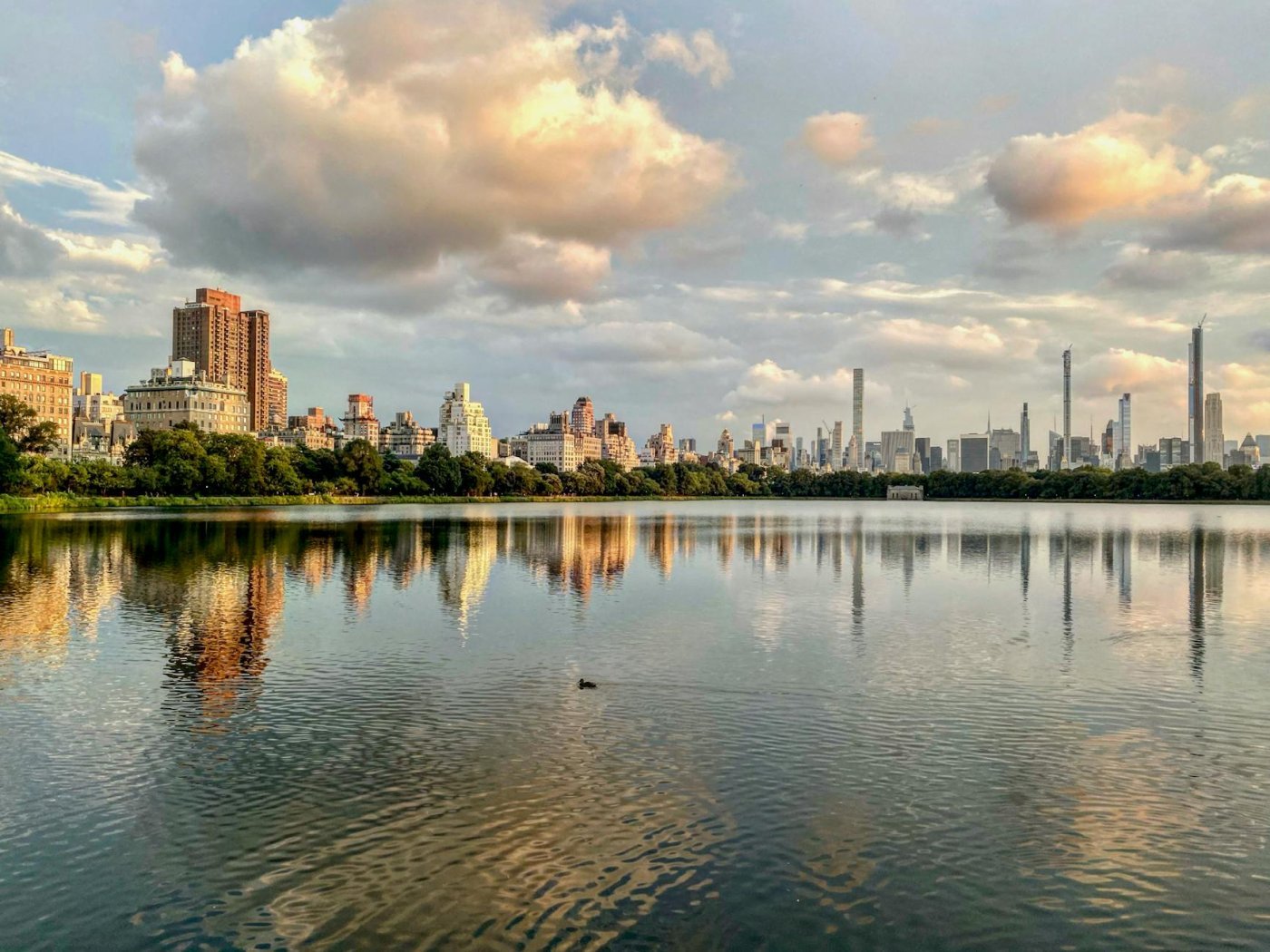
Panama City is one of the Western Hemisphere's most unexpected urban surprises — a city where glittering skyscrapers rise above a colonial waterfront and one of the world's greatest engineering feats sits just thirty minutes from the hotel strip. Stand on the Amador Causeway at dusk and you'll smell salt air mixing with grilled plantains while container ships the length of city blocks drift silently through the canal lock chambers behind you. The heat is tropical and immediate, the energy mercantile and ambitious. Panama City rewards travelers who look beyond the transit stereotype and dig into its layered, genuinely cosmopolitan soul.
Visiting Panama City means arriving somewhere that refuses easy categorisation. It has Cartagena's colonial bones in Casco Viejo, Miami's high-rise appetite in Punta Pacifica, and a biodiversity-rich rainforest — Parque Natural Metropolitano — literally inside city limits. Things to do in Panama City range from watching Panamax vessels squeeze through century-old locks to eating world-class ceviche at a rooftop bar thirty floors above the Pacific. Unlike many Central American capitals, Panama City is genuinely walkable in its historic core and professionally navigated by rideshare elsewhere, making it accessible for first-timers and seasoned Latin America hands alike.
✦ Find your perfect destination
Is Panama City really your perfect match?
Answer 12 quick questions about your travel style, budget and dates — we match you with the destinations that fit you best, from 600+ worldwide.
Panama City occupies a geographical choke point that has shaped global commerce for over five centuries, and that strategic energy is palpable on every block. The restored Casco Viejo neighbourhood is arguably the finest intact colonial district in Central America, its UNESCO-listed plazas lined with boutique hotels and jazz bars. The Miraflores Visitor Center offers one of travel's genuinely jaw-dropping spectacles. Add duty-free shopping, outstanding Afro-Caribbean and fusion cuisine, and direct flights from a dozen European hubs, and Panama City becomes one of 2026's most compelling city-break propositions.
The case for going now: The expanded Panama Canal locks, inaugurated in 2016, are still drawing engineering tourists a decade on, and the Casco Viejo regeneration continues to produce excellent new restaurants and boutique properties without yet tipping into overtourism. The Panamanian balboa remains pegged to the US dollar, giving European travellers predictable pricing, and a wave of new direct European routes — particularly from Madrid and Amsterdam — has quietly made Panama City the most accessible Latin American gateway it has ever been.
🚢
Canal Lock Watching
Watch 300-metre vessels squeeze through Miraflores Locks with centimetres to spare. The engineering spectacle is humbling and oddly hypnotic, especially from the four-storey viewing platform.
🏛️
Casco Viejo Wander
Stroll crumbling baroque facades, flower-draped balconies and buzzing rooftop bars in Panama's UNESCO colonial quarter. Every corner reveals a different century compressed into one city block.
🌿
Urban Rainforest Hike
Parque Natural Metropolitano sits minutes from downtown and harbours sloths, toucans and coatis. A rare chance to tick off genuine wildlife inside a capital city's boundaries.
🌊
Amador Causeway Sunset
Cycle or stroll the four-kilometre causeway linking three Pacific islands. The view back to Panama City's skyline at golden hour is the definitive postcard of this improbable, beautiful city.
Panama City's neighbourhoods — where to focus
Historic Heart
Casco Viejo
The soul of Panama City, Casco Viejo is a compact peninsula of 17th-century Spanish colonial architecture steadily reclaimed by boutique hotels, rooftop bars and contemporary Panamanian restaurants. Its Plaza de Francia and Plaza Bolívar retain genuine civic grandeur. Evenings here are animated and pedestrian-friendly, the best neighbourhood for first-night wandering.
Skyline & Finance
Marbella & Punta Pacifica
Panama City's gleaming financial spine, this corridor of glass towers houses the Trump Ocean Club, multiplexes and upscale malls. It feels closer to Dubai than Central America. Useful for ATMs, chain hotels and the JW Marriott, but visitors seeking local character should sleep in Casco Viejo and visit here only for the sky-high views.
Expat Village
El Cangrejo
A mid-century residential neighbourhood that functions as Panama City's expat and NGO hub. El Cangrejo is lined with independent bakeries, Argentine steakhouses and affordable guesthouses. The tree-shaded streets around Via Argentina offer genuine neighbourhood pace — a useful base for budget travellers who want to cook or eat cheaply without sacrificing safety.
Bay Views
Bella Vista & La Exposición
Stretching along the Cinta Costera seafront promenade, these adjacent districts mix Art Deco apartment blocks with modern seafront parks. Joggers, families and food trucks converge here at weekends. The Cinta Costera itself — a land-reclamation highway park — is one of the city's most pleasant free experiences and gives unobstructed views across Panama Bay.
Top things to do in Panama City
1. #1 — Miraflores Locks & Canal Museum
No visit to Panama City is complete without spending at least a half-day at the Miraflores Visitor Center, the best vantage point for watching the Panama Canal in live operation. The four-level observation deck positions you close enough to feel the displaced air as 65,000-tonne vessels transit the original 1914 locks, their hulls separated from concrete walls by mere centimetres. The museum inside is excellent — four floors covering the canal's construction history, the 35,000 workers who died building it, and the geopolitical drama of the 1977 Torrijos-Carter Treaties that returned Panamanian sovereignty. Allow two to three hours. The canal operates around the clock, but the best light for photography is morning, and the most intense vessel traffic is typically between 9am and noon. Book your Panama City itinerary around a morning visit and combine it with a taxi to the expanded Agua Clara Locks on the Atlantic side for an afternoon — the new locks can handle ships twice the size of anything Miraflores sees.
2. #2 — Casco Viejo Architecture & Rooftops
Declared a UNESCO World Heritage Site in 1997, Casco Viejo is Panama City's most photographically rewarding neighbourhood and the cultural anchor of any visit. The district was founded in 1673 after the original Panama Viejo was sacked and burned by Henry Morgan, and its grid of streets retains that original colonial geometry. Highlights include the Metropolitan Cathedral on Plaza Independencia, the French Embassy — a gorgeous wrought-iron Second Empire building — and the ruins of the Compañía de Jesús church, whose roofless interior now frames the sky beautifully. Equally important is the rooftop scene: Tantalo Hotel Bar, Selina Casco Viejo and the Strangers Club have all carved out sky-level perches with canal or bay views. Walking Casco Viejo with a certified local guide reveals layers invisible to the solo wanderer — collapsed haciendas being restored behind scaffolding, and the demographic story of a neighbourhood that was a slum forty years ago and is now Central America's coolest address.
3. #3 — Parque Natural Metropolitano
Most capital cities can claim a park. Panama City can claim a 265-hectare tropical rainforest inside city limits, and Parque Natural Metropolitano is one of the most legitimately wild urban natural spaces anywhere in the Americas. The park sits just north of downtown, its trails rising through humid secondary forest to a mirador with a panoramic view of the city skyline against the green backdrop of the Panama Canal watershed. Wildlife sightings are genuinely frequent: white-tailed deer, Geoffrey's tamarin monkeys, keel-billed toucans and three-toed sloths are all regularly spotted on morning walks. Two main trails — Mono Tití and La Cienaguita — are easy enough for casual hikers but wild enough to feel authentic. Go early, before 8am, when the light is cool and the birds most active. Combine with a visit to the nearby Biomuseo, Frank Gehry's sole building in Latin America, whose eight pavilions trace Panama's extraordinary biodiversity story.
4. #4 — Panama Viejo Ruins
The original Panama City, founded in 1519 by the Spanish conquistador Pedrarias Dávila, was the first permanent European settlement on the Pacific coast of the Americas. Today its ruins form a 28-hectare archaeological park on the eastern edge of the modern city, where crumbling stone walls of a cathedral, a bishop's house and a slave market stand in strange juxtaposition against the condo towers of Costa del Este behind them. The Torre Campanario — the cathedral bell tower — is climbable and provides a genuinely poignant view: colonial stone ruins, then 1970s sprawl, then gleaming 21st-century glass, all in a single panoramic sweep. The on-site museum is well-curated and bilingual. Admission includes the Casco Viejo historic district on the same ticket. Panama Viejo is best visited in the morning before heat becomes prohibitive, and combined with a Uber to the Multiplaza mall for lunch — the food court here, unusually, has several excellent local options alongside the international chains.
What to eat in Panama City & the Canal Zone — the essential list
Ceviche Panameño
Fresh corvina sea bass cured in lime juice with ají chombo chilli, red onion and cilantro. Panama City's ceviche is lighter and spicier than Peruvian versions, typically served in a plastic cup with crackers at market stalls.
Ropa Vieja
Slow-braised shredded beef in a tomato and pepper sauce served over white rice and fried sweet plantains. Panama's version shares Cuban DNA but is fattier and more heavily spiced, a proper Saturday lunch dish in family homes.
Sancocho
Panama's national soup — a fortifying broth of chicken, yuca, ñame and culantro (a bold local herb). Sancocho is the traditional Sunday hangover cure and a genuine comfort food eaten at all hours of the day.
Patacones
Twice-fried green plantain discs — smashed flat between fries — served as a crunchy side or topped with ceviche, guacamole or pulled pork. Ubiquitous and addictive, patacones are the Panamanian answer to the tortilla chip.
Corvina a la Plancha
Grilled corvina with garlic butter, capers and lime is Panama City's classic elegant fish dish, appearing on white-tablecloth menus and beach shacks alike. The Pacific corvina here is legitimately world-class — clean, firm and sweet.
Hojaldres
Deep-fried yeasted dough, pulled into rough pillow shapes and eaten hot for breakfast with cheese or fried sausage. Hojaldres are Panama City's morning street staple, found at every neighbourhood cafeteria and market food stall.
Where to eat in Panama City — our top 4 picks
Fine Dining
Maito
📍 Calle 50, San Francisco, Panama City
Chef Mario Castrellón's flagship and consistently Panama City's most celebrated restaurant. Maito champions indigenous Panamanian ingredients — chicheme, pixbae palm fruit, Ngäbe herbs — in technically precise contemporary plates. The tasting menu changes seasonally and is worth every cent of its $80+ price point.
Fancy & Photogenic
Donde José
📍 Calle 8 Oeste, Casco Viejo, Panama City
Ten seats, one seating per night, one Panamanian chef cooking his grandmother's ingredients through a modernist lens. José Olmedo Carles's tasting menu is pure theatre — small plates referencing Panama's African, Indigenous and Spanish heritage. Book weeks ahead; this is one of the most talked-about tables in Central America.
Good & Authentic
La Pescadería
📍 Calle Uruguay, Bella Vista, Panama City
The city's go-to spot for pristine seafood at honest prices. La Pescadería sources daily from the central market and its corvina tiradito and whole fried snapper are genuinely exceptional. Lively, loud and always full of local professionals — the sign of a restaurant doing something right.
The Unexpected
Fonda Lo Que Hay
📍 Casco Viejo, Panama City
A cheerfully chaotic Casco Viejo spot serving rotating Panamanian home-cooking — sancocho, stews, rice plates — at a communal table for around $8. No menu, no reservations, no pretension. The kind of place that regulars guard jealously and tourists stumble into by accident and remember forever.
Panama City's Café Culture — top 3 cafés
The Institution
Casa Sucre Coffeehouse
📍 Calle 3a Oeste, Casco Viejo, Panama City
Panama's most beloved independent café, Casa Sucre occupies a beautifully restored colonial house in Casco Viejo and serves single-origin beans from Chiriquí and Boquete highlands. The cold brew is outstanding and the almond croissants disappear before 9am. A mandatory morning stop before any Casco Viejo walking tour.
The Aesthetic Hub
Unido Coffee
📍 Calle Uruguay, Bella Vista, Panama City
Sleek, Scandi-influenced specialty coffee bar popular with Panama City's creative class. Unido rotates Panamanian micro-lot coffees on its espresso bar and pour-over menu, and its minimalist Instagram aesthetic is matched by serious brewing knowledge. The avocado toast and açaí bowls make it a full morning destination.
The Local Hangout
Café Coca Cola
📍 Plaza Santa Ana, Casco Viejo, Panama City
Since 1875, this no-frills neighbourhood cafeteria on Plaza Santa Ana has been serving strong Panamanian coffee, hojaldres and tortillas to everyone from market workers to politicians. The faded Formica tables and hand-painted signs haven't changed in decades — a living piece of Panama City history.
Best time to visit Panama City
Jan
Feb
Mar
Apr
May
Jun
Jul
Aug
Sep
Oct
Nov
Dec
Peak Dry Season (Jan–Apr & Dec) — sunny days, low humidity, best canal visibility and outdoor conditionsShoulder Season (Nov) — rain easing, fewer crowds, good value hotelsWet Season (May–Oct) — daily afternoon downpours, high humidity, but lush green city and lower prices
Panama City events & festivals 2026
Whether you're planning around a specific celebration or simply want to know what's happening, this guide covers the best events and festivals in Panama City — from major annual traditions to cultural highlights worth timing your trip around.
February 2026culture
Carnaval de Panamá
Panama City's Carnaval is one of the loudest and most exuberant in Latin America, transforming the Cinta Costera waterfront into four days of culecos (water-truck street parties), murgas brass bands and elaborate queen floats. One of the
January 2026religious
Festival del Cristo Negro de Portobelo
Pilgrims travel from across Panama and Colombia to Portobelo, 90 minutes from Panama City, to venerate the Black Christ statue in a procession of extraordinary emotional intensity. The January observance draws smaller but deeply devout crowds compared to the main October festival.
March 2026culture
Panama Jazz Festival
Founded by pianist Danilo Pérez, this internationally acclaimed festival brings jazz legends and emerging Latin American artists to venues across Panama City including the Biomuseo and Atlapa Convention Center. Free outdoor concerts make it accessible for all budgets — a highlight of any Panama City itinerary in March.
April 2026culture
Festival Internacional de Cine de Panamá (IFF Panama)
Panama City's international film festival screens over 100 films from across Latin America, the US and Europe at cinemas citywide. The festival has grown significantly in regional prestige and attracts filmmakers and industry figures alongside cinephiles and general audiences.
November 2026culture
Panamá Gastronómica
Panama City's premier food festival gathers the country's top chefs — including alumni of Maito and Donde José — for pop-up dinners, market stalls and cooking demonstrations celebrating Panamanian indigenous and fusion cuisine. A rapidly growing event on the Central American culinary calendar.
July 2026music
Festival de la Mejorana
While centred in Guararé, four hours from Panama City, many travellers use the capital as a base for this national folkloric festival celebrating traditional Panamanian music, pollera dresses and the mejorana guitar. Buses run direct from the capital for the weekend celebrations.
November 2026culture
Desfile de las Mil Polleras
Thousands of women in the intricate national pollera dress parade through Las Tablas — reachable from Panama City — in what is the world's largest gathering of women in a single national costume. A visually overwhelming celebration of Panamanian cultural identity.
October 2026religious
Festival del Cristo Negro (Main Feast)
The main October 21st procession in Portobelo is one of Central America's most powerful religious spectacles. Purple-robed penitents crawl to the church of San Felipe on their knees, and the atmosphere is simultaneously solemn and carnivalesque. A profound cultural experience for visiting Panama.
August 2026market
Feria del Mar Amador
Panama City's summer seafront fair transforms the Amador Causeway into a sprawling market of artisan crafts, Panamanian street food, live cumbia and reggaeton acts. Families dominate and entry is free — one of the most authentically local events on the Panama City calendar.
December 2026culture
Navidad en Casco Viejo
The colonial streets of Casco Viejo fill with Christmas light installations, nativity scenes and posada processions throughout December. The combination of festive decoration and tropical heat creates a uniquely Panamanian atmosphere — and hotel rates remain lower than January's peak dry season.
Hostel dorms in Casco Viejo, ceviche at the fish market, street-food lunches and Uber everywhere.
€€ Mid-range
$60–120/day
Boutique hotel in Casco Viejo, dinner at La Pescadería, canal excursion, occasional cocktail bar.
€€€ Luxury
$150+/day
American Trade Hotel or JW Marriott, tasting menus at Maito and Donde José, private canal tour.
Getting to and around Panama City (Transport Tips)
By air: Panama City is served by Tocumen International Airport (PTY), the busiest hub in Central America and Copa Airlines' main base. Direct flights operate from Madrid (Iberia and Copa), Amsterdam (KLM), and Paris (Air France) with journey times of approximately 11–12 hours. Copa connects onward to over 80 Latin American destinations, making Panama City an excellent regional gateway.
From the airport: Tocumen Airport sits 25 kilometres east of downtown Panama City. The Uber app works reliably from the airport and costs approximately $18–25 to Casco Viejo or Marbella, taking 35–50 minutes depending on traffic. Official yellow taxis operate from a fixed-rate rank outside Arrivals and charge a similar fare. The Metro Line 2 now connects Tocumen to downtown for just $0.35 but requires a connection at San Miguelito station and involves luggage logistics most travellers prefer to avoid.
Getting around the city: Within Panama City, Uber is the most practical transport mode for travellers — reliable, air-conditioned, safe and inexpensive ($3–8 for most cross-city trips). The Metro system has two lines covering major arteries including the old town and financial district, and at $0.35 per journey it is the world's cheapest metro by fare. Casco Viejo itself is best explored entirely on foot. Avoid unlicensed taxis hailed from the street — use Uber or ask your hotel to call a known driver.
Transport Safety & Scam Prevention:
Unlicensed Taxi Overcharging: Street-hailed taxis in Panama City frequently overcharge tourists, especially from the airport. Always use the Uber app or ask your hotel to arrange a licensed driver — this alone eliminates the most common overcharging scam targeting visitors.
Fake Canal 'Boat Tours': Unofficial touts near Miraflores sell expensive 'private canal boat rides' that either never materialise or are drastically inferior to the legitimate tours. Book canal boat excursions only through your hotel or directly via the official Panama Canal Authority visitor centre.
Currency Confusion: Panama officially uses US dollars (called balboas locally). Some street vendors attempt to confuse tourists unfamiliar with Panamanian balboa coins, which are identical in value to USD coins. All prices should be the same regardless of which physical currency you use.
Do I need a visa for Panama City?
Visa requirements for Panama City depend on your nationality. Select your passport below for an instant answer — based on the Passport Index dataset for entry into Panama.
ℹ️ Indicative only. Always verify with the official consulate before booking. Data: Passport Index, April 2026.
For detailed requirements, documentation checklists and processing times by nationality: TravelDoc →
Search & Book your trip to Panama City
Find the best flight routes and hotel combinations using our partner Kiwi.com.
Frequently Asked Questions
Is Panama City safe for tourists?
Panama City requires sensible precautions rather than fear. The tourist areas — Casco Viejo, Marbella, El Cangrejo, Amador Causeway — are generally safe during the day and in the early evening. Casco Viejo specifically has been transformed by regeneration and is actively policed. Avoid the Chorrillo district immediately adjacent to Casco Viejo, and don't walk with expensive cameras or phones visible in unfamiliar areas after dark. Uber is safer than street taxis and eliminates most transport-related risk. Panama City is broadly safer than Bogotá or Guatemala City and comparable to other major Latin American capitals.
Can I drink the tap water in Panama City?
Panama City's tap water is technically treated and meets WHO standards — the city has one of the better water treatment systems in Central America, fed by the canal watershed. Most long-term expats and many budget travellers drink it without issue. However, visitors with sensitive stomachs are better served by bottled or filtered water during a short stay, as mineral content differs significantly from European water and can cause mild digestive adjustment even in the absence of pathogens. All restaurants use treated water for cooking.
What is the best time to visit Panama City?
The best time to visit Panama City is during the dry season from January to April, when sunshine is almost guaranteed, humidity is manageable, and outdoor activities — including canal watching, hiking in Parque Metropolitano and the Amador Causeway — are most enjoyable. December is nearly as good and carries festive atmosphere without January's peak prices. The wet season (May–October) brings heavy afternoon downpours but mornings are often clear, hotel rates drop significantly, and the city turns vibrantly green. November is an underrated shoulder month — rain is already easing and the crowds have not yet returned.
How many days do you need in Panama City?
A minimum Panama City itinerary of four days covers the essential experiences: the Panama Canal at Miraflores, Casco Viejo's colonial streets, Panama Viejo ruins, and the Biomuseo. Five to six days allows a day trip to Portobelo or El Valle de Antón and a more leisurely exploration of the food scene. Travellers with a week or more can add San Blas islands, a Gatún Lake boat tour, and meaningful time in each neighbourhood. Unlike some Latin American capitals, Panama City rewards slower travel — the culinary scene alone justifies extending a stay by a day or two.
Panama City vs Cartagena — which should you choose?
Panama City and Cartagena are genuinely different experiences despite superficial similarities as tropical colonial port cities. Cartagena is purer colonial beauty — its walled city is more intact, more photogenic and more exclusively touristic. Panama City offers far greater diversity: a world-engineering wonder in the canal, a proper cosmopolitan food scene, urban rainforest wildlife, and a skyline that Cartagena cannot match. Cartagena suits travellers seeking beach, romance and Instagram architecture. Panama City suits those who want complexity — a city that operates as a functioning global hub with layers of culture beneath the surface. Cartagena is a destination; Panama City is a city.
Do people speak English in Panama City?
English is more widely spoken in Panama City than in most Latin American capitals, a legacy of the American Canal Zone presence until 1999 and Panama's role as a global business hub. In hotels, restaurants in tourist areas, Uber drivers and the canal visitor centre, English communication is generally straightforward. Outside tourist zones — in markets, local buses, neighbourhood fondas — Spanish is essential. Learning basic Spanish phrases will transform your experience of everyday Panama City beyond the tourist circuit. Panamanians speak quickly and with a distinctive Caribbean cadence, which can take adjustment even for intermediate Spanish speakers.
★ Hidden Gems Weekly
Like this? One place per week, in your inbox.
No spam, no fluff — just one underrated destination, every Tuesday.
Hand-picked and verified by Max, who founded Vacanexus from Luxembourg in 2026. No sponsorships, no paid placements. Every recommendation — restaurants, neighbourhoods, things to do — is selected for authenticity over popularity.