Costa Brava Travel Guide — Where jagged cliffs meet turquoise
⏱ 11 min read📅 Updated 2026💶 €€ Mid-Range✈️ Best: Apr–Sep
€60–120/day
Daily budget
May–Sep
Best time
5–8 days
Ideal stay
EUR
Currency
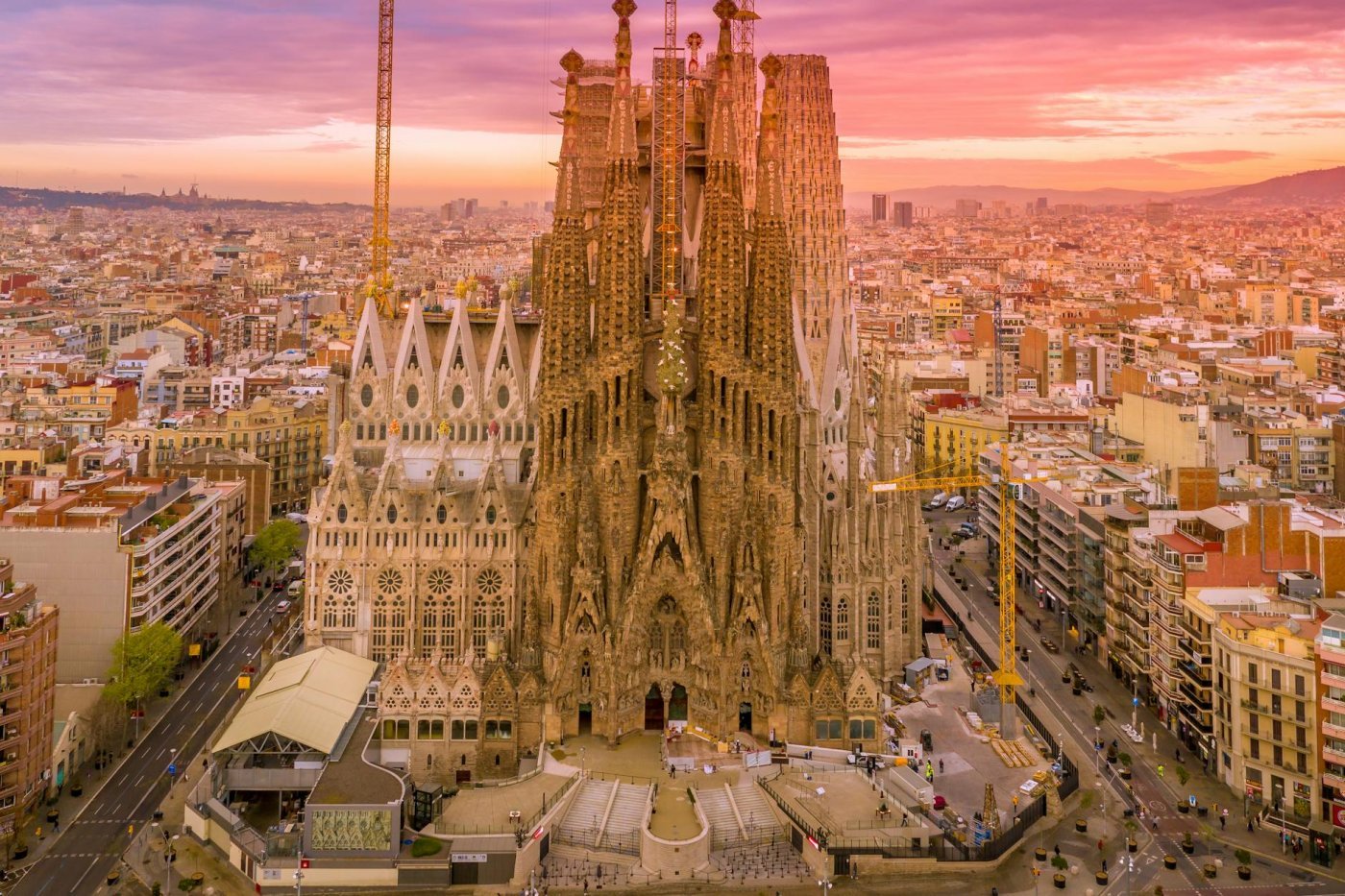
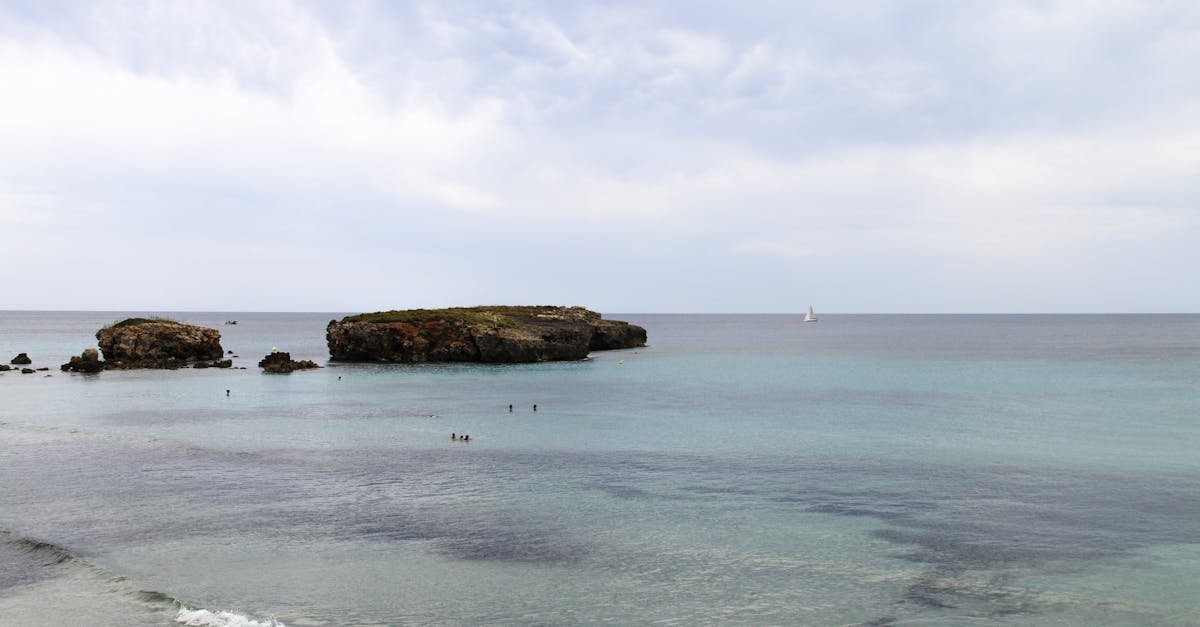
The Costa Brava hits you with a particular kind of beauty that feels almost painted — sun-bleached limestone dropping straight into water so clear you can count the pebbles six metres down. Juniper and Aleppo pine crowd the cliff edges, their roots gripping ancient rock above coves that have no business being this photogenic. The smell of salt, wild rosemary and warm stone follows you from one hidden beach to the next, and somewhere around the third cala you discover, you stop counting. Costa Brava is the coastline that first seduced Salvador Dalí, and once you arrive, the surrealist logic of that obsession makes complete sense.
Visiting Costa Brava rewards travellers who venture beyond the all-inclusive strip. Unlike the overdeveloped Costa del Sol or the relentlessly flat beaches of the Valencia coast, this 214-kilometre stretch of Catalonia offers medieval hilltop towns, Michelin-starred restaurants in Girona, and a Camí de Ronda coastal path that links wild headlands most tourists never reach. Things to do in Costa Brava range from kayaking through sea caves near Palamós to wandering Cadaqués's whitewashed lanes at dusk, wine glass in hand. It is a coastline for people who want the Mediterranean at its most elemental — without sacrificing excellent food, culture or accessibility.
✦ Find your perfect destination
Is Costa Brava really your perfect match?
Answer 12 quick questions about your travel style, budget and dates — we match you with the destinations that fit you best, from 600+ worldwide.
Costa Brava earns its place on the European beach shortlist not through sheer size but through concentrated quality. Within a single day you can snorkel a marine reserve, eat a three-course lunch under a vine pergola in Pals, and wander a 12th-century Romanesque monastery — all without covering more than 40 kilometres. Costa Brava's geological drama, carved by millennia of tramuntana wind and sea erosion, produces coves found nowhere else on the Iberian Peninsula. Add Girona's perfectly intact medieval Jewish quarter and one of the world's most celebrated restaurants, and the argument for Costa Brava becomes overwhelming.
The case for going now: The Costa Brava itinerary for 2026 is enriched by recent investments in the Camí de Ronda signage and new direct flight routes from Amsterdam, Brussels and Paris to Girona Airport, making access easier than ever without touching Barcelona. The euro remains favourable for UK, Dutch and German travellers, and shoulder season occupancy hasn't yet caught up with the destination's growing reputation — meaning May and June still offer remarkable value at genuinely excellent properties.
🚣
Sea Cave Kayaking
Paddle through cathedral-like sea caves and into hidden calas around Palamós and Cap de Creus. The water clarity in Costa Brava's protected marine zones is genuinely extraordinary, rewarding every stroke.
🎨
Dalí Triangle
The Dalí Theatre-Museum in Figueres, his clifftop home in Portlligat and the castle in Púbol form a surrealist circuit unlike anything else in Europe. Cadaqués itself feels like a living Dalí canvas.
🥾
Camí de Ronda
This ancient coastal customs path links cove to cove along the entire Costa Brava shoreline. Walk the northern cap sections above Llançà for the most dramatic clifftop scenery and fewest fellow hikers.
🍽️
Girona Gastronomy
El Celler de Can Roca — three Michelin stars, perennial world top-five ranking — anchors Girona's extraordinary food scene. The city's medieval walls contain tapas bars, craft beer halls and market stalls of equal character.
Costa Brava's neighbourhoods — where to focus
Bohemian Icon
Cadaqués
Cadaqués is the jewel that Dalí chose and tourists keep discovering. Whitewashed cubic houses tumble down to a crescent harbour, and the town's relative isolation — it is still reached by a single winding mountain road — has preserved its character. Boutique galleries, excellent seafood restaurants and a famously photogenic church make it Costa Brava's most atmospheric base.
Medieval & Chic
Begur
Perched on a hilltop 200 metres above sea level, Begur commands views of seven different coves and is one of Costa Brava's most stylishly restored medieval towns. Its 16th-century castle ruins reward a short climb, and the town's Cuban-influenced Modernista architecture reflects the fortunes made by returned emigrants in the 19th century.
Family & Action
Palamós
Palamós is Costa Brava's working fishing port and proudly so — the fresh prawn auction at the fish market is a genuine local institution rather than a tourist performance. The town supports kayak rental operations, a fine sandy beach and a marine heritage museum, making it the most practical base for active families visiting Costa Brava.
Historic & Romantic
Pals
Technically one kilometre inland from the coast, the medieval stone village of Pals is among the best-preserved Gothic settlements in all of Catalonia. Its circular tower, cobblestoned lanes and sweeping views over the Empordà plain make it an essential afternoon for any Costa Brava itinerary. Excellent local restaurants serve traditional Catalan rice dishes in candlelit stone rooms.
Top things to do in Costa Brava
1. #1 — Explore Cap de Creus
Cap de Creus is the easternmost point of the Iberian Peninsula and the geological heart of Costa Brava's wild north. The natural park protects an extraordinary moonscape of wind-polished schist and granite, olive-coloured scrub and sea that shifts between jade and ink depending on the hour. The lighthouse restaurant, Es Cap de Creus, serves lunch with a panorama that stretches to the Pyrenees on clear days. The Camí de Ronda section threading through the park — from Cadaqués to Roses — takes about four hours at a relaxed walking pace and passes through several unnamed calas where you will share the water with little more than shoals of mullet. Dalí declared the cap's landscapes the origin of his creative vision, and standing on the raw headland in a tramuntana wind, that claim feels entirely credible. Visit early morning in July and August to avoid the midday coach traffic.
2. #2 — Snorkel the Medes Islands Reserve
The Medes Islands marine reserve off L'Estartit is one of the most biodiverse snorkelling and diving sites in the western Mediterranean, and a genuinely unmissable thing to do in Costa Brava for anyone who enters the water. Seven small limestone islets form a protected habitat for grouper, barracuda, enormous schools of bream and a resident population of moray eels that have become improbably tame over decades of protection. Glass-bottomed boat tours depart hourly from L'Estartit harbour for non-swimmers, while certified dive operators offer courses and guided dives into spectacular underwater cavern systems beneath the largest island. The water visibility regularly exceeds 15 metres from May through September, and the temperature reaches a comfortable 24°C in August. Book snorkel boat excursions at least 24 hours ahead during peak season.
3. #3 — Walk Girona's Medieval Quarter
Girona sits 35 kilometres inland from the Costa Brava coastline and belongs on every Costa Brava itinerary as a full-day inland excursion of extraordinary density. The city's Arab baths, Jewish quarter — the Call — and the cathedral's soaring Gothic nave are each individually worth the short train journey from Figueres or the coast. The cathedral's 15th-century nave is the widest Gothic vault ever constructed, a genuinely dizzying engineering achievement. Walk the ancient Roman walls for elevated views over the Onyar River, its facades painted in amber, rust and honey yellow. Girona's covered market, the Mercat del Lleó, is the perfect place to assemble a picnic of local cheeses, olives and Empordà wines. Game of Thrones fans will recognise the cathedral steps and the old town's narrow lanes, which appeared as Braavos and King's Landing.
4. #4 — Discover the Dalí Triangle
Salvador Dalí spent most of his life on Costa Brava, and the three sites he shaped — now managed by the Gala-Salvador Dalí Foundation — form an unmissable cultural triangle across northern Catalonia. The Dalí Theatre-Museum in Figueres, constructed inside a ruined theatre and crowned with enormous eggs and golden mannequins, is the single most visited museum in Spain after the Prado. Dalí's house in Portlligat, a labyrinthine complex of whitewashed fishermen's cottages above a sheltered cove outside Cadaqués, requires advance booking and limits groups to eight visitors at a time — a rare intimacy for a world-famous site. The medieval castle at Púbol, which Dalí gifted to and redesigned for his wife Gala, completes the triangle. Visiting all three in sequence over two days reveals the full arc of one of the twentieth century's most singular imaginations.
What to eat in the Empordà — the essential list
Arròs de Senyoret
A decadent Costa Brava rice dish cooked with shellfish and served with all seafood pre-shelled — 'gentleman's rice' — so diners needn't dirty their hands. Rich, saffron-coloured and deeply savoury, it is the area's signature comfort dish.
Gambes de Palamós
The deep-water prawns hauled in each morning at Palamós harbour are simply grilled with sea salt and served with alioli. Their red shells hide sweet, dense flesh unlike any farmed prawn — a must-try on any Costa Brava food tour.
Suquet de Peix
A fishermen's potato and fish stew, traditionally made with whatever catch arrived that morning. Thickened with picada — ground almonds, garlic, fried bread and saffron — it is the definitive Catalan coast soup, warming and extraordinarily aromatic.
Botifarra amb Mongetes
The quintessential Catalan farmhouse dish: coarse pork sausage grilled over charcoal and served with white beans dressed in olive oil. Every Empordà village restaurant does its own version, and the quality of local pork makes each one revelatory.
Mel i Mató
A clean, almost medicinal dessert of fresh curd cheese drizzled with dark local honey. Mató is made across Catalonia but the version served with Empordà wildflower honey has a floral bitterness that cuts the richness perfectly.
Pa amb Tomàquet
Catalonia's foundational culinary act: toasted bread rubbed with a halved ripe tomato, then finished with olive oil and coarse salt. Simple and irreducible, it appears at every table on the Costa Brava as both appetiser and philosophy.
Where to eat in Costa Brava — our top 4 picks
Fine Dining
El Celler de Can Roca
📍 Can Sunyer, 48, Girona
Three Michelin stars and a permanent fixture in the world's top five restaurants list, El Celler de Can Roca is an unmissable gastronomic pilgrimage from Costa Brava. The Roca brothers blend avant-garde technique with deep Catalan memory — book six months ahead minimum, as tables disappear within hours of release.
Fancy & Photogenic
Restaurant Sa Punta
📍 Urb. Sa Punta, Pals, Costa Brava
Set in a low stone farmhouse overlooking the Empordà plain and distant sea, Sa Punta serves refined modern Catalan cuisine in one of the region's most beautiful dining rooms. The terrace at golden hour, with a glass of local Empordà DO wine, is genuinely one of the finest dining experiences on the coast.
Good & Authentic
Restaurant La Gamba
📍 Carrer de la Sínia, 1, Roses, Costa Brava
A beloved local institution in Roses serving the Costa Brava's finest seafood without pretension. The house speciality is lobster rice for two, slow-cooked and deeply flavoured with sweet Roses Bay crustacean — order it the moment you sit down as it takes 30 minutes to prepare.
The Unexpected
El Bisbe
📍 Plaça del Bisbe Lorenzana, 4, Girona
A craft beer and natural wine bar in Girona's old town that doubles as a genuinely excellent small-plates kitchen. Its rotating menu of local cheese, cured meats and creative vegetable dishes pairs brilliantly with the curated Catalan wine list — it feels like the sort of place only locals know.
Costa Brava's Café Culture — top 3 cafés
The Institution
Café de la Lluna
📍 Carrer de la Força, 10, Girona
Tucked into Girona's Jewish quarter, Café de la Lluna has been serving cortados and croissants to academics, artists and morning wanderers for decades. The stone walls, mismatched chairs and genuinely unhurried pace make it the ideal morning stop before exploring the Call.
The Aesthetic Hub
Sa Vinya del Senyor
📍 Carrer de Sant Roc, 15, Cadaqués
A wine and coffee bar in Cadaqués with an impossibly pretty vine-covered terrace a short walk from the harbour. The morning pastry selection leans toward local Catalan traditions, and the espresso is made with precision — an ideal spot to plan the day's Costa Brava itinerary over a slow breakfast.
The Local Hangout
Cafè del Mar
📍 Passeig del Mar, 6, Palamós
Right on Palamós's seafront, Cafè del Mar opens before the fishing boats return and closes after the last sun-bleached beach towel is folded. Local fishermen drink their first coffee here at 6am; by 9am it fills with surfers and kayakers refuelling on toasted sandwiches and freshly squeezed orange juice.
Best time to visit Costa Brava
Jan
Feb
Mar
Apr
May
Jun
Jul
Aug
Sep
Oct
Nov
Dec
Peak Season (May–Sep) — warm water, blue skies, full restaurant hours; book accommodation earlyShoulder Season (Apr & Oct) — quieter coves, lower prices, ideal for hiking the Camí de RondaOff-Season (Nov–Mar) — many coastal restaurants close, but Girona and Figueres reward winter visits
Costa Brava events & festivals 2026
Whether you're planning around a specific celebration or simply want to know what's happening, this guide covers the best events and festivals in Costa Brava — from major annual traditions to cultural highlights worth timing your trip around.
February 2026culture
Festival Temporada Alta (Girona)
Temporada Alta is Catalonia's foremost performing arts festival, centred in Girona and Salt each autumn, but its winter programming in February brings contemporary theatre and dance to Costa Brava's cultural capital.
April 2026culture
Sant Jordi Book & Rose Festival
Catalonia's beloved version of Valentine's Day sees every town on the Costa Brava fill its streets with book stalls and rose sellers on April 23rd. Partners exchange a book and a rose — it is one of the most charming and distinctly Catalan traditions a visitor can stumble upon.
May 2026culture
Temps de Flors — Girona
Each May, Girona's patios, churches, stairways and medieval alleys are transformed by an extraordinary flower festival. Tens of thousands of blooms are arranged by local artists in courtyards normally closed to the public. It is among the best Costa Brava festivals of the year, drawing visitors from across Europe.
June 2026religious
Corpus Christi Flower Carpets
Several towns in the Empordà region lay elaborate flower petal carpets across cobblestoned streets and plazas for the Corpus Christi procession. The Pals and Llívia versions are particularly beautiful and represent living folk art traditions maintained for centuries.
July 2026music
Festival de la Porta Ferrada
Held annually in Sant Feliu de Guíxols against the spectacular backdrop of the Benedictine monastery's Romanesque portico, this festival presents classical music, jazz and world music concerts. The open-air setting on the Costa Brava coast makes it one of the Mediterranean's most atmospheric summer concert series.
July 2026culture
Festival Jardins de Cap Roig
The terraced botanical gardens of Cap Roig above Calella de Palafrugell host one of Spain's most prestigious open-air music festivals each summer. International headliners from pop, jazz and classical music perform against a backdrop of sculpted gardens and the dark Mediterranean below.
August 2026music
Festival Internacional de Música de Cadaqués
Cadaqués hosts chamber music concerts in its parish church and village squares throughout August, maintaining the artistic spirit that drew Dalí and the surrealists to the town. Intimate performances in the whitewashed village make this one of Costa Brava's most characterful cultural events.
September 2026market
Fira de la Llana — Ripoll
The Wool Fair in Ripoll at the foot of the Pyrenees near Costa Brava celebrates traditional Catalan textile crafts with artisan markets, folk music and gastronomy stalls. A rewarding inland day trip from the northern Costa Brava coinciding with excellent September weather.
October 2026culture
Temporada Alta Theatre Festival
Girona's prestigious international performing arts festival runs from October into November, transforming the city's theatres and historic spaces into stages for cutting-edge European drama and dance. This is Costa Brava's most important cultural event for serious theatre lovers planning a shoulder-season visit.
November 2026culture
Girona Film Festival
The Girona Film Festival brings international and Spanish independent cinema to the city's historic screens each November. A compact and characterful festival that rewards visitors who extend their Costa Brava itinerary into the quieter autumn months with a cultural programme of genuine quality.
Hostel or simple pension, market lunches, self-catered picnics, free beach and Camí de Ronda access.
€€ Mid-range
€70–120/day
Boutique hotel or rural house, daily restaurant lunches, guided kayak or snorkel excursions.
€€€ Luxury
€200+/day
Design hotels in Begur or Cadaqués, El Celler booking, private boat hire and curated wine experiences.
Getting to and around Costa Brava (Transport Tips)
By air: Girona-Costa Brava Airport (GRO) receives direct low-cost flights from across Northern Europe including Amsterdam, Brussels, Paris-Beauvais and London Stansted, making it the most convenient gateway. Barcelona El Prat (BCN) offers more frequency and connects via the AP-7 motorway in 90 minutes.
From the airport: From Girona Airport, the Sagalés bus connects to Girona city centre in 25 minutes. From there, regular trains reach Figueres and Llançà in the north, and Blanes to the south, with connections timed to flights. A rental car, collected at either airport, is highly recommended for reaching the Costa Brava's more secluded coves and inland villages, particularly Cadaqués and Begur.
Getting around the city: A hire car is the single most liberating transport decision you will make on Costa Brava. Many of the finest calas and villages — Cadaqués, Tamariu, Calella de Palafrugell — are poorly served by public buses, particularly outside peak season. The AP-7 motorway and the C-31 coastal road are well signposted. Within towns, parking can be tight in July and August; arrive before 10am at popular beaches to secure a space without a long walk.
Transport Safety & Scam Prevention:
Unofficial Parking Attendants: At popular beach car parks in July and August, unofficial 'helpers' may approach you asking for a parking fee. Only pay at clearly marked automated machines — these individuals have no authority and the fee goes entirely to them.
Boat Trip Overpricing: Boat excursions to the Medes Islands vary significantly in price at the L'Estartit harbourfront. Book through the official reserve operators displayed on the tourism board signs rather than from individuals approaching you on the quay.
Restaurant Menu Confusion: Along the main promenades in larger resorts, some restaurants display attractive set-menu prices outside but serve these only at lunch. Always confirm whether the advertised menú del día price applies to your specific sitting before ordering to avoid an unpleasant surprise on the bill.
Do I need a visa for Costa Brava?
Visa requirements for Costa Brava depend on your nationality. Select your passport below for an instant answer — based on the Passport Index dataset for entry into Spain.
ℹ️ Indicative only. Always verify with the official consulate before booking. Data: Passport Index, April 2026.
For detailed requirements, documentation checklists and processing times by nationality: TravelDoc →
Search & Book your trip to Costa Brava
Find the best flight routes and hotel combinations using our partner Kiwi.com.
Frequently Asked Questions
Is Costa Brava safe for tourists?
Costa Brava is one of the safest coastal holiday destinations in southern Europe. Petty theft is the primary concern in larger resort towns during peak season — keep bags zipped in crowded markets and beach areas, and avoid leaving valuables visible in hire cars. The region has excellent emergency services, and the Spanish healthcare system covers EU citizens with a valid EHIC card. Solo travellers, families and older visitors all report feeling very comfortable across the destination.
Can I drink the tap water in Costa Brava?
Tap water in Costa Brava and throughout Catalonia is officially safe to drink and meets all EU standards. However, the water in coastal areas can taste heavily chlorinated, particularly in summer when treatment increases. Most locals and visitors prefer bottled or filtered water for drinking, while tap water is perfectly fine for cooking, teeth brushing and showering. Restaurants will serve bottled water as standard — request tap water specifically if you prefer, which is entirely acceptable.
What is the best time to visit Costa Brava?
The best time to visit Costa Brava depends on your priorities. May and June offer warm temperatures (22–27°C), swimmable sea, fully open restaurants and dramatically fewer crowds than the peak summer weeks. July and August are the most popular months — beaches are busy, prices peak and Cadaqués requires early morning visits to enjoy it at its best. September extends the summer beautifully, with warm water, harvest-season food and lower prices. April and October are excellent for hiking the Camí de Ronda in cooler, clear conditions.
How many days do you need in Costa Brava?
A Costa Brava itinerary of five to seven days gives you enough time to experience the coastline properly without rushing. Two days is the absolute minimum for a weekend visit, allowing one day on the northern cap around Cadaqués and one day in Girona. A five-day Costa Brava trip comfortably covers the Dalí Triangle, the Medes Islands, the Begur coves and Girona's gastronomy. For those wanting to walk meaningful sections of the Camí de Ronda, explore inland villages like Pals and Peratallada, and enjoy the winery scene, ten days allows a genuinely unhurried deep dive into one of Spain's most layered regions.
Costa Brava vs Mallorca — which should you choose?
Costa Brava suits travellers who want cultural depth alongside beach beauty — Dalí museums, medieval cities, Michelin-starred restaurants and a dramatic coastal path are the differentiators that Mallorca cannot match. Mallorca offers better infrastructure for pure beach holidays, more consistent luxury resort options and a wider range of water sports in calmer conditions. Costa Brava's coves are often more dramatic and less crowded than comparable Mallorcan beaches, but reaching them requires a hire car. If you prioritise culture, gastronomy and wild coastal scenery over resort comfort, Costa Brava is the clear choice.
Do people speak English in Costa Brava?
English is widely spoken across Costa Brava's main tourist areas, including Cadaqués, Begur, Palamós and Girona's old town. Restaurant staff, hotel teams and tour operators typically communicate confidently in English, and menus in English are standard in most places visited by international travellers. In smaller inland villages and local markets, Spanish or Catalan will be more useful, and any attempt at a few words of Catalan — bon dia, gràcies — is warmly received by locals who take genuine pride in their distinct linguistic culture.
★ Hidden Gems Weekly
Like this? One place per week, in your inbox.
No spam, no fluff — just one underrated destination, every Tuesday.
Hand-picked and verified by Max, who founded Vacanexus from Luxembourg in 2026. No sponsorships, no paid placements. Every recommendation — restaurants, neighbourhoods, things to do — is selected for authenticity over popularity.