Menorca Travel Guide — The Balearic island that chose wilderness over concrete
⏱ 11 min read📅 Updated 2026💶 €€€ Comfort✈️ Best: Apr–Sep
€120–250/day
Daily budget
May–Sep
Best time
5–8 days
Ideal stay
EUR
Currency
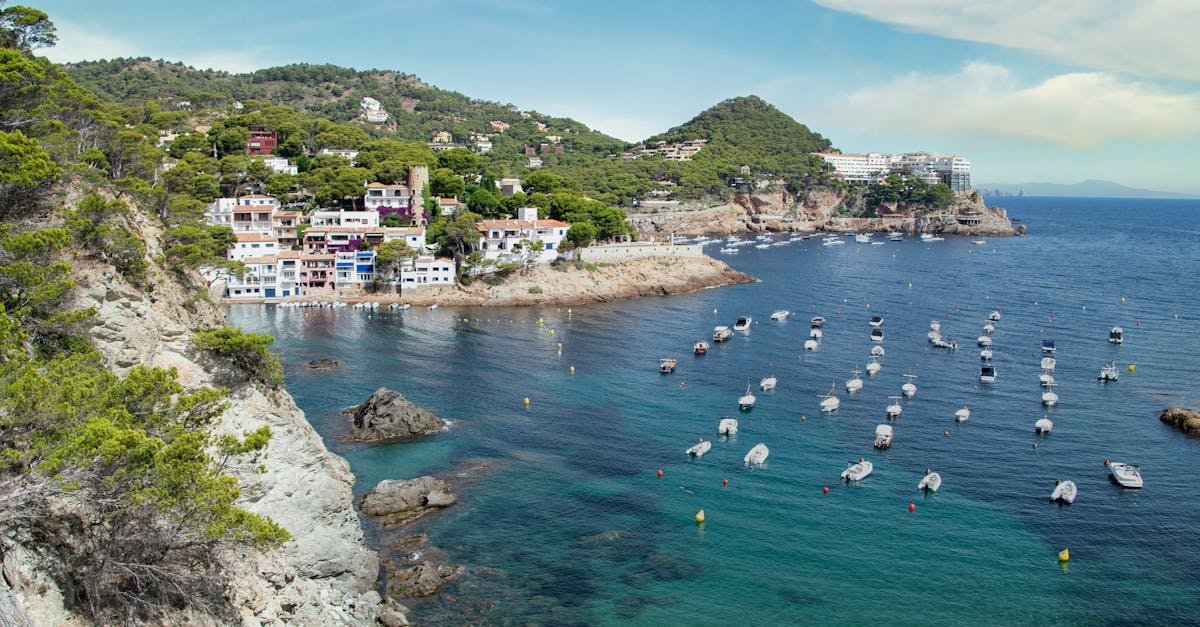
Menorca greets you with a silence that Ibiza and Mallorca surrendered decades ago — the hiss of pine-scented tramuntana wind, the lap of water so transparently turquoise it looks digitally enhanced, and the crunch of sun-bleached gravel underfoot on a trail leading somewhere gloriously empty. Roughly 700 kilometres squared of preserved coastline, ancient farmland and Bronze Age standing stones, Menorca is the smallest of the three main Balearic islands and, by almost every measure, the most quietly extraordinary. Its 120 named cove beaches — calas — range from postcard-perfect powder to wild, wave-lashed stretches accessible only on foot or by kayak, meaning even in high season you can find a cala that feels exclusively yours.
Visiting Menorca feels fundamentally different from a package-holiday fortnight on a crowded Mediterranean shore. The island has been a UNESCO Biosphere Reserve since 1993, a status that has kept hotel towers out of the skyline and fast-food chains away from the harbourfront. Things to do in Menorca go well beyond beach-hopping: you can cycle the 185-kilometre Camí de Cavalls coastal path, marvel at Bronze Age talayot towers that predate the Roman conquest, sip gin distilled in the island's British-era tradition, or spend an evening watching the sunset paint Ciutadella's cathedral golden. For European travellers seeking beauty without the bedlam, Menorca consistently delivers.
✦ Find your perfect destination
Is Menorca really your perfect match?
Answer 12 quick questions about your travel style, budget and dates — we match you with the destinations that fit you best, from 600+ worldwide.
Menorca earns its place on any discerning European travel list because it refuses to compromise. Unlike its louder Balearic siblings, Menorca imposed strict building regulations before mass tourism could reshape its coastline, leaving behind a landscape where rugged limestone gorges plunge directly into glassy sea without a single sunbed rental in sight. The island pairs this natural integrity with genuine cultural depth: a layered history of Moorish, British and Catalan rule survives in architecture, language, gin-making and cuisine. Menorca rewards slow travellers with a richness that two weeks barely scratches.
The case for going now: Menorca is drawing a new wave of design-conscious, eco-minded visitors as overtourism fatigue pushes travellers away from Mallorca's busiest resorts. New boutique agrotourism fincas are opening across the interior, direct flight routes from northern Europe multiplied in 2024–2025, and the fully renovated Camí de Cavalls trail is now internationally signposted, making 2026 an ideal moment to visit before word fully spreads. Prices remain noticeably lower than Ibiza for equivalent quality, making Menorca an exceptional value proposition in the western Mediterranean.
🏖️
Cala Hunting
Menorca's 120 calas range from family-friendly sandy bays to remote cliff-framed inlets requiring a 45-minute hike. Cala Macarella and Cala Pregonda are bucket-list benchmarks, but dozens of unnamed coves reward those willing to scramble.
🪨
Talayot Ruins
Menorca holds more prehistoric monuments per square kilometre than almost anywhere in Europe. Bronze Age talayots, taules and navetes date back 3,500 years and stand dramatically in open meadows, making Menorca an open-air archaeology museum without entrance queues.
🚴
Camí de Cavalls
This ancient 185-kilometre coastal bridle path circles the entire island, offering dramatic cliffs, secret beaches and pine forests. Cyclists and hikers can tackle the full route over seven to ten days or dip into spectacular day sections between Fornells and Es Grau.
⛵
Boat Trips
Chartering a small boat — or joining a group catamaran — unlocks Menorca's most inaccessible northern calas, sea caves and snorkelling spots invisible from land. Half-day trips from Fornells or Maó reveal the island at the unhurried pace it deserves.
Menorca's neighbourhoods — where to focus
Capital & Harbour
Maó (Mahón)
Maó commands one of the deepest natural harbours in the Mediterranean, lined with Georgian-influenced townhouses that betray two centuries of British rule. The old town rises steeply above the port in a tangle of narrow lanes, tapas bars and a covered market. It is Menorca's most cosmopolitan corner and the logical base for first-time visitors.
Gothic Old Town
Ciutadella
The island's former capital wears its history with effortless elegance: a Gothic cathedral presides over a labyrinth of honey-stone palaces, aristocratic mansions and boutique-filled plazas. Ciutadella's tiny working harbour hosts some of Menorca's best seafood restaurants, and its June festival of Sant Joan is among Spain's most spectacular street celebrations.
Fishing Village
Fornells
Whitewashed Fornells sits at the mouth of a long, sheltered lagoon on Menorca's north coast, and its economy runs entirely on wind, water and langosta — the celebrated spiny lobster used in the island's signature caldereta stew. It remains genuinely unhurried, with a handful of top-tier seafood restaurants, a windsurfing school and kayak hire clustered around a tiny main square.
Rural Interior
Es Mercadal
Perched at the foot of Monte Toro, Menorca's modest but commanding highest peak, Es Mercadal is the island's agricultural heartland in miniature: honey-coloured stone farmhouses, almond groves and artisan cheese producers line the roads leading into the village. A lunch stop here — sobrassada and local wine in the square — feels like touching the real Menorca most beach visitors miss entirely.
Top things to do in Menorca
1. Hike Cala Macarella Circuit
The southern cove trio of Cala Macarella, Cala Macarelleta and Cala Turqueta represents Menorca's most photographed coastline for good reason — the water shifts through ten shades of blue-green against white sand backed by pine forest. The 6-kilometre circular trail connecting all three starts from a parking area near Sant Joan de Missa church and takes roughly two to three hours at a relaxed pace. Arrive before 10 a.m. in July and August to beat the boat-day-tripper crowds that fill Macarella by midday, or time your walk for late afternoon when the light turns amber and the boats head back to port. Bring snorkelling gear: the rocky edges of Macarelleta harbour grouper, parrotfish and occasional octopus in surprisingly clear water.
2. Explore Naveta des Tudons
Standing in an open field just west of Ciutadella, the Naveta des Tudons is one of the best-preserved prehistoric monuments in the entire western Mediterranean — a 3,200-year-old collective burial chamber built in the shape of an upturned boat from enormous unmortered limestone blocks. Menorca's Bronze Age inhabitants, known as the Talayotic people, left hundreds of such structures scattered across the island, but Naveta des Tudons is the most accessible and most architecturally striking. Entry costs just a few euros and includes a small explanatory panel; serious archaeology enthusiasts should combine the visit with the Torre d'en Galmés talayot complex, Menorca's largest prehistoric settlement, which offers elevated views across the southern coast and takes another hour to explore properly.
3. Kayak the Northern Calas
Menorca's north coast is wilder, windier and dramatically less visited than the south, with red-rock formations, hidden sea caves and rust-coloured dunes sculpted by the tramuntana that howls down from mainland Spain in winter. Sea-kayaking from Son Parc or Es Grau nature reserve reveals shoreline only reachable by water, including the remarkable Caverna de l'Infern sea cave and the peacock-blue lagoon of Cala de Sa Torreta. Multiple operators in Es Grau offer half-day guided kayak tours with snorkelling stops that are suitable for beginners. The Albufera des Grau natural park — a UNESCO-protected wetland adjacent to the launch point — also rewards a quiet morning walk where herons, ospreys and migratory warblers feed undisturbed in the shallows.
4. Gin Tasting in Maó
Maó gin is a genuine historical curiosity: when the British occupied Menorca through much of the 18th century, they brought distilling traditions that took permanent root long after the Royal Navy sailed away. Today, Xoriguer Destileria on the Maó harbourfront is the island's most famous producer, crafting a wood-fired copper-pot gin from neutral grape spirit rather than grain — giving it a softer, slightly winey character unlike any London Dry. A free guided tour of the distillery shows the original copper stills and explains the aging process, ending in a generous tasting room where visitors sample gin amb llimona (gin and lemon) alongside the local pomada cocktail mixed with citrusy Menorcan lemonade. Pick up a ceramic-bottled souvenir in the shop before strolling the adjacent harbour market stalls for local cheeses and charcuterie.
What to eat in the Balearic Islands — the essential list
Caldereta de Llagosta
Menorca's most iconic dish is a rich, slow-cooked lobster stew thickened with tomato, onion and toasted bread paste. It is traditionally served in Fornells and takes 24 hours to prepare properly. Plan to spend €50–80 per person for the full experience.
Maionesa
Menorcans claim mayonnaise was invented in Maó and exported to France by the Duc de Richelieu in 1756. Local versions, made from olive oil and fresh egg, are richer and more nuanced than supermarket counterparts, served alongside grilled fish and market vegetables.
Formatge de Maó-Menorca
This DOP-protected cow's milk cheese is Menorca's edible pride: semi-hard, slightly salty, and ranging from tender young curado to the crumbly, intensely flavoured añejo aged in olive oil and paprika. Find it at every market stall and on every serious cheese board on the island.
Sobrassada
Menorca's version of this cured, spreadable pork sausage seasoned with sweet paprika has a softer texture and more pronounced pork fat richness than its Mallorcan cousin. Smear it thickly on toast with local honey for the definitive Menorcan breakfast or snack.
Greixera de Peix
A humble but deeply satisfying baked fish casserole, greixera layers seasonal white fish — typically grouper or monkfish — with potatoes, onion, tomato and parsley in a clay pot. It is the everyday soul food of Menorcan fishing families, now appearing on upscale menus.
Pomada Cocktail
Menorca's unofficial island drink mixes Xoriguer gin with citrusy homemade lemonade called llimonada over ice. Simple, refreshing and completely addictive in the heat of a Menorcan afternoon, pomada appears on every bar menu from Maó to Ciutadella's harbour terraces.
Where to eat in Menorca — our top 4 picks
Fine Dining
El Gallo
📍 C/ Sa Raval 97, Sant Climent, Menorca
Tucked inside a converted farmhouse in the quiet village of Sant Climent, El Gallo has been Menorca's benchmark fine-dining address for years. Chef Patricia Pérez channels local produce — Maó cheese, seasonal fish, island herbs — into refined, technically precise dishes. Advance booking is essential from June to September.
Fancy & Photogenic
Es Tas
📍 Plaça de la Llibertat 3, Ciutadella, Menorca
Set on Ciutadella's prettiest market square, Es Tas is celebrated for creative tapas and small plates that showcase Menorcan ingredients with a modern twist. The terrace under the stone arcade is one of the island's most beautiful lunch spots, and the house-made sobrassada croquettes are compulsory.
Good & Authentic
Es Pla
📍 C/ Fornells Road, Fornells, Menorca
For the genuine caldereta de llagosta experience without the celebrity price tag of Fornells' most famous addresses, Es Pla delivers honest, generously portioned lobster stew at slightly more accessible prices. The family-run dining room overlooking the lagoon fills early, so arrive at opening time or book ahead.
The Unexpected
Bar Jàgaro
📍 Moll de Llevant 334, Maó, Menorca
Positioned at the far end of Maó's harbour walkway, Jàgaro looks like a casual portside bar but produces some of the most technically accomplished fish and rice dishes on the island. The arròs de peix — a saffron-stained seafood rice — rivals anything served in Valencia. No-fuss décor, exceptional plates.
Menorca's Café Culture — top 3 cafés
The Institution
Cafè Mirador
📍 Plaça de la Constitució, Maó, Menorca
This timeless corner café in Maó's main square has been the morning meeting point for locals and travelling journalists alike for decades. Its terraces overlook the stepped descent to the harbour, making it the best vantage point for a slow coffee and an ensaimada pastry while the port wakes up below.
The Aesthetic Hub
Café Balear
📍 Pl. Sant Joan 15, Ciutadella, Menorca
Housed in a beautifully preserved stone building steps from Ciutadella cathedral, Café Balear doubles as a gallery space and local cultural hub. The interior — high ceilings, ceramic tiles, arched windows — is as photogenic as any café on the island. Excellent locally roasted coffee and homemade pastries.
The Local Hangout
Bar Es Pi
📍 Plaça de la Constitució, Es Mercadal, Menorca
The village square of Es Mercadal revolves around this unpretentious, sun-dappled café where farmers, cyclists and hikers share marble-topped tables over cold beers and local gin tonics after descending from Monte Toro. It is quintessential Menorca without any performance or tourist pricing — just real island life.
Best time to visit Menorca
Jan
Feb
Mar
Apr
May
Jun
Jul
Aug
Sep
Oct
Nov
Dec
Peak Season (May–Sep) — warm sea, all calas accessible, festivals in full swing; book accommodation 3–6 months aheadShoulder Season (Apr, Oct) — quieter beaches, pleasant hiking temperatures, lower prices but some restaurants closeOff-Season (Nov–Mar) — tramuntana winds, many businesses closed, but authentic village life and dramatic coastal walks
Menorca events & festivals 2026
Whether you're planning around a specific celebration or simply want to know what's happening, this guide covers the best events and festivals in Menorca — from major annual traditions to cultural highlights worth timing your trip around.
June 2026religious
Festa de Sant Joan, Ciutadella
Menorca's most spectacular festival transforms Ciutadella for two days in late June. Riders in medieval costume gallop jet-black horses through narrow streets while crowds press in from all sides — a UNESCO-recognised tradition dating to the 14th century.
July 2026culture
Festa de Sant Martí, Es Mercadal
The rural village of Es Mercadal honours its patron saint with a multi-day celebration combining equestrian parades, folk music, street food and communal dancing around Monte Toro's foothills. Far less crowded than Ciutadella's Sant Joan, it offers an authentic window into interior Menorcan village life.
July 2026music
Jazz Voyeur Festival
Held across intimate venues in Maó and Ciutadella, Jazz Voyeur brings international jazz acts to Menorca each summer for a week of evening concerts in historic settings — cathedral courtyards, harbour-front stages and old town squares. One of the best Menorca festivals for musically minded travellers visiting in July.
August 2026culture
Festa de Sant Llorenç, Alaior
Alaior's August festival centres on the town's cheese-making heritage and equestrian tradition in equal measure. Riders perform the iconic jaleo horse dance through lamp-lit streets while neighbours cheer from ancient balconies, sharing local gin and plates of Maó cheese with complete strangers in classic Menorcan style.
August 2026culture
Festa de Sant Agustí, Ferreries
Ferreries' patron-saint festival is celebrated with particular energy given the town's reputation as the island's most traditional interior settlement. The jaleo horse parades last well into the night, accompanied by live folk music and outdoor dining stretching across the main square in warm August air.
May 2026market
Mercat de Primavera, Maó
Maó's spring market fills the old town with artisan producers, organic farmers, ceramicists and local gin distillers for a long weekend in May. It is the best single event to stock up on authentic Menorcan produce — aged Maó cheese, sobrassada, local honey and handmade leather goods — before the summer crowds arrive.
September 2026culture
Festa de Gràcia, Maó
Maó's own patron-saint festival at the end of summer combines the full Menorcan equestrian spectacle with a city-wide street party atmosphere. The jaleo horse parades wind through the capital's stepped lanes, and the harbour terraces stay open past midnight with live music, dancing and a genuine local crowd.
October 2026culture
Menorca Walking Festival
October's walking festival organises guided routes along the Camí de Cavalls and interior paths, making it one of the most rewarding things to do in Menorca in autumn. Groups of international and local walkers explore sections rarely visited in high season, with experts providing commentary on flora, geology and Talayotic history.
April 2026culture
Semana Santa, Ciutadella & Maó
Menorca's Holy Week processions are strikingly solemn and atmospheric, particularly in Ciutadella where candlelit brotherhoods march through the Gothic old town on Good Friday evening.
August 2026music
Cova d'en Xoroi Summer Concerts
Built into a sea cave on Menorca's south coast near Cala en Porter, the legendary Cova d'en Xoroi hosts sunset DJ sessions and live music events throughout August. The natural cave setting — dramatic cliff drops into turquoise water below — makes it one of the most extraordinary music venues in the Mediterranean.
Hostel or simple pensión, supermarket lunches, public bus, free cala hiking and beach days
€€ Mid-range
€90–180/day
Boutique hotel or rural finca B&B, restaurant dinners, occasional boat trip or bike hire
€€€ Luxury
€180–350+/day
Design agrotourism finca, fine dining nightly, private boat charter, spa treatments, car hire
Getting to and around Menorca (Transport Tips)
By air: Menorca Airport (MAH) sits 5 kilometres southwest of Maó and receives direct flights from most major western European hubs including London Gatwick, London Stansted, Amsterdam, Paris, Brussels, Frankfurt and Madrid. The flight from London takes approximately two and a quarter hours. Outside summer, connecting via Madrid or Palma de Mallorca is sometimes necessary.
From the airport: A taxi from Menorca Airport to central Maó takes around ten minutes and costs €10–15. Public bus Line 10 connects the airport to Maó bus station for around €2, running roughly every 30 minutes in peak season. Rental cars are the recommended option for exploring the island's calas and rural interior; all major agencies have desks at the terminal, and booking well ahead in July–August is essential.
Getting around the city: Menorca has a functional public bus network operated by TMSA connecting Maó, Ciutadella, Alaior, Ferreries, Es Mercadal and the main beach resorts. However, reaching most calas independently requires a car, scooter or bicycle. The Camí de Cavalls is accessible on foot or mountain bike from most coastal points. Taxis are plentiful in Maó and Ciutadella; rideshare apps are not widely used on the island.
Transport Safety & Scam Prevention:
Unofficial Parking Touts: At popular southern calas like Macarella, unofficial individuals sometimes approach parked cars requesting payment. These are not official parking attendants. Official car parks display clearly marked machines; use only those and keep your ticket visible on the dashboard.
Boat Trip Upselling: Some harbour touts sell group boat trips with inflated promises about exclusive access to calas — destinations easily reached by public path for free. Research reputable operators in advance and book directly through your hotel or the official tourism office in Maó or Ciutadella.
Restaurant Menus Near Calas: A handful of restaurants adjacent to the most visited calas charge significantly above the island average for mediocre food banking on location convenience. Walk five minutes further inland or into nearby villages for dramatically better value and quality — authentic Menorcan cooking is rarely found at the beach car park.
Do I need a visa for Menorca?
Visa requirements for Menorca depend on your nationality. Select your passport below for an instant answer — based on the Passport Index dataset for entry into Spain.
ℹ️ Indicative only. Always verify with the official consulate before booking. Data: Passport Index, April 2026.
For detailed requirements, documentation checklists and processing times by nationality: TravelDoc →
Search & Book your trip to Menorca
Find the best flight routes and hotel combinations using our partner Kiwi.com.
Frequently Asked Questions
Is Menorca safe for tourists?
Menorca is one of the safest destinations in the Mediterranean for tourists. Violent crime is extremely rare, and the island's small, close-knit population and strong community culture make it welcoming to visitors of all backgrounds. Standard precautions apply — keep valuables out of parked cars at cala car parks, as occasional opportunistic break-ins occur during peak season when cars are left unattended for hours while travellers swim. Solo female travellers, families and LGBTQ+ visitors all report feeling comfortable and well-received across the island.
Can I drink the tap water in Menorca?
Tap water in Menorca is technically safe to drink as it meets EU standards, but many locals and regular visitors prefer bottled water due to the noticeably high calcium and mineral content in the municipal supply, which can taste chalky or heavily chlorinated depending on the area. Most restaurants serve bottled water as standard. If you are staying in a rural finca or agrotourism property drawing from a private well, ask the owner about water quality before drinking directly from the tap.
What is the best time to visit Menorca?
The best time to visit Menorca depends on what you want from the island. For swimming, boat trips and the full cala experience, June to early September offers reliable warm temperatures of 28–32°C and sea temperatures above 24°C. May and late September are ideal shoulder-season months — beaches are quieter, hiking conditions are perfect with temperatures of 20–25°C, and prices drop noticeably. July and August are peak season with higher prices and busier calas, but the festival calendar is at its richest. April and October suit walkers and cyclists seeking the dramatic coastal landscape without summer crowds.
How many days do you need in Menorca?
Most visitors find that five to seven days in Menorca is the sweet spot for a genuinely satisfying experience. Three days is just enough for a highlights loop — Maó, Ciutadella and a few southern calas — but leaves little room for the slower pleasures the island rewards: a half-day kayak on the north coast, a proper caldereta lunch in Fornells, a morning at a Talayotic monument without rushing on. For those planning a Menorca itinerary that includes the Camí de Cavalls, prehistoric sites, interior villages and multiple cala swims, ten days passes remarkably quickly. The island is small enough to feel intimate but rich enough to sustain a week and a half without repetition.
Menorca vs Mallorca — which should you choose?
Menorca versus Mallorca is really a question of what you value in a Mediterranean island holiday. Mallorca is larger, more developed and dramatically more diverse in infrastructure: it has a world-class cycling culture, a vibrant Palma restaurant scene, luxury train journeys through the Tramuntana mountains and a much wider range of accommodation at every price point. Menorca deliberately rejected that growth path; its UNESCO Biosphere status keeps the coastline protected, the villages quiet and the tourist infrastructure boutique in scale. Choose Mallorca if you want variety, nightlife options and a full urban experience alongside your beach days. Choose Menorca if you want pristine calas, prehistoric silence, honest seafood and the rare satisfaction of a Mediterranean island that hasn't been sold out to the highest bidder.
Do people speak English in Menorca?
English is spoken to a good standard across Menorca's main tourist areas — hotels, restaurants, boat charter operators and tourist information offices in Maó and Ciutadella all communicate confidently in English. In rural villages, interior bars and markets, Spanish (Castilian) or the local Menorcan dialect of Catalan is more commonly spoken, and a few words of Spanish will be warmly appreciated. Younger Menorcans working in hospitality typically speak English, Spanish and Catalan fluently. Learning a handful of Menorcan phrases — bon dia (good morning), gràcies (thank you) — is a small gesture that locals genuinely notice and appreciate.
★ Hidden Gems Weekly
Like this? One place per week, in your inbox.
No spam, no fluff — just one underrated destination, every Tuesday.
Hand-picked and verified by Max, who founded Vacanexus from Luxembourg in 2026. No sponsorships, no paid placements. Every recommendation — restaurants, neighbourhoods, things to do — is selected for authenticity over popularity.