Djerba Travel Guide — Where lotus-eaters once roamed and street art now blooms on whitewashed walls
⏱ 11 min read📅 Updated 2026💶 € Budget✈️ Best: Jan–Apr
€25–50/day
Daily budget
Jan–Apr & Oct–Nov
Best time
5–7 days
Ideal stay
TND (Tunisian Dinar)
Currency
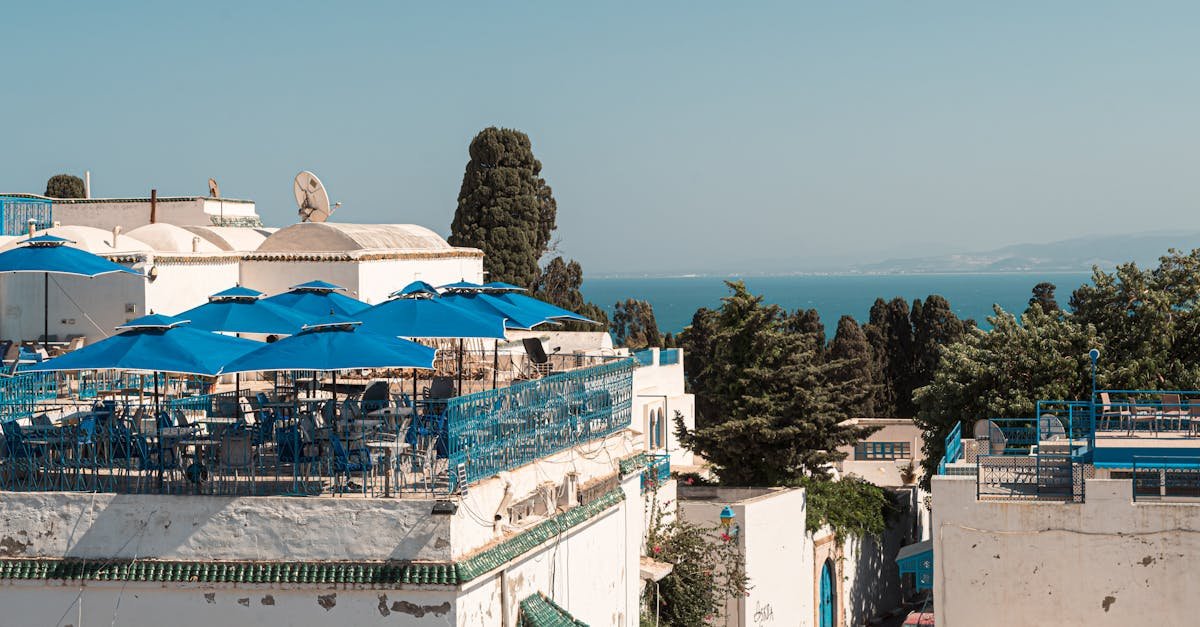
Djerba floats off the southeastern coast of Tunisia like a fever dream suspended between desert and sea — flat, fragrant, and disarmingly beautiful. Its air carries the scent of jasmine and salt, while rows of ancient olive trees and date palms throw violet shadows across whitewashed lanes. The island's shallow turquoise lagoon shifts color by the hour, from jade at noon to hammered copper at dusk, and the pace of life moves accordingly. Djerba is a place where a simple glass of mint tea under a bougainvillea-draped arch can feel like the most important activity of the day, and often it is.
Unlike the bustle of Tunis or the Roman grandeur of Carthage, visiting Djerba offers a rarer hybrid: a Mediterranean beach island that has preserved genuine cultural depth. Homer reportedly set Odysseus's encounter with the lotus-eaters here, and the island still practices a kind of gentle enchantment that makes travelers lose track of days. Things to do in Djerba range from wandering the open-air Djerbahood street-art museum in Erriadh village to snorkeling in Flamingo Lagoon, bargaining for hand-woven blankets in Houmt Souk's medina, and cycling through still-productive olive groves. Where comparable beach destinations in Tunisia have leaned all-inclusive, Djerba still rewards the curious independent traveler.
✦ Find your perfect destination
Is Djerba really your perfect match?
Answer 12 quick questions about your travel style, budget and dates — we match you with the destinations that fit you best, from 600+ worldwide.
Djerba punches well above its modest size. The island packs a UNESCO-recognized Jewish heritage quarter, one of the most ambitious public street-art projects in the Arab world, a working 15th-century fortress, and arguably the best-value beach holiday in the Mediterranean — all within a 45-minute cycling radius. Djerba's landscapes are genuinely unique: the flat, sun-bleached interior dotted with whitewashed menzels (farmhouses) and ancient olive trees feels nothing like the crowded Adriatic. The local Djerbian dialect and culinary traditions differ even from mainland Tunisia, giving the island a distinct identity that keeps return visitors coming back.
The case for going now: Djerba was inscribed on the UNESCO World Heritage List in 2023 for its unique cultural landscape, triggering a wave of thoughtful restoration across Houmt Souk and Erriadh. Budget airline routes from France, Germany, and the UK have expanded for 2025–2026, keeping fares low. The Tunisian dinar remains weak against the euro, meaning your spending power here is exceptional. Go before the restoration work prices out the indie guesthouses that make Djerba so charming.
🎨
Djerbahood Street Art
The village of Erriadh hosts over 450 murals by 150 international artists, transforming every alley into an open-air gallery. A morning walk here rewards you with unexpected masterpieces on ancient clay walls.
🕌
El Ghriba Synagogue
One of the oldest synagogues in the world, El Ghriba is a jaw-dropping blue-and-white tiled sanctuary still active as a pilgrimage site. Its annual festival draws Jewish visitors from across the diaspora each spring.
🦩
Flamingo Lagoon
The shallow Bibane lagoon on Djerba's western edge turns pink at dawn when hundreds of greater flamingos wade through mirrored water. Kayaking at sunrise here is one of the island's most serene experiences.
🏺
Houmt Souk Medina
Djerba's main market town rewards slow exploration: workshops where potters still throw terracotta by hand, spice stalls piled with harissa and dried rose petals, and covered alleys selling hand-loomed mergoum blankets.
Djerba's neighbourhoods — where to focus
Lively Market Town
Houmt Souk
Djerba's de facto capital is where the island's daily life plays out around a compact medina of whitewashed arches and covered souks. The port promenade comes alive at sunset with families and café terraces, while the 15th-century Borj El Kebir fortress watches over the harbour. Most independent restaurants and guesthouses cluster here.
Art Village
Erriadh
A quiet farming village inland that became world-famous when the Djerbahood project arrived in 2014. Today its narrow lanes are a pilgrimage for street-art lovers, with murals by Rone, eL Seed, and Faile sharing space with centuries-old houses. Arrive early morning when the light is soft and the lanes are empty of tour groups.
Jewish Quarter
Hara Sghira (Er-Riadh)
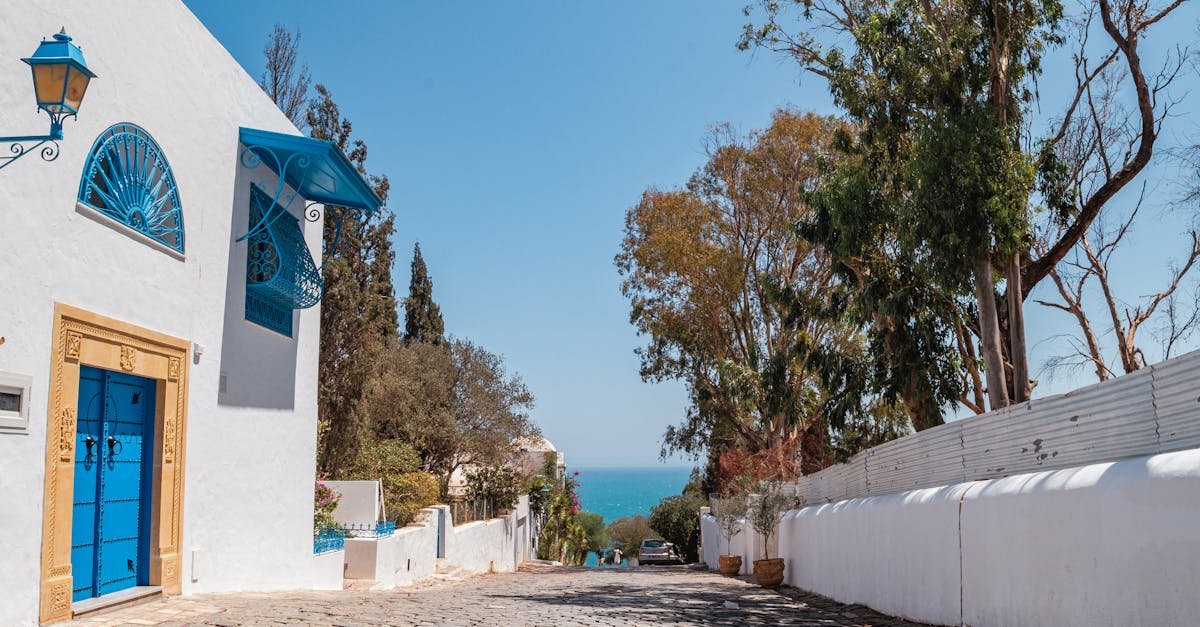
Surrounding El Ghriba synagogue, this historically Jewish neighborhood retains its distinctive architecture of low white houses with blue window frames. Artisan workshops selling menorahs and Jewish-Tunisian silver jewellery line the approach road. Visiting on a weekday avoids the weekend tour-bus crowds and gives a more contemplative experience of this remarkable heritage.
Beach Strip
Zone Touristique (Sidi Mahrez)
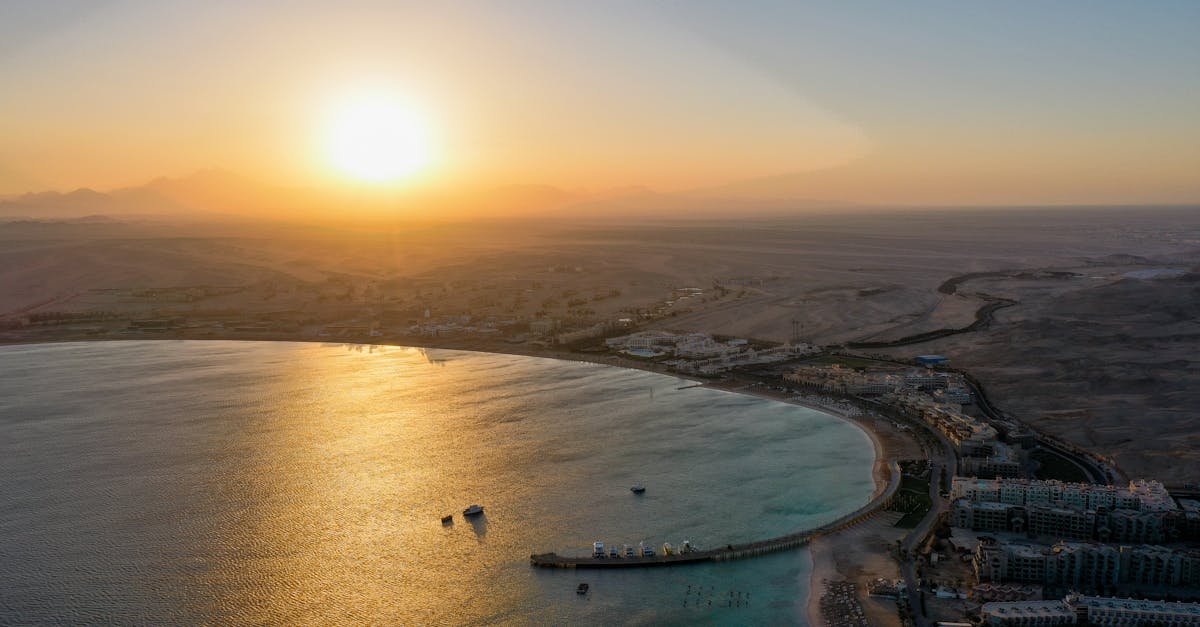
Djerba's northeastern hotel strip fronts a broad arc of white sand that is genuinely world-class — shallow, calm, and powder-soft underfoot. Most large all-inclusive resorts are concentrated here, but independent travellers can access the same beach easily by bike or louage taxi. A handful of good seafood shacks operate between the larger hotel complexes.
Top things to do in Djerba
1. #1 Explore Djerbahood in Erriadh
No single experience defines modern Djerba more vividly than wandering through Erriadh village and its extraordinary Djerbahood street-art project. Launched in 2014 by the Paris-based gallerist Mehdi Ben Cheikh, the initiative invited 150 international and local artists to paint the village's exterior walls, creating what is now widely regarded as one of the largest outdoor street-art museums in the world. The scale is genuinely staggering: murals cover gateways, alley corners, courtyard walls, and even the occasional parked cart. Tunisian calligrapher eL Seed contributed a sweeping Arabic inscription that snakes across an entire street facade. Allow at least two hours to wander without a map, letting corners reveal surprises. The best light for photography falls in the morning hours before 10 am, when the low sun catches the textured plaster and deepens the colors. Erriadh is about 8 km from Houmt Souk and easily reached by bicycle or shared taxi.
2. #2 Visit El Ghriba Synagogue
El Ghriba — meaning 'the miraculous stranger' in Arabic — is considered one of the oldest continuously operating synagogues in the world, with foundations that some traditions date to 586 BCE. The current building, reconstructed in the early 20th century, is an architectural gem of cobalt-blue tiles, carved wooden ceilings, and brass chandeliers that rivals any sacred space in the Mediterranean. A small museum adjacent to the prayer hall displays ancient Torah scrolls, menorahs, and photographs documenting Djerba's once-thriving Jewish community of some 100,000 people, now reduced to a few hundred. Non-Jewish visitors are warmly welcomed outside prayer times, and a modest entrance fee contributes to ongoing restoration. Every spring, El Ghriba hosts the Lag BaOmer pilgrimage festival, when thousands of Jewish visitors from France, Italy, and Israel converge on Djerba for a week of celebration. It is among the most moving and distinctive cultural experiences available anywhere in North Africa.
3. #3 Cycle Across the Island
Djerba's flat terrain and quiet back roads make it one of the most satisfying islands for cycling in the entire Mediterranean basin. Hire a bicycle from any of the shops clustered near Houmt Souk's port — expect to pay around 8 to 12 TND per day — and set out on a loop that takes in the island's quieter interior. The road south from Houmt Souk passes through ancient olive groves where gnarled trees still bear fruit after a thousand years of cultivation, then through small villages where women weave mergoum carpets in shaded courtyards. Continuing west toward Ajim brings you to a working fishing harbour where flat-bottomed ferries cross to the mainland. A full island loop of roughly 55 km is manageable in a day for moderate cyclists; a shorter 25 km loop takes in Erriadh, the lighthouse at Taguermess, and the coastal road back. Carry water and a sun hat: shade is scarce and the midday heat from May onward can be fierce.
4. #4 Snorkel & Kayak the Lagoons
Djerba's western and northern coasts shelter a network of shallow lagoons that are ecologically exceptional and visually extraordinary. The Bibane and Boughrara lagoons serve as seasonal feeding grounds for greater flamingos, Eurasian spoonbills, and dozens of wading bird species that make any early-morning visit feel like a natural history documentary. The calm, clear water is ideal for snorkelling: the seagrass meadows offshore host seahorses, octopus, and curious shoals of bream. Several operators based at Aghir and along the Zone Touristique offer half-day kayak tours through the lagoon channels, some including a stop at sandbar islands that appear and disappear with the tides. For a more structured marine experience, glass-bottom boat excursions depart daily from Houmt Souk port and cost as little as 30 TND per person. The best snorkelling conditions in Djerba fall between March and June, before jellyfish arrive in July and August.
What to eat in Djerba and southern Tunisia — the essential list
Brik à l'Oeuf
Djerba's most beloved street snack: a thin, crisp pastry triangle encasing a whole raw egg, tuna, capers, and parsley, deep-fried until the egg just sets inside. The correct technique involves biting a corner and eating it in one go to avoid spectacular spillage.
Chakchouka
A deeply satisfying stew of tomatoes, peppers, onions, garlic, and eggs poached directly in the sauce, finishing with a lacing of harissa. Djerbian chakchouka tends to be richer and spicier than its mainland cousin, often served in the terracotta dish it cooked in.
Octopus Grillé
Houmt Souk's portside restaurants hang whole octopus from hooks to dry in the sea breeze before chargrilling them over wood coals. The result is tender, smoky, and served simply with a squeeze of lemon and a dish of harissa, exemplifying Djerba's honest approach to seafood.
Asida
A traditional Djerbian porridge of coarsely ground wheat or barley cooked until silky smooth and served with olive oil, honey, or a savoury meat broth poured over the top. Asida is a winter-morning staple in local households and rarely appears on tourist menus, making it worth seeking out.
Ojja
A spiced egg and tomato scramble closely related to chakchouka but incorporating merguez sausage or shrimp and finished with a generous pour of olive oil. Djerbian ojja is often eaten communally from a single skillet, scooped up with torn pieces of khobz flatbread.
Makroudh
A semolina pastry stuffed with date paste, scented with orange-blossom water, and fried or baked until golden before soaking in fragrant honey syrup. Djerba's version uses local Deglet Nour dates that give an exceptionally caramel-like richness to this classic Tunisian sweet.
Where to eat in Djerba — our top 4 picks
Fine Dining
Restaurant Les Palmiers
📍 Avenue Habib Bourguiba, Houmt Souk, Djerba
The most polished dining room in Houmt Souk, with a menu that elevates classic Djerbian flavours into composed plates — think slow-braised lamb with preserved lemon and rose harissa. White linen tablecloths, an extensive Tunisian wine list, and knowledgeable service make this the island's obvious special-occasion choice.
Fancy & Photogenic
Restaurant du Bonheur
📍 Rue du Marché, Houmt Souk, Djerba
Set inside a restored funduq (caravanserai) with an open central courtyard, flowering jasmine climbing the walls, and lanterns strung between columns, du Bonheur is Djerba's most atmospheric dining room. The seafood couscous here — piled with fresh grouper, shrimp, and mussels — is considered the island's best by many regular visitors.
Good & Authentic
Restaurant La Mamma
📍 Rue Ibn Khaldoun, Houmt Souk, Djerba
A consistently packed neighbourhood restaurant where Djerbian families and savvy travellers share long tables and ceramic plates of excellent home-style cooking. The daily specials are chalked on a board and follow the market: grilled dorade on Fridays, lamb tagine on weekends. Prices are remarkably low for the quality delivered.
The Unexpected
La Princesse d'Haroun
📍 Route Touristique Sidi Mahrez, Djerba
A floating restaurant moored at a small jetty on the northeastern coast that serves the day's catch purchased directly from boats arriving each morning. The menu changes completely based on what came in: sometimes sea bass, sometimes squid, sometimes little else but bream and prawns. Arrive by 1 pm before the best cuts sell out.
Djerba's Café Culture — top 3 cafés
The Institution
Café des Nattes
📍 Place Hedi Chaker, Houmt Souk, Djerba
The oldest café in Houmt Souk, occupying a prime corner of the main square with palm-woven mats (nattes) covering the floor and mismatched wooden chairs spilling outside. Order a chicha pipe and a glass of intensely sweet Tunisian mint tea and watch the square's social theatre unfold across the morning hours.
The Aesthetic Hub
Café Couleurs
📍 Rue de la Synagogue, Erriadh village, Djerba
A tiny courtyard café that opened specifically to serve the growing stream of Djerbahood visitors, its own walls decorated with original works by participating artists. Cold hibiscus agua fresca and almond pastries are the staples. A small gallery in the back room rotates prints for sale by Tunisian illustrators.
The Local Hangout
Café du Port
📍 Quai des Pêcheurs, Houmt Souk Port, Djerba
A no-frills fishermen's café on the working port quay where the conversation is loud, the espresso is strong, and the clientele ranges from dawn-returning trawler crews to backpackers watching the morning catch being unloaded. Doubles as an informal information exchange for boat trips and local transport connections.
Best time to visit Djerba
Jan
Feb
Mar
Apr
May
Jun
Jul
Aug
Sep
Oct
Nov
Dec
Best season (Jan–Apr & Dec) — warm sunny days 18–26°C, almost no rain, light crowds and lowest pricesShoulder season (Oct–Nov) — pleasant temperatures, occasional rain, good valueSummer heat (May–Sep) — hot and humid 30–38°C, peak crowds, jellyfish in August
Djerba events & festivals 2026
Whether you're planning around a specific celebration or simply want to know what's happening, this guide covers the best events and festivals in Djerba — from major annual traditions to cultural highlights worth timing your trip around.
May 2026religious
El Ghriba Pilgrimage (Lag BaOmer)
One of the most extraordinary things to do in Djerba in spring, this ancient Jewish pilgrimage draws thousands of worshippers from France, Israel, and Italy to the El Ghriba synagogue over three days of prayer, music, and celebration. A uniquely moving interfaith spectacle on the island.
July 2026culture
Djerba Festival International
An annual summer arts and performance festival staged across Houmt Souk's open spaces and historical courtyards, featuring Tunisian theatre, contemporary dance, and live orchestral performances. The festival has grown significantly since 2018 and now draws performers from across the Arab world and Mediterranean Europe.
August 2026music
Festival des Ksour Oasiens
A celebration of traditional southern Tunisian music — including stambeli trance music and mezoued bagpipe — held in the fortified villages of the nearby Ksar region. Day trips from Djerba allow visitors to attend evening performances under desert stars, making it a memorable Djerba itinerary extension.
October 2026culture
Djerba Djerbahood Open Doors
Each autumn, the Djerbahood project opens previously private courtyards in Erriadh for guided art tours, artist talks, and live mural-painting sessions. This is the best time to visit Djerba for street-art enthusiasts, with the cool autumn light perfect for photography and intimate crowd sizes.
March 2026culture
Tataouine Festival des Ksour
A celebrated cultural festival on the mainland accessible by day trip from Djerba, showcasing Berber horsemanship, traditional costume, and desert crafts inside ancient ksar granary villages. The event has run annually for over three decades and represents the living heritage of southern Tunisia's indigenous communities.
February 2026market
Midoun Thursday Souk Grand Market
Every Thursday Midoun's weekly market expands into an island-wide event during February, when merchants from the mainland arrive by ferry bringing olive oil, rugs, and livestock. The scale makes this the best Djerba market experience of the year, particularly for mergoum textile collectors seeking authentic pieces.
April 2026culture
Djerba Gastronomie Festival
A relatively young but quickly popular annual food festival celebrating Djerbian and broader Tunisian cuisine, held around Houmt Souk's main square with chef demonstrations, harissa competitions, and communal couscous dinners. Local restaurants offer special tasting menus throughout the festival week.
November 2026culture
Journées du Patrimoine Tunisien
Tunisia's national heritage days open normally restricted historical buildings across Djerba for free public visits — including private funduq courtyards, restored menzels farmhouses, and the inner sanctum of Borj El Kebir. An unmissable occasion for architecture and history enthusiasts visiting Djerba in autumn.
January 2026culture
Olive Harvest Celebrations
January marks the height of the olive harvest across Djerba's ancient groves, and several cooperative farms near Midoun invite visitors to participate in picking and witness traditional cold-pressing methods. Freshly pressed extra-virgin olive oil sold direct from producers is among the island's finest souvenirs.
June 2026music
Carthage International Festival
While based in Tunis, this prestigious annual festival — held in the 2,000-year-old Roman amphitheatre at Carthage — is easily combined with a Djerba itinerary via a short flight or overnight train. International artists from Sting to Oum have performed here, and the ancient stone seating adds incomparable atmosphere.
By air: Djerba–Zarzis International Airport (DJE) receives direct flights from Paris, Lyon, Marseille, Frankfurt, Brussels, Amsterdam, London Gatwick, and several other European cities, with Transavia, Nouvelair, and TUIfly among the main carriers. Flight times from central Europe average 2.5 to 3 hours, making Djerba one of the most accessible North African island destinations from the continent.
From the airport: The airport sits just 9 km from Houmt Souk, making transfers straightforward and inexpensive. Official yellow taxis are metered and charge approximately 15–25 TND to Houmt Souk or the Zone Touristique. Pre-arranged hotel transfers are common for resort guests. There is no public bus directly from the terminal, but a short walk to the main road connects to louage shared taxis heading into town for around 3–5 TND per seat.
Getting around the city: Djerba's flat terrain and compact size make cycling the single best way to explore the island independently — bicycle hire is available in Houmt Souk for 8–15 TND per day. Shared louage taxis run fixed routes between major villages at very low fares (2–5 TND). Private taxis are cheap by European standards and useful for longer hauls or airport trips. A vehicle ferry connects Ajim on Djerba's western tip to Jorf on the mainland, taking 15 minutes and running continuously throughout the day.
Transport Safety & Scam Prevention:
Agree Taxi Fares in Advance: Some drivers quote inflated prices to obvious tourists, especially at the airport and outside major hotels. Always agree the price before getting in or insist on the meter, and carry small bills so you are not owed change that mysteriously disappears.
Souvenir Shop Commission Guides: Friendly strangers who offer to show you 'the real medina' often earn commission from shops they lead you to. Politely decline unsolicited guidance; the medina is small and genuinely easy to navigate with a simple map downloaded offline before arrival.
Currency Exchange at Banks: Exchange euros at bank branches or official exchange offices in Houmt Souk rather than at hotel desks or with individuals offering street deals. The dinar cannot be taken out of Tunisia, so exchange only what you need and keep receipts for any reconversion before departure.
Do I need a visa for Djerba?
Visa requirements for Djerba depend on your nationality. Select your passport below for an instant answer — based on the Passport Index dataset for entry into Tunisia.
ℹ️ Indicative only. Always verify with the official consulate before booking. Data: Passport Index, April 2026.
For detailed requirements, documentation checklists and processing times by nationality: TravelDoc →
Search & Book your trip to Djerba
Find the best flight routes and hotel combinations using our partner Kiwi.com.
Frequently Asked Questions
Is Djerba safe for tourists?
Djerba is considered one of Tunisia's safest destinations and has maintained a calm environment throughout the years of regional instability that affected other parts of the country. Petty theft is uncommon but possible in crowded market areas, so the standard precautions apply — keep valuables close and don't leave bags unattended on the beach. The island has a large international tourist presence year-round, particularly from France and Germany, and local attitudes toward visitors are generally warm and hospitable. Solo female travellers report feeling comfortable in Djerba, though dressing modestly outside tourist zones and beach areas is respectful and reduces unwanted attention.
Can I drink the tap water in Djerba?
Tap water in Djerba is technically treated and meets local standards, but it is heavily chlorinated and has a noticeably mineral taste that most visitors find unpleasant. The overwhelming consensus among travellers and local guesthouses is to drink bottled water, which is cheap, widely available, and sold everywhere from corner shops to market stalls. Use tap water freely for brushing teeth and showering without concern. Avoid ice in drinks at basic street-food establishments unless you are confident it has been made from filtered water, though reputable restaurants and cafés generally use safe ice.
What is the best time to visit Djerba?
The best time to visit Djerba is between January and April, when daytime temperatures sit comfortably between 18°C and 26°C, rainfall is minimal, beaches are uncrowded, and prices for accommodation are significantly lower than in summer. March and April are particularly beautiful, with wildflowers in the olive groves and flamingos still present in the lagoons. October and November offer a solid shoulder season with warm swimming temperatures and thinner crowds. Summer — July and August — brings fierce heat above 38°C, jellyfish in August, and the highest prices driven by European package tourism. December is overlooked but genuinely pleasant for sightseeing, with warm days and cool evenings.
How many days do you need in Djerba?
A minimum of four days allows you to cover Djerba's three essential experiences — the Djerbahood street-art walk in Erriadh, a visit to El Ghriba Synagogue, and enough beach and lagoon time to decompress properly. Five to seven days is the sweet spot for independent travellers who want to add cycling the island perimeter, a glass-bottom boat trip, the Guellala pottery village, and a day trip to the mainland's Ksar region or the Matmata troglodyte villages. Ten days suits travellers who want to incorporate a cooking class, a longer mainland excursion to Tozeur or the Saharan dunes, and genuinely slow mornings in the medina. A long weekend of three nights is feasible from most European cities but inevitably feels rushed.
Djerba vs Sousse — which should you choose?
Djerba and Sousse serve very different kinds of travellers despite both being popular Tunisian beach destinations. Sousse is a proper city with a UNESCO-listed medina, a larger restaurant scene, and easier connections to Tunis and Kairouan — ideal if you want to combine urban sightseeing with beach time on a single trip. Djerba is an island with a distinctly slower rhythm, richer cultural layering — the Jewish heritage, Berber traditions, and Djerbahood street art have no equivalent on the mainland — and a more relaxed, village-scale atmosphere throughout. If your priority is lying on excellent beaches with maximum cultural bang for minimal money, Djerba wins comfortably. If you want a base for exploring northern Tunisia's classical sites, Sousse's geography makes more sense. Many visitors do both on longer Tunisia trips.
Do people speak English in Djerba?
English is understood at hotels, upmarket restaurants, and tourist-facing businesses, particularly in the Zone Touristique and around Houmt Souk's medina — many younger Djerbian guides and shop owners speak reasonable English. However, French is overwhelmingly the lingua franca for tourism across the island, and knowing even basic French — bonjour, merci, l'addition s'il vous plaît — makes daily interaction significantly smoother. Arabic is the primary local language, and a handful of words in Tunisian dialect (shukran for thank you, labess for hello/how are you) are warmly received. Away from tourist areas in smaller villages, expect communication through gesture and goodwill rather than shared language.
★ Hidden Gems Weekly
Like this? One place per week, in your inbox.
No spam, no fluff — just one underrated destination, every Tuesday.
Hand-picked and verified by Max, who founded Vacanexus from Luxembourg in 2026. No sponsorships, no paid placements. Every recommendation — restaurants, neighbourhoods, things to do — is selected for authenticity over popularity.