Khiva Travel Guide — Walled palaces, tilework minarets, and a medieval city still perfectly intact
⏱ 11 min read📅 Updated 2026💶 € Budget✈️ Best: Mar–Apr
€20–45/day
Daily budget
Mar–May & Sep–Nov
Best time
2–3 days
Ideal stay
UZS (Uzbek Som)
Currency
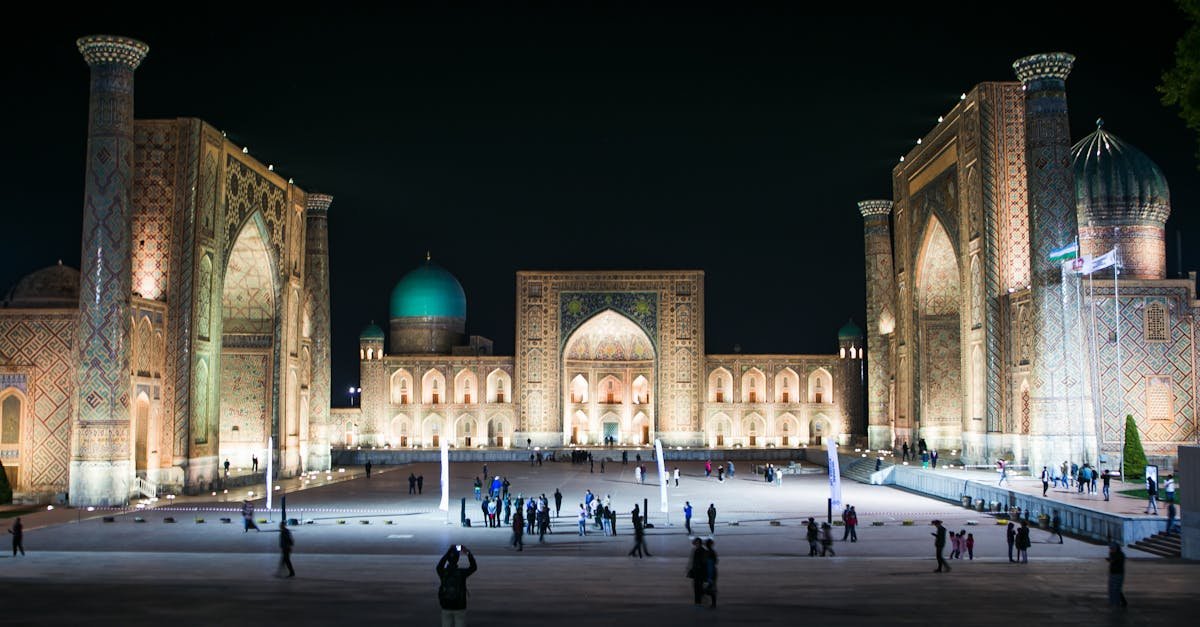
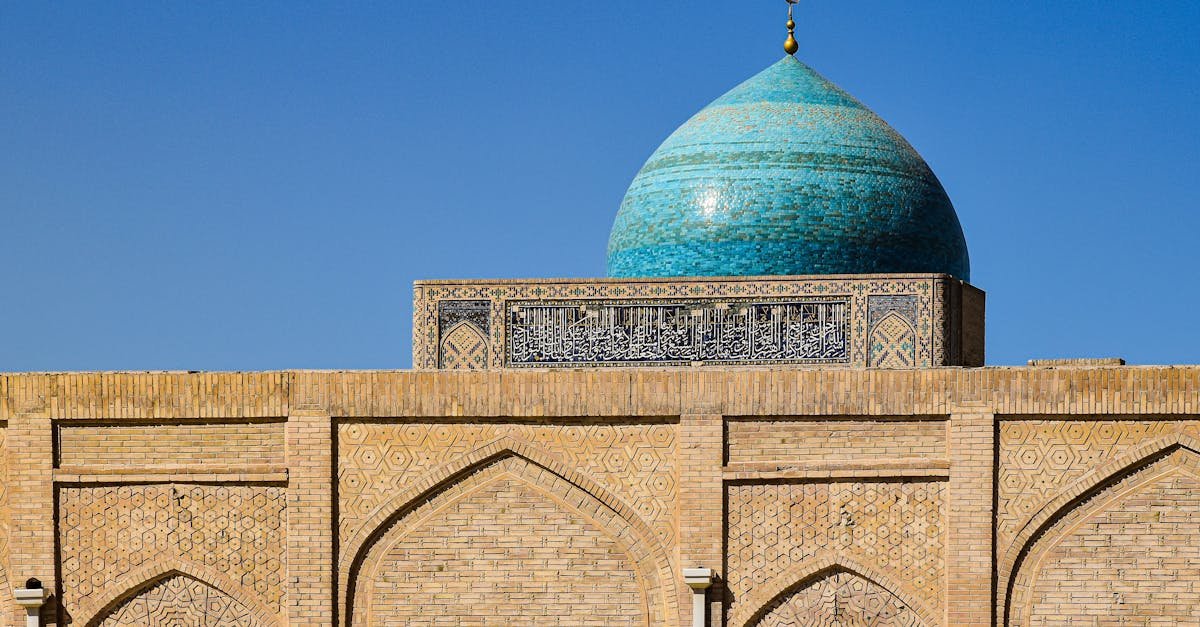
Step through the Ota Darvoza gate into Khiva and the twenty-first century dissolves entirely. The labyrinthine lanes of Ichan Kala — the walled inner city — are paved with the same sun-baked mud brick that Silk Road caravans trod centuries ago, and the skyline bristles with fluted minarets and turquoise-tiled domes so flawlessly preserved you half-expect a merchant to appear from the shadows carrying bolts of raw silk. The scent of warm bread from a clay tandoor drifts across the plaza, and the call to prayer echoes off walls that have stood for a thousand years. Khiva is the smallest of Uzbekistan's three great historical cities, but it arguably offers the most concentrated architectural spectacle of any Silk Road settlement in Central Asia.
Visiting Khiva rewards travellers who value depth over breadth. While Samarkand dazzles with monumental scale and Bukhara sprawls across a lived-in modern city, Khiva's Ichan Kala is genuinely self-contained — a UNESCO World Heritage walled town where every façade, alley and courtyard forms part of a coherent medieval ensemble. Things to do in Khiva range from climbing the Kalta Minor minaret for rooftop panoramas to browsing workshops where artisans still spin silk thread on hand-turned looms. For the independently minded European traveller on a modest budget, this remote Khorezm oasis — surrounded by the Kyzylkum desert — punches far above its weight, offering experiences that feel genuinely rare rather than merely photogenic.
✦ Find your perfect destination
Is Khiva really your perfect match?
Answer 12 quick questions about your travel style, budget and dates — we match you with the destinations that fit you best, from 600+ worldwide.
Khiva earns its place on any serious cultural itinerary because it offers something almost impossible to find elsewhere: an entire medieval Central Asian city frozen in coherent architectural time. The Khorezm oasis has been continuously inhabited for over two and a half millennia, and Khiva's Ichan Kala preserves more than fifty historic monuments within a single walled perimeter. Unlike many heritage sites propped up by restoration, much of Khiva's mud-brick fabric is genuinely ancient. The city also remains remarkably crowd-free compared to Samarkand, meaning you can photograph a tilework portal in golden-hour silence rather than elbow-to-elbow with tour groups.
The case for going now: Uzbekistan's rapid tourism infrastructure upgrade — new direct flights to Urgench, a fast train planned from Tashkent, and improved guesthouse standards inside Ichan Kala — means Khiva is becoming significantly more accessible without yet losing its unhurried character. Prices inside the walled city remain extraordinarily low by European standards. Visit now, before mass tourism catches up with what travel insiders have known for years.
🏛️
Palace Exploration
The Tash Hovli Palace and Kunya Ark citadel lay bare the full opulence of Khorezm's khans — intricately carved wooden columns, glazed mosaic courtyards and harem chambers that feel entirely unscripted by modern tourism.
🕌
Minaret Climbs
Ascending the narrow internal staircase of the Islam Khodja minaret rewards climbers with a panoramic roofscape of turquoise domes and mud-brick ramparts stretching to the desert horizon — one of Central Asia's defining views.
🎨
Artisan Workshops
Khiva's craftspeople still practise Khorezm's signature arts — silk ikat weaving, wood carving and majolica tile-making — in workshops scattered along the inner-city lanes, where you can watch and buy directly from the maker.
🌅
Wall Sunset Walks
The broad rampart walkway along Ichan Kala's western wall turns amber at dusk, offering an unobstructed silhouette of the Kalta Minor's turquoise-striped drum against a desert sunset that photographers plan entire trips around.
Khiva's neighbourhoods — where to focus
Historic Heart
Ichan Kala
The UNESCO-listed walled inner city is Khiva's irreplaceable core — a labyrinth of mosques, madrasas, mausoleums and khans' palaces packed into roughly thirty hectares. Almost every building here dates to the seventeenth through nineteenth centuries, and staying inside the walls means waking to the city before day-trippers arrive.
Modern Town
Dishan Kala
The outer walled district surrounding Ichan Kala is where contemporary Khivan life unfolds — local bazaars, apartment blocks and teahouses frequented by residents rather than visitors. It is worth a stroll to calibrate the contrast between living city and living museum, and to find cheaper restaurants.
Artisan Quarter
East Gate Lanes
The alleys radiating from the Palvan Darvoza eastern gate concentrate Khiva's craft economy — silk workshops, woodcarvers' ateliers and carpet dealers whose goods pile into the street. The Silk Road Bazaar here operates every morning and is the most atmospheric place to shop without aggressive touting.
Peaceful Escape
Northern Rampart Zone
The quieter northern sector of Ichan Kala, near the Ak mosque and the Sayid Alauddin mausoleum, sees far fewer visitors than the central monuments corridor. The neighbourhood's narrow lanes and small residential courtyards give a genuine sense of how people lived — and still live — within Khiva's ancient walls.
Top things to do in Khiva
1. #1 — Explore Tash Hovli Palace
Built between 1832 and 1841 by Allah Quli Khan, Tash Hovli (Stone Courtyard) Palace is the most elaborate surviving example of Khorezm royal architecture and arguably the single greatest monument in Khiva. The palace complex contains three distinct courtyards — the harem, the reception area and the judicial court — each clad in hand-painted glazed tiles of cobalt, turquoise and white arranged in intricate geometric and floral panels. The carved wooden aivans (porticoed galleries) supported on painted columns create a layered visual depth that photographs can barely capture. Arrive early morning, when low light slants across the tilework and the courtyards are nearly empty. Budget at least ninety minutes to move slowly between the chambers, reading the geometry of the tile panels rather than rushing between selfie spots. Entry is included in the Ichan Kala combined ticket, making it extraordinary value.
2. #2 — Climb Islam Khodja Minaret
The Islam Khodja minaret, completed in 1910 and rising 57 metres above the inner city, is Khiva's tallest structure and the defining element of its skyline. A steep internal staircase of 118 steps spirals inside the tapering brick shaft to a small balcony at the summit, where the full spatial logic of Ichan Kala reveals itself — a dense carpet of domes, flat rooftops and minarets contained within the rectangle of the city walls, with the Kyzylkum desert shimmering beyond. The adjacent Islam Khodja madrasa houses a well-curated museum of applied arts including Khorezm silk ikat robes, metalwork and ceramics. The climb is straightforward but narrow, so wait for a clear window between tour groups — typically mid-morning on weekdays. Sunset from the balcony is spectacular but you must arrange access with the ticket office in advance.
3. #3 — Walk the Kunya Ark Citadel
Kunya Ark — Old Fortress — served as the official residence and administrative seat of Khiva's khans from the early seventeenth century and represents the political core around which the rest of Ichan Kala grew. Today it is one of the most rewarding Khiva itinerary stops because its compound contains a mint, a powder magazine, a reception hall and a mosque, each illustrating a different function of Central Asian royal power. The small winter mosque is particularly beautiful, its interior entirely sheathed in the cool blue-and-white tilework that became Khorezm's signature decorative language. Climb to the rampart walk on the western wall of Kunya Ark for the best elevated view of the Kalta Minor minaret's turquoise-striped drum — the iconic postcard angle. Allow one to two hours and combine with the adjacent Djuma mosque, whose forest of 213 carved wooden columns creates one of the most atmospheric interiors in all of Central Asia.
4. #4 — Day Trip to Ayaz Qala Desert Fortresses
One of the most compelling things to do near Khiva is a half-day excursion to the Ayaz Qala fortress complex, a group of ancient Khorezm mud-brick fortifications rising from the Kyzylkum desert scrubland about 90 kilometres north of the city. The largest structure, Ayaz Qala 1, dates to roughly the fourth century BCE and sits atop a ridge with 360-degree desert views that place Khiva's medieval architecture in dramatic geological context. A yurt camp operates at the base of the ridge between March and October, offering the option of a night in the desert with a home-cooked Uzbek meal — one of the most memorable experiences available to travellers visiting Khiva. Hire a taxi from outside the eastern gate for the day, negotiate the rate in advance (expect to pay around 200,000–300,000 UZS for the round trip), and combine the visit with the nearby Toprak Qala palace ruins and the Sultan Uvays Dag shrine for a full archaeological day.
What to eat in the Khorezm region — the essential list
Khorezm Plov
Khiva's version of Central Asia's defining dish uses yellow carrots, a generous hand with cottonseed oil and lamb raised on desert scrub grass, producing a plov distinctly richer and more aromatic than variants found in Tashkent or Samarkand. Served communally from a cast-iron kazan at any hour of day.
Shivit Oshi
Khiva's most distinctive local speciality: green noodles coloured and flavoured with dried dill, served with a slow-braised meat sauce and yoghurt. This dish is unique to the Khorezm region and almost impossible to find elsewhere in Uzbekistan — eating it in Khiva is reason enough to make the trip.
Samsa
Flaky, clay-oven-baked pastry parcels stuffed with seasoned minced lamb and onion, pulled hot from a tandoor embedded in the bazaar wall. The Khorezm version has thinner pastry and a higher meat-to-onion ratio than the Samarkand standard, making them addictively crisp.
Moshkichiri
A hearty porridge of mung beans and rice simmered with fried onion, lamb fat and turmeric — peasant food elevated by time and context. Khivan guesthouses often serve moshkichiri at breakfast alongside flat bread and green tea, and it fortifies perfectly for a morning of monument-hopping.
Kazan Kabob
Thick discs of fatty lamb belly braised slowly in their own juices in a sealed kazan rather than grilled over flame. The result is fall-apart tender meat served with raw onion rings and vinegar — a Khorezm version of the kabob tradition that prioritises succulence over smokiness.
Non Bread
Every meal in Khiva begins with non — the large, disc-shaped flatbread stamped with geometric patterns using a bread stamp called a non-o'ymakor. Baked fresh throughout the day in communal tandoor ovens, it is the edible symbol of Uzbek hospitality and essential accompaniment to every table.
Where to eat in Khiva — our top 4 picks
Fine Dining
Terrassa Restaurant
📍 Ichan Kala, near Kunya Ark, Khiva
Terrassa occupies a rooftop terrace above Ichan Kala with unobstructed views of the Kalta Minor minaret, serving an elevated menu of Uzbek classics — plov, shivit oshi and slow-braised lamb — using regional produce and attentive service. The setting at sunset justifies the (still very modest) prices.
Fancy & Photogenic
Lali Zar Restaurant
📍 Ichan Kala inner city, Khiva
Set inside a restored merchant house with carved wooden columns and hand-painted ceilings, Lali Zar is Khiva's most photographed dining room. The menu centres on Khorezm specialities including shivit oshi and kazan kabob, delivered by staff in traditional Uzbek dress in a courtyard strung with lanterns.
Good & Authentic
Cafe Yusupov
📍 Near Palvan Darvoza gate, Ichan Kala, Khiva
A no-frills family-run dining room beloved by locals and in-the-know travellers, Cafe Yusupov serves enormous portions of plov, lagman noodle soup and samsa at prices that feel almost embarrassingly low. The open kitchen lets you watch the cooking and point at what you want — no menu navigation required.
The Unexpected
Shivit Oshi House
📍 Dishan Kala district, near eastern bazaar, Khiva
A tiny specialist spot outside the inner walls that serves almost nothing but shivit oshi — Khiva's iconic green noodle dish — in several variations with different braises and garnishes. Run by a grandmother and her daughter, it draws Khivan locals for lunch and sells out by early afternoon most days.
Khiva's Café Culture — top 3 cafés
The Institution
Choyxona at Djuma Mosque
📍 Djuma Mosque courtyard, Ichan Kala, Khiva
The traditional teahouse adjoining the Djuma mosque complex has served green tea, dried fruit and almonds to travellers and locals since the mosque itself was rebuilt in the eighteenth century. Low wooden platforms, velvet cushions and the absence of any wi-fi make it Khiva's most genuinely meditative caffeine stop.
The Aesthetic Hub
Orient Star Café
📍 Muhammad Amin Khan Madrasa, Ichan Kala, Khiva
Housed inside the converted cells of the Muhammad Amin Khan madrasa — now part of a boutique hotel — this courtyard café combines strong Uzbek coffee, fresh-squeezed pomegranate juice and excellent pastries with one of the most beautiful architectural settings in the inner city, busy with travellers comparing notes.
The Local Hangout
Chai Khana near West Gate
📍 Near Ota Darvoza gate, Ichan Kala, Khiva
This bare-walled neighbourhood tea room just inside the main western entrance is where Khivan men gather to play chess, drink green tea by the pot and debate local affairs with zero interest in tourists. Order chai, indicate you want sugar from the bowl on the table, and simply observe.
Best time to visit Khiva
Jan
Feb
Mar
Apr
May
Jun
Jul
Aug
Sep
Oct
Nov
Dec
Peak season (Jan–Apr & Dec) — mild days, clear skies, ideal for walking the monumentsShoulder season (Oct–Nov) — warm afternoons, sparse crowds, good photography lightSummer heat (May–Sep) — temperatures exceed 40°C, monuments baking, avoid midday entirely
Khiva events & festivals 2026
Whether you're planning around a specific celebration or simply want to know what's happening, this guide covers the best events and festivals in Khiva — from major annual traditions to cultural highlights worth timing your trip around.
April 2026culture
Navruz Spring Festival
Navruz — the Persian and Central Asian New Year celebrated on 21 March — extends into April celebrations across Khiva, with communal plov-cooking, traditional music, Khorezm dance performances and street theatre inside Ichan Kala. One of the
May 2026culture
Silk and Spices Festival
Khiva's premier annual festival recreates the atmosphere of a Silk Road trading fair within Ichan Kala, with artisan markets, ikat weaving demonstrations, live Khorezm folk music and international craft exhibitors. Timed to mild spring weather, it is the single most atmospheric event on the Khiva itinerary calendar.
September 2026music
Khorezm Folk Music Festival
An annual celebration of traditional Khorezm musical forms — dutar, gidjak and doira percussion — performed by regional masters in the courtyards of Ichan Kala's major monuments.
October 2026culture
Khiva Craft Biennale
A biennial gathering of Uzbekistan's finest traditional craftspeople held inside Ichan Kala, focusing on woodcarving, ceramic tile-making and silk ikat. Master artisans demonstrate techniques and sell work directly; the festival actively documents endangered Khorezm craft traditions for UNESCO intangible heritage registers.
June 2026culture
Ichan Kala Night Tour Season
From June onward, the Ichan Kala monument complex offers illuminated evening tours when the heat has subsided. Floodlit minarets and tilework glow against a dark desert sky; the tours include access to ordinarily closed chambers and are far more intimate than daytime visits.
January 2026religious
Pakhlavan Mahmoud Pilgrimage Days
Winter months see steady pilgrimage traffic to the mausoleum of Pakhlavan Mahmoud, Khiva's fourteenth-century patron saint, philosopher and wrestler. The atmosphere around the turquoise-domed shrine during these quieter months is deeply authentic, with Uzbek and Karakalpak pilgrims bringing offerings and reciting devotional poetry.
March 2026market
Khorezm Melon & Produce Market
As spring arrives in the Khorezm oasis, the outer bazaar of Dishan Kala fills with the season's first produce — dried fruits from the previous harvest, new season nuts and early herbs.
August 2026culture
Sharq Taronalari Tie-in Events
Samarkand's major Sharq Taronalari world music festival in August sends ripple events to Khiva, with satellite performances of Central Asian and international folk music staged in Ichan Kala courtyards. Advance check of the programme is recommended as scheduling varies by year.
November 2026culture
Khorezm History Lecture Series
A small but growing annual event hosted by Urgench State University in collaboration with Ichan Kala's museum directorate, bringing international archaeologists and historians to give public lectures on Khorezm civilisation, Silk Road trade and ongoing restoration work in Khiva's monuments.
December 2026culture
Winter Solstice Bazaar
Khiva's December bazaar inside the eastern gate fills with winter textiles — ikat-lined chapans (traditional coats), felt rugs and embroidered suzani — as locals prepare gifts for the new year. The cool, clear winter light and near-absence of foreign tourists make this an unexpectedly rewarding Khiva travel experience.
Guesthouse dorm or cheap private room, local teahouse meals, combined monument ticket, shared taxis.
€€ Mid-range
€30–60/day
Boutique guesthouse inside Ichan Kala, restaurant dinners, private taxis for day trips, craft shopping budget.
€€€ Comfort
€60+/day
Orient Star or Malika Khiva hotel inside the walls, private guided tours, desert yurt overnight included.
Getting to and around Khiva (Transport Tips)
By air: The nearest airport to Khiva is Urgench International Airport (UGC), served by Uzbekistan Airways from Tashkent with multiple daily flights taking around two hours. Direct seasonal charter connections operate from several European cities during peak travel periods. Booking Tashkent connections well in advance is strongly recommended for spring travel.
From the airport: Urgench Airport sits approximately 35 kilometres from Khiva's Ichan Kala. Licensed taxis from the airport rank charge around 80,000–120,000 UZS for the 40-minute drive and should be negotiated before departure. Shared marshrutka minibuses run between Urgench city centre and Khiva for a fraction of the price but require a short walk or local taxi from the airport to the bus station. No rail connection currently links Urgench to Khiva, though an extension is under discussion.
Getting around the city: Khiva's Ichan Kala is compact enough to explore entirely on foot — all major monuments lie within a 15-minute walk of each other. Taxis are essential for reaching Dishan Kala's outer bazaar, the Nurullah Bai Palace and day-trip destinations like Ayaz Qala. Agree fares in advance; metered taxis do not operate. Bicycle rental is available from several guesthouses inside the walled city and is ideal for exploring the quieter northern and eastern sectors.
Transport Safety & Scam Prevention:
Negotiate taxi fares before departure: Drivers at the Urgench airport and outside Ichan Kala's gates frequently quote inflated rates to arriving foreigners. Settle the price firmly before entering the vehicle, and confirm whether the fare is total or per person — a common source of dispute at journey's end.
Buy the combined Ichan Kala ticket: A single combined ticket covers entry to all major monuments inside Ichan Kala and represents dramatically better value than individual site fees. Unofficial 'guides' near the gates sometimes suggest otherwise — purchase your ticket from the official kiosk near Ota Darvoza before accepting any unsolicited assistance.
Change money at official exchange offices: Uzbekistan's Som is not freely convertible outside the country, so you will need to exchange cash on arrival. Use licensed currency exchange offices (obmen valyuty) rather than street exchangers near the bazaar; rates are competitive at official outlets and you avoid the risk of counterfeit notes.
Do I need a visa for Khiva?
Visa requirements for Khiva depend on your nationality. Select your passport below for an instant answer — based on the Passport Index dataset for entry into Uzbekistan.
ℹ️ Indicative only. Always verify with the official consulate before booking. Data: Passport Index, April 2026.
For detailed requirements, documentation checklists and processing times by nationality: TravelDoc →
Search & Book your trip to Khiva
Find the best flight routes and hotel combinations using our partner Kiwi.com.
Frequently Asked Questions
Is Khiva safe for tourists?
Khiva is one of the safest destinations in Central Asia for independent travellers, including solo women. Violent crime against tourists is virtually unheard of, and the local population in the Khorezm region is notably hospitable even by Uzbek standards. Petty theft is rare inside Ichan Kala. The main risks are practical rather than criminal — extreme summer heat, dehydration and traffic on the road between Urgench and Khiva. Standard travel precautions around valuables and agreeing taxi fares in advance are sufficient preparation for most visitors.
Can I drink the tap water in Khiva?
Tap water in Khiva, as throughout Uzbekistan, is not recommended for drinking without treatment. The municipal supply can carry bacteria and mineral concentrations that cause stomach upset in unacclimatised travellers. Bottled water is inexpensive and widely available throughout Ichan Kala and in every guesthouse. Use bottled water for brushing teeth as well during your first few days. Ice in local restaurants is generally made from filtered water, but asking is always advisable in smaller teahouses.
What is the best time to visit Khiva?
The best time to visit Khiva is during spring, from late February through April, and again in autumn, from September through November. Spring brings mild temperatures of 15–25°C, clear desert skies ideal for photography, and the spectacular Navruz celebrations. Autumn offers similar temperatures with the added bonus of harvest-season bazaars and the Khorezm Folk Music Festival in September. Summer (June–August) should be avoided if possible — temperatures regularly exceed 40°C, making monument exploration genuinely uncomfortable between 10am and 5pm. Winter visits from December through January are surprisingly pleasant, with crisp clear days, minimal crowds and authentic pilgrimage activity at the shrines.
How many days do you need in Khiva?
Most travellers find that two full days in Khiva cover the essential Ichan Kala monuments comfortably, but three days allows for a desert excursion to Ayaz Qala, deeper exploration of craft workshops and a more relaxed pace befitting the city's meditative character. If you are combining Khiva with the broader Uzbekistan Silk Road circuit — Samarkand, Bukhara and Tashkent — three days represents the ideal allocation. Independent travellers with a specific interest in Khorezm archaeology, traditional crafts or Central Asian photography will find that five to seven days disappear quickly. The city's small size is deceptive; the depth of each monument repays unhurried revisiting.
Khiva vs Bukhara — which should you choose?
Khiva and Bukhara are genuinely different experiences, and ideally you visit both on a Uzbekistan itinerary. Khiva is more compact and theatrical — the entire historic core is a single walled museum-city with an almost cinematic coherence, and it feels more authentically preserved. Bukhara is larger, more integrated with modern urban life, and offers richer dining options and a livelier evening scene around the Lyab-i-Hauz pool. Khiva wins for pure architectural drama and photographic impact; Bukhara wins for atmosphere, cuisine and cultural immersion. Budget travellers often prefer Khiva for its lower prices; those wanting more comfort and variety lean toward Bukhara. If forced to choose just one, first-time Silk Road visitors typically leave Khiva more astonished.
Do people speak English in Khiva?
English proficiency in Khiva is limited compared to Samarkand or Tashkent, but the situation is improving rapidly among younger guesthouse owners and those working in tourism inside Ichan Kala. Most monument ticket offices have at least one English-speaking staff member. Restaurant menus in tourist-facing establishments often have English translations, though accuracy varies. Outside the walled city, Russian is far more useful than English as a second language, and learning ten to twenty Uzbek words — greetings, numbers, food names — will dramatically improve your experience and is received with genuine warmth by locals.
★ Hidden Gems Weekly
Like this? One place per week, in your inbox.
No spam, no fluff — just one underrated destination, every Tuesday.
Hand-picked and verified by Max, who founded Vacanexus from Luxembourg in 2026. No sponsorships, no paid placements. Every recommendation — restaurants, neighbourhoods, things to do — is selected for authenticity over popularity.