⏱ 11 min read📅 Updated 2026💶 € Budget✈️ Best: Jan–Apr
€20–45/day
Daily budget
Mar–Apr
Best time
3–5 days
Ideal stay
UZS (Uzbek Som)
Currency
Tashkent announces itself through sensation: the smell of lamb fat sizzling in iron kazan pots, the low rumble of a marble-clad metro carriage decorated with hand-painted tiles, and the early-morning roar of Chorsu Bazaar as traders stack pyramids of dried apricots and scarlet chillies under a turquoise dome. Central Asia's largest city is a place of extraordinary contradictions — Soviet-era boulevards so wide they feel theatrical stand alongside slender Timurid minarets and neighbourhoods where families still press naan onto the interior walls of clay tandyr ovens. Tashkent is a city that rewards curiosity at every turn, offering travellers a gateway into a region that the rest of the world is only just beginning to rediscover.
Visiting Tashkent is nothing like arriving in better-known Central Asian stops such as Samarkand or Bukhara. Those cities are essentially open-air museums, polished for the Instagram age; Tashkent is a functioning, breathing megalopolis of four million people that happens to contain one of the most extraordinary metro systems on earth, canteens serving the definitive plov, and neighbourhoods where Soviet modernism collides with mahalla courtyard culture. Things to do in Tashkent range from genuinely free (wandering Amir Timur Square at dusk, riding every metro line purely for the artwork) to genuinely unforgettable (watching a master plov cook ladle rice at a Sunday dawn gathering). Budget travellers, architecture obsessives, and food-led explorers will each find their own city within the city.
✦ Find your perfect destination
Is Tashkent really your perfect match?
Answer 12 quick questions about your travel style, budget and dates — we match you with the destinations that fit you best, from 600+ worldwide.
Tashkent sits at the crossroads of every Silk Road route that ever mattered, and that history saturates everything from the geometry pressed into flatbreads to the tilework in 15th-century shrines. The city's metro stations — each one a distinct palace of mosaics, chandeliers, and marble — are widely considered the most beautiful in the world, yet entry costs less than ten euro cents. Tashkent also functions as the most affordable capital in the former Soviet space, where a full dinner with wine rarely exceeds five euros. Add reliable flights from European hubs, a new e-visa system that takes minutes, and the sense of discovering a city before the travel crowds arrive, and Tashkent's case becomes irresistible.
The case for going now: Uzbekistan's government opened a streamlined e-visa portal in 2023 that now grants visa-free or on-arrival access to over 90 nationalities, slashing one of the last barriers to visiting Tashkent. A new international terminal at Islam Karimov Airport opened in 2024, and direct routes from Paris, Frankfurt, and Amsterdam are expanding for 2026. The Uzbek som remains dramatically undervalued, meaning Tashkent delivers extraordinary value for European travellers right now — before the boutique hotel wave that is already visible in Samarkand reaches the capital.
🚇
Metro Palace Art
Ride Tashkent's legendary metro and witness stations that double as underground palaces — Soviet-era mosaics, vaulted ceilings, and hand-laid tilework make every stop a distinct artistic world.
🍚
Dawn Plov Ritual
Join Tashkent locals at Osh Markazi on Sunday mornings, where master oshpaz cooks ladle rice, lamb, and carrots from kazan pots the size of bathtubs for hundreds of seated diners at sunrise.
🕌
Khast Imam Complex
Explore Central Asia's foremost Islamic centre, home to one of the world's oldest Qurans — the 1,400-year-old Uthman Quran — amid courtyards of geometric tilework and peacefully shaded arcades.
🥣
Chorsu Bazaar Chaos
Plunge into the magnificent domed market at Chorsu, where dried fruit mountains, live poultry, hand-embroidered suzani textiles, and spice merchants occupy a sensory world unlike anywhere else in Central Asia.
Tashkent's neighbourhoods — where to focus
Historic Heart
Old City (Eski Shahar)
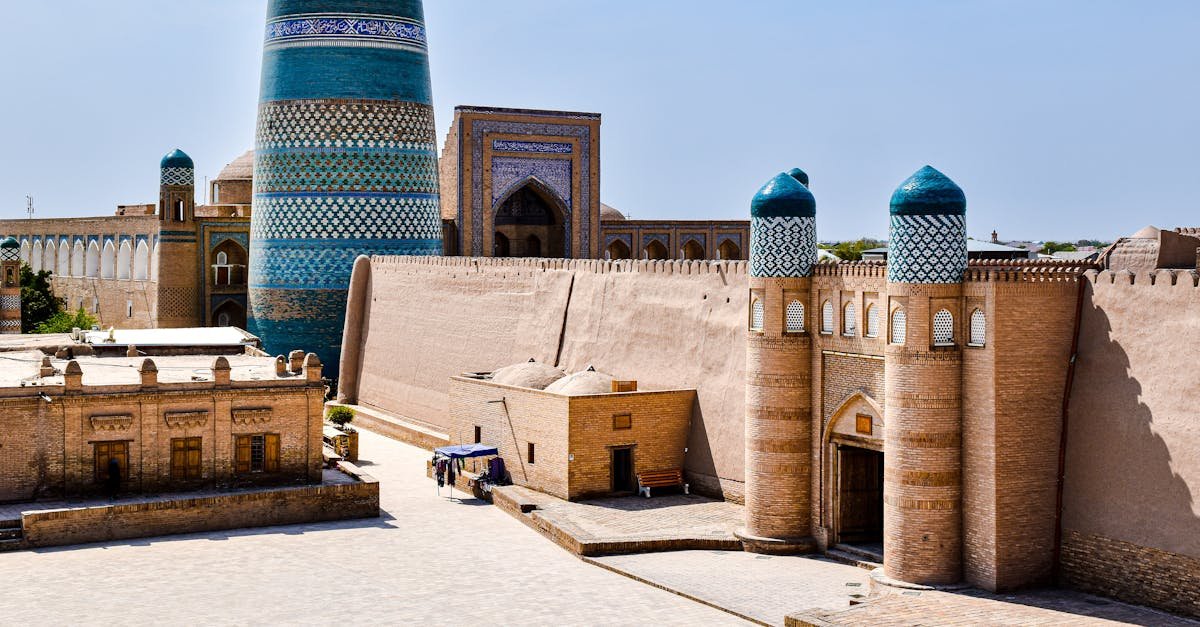
Tashkent's ancient mahalla quarter clusters around Chorsu Bazaar and Khast Imam, with narrow lanes, clay-walled courtyards, and tandyr bakeries that have operated in essentially the same form for centuries. This is where the city's pre-Soviet identity survives most vividly, and where the call to prayer from the Juma Mosque still structures the day.
Soviet Showcase
Amir Timur District
The ceremonial core of Soviet Tashkent radiates from Amir Timur Square, lined with Stalinist neoclassical facades, the grand State History Museum, and wide boulevards built to project imperial authority. It feels like Moscow transplanted to the steppe, except warmer, cheaper, and considerably less crowded with tourists attempting selfies.
Youthful & Creative
Yunusabad
Tashkent's liveliest residential district for young professionals, Yunusabad mixes Soviet microrayon apartment blocks with new coffee shops, craft beer bars, and art studios. Weekend evenings bring out a generation of Uzbeks who have studied or travelled abroad, creating a genuinely cosmopolitan energy that surprises most first-time visitors to Tashkent.
Diplomatic & Leafy
Mirabad
Embassy row and the city's most pleasant residential streets define Mirabad, where broad avenues are canopied by mature plane trees and mulberry bushes overhang low garden walls. The district houses the best concentration of mid-range restaurants, several boutique guesthouses, and the excellent Applied Arts Museum housed in a restored former Russian governor's mansion.
Top things to do in Tashkent
1. #1 Ride Every Metro Line
The Tashkent Metro is not merely a transit system — it is arguably the most accessible public art installation in the world. Opened in 1977 as the first metro in Central Asia, each of its 29 stations was assigned a distinct design team and theme, resulting in a collection that spans Soviet Space Age optimism, Uzbek floral ornament, literary monuments, and pure geometric abstraction. Kosmonavtlar station features backlit astronaut panels; Alisher Navoi reproduces scenes from classical Uzbek poetry; Pakhtakor is sheathed in cotton-white ceramic relief. A full circuit of all three lines costs under 15 euro cents per ride and takes a leisurely half-day. Tashkent's metro is the single experience that separates this city from every other Central Asian destination, and no Tashkent itinerary is complete without it.
2. #2 Chorsu Bazaar at Dawn
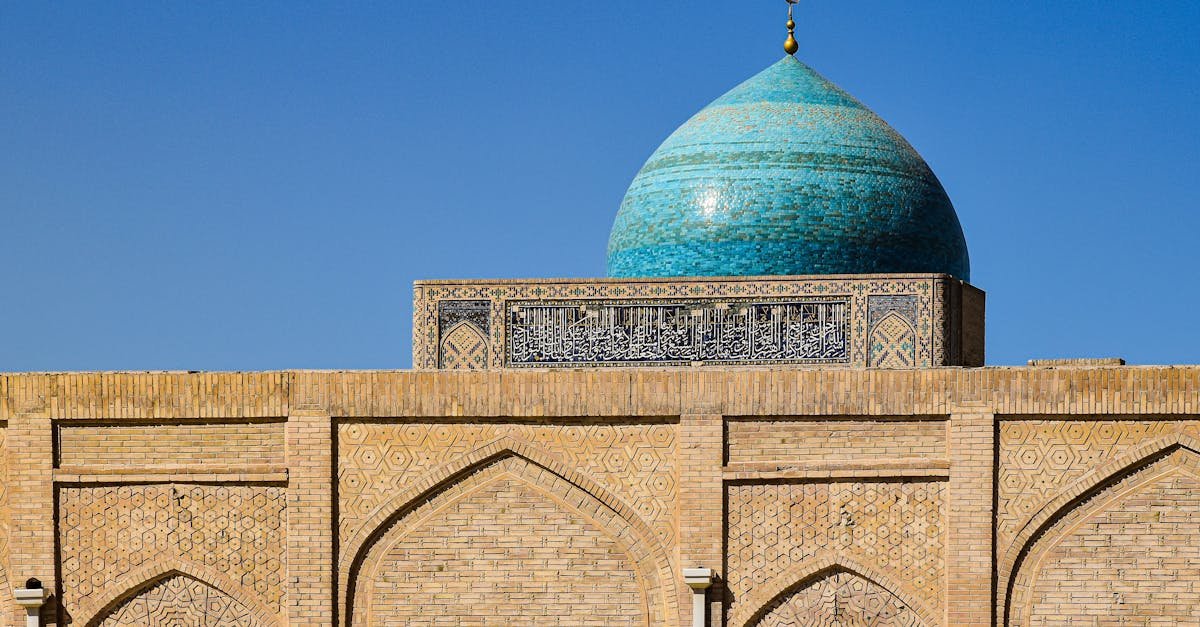
Arriving at Chorsu Bazaar as the sun rises over its distinctive blue-tiled dome is one of the most atmospheric market experiences in all of Central Asia. The bazaar operates on multiple levels: ground-floor meat and dairy halls where butchers in blood-stained aprons work with extraordinary speed, upper galleries stacked with dried fruits, nuts, and spice blends sold by weight, and a surrounding outdoor labyrinth of suzani embroidery, ceramic teapots, and Soviet-era bric-a-brac. Traders are almost uniformly friendly toward foreign visitors and haggling is expected but gentle — no one in Tashkent works the hard sell that exhausts travellers in Moroccan souks. Bring small denomination notes, arrive before 8am for the atmosphere, and budget at least two hours to do the place justice.
3. #3 Khast Imam & the Uthman Quran
The Khast Imam religious complex — formally known as Hazrati Imam — is the spiritual centre of Uzbek Islam and one of Tashkent's most quietly profound sites. The compound contains several mosques, an Islamic university, the Tillya Sheikh Library, and most significantly, the Uthman Quran: a manuscript believed to date to 655 AD, making it one of the oldest complete Qurans in existence, with pages reportedly stained with the caliph's blood. The complex was heavily suppressed during the Soviet period and its current form reflects careful post-independence restoration. Visitors are welcome outside prayer times, women should bring a headscarf, and the bookshop sells high-quality Uzbek miniature painting reproductions at very reasonable prices. The surrounding old-city lanes are ideal for wandering afterward.
4. #4 State Museum of History
Tashkent's State Museum of History of Uzbekistan occupies a grand Soviet-era building on Amir Timur Street and contains one of the most undervisited museum collections in Central Asia. The permanent exhibition stretches from pre-historic petroglyphs through Alexander the Great's passage across the region, Zoroastrian burial ossuaries, Buddhist frescoes from Termez, Timurid court manuscripts, and eventually through the Russian conquest and Soviet collectivisation. The presentation is somewhat old-fashioned by Western museum standards — heavy on text panels, light on interactive displays — but the objects themselves are genuinely remarkable. Allow two to three hours, consider hiring one of the museum's Russian or English-speaking guides, and note that photography of certain artefacts requires a small additional fee. The museum anchors a broader Tashkent itinerary beautifully.
What to eat in Tashkent and the Ferghana Valley — the essential list
Plov (Osh)
Uzbekistan's national dish reaches its apex in Tashkent. Long-grain rice is slow-cooked in cottonseed oil with lamb ribs, yellow carrots, garlic, cumin, and barberries inside a massive cast-iron kazan, producing a dish of extraordinary depth. Sunday morning plov gatherings are a civic ritual.
Samsa
Flaky, diamond-shaped pastries baked directly on tandyr walls, filled with minced lamb, onion, and black pepper. The exterior shatters satisfyingly when bitten and the interior floods with hot fat. Eaten standing at bakery counters across Tashkent for breakfast or as a midday snack.
Shashlik
Marinated lamb skewers grilled over saxaul wood charcoal — Tashkent's street-side evening ritual. The best versions use alternating fat and lean cuts, seasoned simply with salt, cumin, and onion. Served with raw onion rings, fresh herbs, and flatbread at charcoal stalls across the city.
Lagman
Hand-pulled wheat noodles served either in a rich tomato-based lamb broth (suyuq lagman) or stir-fried with bell peppers, carrots, and meat (qovurma lagman). Tashkent's Dungan and Uyghur communities introduced this dish centuries ago; it remains a lunchtime staple across the city.
Non (Tashkent Flatbread)
Tashkent's non is stamped with elaborate chekish patterns from a decorative bread stamp and baked in a clay tandyr. Each mahalla has its own bakery producing slightly different sizes and patterns. Eaten with tea at every meal — tearing a piece from a fresh, sesame-seeded non is a daily pleasure.
Chuchvara
Tashkent's version of small boiled dumplings, similar to tortellini, filled with minced lamb and onion and served either in a clear broth or with sour cream and a splash of chilli oil. A comfort food particularly popular in winter, available in tea houses across the old city.
Where to eat in Tashkent — our top 4 picks
Fine Dining
Caravan Restaurant
📍 Ul. Qoratosh 2A, Mirabad District, Tashkent
Tashkent's most celebrated traditional restaurant occupies a restored courtyard mansion with hand-painted ceilings and low-slung dining iwan. The menu covers the full breadth of Uzbek cuisine — exemplary plov, delicate manti dumplings, and whole-roasted quail — alongside a thoughtful Uzbek wine list. Booking ahead is essential on weekends.
Fancy & Photogenic
Café Recommended (The Laboratoriya)
📍 Ul. Afrosiyob 18, Tashkent
A beautifully designed modern Uzbek bistro that has become Tashkent's go-to address for contemporary interpretations of classic dishes. Exposed brick walls, pendant Edison lighting, and a glassed terrace attract a photogenic, well-travelled crowd. The fusion plov arancini and pomegranate-glazed duck breast draw particular attention from food writers.
Good & Authentic
Osh Markazi (Central Plov Centre)
📍 Ul. Taras Shevchenko 37, Tashkent
The definitive address for Tashkent plov, open only from 7am until the kazan runs dry — usually by noon. Long communal tables fill with local families, construction workers, and curious travellers all eating the same thing: a single enormous plate of rice. No menu exists; simply sit down and a bowl arrives.
The Unexpected
Baraka Qovurdoq
📍 Chorsu Bazaar area, Old City, Tashkent
A standing-room-only canteen tucked behind Chorsu's meat hall, serving qovurdoq — fried offal with potatoes, onions, and cumin — that locals consider Tashkent's finest hangover cure and greatest value meal. No English menu, no concessions to tourism, and roughly one euro per plate. An utterly essential Tashkent experience.
Tashkent's Café Culture — top 3 cafés
The Institution
Chaikhana Rokhat
📍 Ul. Sharof Rashidov 26, Tashkent
Tashkent's most beloved traditional tea house has served green tea, dried fruit platters, and fresh non to three generations of locals since the Soviet era. The shaded outdoor terrace overlooking a fountain is the ideal spot to decompress after a morning at Chorsu. Order chashka choy and resist nothing from the pastry tray.
The Aesthetic Hub
Coffee Boom Tashkent
📍 Ul. Buyuk Turon 41, Tashkent
The flagship of Tashkent's emerging specialty coffee movement, Coffee Boom roasts its own Central Asian and East African beans in-house and has trained a generation of Uzbek baristas. The minimalist concrete-and-tile interior fills daily with designers, students, and remote workers. Filter coffee standards here rival anything in Tbilisi or Almaty.
The Local Hangout
Retro Café
📍 Ul. Amir Timur 107B, Tashkent
A genuinely unpretentious neighbourhood café decorated with Soviet-era postcards, tin advertising signs, and mismatched Brezhnev-period furniture. The menu runs to strong black tea, sweet samsa, milky Soviet-style coffee, and excellent home-baked honey cake. Prices are absurdly low and the atmosphere is warm, unhurried, and entirely un-touristy.
Best time to visit Tashkent
Jan
Feb
Mar
Apr
May
Jun
Jul
Aug
Sep
Oct
Nov
Dec
Peak Season (Jan–Apr & Dec) — cool, clear days ideal for sightseeing; March almond blossoms; minimal crowdsShoulder Season (Oct–Nov) — warm days cooling to pleasant evenings; harvest produce fills marketsSummer (May–Sep) — extreme heat above 40°C, dusty winds; only suitable for heat-acclimatised travellers
Tashkent events & festivals 2026
Whether you're planning around a specific celebration or simply want to know what's happening, this guide covers the best events and festivals in Tashkent — from major annual traditions to cultural highlights worth timing your trip around.
March 2026culture
Navruz Spring Festival
Navruz — the Persian New Year on 21 March — is Tashkent's most important annual celebration, transforming Amir Timur Square and Chorsu into vast open-air feasts. Traditional sumalak porridge is stirred communally, folk musicians perform, and families in embroidered robes gather for days of dancing. Among the
April 2026culture
Tashkent International Book Fair
Central Asia's largest book and publishing fair fills the Uzexpocentre convention complex with publishers, authors, and readers from across the former Soviet space. Uzbek-language literature alongside Russian and English titles, panel discussions, and children's programming make this a surprisingly rich cultural stop on any Tashkent itinerary in spring.
May 2026music
Sharq Taronalari — Eastern Melodies Festival
Held every two years in Samarkand but with satellite events in Tashkent, this UNESCO-recognised world music festival gathers traditional musicians from over 40 countries. Tashkent's contribution typically includes concerts at the Navoi Opera Theatre and open-air performances in Alisher Navoi Park through the first weekend of May.
June 2026culture
Tashkent Contemporary Art Week
A growing annual event organised by Tashkent's independent gallery community, Contemporary Art Week brings together painters, video artists, and installation makers working in the post-Soviet Uzbek tradition. Exhibitions open across Yunusabad studios and repurposed Soviet factories, with vernissage evenings open to all visitors free of charge.
September 2026culture
Uzbekistan Independence Day Parade
Marking Uzbekistan's independence from the Soviet Union on 1 September, Tashkent hosts the nation's largest celebrations: military parades down Amir Timur Boulevard, fireworks over Mustaqillik Square, and city-wide illuminations. The festivities provide remarkable photography opportunities and a window into Uzbek national identity in the capital.
October 2026market
Tashkent Harvest Market Festival
Chorsu Bazaar and surrounding squares expand dramatically in October for the autumn harvest market, when farmers from across Uzbekistan bring persimmons, quinces, walnuts, and the season's final melons to the capital. Cooking demonstrations, plov cook-offs, and bread-stamping workshops run across the weekend event, ideal for food-focused visitors.
November 2026culture
Tashkent Film Festival
One of Central Asia's oldest film festivals, reactivated after an extended hiatus, screens Uzbek, Iranian, Russian, and international cinema at the Zarафshon cinema complex over ten days. The programme prioritises films from Silk Road nations and includes director Q&As, retrospectives of Soviet Uzbek cinema, and free outdoor screenings.
December 2026religious
Ramadan Ifthar Gatherings
When Ramadan falls in winter months, Tashkent's communal ifthar — the breaking of the fast at sunset — is a memorable experience for visitors. Mosques across the old city open their courtyards to all comers, traditional harira soup and samsa are distributed freely, and the atmosphere of collective relief at dusk is genuinely moving.
January 2026culture
Tashkent Design Week
Launched in 2022 and growing steadily, Design Week showcases Uzbek textile, ceramic, and furniture designers working at the intersection of traditional craft and contemporary form. Pop-up showrooms in Mirabad and Yunusabad complement a central exhibition at the Applied Arts Museum, with workshops open to international visitors on a walk-in basis.
February 2026music
Navoi Opera Winter Season
February marks the peak of the Alisher Navoi Opera and Ballet Theatre's winter programme, with full productions of classic Uzbek operas alongside Tchaikovsky and Verdi. Ticket prices remain extraordinarily low by European standards — often under five euros — making a Tashkent opera night among the best-value cultural experiences in Central Asia.
Guesthouse dorm or homestay, canteen plov lunches, metro transit, free mosque visits — entirely achievable in Tashkent.
€€ Mid-range
€30–55/day
Comfortable boutique guesthouse, sit-down restaurants, museum entry fees, and the occasional guided excursion or day-trip train.
€€€ Luxury
€80+/day
International hotel chains, private driver, Samarkand/Fergana day-trip transfers, fine-dining Uzbek restaurants, and personal guiding.
Getting to and around Tashkent (Transport Tips)
By air: Tashkent's Islam Karimov International Airport (TAS) connects directly to Frankfurt, Paris Charles de Gaulle, Amsterdam, Istanbul, and Dubai, with Uzbekistan Airways and Fly Dubai among the main carriers. A new international terminal opened in 2024 significantly improved the arrival experience, and flight times from Western Europe average six to seven hours with no stopover required.
From the airport: The airport sits approximately 12 kilometres south of central Tashkent. A metered taxi to the city centre should cost between 50,000 and 80,000 UZS (roughly €4–6) — agree the price before departure as meters are rarely used for foreigners. Ride-hailing apps Yandex Go and Uzum Taxi operate reliably from the arrivals hall and are cheaper than street taxis. Metro access requires a short taxi hop to the nearest station.
Getting around the city: Tashkent's metro is the backbone of city transit — clean, air-conditioned, and extraordinarily cheap at around 1,400 UZS (under €0.12) per ride on a reloadable card purchased at any station. Buses and trolleybuses fill metro gaps but routes are difficult to interpret without Cyrillic reading ability. Yandex Go and Uzum Taxi provide affordable, app-based rides across the city for under €2 most journeys. Walking is viable in the old city but Tashkent's Soviet-planned districts are very spread out.
Transport Safety & Scam Prevention:
Agree Taxi Prices Before Boarding: Street taxis in Tashkent rarely use meters and drivers may quote inflated rates to foreign arrivals. Always negotiate before entering the vehicle, or use Yandex Go for transparent pricing and route tracking — prices display in the app before you confirm.
Currency Exchange at Official Rates: Since Uzbekistan liberalised its currency in 2017, official exchange rates match street rates. There is no longer any advantage to informal exchange and street money-changers may shortchange distracted tourists. Use bank ATMs or licensed exchange bureaux inside hotels and shopping centres for the safest transactions.
Register Your Accommodation: Uzbekistan law requires all foreign visitors to register their accommodation within three days of arrival. Hotels do this automatically, but guesthouses or private apartments may not — failure to register can cause problems at departure. Ask your host explicitly at check-in whether they submit OVIR registration on your behalf.
Do I need a visa for Tashkent?
Visa requirements for Tashkent depend on your nationality. Select your passport below for an instant answer — based on the Passport Index dataset for entry into Uzbekistan.
ℹ️ Indicative only. Always verify with the official consulate before booking. Data: Passport Index, April 2026.
For detailed requirements, documentation checklists and processing times by nationality: TravelDoc →
Search & Book your trip to Tashkent
Find the best flight routes and hotel combinations using our partner Kiwi.com.
Frequently Asked Questions
Is Tashkent safe for tourists?
Tashkent is genuinely one of the safest capitals in the former Soviet space for international tourists. Violent crime directed at visitors is virtually unheard of, street harassment is rare, and the city is well-lit and walkable at night in central districts. The main risks are minor opportunistic theft in crowded bazaar settings and taxi overcharging. Solo female travellers generally report feeling comfortable, though modest dress is appreciated in old-city religious areas. The Uzbek police presence is high but rarely intimidating for tourists.
Can I drink the tap water in Tashkent?
Tap water in Tashkent is technically treated but is not recommended for drinking by most travellers unfamiliar with Central Asian water systems. Stomach upsets from tap water are relatively common among first-time visitors. Bottled water is available at every corner shop, supermarket, and restaurant for negligible cost — typically under 20 euro cents per 1.5-litre bottle. Use tap water freely for brushing teeth. Ice in restaurants is generally made from filtered water in tourist-facing establishments, but it is reasonable to ask if uncertain.
What is the best time to visit Tashkent?
The best time to visit Tashkent is from late February through April, when temperatures hover between 15°C and 22°C, almond and apricot trees blossom across the city's parks and mahalla gardens, and the Navruz festival in March transforms the city into a sustained celebration. January and February offer cold but perfectly clear days ideal for photography. December also works well for those seeking cooler weather and minimal tourist presence. Avoid May through September when temperatures regularly exceed 38°C and the heat becomes genuinely punishing for sightseeing.
How many days do you need in Tashkent?
Three days is the minimum to cover Tashkent's major highlights — the metro art circuit, Chorsu Bazaar, Khast Imam, and a morning plov experience — without feeling rushed. Five days allows you to explore the State History Museum, Applied Arts Museum, and Mirabad neighbourhood in depth while adding a day trip to Samarkand by fast train. Ten days transforms Tashkent into a base for exploring the entire country: Bukhara, the Fergana Valley, and Samarkand can all be reached and returned from within a day. For most European visitors, four to five days in Tashkent is the sweet spot before continuing along a broader Uzbekistan itinerary.
Tashkent vs Samarkand — which should you choose?
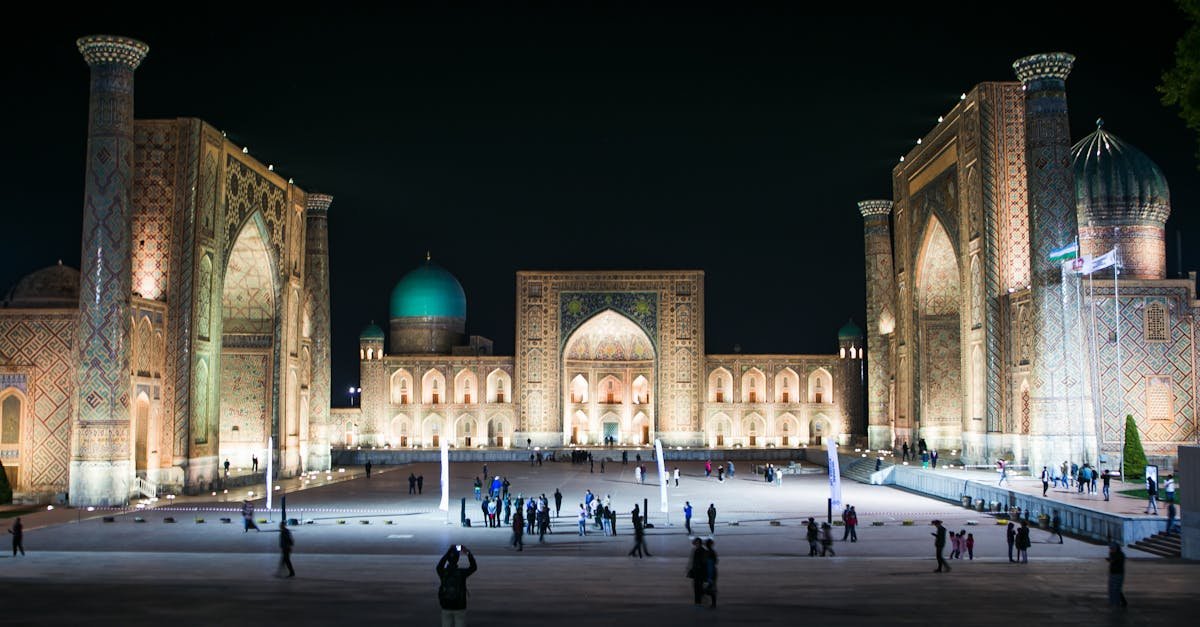
Samarkand is the iconic showpiece — Registan Square, Gur-e-Amir, and Shah-i-Zinda are among the most visually spectacular monuments in the world, and any Central Asia trip should include at least two days there. But Tashkent offers something Samarkand cannot: an authentic, functioning city where the sights are embedded in real daily life rather than a manicured tourist zone. Tashkent's metro, Chorsu Bazaar, and plov canteens feel lived-in and genuinely local. The best answer for most travellers is both: fly into Tashkent, spend three to five days exploring the capital, then take the two-hour Afrosiyab fast train to Samarkand before flying home. Tashkent makes the ideal Uzbekistan entry point.
Do people speak English in Tashkent?
English is spoken at a basic level in Tashkent's hotels, better restaurants, and tourism-adjacent businesses, but it is not widely understood among older residents, market traders, or taxi drivers. Russian functions as the de facto second language and is far more useful for navigating everyday interactions. Younger Tashkenters under 30 increasingly speak functional English, particularly in the Yunusabad creative scene and specialty cafés. A translation app such as Google Translate with Russian and Uzbek downloaded for offline use is strongly recommended. Learning five to ten words of Uzbek — salom (hello), rahmat (thank you), qancha (how much?) — will be received with genuine warmth.
★ Hidden Gems Weekly
Like this? One place per week, in your inbox.
No spam, no fluff — just one underrated destination, every Tuesday.
Hand-picked and verified by Max, who founded Vacanexus from Luxembourg in 2026. No sponsorships, no paid placements. Every recommendation — restaurants, neighbourhoods, things to do — is selected for authenticity over popularity.