Ladakh Travel Guide — Monasteries, moonscapes and infinite altitude
⏱ 12 min read📅 Updated 2026💶 €€ Mid-range✈️ Best: Jun–Sep
€50–120/day
Daily budget
June–September
Best time
7–14 days
Ideal stay
INR
Currency
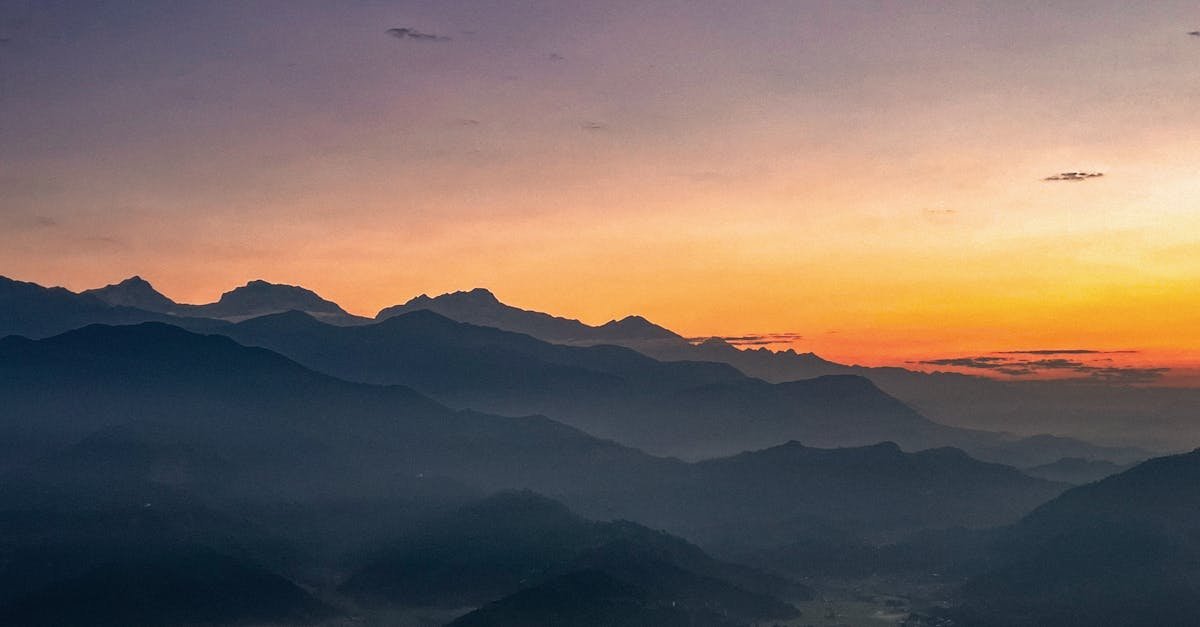
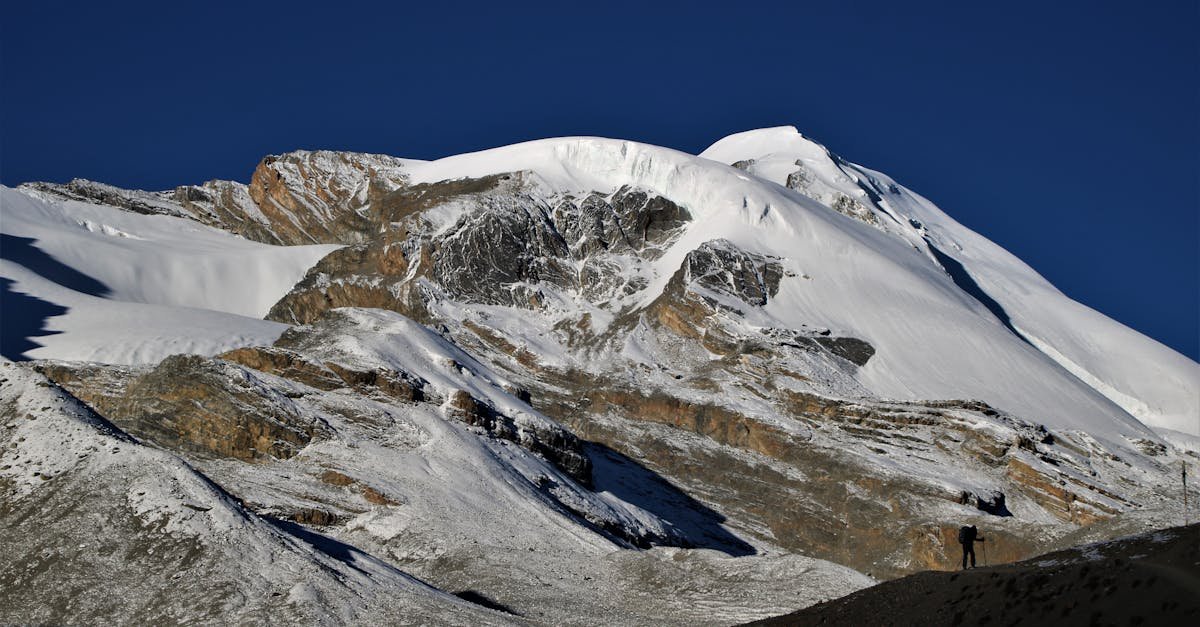
Ladakh hits you all at once — thin air sharp as glass, skies so saturated they look painted, and a silence that settles over the Himalayan plateau like snowfall. Perched between 3,000 and 5,600 metres in the far north of India, Ladakh is a landscape of almost violent beauty: crumbling gompas clinging to ochre cliffs, turquoise rivers threading through moonscape valleys, and the unmistakable scent of juniper smoke drifting from whitewashed monasteries. Prayer flags snap in the cold mountain wind above every pass and rooftop, and Ladakh's Buddhist heritage gives the region a meditative stillness that no other part of the subcontinent can replicate.
Compared with Manali or Shimla — popular but often crowded Himalayan hill stations — visiting Ladakh is an altogether more elemental experience. The region sits within a rain shadow, meaning the stark, desert-like landscape bears no resemblance to the forested ridges further south. Things to do in Ladakh range from white-water rafting on the Zanskar River to dawn walks through Leh's old quarter, from camel rides among the sand dunes of Nubra Valley to silent meditation sessions inside 1,000-year-old monasteries. This is India's frontier — raw, generous, and unlike anywhere else on earth, beckoning travellers willing to acclimatise both physically and spiritually.
✦ Find your perfect destination
Is Ladakh really your perfect match?
Answer 12 quick questions about your travel style, budget and dates — we match you with the destinations that fit you best, from 600+ worldwide.
Ladakh belongs on your travel list because it offers a convergence of experiences that simply cannot be found elsewhere at this price point. Ancient Tibetan Buddhist monasteries like Thiksey and Hemis have stood for centuries and still function as living spiritual communities. Pangong Lake — stretching 134 kilometres across the border into Tibet — produces an otherworldly blue that no photograph quite captures. Ladakh also delivers high-altitude adventure: mountain biking over 5,300-metre passes, trekking through remote Zanskar gorges, and watching the Milky Way arc overhead without a hint of light pollution.
The case for going now: Ladakh became a Union Territory in 2019, and investment in road infrastructure — including the Zoji La tunnel — is steadily reducing isolation without erasing authenticity. Tourism numbers remain far below what the landscape could sustain, meaning 2026 still offers genuine solitude at Pangong's western shore and on lesser-known treks in the Sham Valley. International flight connections to Leh's Kushok Bakula Rimpochhe Airport are expanding, making the once-formidable journey to Ladakh easier than ever before.
🏔️
High-Pass Riding
Motorcycle or bicycle across Khardung La — once claimed as the world's highest motorable road at 5,359 metres — for sweeping views over the Shyok River valley far below.
🛕
Monastery Mornings
Wake before sunrise at Thiksey Gompa to witness monks chanting in crimson robes. The monastery's 12-storey structure rises from a rocky spur like a miniature Potala Palace.
🐪
Nubra Valley Dunes
Ride double-humped Bactrian camels across the sand dunes at Hunder village, a surreal desert landscape flanked by snow-dusted Karakoram peaks rising above 6,000 metres.
🚣
Zanskar River Rafting
Tackle Grade III–IV rapids on the Zanskar River through dramatic canyon walls — one of India's most thrilling white-water rafting routes and a highlight of any Ladakh itinerary.
Ladakh's neighbourhoods — where to focus
Cultural Heart
Leh Old Town
Narrow stone lanes wind past the nine-storey Leh Palace — a 17th-century royal residence modelled loosely on Lhasa's Potala — and a maze of traditional mud-brick houses. The old bazaar below sells pashmina, turquoise jewellery, and dried apricots. Leh Old Town is the logical base for any Ladakh trip.
Spiritual Retreat
Choglamsar
A quieter suburb south of Leh along the Indus River, Choglamsar hosts the Dalai Lama's official Ladakhi residence at Choglamsar Palace and several Tibetan refugee settlements. Guesthouses here offer a more contemplative alternative to central Leh, with garden views across the river.
Adventure Hub
Skara / Changspa
West of the main bazaar, Changspa is Leh's informal traveller district — a low-rise neighbourhood of guesthouses, rooftop cafés serving yak butter tea, trekking agencies, and rental shops stacked with motorcycles and bicycles. It is the best place to organise Ladakh adventure itineraries and meet fellow travellers.
Day-Trip Country
Indus Valley Villages
The string of villages between Leh and Hemis — Shey, Thiksey, Matho, Stakna — lines the Indus River beneath crumbling monastery-topped ridges. Each village preserves traditional Ladakhi architecture and apricot orchards, offering an immersive rural contrast to Leh's buzzing bazaar. Perfect for a slow cycling day.
Top things to do in Ladakh
1. #1 Pangong Lake at Dawn
At 4,350 metres above sea level, Pangong Tso is one of the highest saltwater lakes on earth, and its colour shifts through at least five distinct shades of blue and green depending on the angle of the light. The five-hour drive from Leh over Chang La pass is itself spectacular, crossing a barren plateau where marmots scatter beside the road. Arriving at Pangong for sunrise — before the midday tour buses — rewards visitors with still water, perfect reflections of the bare Changchenmo Range, and an almost total absence of sound. Staying overnight in a lakeside camp at Spangmik village is strongly recommended; watching the Milky Way over Pangong's southern shore is among the most profound experiences in any Ladakh itinerary. Permits are required and easily arranged in Leh.
2. #2 Hemis Monastery & Festival
Hemis, 45 kilometres southeast of Leh, is the wealthiest and largest monastery in Ladakh, belonging to the Drukpa Kagyu school of Tibetan Buddhism and dating back to the 17th century. Its annual Hemis Festival — held in June or July on the anniversary of Guru Padmasambhava's birth — transforms the courtyard into a spectacle of mask dances performed by monks in elaborate silk costumes, accompanied by crashing cymbals and the drone of six-foot dungchen horns. Even outside festival season, Hemis rewards exploration: its museum holds rare thangka paintings, silver reliquaries, and Tibetan manuscripts. The monastery grounds back directly onto the Hemis National Park, home to the highest concentration of snow leopards in any protected area in the world.
3. #3 Nubra Valley Loop
The classic Nubra Valley excursion crosses Khardung La — at 5,359 metres, one of the most exhilarating mountain passes accessible by road — and descends into a broad, surprisingly warm valley of sand dunes and rose-laden villages. Diskit Monastery, perched on a red gorge above the Shyok River, houses a 32-metre white Maitreya Buddha statue that can be seen from kilometres away. Hunder village's sand dunes are where Bactrian camels — a legacy of the ancient Silk Road — still roam. Spending two nights in Nubra gives enough time for the camel safari at sunset and a morning drive to the Pakistani border village of Turtuk, whose apricot orchards and Balti culture feel entirely unlike the Tibetan-influenced villages downstream.
4. #4 Sham Valley Trek
Often called the 'Baby Trek' because it traverses comparatively gentle altitudes of 3,000–4,200 metres, the Sham Valley walk is actually one of the most culturally rich routes in Ladakh. The three-to-four-day trail links ancient monasteries at Likir, Rizong, and Alchi — the last of which contains 11th-century murals regarded as the finest Tibetan Buddhist artwork in the entire Western Himalaya. Walking between villages on stone-paved irrigation paths, staying in homestays with Ladakhi families, and eating oven-fresh khambir bread with local butter tea transforms this into something far more meaningful than a physical challenge. No acclimatisation days beyond what you need for Leh itself are required, making Sham Valley the ideal first trek for visitors new to high-altitude walking.
What to eat in the Ladakhi Plateau — the essential list
Thukpa
Ladakh's definitive comfort food — a hearty noodle soup simmered with vegetables, sometimes mutton or yak meat, and warming spices. Every teahouse from Leh to Pangong serves it, and no two bowls taste quite the same.
Skyu
A rustic Ladakhi stew made with hand-pressed wheat dough pieces shaped like thumb-prints, slow-cooked with root vegetables and occasionally meat. Skyu is the ultimate cold-weather dish and a staple in traditional Ladakhi homestays during winter months.
Tsampa
Roasted barley flour mixed with butter tea or water into a dense, nutty paste — the ancient staple of Tibetan Buddhist culture that has sustained Ladakhi people at altitude for centuries. Simple, calorie-dense, and deeply tied to the region's identity.
Butter Tea (Po Cha)
Brick tea churned with yak butter and salt into a rich, savoury, pale-pink drink that divides visitors firmly into lovers and haters. Accepted gratefully in any monastery or homestay — refusing is considered mildly impolite in traditional Ladakhi households.
Momos
Steamed or fried dumplings filled with spiced vegetables, paneer, or minced meat — a shared culinary heritage of Tibet, Bhutan, and Nepal that has made itself entirely at home in Ladakh's teahouses and street stalls.
Apricot Jam & Local Bread
Ladakh produces some of India's finest organic apricots, and the sweet-sharp jam served on khambir flatbread at breakfast in Nubra and Sham Valley guesthouses is startlingly good — a quiet highlight many travellers mention long after returning home.
Where to eat in Ladakh — our top 4 picks
Fine Dining
Bon Appetit Restaurant
📍 Zangsti Road, Leh, Ladakh 194101
Bon Appetit is Leh's most reliably excellent restaurant, set in a pleasant garden and serving a broad menu spanning Ladakhi specialities, well-executed Indian curries, and continental dishes. The momos and the mutton rogan josh are consistently praised by returning visitors. Reserve a garden table for lunch.
Fancy & Photogenic
Alchi Kitchen
📍 Alchi Village, Leh District, Ladakh 194301
Run by a women's cooperative beside the ancient murals of Alchi Monastery, this charming open-air kitchen serves traditional Ladakhi home cooking — skyu, butter tea, and fresh apricot desserts — against a backdrop of whitewashed walls and prayer wheel lanes. The setting is extraordinary and the food is genuine.
Good & Authentic
Tibetan Kitchen
📍 Fort Road, Leh, Ladakh 194101
A long-running Fort Road institution that fills every evening with trekkers, bikers, and monastically-minded travellers. The Tibetan Kitchen serves expansive thukpa, excellent tingmo (steamed bread), and generous set meals at extremely fair prices. Straightforward, honest, and exactly what Leh's traveller scene needs.
The Unexpected
Gesmo Restaurant
📍 Fort Road, Leh, Ladakh 194101
Ladakh's longest-surviving backpacker café — opened in the 1970s — still draws a devoted crowd for its apple pie, filter coffee, and thick stacks of pancakes. Gesmo is the place to swap trekking notes, plan Pangong logistics over breakfast, and feel the particular warmth of Leh's traveller community.
Ladakh's Café Culture — top 3 cafés
The Institution
Café Jeevan
📍 Main Bazaar, Leh, Ladakh 194101
A Main Bazaar stalwart beloved by locals and travellers alike for its strong Ladakhi tea, fresh baked goods, and unfiltered people-watching. Jeevan opens early for mountaineers setting out before dawn and stays busy until late afternoon when the bazaar quietens. Simple, dependable, and absolutely worth a stop.
The Aesthetic Hub
Illuminati Café
📍 Changspa Lane, Leh, Ladakh 194101
Changspa's most photogenic rooftop café, with whitewashed walls, dangling fairy lights, Himalayan panoramas, and a menu that runs from avocado toast to fresh-ground Coorg coffee. Popular with international travellers in their post-acclimatisation rest days, Illuminati Café doubles as a reliable hub for Ladakh trekking information.
The Local Hangout
Dzomsa
📍 Changspa Road, Leh, Ladakh 194101
A community-owned social enterprise café selling cold local fruit juices, herbal infusions, and Ladakhi snacks without plastics or single-use packaging. Dzomsa is deeply embedded in Leh's environmental movement and provides a relaxed, shaded courtyard that is ideal for a midday break after monastery visits.
Best time to visit Ladakh
Jan
Feb
Mar
Apr
May
Jun
Jul
Aug
Sep
Oct
Nov
Dec
Peak Season (Jun–Sep) — Roads open, all treks accessible, festivals in full swing, warm daysShoulder Season — Some roads open, fewer crowds, cooler temperaturesOff-Season — Most roads closed by snow, extreme cold, limited access; only Leh city accessible by air
Ladakh events & festivals 2026
Whether you're planning around a specific celebration or simply want to know what's happening, this guide covers the best events and festivals in Ladakh — from major annual traditions to cultural highlights worth timing your trip around.
June 2026culture
Hemis Festival
The largest and most famous of Ladakh's monastic festivals, held at Hemis Monastery to mark Guru Padmasambhava's birth anniversary. Masked Cham dancers in silk costumes perform in the gompa courtyard.
July 2026culture
Ladakh Festival
Organised by the Jammu & Kashmir tourism department, this week-long festival across Leh celebrates Ladakhi heritage through polo matches, archery competitions, folk music performances, and traditional costume parades along the main Leh boulevard. A highlight of any Ladakh itinerary in July.
August 2026religious
Dosmoche Festival
A centuries-old purification ceremony held at Leh's main mosque square and Namgyal Tsemo Gompa, combining Buddhist and animist traditions to expel evil spirits before harvest season. Effigy-burning and ritual mask dances draw both locals and fascinated international visitors.
July 2026culture
Matho Nagrang
A unique two-day oracle festival at Matho Monastery on the Indus, during which two specially selected monks enter a trance state and perform death-defying acts — walking on roof edges blindfolded — while the oracle delivers prophecies for the coming year.
August 2026music
Sindhu Darshan Festival
Held on the banks of the Indus River near Leh, Sindhu Darshan celebrates the river as a symbol of national unity. Performers from across India's states gather for music, dance, and craft exhibitions beside the sacred water. A vivid multicultural event in the Ladakhi summer calendar.
September 2026culture
Phyang Tsedup
A colourful two-day masked dance festival at Phyang Monastery near Leh, featuring enormous thangka unfurling ceremonies and elaborate Cham dances in tiger, deer, and skeleton costumes. Phyang Tsedup offers an intimate alternative to Hemis for travellers visiting Ladakh in early September.
June 2026culture
Stakna Monastery Festival
A comparatively small but atmospheric festival at Stakna Gompa above the Indus River, featuring traditional masked dances performed against a backdrop of the Stok Kangri massif. Far fewer crowds than Hemis make this a rewarding option for photography-focused travellers.
December 2026religious
Galdan Namchot
Ladakh's winter festival marking the death anniversary of Tsongkhapa, founder of the Gelugpa school of Tibetan Buddhism. Monasteries across Leh district illuminate with butter lamps, and monks perform ceremonial dances in icy courtyards. Atmospheric and uncrowded for cold-season adventurers.
August 2026market
Diskit Summer Bazaar
An annual open-air market held in Nubra Valley's main village of Diskit, bringing together artisans from across the valley to sell handmade jewellery, woven wool textiles, dried fruits, and Balti handicrafts. A rewarding addition to any Nubra Valley day trip from Hunder or Sumur.
July 2026culture
Karsha Gustor Festival
Held at Karsha Monastery in Zanskar — one of the most remote festivals in Ladakh — this annual event features elaborate mask dances by monks from the large Gelugpa community. Reaching Zanskar by road from Leh takes a full day but rewards the effort with total authenticity.
Dorm beds or basic guesthouses, dal-rice meals, shared jeep transport between valleys, and free monastery visits cover most days.
€€ Mid-range
€50–120/day
Private guesthouse rooms, restaurant dinners, private jeep hire to Pangong and Nubra, plus guided monastery tours with licensed English-speaking guides.
€€€ Luxury
€150+/day
Boutique heritage hotels like The Grand Dragon Ladakh, private vehicle, adventure packages including rafting and trekking, and premium glamping camps at Pangong.
Getting to and around Ladakh (Transport Tips)
By air: Kushok Bakula Rimpochhe Airport in Leh (IXL) is served by direct flights from Delhi, Mumbai, Srinagar, and Chandigarh on IndiGo, Air India, and SpiceJet. Flight time from Delhi is approximately one hour. Booking ahead is essential in peak season as seats sell out weeks in advance.
From the airport: Leh Airport sits just three kilometres from the city centre, making it one of India's most convenient airport transfers. Pre-paid taxis charge roughly ₹300–500 to the main bazaar or Changspa area and take around ten minutes. No shuttle buses operate. Arrange your pickup in advance if arriving late evening, as taxi availability can be limited after dark.
Getting around the city: Leh itself is highly walkable — the bazaar, old town, and Changspa guesthouse district are all within twenty minutes on foot. For day trips to monasteries along the Indus, shared taxis from the main stand are the standard and affordable option. Private jeep hire is the only practical way to reach Pangong Lake, Nubra Valley, and Tsomoriri, typically arranged through your guesthouse or a local tour operator.
Transport Safety & Scam Prevention:
Negotiate jeep rates in advance: Always agree on the total price, number of passengers, and overnight stops before departing for Pangong or Nubra. Rates for private jeeps to Pangong range from ₹5,000–7,000 return. Verbal agreements suffice but a written note helps avoid misunderstandings.
Permit requirements are real: Inner Line Permits are mandatory for Nubra Valley, Pangong Tso, and Tsomoriri. Most reputable Leh travel agents process them within hours for a small fee. Never let a driver claim you do not need a permit — checkpoints are staffed and unmissable.
ATMs run out of cash: Leh has only a handful of ATMs and they frequently run dry during peak season weekends. Withdraw sufficient rupees in Delhi before flying, and carry a cash buffer of at least ₹10,000–15,000 for your time in Ladakh, as card payments are rare outside top hotels.
Do I need a visa for Ladakh?
Visa requirements for Ladakh depend on your nationality. Select your passport below for an instant answer — based on the Passport Index dataset for entry into India.
ℹ️ Indicative only. Always verify with the official consulate before booking. Data: Passport Index, April 2026.
For detailed requirements, documentation checklists and processing times by nationality: TravelDoc →
Search & Book your trip to Ladakh
Find the best flight routes and hotel combinations using our partner Kiwi.com.
Frequently Asked Questions
Is Ladakh safe for tourists?
Ladakh is considered one of the safest destinations in India for international tourists. Crime against visitors is exceptionally rare, and the Buddhist-majority communities throughout the region are famously welcoming and hospitable. The main safety considerations are altitude-related: acute mountain sickness affects many visitors who ascend too quickly. Always spend at least two full days acclimatising in Leh before venturing to Pangong, Nubra, or high-altitude passes. Road safety on mountain passes requires care — hire experienced local drivers and avoid night driving on unmade valley roads.
Can I drink the tap water in Ladakh?
Tap water in Leh and throughout Ladakh is not reliably safe to drink without treatment. Most guesthouses provide filtered or boiled water, which is generally adequate. Carrying a SteriPen or iodine tablets is advisable for trekking routes in Sham Valley or Zanskar. Bottled water is widely available in Leh but creates significant plastic waste in a fragile high-altitude ecosystem — reusable bottles with filtration are strongly encouraged and actively promoted by Leh's environmental community at Dzomsa café.
What is the best time to visit Ladakh?
The best time to visit Ladakh is June through September, when mountain roads are clear of snow, all monasteries and border areas are accessible, and daytime temperatures at Leh's 3,500-metre altitude are warm and pleasant (15–25°C). July and August bring the major festivals including Hemis and the Ladakh Festival. September is arguably the finest month: crowds thin noticeably, the light is superb for photography, and the landscape takes on golden harvest colours. Winter travel (December–February) is possible by air to Leh but extreme cold of -20°C limits activities significantly.
How many days do you need in Ladakh?
A minimum of seven days is needed to visit Ladakh meaningfully, and ten to fourteen days is genuinely ideal. The first two days should be dedicated to acclimatisation in Leh — rushing directly to Pangong or Khardung La without adjustment days is a common mistake that leads to severe altitude sickness. A seven-day Ladakh itinerary can cover Leh's monasteries, a Nubra Valley overnight, and Pangong Lake. Ten days adds Zanskar rafting or the Sham Valley trek. Fourteen days allows for Tsomoriri Lake and deeper exploration of lesser-visited valleys without feeling rushed.
Ladakh vs Spiti Valley — which should you choose?
Both Ladakh and Spiti Valley in Himachal Pradesh offer high-altitude desert landscapes, ancient Buddhist monasteries, and dramatic mountain scenery — but they suit different traveller profiles. Ladakh is larger, better connected by air, and offers more infrastructure including proper guesthouses, restaurants, and organised tours. Pangong Lake and Nubra Valley's Bactrian camels are unique to Ladakh. Spiti is rawer, cheaper, and less visited — its road access is more difficult and its village homestays are more basic. Choose Ladakh for a slightly more comfortable adventure with bigger iconic landmarks; choose Spiti for a more off-grid, budget-orientated mountain experience with fewer fellow tourists.
Do people speak English in Ladakh?
English proficiency in Ladakh is surprisingly good relative to much of rural India. In Leh itself, English is spoken well in hotels, restaurants, tour agencies, and most guesthouses, as decades of international tourism have made it a practical local skill. At monasteries, many younger monks speak usable English. In remote villages in Nubra, Zanskar, and around Tsomoriri, English is limited but Ladakhis are generous communicators who navigate language gaps with warmth. Basic Hindi phrases are also useful in non-tourist settings, though Ladakhi itself — a Tibetan dialect — is the true local language.
★ Hidden Gems Weekly
Like this? One place per week, in your inbox.
No spam, no fluff — just one underrated destination, every Tuesday.
Hand-picked and verified by Max, who founded Vacanexus from Luxembourg in 2026. No sponsorships, no paid placements. Every recommendation — restaurants, neighbourhoods, things to do — is selected for authenticity over popularity.